Medically reviewed by Mary Choy, PharmD

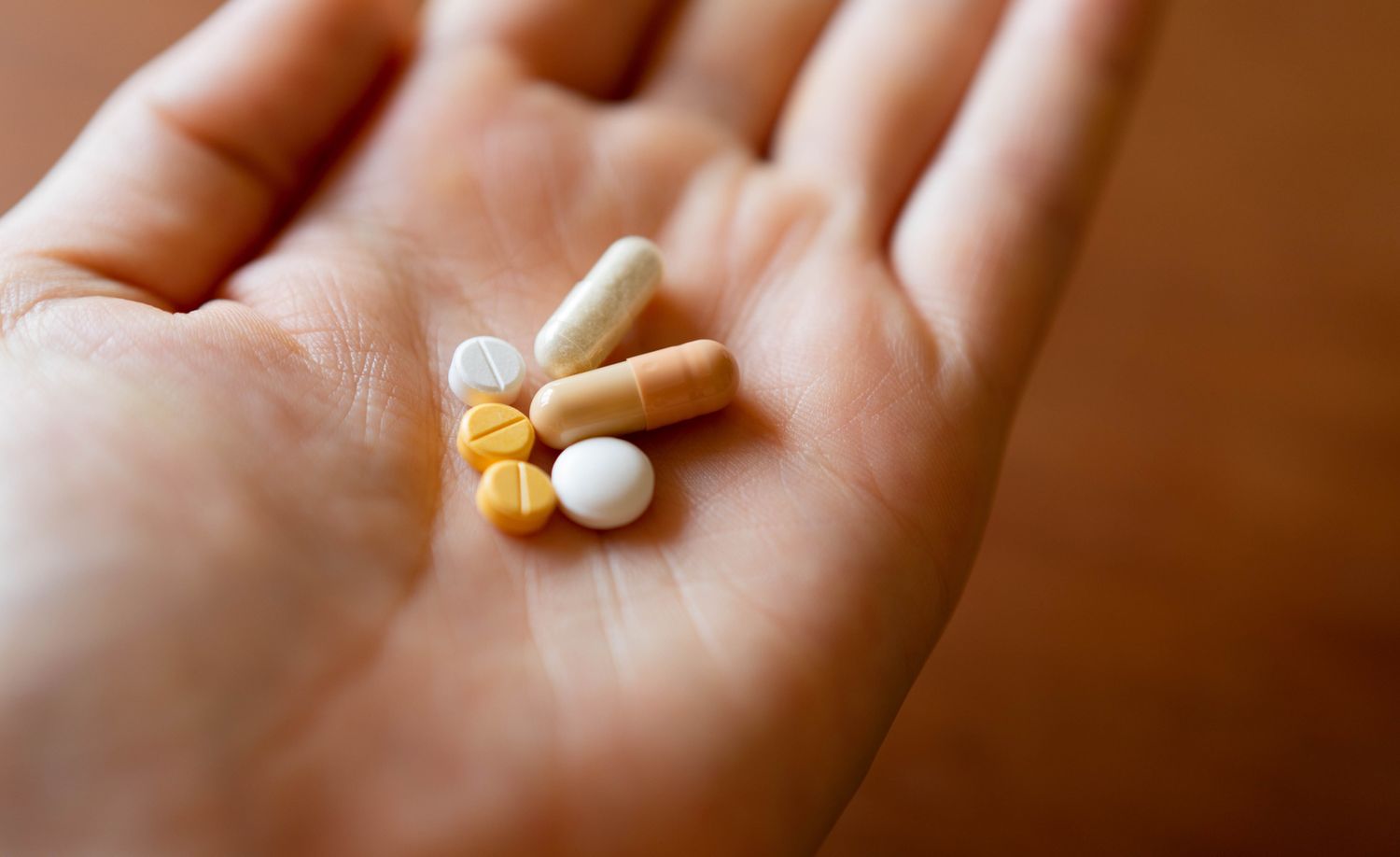
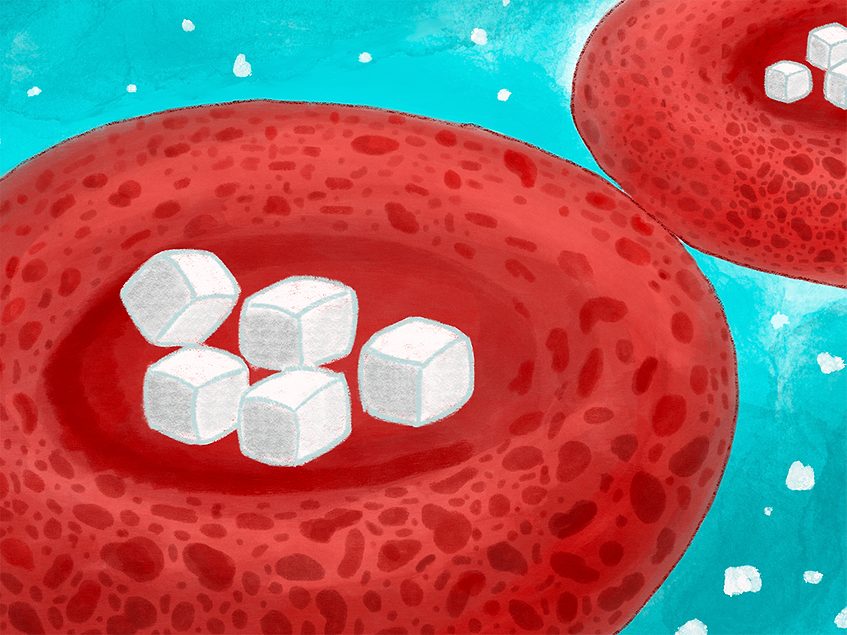
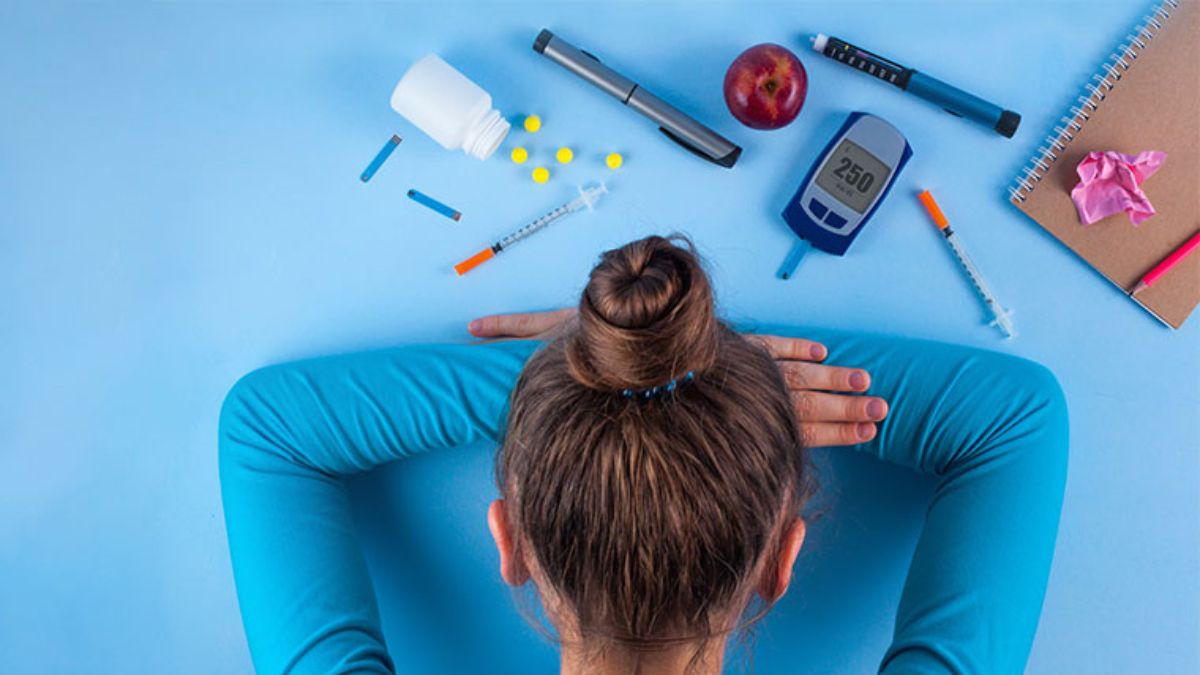
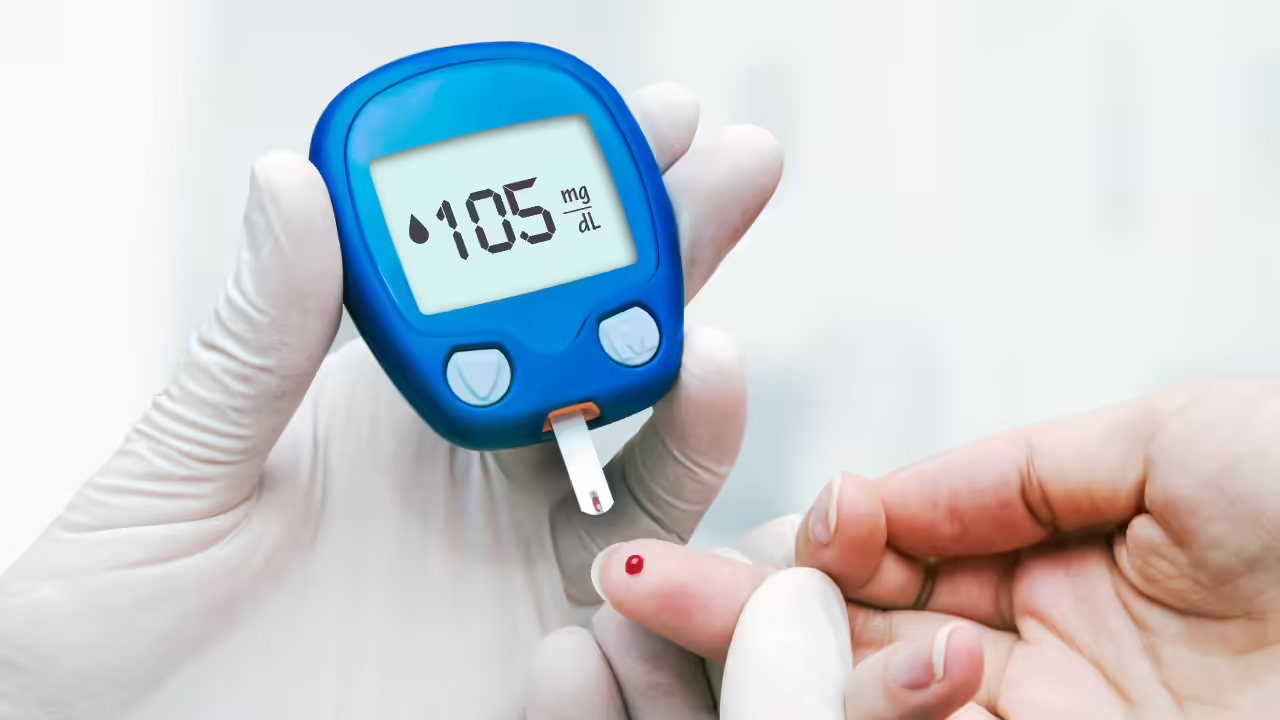
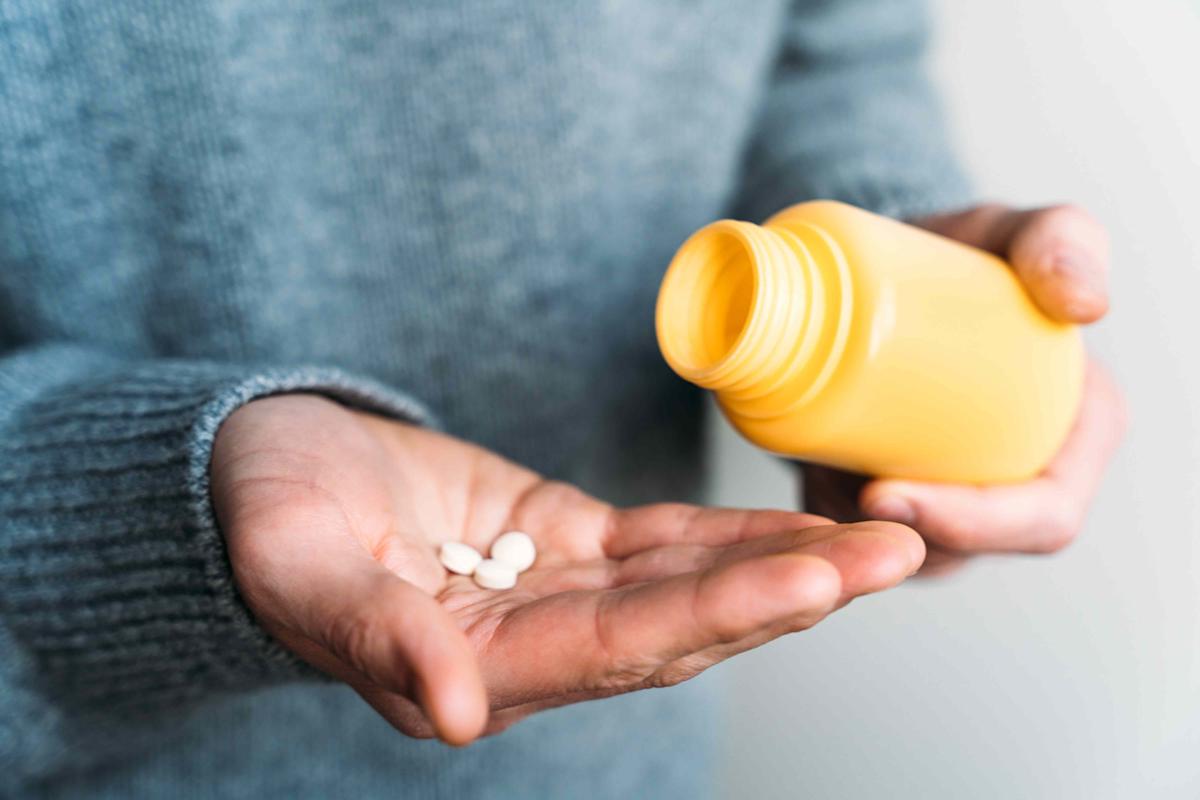
Some supplements might lower blood sugar too much if you are already taking blood sugar medication.
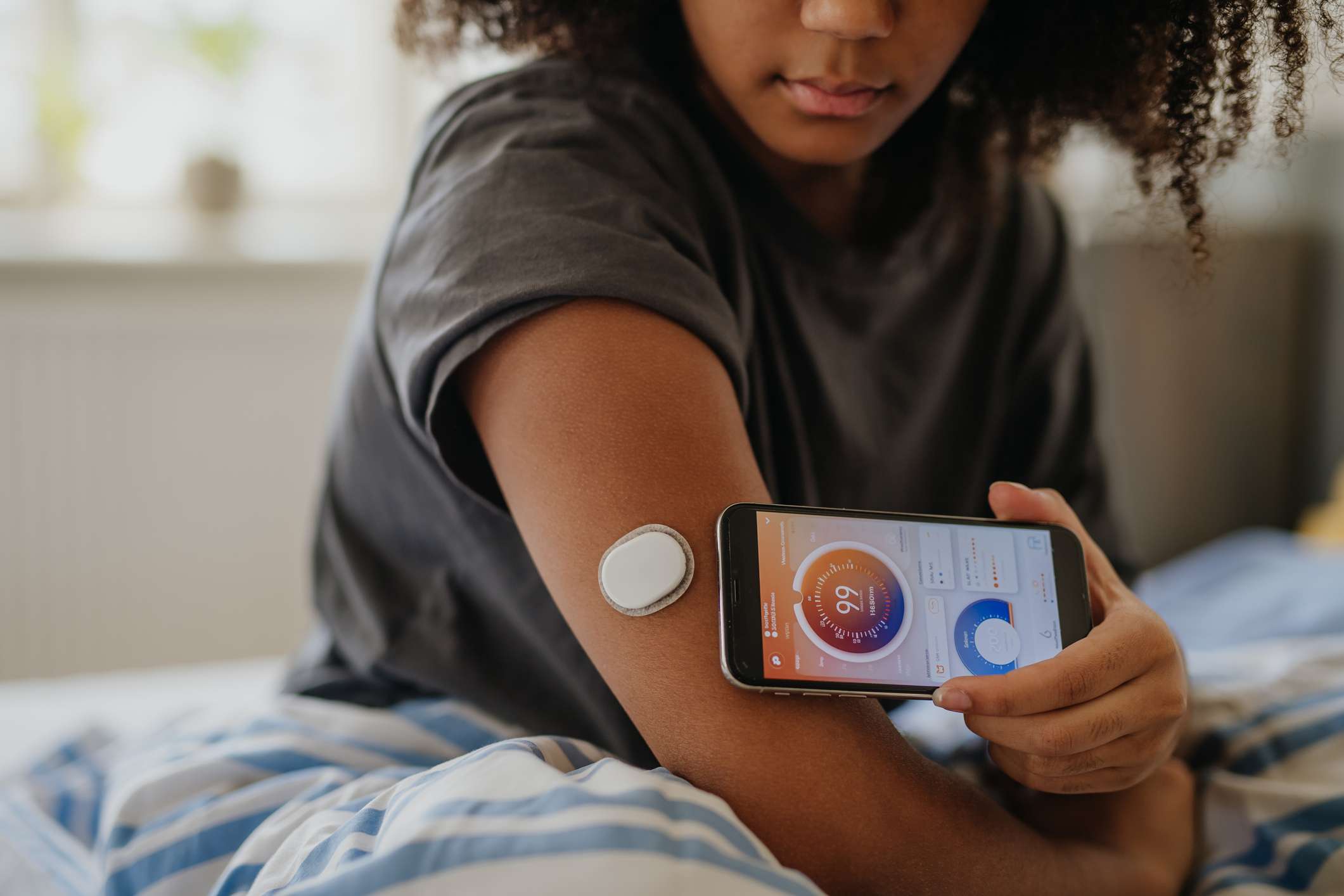
Credit: Anastasiia Voloshko / Getty Images
-
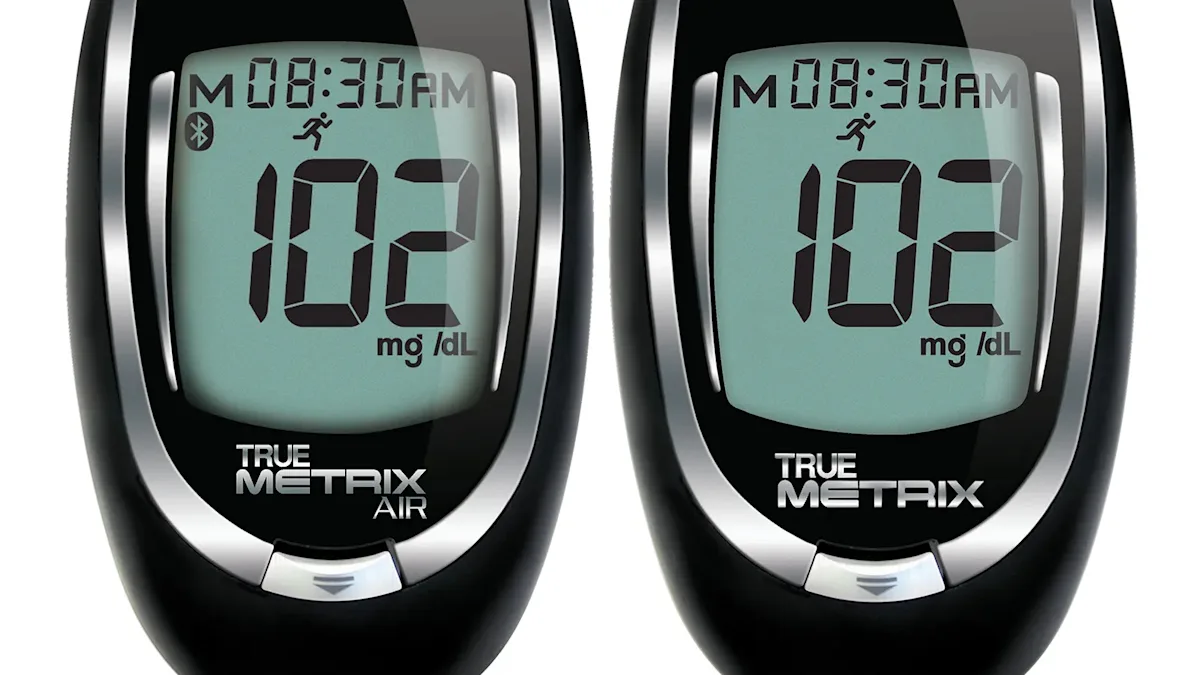
Many popular supplements can alter blood sugar and can make glucose levels harder to control, especially for people with diabetes.
-
High-dose supplements may interact with diabetes medications or increase the risk of low blood sugar.
-
Most people get enough nutrients from food, making many blood sugar supplements unnecessary.
If you have high blood sugar, some supplements marketed for “blood sugar support” may do more harm than good. Here are supplements often used to lower blood sugar but that can interfere with glucose control or diabetes medications.
1. Chromium
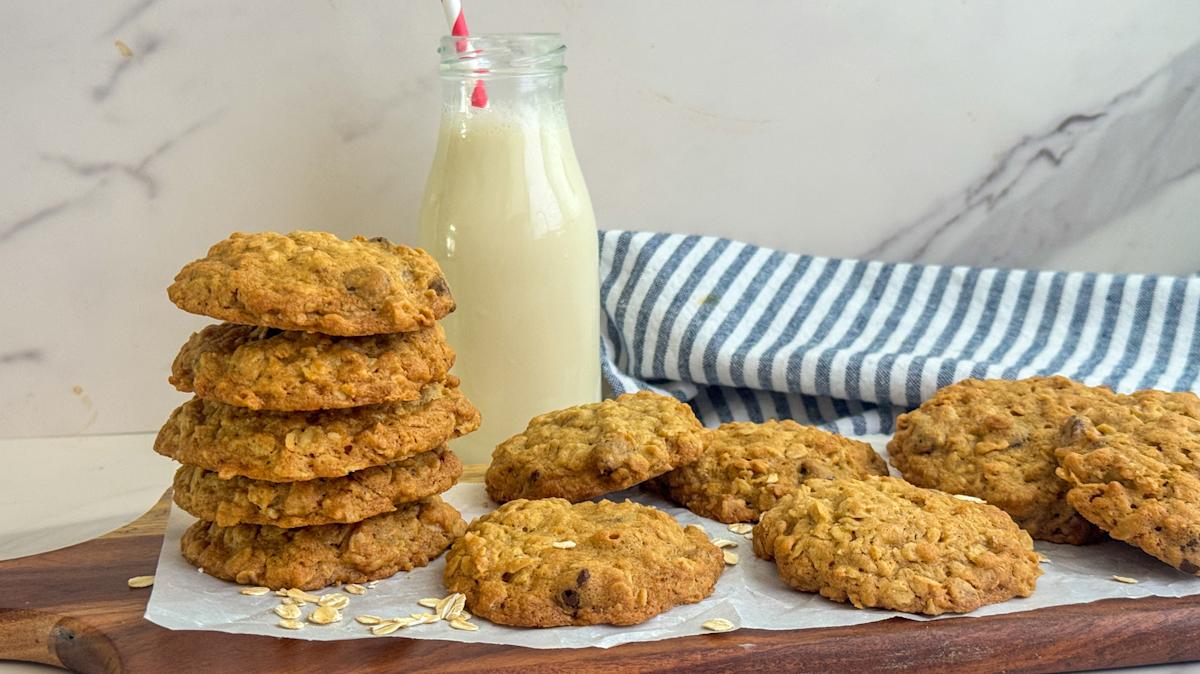
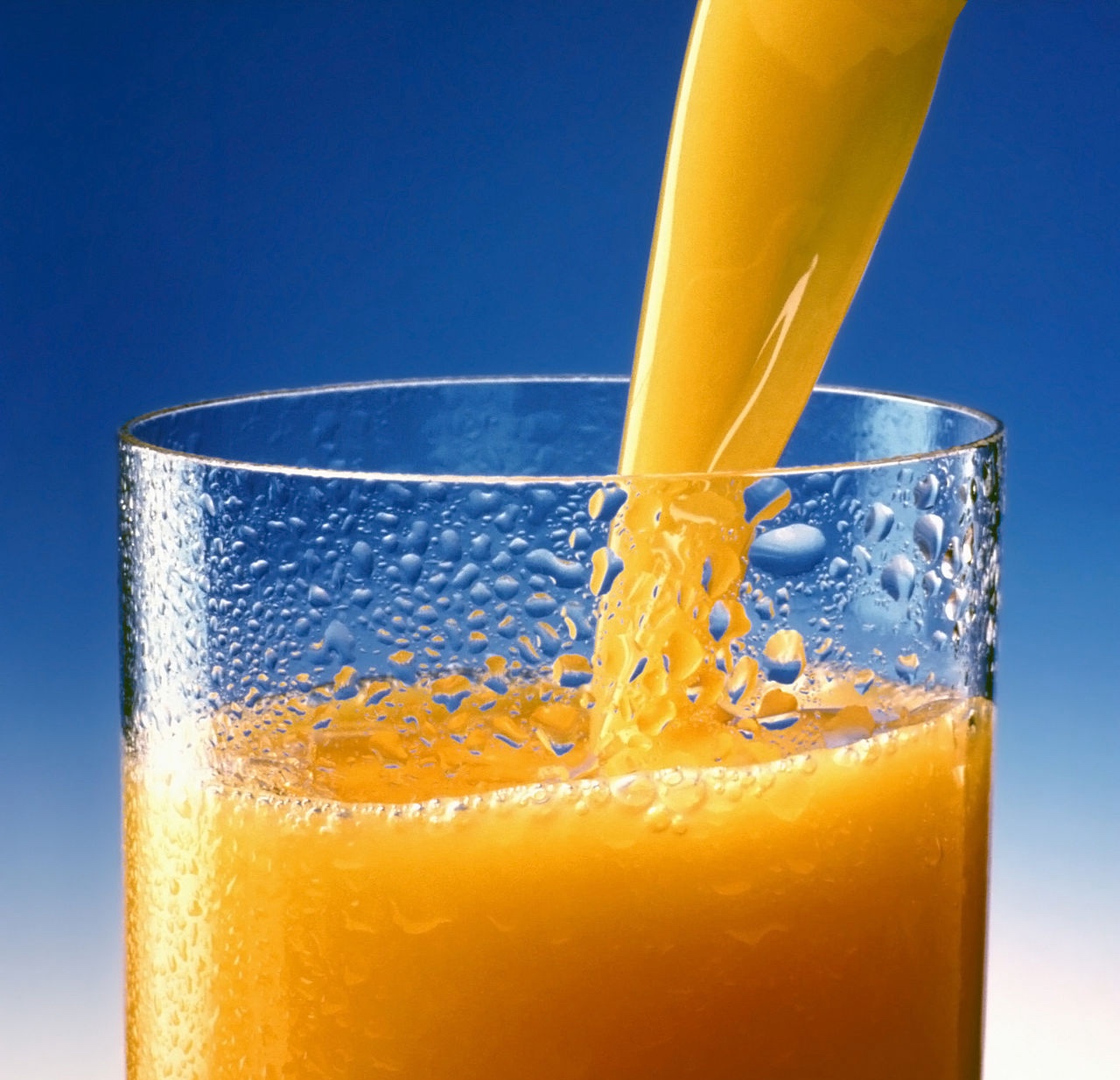
Chromium is an element found in different types of foods. Most people get enough from food like English muffins, orange juice, or beef. However, some people may take a chromium supplement.
This element is thought to help insulin work better. Insulin is a hormone that allows glucose (sugar) from food to enter cells so the glucose can be used for energy. By doing this, insulin helps lower blood sugar levels after you eat. However, chromium may increase the risk of your blood sugar becoming too low. For instance, it may interfere with diabetes medications and lower blood sugar too much.
High doses of chromium may lead to health problems for people with liver or kidney disease.
2. Ginseng
Ginseng is an herbal supplement made from the root of Panax plants.
Ginseng may lower fasting blood sugar in the short term, but it may not be reliable for improving long-term control. A review article of multiple studies found that ginseng slightly lowered fasting blood sugar and improved insulin resistance (when your body doesn’t respond to insulin as it should) in people with prediabetes or type 2 diabetes. However, ginseng did not improve long-term blood sugar control, as measured by A1C.
Ginseng can also unpredictably interact with diabetes medications.
3. Niacin (Vitamin B3)
Niacin, also called vitamin B3, is a vitamin found in foods and supplements. Most people get enough niacin from food like meats, rice, and bread. Issues—including those that affect blood sugar—usually only arise with high-dose supplements.
Niacin can raise blood sugar by worsening insulin resistance and increasing glucose release from the liver, especially at doses used in supplements rather than food.
4. Vitamin E
Vitamin E is found in foods and supplements. It acts as an antioxidant, helping protect cells from damage. Most people get enough from foods like nuts, seeds, and vegetable oils, which makes high-dose supplements unnecessary for many adults.
Research shows vitamin E does not consistently lower fasting blood sugar. While some studies found small improvements in A1C, insulin levels, and insulin resistance, the benefits were modest and inconsistent. Also, high-dose vitamin E may not have much of an effect on fasting blood sugar among people with diabetes.
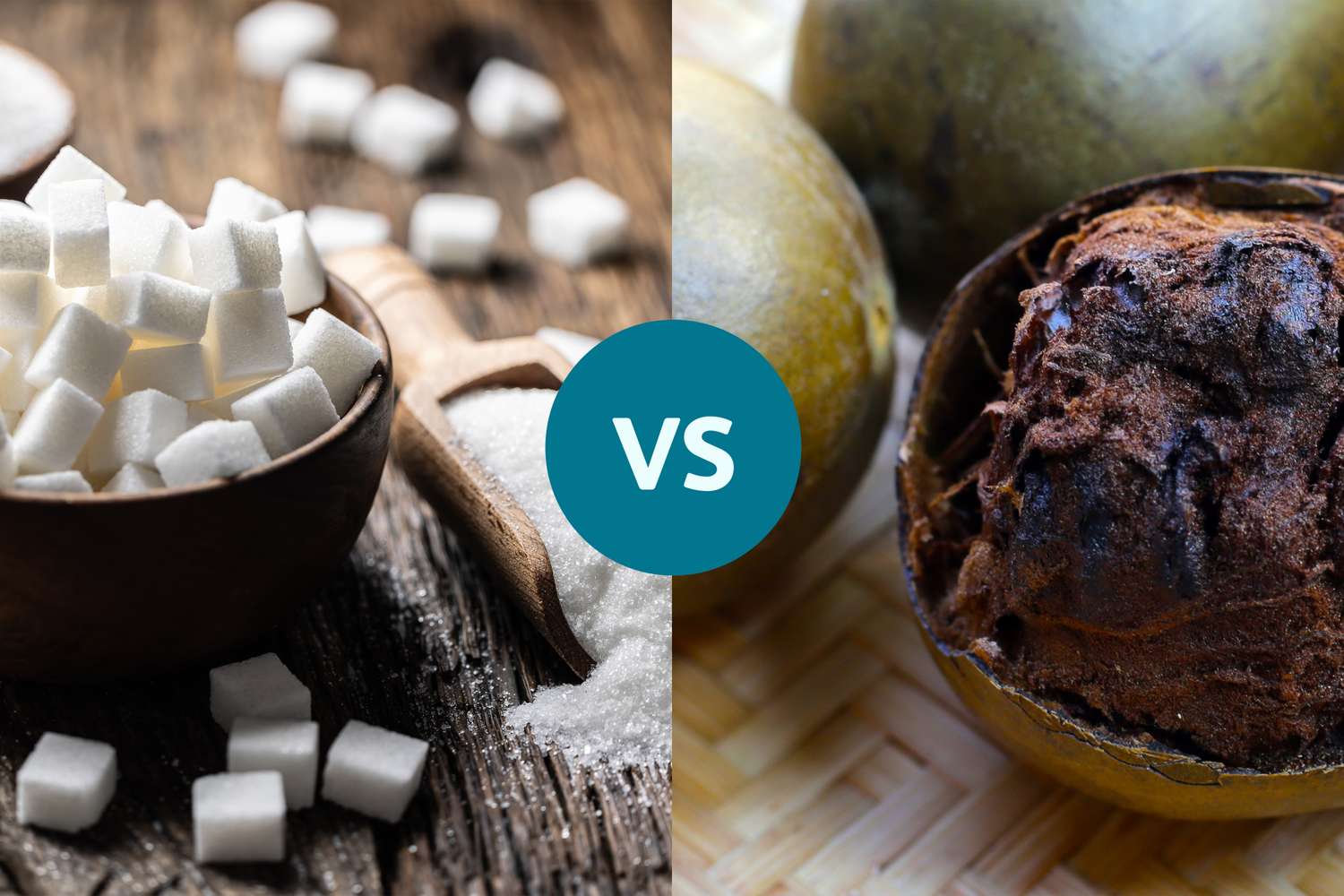
5. Bitter Melon
Bitter melon is a vine-grown fruit that looks like a cucumber but tastes very bitter. It’s been used in traditional medicine and as a supplement for blood sugar control.
In a review that examined whether bitter melon is safe and effective for managing type 2 diabetes, researchers found bitter melon improved A1C more than the placebo but was less effective than diabetes medication.
More research is needed to understand how effective bitter melon is for people living with type 2 diabetes.
6. Fenugreek
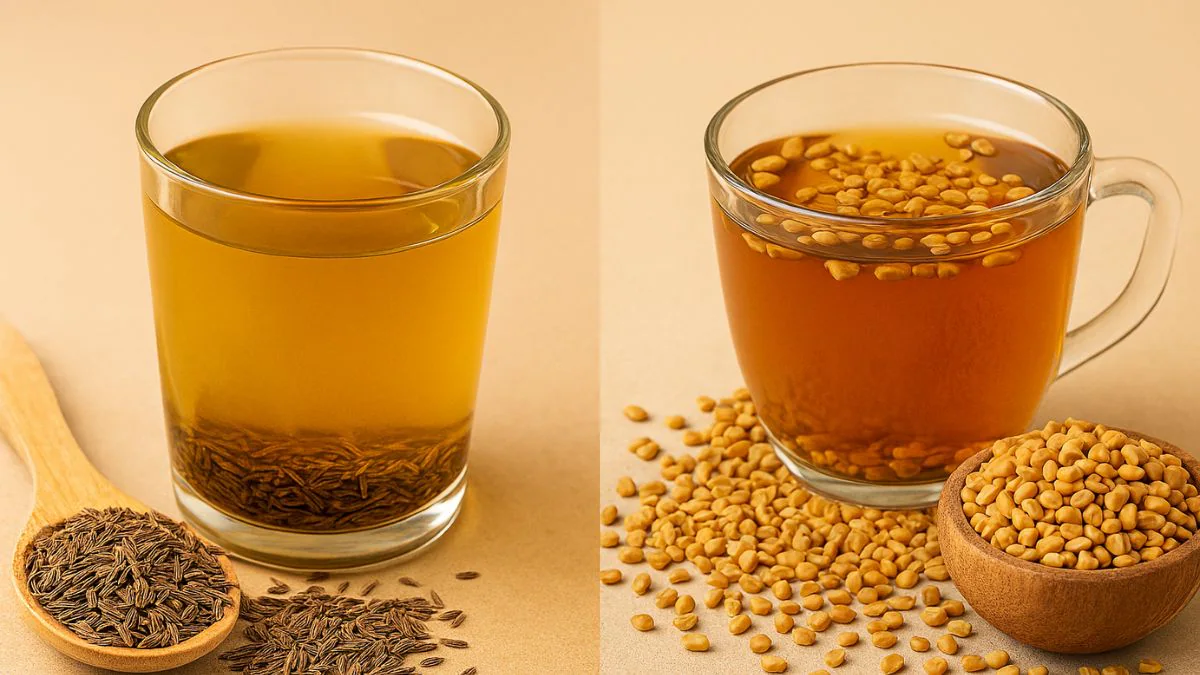
Fenugreek is a clover-like herb with seeds that taste and smell like maple syrup. It has long been used as a spice and traditional remedy and is available as a supplement.
Some small studies suggest fenugreek may lower blood sugar in people with type 2 diabetes. But the evidence is inconsistent, and more research is needed to recommend it as a diabetes treatment. Plus, large doses of fenugreek may cause blood sugar to drop too low, especially if combined with diabetes medications.
7. Berberine
Berberine is a natural compound found in the roots and bark of several plants. It has long been used in traditional Chinese medicine and is commonly sold as a supplement for blood sugar health.
Research shows that berberine can significantly lower fasting blood sugar, A1C, and post-meal glucose levels in people with type 2 diabetes. Its effects appear strongest in people who start with higher blood sugar levels.
However, because berberine can strongly lower blood sugar, it may increase the risk of overly low blood sugar, especially when combined with diabetes medications.
8. Green Tea Extract
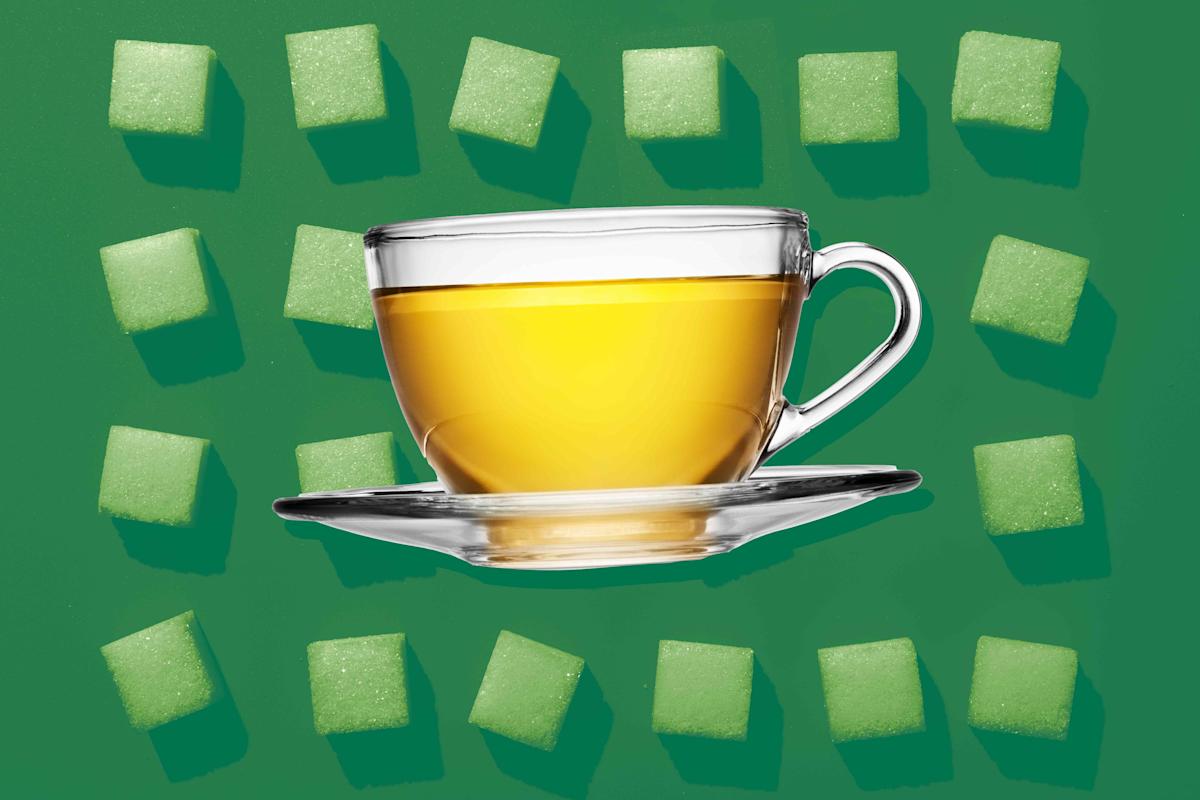
Green tea is a non-fermented tea made from fresh tea leaves and is rich in compounds like polyphenols, caffeine, and theanine.
Research suggests green tea compounds may improve insulin sensitivity, or how well your body responds to insulin. It may also help cells use glucose more effectively, increase insulin secretion, and modestly lower blood sugar. Much of this evidence comes from animal studies or high-dose extracts rather than everyday tea drinking.
All that being said: Green tea extracts can lower blood sugar unpredictably, especially at high doses or when combined with diabetes medications. This can increase the risk of low blood sugar. The caffeine content may also raise stress hormones and affect glucose control in some people.
Is There a Supplement for You?
Supplements have the potential to interfere with medications, lead to unpredictable blood sugar changes, or delay effective treatment. However, some supplements could work for you. A healthcare provider can help you decide what may be safe for you and what’s better left on the shelf.
If your provider says a supplement could work for you, make sure to find one that has been third-party tested. The U.S. Food and Drug Administration doesn’t regulate supplements the same way it does food. Third-party testing ensures the ingredients listed on the label match those in the supplement. Look for a seal from third-party testers like SF International, USP (United States Pharmacopeia), or ConsumerLab.
Read the original article on Health