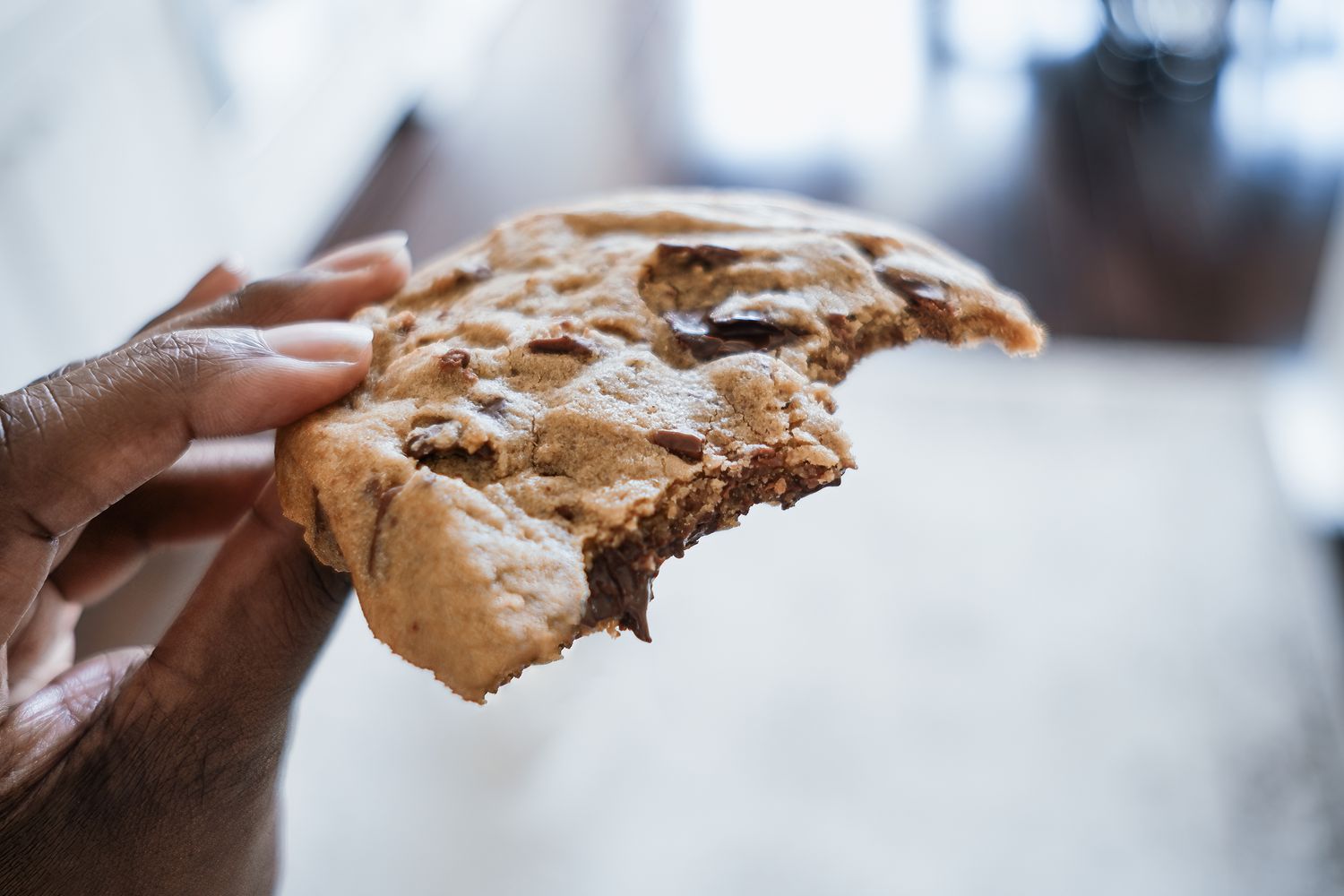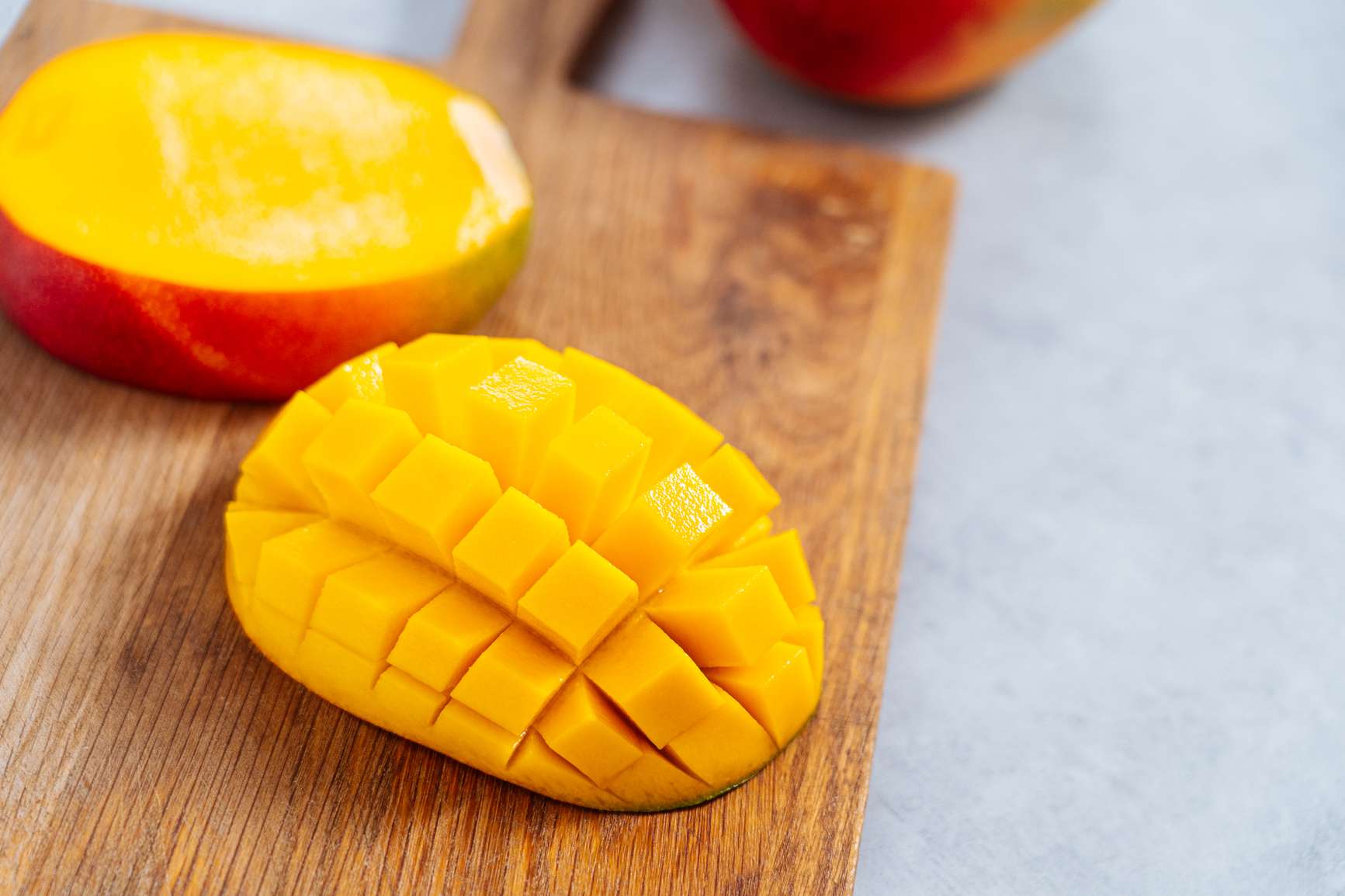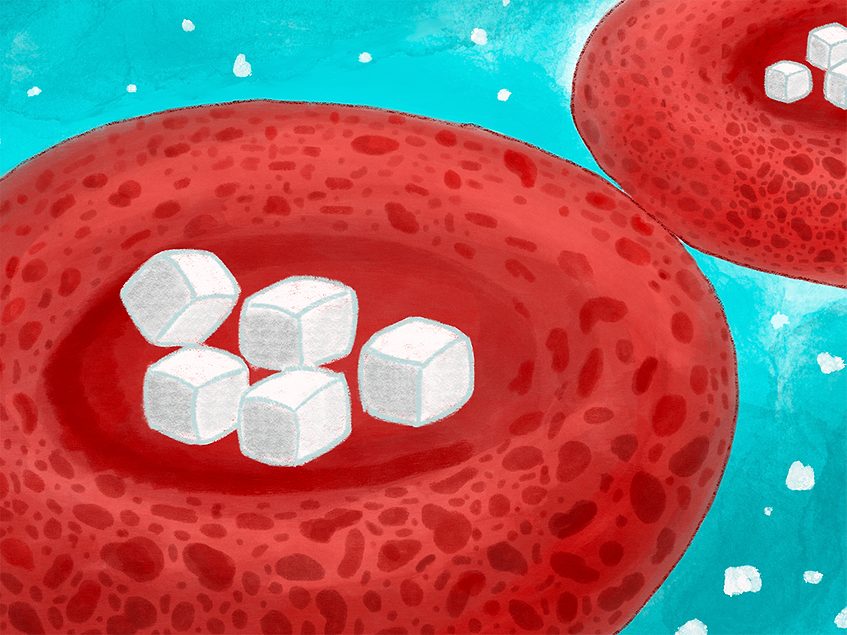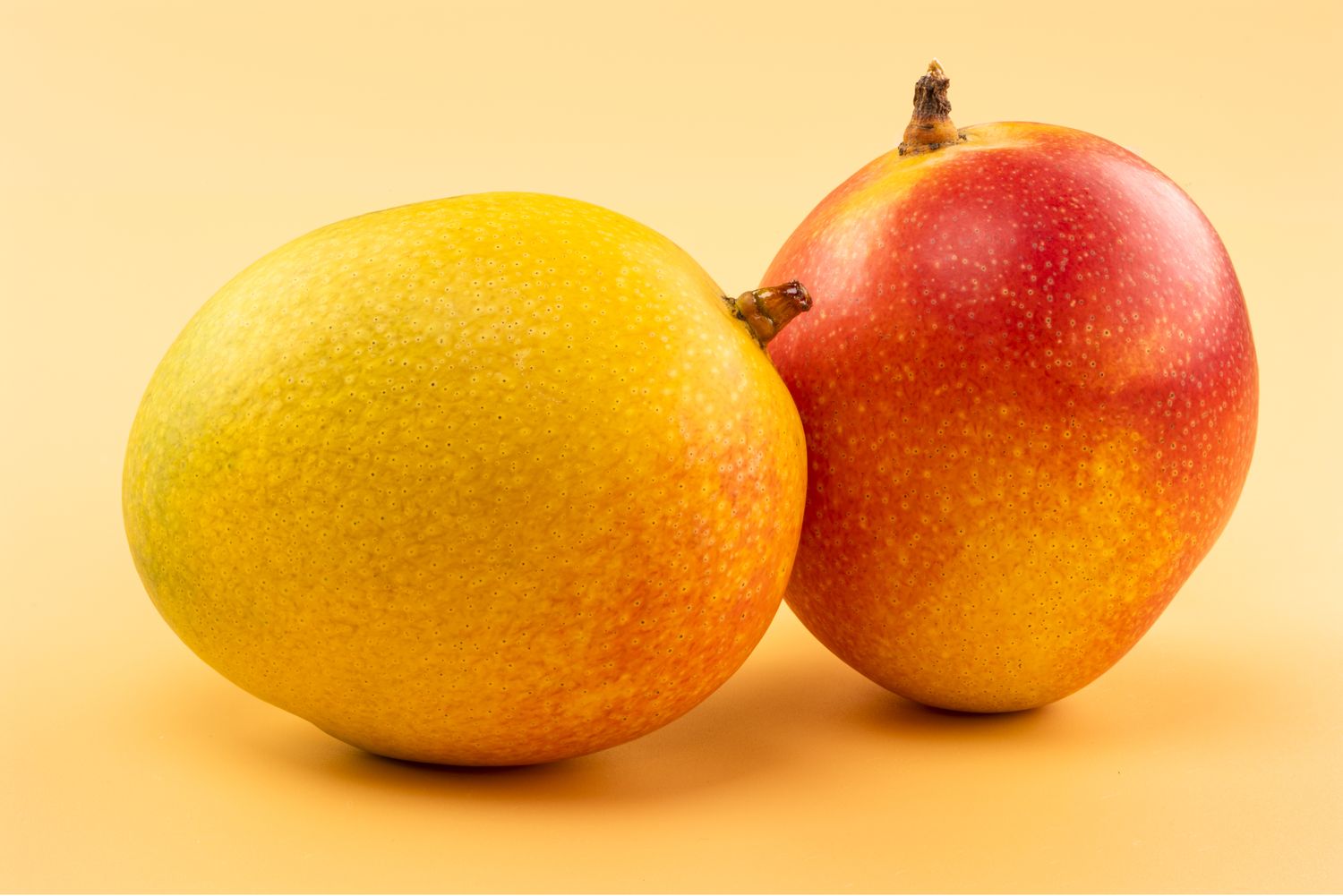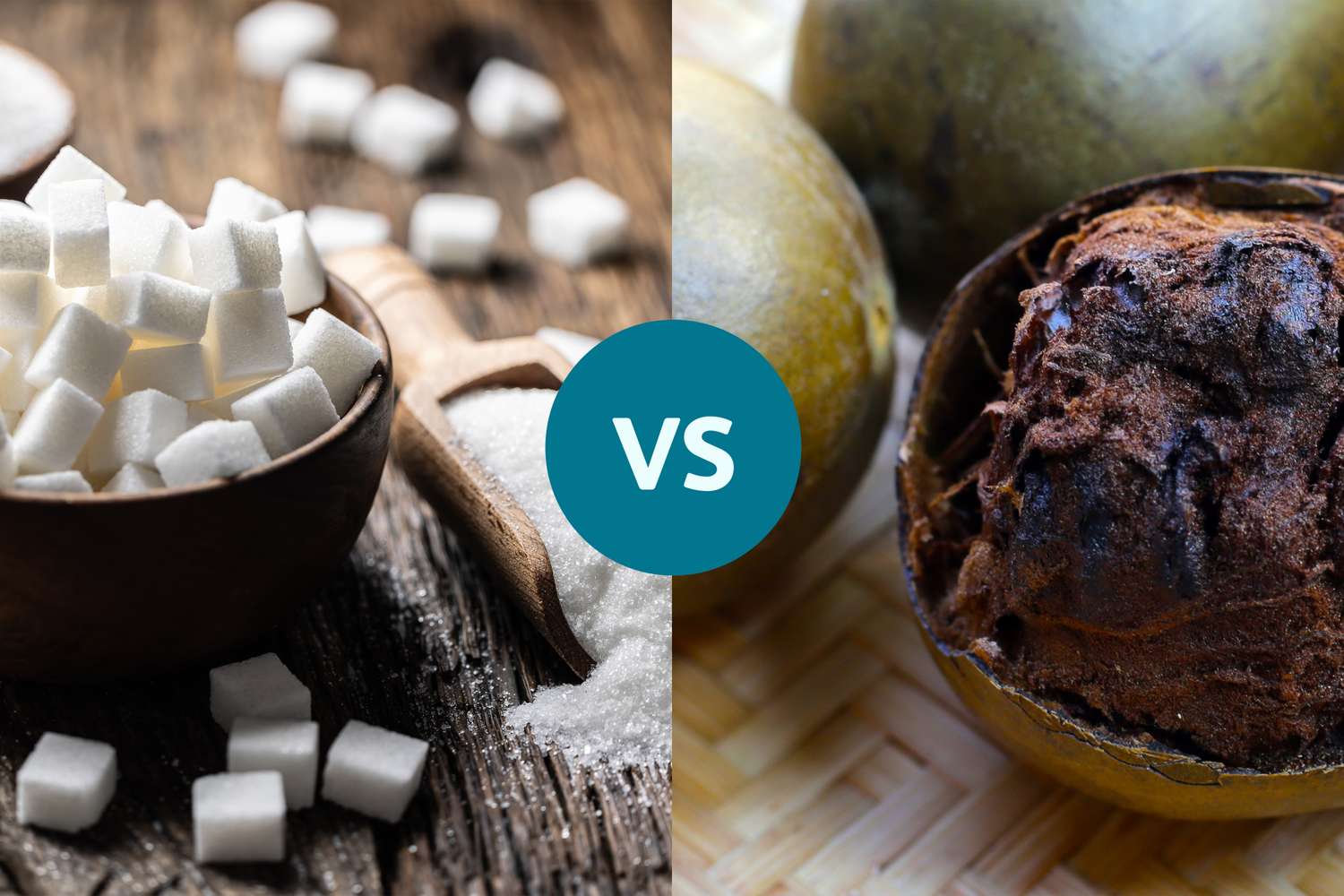

Ask someone to choose the healthier option from a piece of fruit and a chocolate bar, and the answer is most likely to be the fruit. But it all comes down to what healthy means to you. If you need to be careful with how much sugar you’re consuming, chocolate might end up being the better choice if the fruit in question is a mango.
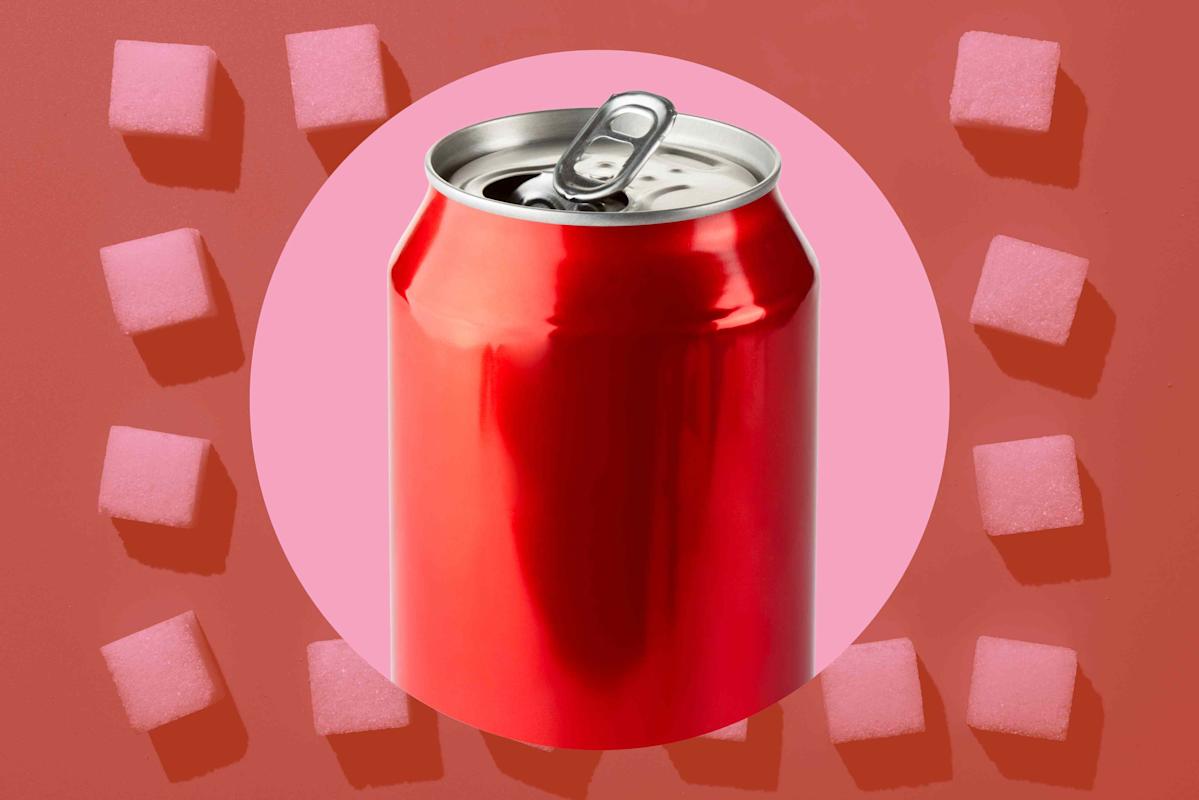
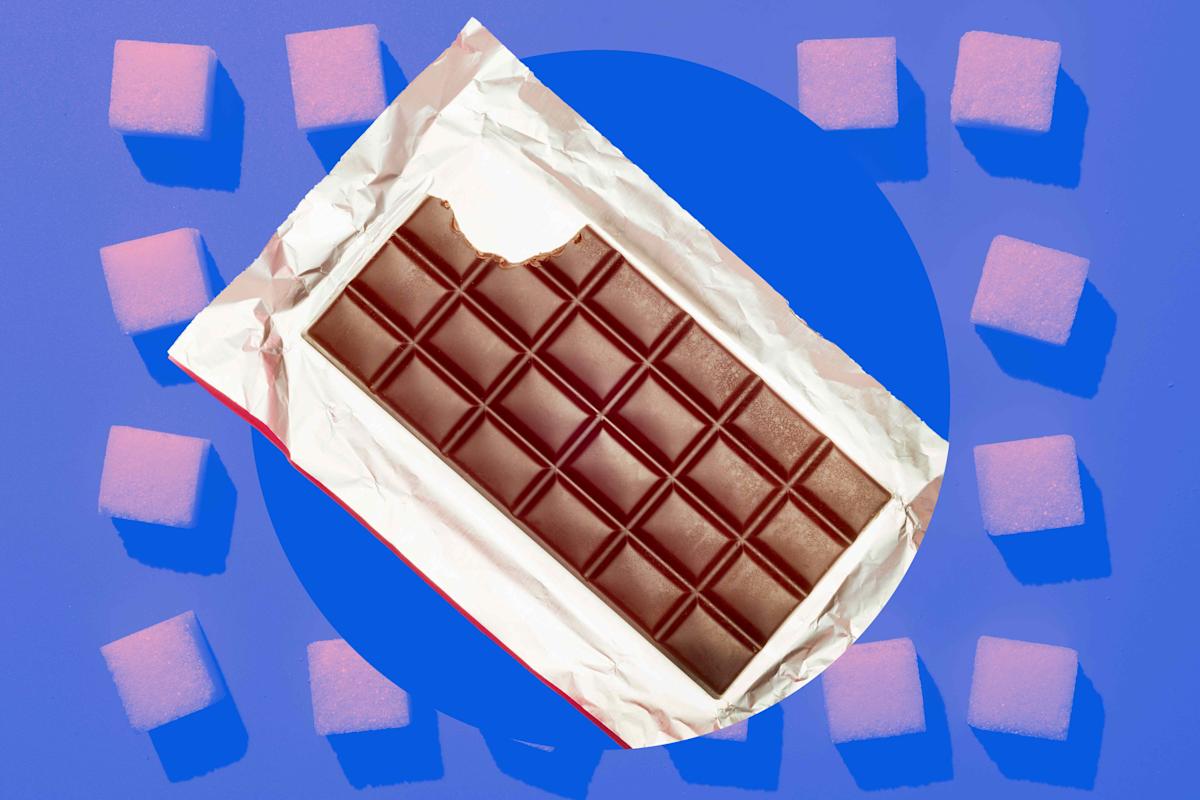
A medium mango can contain up to 46 grams of sugar, while a Hershey’s Milk Chocolate bar contains just 25 grams. Serving size does come into play here, with an average mango weighing around 11 ounces, while the chocolate bar in this case weighs just 1.55 ounces. That said, mangoes do have a high concentration of sugar compared to many other fresh fruits.
Looking at the total sugar content of a food item also only tells part of the story. There are arguments about the difference between natural sugars and added sugars, with the key factor being that natural sugars are usually accompanied by other nutritional benefits. Mangoes are rich in fiber (around 5 grams per mango), low in fat, and contain more than 100% of your daily vitamin C requirement. Chocolate, on the other hand, has less to offer in the nutrition department. Even if you consider antioxidants from cacao, the concentration of these in milk chocolate is lower than in dark chocolate. We have to admit that chocolate does rank pretty high on the feel-good factor, though.
Read more: These 10 Canned Foods Are Healthier Than You Think
Lower-sugar fruit alternatives to mango

mango fruits displayed on a table and platters, some cut, some whole – Apomares/Getty Images
A whole mango is a significant serving of fruit, so even just half a mango will give you plenty to enjoy in a smoothie or in this mango chia pudding, in which case you’ll cut the sugar down to 23 grams. Alternatively, consider fruits that have a lower concentration of sugar.
To stick with tropical flavors, choose a cup of chopped papaya, and you’ll be eating just 11 grams of sugar. Just like mango, it’s high in vitamin C, but it also has a unique enzyme that aids digestion. Watermelon is another summer favorite that’s surprisingly low in sugar, with just 10 grams per cup, though you’re more likely to eat a whole wedge, which will be around 18 grams of sugar.
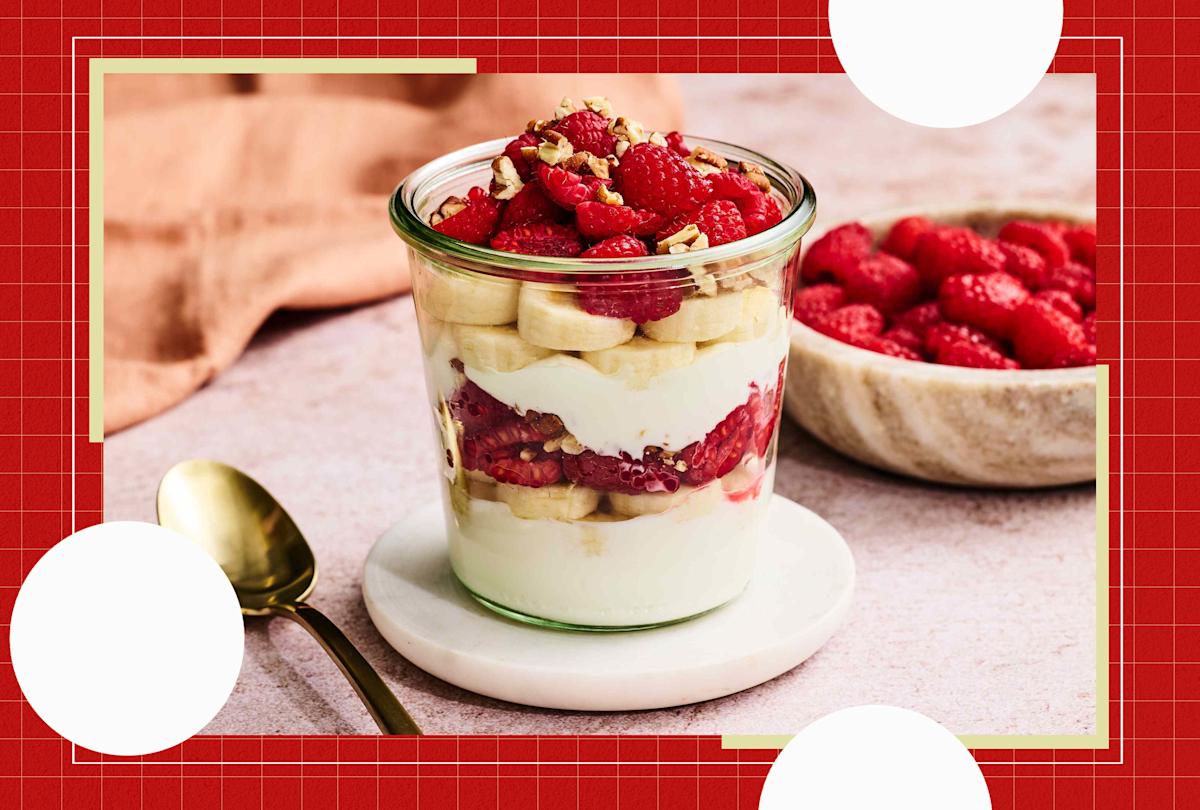
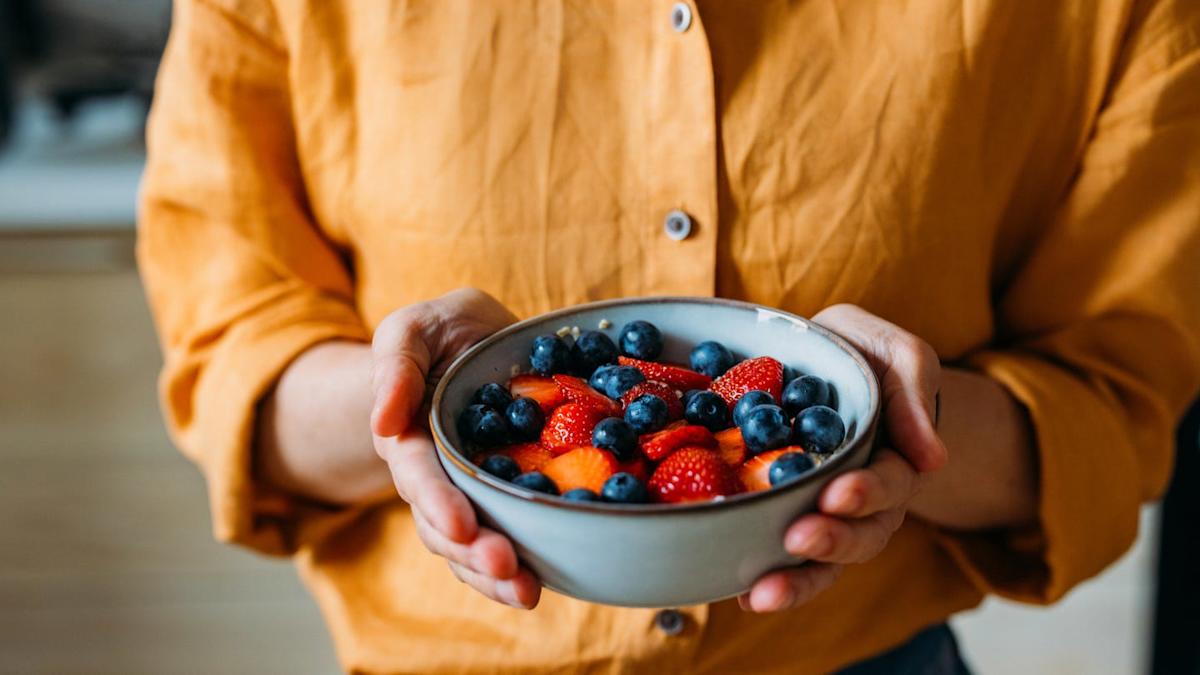
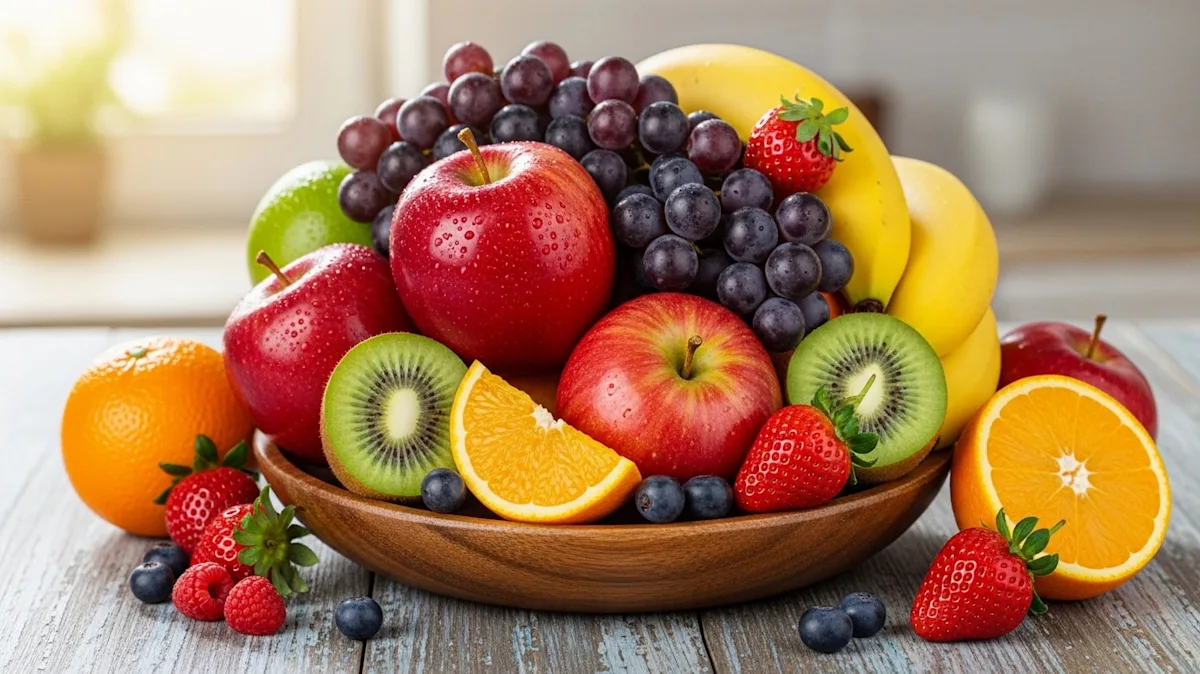
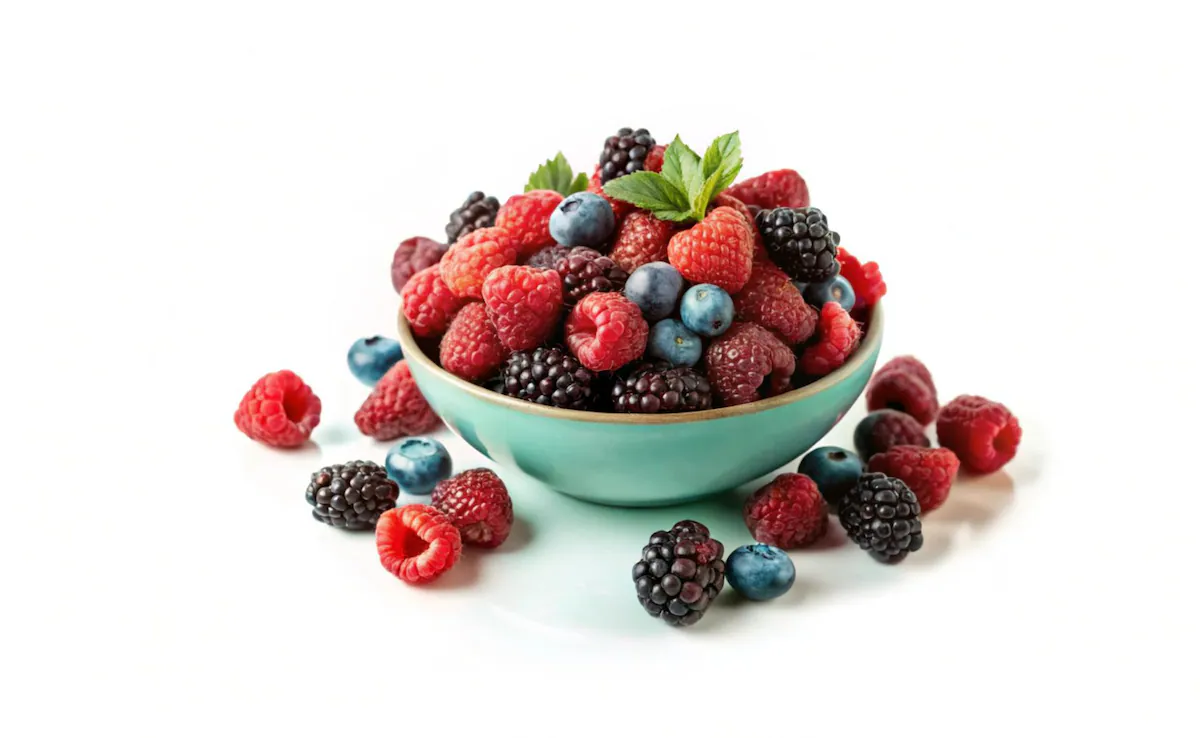
Berries in general are good options if you’re looking for low-sugar fruits. Strawberries and blackberries both come in at around 7 grams of sugar per cup, while raspberries have just 5 grams for the same amount. With blackberries and raspberries you’ll also be getting around 7-8 grams of dietary fiber. Kiwis can be another low-sugar choice but be aware of which variety you choose. Opting for green kiwis versus gold kiwis will mean 7 grams of sugar instead of 9 grams in a whole fruit.
Want more food knowledge? Sign up to our free newsletter where we’re helping thousands of foodies, like you, become culinary masters, one email at a time. You can also add us as a preferred search source on Google.
Read the original article on Tasting Table.