Garlic-derived sulfur compounds have extended life in male mice while also preserving strength, movement, memory, and glucose control as those mice aged.
The finding points to a biological pathway already present in ordinary foods that can influence how the body ages over time.
Garlic effects on aging cells

Inside treated mice, the first clear clues appeared in the liver, where stored fat shrank and insulin responses looked stronger.
At CABIMER, the Andalusian Molecular Biology and Regenerative Medicine Centre in Seville, Alejandro Martín-Montalvo linked garlic compounds to a sulfur signal inside cells.
That signal did not merely stretch survival, because older animals also moved better, gripped harder, and remembered better.
Those gains make the result hard to dismiss as a lab oddity, even though the evidence still comes from mice.
Why sulfur matters
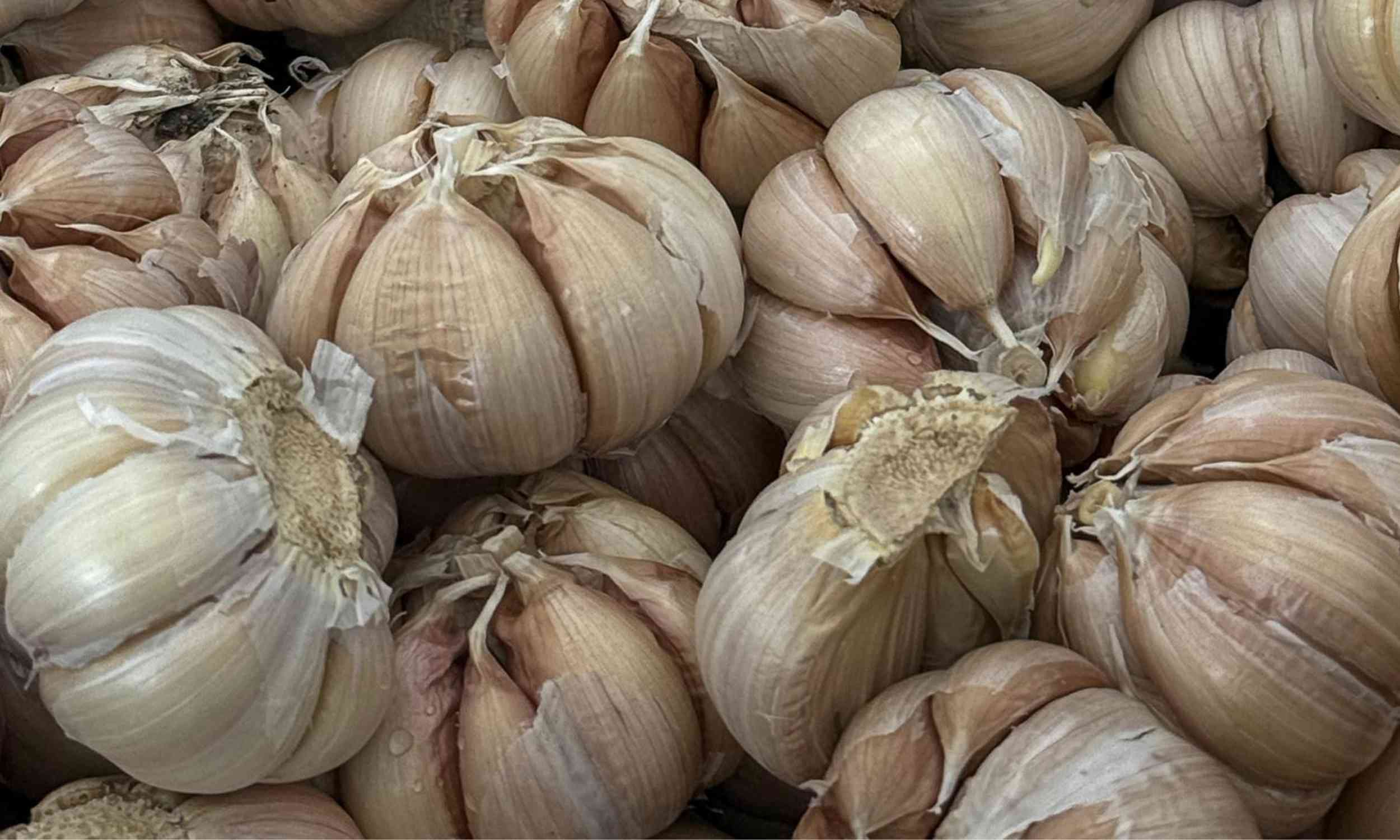
Garlic starts releasing reactive sulfur molecules when it is cut or chewed, and two of them stood out here.
Both molecules can help generate hydrogen sulfide, a small gas signal the body also makes for cell communication.
In the mouse tissues, that extra signal appeared to protect cells from damage and tune pathways tied to energy use.
Because the same signaling system exists in humans, the mechanism feels relevant, but dosage and long-term safety remain open.
More than lifespan
Aging researchers call the healthy portion of life healthspan, and that was the stronger part of this result.
Mice fed the compounds from 20 weeks of age reached a median 877 days, up from 787 days.
That 11.4% rise stood out because the animals also kept movement, memory, and glucose control later in life.
Extending lifespan without preserving daily function would miss the point, and this experiment did not show that problem.
Glucose control improves
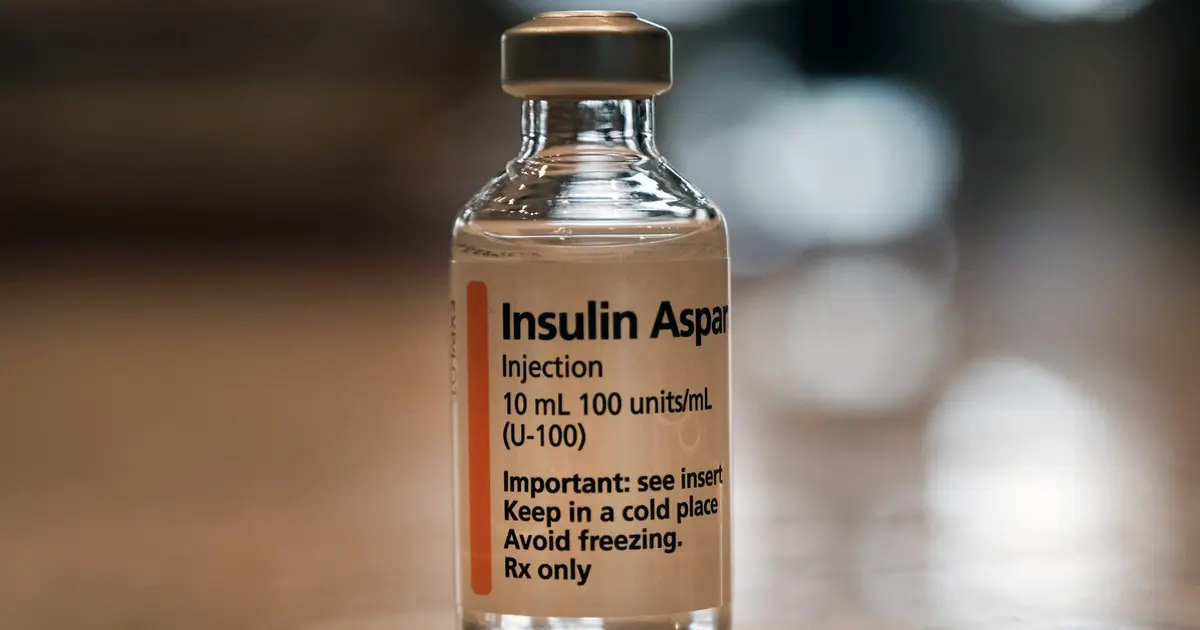
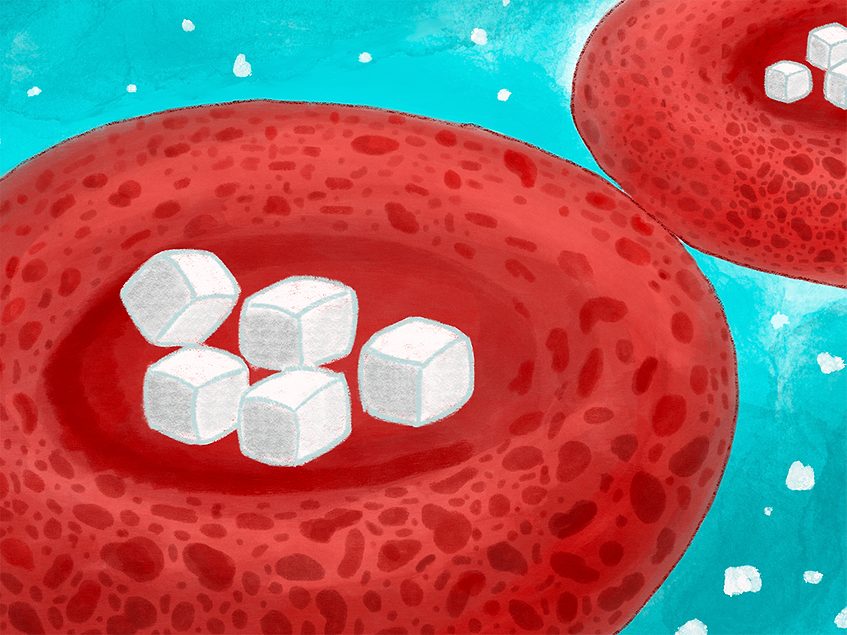
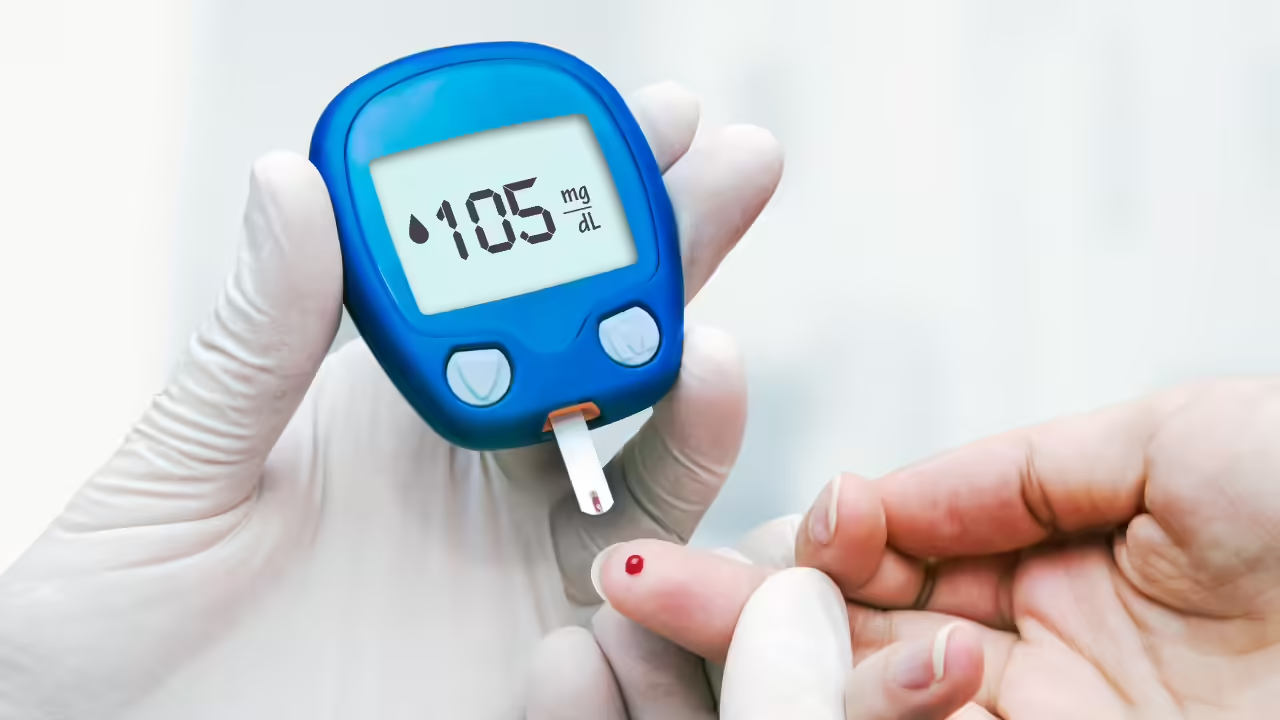
One of the quickest changes showed up in insulin, the hormone that moves sugar from blood into tissues.
After acute doses, the mice activated insulin-linked signals more strongly, and later tests showed smaller glucose spikes after a sugar challenge.
Longer treatment then cut the amount of circulating insulin needed during those tests, which usually points to better sensitivity.
This shift is important because aging often pushes the body toward resistance, leaving cells less able to respond to insulin.
Fat stores changed
Another strong clue sat in the liver, where fat droplets became smaller instead of piling up into larger blobs.
Smaller droplets are easier for cells to break down, so the change hints at faster fuel use.
Even on a high-fat diet, the garlic compounds reversed the oversized droplet pattern that usually signals liver strain.
By remodeling stored fat instead of merely shrinking body weight, the compounds may protect organs before visible damage sets in.
Signals inside cells
Deep inside the cells, the compounds changed persulfidation – a sulfur tag that can alter how proteins behave.
They also reduced activity in a major cellular growth-control pathway often associated with faster aging when it remains too active.
Liver tissues also showed lower immune and inflammatory activity, consistent with the study’s focus on meta-inflammation, a chronic low-grade inflammation linked to metabolic problems.
No single pathway can explain the whole effect, but the pattern suggests aging slowed through several small changes at once.
Human signals mirror mice
The team also looked beyond mice by checking blood samples from 288 people with multiple chronic illnesses.
Higher levels of the sulfur-linked protein marker tracked with stronger grip strength and lower triglycerides in that group.
Because this human arm only observed correlations, it cannot show that garlic compounds caused those healthier measures.
Still, the match between mouse biology and human blood patterns gives the study a stronger foothold than mouse studies usually achieve.
Limits of the findings
Several limits keep this from becoming a human anti-aging recipe, starting with the fact that only male mice got lifespan tests.
Female animals can handle sulfur metabolism differently, which means half of the biology is still missing from the picture.
Post-death exams also hinted at a rise in liver cancer, although the authors note longer-lived mice naturally have more time to develop tumors.
Those warnings do not erase the benefit, but they block any honest jump from mouse chow to supplement advice.
Garlic is not a cure
Kitchen garlic is not a stand-in for this experiment, because the mice ate purified compounds in controlled weekly diets.
“Further research, both in animal models and in humans, is necessary before we can recommend their use. More than half of older adults do not have an optimal quality of life,” said Martín-Montalvo.
That wider public-health problem explains why the work matters now, even though no one can recommend garlic-based treatment for people yet.
Future studies on aging
What emerges from all these results is a picture of aging that can be nudged through metabolism, inflammation, and cell signaling at once.
The next tests need to pin down safer doses, include females, and show whether the same biology can be steered in humans.
The study is published in Cell Metabolism.
—–
Like what you read? Subscribe to our newsletter for engaging articles, exclusive content, and the latest updates.
Check us out on EarthSnap, a free app brought to you by Eric Ralls and Earth.com.
—–