

- Researchers found that type 2 diabetes risk varies among adults ages 18 to 40.
- Those with high fasting glucose, especially if they qualified for GLP-1 treatment, had higher risk.
- These findings suggest that tailored interventions may be most beneficial.
- Experts say it’s wise to have screening done since prediabetes may have no symptoms.
- Steps like diet, exercise, good sleep, and stress reduction may help prevent type 2 diabetes.
More than 115 million people in the United States have prediabetes, but an estimated 80% of this group may not be aware they have the condition.
Now, a new study has revealed that the risk of developing type 2 diabetes among adults ages 18 to 40 with prediabetes varies widely.
The findings show that young adults with high fasting glucose levels, especially those who meet criteria for treatment with GLP-1 receptor agonist (GLP-1RA) medications, face significantly higher risks of progressing to type 2 diabetes within five years.
According to the researchers, these findings suggest the need for earlier, more tailored interventions to prevent the onset of type 2 diabetes and its serious complications, such as heart disease, kidney disease, and stroke. They note that this challenges the current one-size-fits-all approach to prevention.
Diagnosing prediabetes and managing high blood sugar can prevent or delay the development of type 2 diabetes. Early treatment and lifestyle changes are crucial.
The study analyzed data from 662 young adults ages 18 to 40 with prediabetes, who were followed for an average of 7 years.
These individuals were drawn from three well-established U.S.-based cohorts: the Hispanic Community Health Study/Study of Latinos, the Coronary Artery Risk Development in Young Adults study, and the Framingham Heart Study Third Generation.
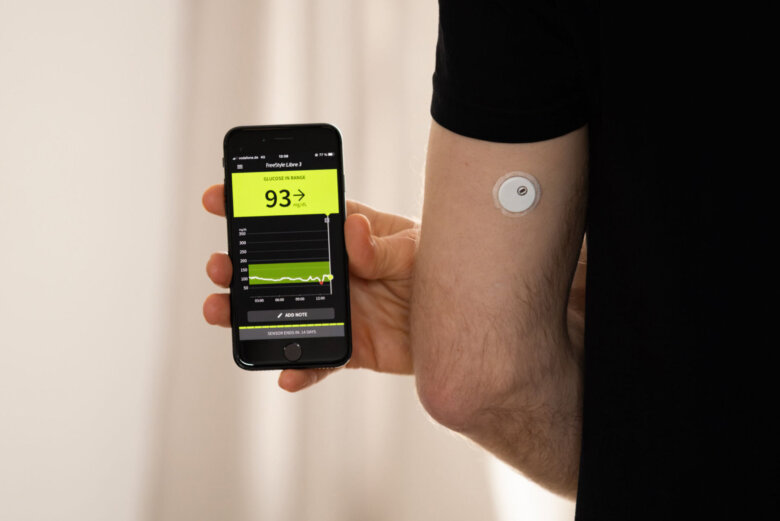
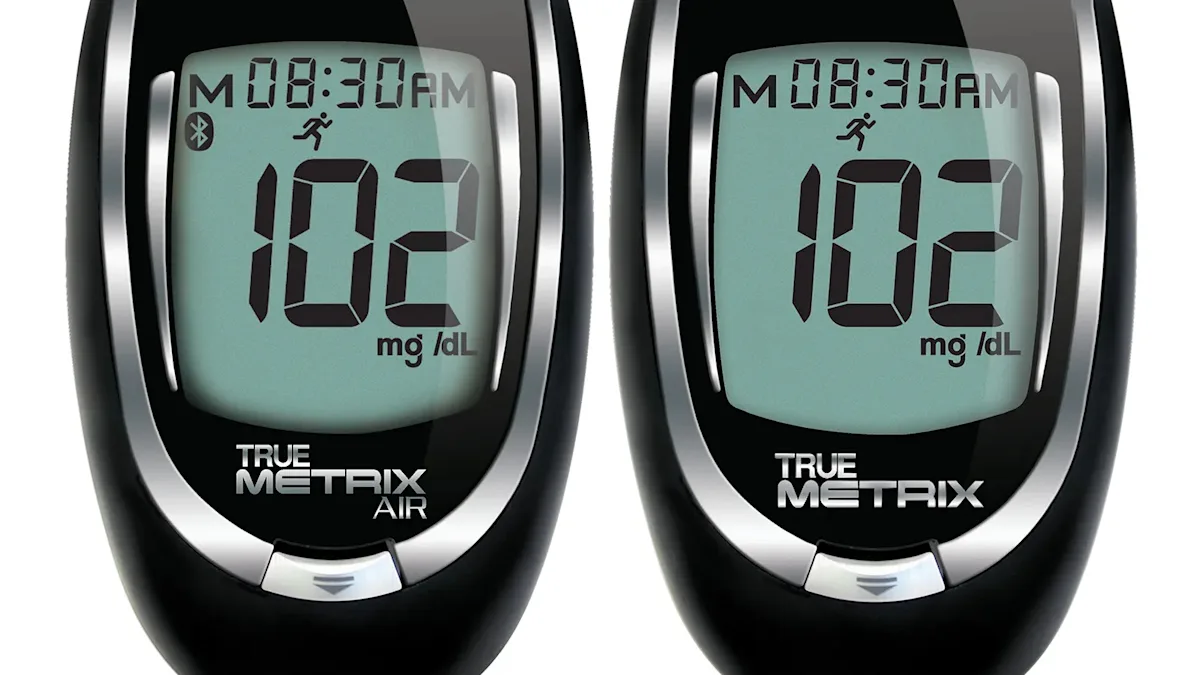
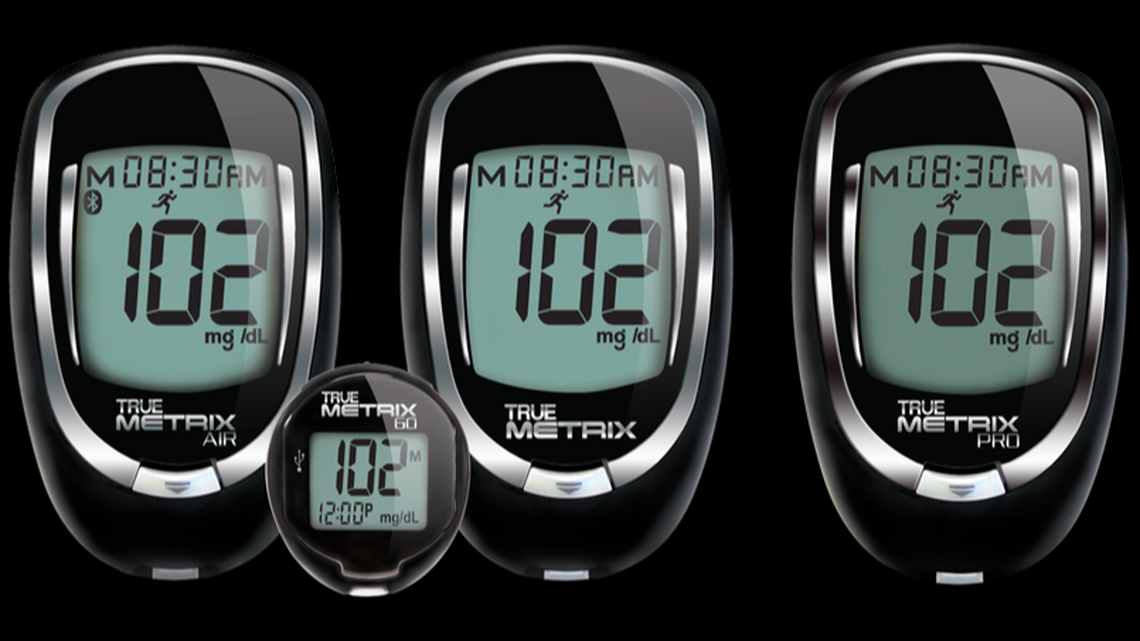
The research team focused on fasting glucose levels to define prediabetes, specifically levels ranging from 100 to 125 mg/dL. However, hemoglobin A1c data, which measure average blood glucose over the past two to three months, were not available for this analysis.
In addition to glucose measurements, investigators collected comprehensive health information, including body mass index (BMI), lipid profiles, and blood pressure readings, taken during study visits from 1985 to 2011, prior to the FDA approval of GLP-1RA medications for weight management.
The researchers applied existing FDA criteria for prescribing GLP-1 drugs for weight loss, which include a BMI of 30 kg/m² or higher (obesity), or a BMI of 27 kg/m² or higher (overweight) combined with at least one weight-related health condition, such as high cholesterol or high blood pressure.
Using these criteria, the team estimated the five-year risk of progression from prediabetes to type 2 diabetes. This risk stratification aimed to identify subgroups within the prediabetic population who might benefit from more intensive lifestyle interventions or pharmacologic treatment.
The authors noted that the study’s design, while robust in terms of follow-up length and population diversity, was limited by the absence of hemoglobin A1c measurements and by the lack of GLP-1RA medications during participants’ follow-up period.
Overall, the analysis found that the five-year risk of progressing from prediabetes to type 2 diabetes among young adults was 7.5%.
However, this risk was not uniform across all participants. Those who met the eligibility criteria for GLP-1RA treatment due to obesity or overweight status plus a related condition exhibited a higher risk of 10.9%.
The risk escalated further to 15.1% for individuals with fasting glucose levels at the higher end of the prediabetic range (110-125 mg/dL).
Among those with both elevated fasting glucose and GLP-1RA treatment eligibility, the five-year risk of progressing to type 2 diabetes was nearly one in four (24.8%).
These findings highlight significant variability in diabetes risk among young adults with prediabetes as well as the inadequacy of treating all patients with prediabetes in the same manner.
According to Mary Rooney, PhD, MPH, the study’s lead author and an assistant research professor at Johns Hopkins Bloomberg School of Public Health, identifying those at highest risk through blood tests and clinical risk factors could help guide early interventions, including lifestyle modifications and, where appropriate, drug therapy.
The study also raises important considerations about the potential role of GLP-1RA medications.
This class of diabetes and weight loss medications is not currently approved by the Food and Drug Administration (FDA) for diabetes prevention, even in high risk young adults with prediabetes with overweight or obesity.
However, the researchers say the cost-effectiveness and long-term benefits of such an approach remain uncertain.
Bryan Henry, FNP, PhD, president of PeterMD, who was not involved in the research, said that younger people should know that even if they feel well, it doesn’t mean they don’t have metabolic issues.
“People with prediabetes can go years before they feel like something is wrong with them,” he said. “It’s common to feel good but have your body working poorly.”
However, high fasting glucose levels can damage blood vessels, increase inflammation, and strain your pancreas.
“From this study, we need to recognize that some metabolic changes occur without our signs, which is why it is so very important to regularly screen and become aware of this issue as soon as possible after we reach early adulthood,” explained Henry.
“I often emphasize that metabolic health is dependent upon much more than just what we eat and how we exercise; it also depends on achieving an optimal hormonal balance.”
Henry advised establishing regular sleep routines and practicing good stress-reducing behaviors to keep prediabetes from advancing to type 2 diabetes.
Jamie Bovay, DPT, a physical therapist, strength and longevity coach, and owner of KinetikChain Denver, who wasn’t involved in the study, said that investing in muscle mass and metabolic flexibility can help support a healthy metabolism.
“For young adults with prediabetes, focus on regular heavy resistance work to preserve and build muscle, consistent low intensity cardio (zone 2) to support fat burning, and one to two short higher-intensity sessions per week to maintain cardiovascular capacity,” Bovay told Healthline.
“If you can focus on building strength, cardiovascular capacity, and consistency through lower intensity cardio, you can give your body the tools it needs to not only fight off diabetes, but live a healthy and long life as well,” he said.