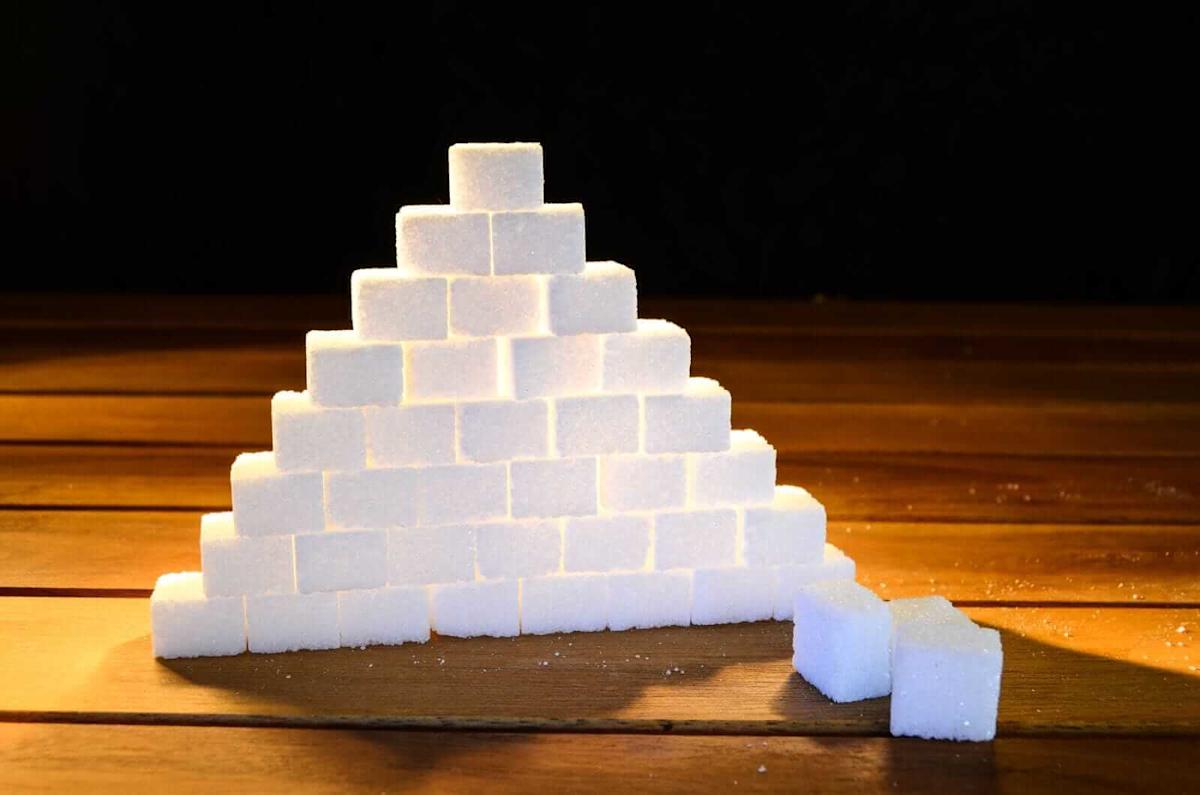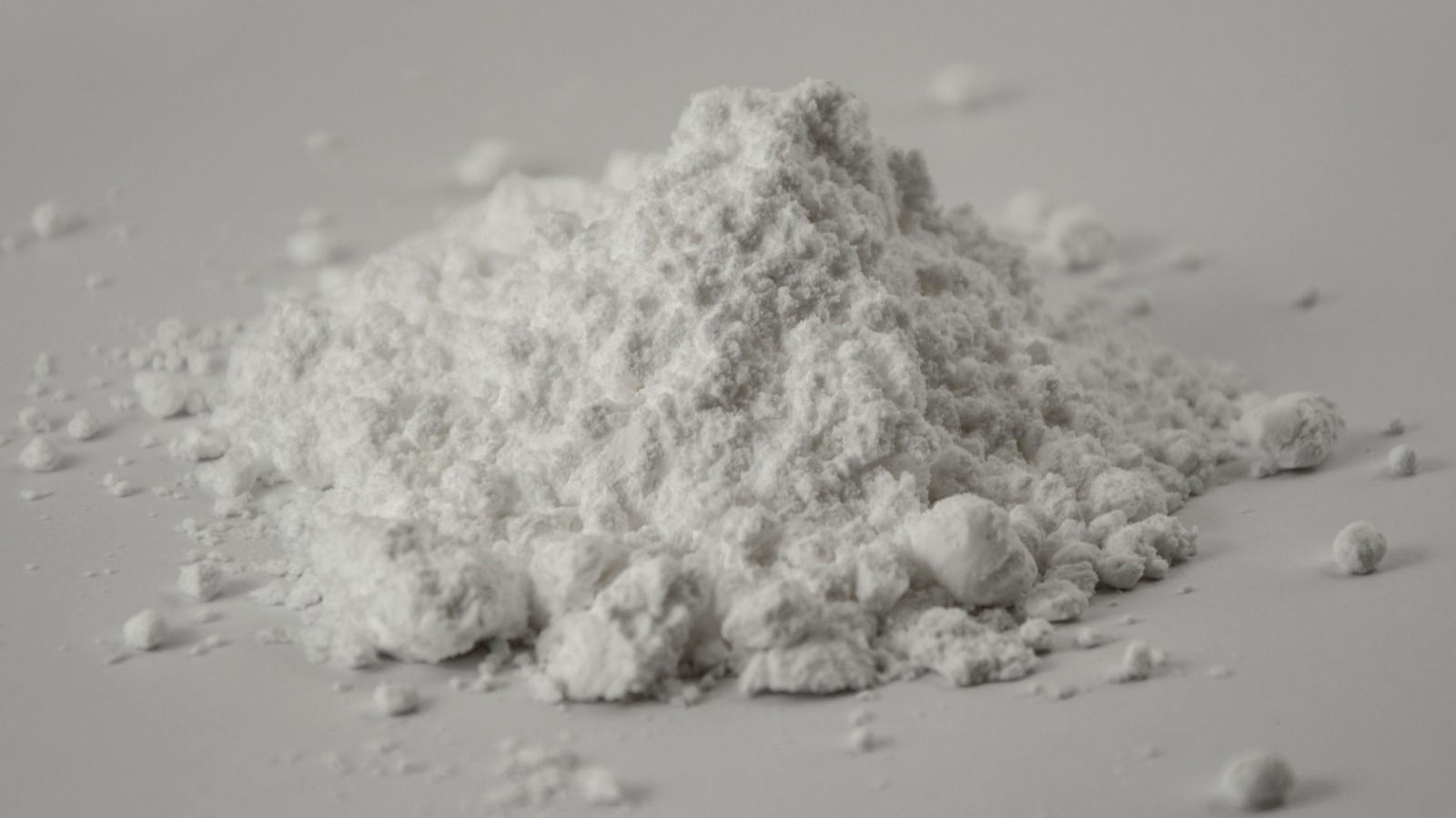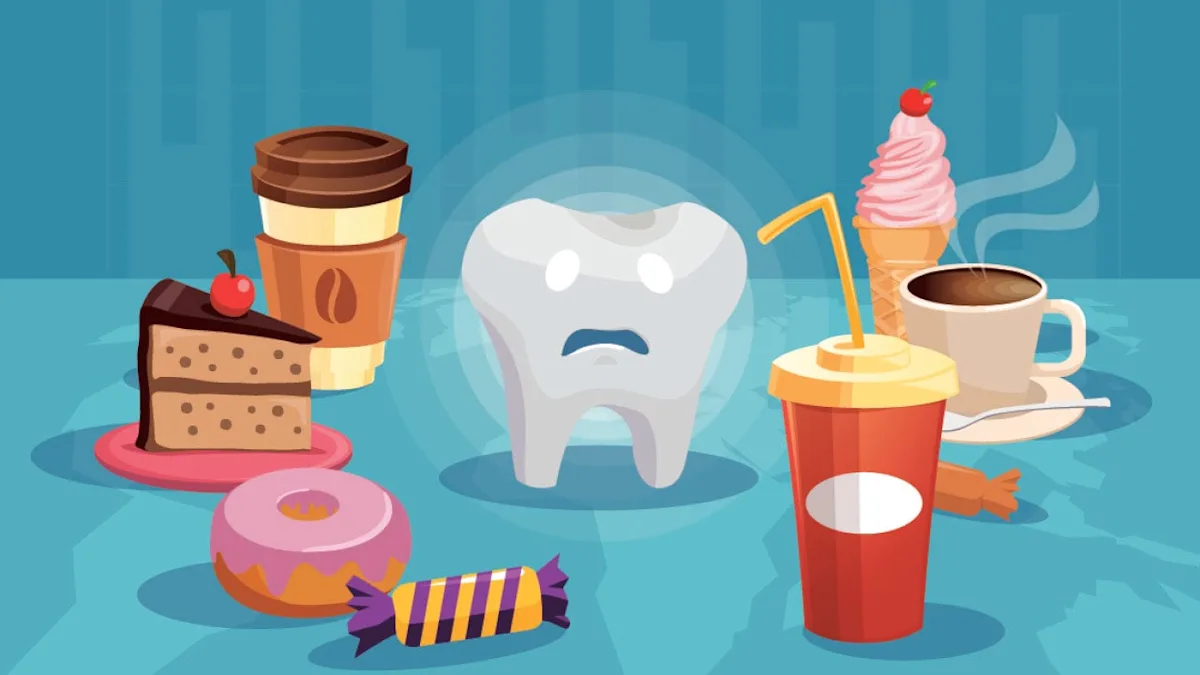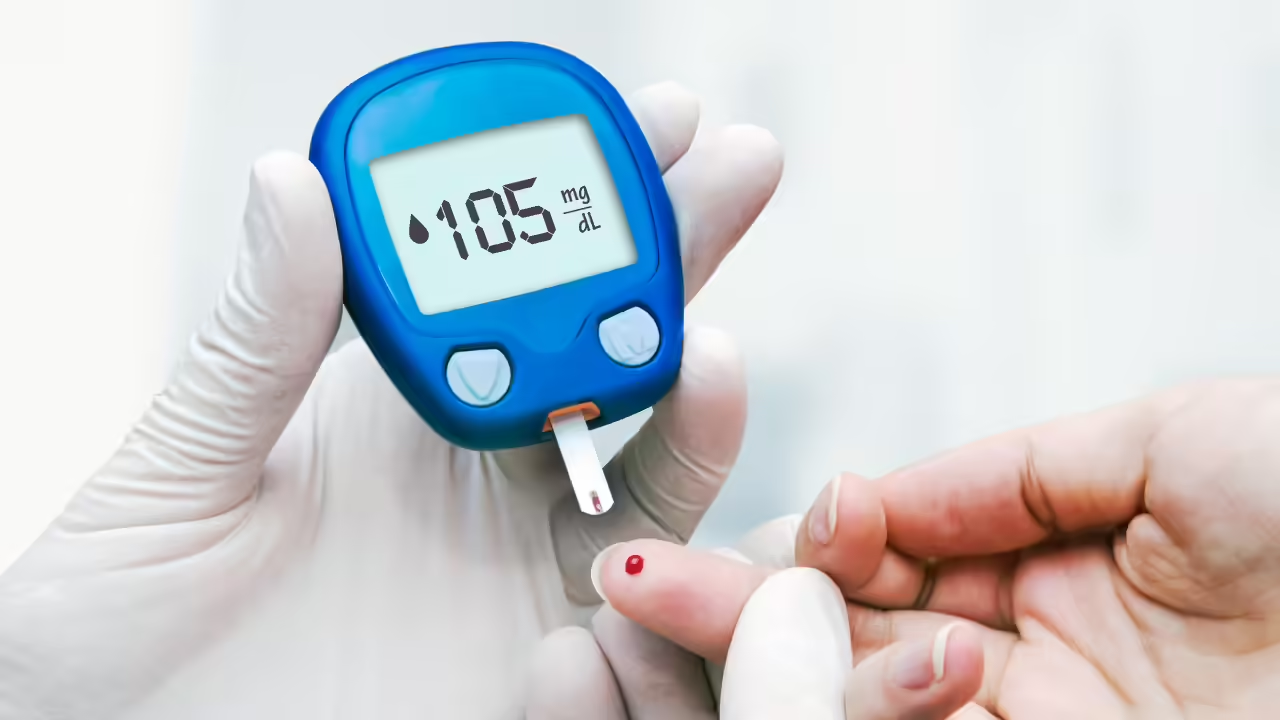
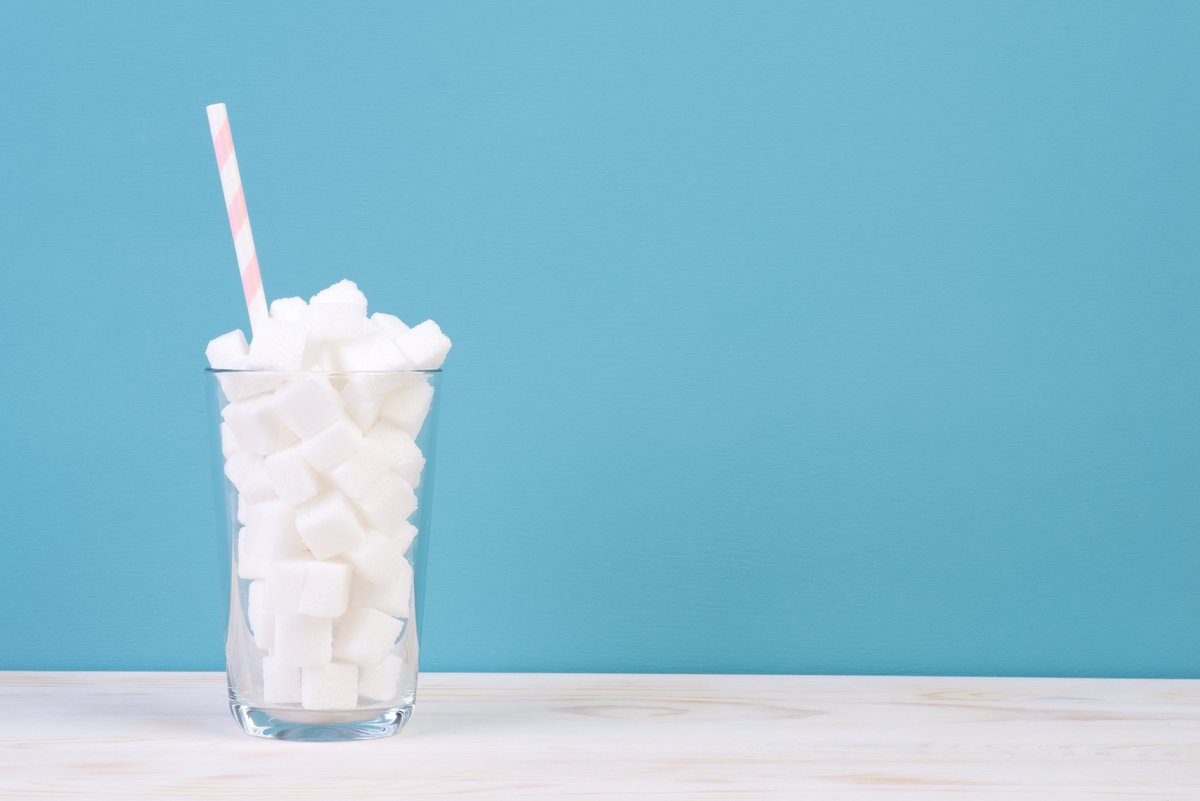
Sugar affects the brain’s chemistry and increases our craving for sweet things
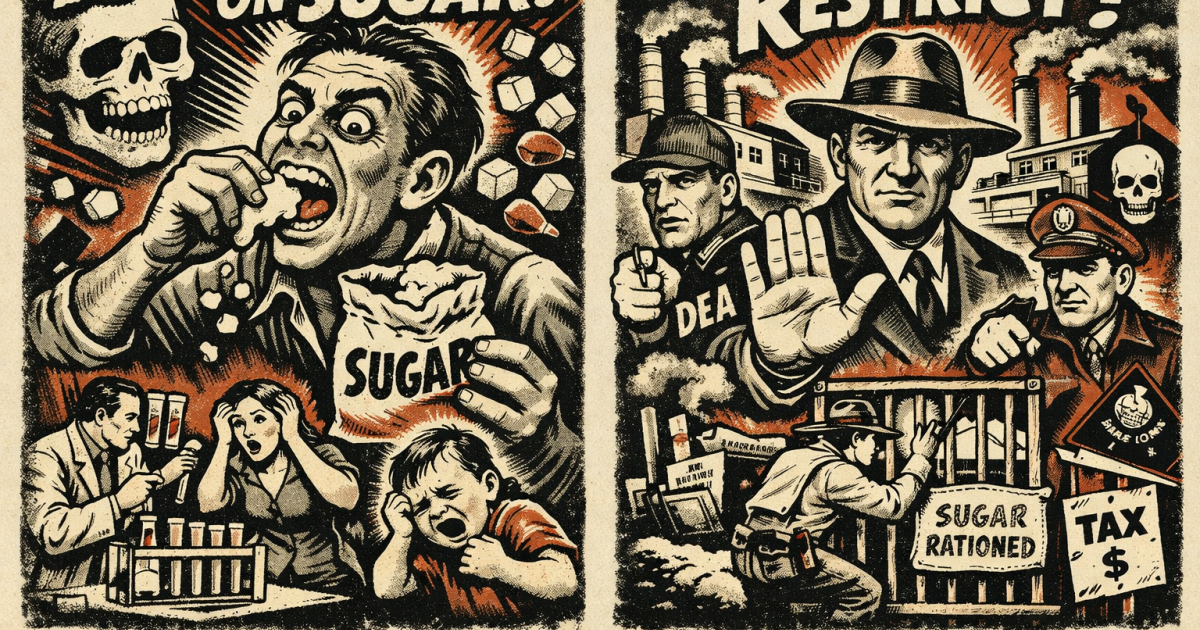
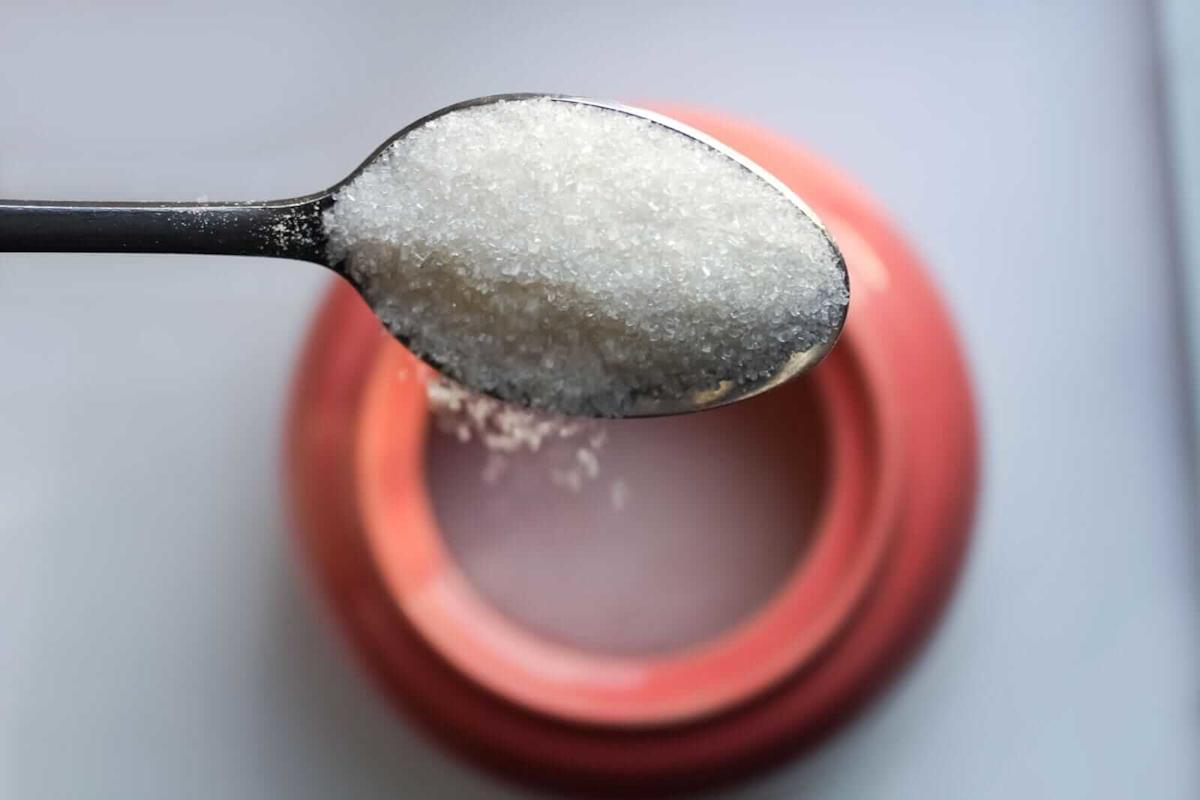
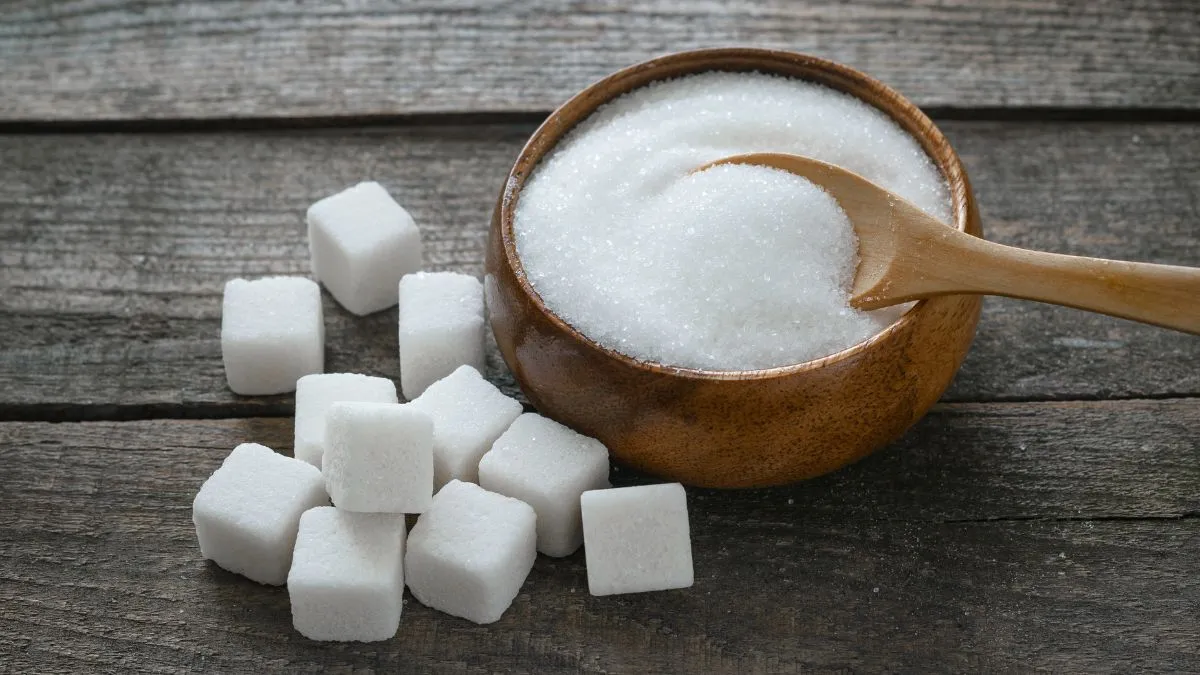
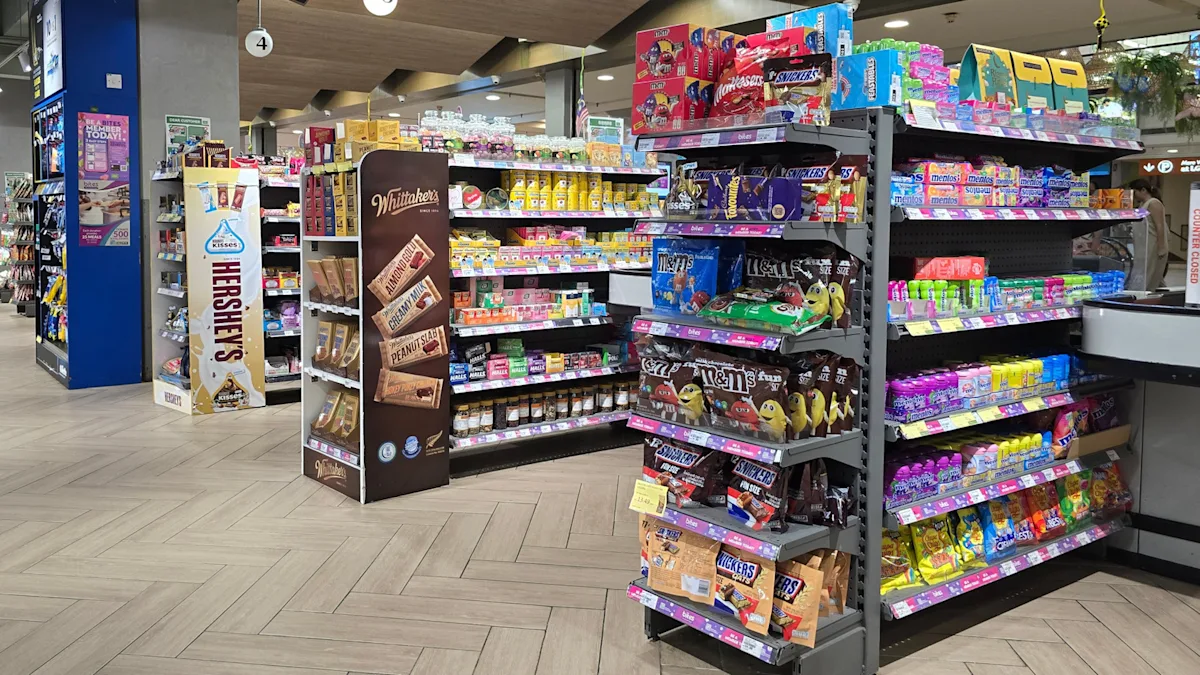
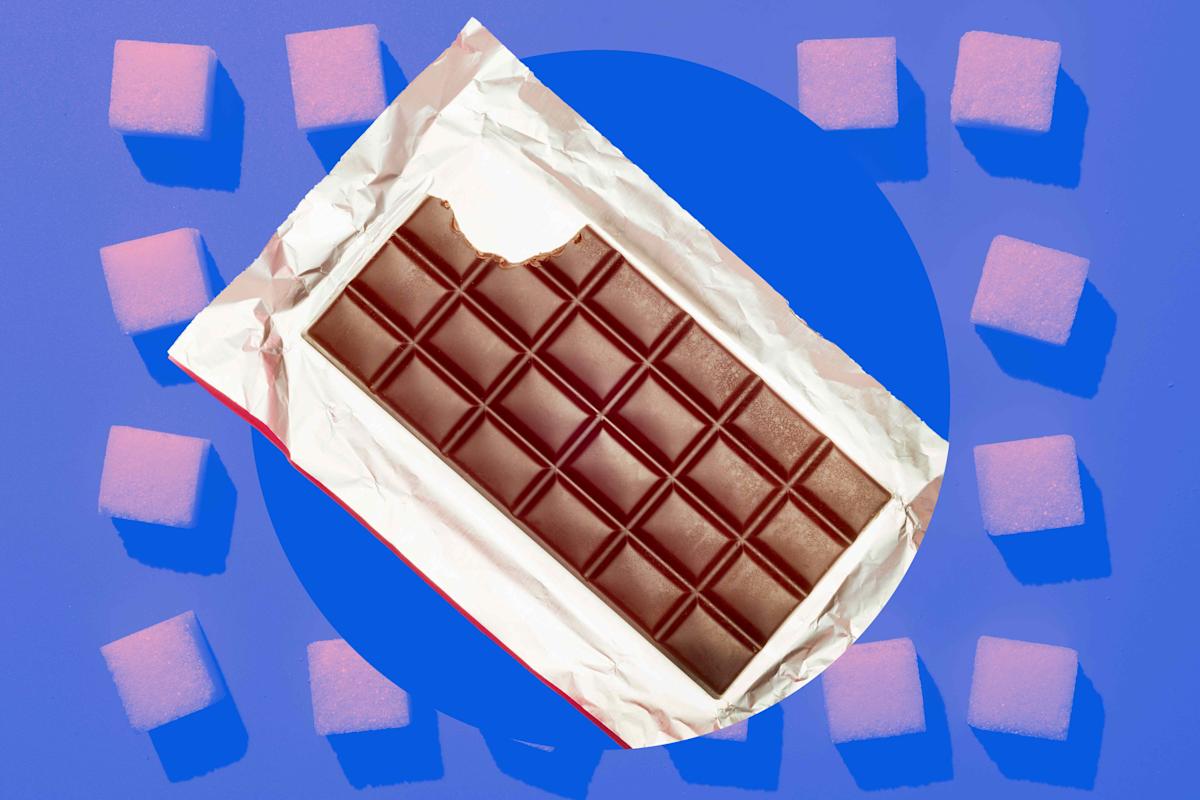
Sugar manipulates our brain and intensifies the craving for sweets. While it occurs naturally in fruits, vegetables, and dairy products, it is frequently added to processed foods. Experts recommend that sugar should account for no more than 10% of total daily energy intake, as excessive consumption can lead to obesity and diabetes. Measures to reduce intake include public education, improved labelling, and potential taxation. Alternatives such as sweeteners do not effectively reduce sugar cravings in the long term.

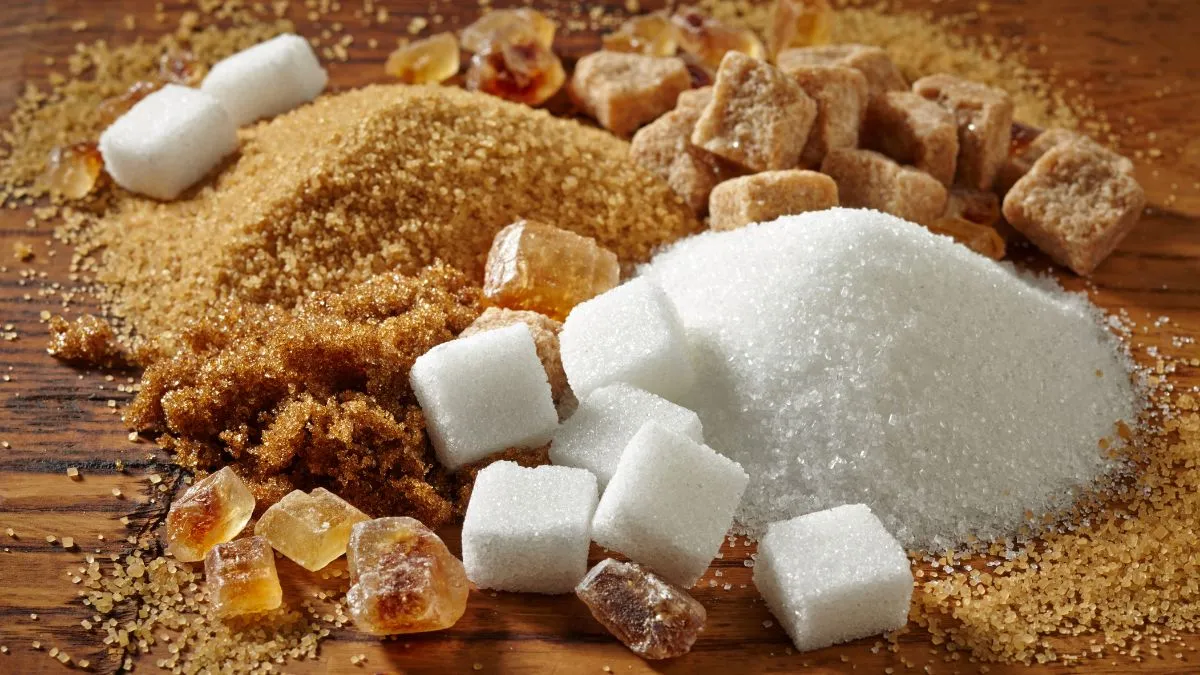
© photka / Adobe Stock

What is referred to as “sugar”?
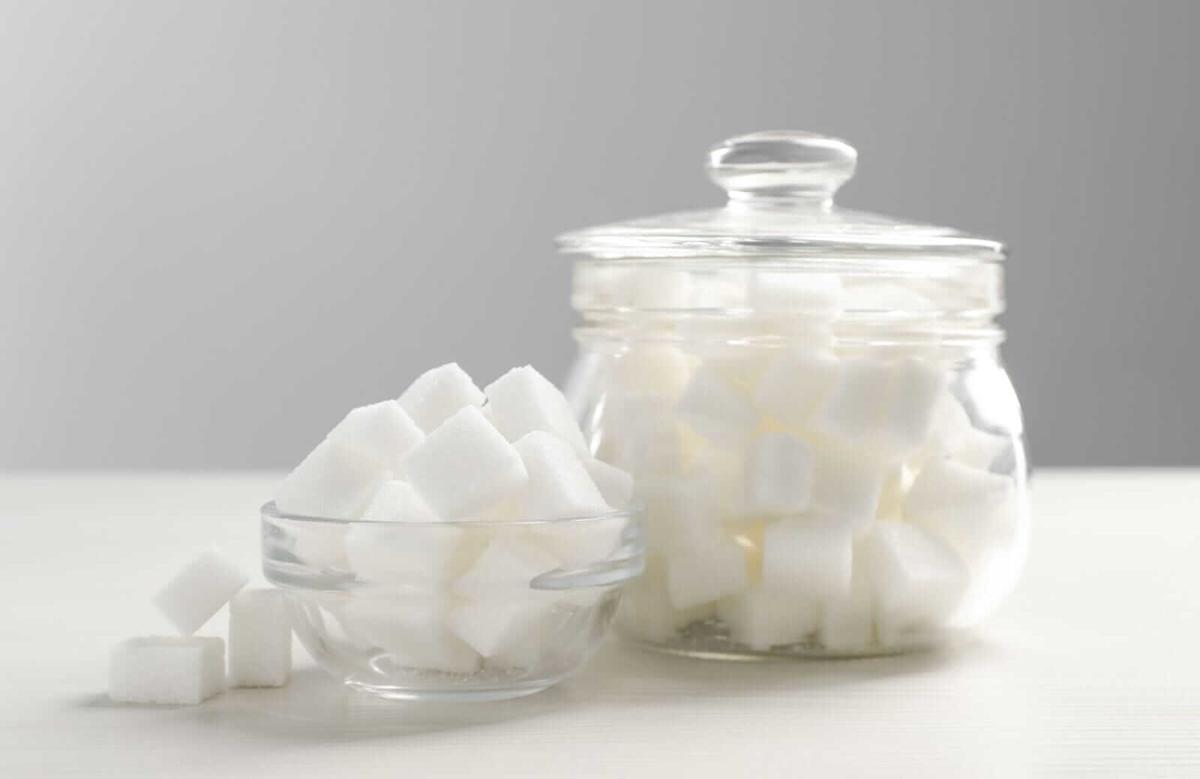
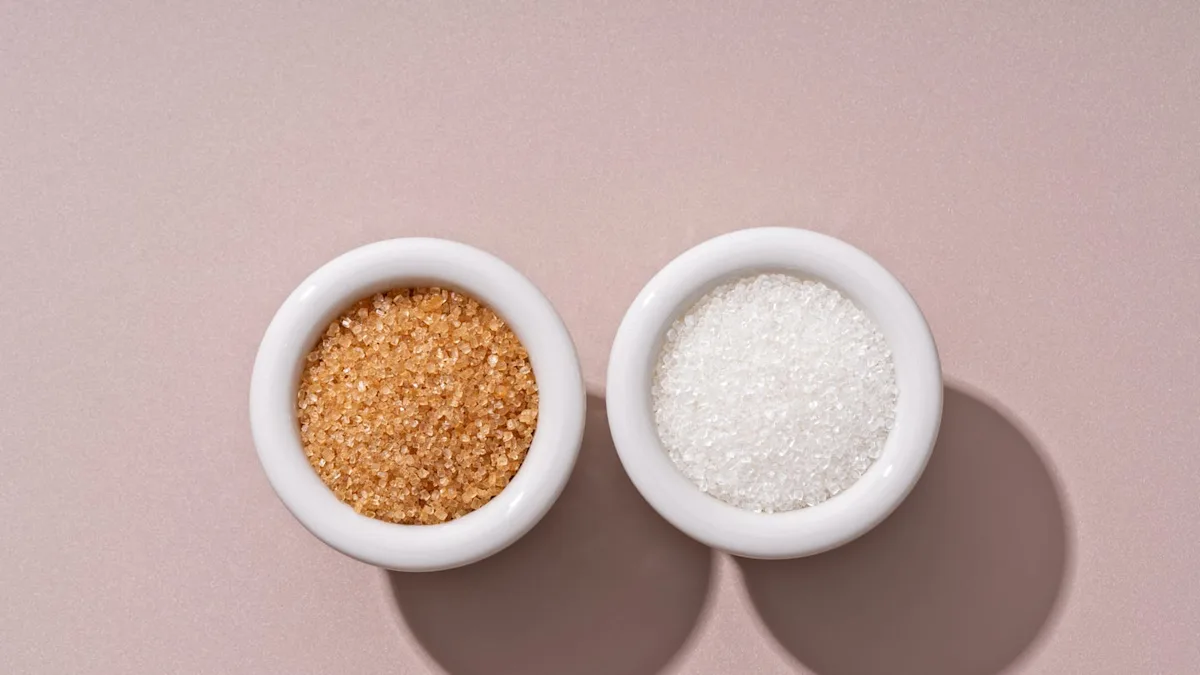
The term encompasses all so-called monosaccharides and disaccharides – carbohydrate molecules made up from one or two building blocks. These include, for example, glucose, sucrose, fructose, lactose, and maltose.
Which foods contain sugar?
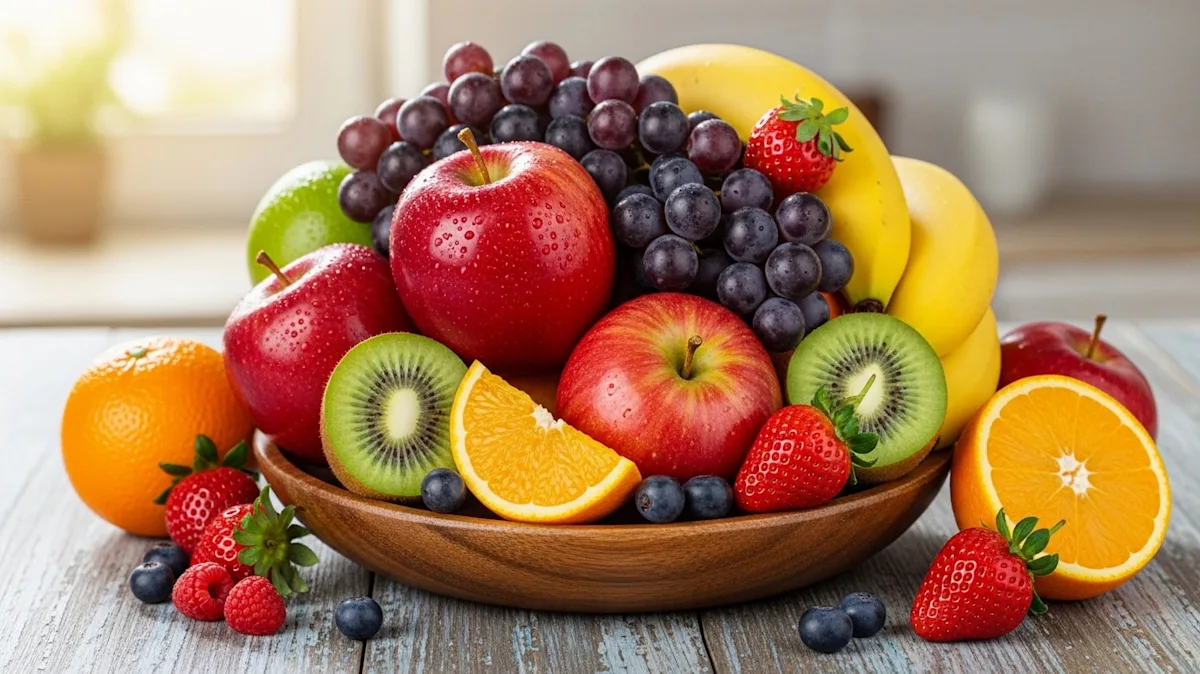
Fruits and vegetables naturally contain sugar, primarily in the form of glucose and fructose. Similarly, milk and dairy products contain sugar as lactose. Examples of sugar content per 100 grams include:
- Condensed milk: 13 grams
- Cow’s milk: 5 grams
- Yoghurt/Quark: 3-4 grams
Sugar is added to many foods, especially ultra-processed foods, during the manufacturing process. This is categorised as “free sugar”. Examples of the amount of free sugar in foods (per 100 g or 100 ml) include:
- Fruit jellies: 75
- Sponge cake: 23
- Fruit nectar: 17
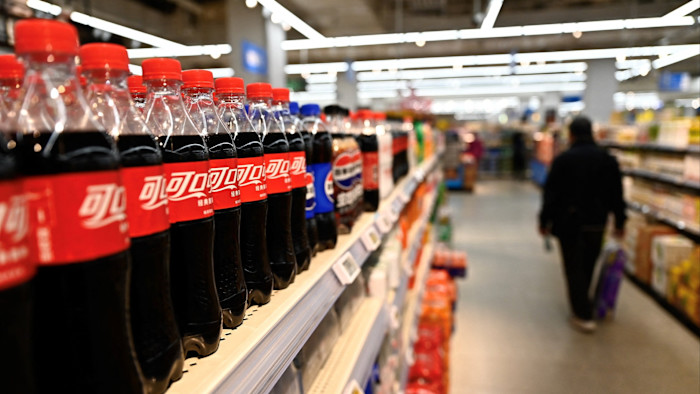
- Cola: 10 to 11
- Fruit yoghurt: 4 to 22
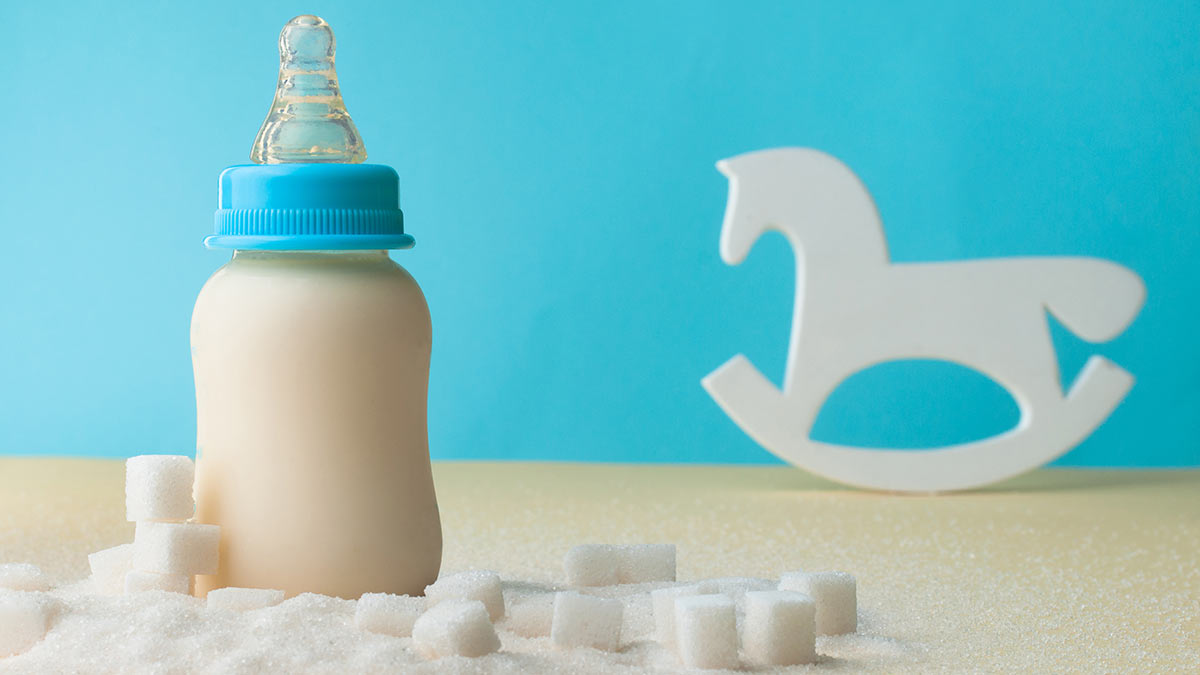
- Children’s food: 15 to 43
What is the recommended maximum daily sugar intake?
The World Health Organization (WHO) recommends that free sugars constitute no more than 10% of total daily energy intake. For an average intake of 2,000 kilocalories, this equates to 50 grams of free sugar. This threshold includes naturally occurring sugars found in honey, syrups, and fruit juices. Lower maximum thresholds are recommended for infants, children, and adolescents.
How much sugar do we consume daily?
In Germany, while the intake of free sugars has declined recently, it remains significantly above the recommended 10% threshold. According to the National Nutrition Survey, sugar consumption among people aged 15 to 80 is approximately 14%. Among adolescents and young adults (ages 15–24), this figure rises to between 16% and 18%.
Why does the body need sugar?
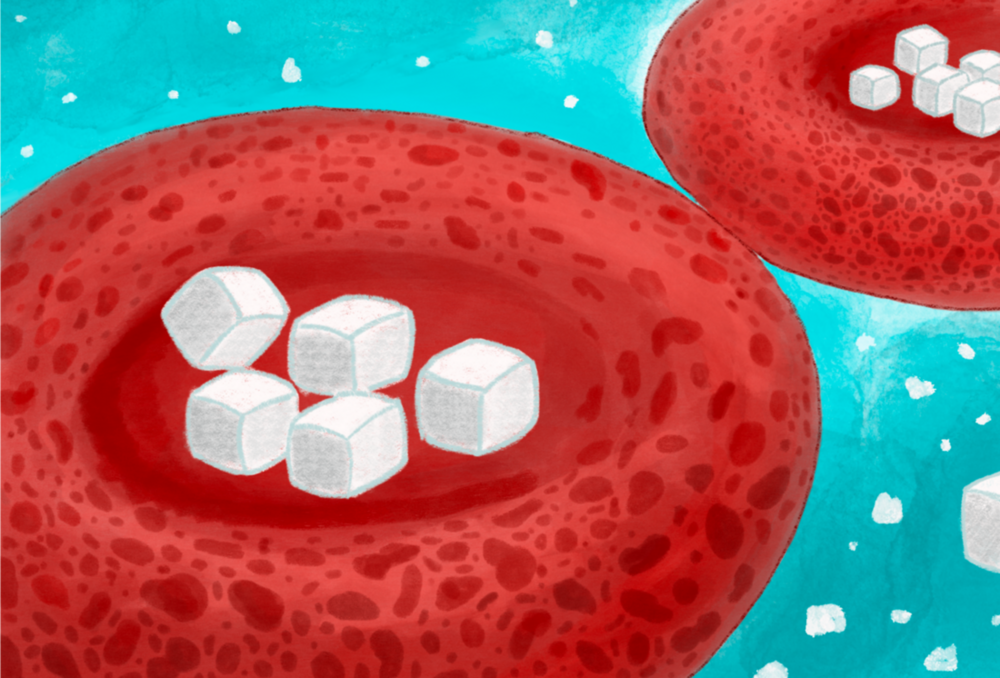
Sugar – or more precisely, glucose – is the energy supplier for our cells. With the help of oxygen, glucose is broken down into water and carbon dioxide, a process that releases energy. Excess glucose can be stored in the form of starch or fat.
Why is too much sugar a problem?
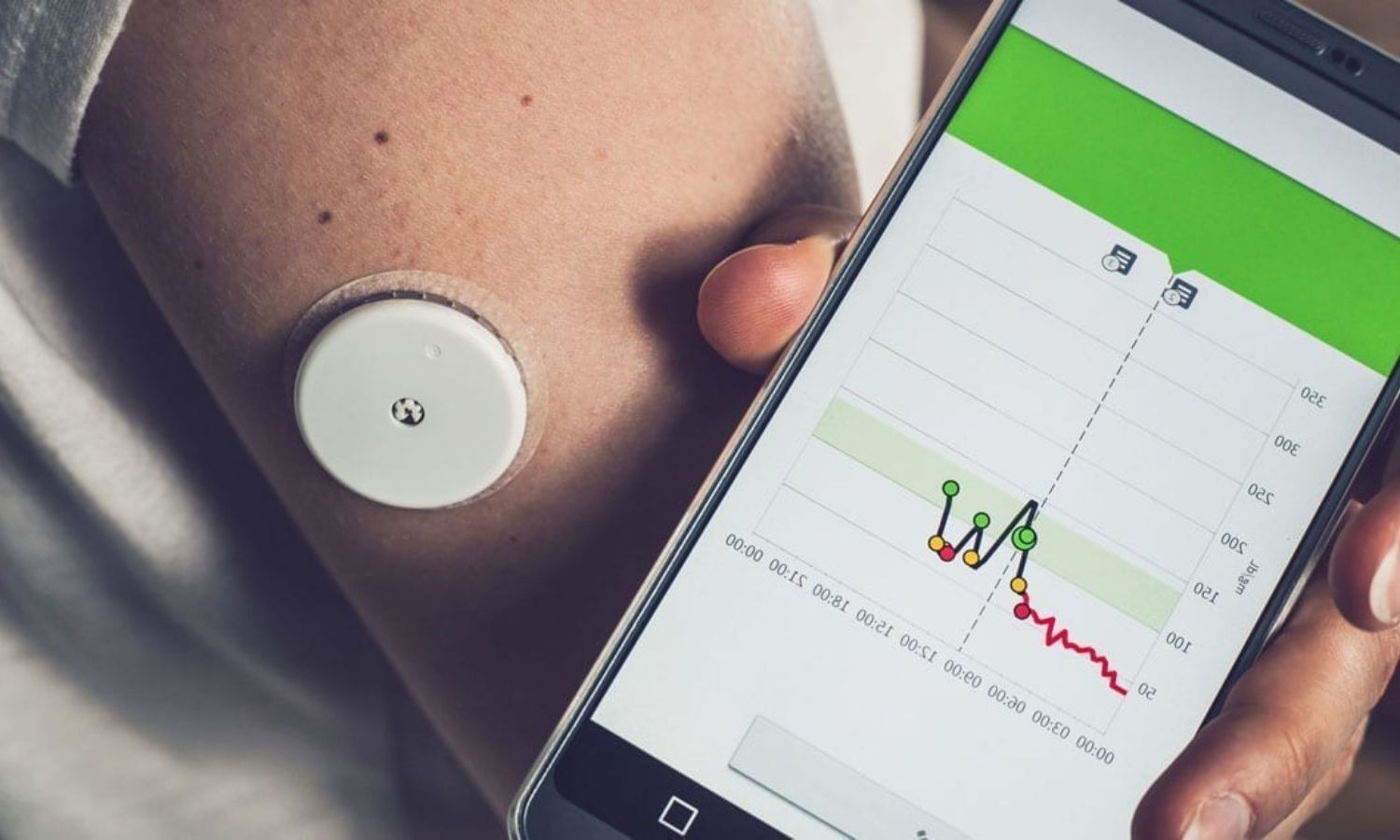
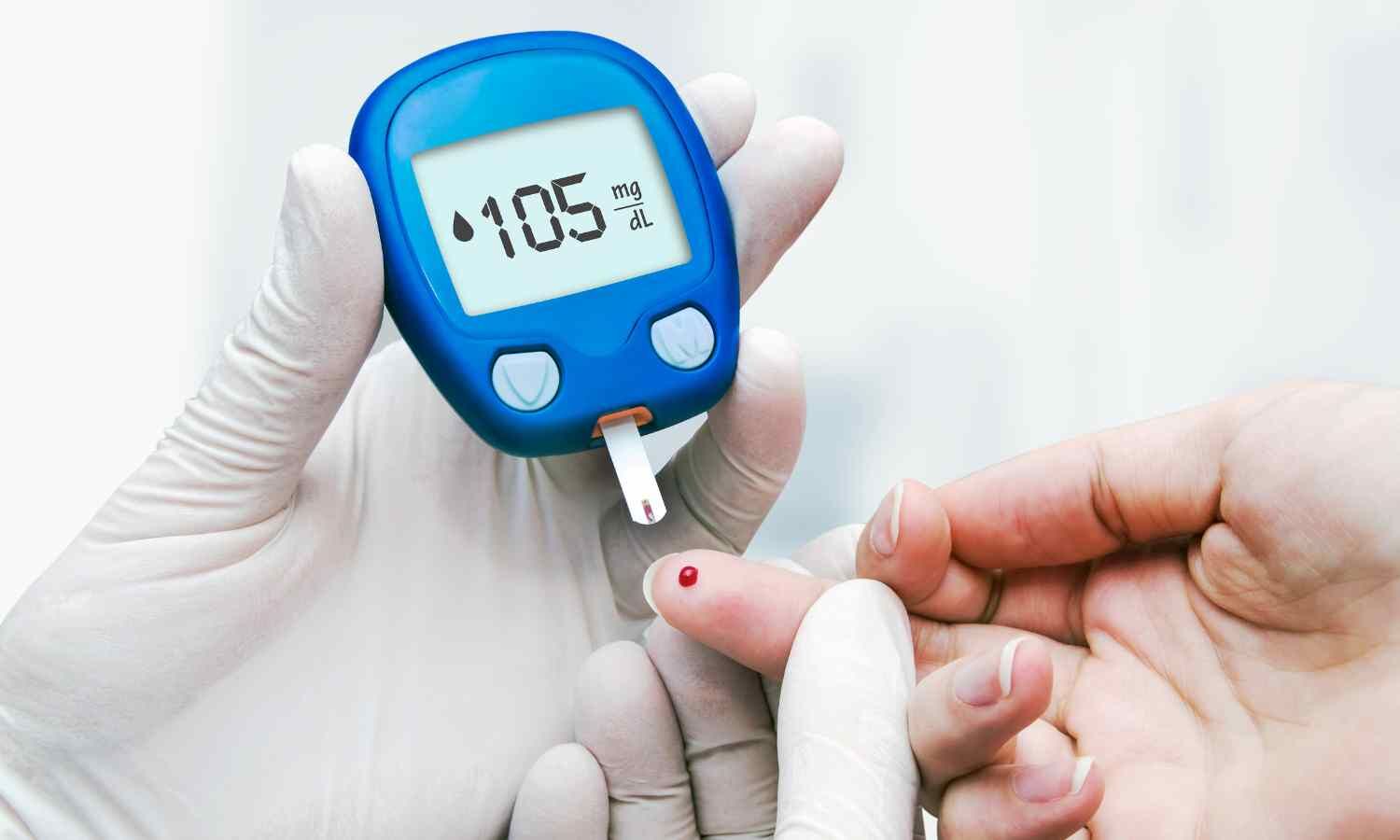
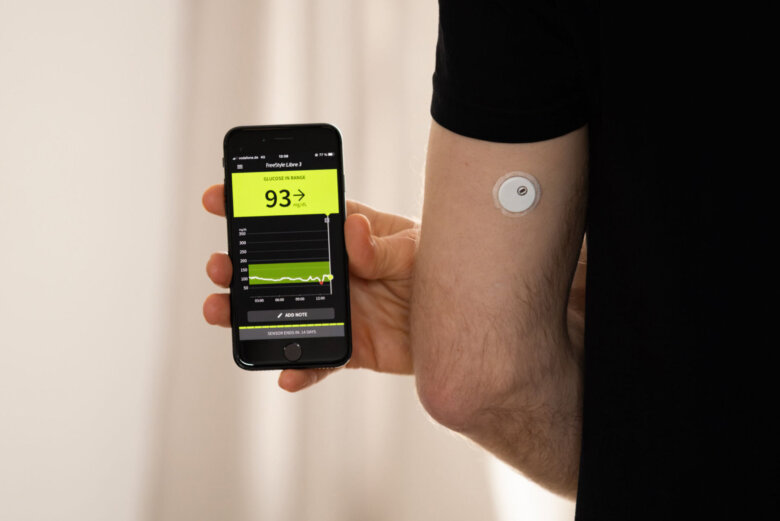
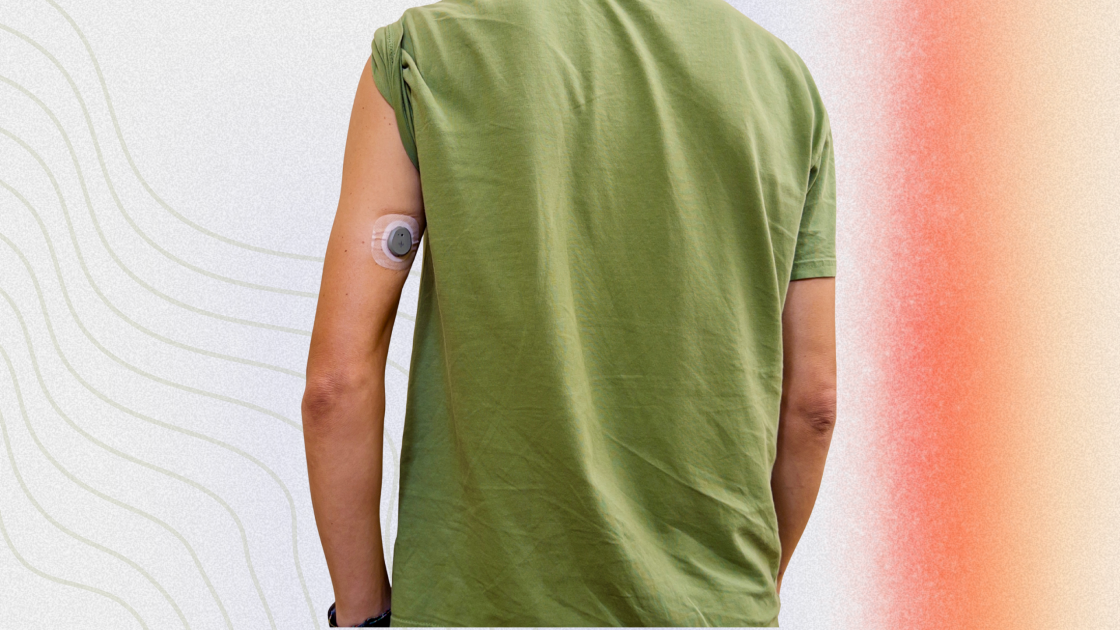
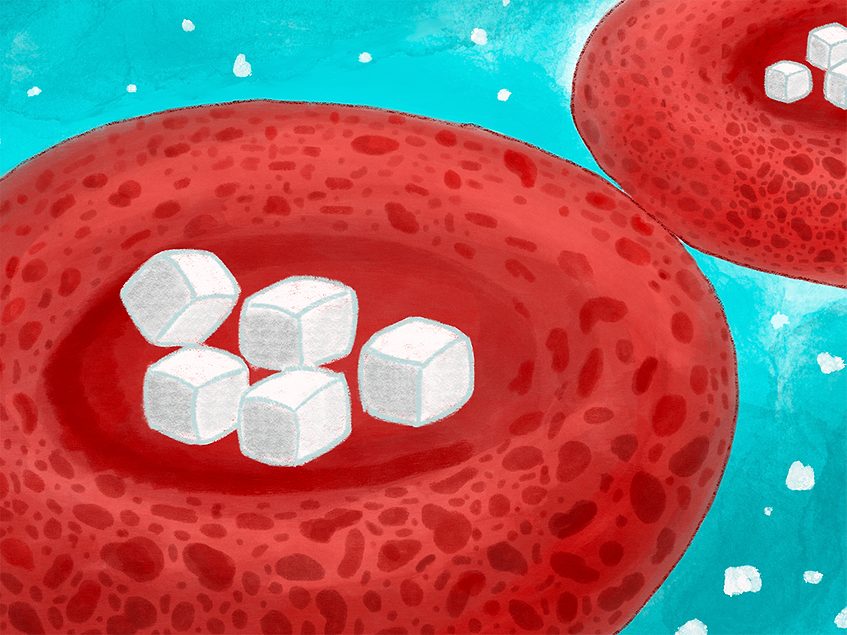
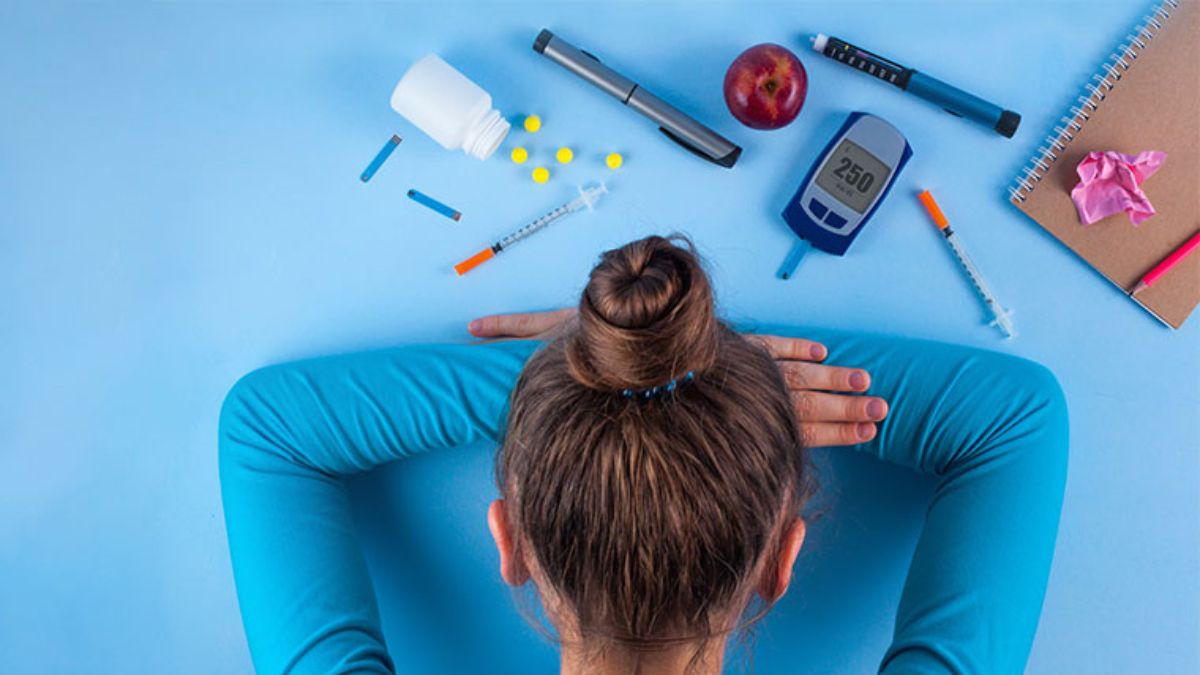
For the absorption of sugar from the blood, cells require the hormone insulin from the pancreas. If blood sugar levels remain high for prolonged periods, the body responds by increasing insulin production. Because cells cannot continuously absorb such high volumes of sugar, they downregulate their insulin receptors, becoming increasingly resistant to the hormone.
As a result, blood sugar levels remain persistently high. Insulin also triggers the conversion of excess blood sugar into fat. Furthermore, sugar activates the reward system in our brain. This heightens our craving for the nutrient, leading to overconsumption. Ultimately, the body loses its ability to regulate food intake and metabolism adequately, which can lead to obesity and, eventually, diabetes.
Why is it so important to reduce sugar consumption in the fight against obesity and diabetes?
Sugar is not just high in calories itself; it also indirectly increases overall calorie consumption by constantly heightening our craving for sweets. Sugar-rich foods drive us to eat more than we otherwise would, leading to higher caloric intake. Consequently, cutting out sugar can have a twofold benefit for weight management.
Can you make a conscious effort to eat less sugar?
Sugar alters the neural connections within the brain’s reward system. This reinforces a preference for sugar that effectively “hardwires” itself into the brain over time. As a result, it becomes increasingly difficult to control how much we eat. Obesity, therefore, is not simply a matter of weak willpower or a lack of discipline.
Why don’t people simply stop eating when they are full?
Our tendency to overeat is an evolutionary legacy from our past as hunter-gatherers. When a feast could be followed by a long famine at any time, it was a survival advantage to eat more than necessary to prepare for leaner times. In today’s age of abundance, however, this instinct can be detrimental.
Why do we often still have such a strong craving for something sweet after a meal?
This phenomenon is known as the “dessert effect”. While certain neurons signal that we are physically full, they also produce endorphins that activate the reward system, triggering a specific craving for more sugar. Evolutionary, this allowed the body to capitalise on rare, energy-dense nutrients.
Can the craving for sugar be described as an addiction?
Excessive consumption of sugar fulfills some criteria of an addictive disorder. These include:
- the strong urge to consume sugar (“craving”)
- the need to consume more and more sugar
- the consumption of sugar even when negative effects are known
How could sugar consumption in Germany be reduced?
The changes in the brain make it very difficult for those affected to “wean” themselves off sugar. Prevention is far more effective than later intervention. It is vital that consumers understand the dangers of excessive intake and know exactly how much sugar is in their food. Greater transparency could be achieved through a traffic-light labeling system.
Why should the government intervene to reduce sugar consumption in Germany?
Sugar-induced changes in the brain limit people’s ability to exercise self-control, meaning they can only regulate their eating habits to a certain extent. Moreover, those with lower income or education levels often have less access to information about healthy eating. There is also a particular responsibility toward children, who are unaware of the risks of excessive sugar consumption and find harder to control their eating habits.
Could voluntary measures by food manufacturers help to reduce sugar consumption, or would a sugar tax be more effective?
As part of an agreement with the German Federal Government, nine associations representing the food industry have made a voluntary commitment to reduce the sugar content of their products. For instance, the German Non-Alcoholic Beverages Association (Wirtschaftsvereinigung Alkoholfreie Getränke e. V.) set a goal to cut the sugar content of its soft drinks by 15 percent between 2015 and 2025.
However, an analysis found that between 2015 and 2021 the sugar content fell by only 2 percent – far short of the planned 9 percent reduction for that period. It therefore seems doubtful whether the sugar content of processed foods and beverages can be effectively reduced on a voluntary basis. Over 20 years, this could prevent up to 240,000 cases of diabetes and save up to €16.0 billion. Forty-six professional associations and the National Academy of Sciences Leopoldina now recommend such a tax. Additionally, there is an ongoing debate regarding the VAT rate on sugar, which is currently taxed at a reduced rate of 7% as a staple food.
In 2023, researchers calculated the potential impact of different tax options on sugary drinks Their analyses showed that a 20 percent tax on sugary drinks could decrease adult sugar consumption by 1 gram per day, provided that the additional costs were passed on to consumers. A tiered tax, leading to a 30 percent reduction in sugar content, could cut intake by over 2 grams daily. Over the next 20 years, this could prevent or delay between 130,000 and 240,000 cases of diabetes. This would save costs of €9.6 billion or €16.0 billion over this period.. Forty-six professional associations, as well as the National Academy of Sciences Leopoldina, recommend an additional tax on sweetened drink. There is also an ongoing debate regarding the VAT rate on sugar, which is currently taxed at a reduced rate of 7% as a staple food.
How can I keep my own sugar consumption low?
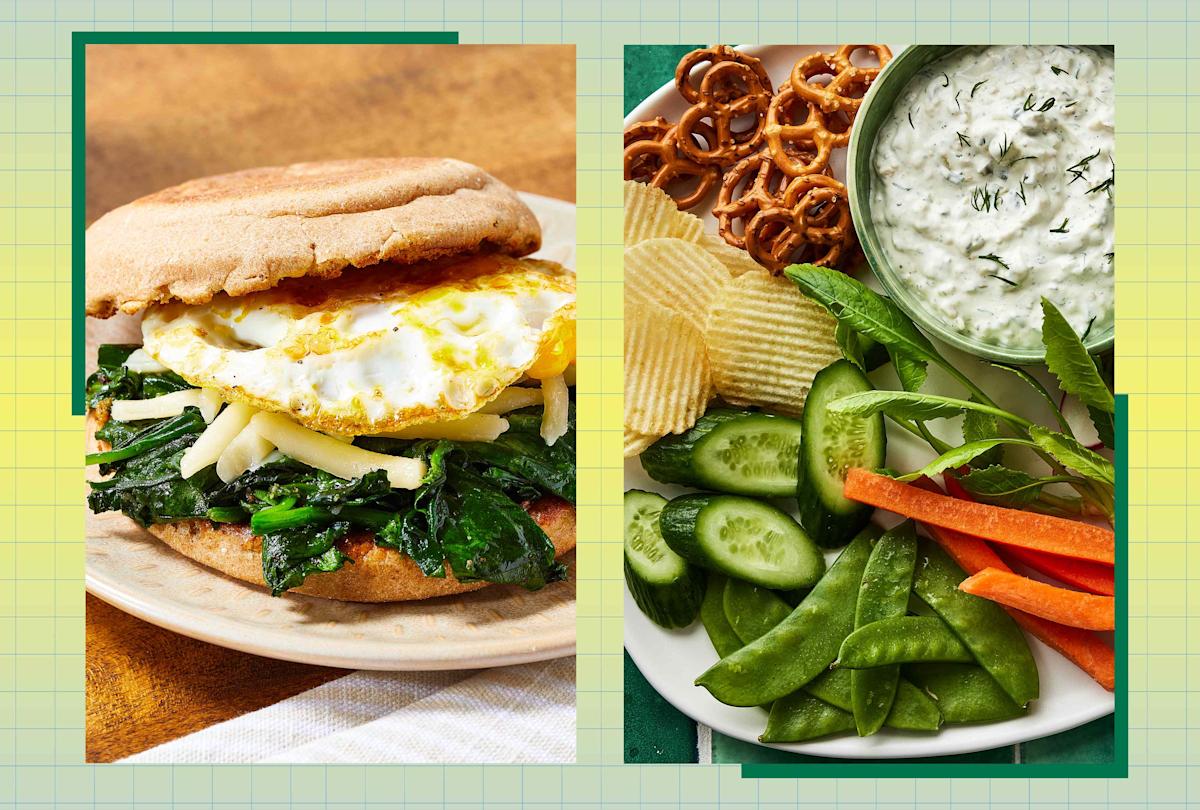
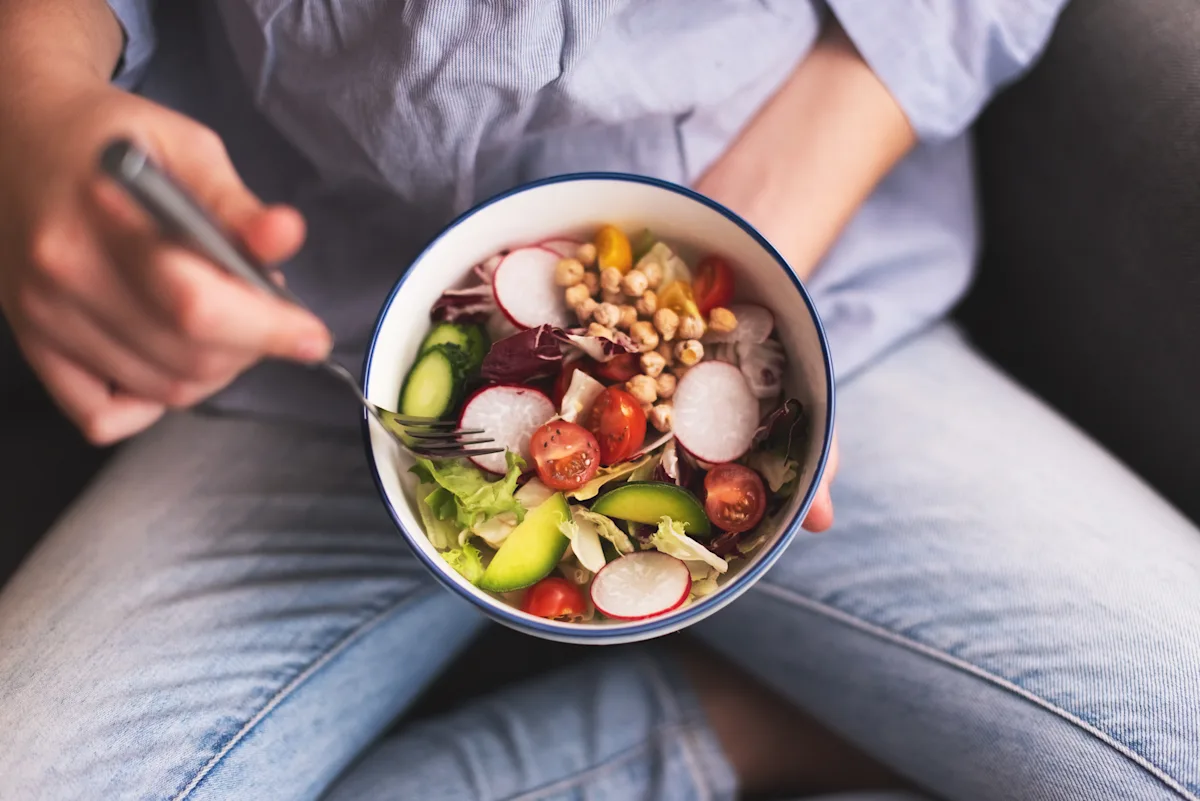
Sugar is usually added to highly processed foods; natural, whole foods generally contain far less sugar than ready-to-eat meals. The rule is to cook for yourself rather than eating fast food. Beverages can also contain a lot of sugar. Opting for water over fruit juices and sweetened fizzy drinks is also a simple way to significantly lower your sugar load.
Are sweeteners an alternative to sugar?
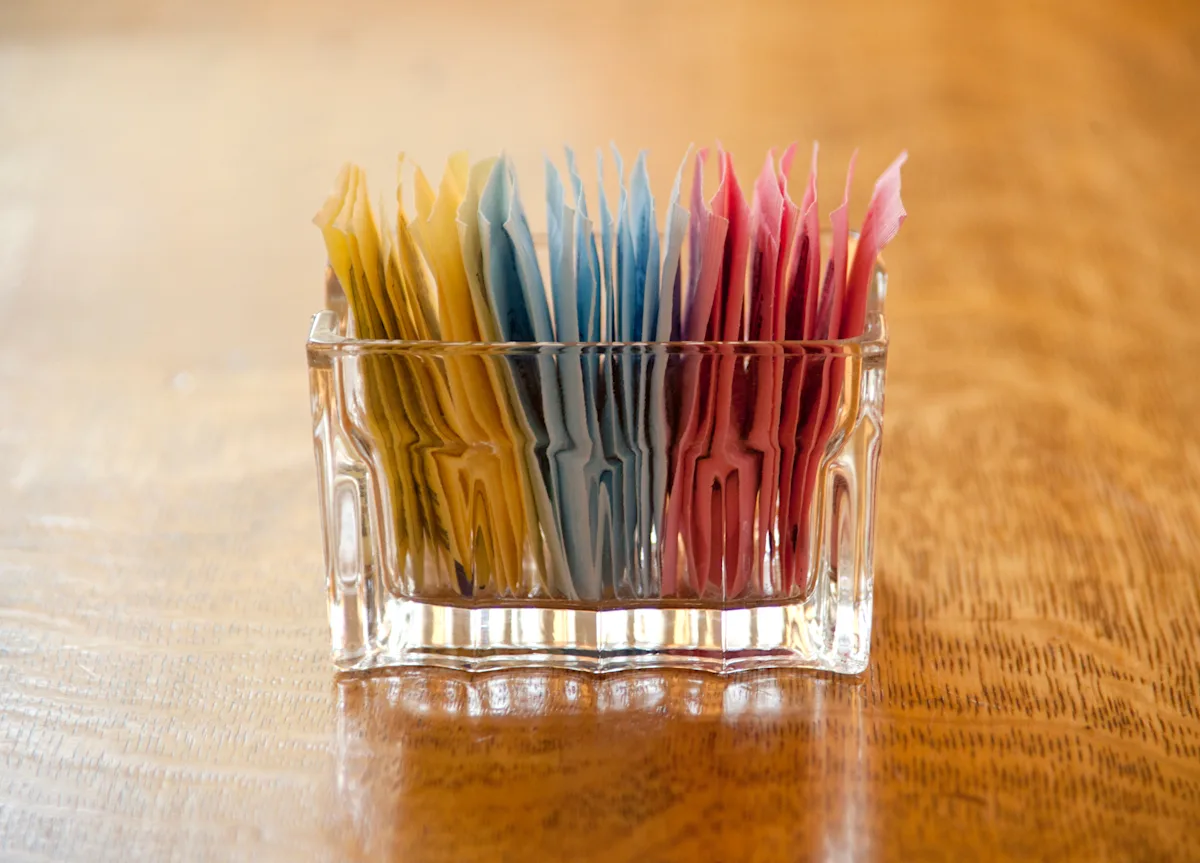
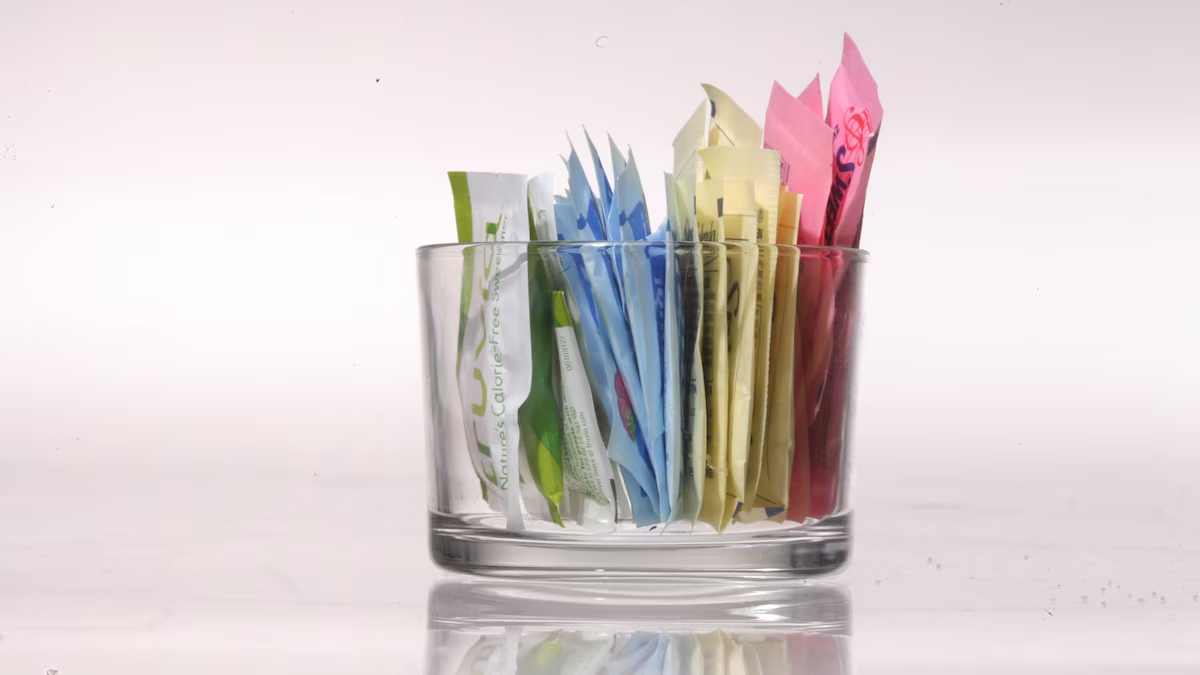
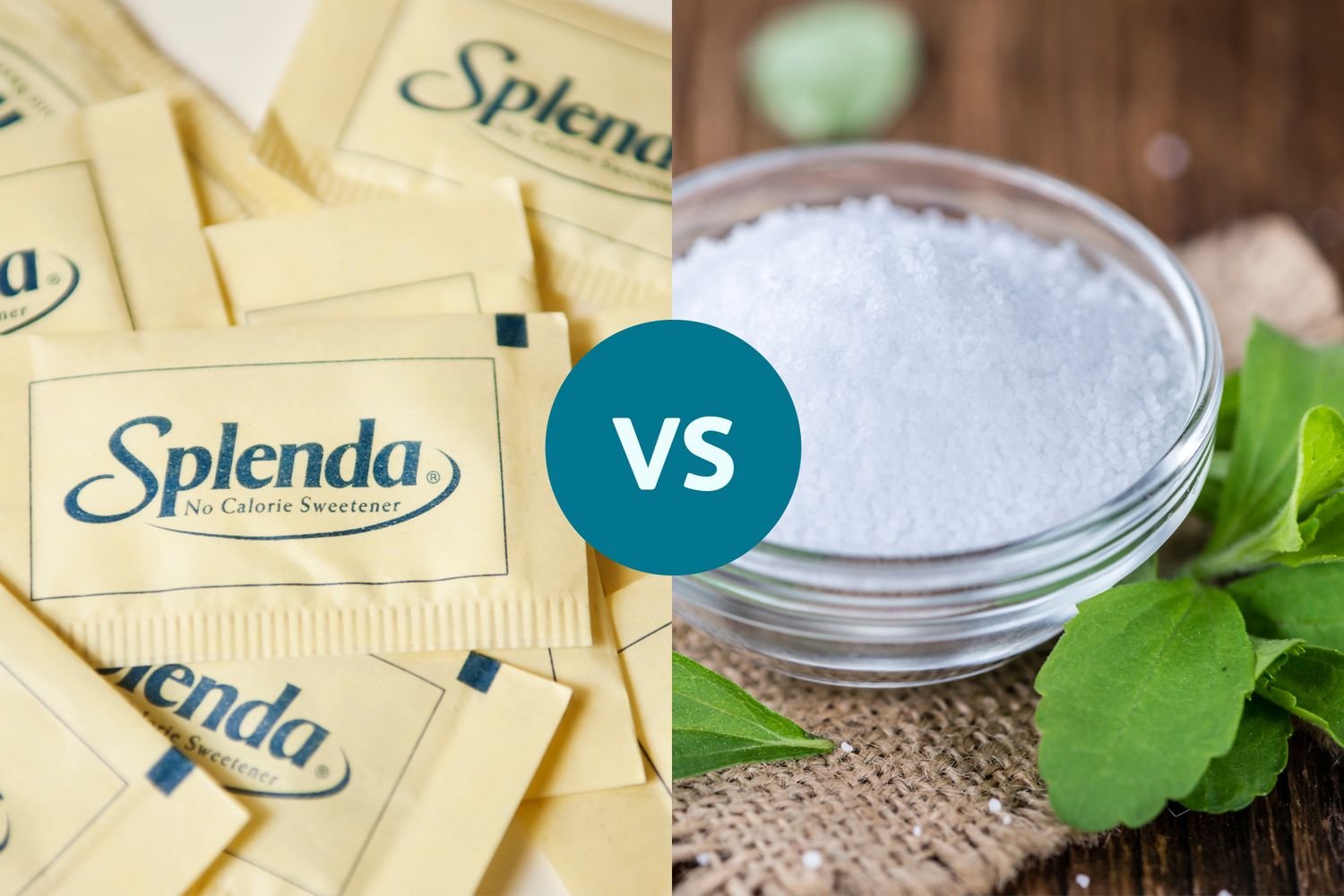
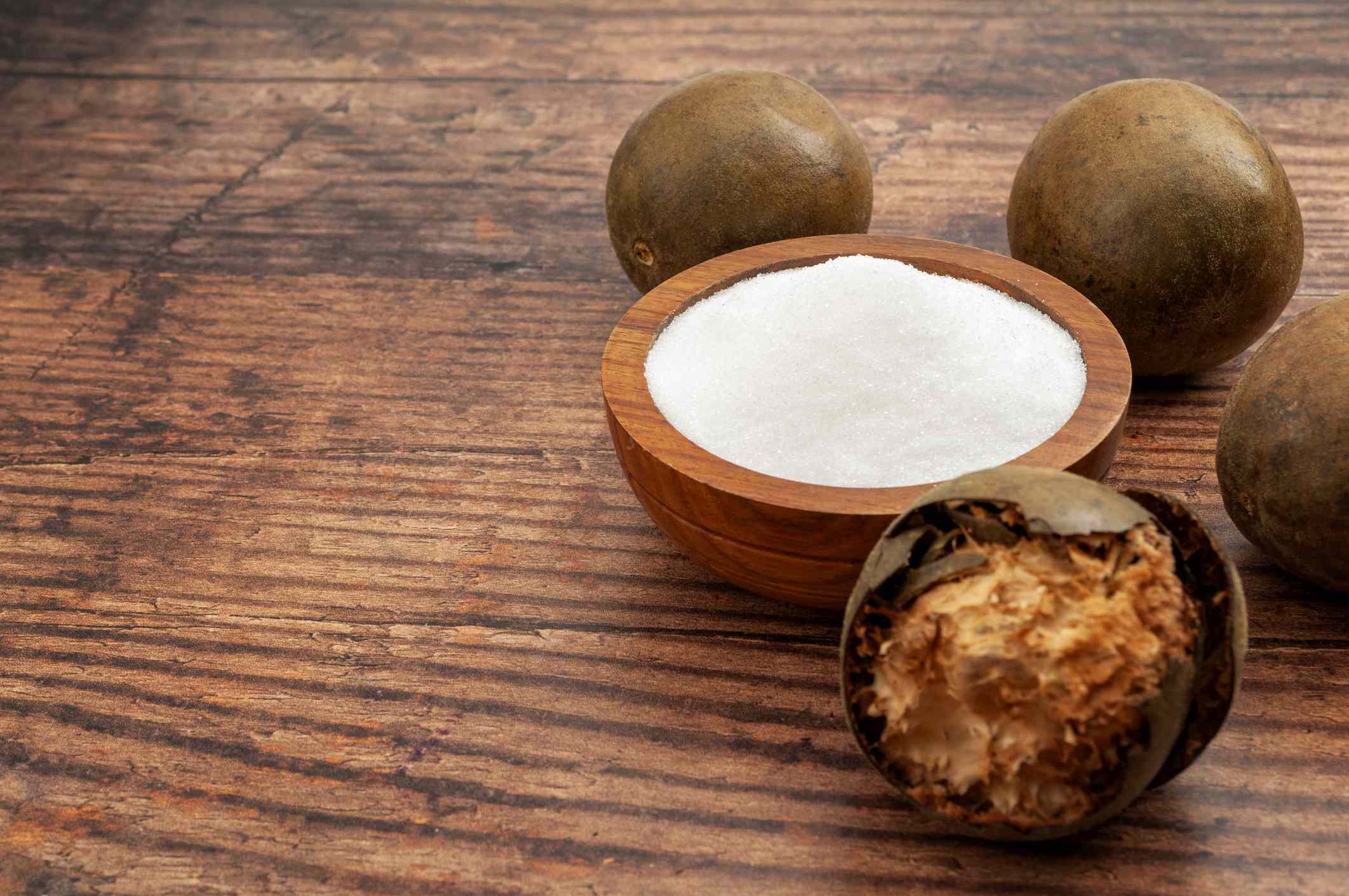
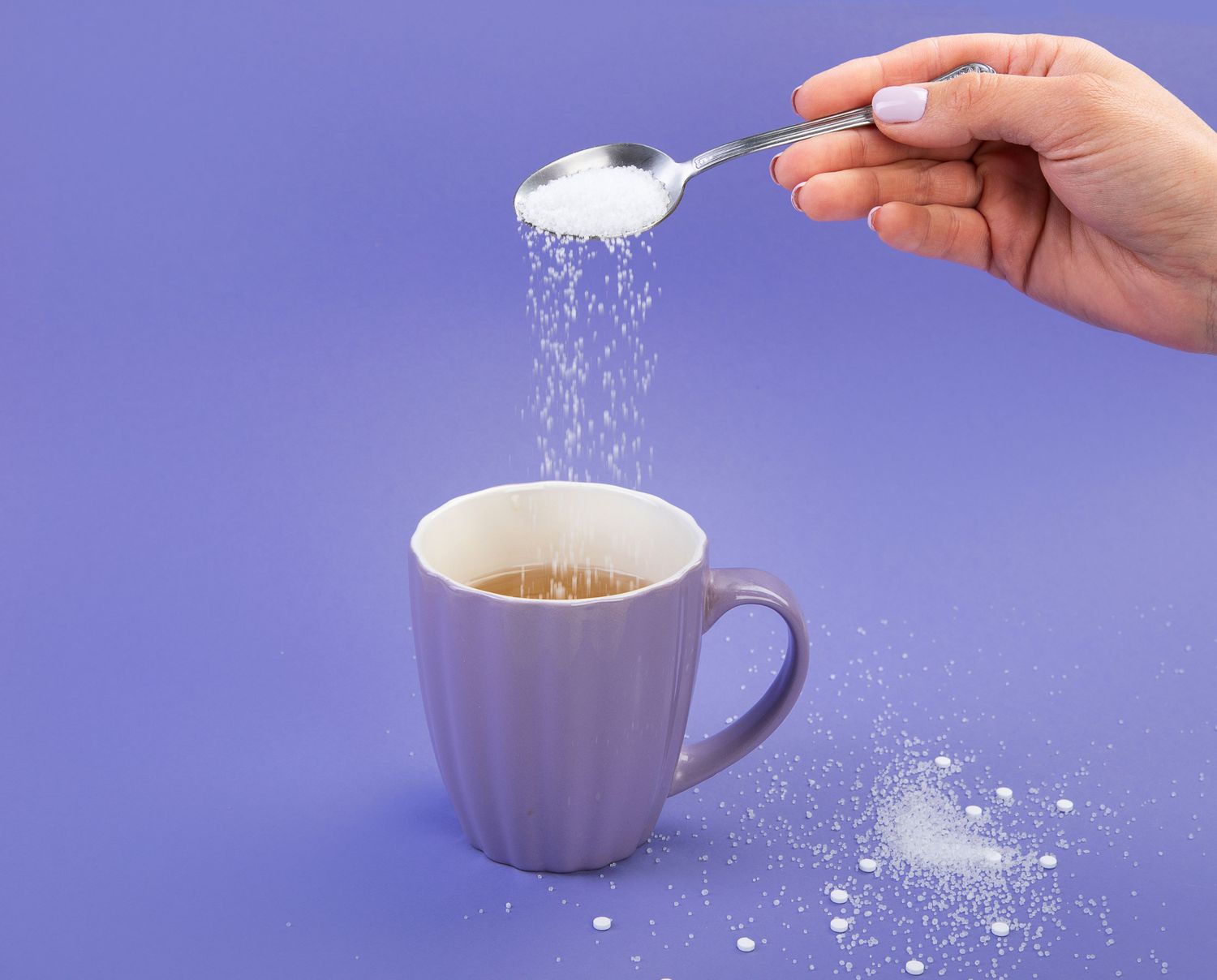
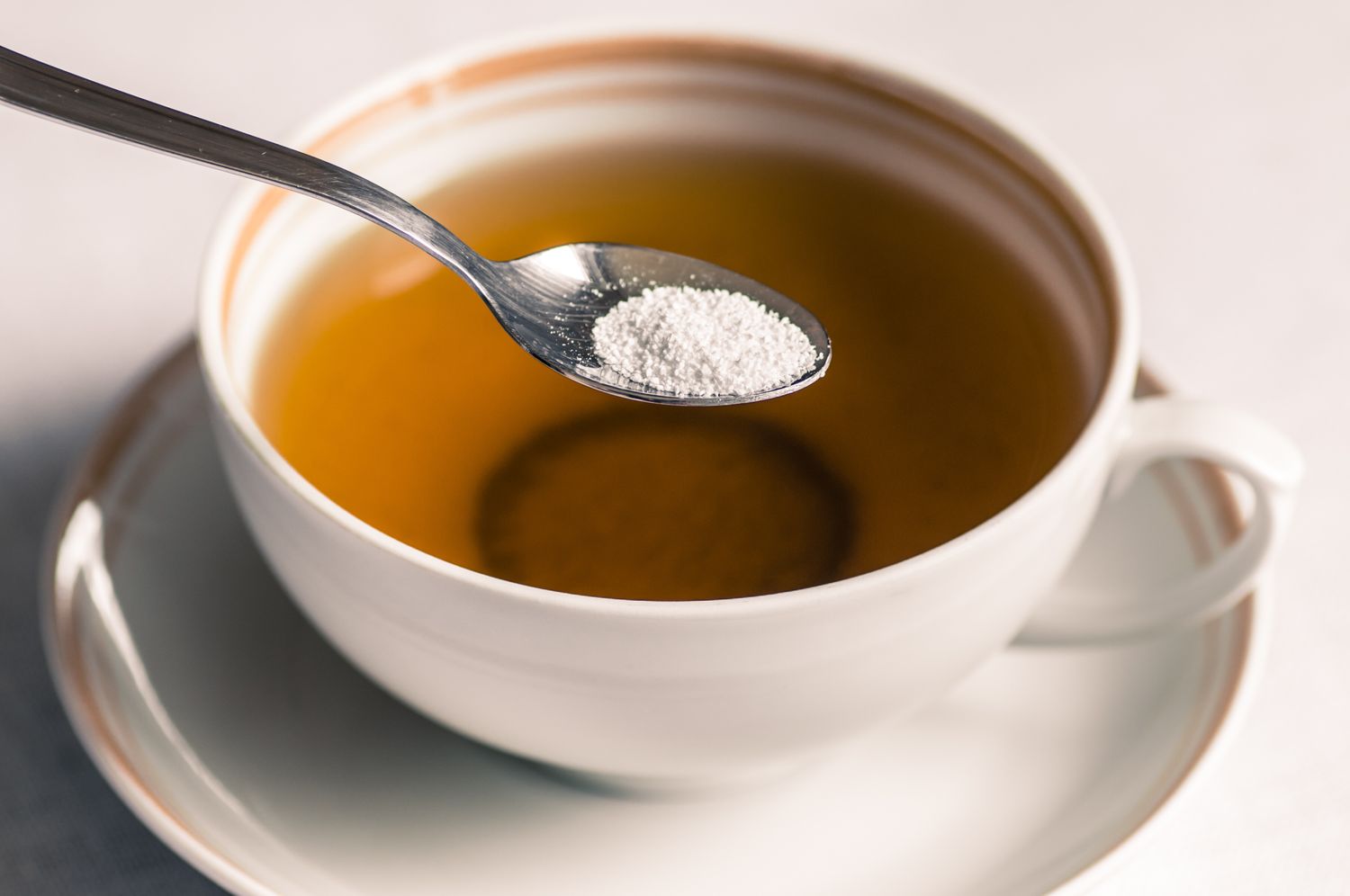
Although sweeteners like saccharin, aspartame orstevia are far sweeter than sugar, they do not affect blood sugar levels and contain no calories. Sugar substitutes (sugar alcohols) such as sorbitol, mannitol or xylitol (“birch sugar”) have a sweetness comparable to sugar but provide fewer calories and have a smaller impact on blood glucose.
| Column1 | Household sugar | Sugar subsitutes | Sweeteners |
|---|---|---|---|
| Energy content (per gram) | 4.0 | 2.4 | 0 |
| Sweetening power | 1.0 | 0.3 – 1.0 | 40–25,000 |
| Effect on blood sugar | high | low | 0 |
When the brain doesn’t receive the sugar it expects, it keeps wanting more. Despite their minimal effect on blood sugar, sugar alternatives can actually stimulate the appetite, as their sweetness triggers the brain’s anticipation of real sugar. That’s why they don’t really help to reduce cravings for sweet foods.
Sources:
Full version in German: Konsensuspapier der Deutschen Gesellschaft für Ernährung, der Deutschen Adipositas-Gesellschaft und der Deutschen Diabetes Gesellschaft
“Evaluations and Recommendations on Reducing Sugar Content by the Max Rubner-Institut 2016” [German language only]: Bewertungen und Empfehlungen zur Reduktion des Zuckergehalts des Max Rubner-Instituts 2016
“Leopoldina Focus January 2026: How Can the Obesity Epidemic Be Contained” [German language only]: Leopoldina Fokus Januar 2026: Wie lässt sich die Adipositas-Epidemie eindämmen?