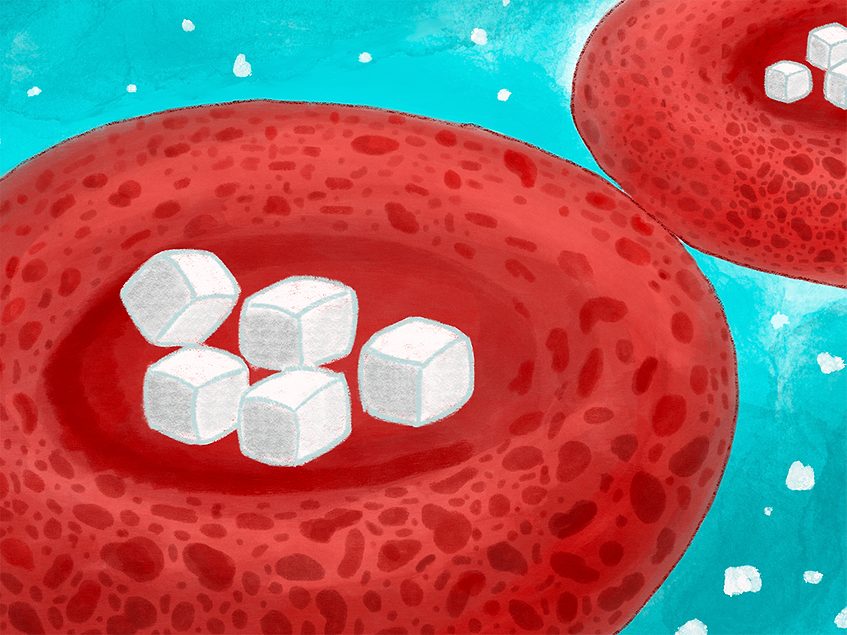

All cells within the body, including in the brain, need energy to function. Glucose supplies energy, and the hormone insulin enables the cells to absorb and use it. In severe cases, low blood sugar, or glucose, may lead to coma and death.
Hypoglycemia can occur with several conditions, but it
This article explains hypoglycemia, including its symptoms and treatment options.
Hypoglycemia happens when there is not enough glucose in the blood.
The National Institutes of Diabetes and Digestive and Kidney Diseases (NIDDK) notes that symptoms usually appear when blood sugar levels are below
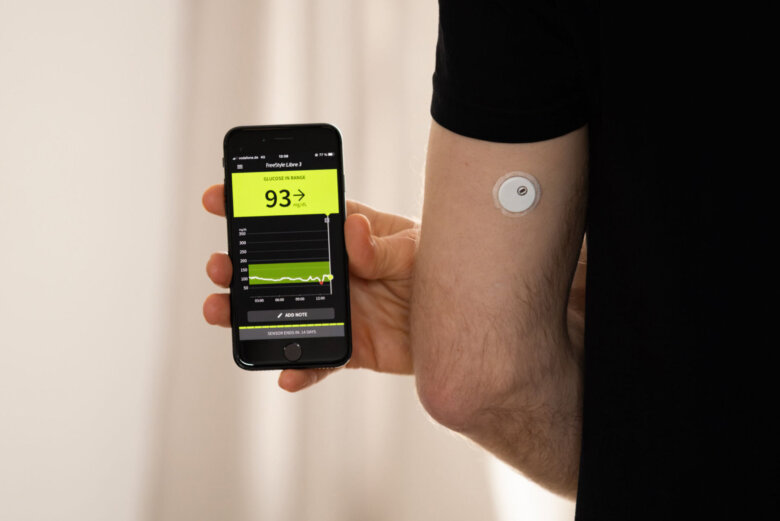
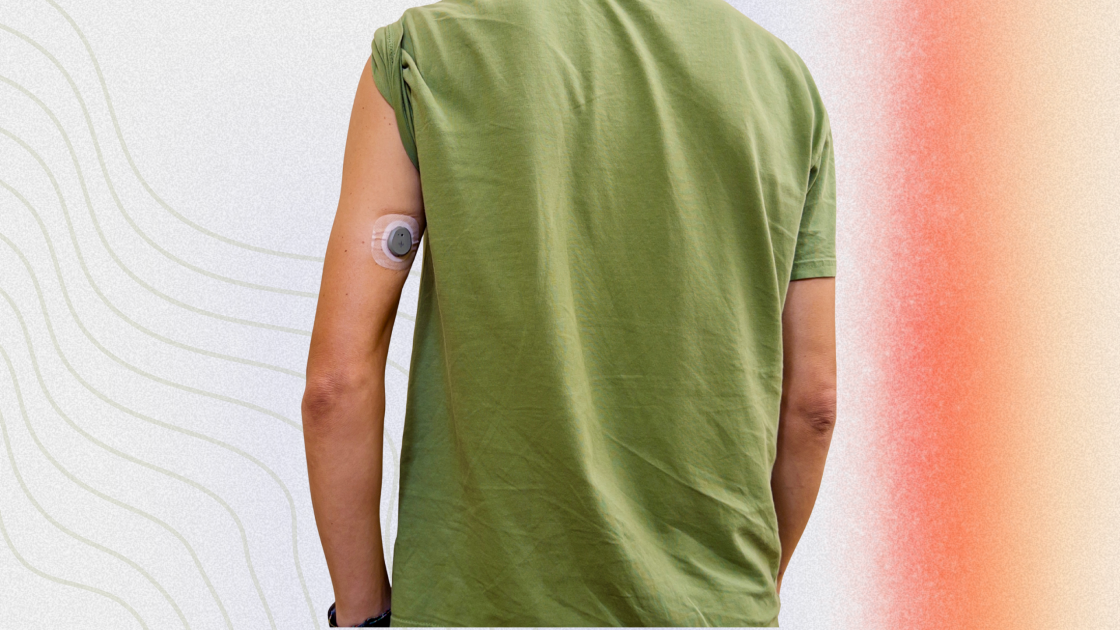
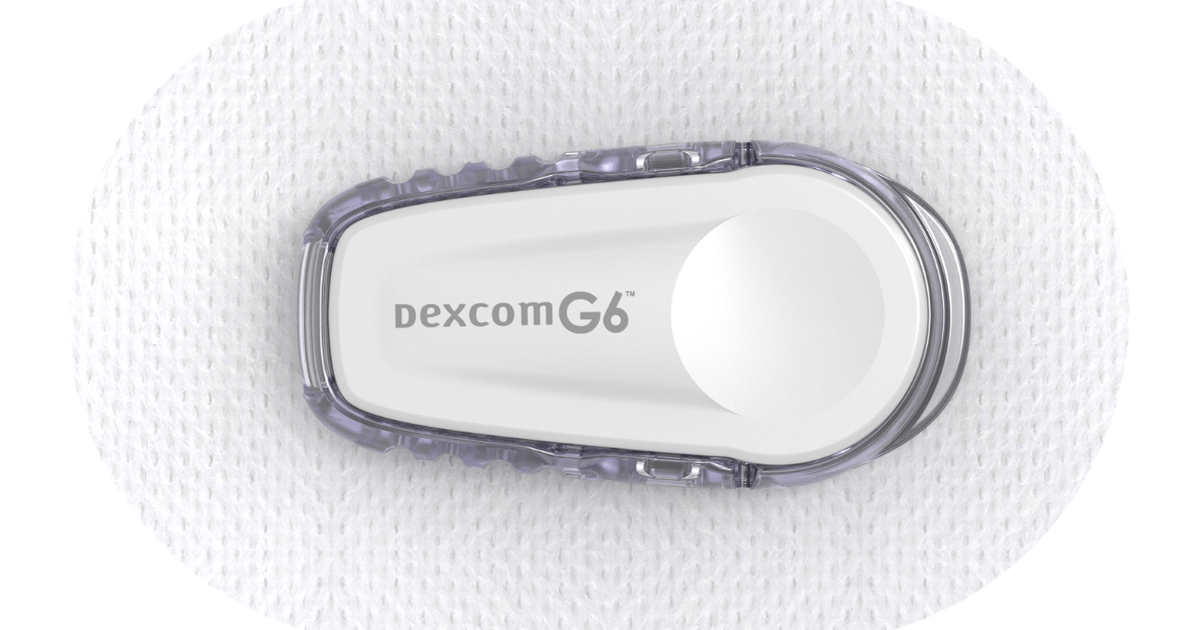
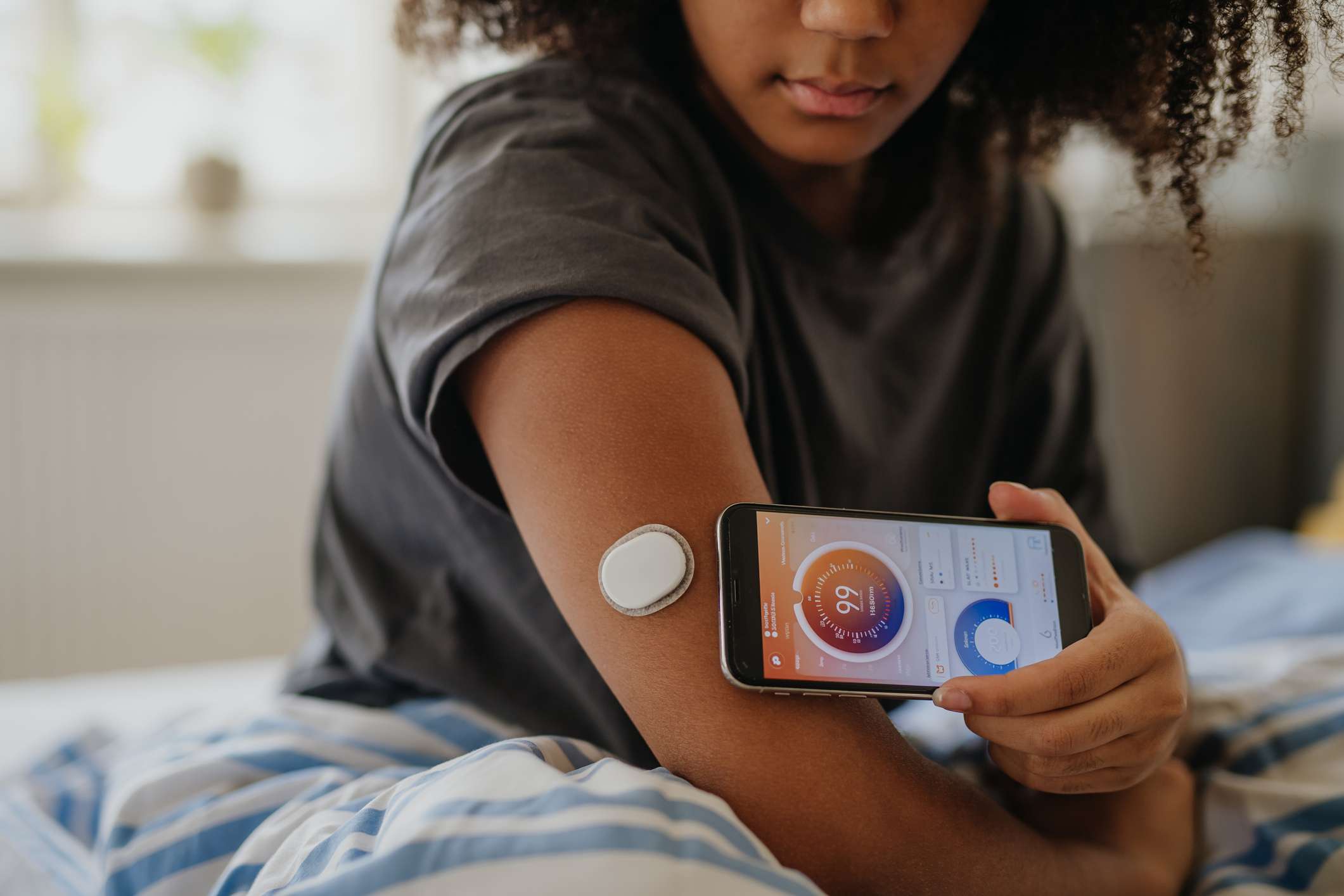
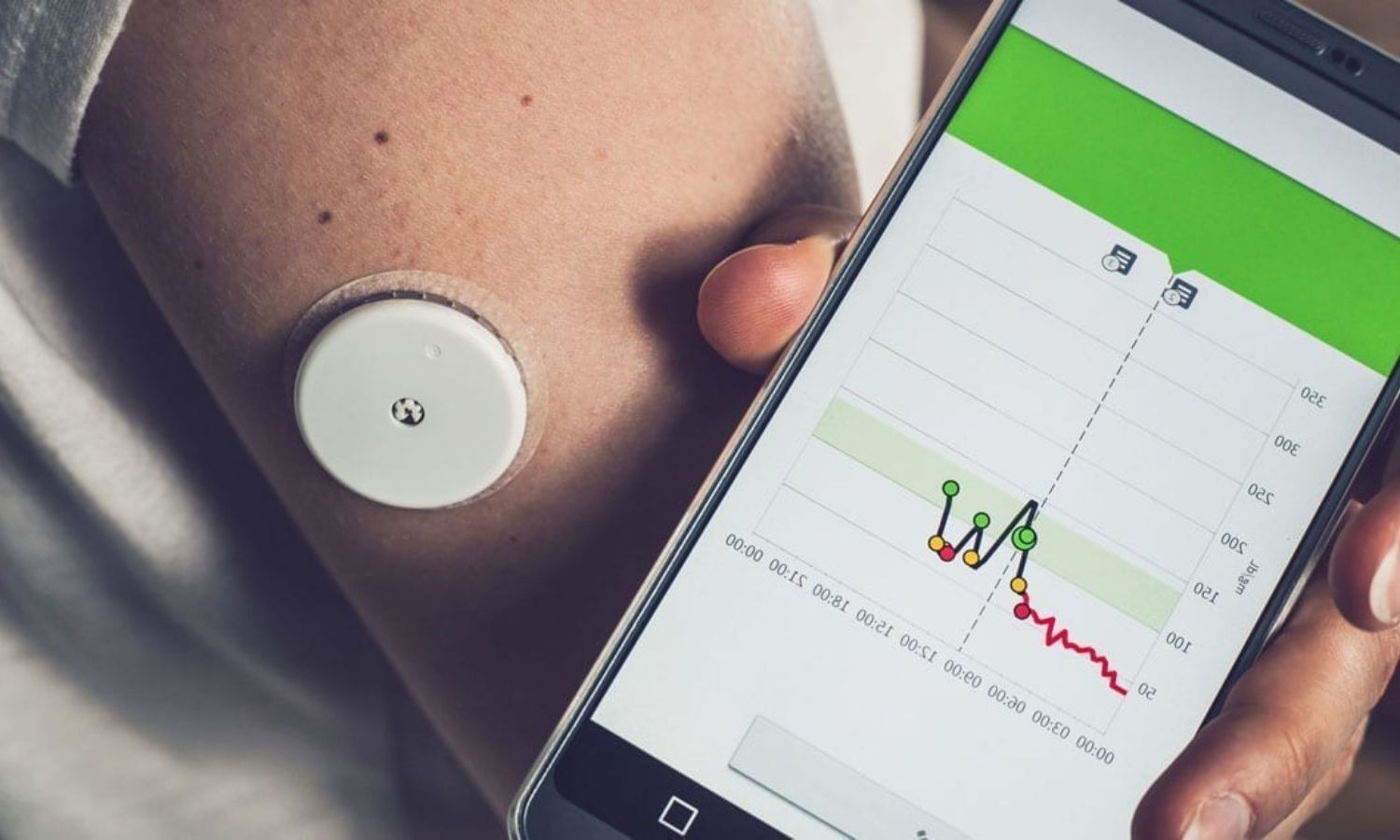
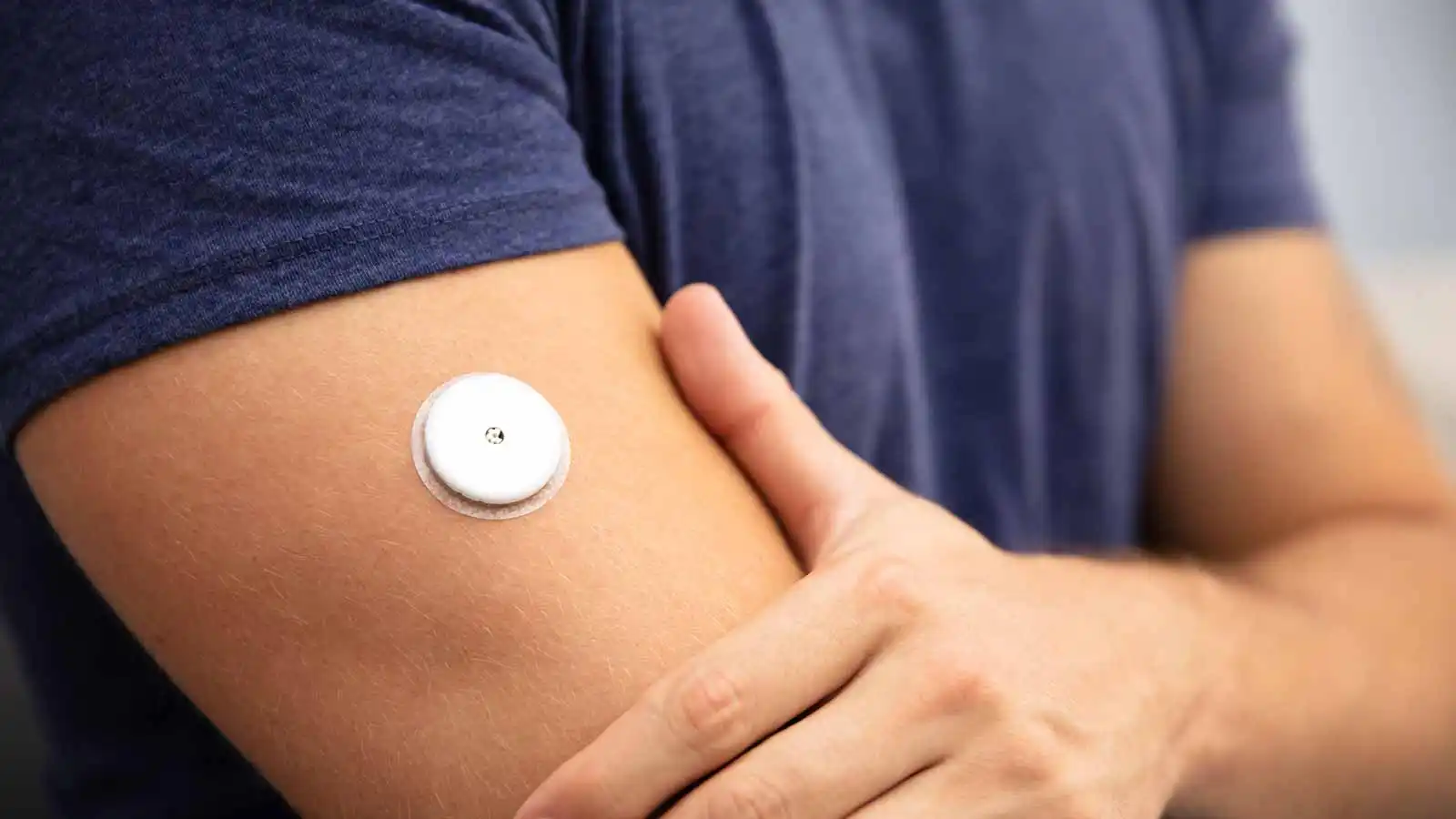
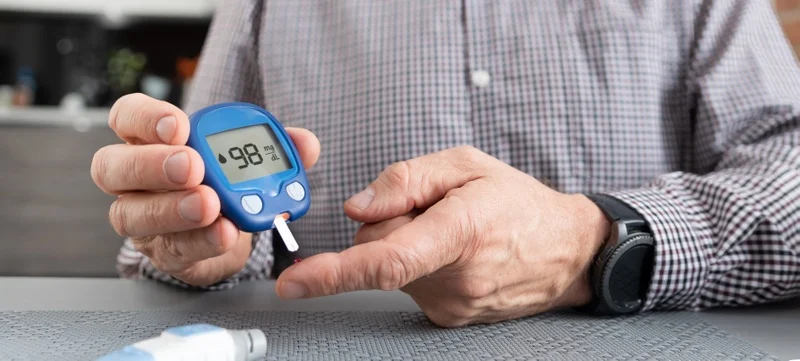
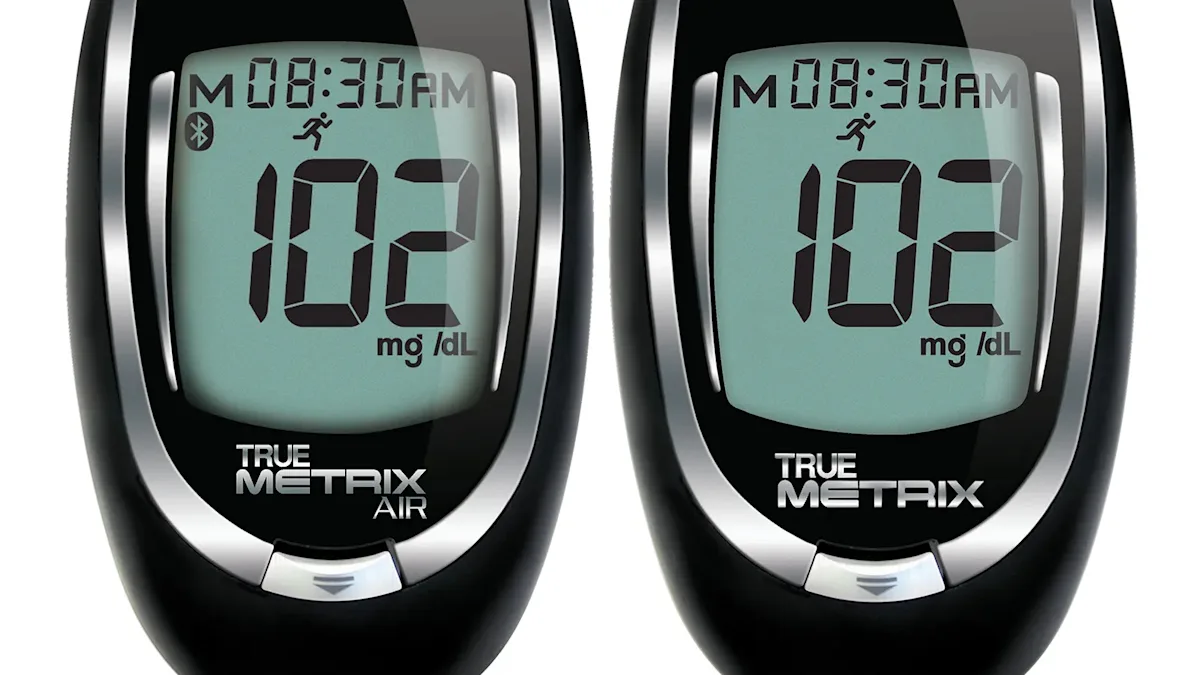
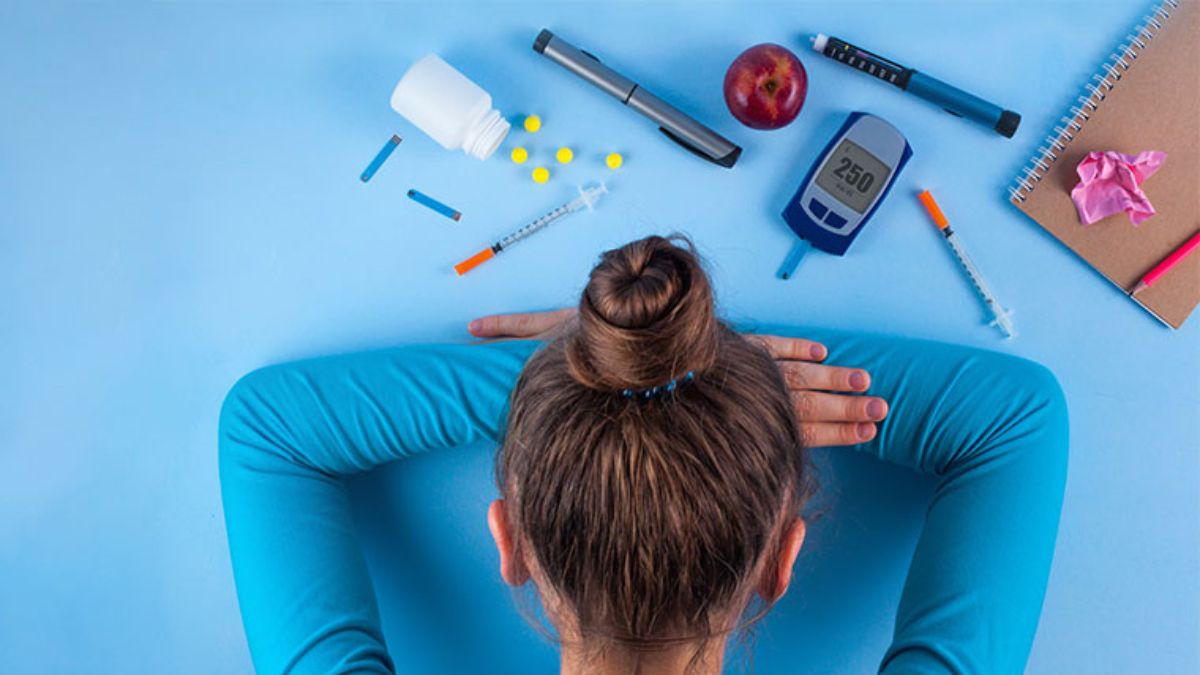
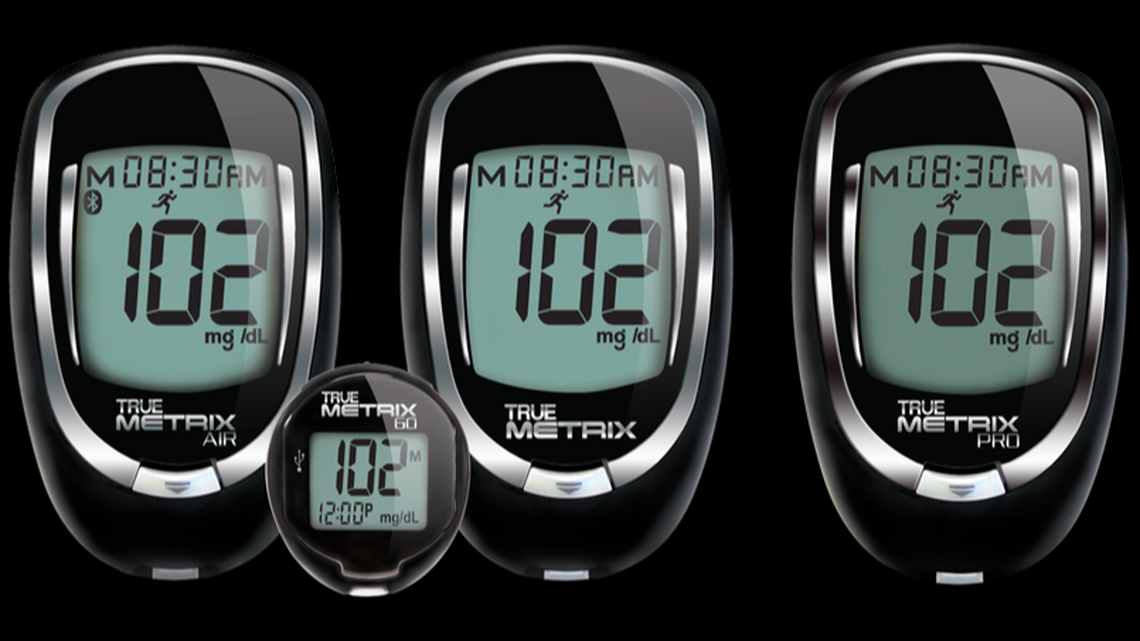
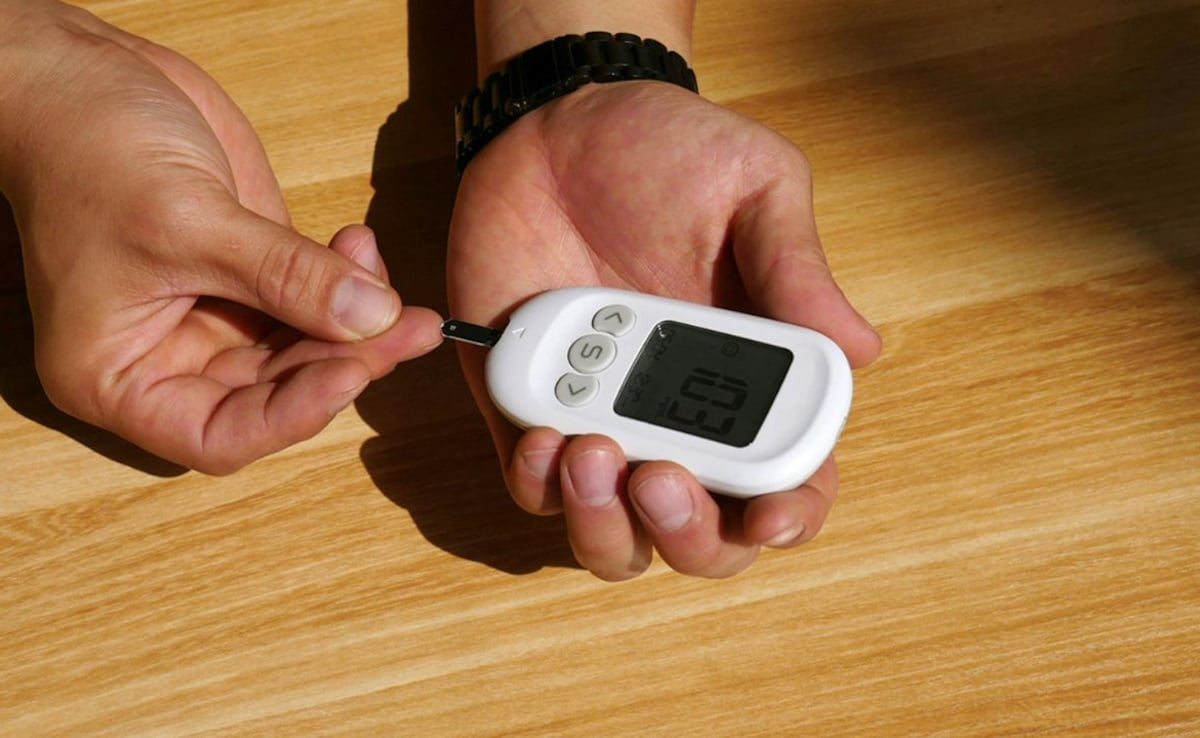
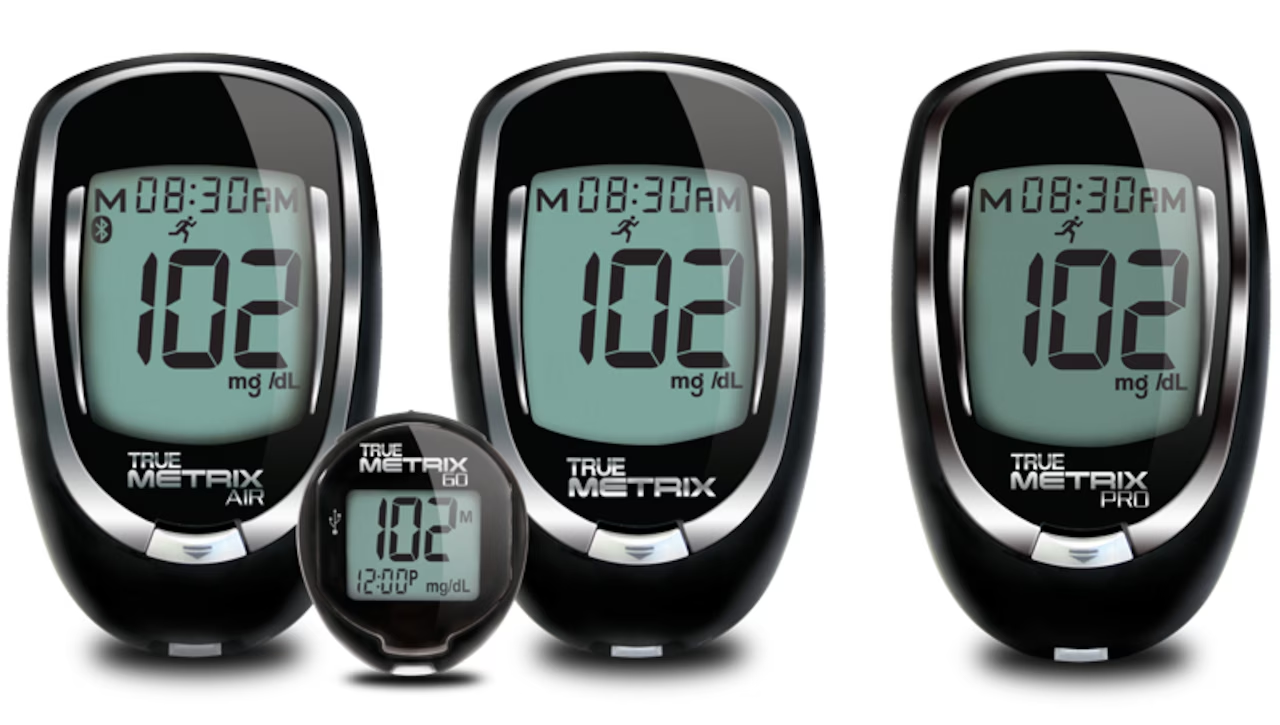
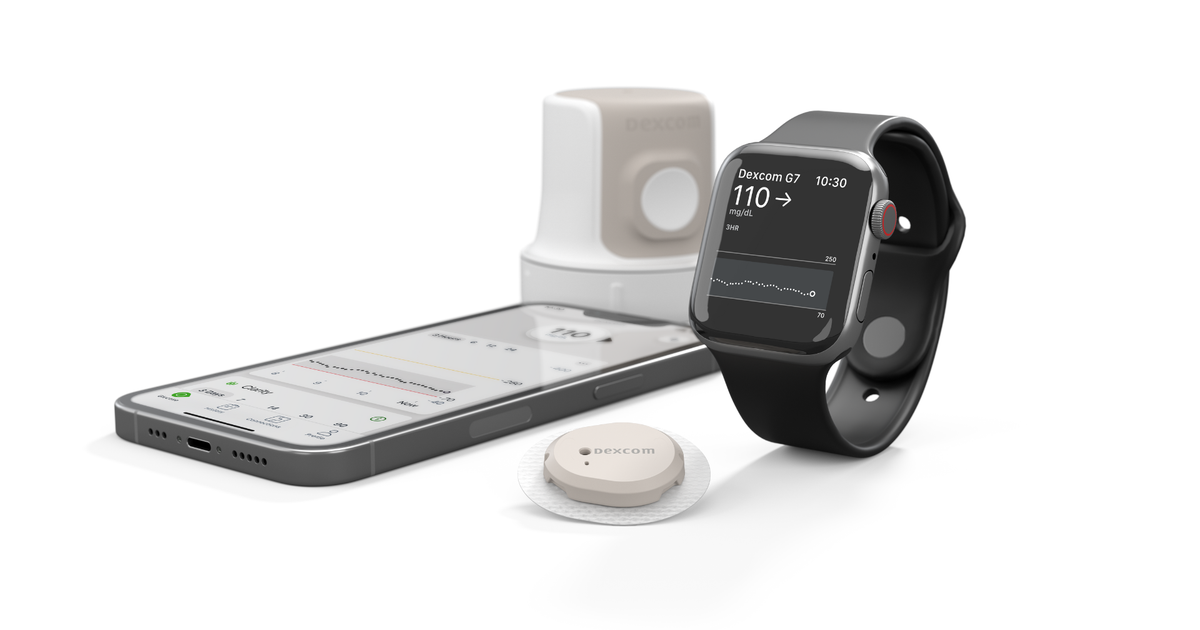
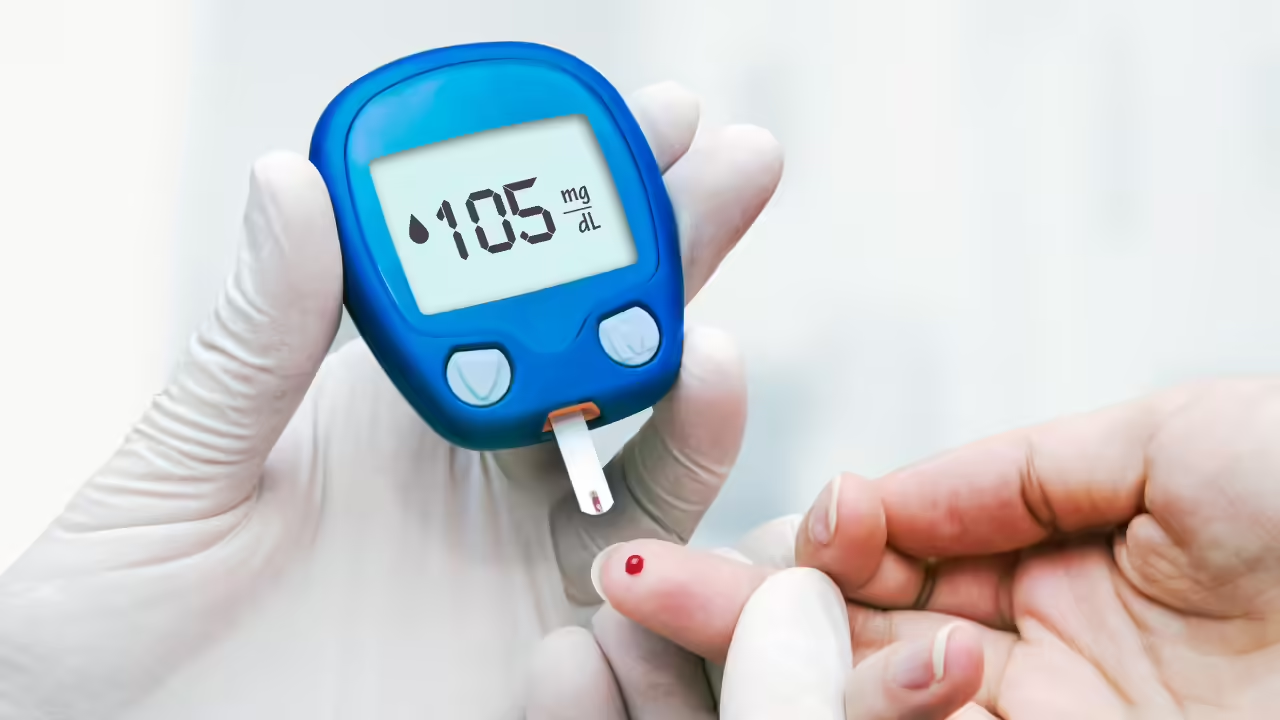
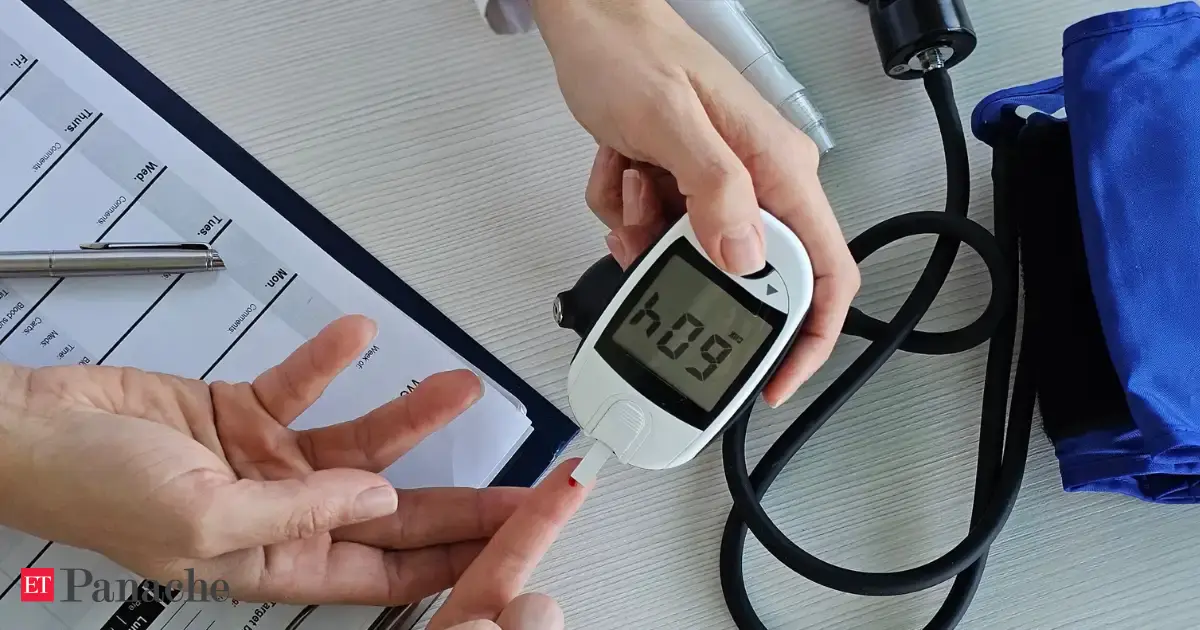
People with low blood sugar may want to use a blood glucose meter — a small, portable machine that monitors blood sugar levels. Some monitors sound an alarm if levels drop below a certain level. People can purchase blood glucose monitors online or discuss with their healthcare team.
People with mild hypoglycemia may experience the following common symptoms:
Severe hypoglycemia may involve:
- confusion
- seizures
- nightmares
- fainting
- coma
Complications
If a person does not take action, they may have:
- difficulty eating or drinking
- seizures
- a loss of consciousness
- coma
Severe hypoglycemia can be life threatening, and in rare cases, may lead to death without treatment.
Someone who regularly experiences hypoglycemia may be unaware that it is happening or getting worse. They may not notice the warning signs, which may lead to severe and possibly fatal complications.
People may experience hypoglycemia for reasons including:
- Not eating enough: Fasting or missing a meal may lead to low blood sugar levels. Not eating enough carbohydrates can also cause blood sugar levels to fall.
- Increased activity: Increasing physical activity levels can lower blood sugar levels for some time, especially in those with type 1 diabetes.
- Some medications: Quinine, a drug that prevents malaria, can trigger hypoglycemia. High doses of salicylates, used to treat rheumatic disease, or propranolol for high blood pressure, may also cause blood sugar levels to drop. It can also happen when a person takes diabetes medication without having diabetes.
- Alcohol consumption: Drinking large amounts of alcohol can cause the liver to stop releasing stored glucose into the bloodstream.
- Some liver diseases: Drug-induced hepatitis can lead to hypoglycemia because it affects the liver.
- Kidney disorders: People with a kidney disorder may have problems excreting medications. This can result in low blood sugar levels.
- Insulinoma: A tumor in the pancreas can cause the pancreas to produce too much insulin.
- Endocrine problems: Some adrenal and pituitary gland disorders can lead to hypoglycemia. This is more common in children than adults.
- Reactive, or postprandial, hypoglycemia: The pancreas produces too much insulin after a meal.
- Tumors: Rarely, a tumor in a part of the body other than the pancreas can cause hypoglycemia.
- Severe illness: Some diseases, such as cancer, can affect many organs, including the pancreas. This can lead to hypoglycemia.
Blood sugar regulation
The digestive system breaks down carbohydrates from food, creating glucose, the body’s main energy source.
As this enters the blood, the pancreas produces insulin, which allows cells in the body to absorb glucose. As glucose enters the cells, blood sugar levels fall.
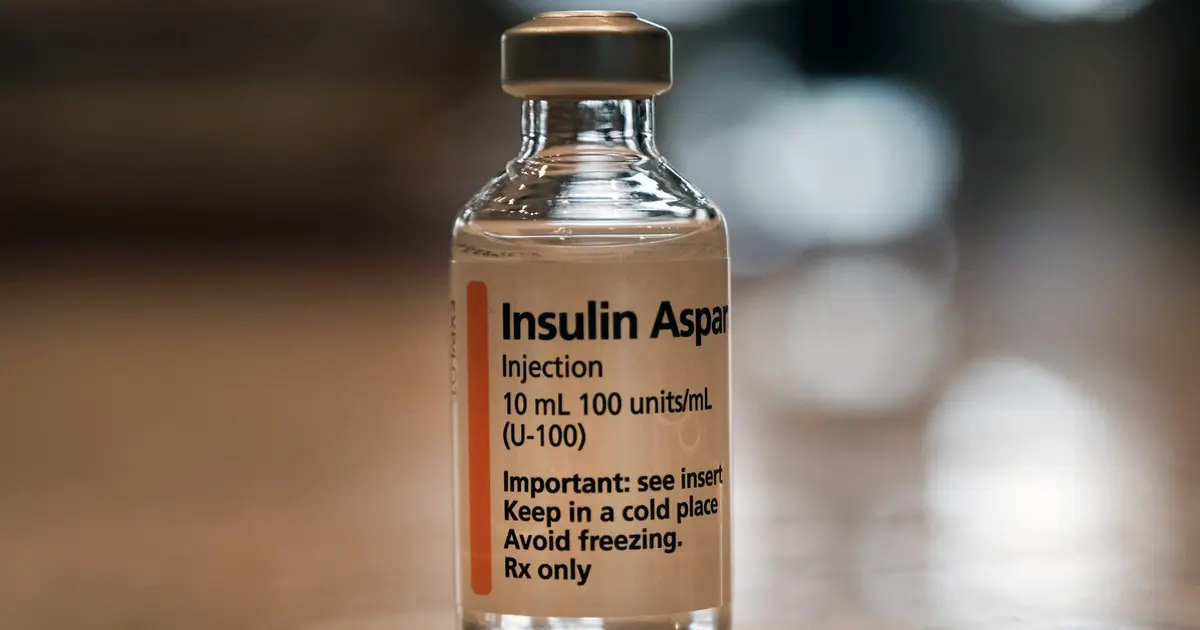
If a person’s blood sugar regulation cycle is disrupted, it can cause cells to absorb excess glucose from the bloodstream, leading to low blood sugar. For example, this can occur if people inject insulin too often.
Hypoglycemia and diabetes
Hypoglycemia in children: Pediatric ketotic hypoglycemia
Some children experience pediatric ketotic hypoglycemia, a condition involving low blood sugar levels and high levels of ketones. If people do not have enough glucose to use as energy, they begin to break down fat instead. As a by-product of this process, the body produces chemicals called ketones.
According to a
Insulin autoimmune syndrome
Another possible cause of hypoglycemia is insulin autoimmune syndrome, a rare disease that happens when the body’s immune system attacks insulin, mistaking it for an unwanted substance.
Symptoms and treatment are similar to those for hypoglycemia due to other causes. Treatment can usually control the symptoms.
Anybody with symptoms of hypoglycemia and does not know the underlying cause will need to consult with a doctor. A doctor may:
- order a blood test to measure blood sugar levels
- ask about symptoms and whether they improve after blood sugar levels return to normal
- check the person’s medical history and any medications they are taking
- ask about alcohol consumption
Whipple’s triad
A collection of three criteria, known as Whipple’s criteria, can suggest that symptoms stem from a pancreatic tumor.
The three criteria of Whipple’s triad are
- signs and symptoms indicate hypoglycemia
- when symptoms occur, a blood test shows low plasma glucose levels are less than 55 mg/dl
- when glucose rises to normal levels, symptoms go away
During a doctor’s appointment, a person may not have symptoms. The doctor may ask them to fast for a time, usually overnight. This allows hypoglycemia to occur so that the doctor can make a diagnosis.
A person who notices the signs of hypoglycemia should consume
- a glucose tablet
- a sugar lump
- a candy
- a glass of fruit juice
They should then check blood sugar levels after 15 minutes, and eat another snack and repeat until their blood sugar levels are within a normal range. After this, people can eat slower-release carbohydrates, such as cereal, bread, rice, or fruit.
People will also need to seek treatment for any underlying cause.
For diabetes
They will need to check their blood sugar, treat the hypoglycemia with 15g of carbohydrate, and then wait 15 minutes and recheck their levels.
If their blood sugar levels are still low, the person should repeat the process. They should eat some glucose, wait about 15 minutes, then recheck their blood sugar.
People with diabetes may need to follow regular eating times to help keep blood sugar levels stable.
Severe symptoms
If symptoms are severe and the individual cannot treat themselves, somebody else will need to give them glucagon through an injection or via the nose. People will usually regain consciousness within 5 to 15 minutes but may then experience nausea or vomiting.
Losing consciousness
If the person loses consciousness, someone will need to place them in the recovery position and administer a glucagon injection. If this is not possible, people will need to call 911 immediately.
It is important not to place food or drink into the mouth of an unconscious person, as it could block the airways.
Hypoglycemia can lead to symptoms such as dizziness, weakness, and, in severe cases, a loss of consciousness.
People with some medical conditions, including diabetes, may have a higher risk of hypoglycemia.
It is important for people to know how to recognize the symptoms and be ready to take action if they occur. Consuming carbohydrates or glucose when blood sugar levels drop can help return them to a normal range.