Biobased piezoelectrics already exist. Like their ceramic counterparts that generate electricity when pressed and are used in numerous electronic devices, some biomaterials—including biochitin, chitosan, and cellulose—produce current that way. But the complex macromolecular structures of biomaterials make it difficult to rationalize the piezoelectric response based on specific underlying molecular arrangements.
A team of researchers at Chongqing University has now shown that piezoelectric behavior in sugar crystals arises from the way the constituent molecules stack together (Chem. Sci. 2026, DOI: 10.1039/D5SC07918G).
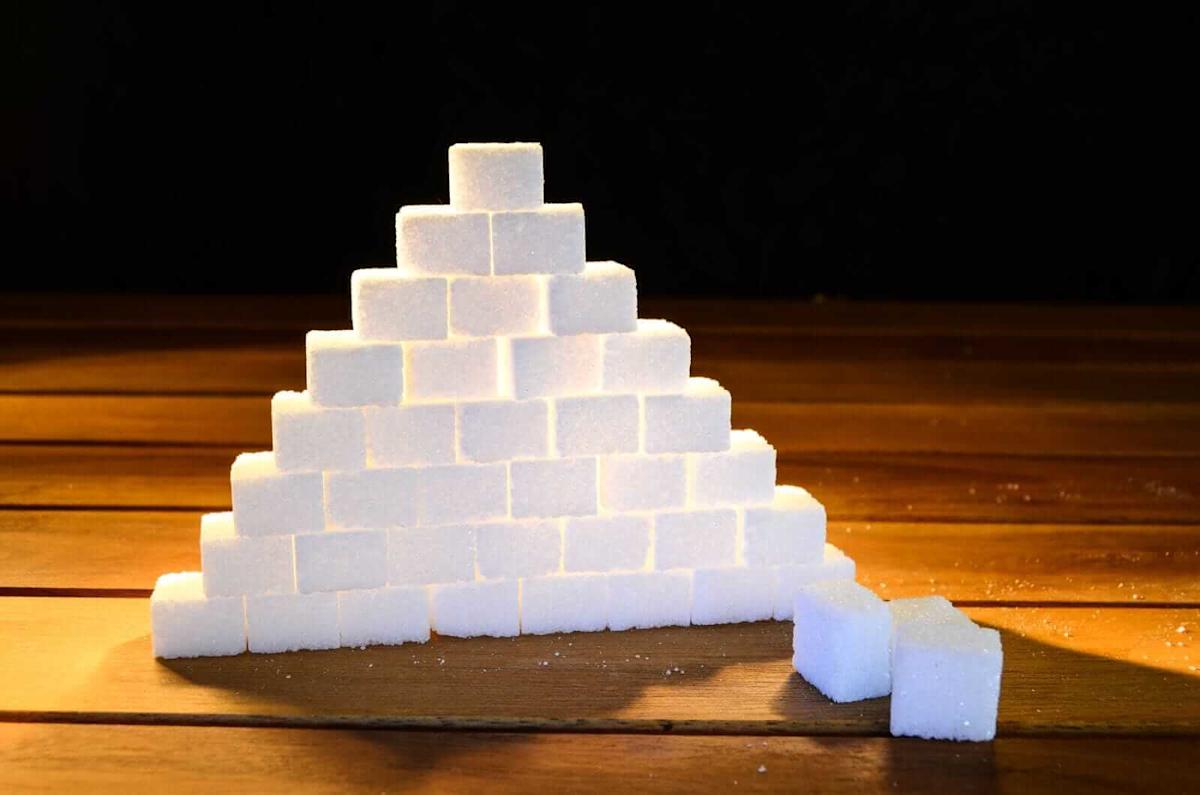
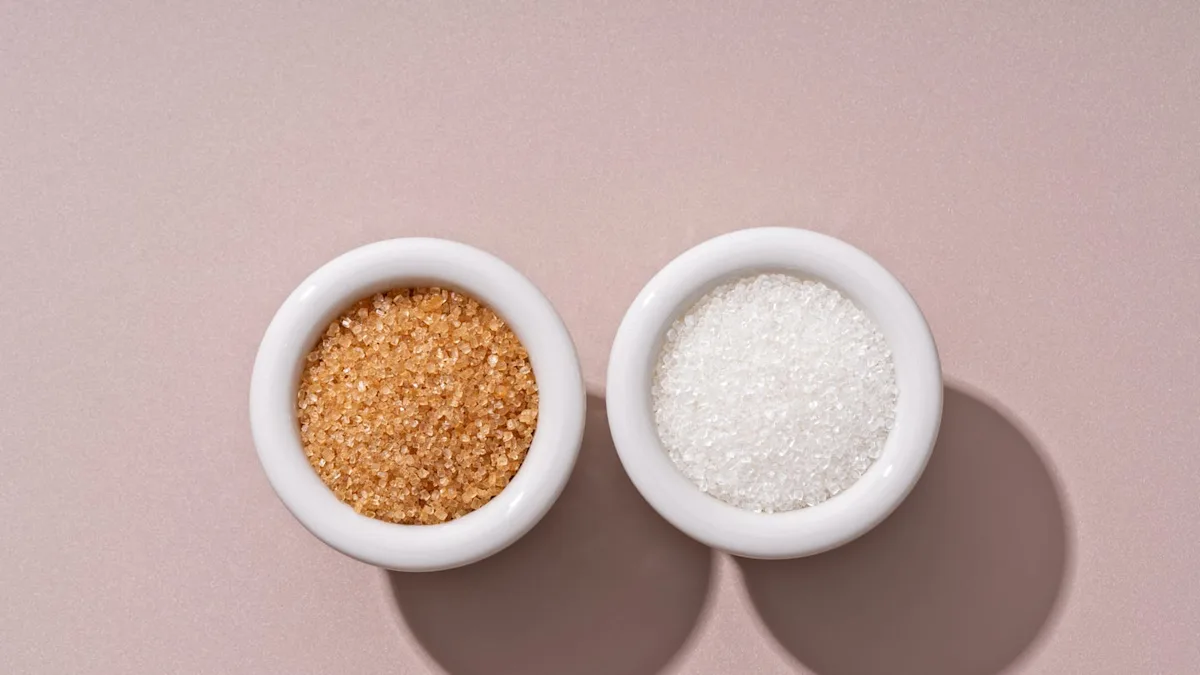
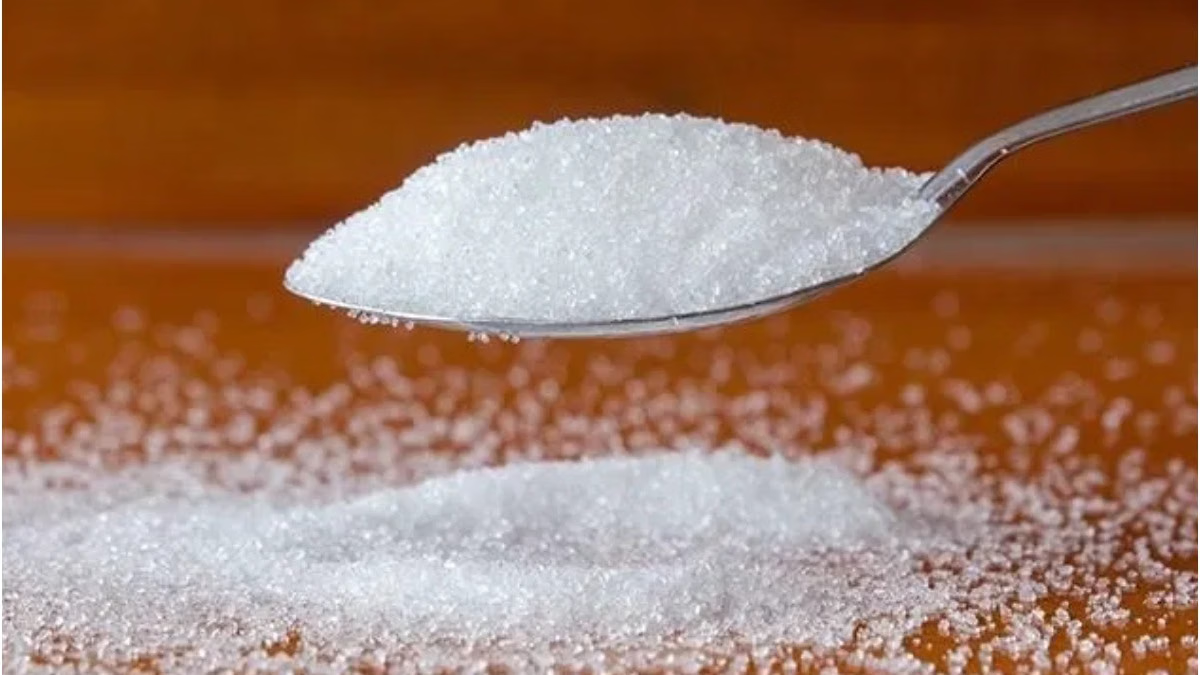
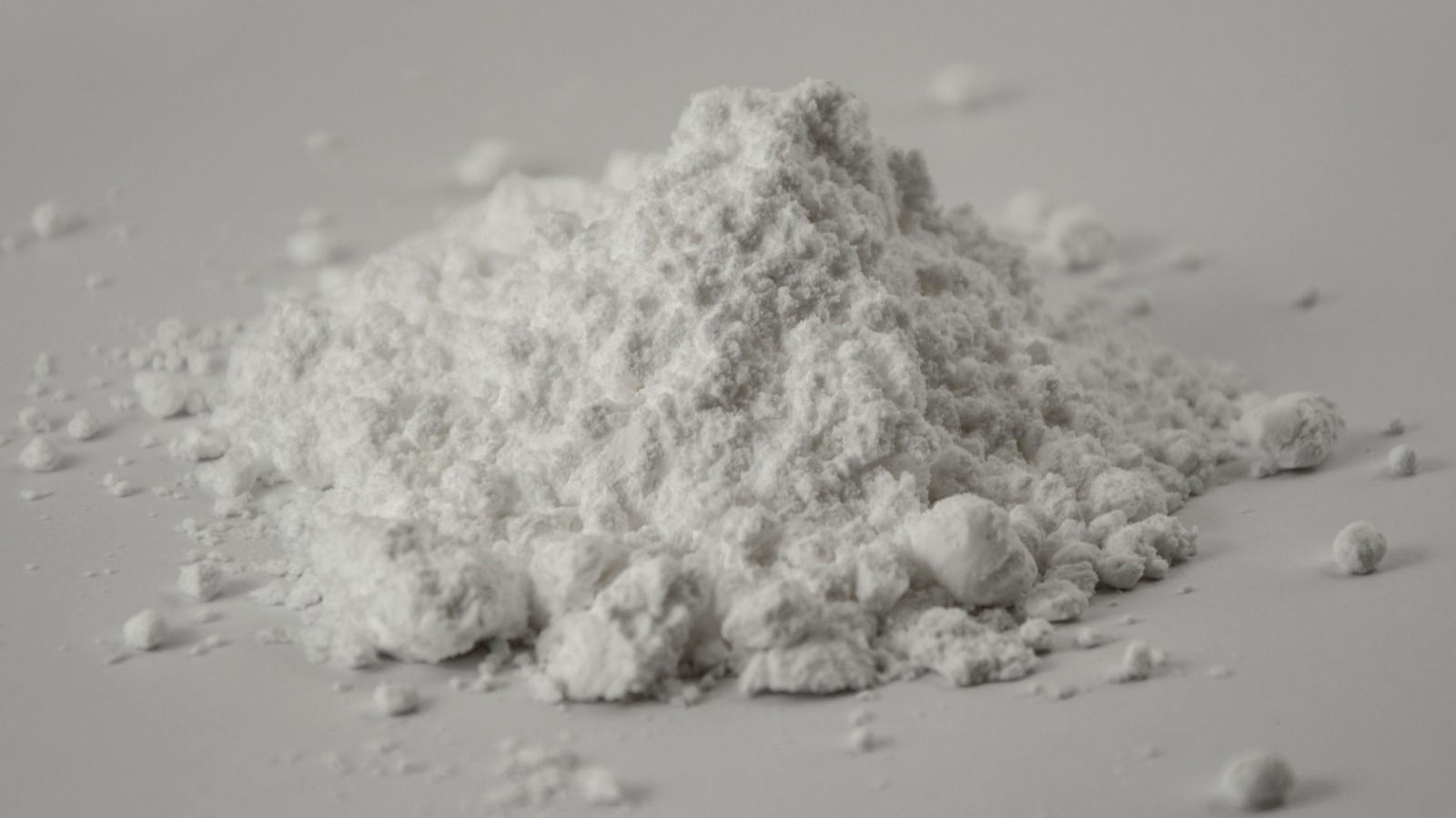
To strip the problem to its basics, the researchers studied monosaccharides—the building blocks of complex sugars such as cellulose. They grew single crystals from 14 common sugars and measured how each responded to mechanical stress. Most barely generated a signal. But a few stood out, led by α-D-galactose. Its piezoelectric coefficient reached 13.7 picocoulombs per Newton, placing it in the same performance range as widely studied materials, including chitosan, collagen, and zinc oxide.
To show that the crystals could function in a laboratory device, the team built a thin, bendable film by mixing the crystals into a soft plastic. When pressed, the prototype generated more than 1 V—enough to charge a small capacitor to 32 V and briefly power a light-emitting diode. The output remained stable through more than 10,000 press cycles, and patterned tapping produced electrical pulses the researchers used to transmit Morse code messages.
“The reported results are certainly interesting from a scientific point of view,” says Dragan Damjanovic, a materials scientist at the Swiss Federal Institute of Technology, Lausanne (EPFL), who was not involved in the study. He says the work’s value does not depend on whether it immediately leads to commercial devices but on its systematic presentation of evidence. “Knowledge is useful in itself,” Damjanovic adds.
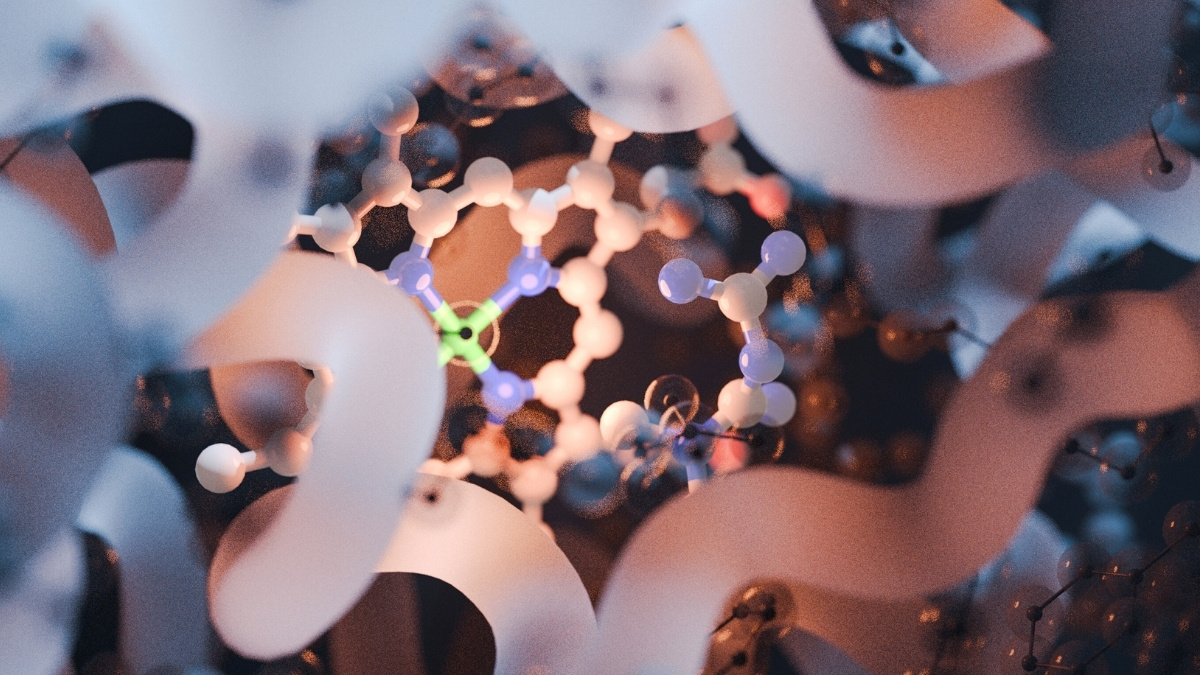
That picture emerges inside the crystals, where hydroxyl groups on neighboring sugar molecules form hydrogen bonds that hold them in orderly stacks—like cards in a deck. The key difference is orientation: In many sugars, neighboring stacks face in opposite directions, so their tiny electrical pulls cancel each other out. But in α-D-galactose, all the stacks face the same way. When squeezed, those aligned charges shift together to produce an electrical pulse.
By isolating this behavior in simple crystals, the researchers directly link molecular arrangement to electrical response—something much harder to untangle in complex materials. The authors say this principle could guide strategies for tuning future biobased piezoelectrics.
Rigid piezoelectric materials struggle to work in the body because they simply do not move the way biological tissue does, says Nguyen Thanh, a materials scientist and bioengineer at the University of Connecticut who was not involved in the study.
“Biobased piezoelectrics are softer, safer, and sometimes even biodegradable,” Thanh says, pointing to an important niche for such materials in implantable or wearable sensors.
Damjanovic cautions that electrical performance alone will not make the devices suitable for real-world use, adding that researchers must now evaluate how such materials hold up under heat, humidity, and repeated use—questions that will guide how biobased piezoelectrics are engineered.
Chemical & Engineering News
ISSN 0009-2347
Copyright ©
2026 American Chemical Society