
Dark matter is said to make up the majority of the universe. However, it has not yet been detected experimentally. Perhaps a sweetener can help. A team at the Max Planck Institute for Physics (MPP) is testing this.
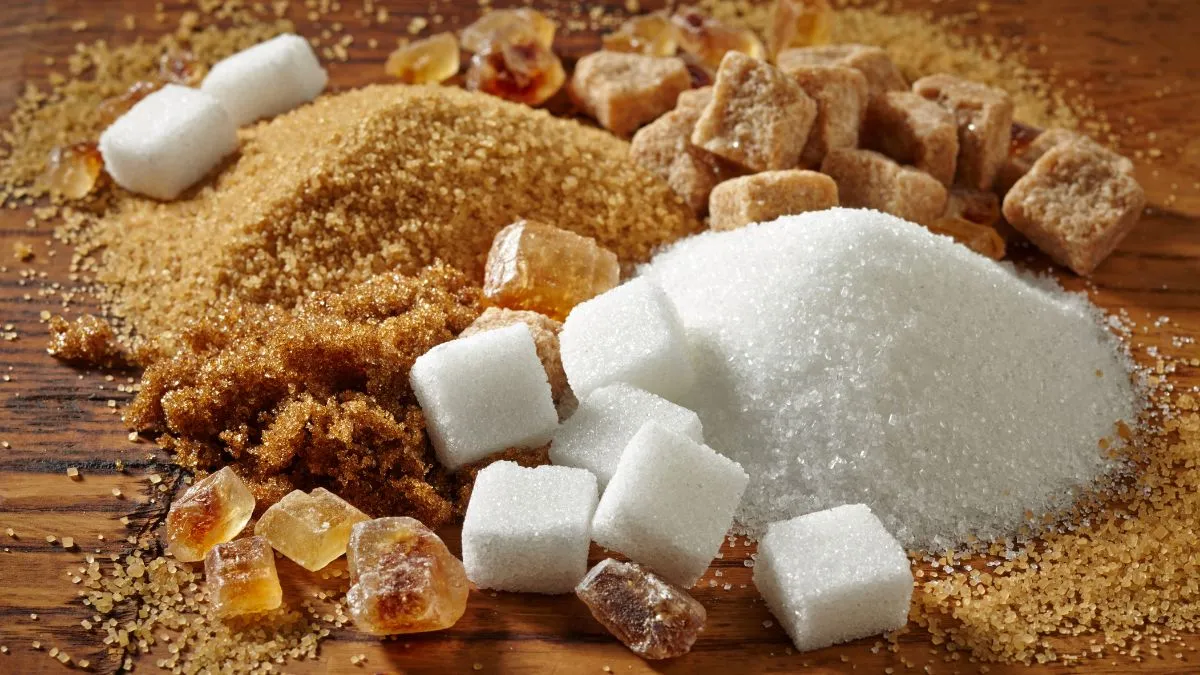
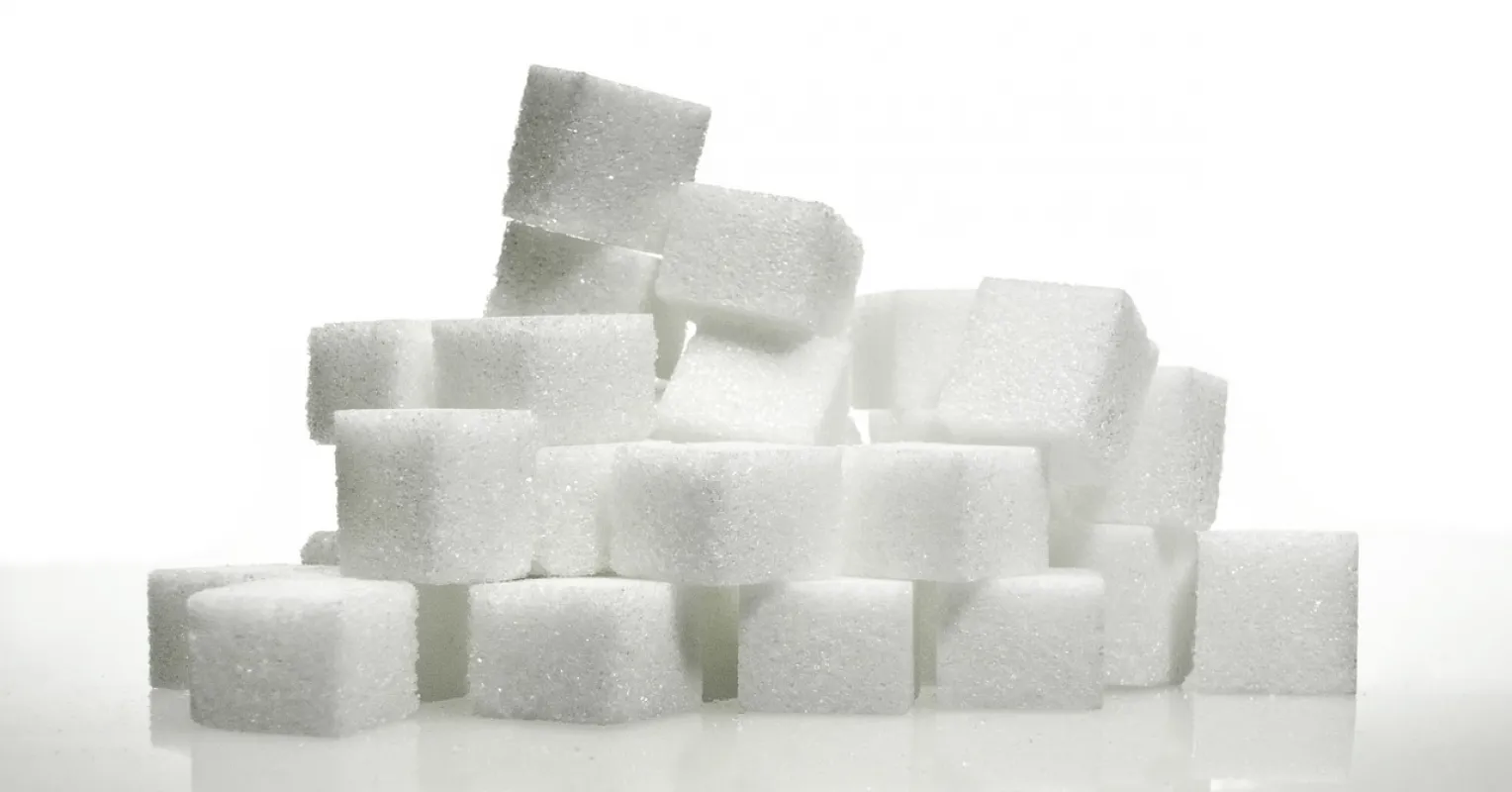
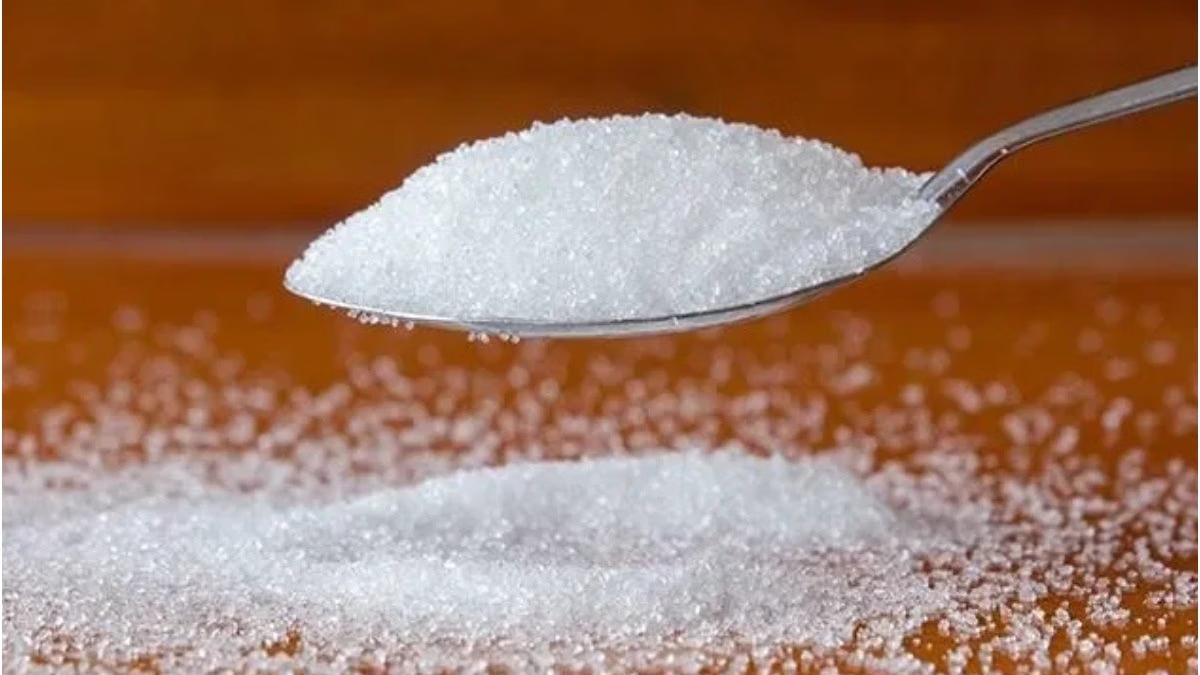
The working group intends to use sucrose, i.e., conventional table sugar, as a detector material to detect Weakly Interacting Massive Particles (WIMP). These weakly interacting massive particles are considered candidates for dark matter particles.
The detection of such a particle would occur through an interaction with another particle: if the dark matter particle hits a nucleus, it bounces back. The recoil energy can be measured as a minimal temperature increase and as faint light, explains the CRESST team. CRESST, an acronym for Cryogenic Rare Event Search with Superconducting Thermometers, is a European experiment searching for dark matter.
Sugar is well-suited as a detector because it consists of carbon, oxygen, and a total of 22 hydrogen atoms. Hydrogen is the lightest element of all – and the lighter a nucleus, the better, says CRESST spokesperson Federica Petricca: “Because a very light dark matter particle can hardly disturb a heavy nucleus, just as little as a marble hitting a bowling ball.”
Special Sugar Crystals
However, sugar from the grocery store shelf cannot simply be used as a detector. The crystals must be very large and particularly pure, which is why the team grows them itself in a multi-week process. Additionally, the sugar is equipped with temperature and light sensors.
As a test, the team exposed the sugar sensor to a radioactive source. It recorded a light signal and a temperature increase. “The result surprised us, because sucrose forms a rather soft crystal,” explains Petricca. Materials with a rigid crystal lattice are actually better suited, as a particle collision leads to a greater temperature change.
Dark matter is estimated to make up about 85 percent of the universe and is considered its scaffolding. However, it is invisible: it does not emit light, nor does it reflect, absorb, or block it. Detection must therefore be indirect. Sugar is thus fundamentally suitable as a detector, says Petricca. “However, it will only become clear after many more tests and in comparison with other materials whether a detector made of sucrose can be realized.”
(wpl)