According to the American Heart Association, the recommended added sugar intake no more than 36 grams for men and 25 grams for women, meaning several of the handcrafted products double, triple, or even quadruple the suggested daily sugar quantities.
“I think we’ve done a good job identifying soda as not being so great because it has a ton of sugar and empty calories, but then you look at some of these beverages, and there’s so much more sugar than soda. I think because they’re not soda, people are like, ‘Oh, they must be healthier,’ and they’re just not,” said Chloe Schweinshaut, a Cambridge-based registered dietitian and nutritionist.
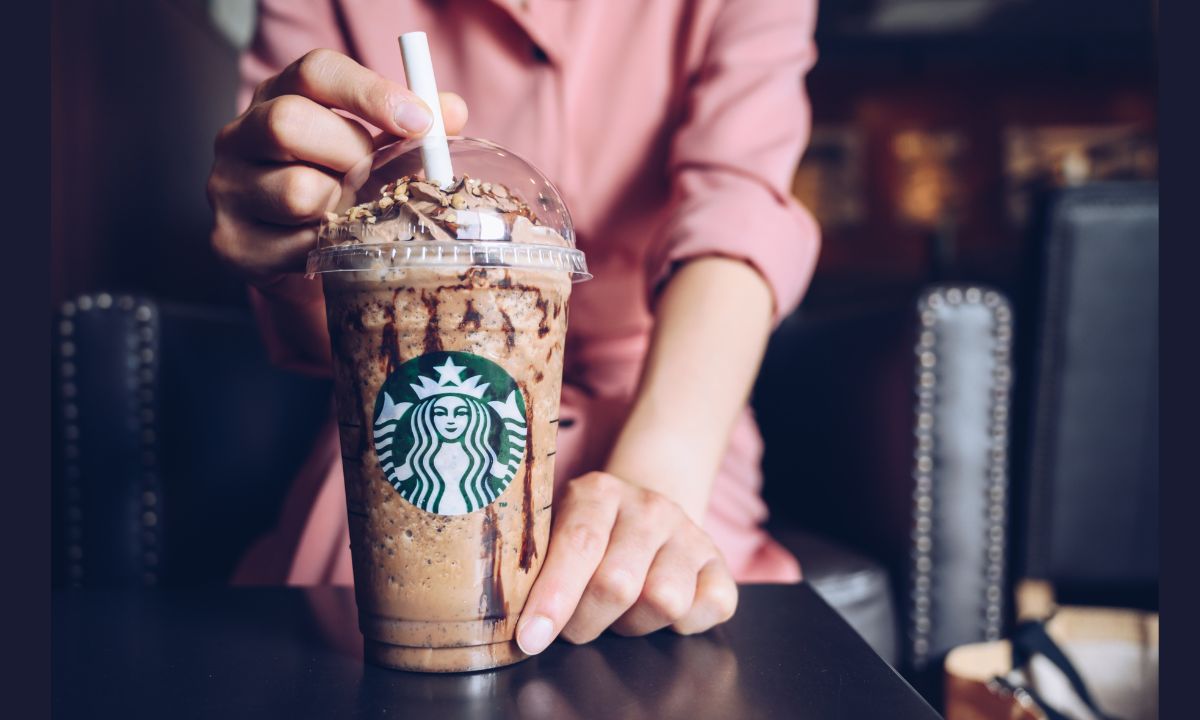
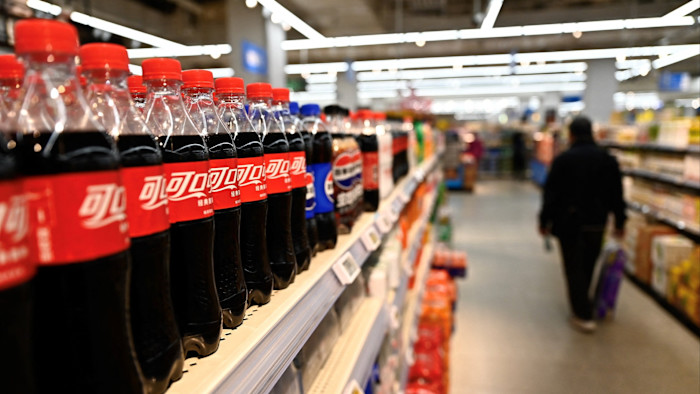
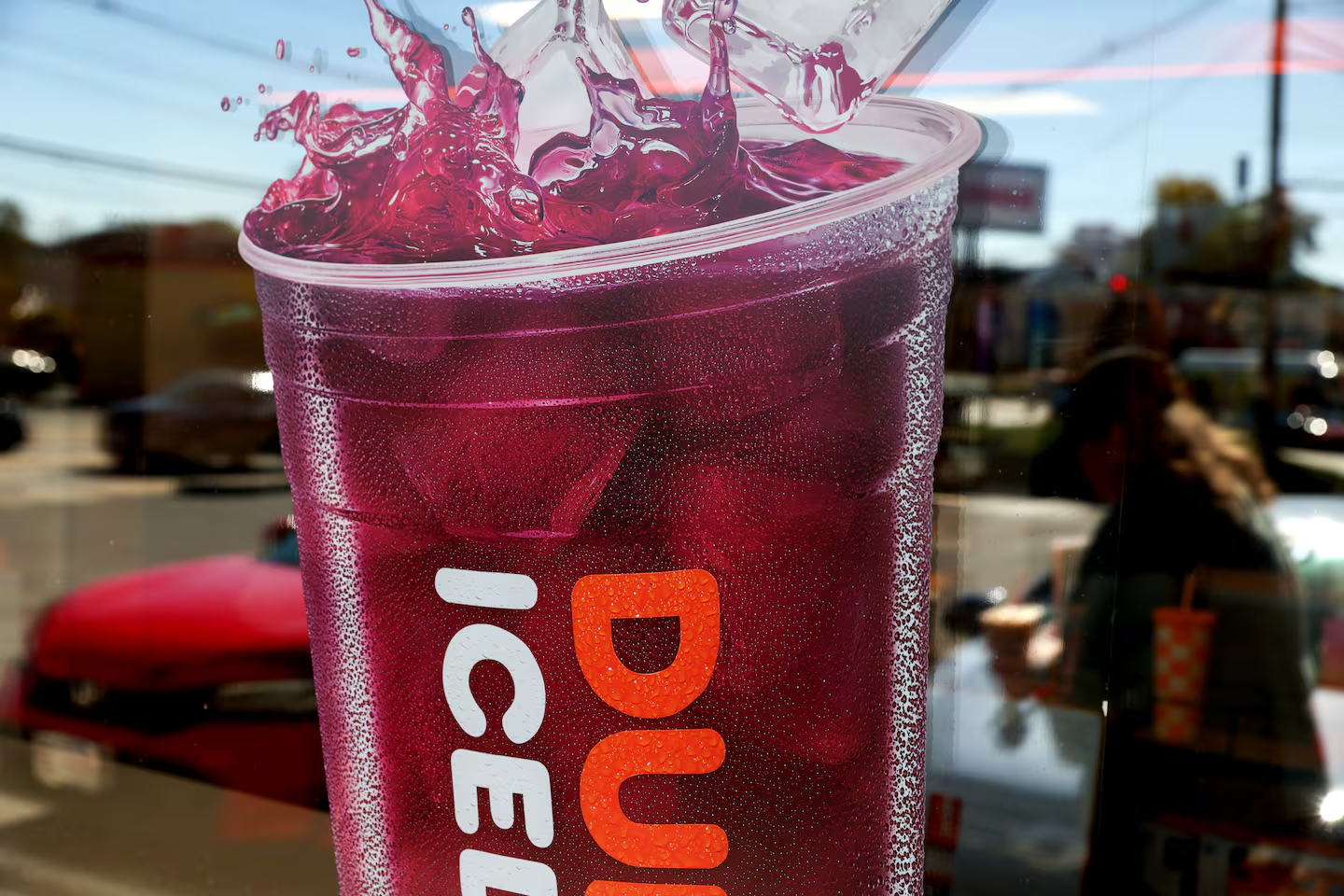
A standard 12-ounce can of Coca-Cola contains 39 grams of sugar and 140 calories. A medium Dunkin’ Frozen Hot Chocolate? A whopping 121 grams of sugar and 690 calories. But let’s not be dramatic. Most people’s daily Dunkin’ order isn’t a frozen hot chocolate; it’s some coffee variant. However, a medium iced Caramel Craze Latte (my go-to order) still surpasses a can of Coke, sugar and calorie-wise, with 57 grams of sugar and 410 calories.
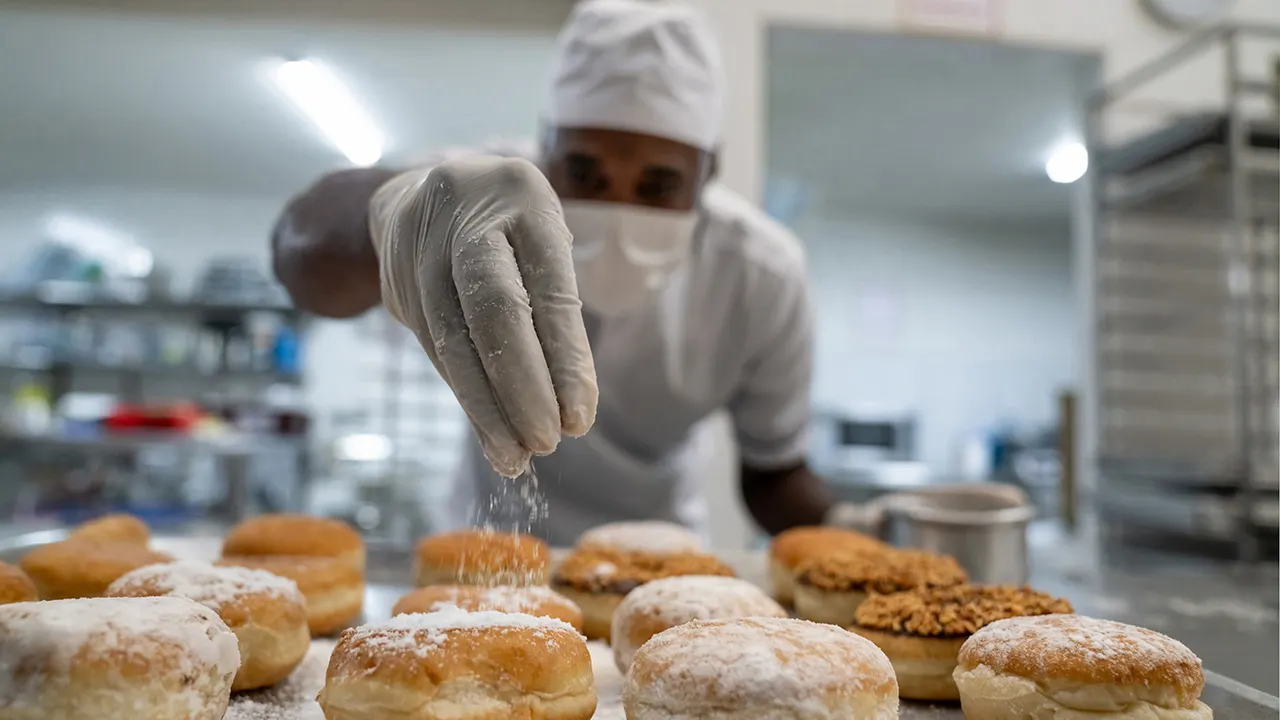
But how much sugar is that really? One Medium Vanilla Bean Coolatta, sitting at 125 grams of sugar and 590 calories, contains the same amount of sugar as 9.6 Dunkin’ glazed doughnuts.
Despite Kennedy’s framing, teenage girls are by no means the only consumers of these sugary beverages; for many people, they’re a regular purchase.
“If we’re looking at Dunkin’ Donuts like RFK was talking about, Dunkin’ Donuts is a daily habit for a lot of people, and they’re not in isolation with other foods,” Schweinshaut said. “If somebody’s having a sugar-sweet beverage, they might be having some other stuff too.”
But other than a sugar high (and crash), what are the dangers of too much sugar? According to the Centers for Disease Control, excess added sugar intake is tied to several health problems, including weight gain and obesity, type 2 diabetes, and heart disease. But frequency of consumption really is key.
“Much of this comes down to the pattern of eating or intake and the risks of having one of these drinks as a one-off, for most people, is none,” Boston-based nutritionist Sally Cohen said.
So what should you do? Luckily, not every drink on the Dunkin’ or Starbucks menus is as sugary as Kennedy claims, so don’t fret, New England, you don’t have to cut Dunkin’ out of your routine completely.
Cohen encourages consumers to explore options like downsizing their beverages or modifying them to have less sugar than in the original recipe.
“We have studies that look at whether we can reduce preference for sweetness by offering slightly less sweet beverages over time, and the answer is: it might be effective,” Cohen said.
However, she also cautions against demonizing specific nutrients.
“I think it can be challenging when we pick on a particular nutrient and start to frame it as bad because we can create an environment in which some folks feel guilty or shame for consuming those nutrients, and that is a risk in and of itself in addition to the potential cardiometabolic risks of consuming sugar beyond a certain amount,” Cohen said.
Schweinshaut’s advice? “Enjoy these occasionally. Treat them like the liquid desserts they are, not as an everyday thing.”
Gitana Savage can be reached at gitana.savage@globe.com. Follow her on X @gitana_savage.