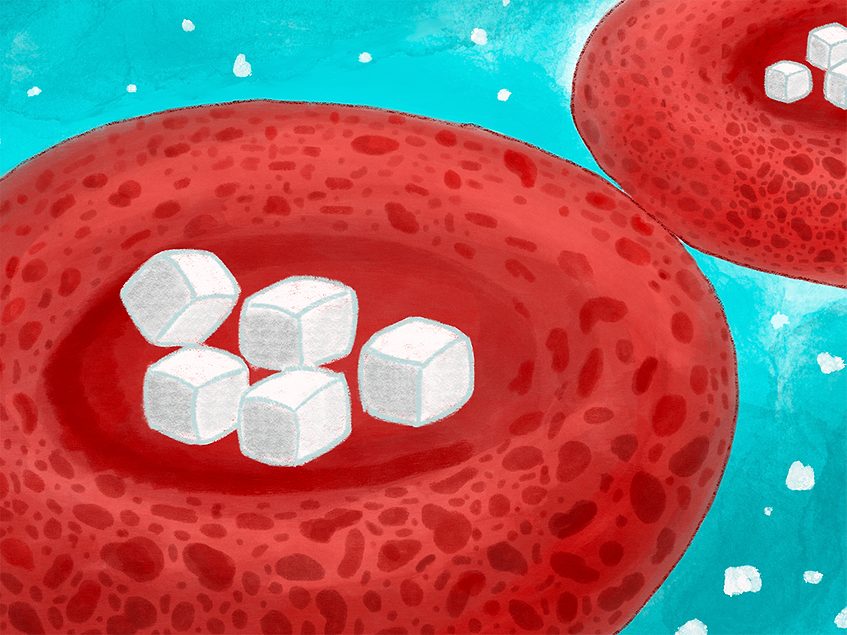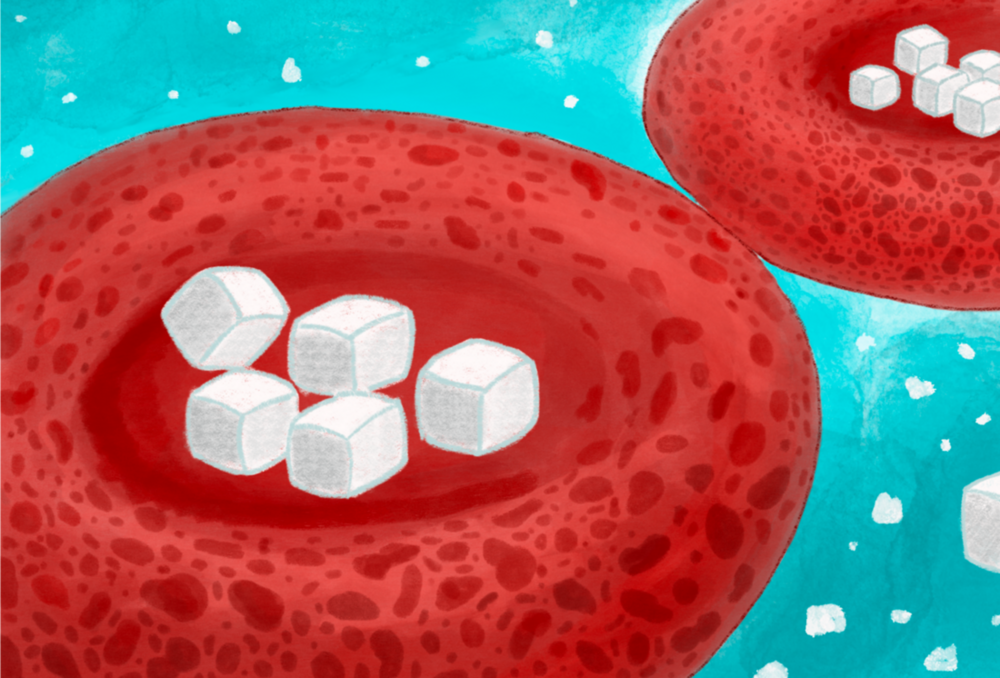

Lemon juice has been shown to cut the post-meal blood sugar peak from white bread by about 30 percent and delay that surge by more than half an hour.
By slowing the rush of glucose into the bloodstream, it reshapes what happens in the first critical hour after a carb-heavy meal.
Bread, lemon, measurements

After volunteers ate white bread alongside lemon juice, their blood sugar climbed more slowly and reached a markedly lower peak than it did with water.
Tracking those changes over three hours, Daniela Freitas, Ph.D., at the University of Paris-Saclay documented a 30 percent drop in the average glucose peak and a delay of more than 35 minutes compared with water alone.
Instead of spiking quickly within about 40 minutes, glucose levels peaked closer to 80 minutes, spreading the rise across a longer window.
That altered timing and intensity set up a closer look at what lemon was doing inside the digestive tract to produce such a shift.
What the drop means
A smaller peak means less glucose flooded the blood at once, which can reduce the sharp up-and-down feeling.
With sugar arriving more gradually, insulin has time to work, and cells can pull fuel in without panic.
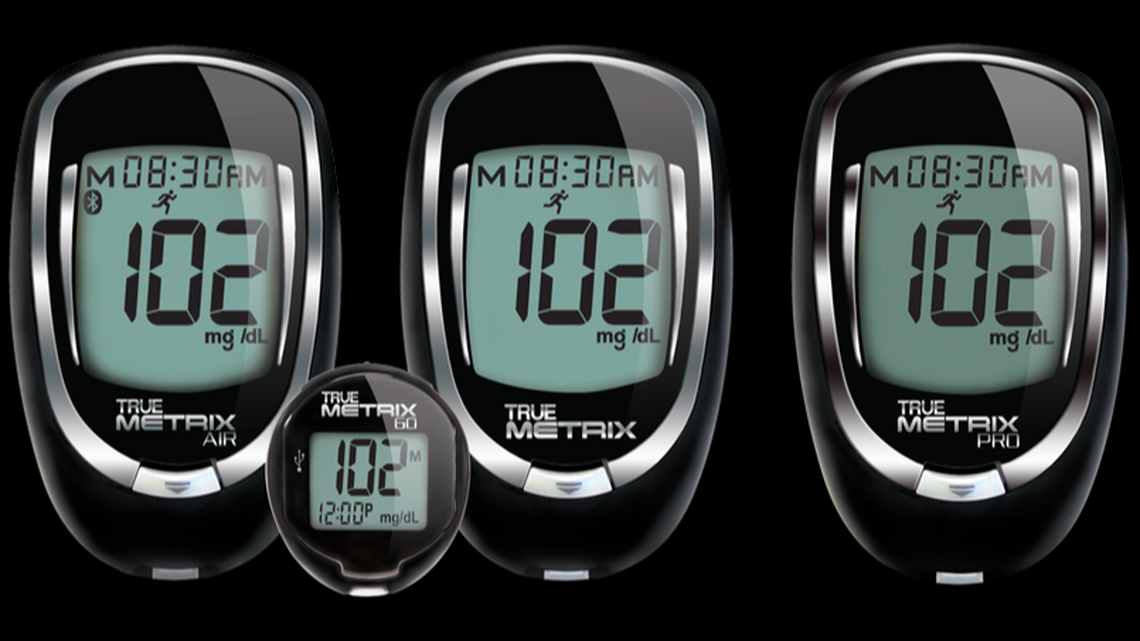
For anyone checking numbers after meals, smoother curves can make a day easier to manage and plan around.
Diet changes rarely act alone, so the lemon effect makes most sense as one tool beside treatment and routine.
Acid hits first
Acid starts working before the bread reaches the stomach, because saliva begins breaking starch down in the mouth.
In lab tests, salivary alpha-amylase, a mouth enzyme that starts starch breakdown, slowed when the drink turned acidic.
With less early chopping, larger starch pieces arrive in the gut, and glucose enters the blood at a slower rate.
That logic fits best for starchy meals, while lemon added to protein or fat-heavy plates should have a smaller effect.
What stomach scans showed
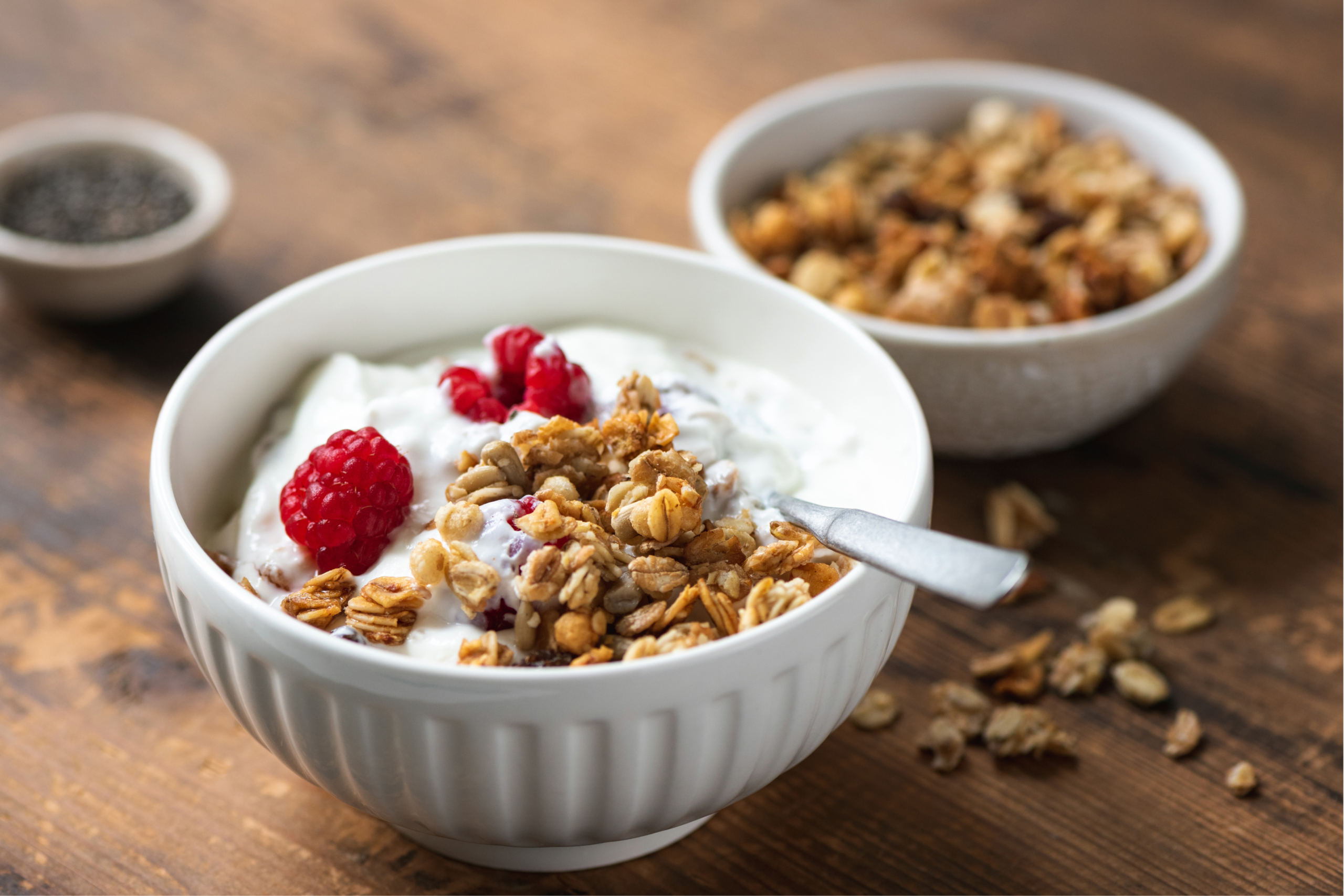
In a later intervention, stomach scans followed a small group as they ate bread with lemon water.
Stomach fluid volume rose about 1.5 times within 30 minutes, showing lemon triggered extra secretions during digestion.
Faster emptying followed, so the meal left the stomach sooner, even though the drink had added liquid.
Those paired changes strengthen the case that lemon acts through digestion itself, not through later hormone signals alone.
Fiber slows the rush
Whole lemons deliver more than acid, because the pulp and peel carry fiber that plain juice leaves behind.
A 2022 review tied soluble fiber, a gel-forming fiber that thickens digestion, to lower after-meal glucose.
Chewing that fiber slows how quickly carbohydrates leave the stomach and reach the intestine, which tempers the sugar rush.
Because zest and pulp can taste intense, small amounts mixed into meals may be easier than swallowing straight juice.
Where lemon fits
At meals, lemon works best when it meets starch, so the acid and fiber land alongside the carbs.
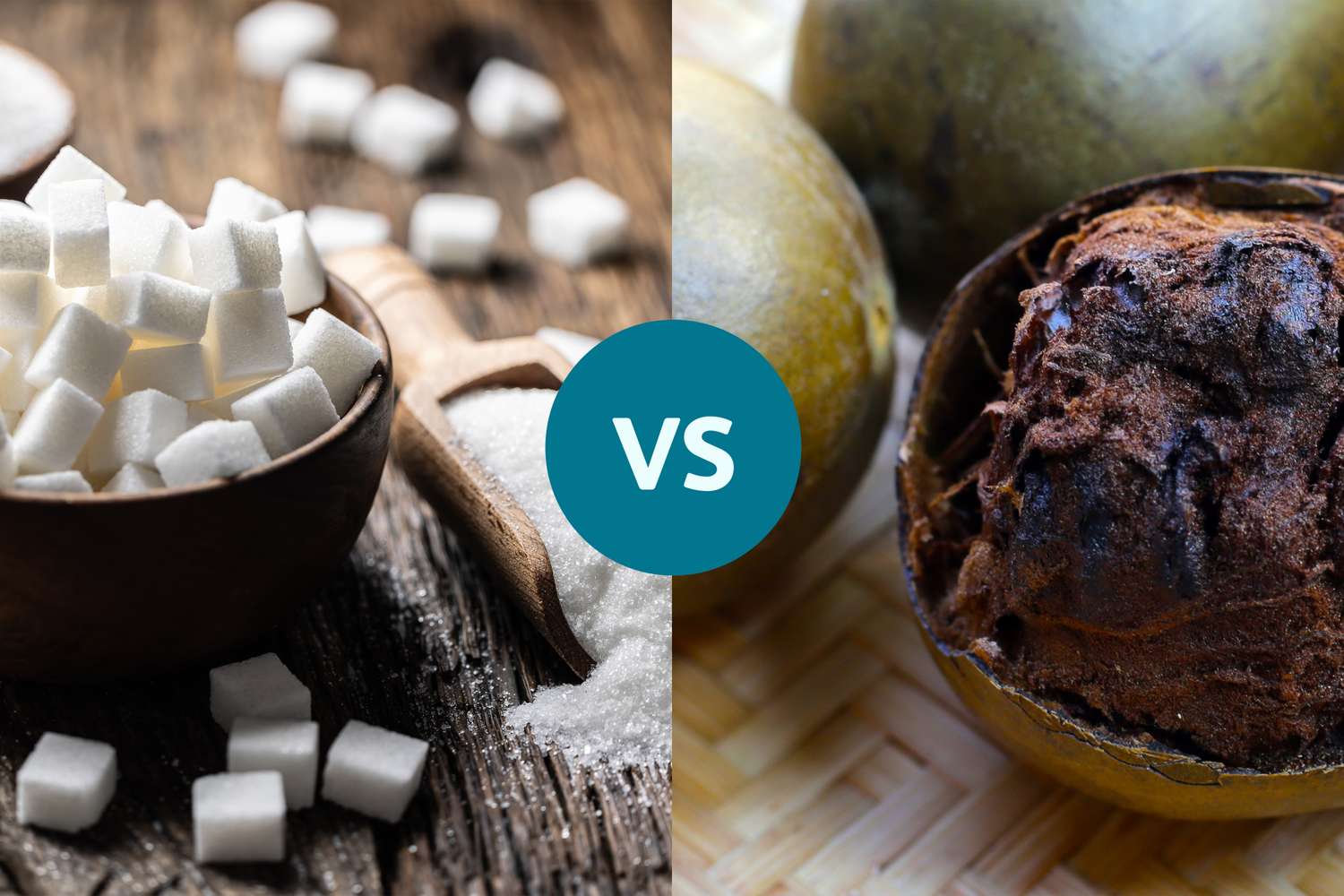
Squeezing lemon into warm water adds flavor to a morning routine, but leaving out honey keeps sugar low.
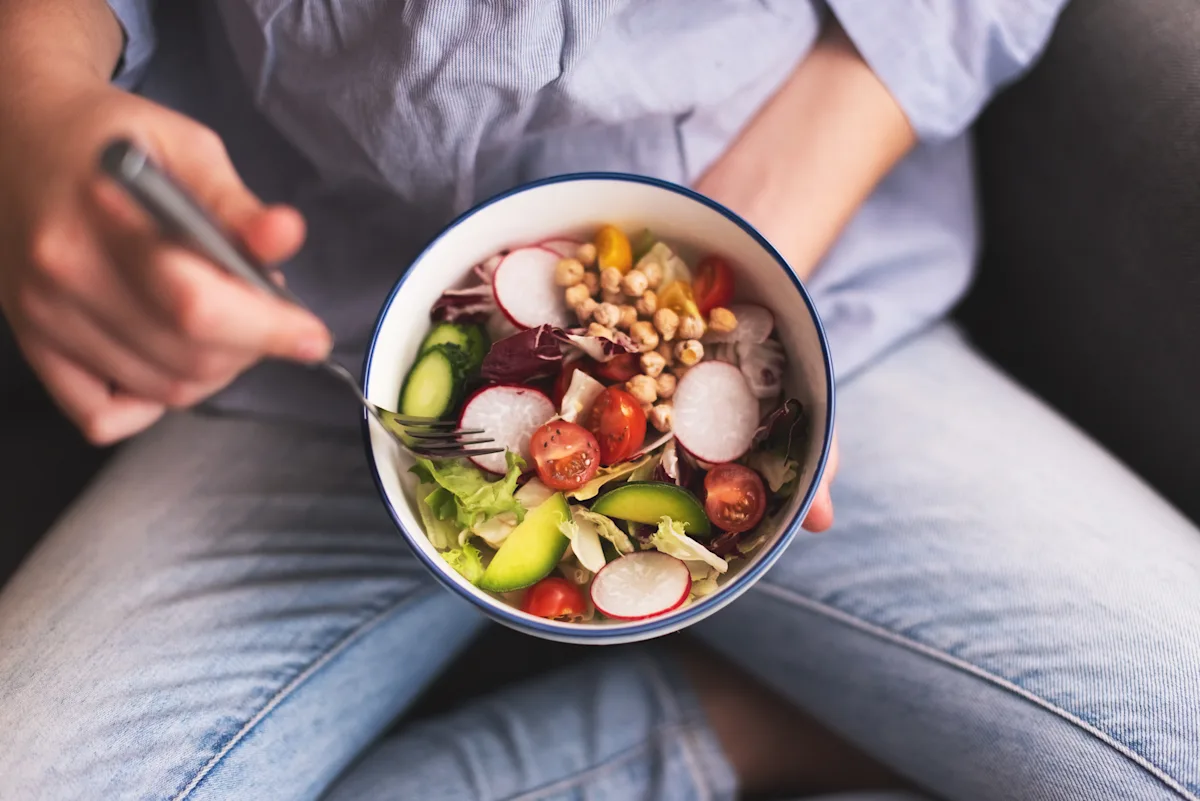
Stirring grated zest and a little pulp into salads, yogurt, or marinades spreads the tang across a whole dish.
Serving lemon with meals also nudges people toward water or tea instead of soda, which helps in other ways.
Vitamins and plant compounds
Inside the body, vitamin C acts as an antioxidant, helping protect cells from damage during normal metabolism.
Lemons also supply flavonoids, plant compounds that can calm inflammation signals, and that may help cells respond to insulin.
Getting those nutrients from food avoids the megadose problem of supplements, which can upset the stomach in some people.
Even so, a lemony meal does not erase the need for medication when diabetes is present or poorly controlled.
When acid causes trouble
In the mouth, lemon acid can stick around longer than you think, and repeated contact can damage enamel.
Dental erosion starts when repeated acid contact dissolves enamel, and the loss can be permanent.
Sipping lemon water slowly keeps acid bathing the mouth longer, so taking it with meals limits exposure time.
People with frequent reflux may feel worse after citrus, so the safest approach keeps lemon small and food-first.
Lessons from lemons and blood sugar
Small experiments in healthy adults can show a clear effect, but they cannot settle how it works for diabetes.
Most volunteers ate bread on its own, so mixed meals with fat, protein, and fiber could change the outcome.
Real-world routines also matter, because people squeeze lemon differently and sometimes add sugar, which would cancel the gain.
Until larger trials test whole lemons in everyday diets, lemon water should stay a helper rather than a promise.
Lemon shows how a tiny change at the plate can slow starch digestion and smooth the sugar rise afterward.
Future research in people who actually have diabetes can test whole-fruit recipes and set safe habits for teeth.
The study is published in the European Journal of Nutrition.
—–
Like what you read? Subscribe to our newsletter for engaging articles, exclusive content, and the latest updates.
Check us out on EarthSnap, a free app brought to you by Eric Ralls and Earth.com.
—–