Blood sugar rollercoasters can be an annoying hassle throughout the day. Whether it’s diabetes or a lack of physical activity, you’re not alone if you want to avoid those 3 p.m. energy crashes. Luckily, what you’re adding to your grocery cart can become your secret weapon.
While you can manage your blood sugar with medication and lifestyle changes, it’s important to know food can dramatically impact how your body handles sugar throughout the day. In fact, some foods are absolute game-changers for keeping glucose levels steady, according to JM Nutrition registered dietitian Kinga Balogh.
“When we consume meals and snacks, our blood glucose values increase, as the broken-down nutrients enter our bloodstream,” Balogh told Yahoo Canada in a previous interview. “Ideally, one wants to consume meals that gradually and gently increase blood glucose values to experience steady energy levels throughout the day,” Balogh told Yahoo Canada in a previous interview, adding people tend to have fewer food cravings if their blood sugar values steadily rise and fall.
This article is for informational purposes only and is not a substitute for professional medical advice, diagnosis or treatment. Contact a qualified medical professional before engaging in any physical activity, or making any changes to your diet, medication or lifestyle.
Want to turn your pantry into a blood sugar-friendly powerhouse? Check out these nine science-backed foods that deserve VIP status on your shopping list.
1. Leafy greens
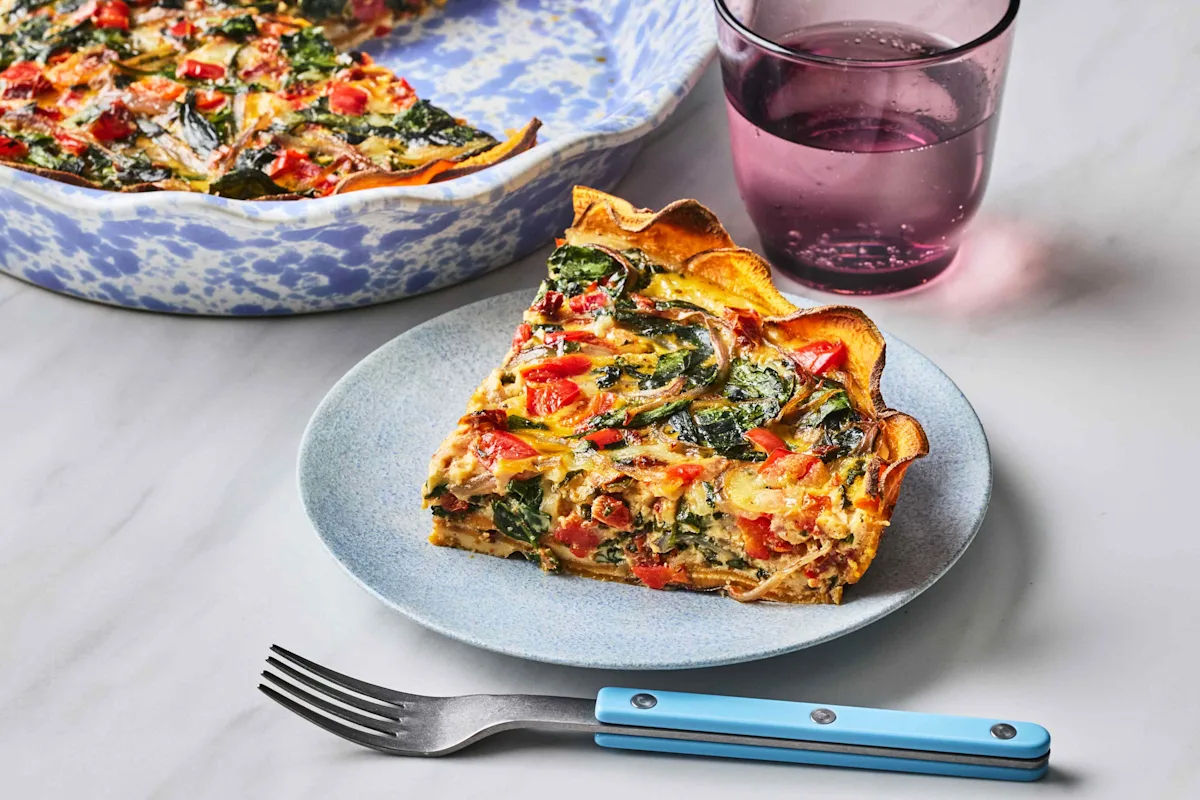
Leafy greens like kale, spinach and Swiss chard are low in magnesium and antioxidants that improve insulin sensitivity, according to dietitian Kinga Balogh. (Getty Images)
(Ernesto r. Ageitos via Getty Images)
Spinach, kale and Swiss chard are powerhouses that are about to become your ride-or-die vegetables. What makes them brilliant for blood sugar goes beyond just being low in carbs.
“Leafy greens are low in carbohydrates, high in fibre and rich in magnesium and antioxidants that improve insulin sensitivity, meaning one’s body can handle blood sugars with less insulin more effectively,” Balogh noted.
Better insulin sensitivity means your system gets more efficient at processing glucose.
Pro tip: Aim for at least one cup daily to get the most bang for your buck. They’re perfect for those crazy mornings when you’re throwing together a smoothie while rushing the kids out the door, and they’re also easy to toss into salads or sauté as a side dish.
2. Legumes
Lentils, beans and chickpeas should be pantry staples, according to Balogh. Why? They’ve got these amazing types of fibre that work like magic in your bloodstream.
“Pulses contain viscous fibre that contributes to a slow release of glucose into the bloodstream, attenuating blood glucose elevations and thereby reducing the body’s need to churn out so much insulin,” Balogh explained.
Legumes make your body’s job easier when it comes to managing blood sugar. Toss them into soups, salads or grain bowls for sustained energy that eliminates mid-afternoon crashes.
3. Berries
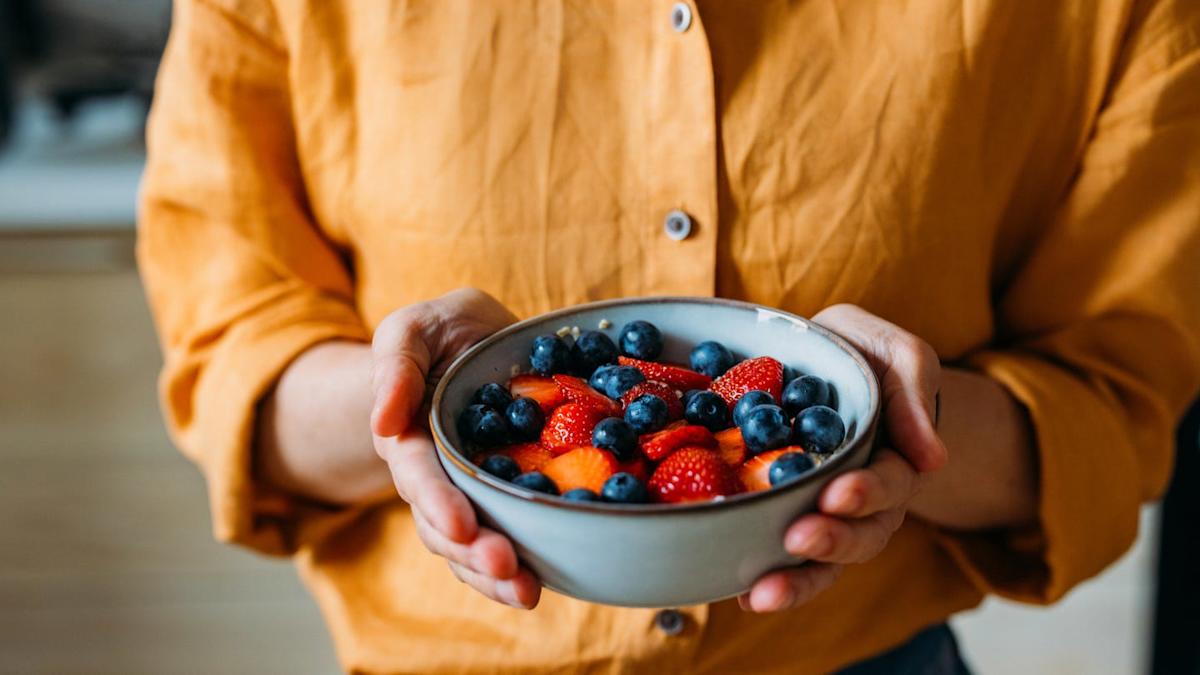
Fresh or frozen berries both have the same nutritional benefits, Balogh said. (Getty Images)
(yevtony via Getty Images)
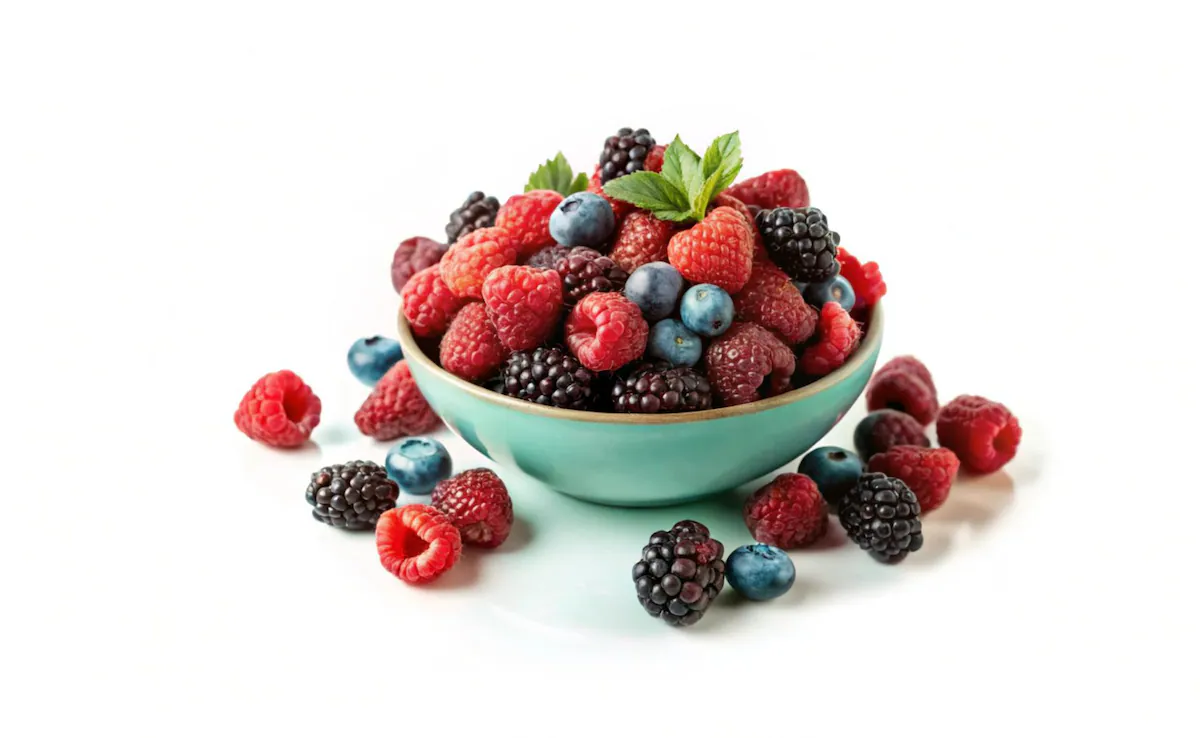
Blueberries, raspberries and strawberries aren’t just delicious — they work overtime to keep your blood sugar stable. The best part? “Berries are lower sugar content foods, packed with fibre and antioxidants, overall improving insulin sensitivity,” Balogh added.
You’re getting double benefits here: Less sugar impact plus improved insulin function. Fresh or frozen work equally well, so stock up when they’re on sale.
4. ‘Gentle’ carbs: Sweet potatoes, barley, quinoa and more
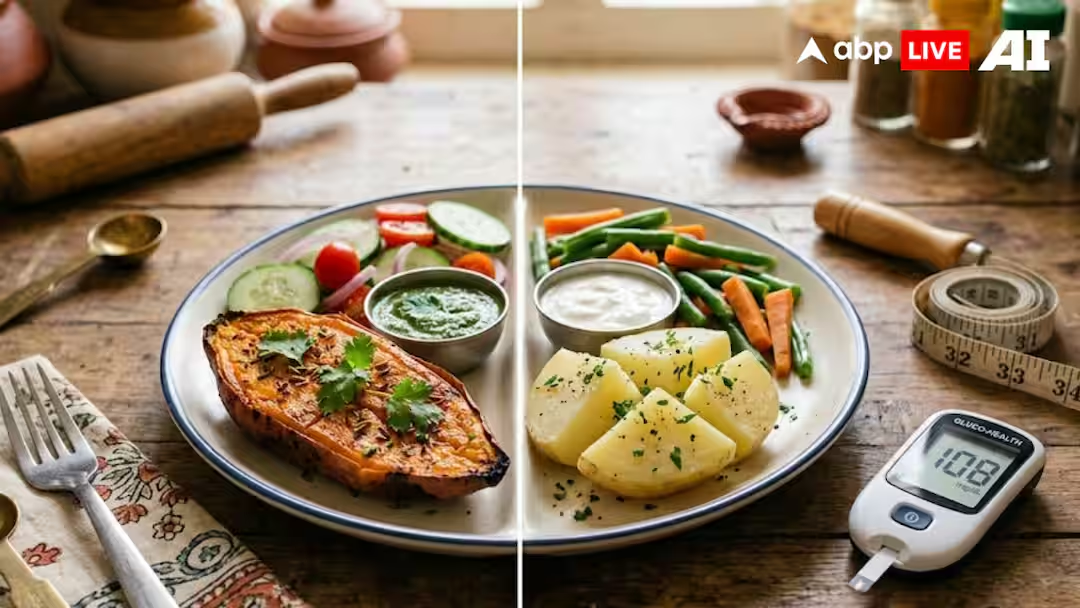
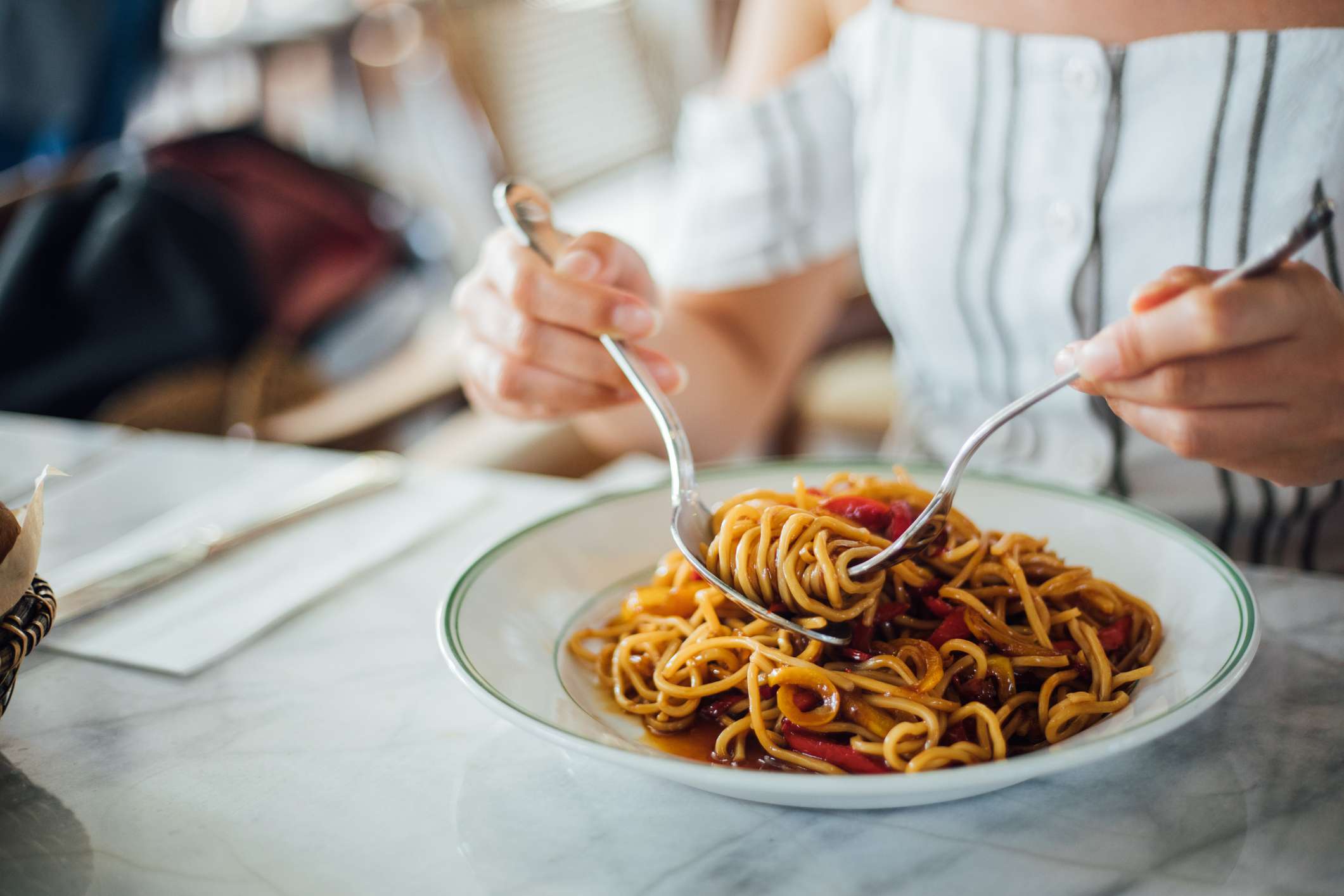
Swap out your white rice for sweet potatoes or quinoa. (Getty Images)
(Marko Jan via Getty Images)
Sweet potatoes, barley, quinoa and wheat berries might completely change how you think about carbohydrates. Balogh said these are all “great sides for main dishes, helping balance blood glucose values through providing gentle rises in one’s sugar values.”
The magic word here is “gentle.” These complex carbs digest slowly, preventing those dramatic spikes and crashes.
Swap out white rice and regular pasta for these options. A medium sweet potato (about the size of your fist) or a half-cup of cooked quinoa provides sustained energy without the glucose roller coaster that leaves you hangry two hours later.
5. Nuts and seeds
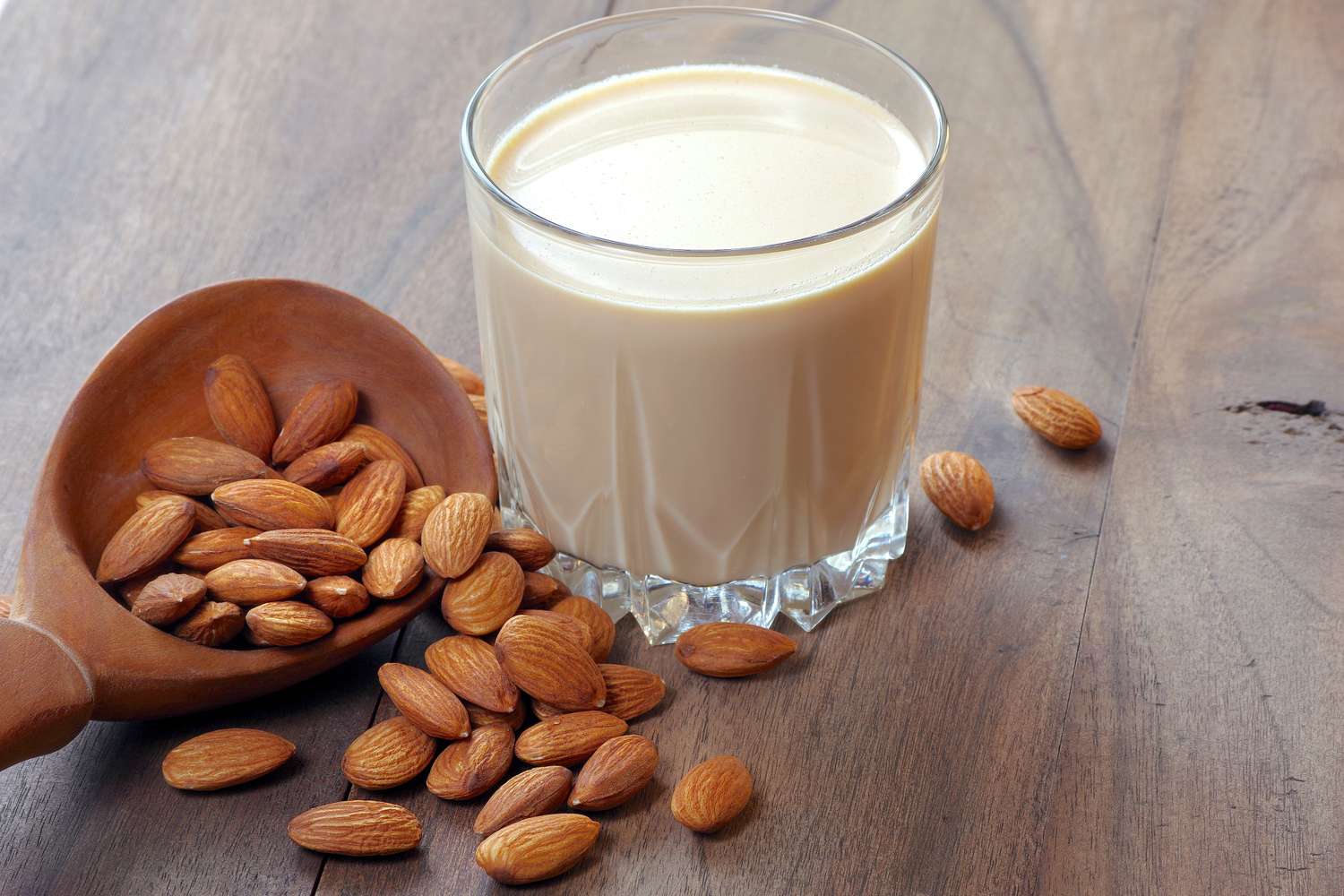
A small handful of almonds can help provide sustained energy for hours. (Getty Images)
(Kinga Krzeminska via Getty Images)
Almonds, walnuts, chia seeds and flax seeds are nutritional multitaskers that work on multiple levels to support blood sugar control.
“Nuts and seeds contain fibre, protein, magnesium and healthy fats that prevent glucose spikes,” Balogh noted. And here’s where it gets even better: “They also contain magnesium, chromium and zinc; these micronutrients help one’s insulin function better by optimizing glucose metabolism in the body.”
You’re not just preventing spikes, you’re improving how your body processes glucose at the cellular level. A small handful (about one ounce) provides hours of stable energy and keeps you from reaching for whatever’s calling your name from the vending machine.
6. Fatty fish
Fatty fish is rich in omega-3s, which can help fight inflammation in the body. (Getty Images)
(SimpleImages via Getty Images)
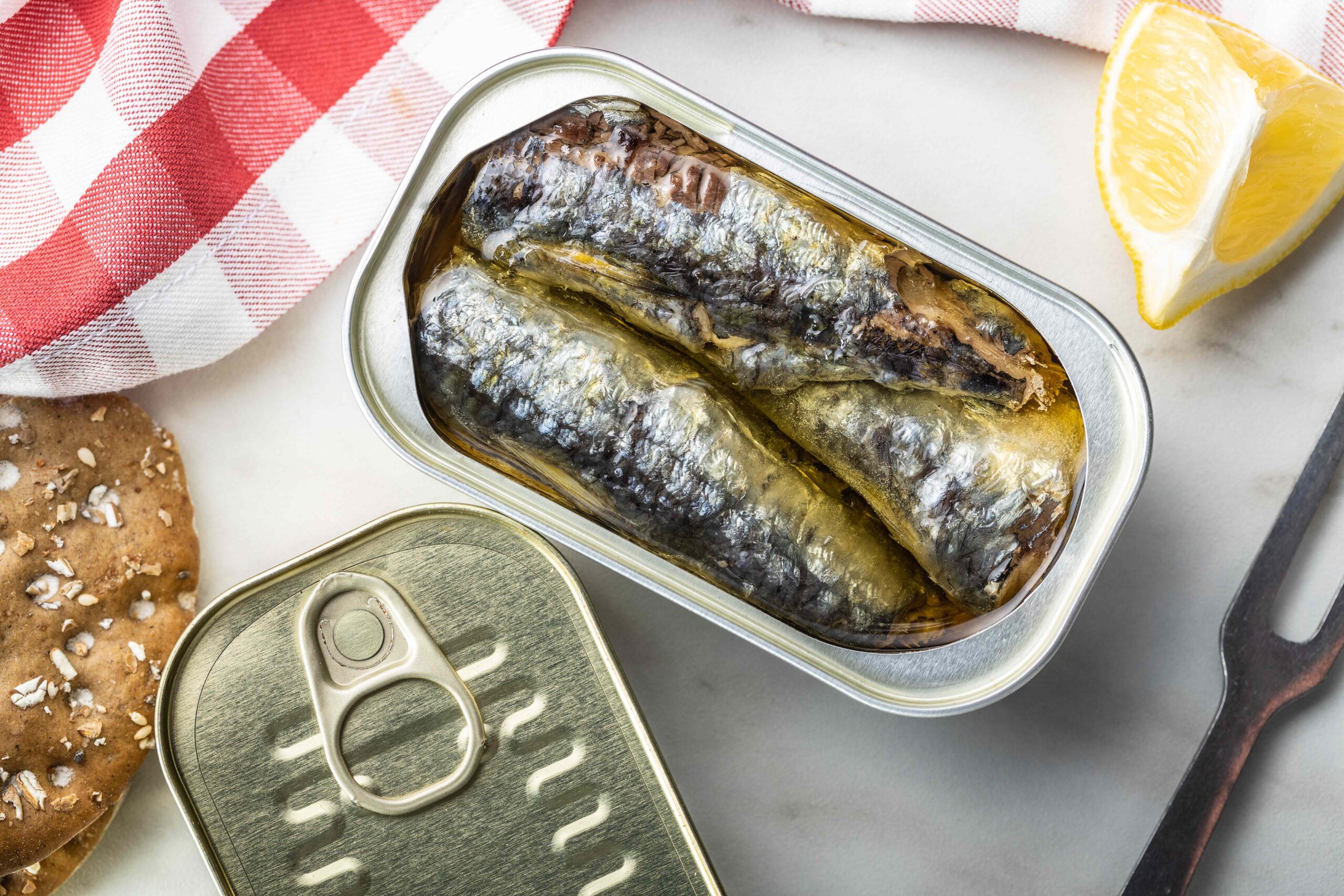
Salmon, sardines, rainbow trout, herring and mackerel offer benefits that go way beyond basic nutrition.
“Fatty fish are rich in omega-3 fats, which may reduce inflammation in the body — common for people affected by diabetes or heart disease — and improve insulin function,” Balogh explained.
This is a two-for-one benefit: You’re fighting inflammation while improving insulin function. Aim for two servings weekly, and don’t overlook canned options like salmon and sardines. These can be budget-friendly, convenient and just as effective.
7. Garlic and onions
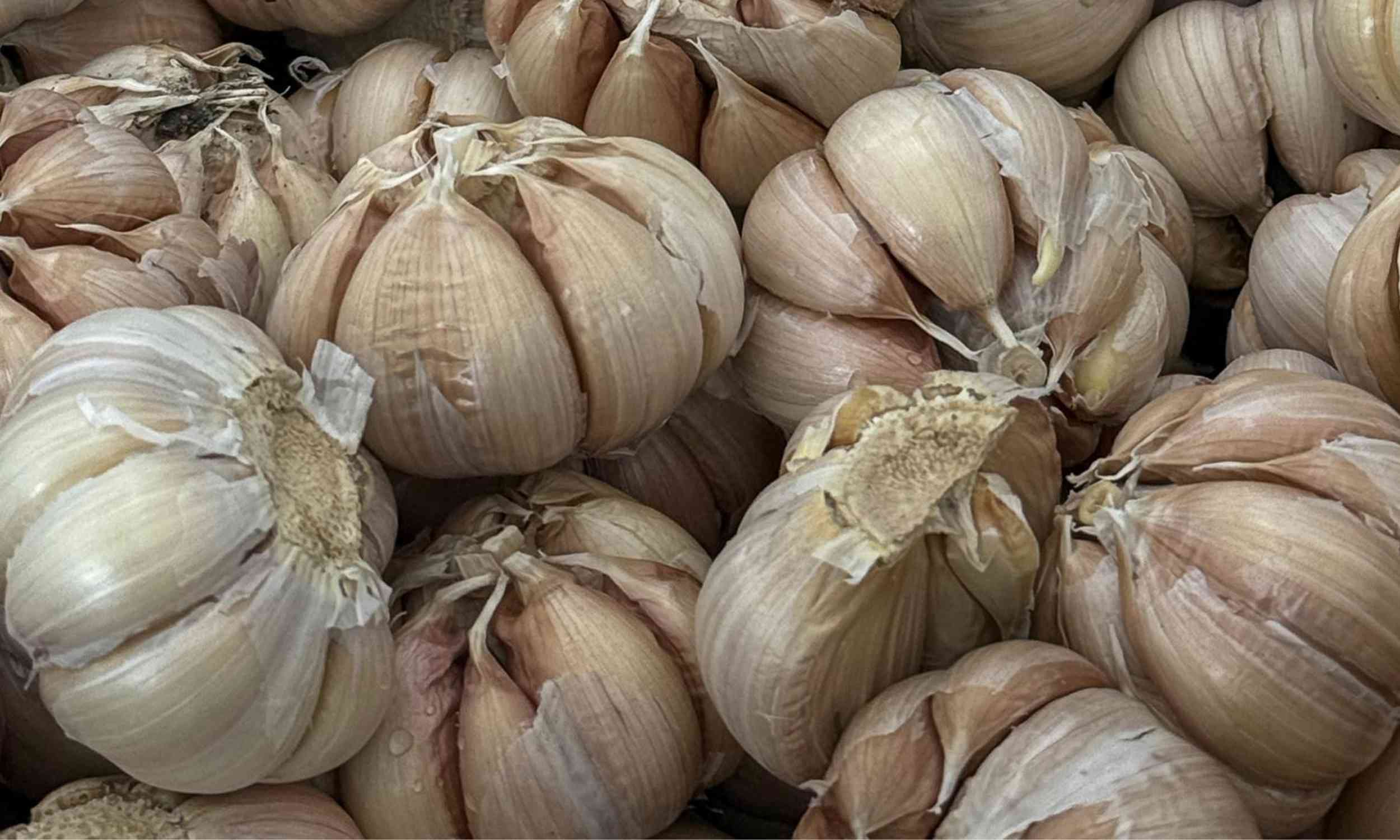
“Garlic and onions contain compounds that may reduce fasting blood glucose values,” said Balogh. (Getty Images)
(Marko Jan via Getty Images)
This dynamic duo works behind the scenes to support your metabolic health in ways that might surprise you. “Garlic and onions contain compounds that may reduce fasting blood glucose values and may improve overall metabolic health,” Balogh said.
Add them to stir-fries, roasted vegetables or soups for both incredible flavour and blood sugar benefits.
8. Cruciferous vegetables
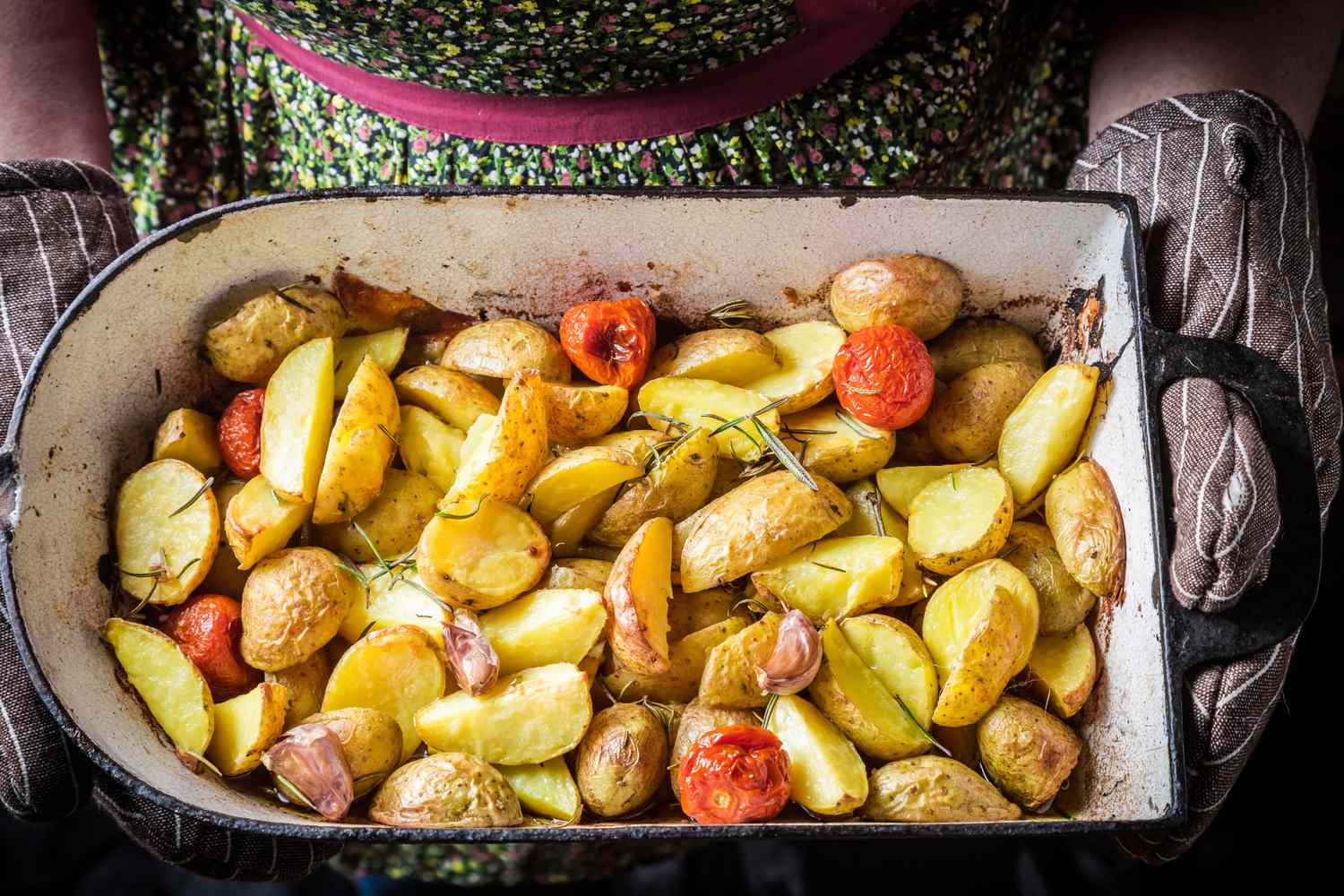
Roast broccoli, cauliflower or other cruciferous veggies with olive oil and garlic for a tasty dish that pulls double duty. (Getty Images)
(Jutta Klee via Getty Images)
Cauliflower, broccoli, Brussels sprouts and cabbage contain a special compound that makes them stand out from the crowd. “These vegetables include sulforaphane, a compound that may help reduce blood glucose levels and inflammation in the body,” Balogh explained.
You’re getting both immediate blood sugar benefits and long-term anti-inflammatory protection. Roast them with olive oil and garlic for a delicious side dish that works double duty (and might even convert your family’s Brussels sprouts haters).
9. The acidic secret weapons nobody talks about
Adding acid to your meal can help cut blood sugar after meals. (Getty Images)
(Ekaterina Vasileva-Bagler via Getty Images)
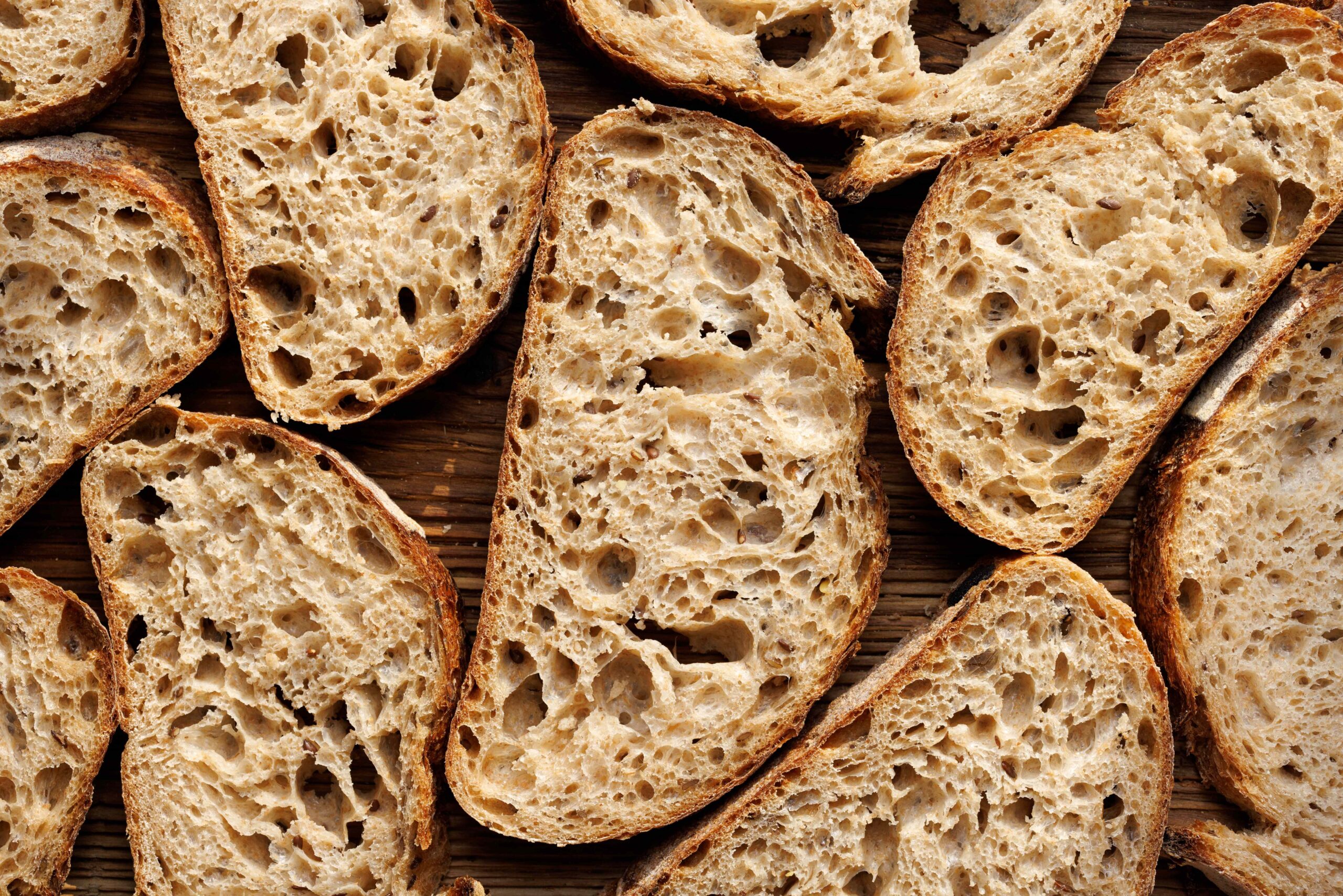
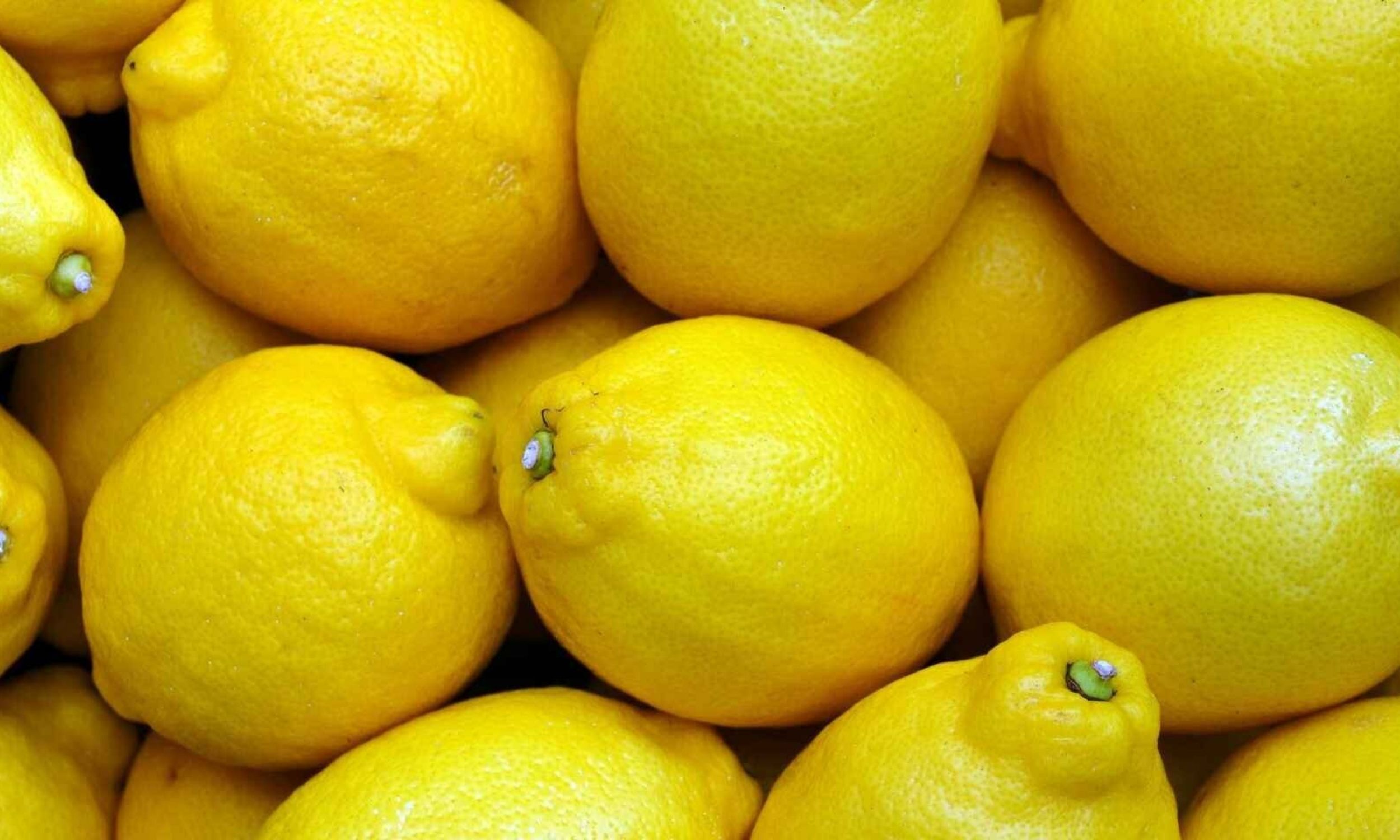
A little-known trick? “Adding acidic ingredients — like vinegar, lemon or lime juice, mustard, pickles, sauerkraut, citrus fruit or even sourdough bread — to meals to further reduce blood sugar elevations after meals,” Balogh recommended.
That splash of vinegar in your salad dressing or squeeze of lemon on your vegetables isn’t just about taste — it’s actively helping your blood sugar stay more stable. Mind blown, right?
The magic formula that supports stable blood sugar
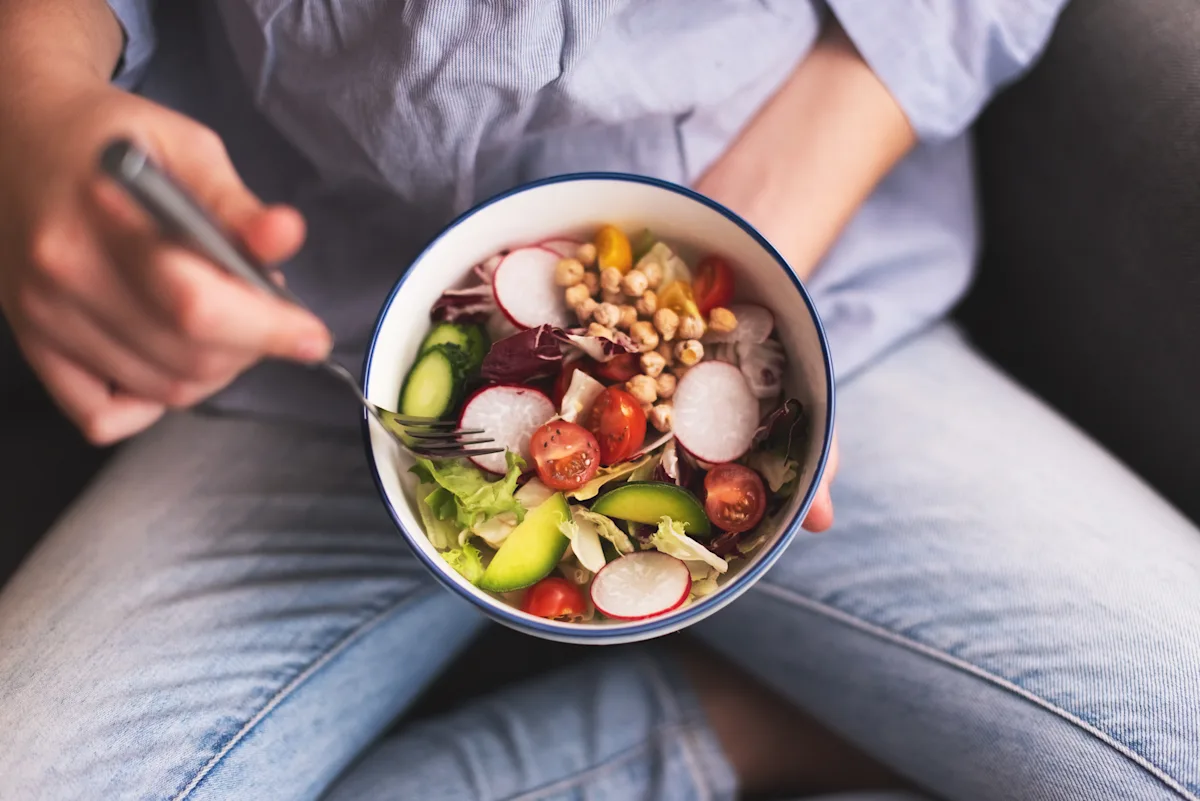
Balogh also recommended the “Balanced Food Plate” approach that can transform how you think about meals: “Half of the plate is covered with non-starchy vegetables, the remainder of the plate is equally divided up between protein-rich foods and whole grains or starchy vegetables. Both grains and protein-rich foods cover a quarter of the plate.”
This 50-25-25 formula (50 per cent vegetables, 25 per cent protein, 25 per cent complex carbs) creates meals that naturally support stable blood sugar without making you feel like you’re following some complicated diet plan.
The takeaway: Small changes, big results
Aim for a balanced plate when eating. That should consist of 50% fruits and vegetables, 25 per cent protein and 25 per cent carbs. (Getty Images)
(marina_ua via Getty Images)
The best part? It doesn’t take months to start noticing change.
“With consistent dietary and lifestyle changes, people can start seeing short, medium-term and long-term results,” Balogh said. “Short-term results could be experienced within one to two weeks; they would pan out as more stable blood glucose values, less hyper- and hypo-glycemic events and overall improved energy levels. Medium-term results could be experienced within four to eight weeks. Within three months, people could notice better blood work results.”
If you’re over age 40, pay extra attention to this: “Hormonal shifts can make blood glucose control more challenging for women,” Balogh said. “Research suggests estrogen helps with insulin sensitivity; when insulin levels decline with age around menopause, women often find it more challenging to manage their blood sugar levels.”
This means the 50-25-25 plate formula and regular meals become even more crucial.
The bottom line? You don’t need to be perfect or overhaul everything overnight. Start with one or two changes, maybe spinach in your smoothie or swapping white rice for quinoa. Once you feel the difference steady blood sugar makes (no more afternoon crashes, no more hangry moments), you’ll wonder why you waited so long.
Let us know what you think by emailing us or threading us @yahoocanada. Follow us on TikTok, WhatsApp and Instagram.