By Carla Espinoza Gutiérrez
A new clinical trial published in Food & Function reports that pure orange juice produces a slower, lower rise in blood sugar than sugar-sweetened beverages.

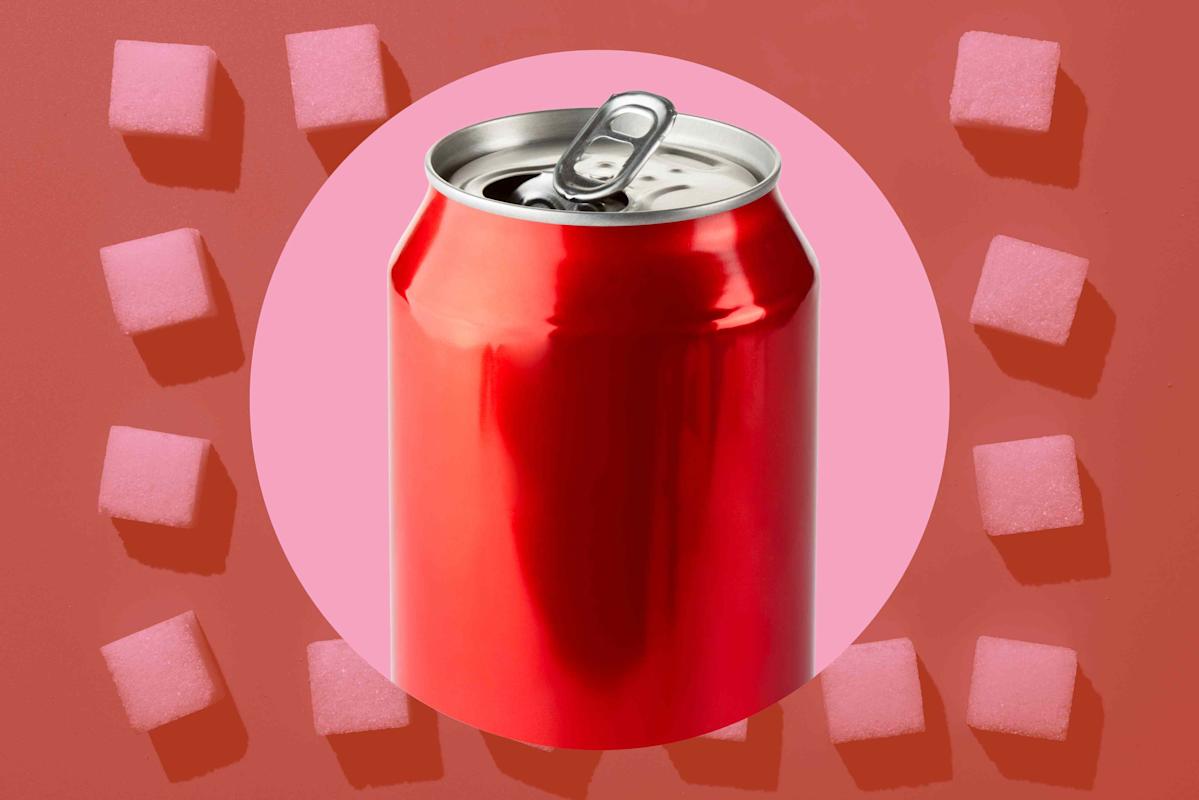
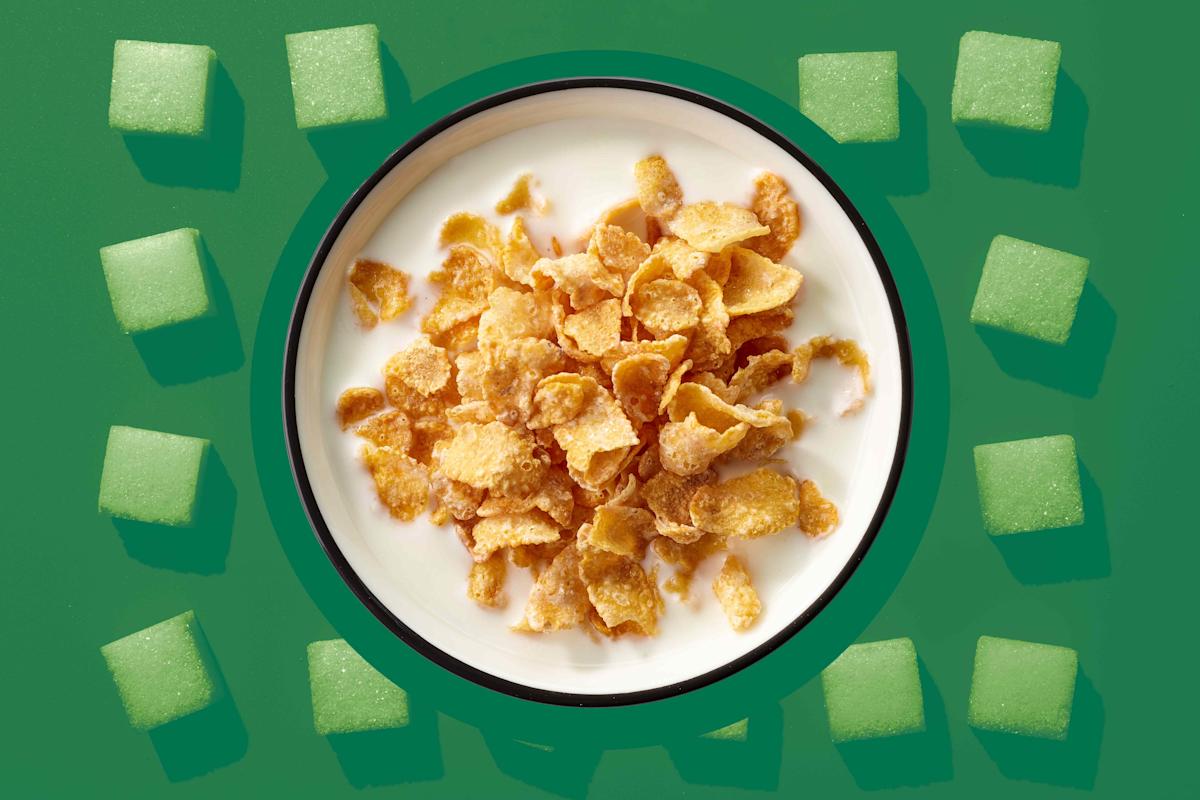
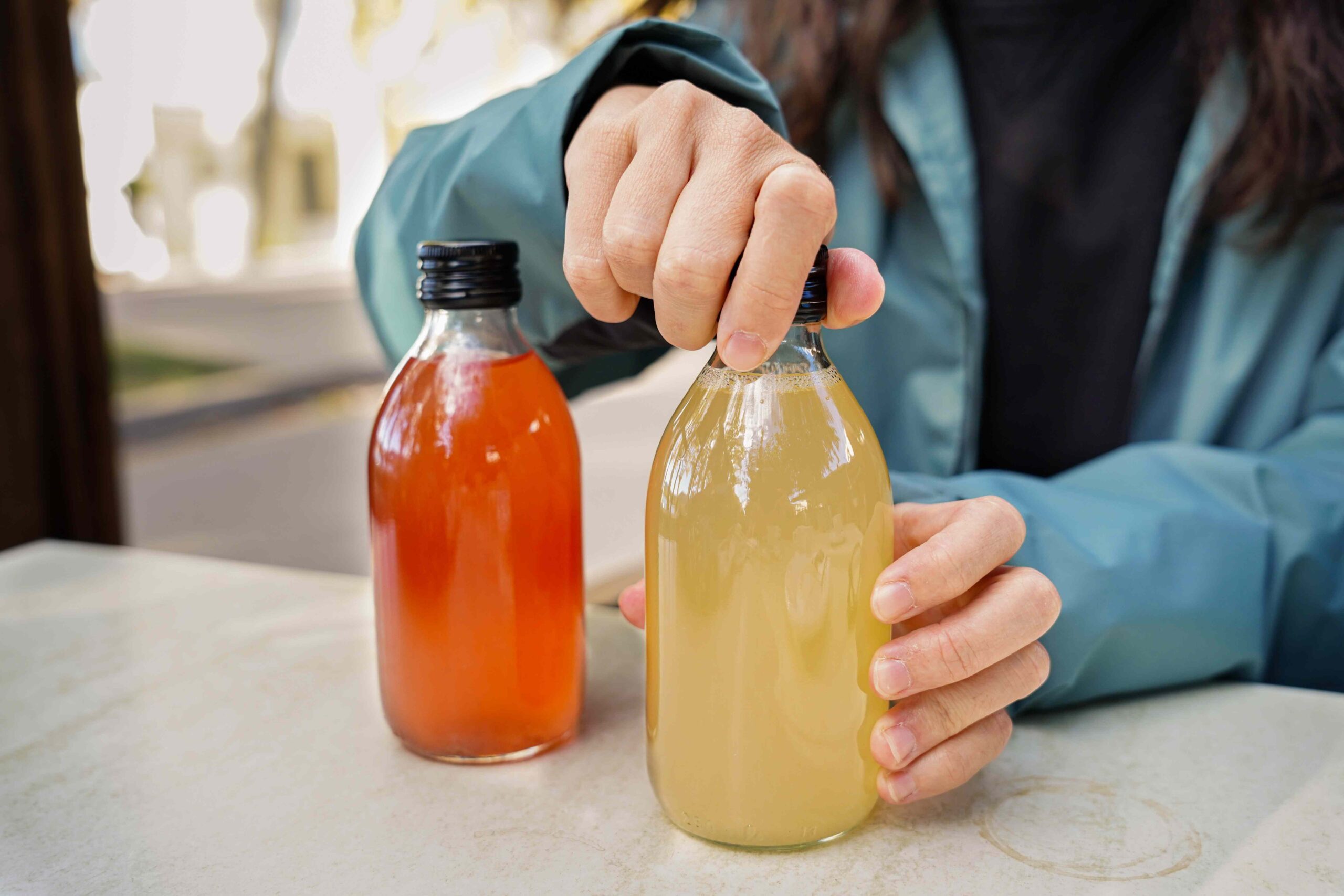
Researchers conducted a randomized controlled crossover trial with 25 healthy young men, comparing metabolic responses to four beverages: 100 percent pure orange juice, a 50 percent orange juice drink with added sugar, a sugar-sweetened water drink, and a pure glucose drink.
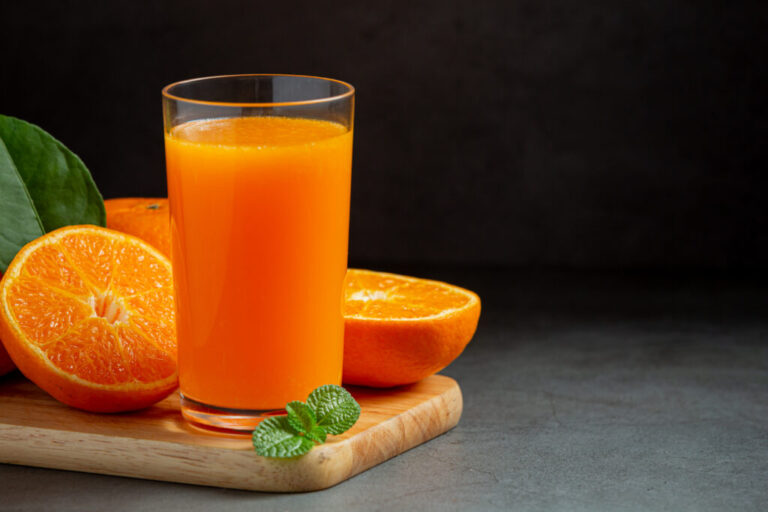
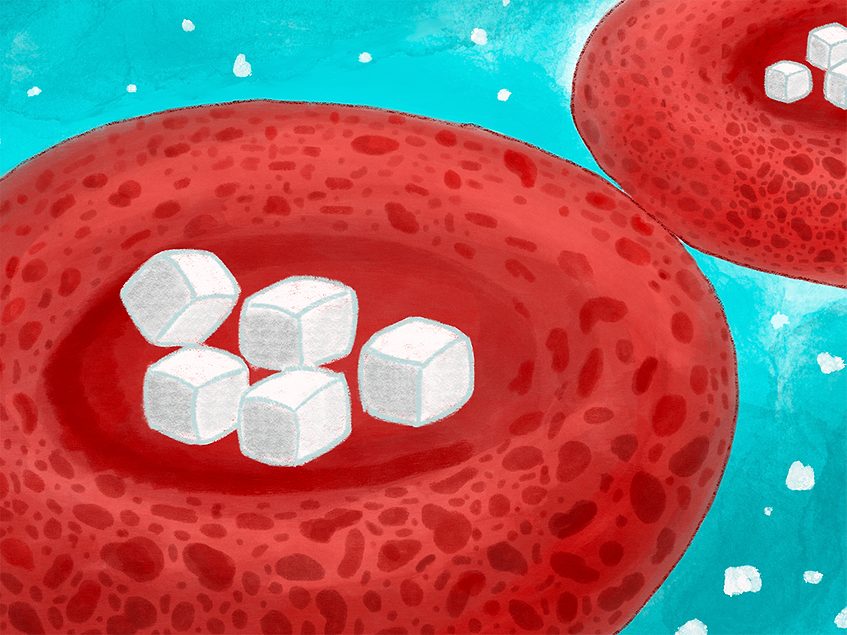
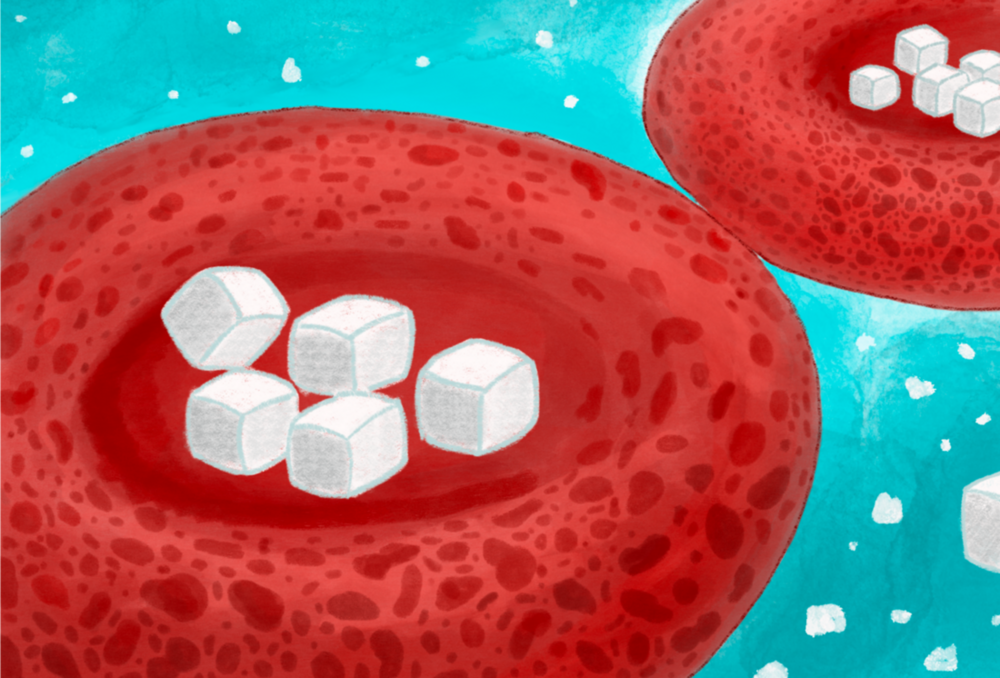
The findings show that, despite having similar total sugar content, 100 percent orange juice led to a more gradual increase in blood glucose.
The study attributes the difference to the “fruit matrix”—the natural composition of fiber fragments, vitamins, minerals, and plant compounds present in juice—which appears to slow sugar absorption into the bloodstream.
The pure orange juice difference
The trial found that, while blood sugar levels evened out across all beverages after about two hours, the gradual rise in glucose triggered by 100 percent pure orange juice may help explain why some people experience a gradual feeling of energy after enjoying the beverage, compared with the sharper “spike and dip” sometimes associated with sugar-sweetened drinks.
“People often assume that because fruit juice contains natural sugars from the fruit, it must act in the same way as a sugary soft drink. Our study demonstrates that they do not produce the same metabolic response,” says lead researcher Francisco A. Tomás-Barberán of Spain’s National Research Council.
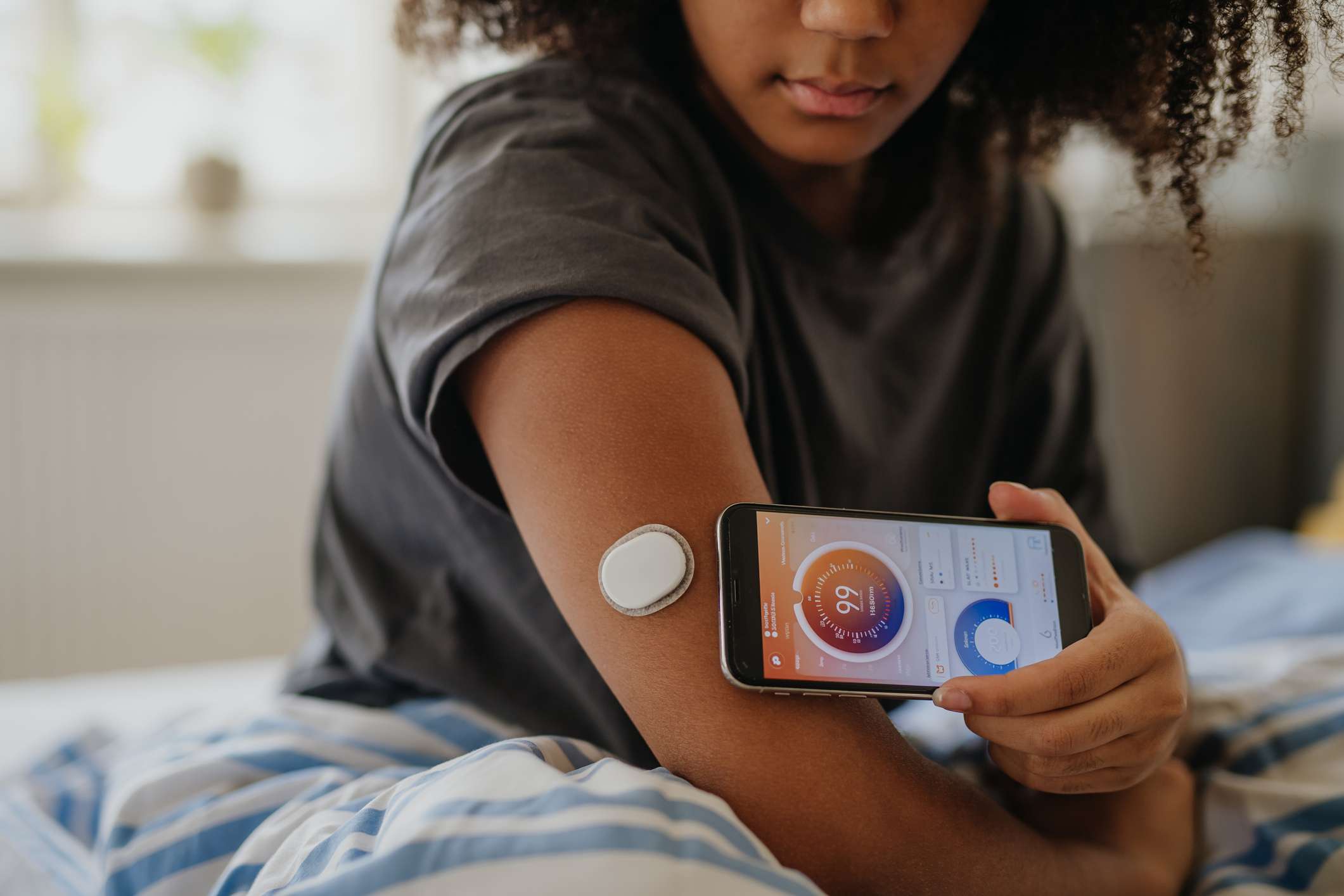
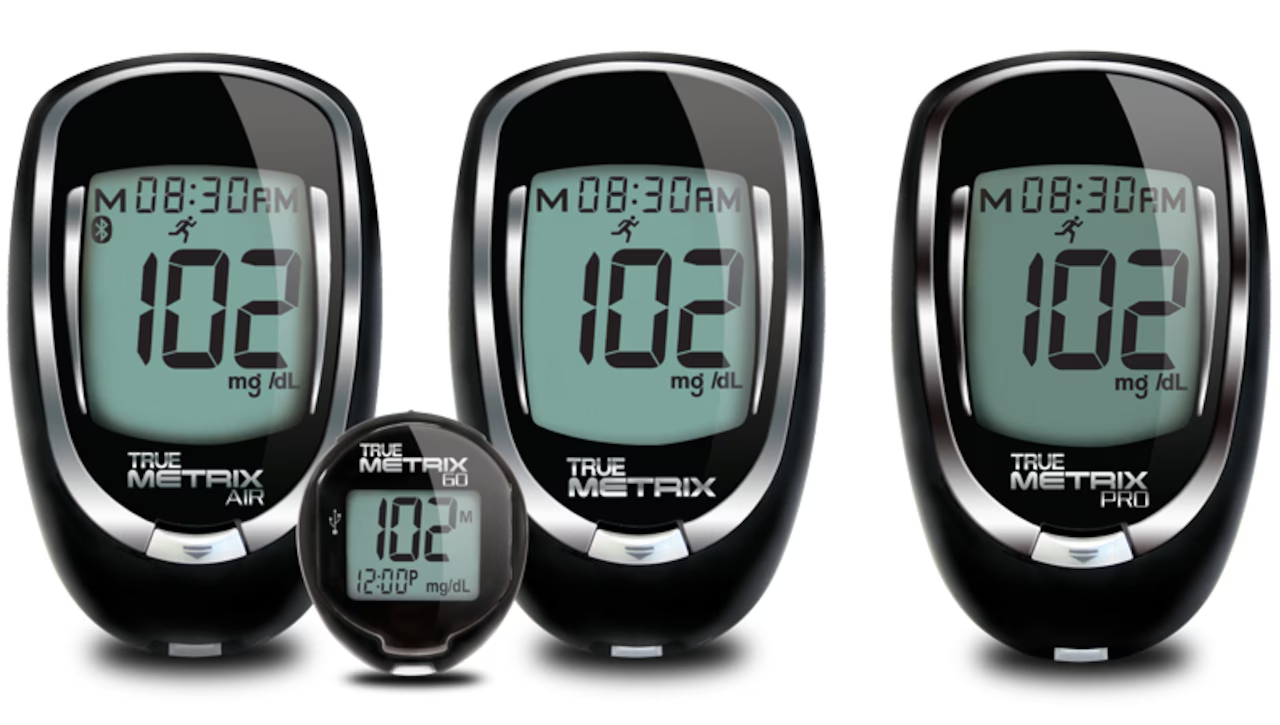
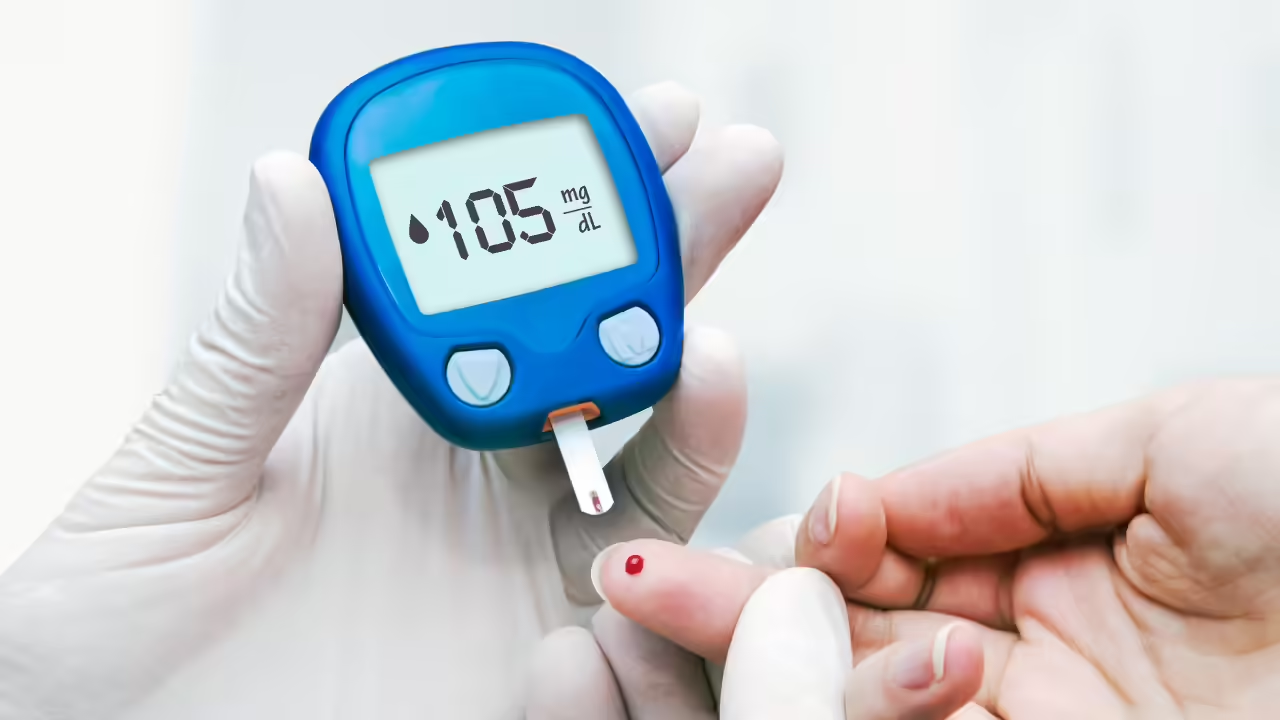
The results come as glucose monitoring and concerns about “sugar spikes” gain traction among consumers, potentially influencing purchasing behavior in retail beverage categories.
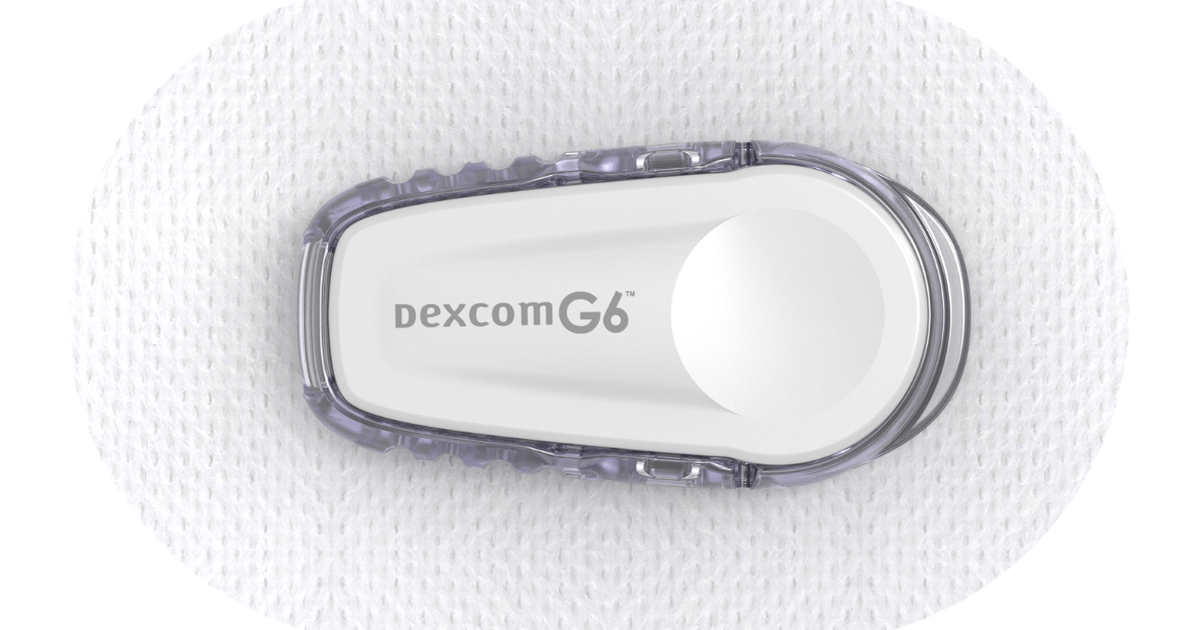
“Some are using wearable technologies, like glucose monitors, to test their reaction to different foods and drinks,” dietitian Carrie Ruxton notes. “While I don’t think this is helpful unless recommended by a doctor, it’s reassuring to know that 100 percent pure orange juice is better for blood glucose control than other types of sweet drinks”.
That could mean more sustained energy levels after your morning glass of juice, Ruxton explains, while there are also health benefits.
“The fruit matrix in 100 percent juices also delivers vitamin C for immune function and skin, potassium for blood pressure, and a range of fruit bioactives for mental function and cardiovascular health,” she adds.
*All images are referential.
Related stories
Global orange juice consumption to climb four percent in 2026
Beyond vitamin C: How orange juice positively affects gut microbiota and metabolic health
Brazil’s citrus boom sparks orange juice recovery, but prices face pressure