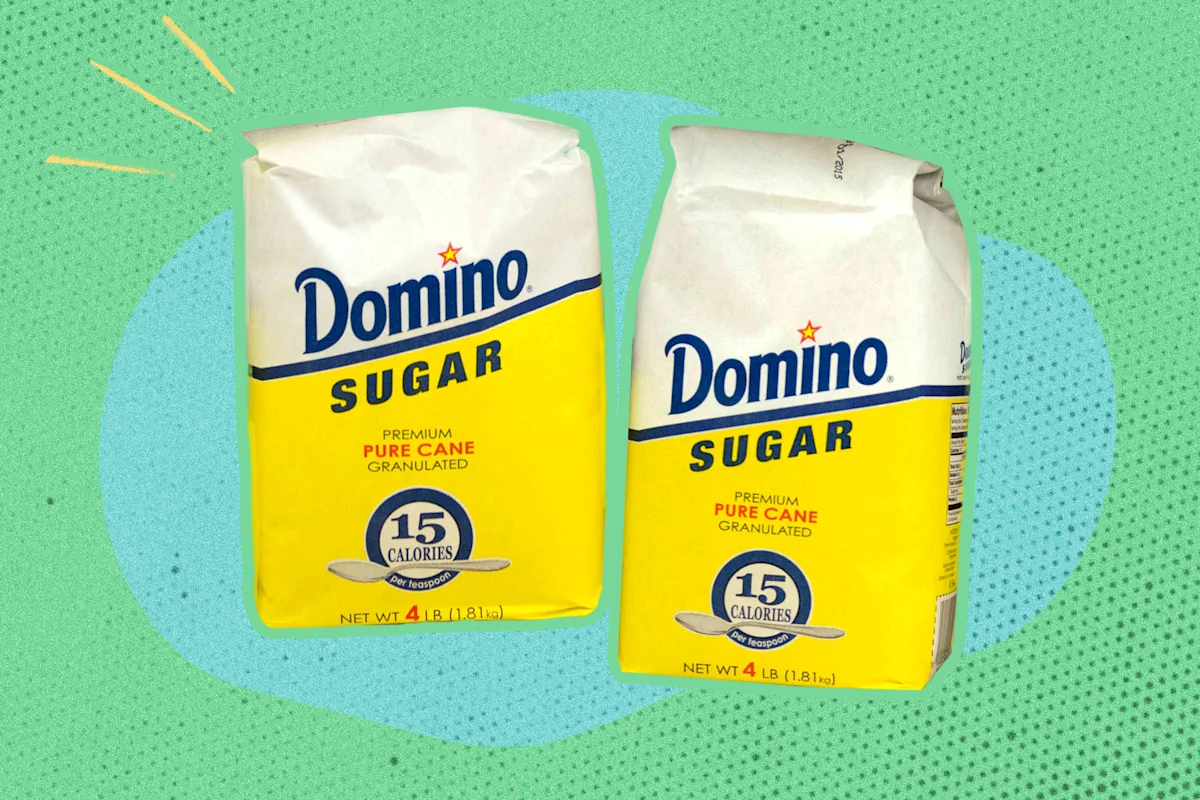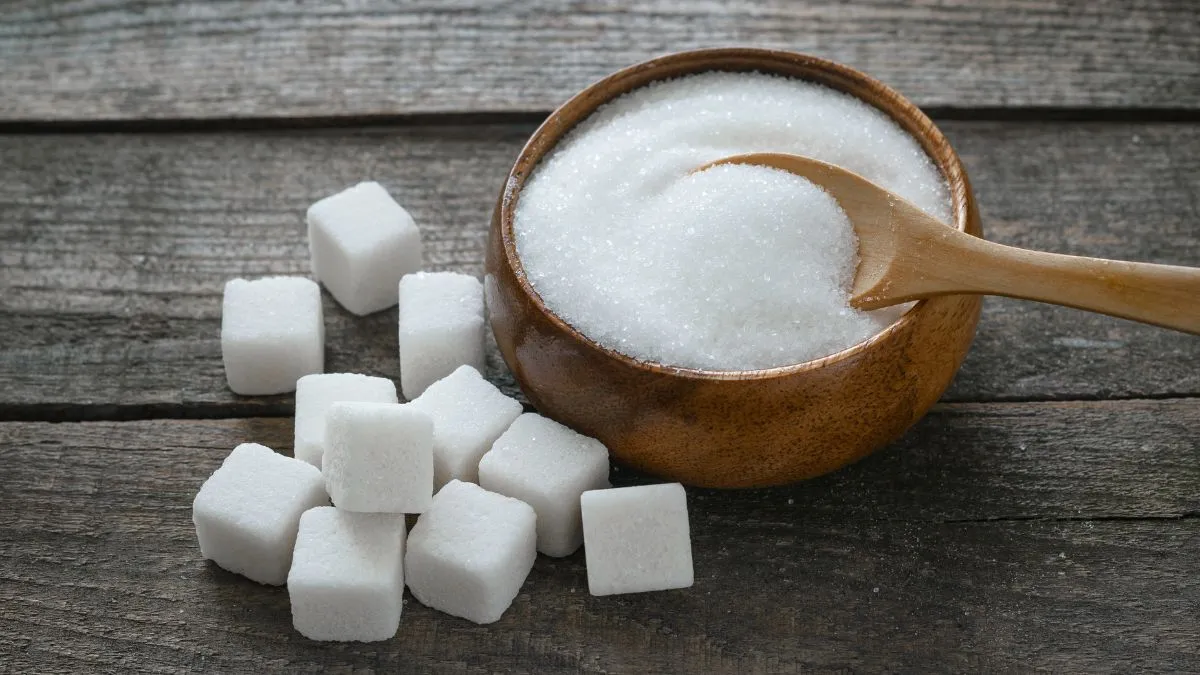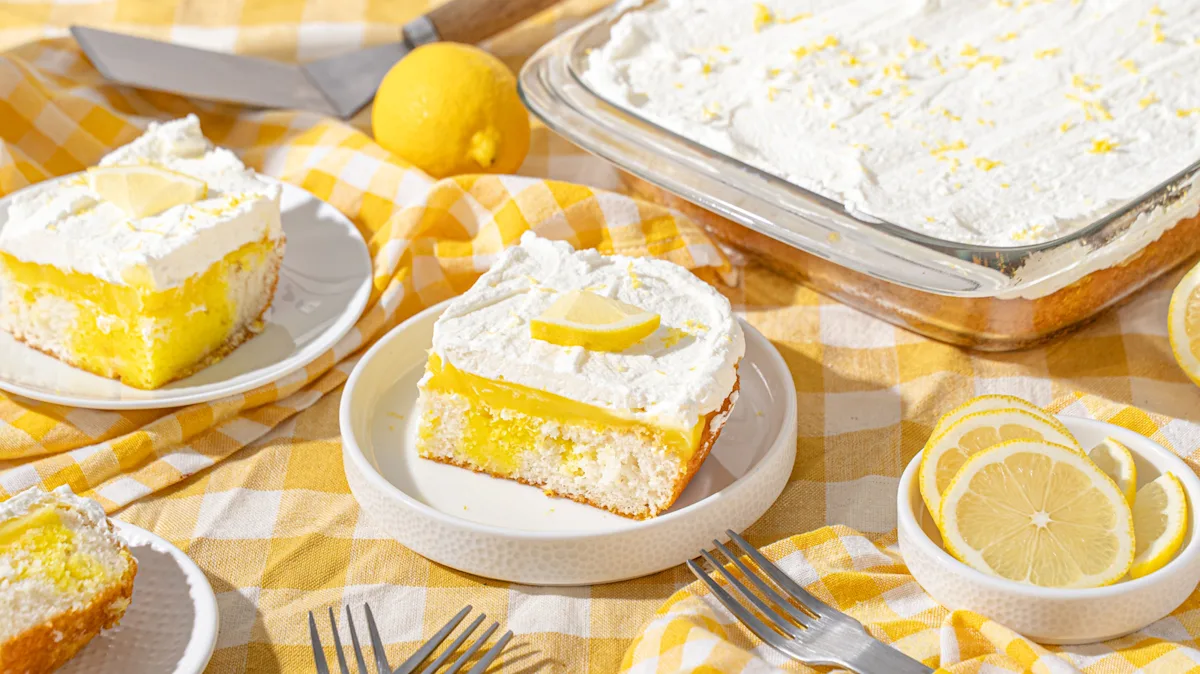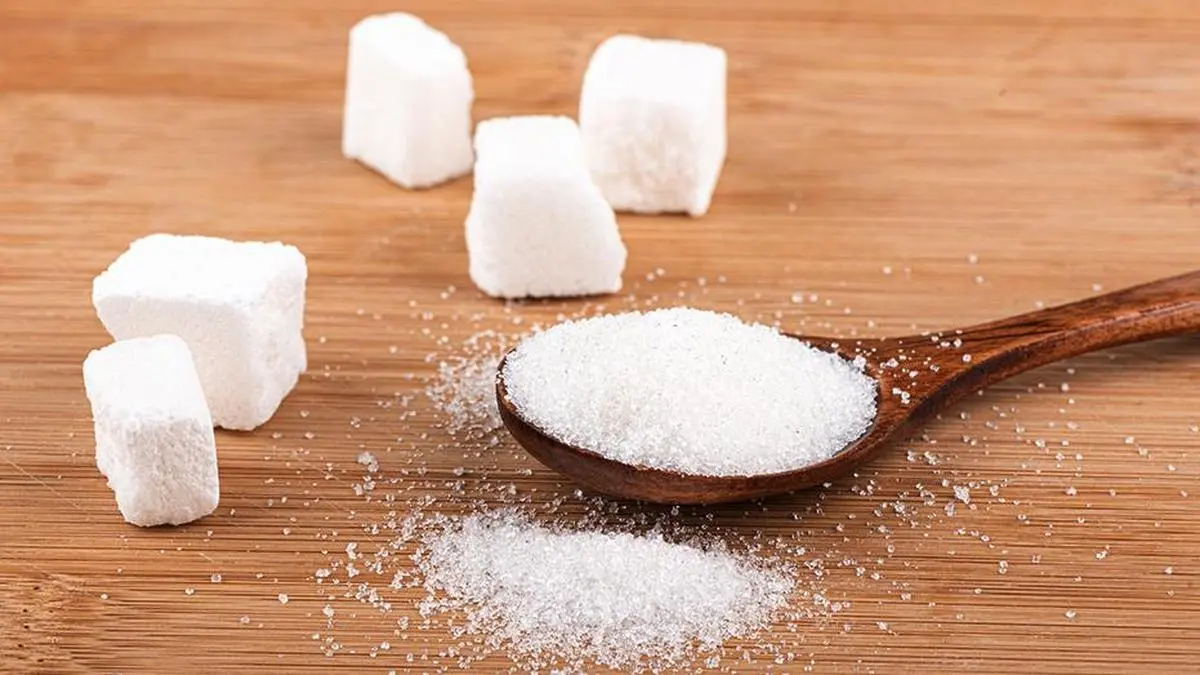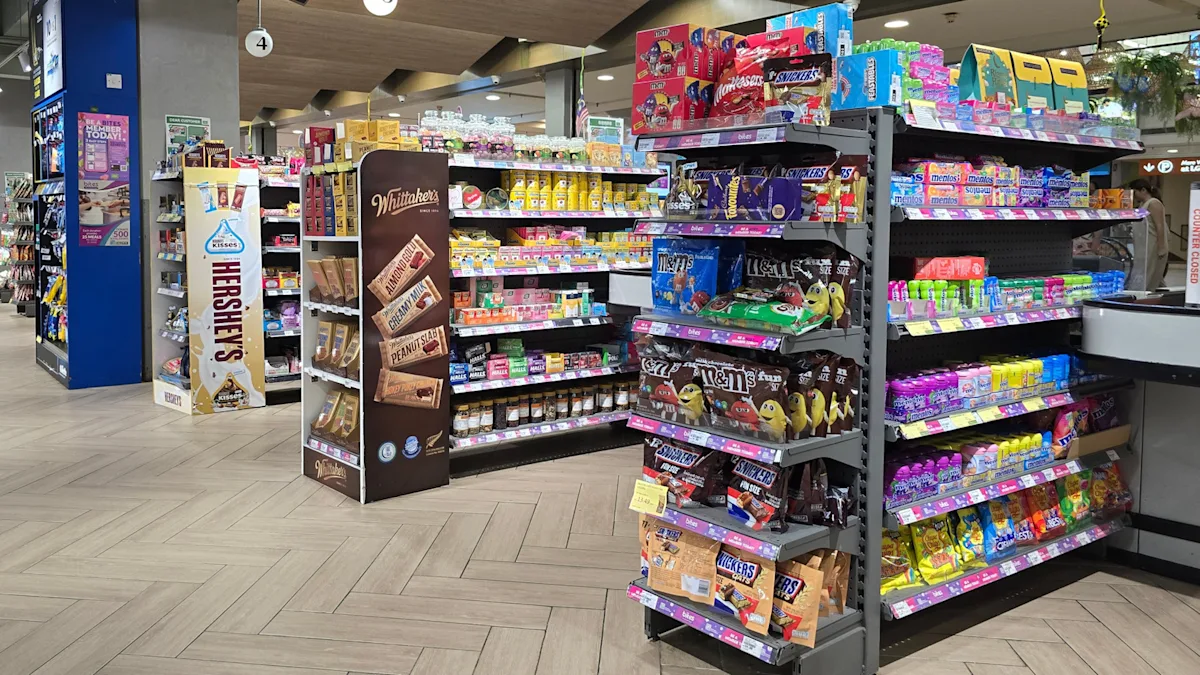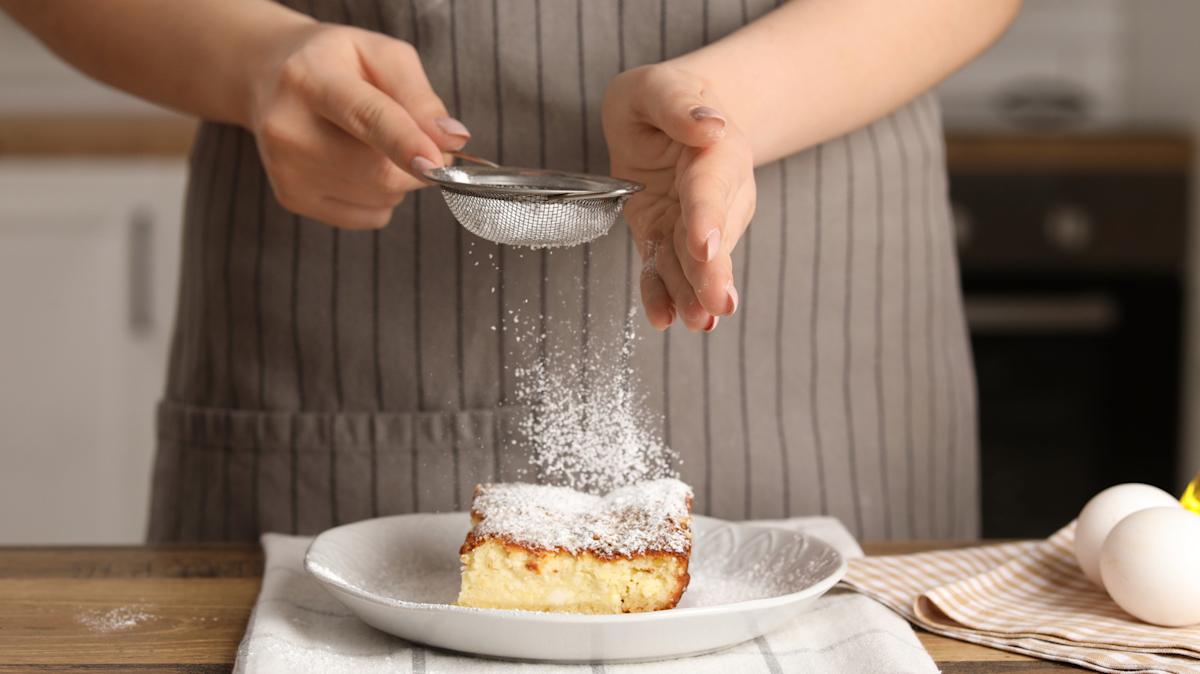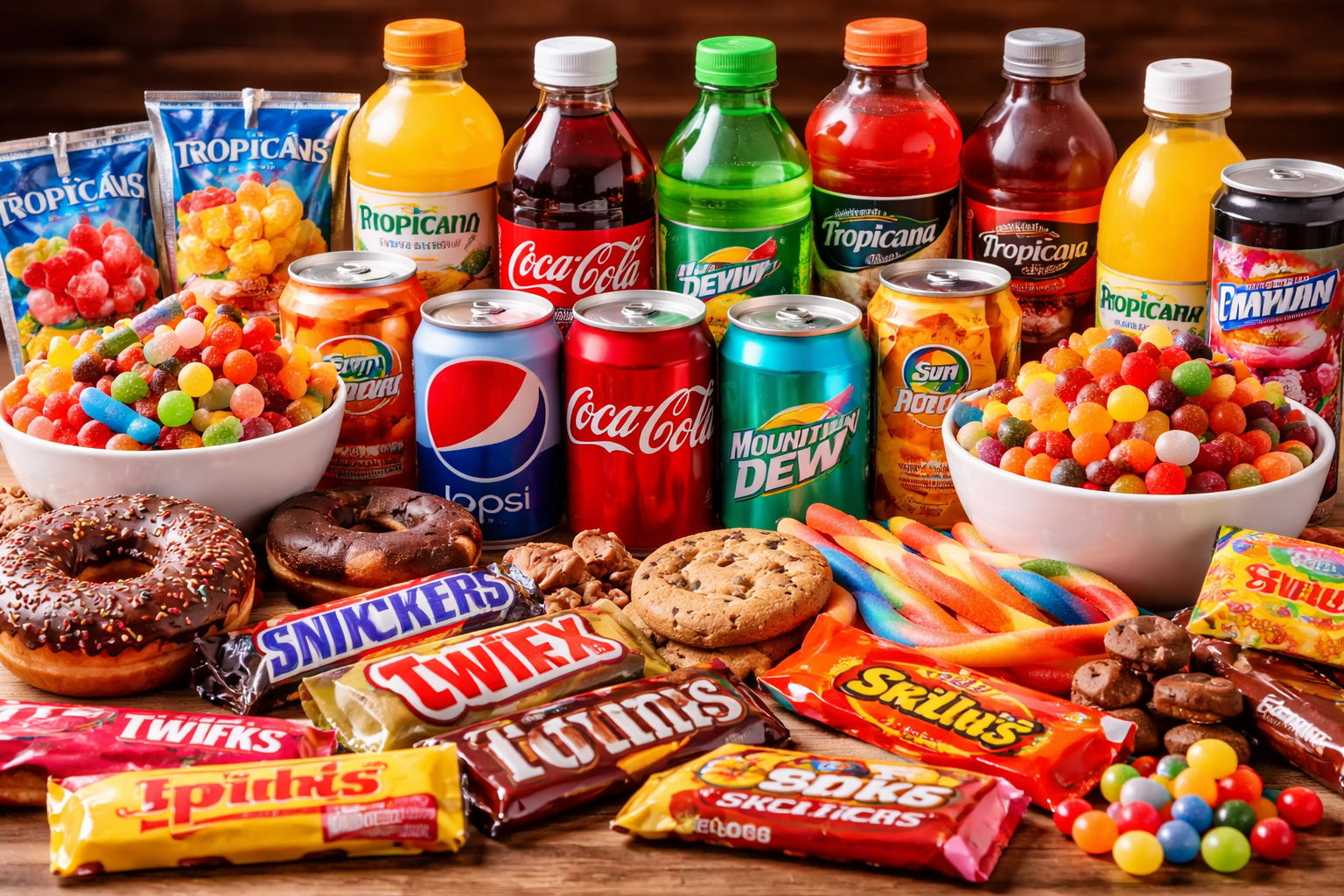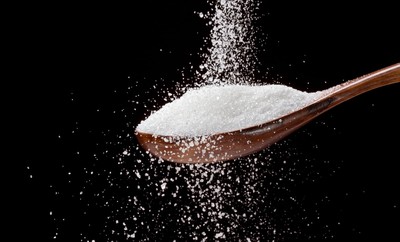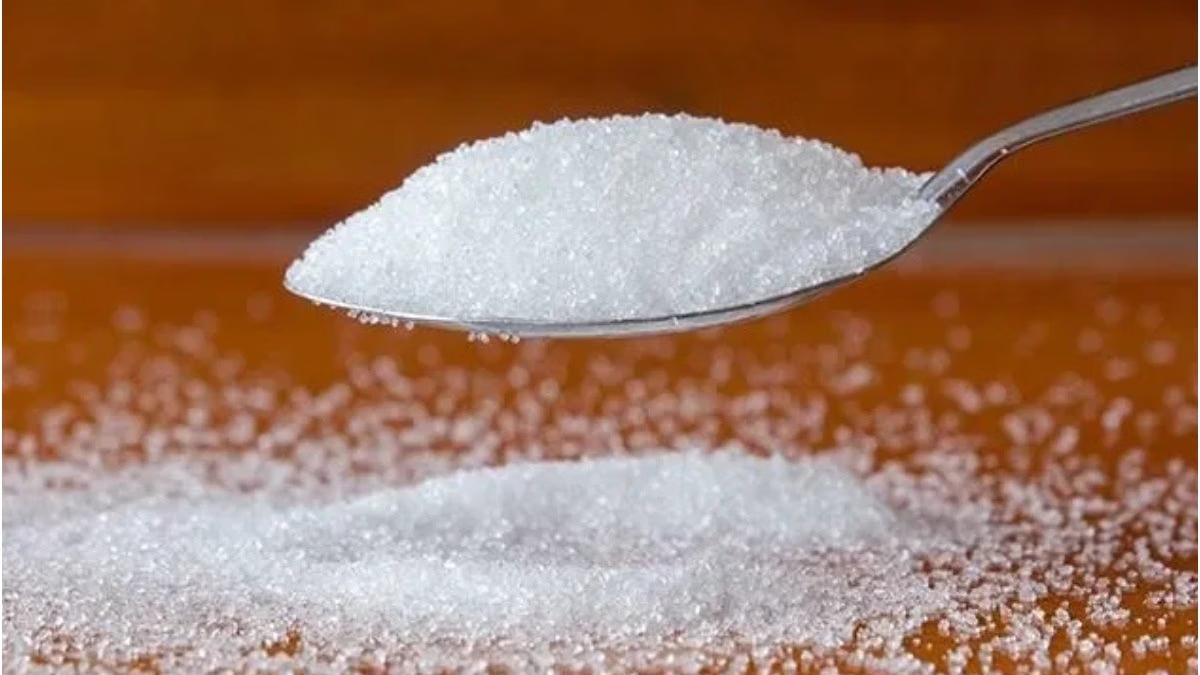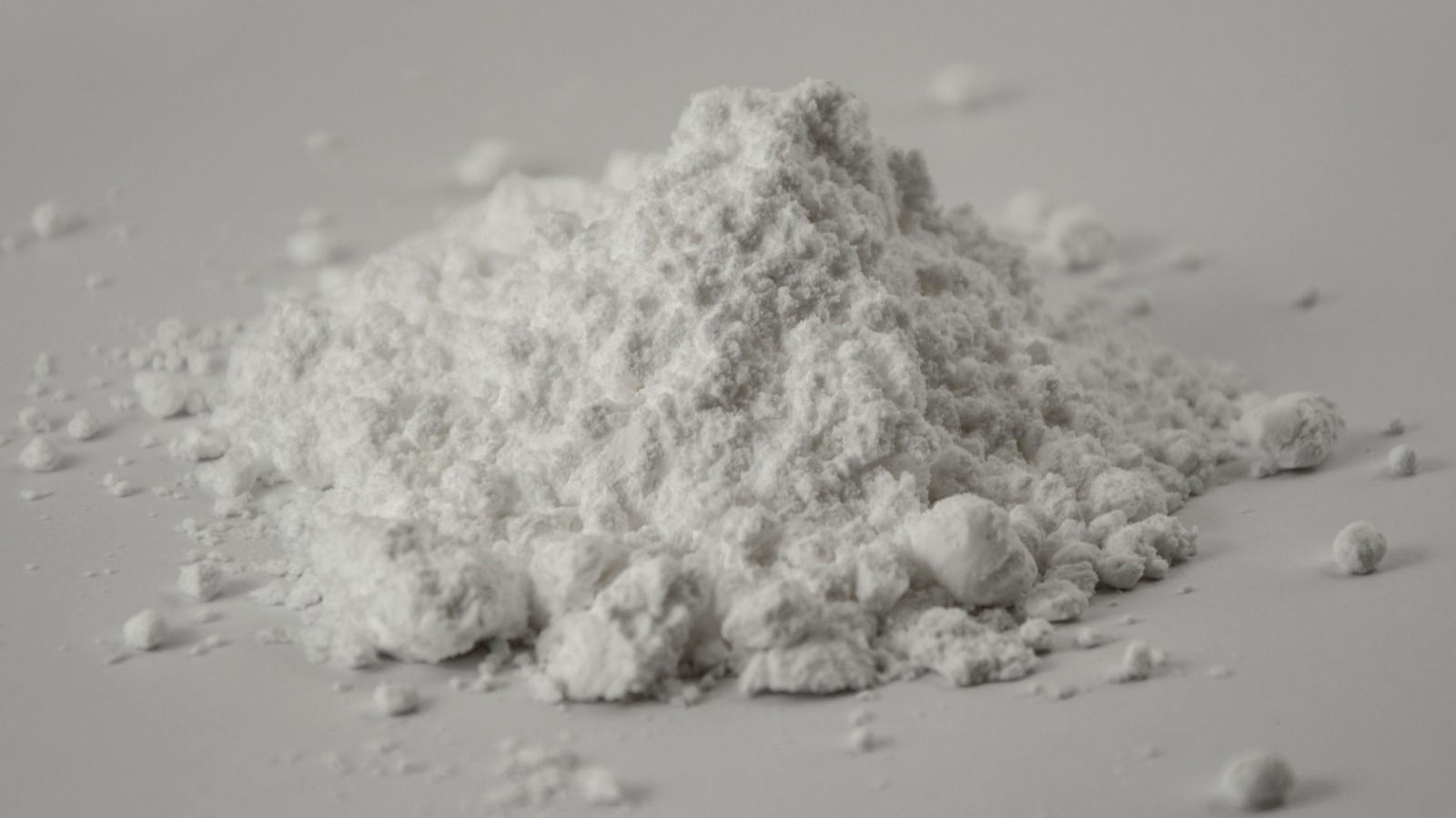

Sugar is certainly a staple in lots of our favorite treats — sodas, candy, baked goods, just to name a few. Despite it being so common, many people don’t seem to know much about how sugar is created. It’s an interesting process going from a plant to the sweet, white crystals that we put in our food.
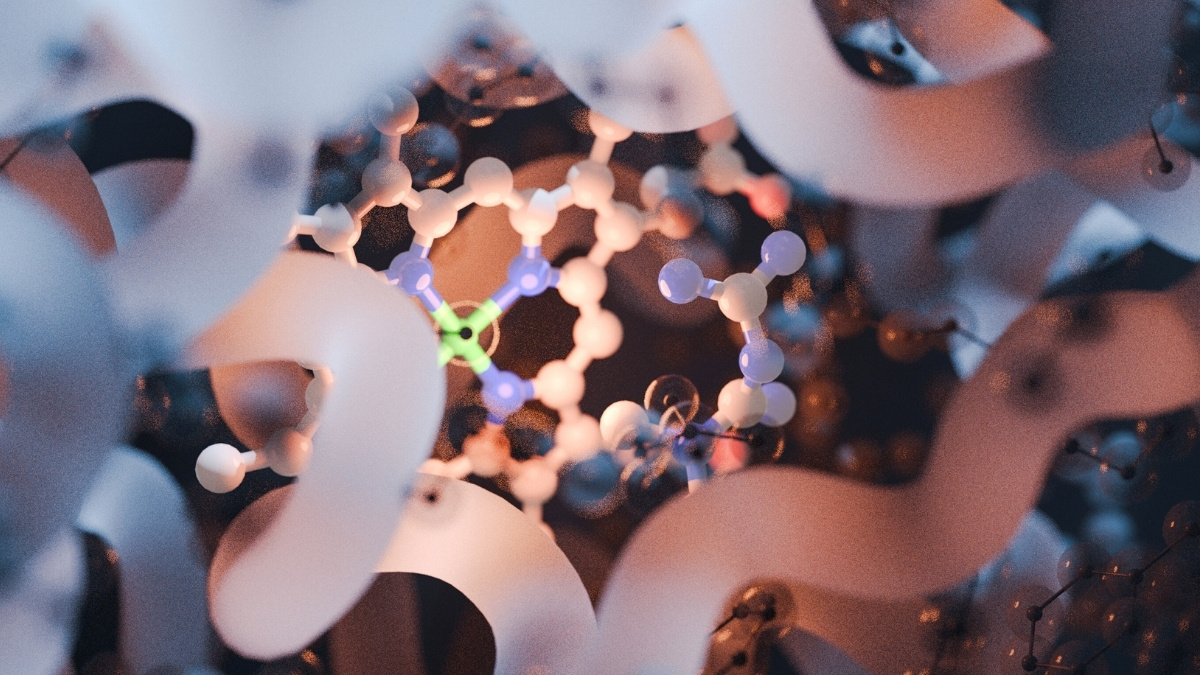
The chemical name for the sugar we know and love is sucrose. Sucrose is naturally produced by plants during the process of photosynthesis. While all plants have sucrose, two have the most, making them the best choices to extract the sucrose from to turn into sugar. Those plants are sugar beets and sugar cane. To make sugar, the simple version of the process is to grow the plants, harvest them, and extract the sugar. This means that the sugar we use is exactly the same thing that is naturally found in fruits and vegetables. Our bodies process it the same because it is the same thing.
Of course, the long process of how sugar is produced is a bit more complicated.

Sugar beets are root crops that are grown in colder climates. They can typically be found in Minnesota, Idaho, North Dakota, Michigan, Nebraska, and other states. While they might look similar to beets you eat, sugar beets are large, typically weighing between 3 and 5 pounds each. About 60 percent of sugar in the United States comes from sugar beets.
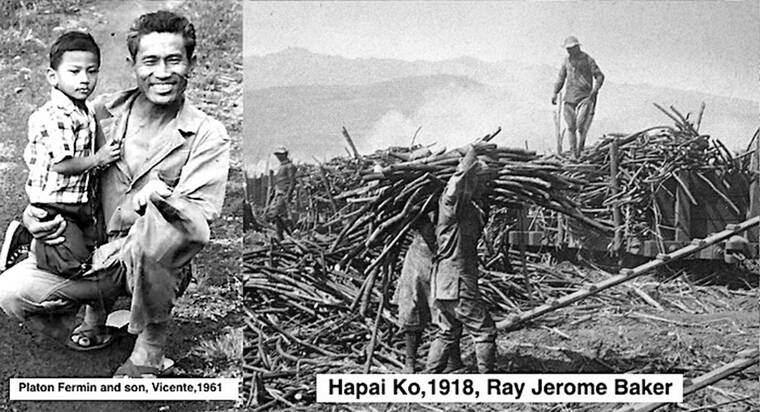
Sugar cane is technically a grass grown in tropical climates and in Florida and Louisiana. It is a perennial, so when it’s harvested it is cut above root level so that it can continue to grow. In 10 to 12 months, it’ll be ready to cut and harvest again. The plants can grow to 10 to 20 feet tall.
After the plants are grown and harvested, they are taken to plants for processing. The process for both is similar, but sugar beets complete the processing and refining step at one facility, while the sugar cane begins at a sugar factory and finishes at a sugar refinery.
The first step for both crops is to separate the juice from the plant material. The sugar can be easily extracted from the juice. Sugar beets need to be washed, sliced, and soaked in water to begin this separation. Sugar cane needs to be crushed, soaked, and squeezed. The juice is then filtered to remove excess color and any impurities that might be left. After this, the juice is boiled to thicken it and eventually crystalize. Once all of the sugar is crystalized, it’s spun in a centrifuge to remove any excess liquid. This is where the process begins to differ. Sugar from sugar beets is then dried and packaged, completing the process of making sugar!

Sugar from sugar canes is at the raw sugar stage. Raw sugar is not food grade and is not meant for human consumption until more impurities are removed. The raw sugar is transported to a refinery where it is melted and filtered to remove these final impurities. Then the process is basically repeated, it is crystalized and spun in a centrifuge before being dried and packaged.
Sugar processing creates some other helpful products. Molasses (which is what is removed in the centrifuge spinning step) is produced after about four rounds of extraction. Molasses is used by animal feed companies, bakers, distillers, and even pharmaceutical companies. The plant residue left from the sugar beets is called beet pulp and is commonly used as an animal feed source. The plant residue from sugar cane stalks is also used, often serving as fuel to run the cane factory and sometimes even supplying energy to nearby towns. Water that is removed from the sugar during the process is used again, because much of it still has some sucrose in it to be extracted.
Carbon used in filtration is even reused. Sugar processing is certainly a good example of reducing waste!
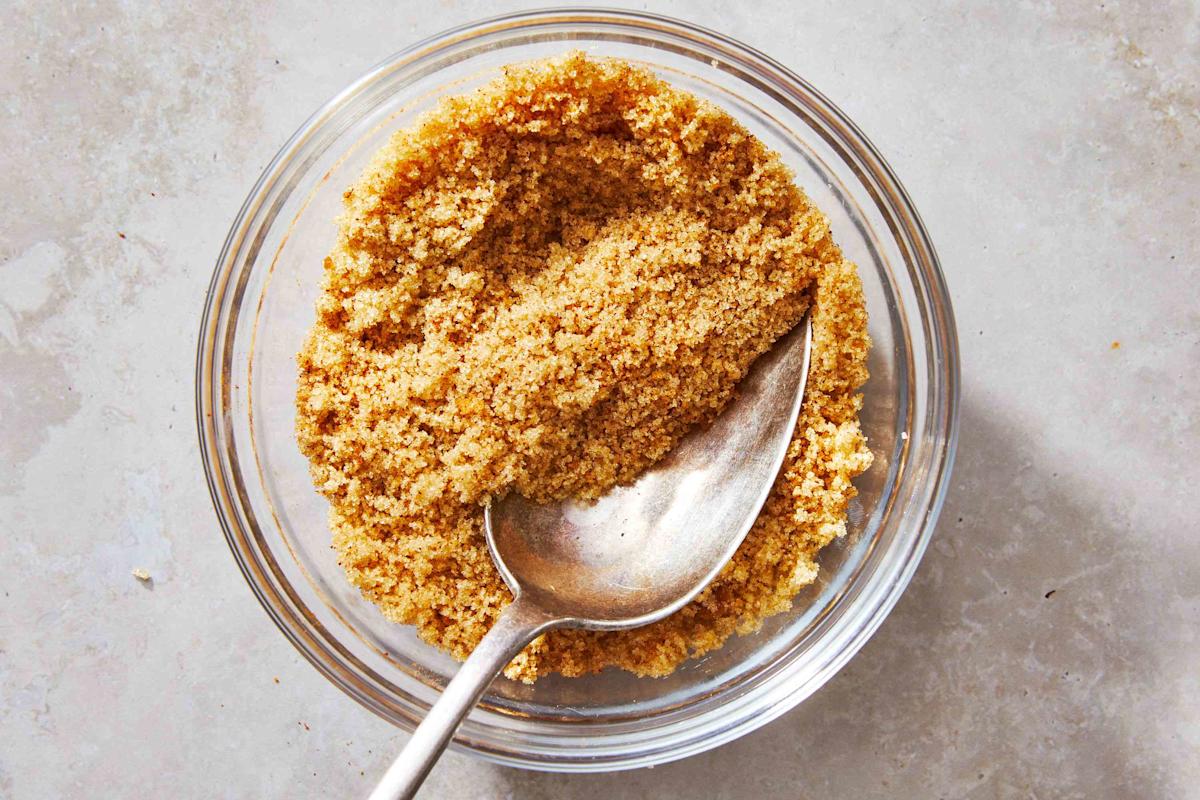
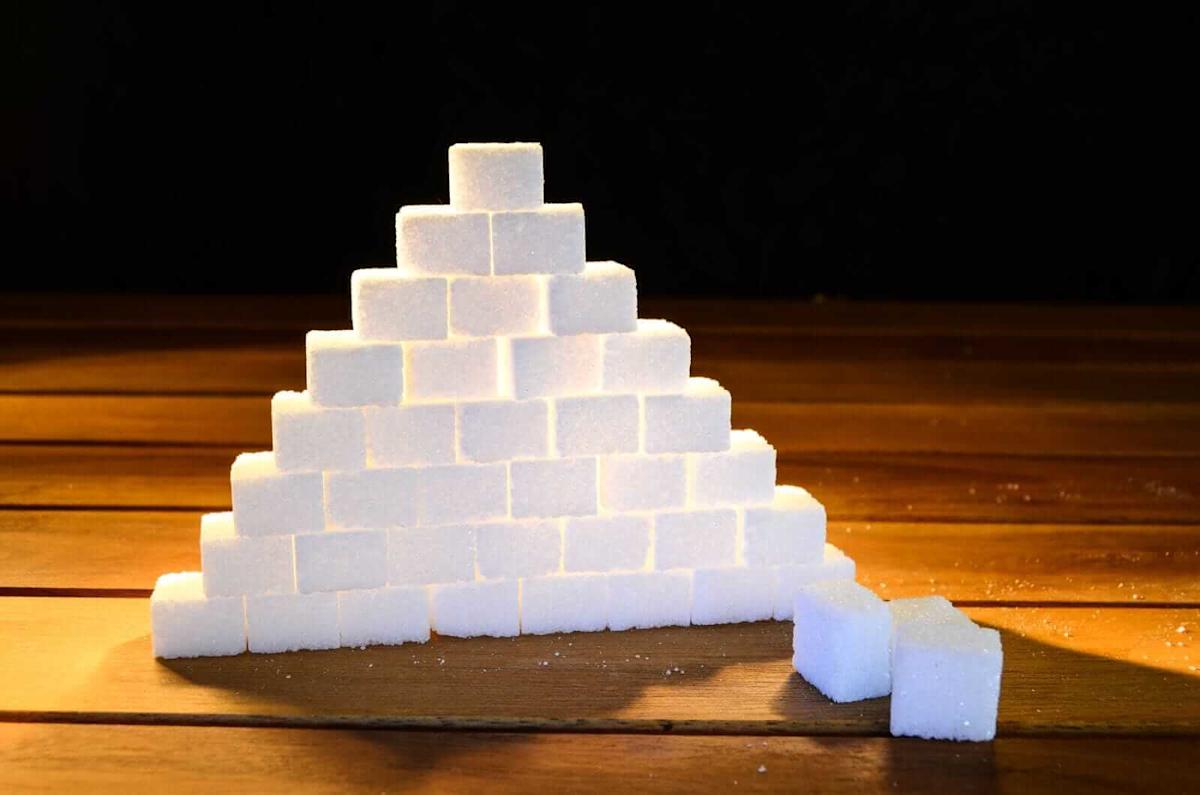
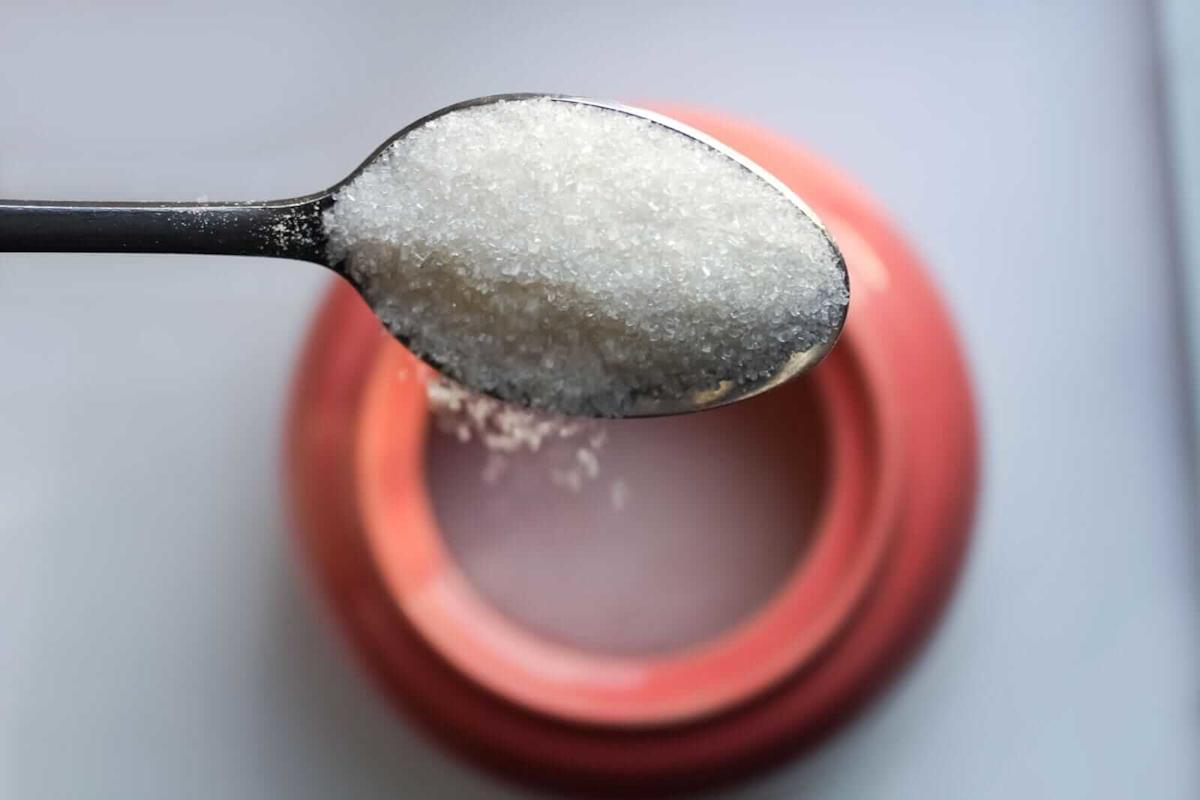
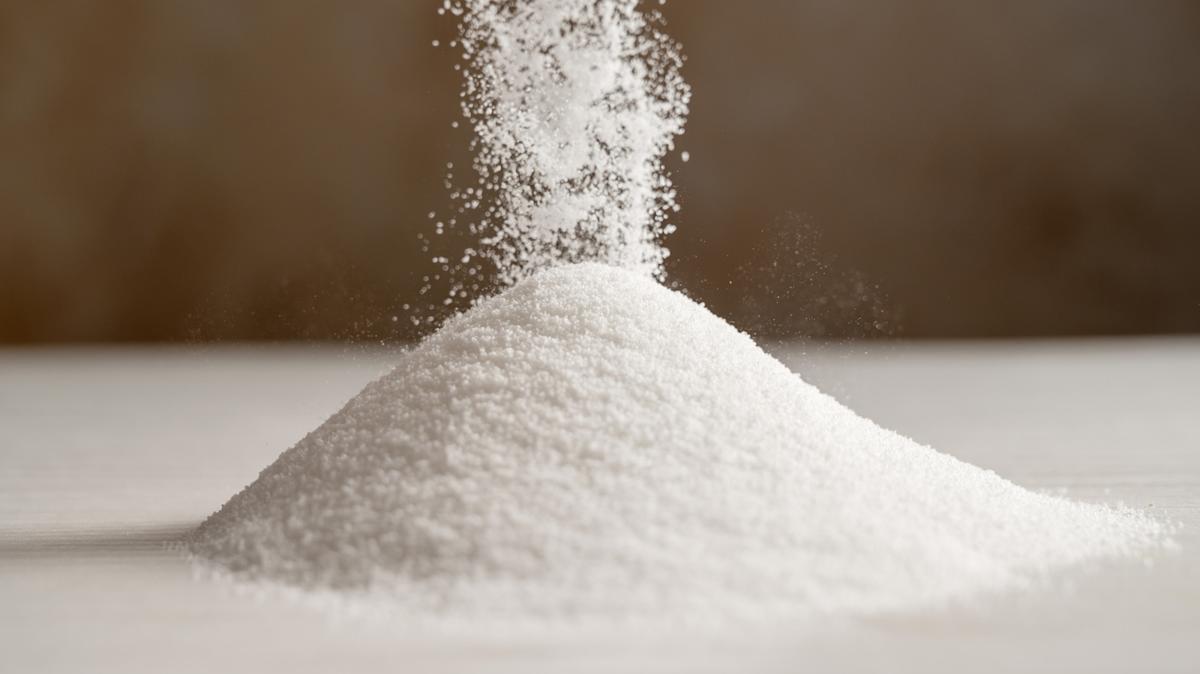
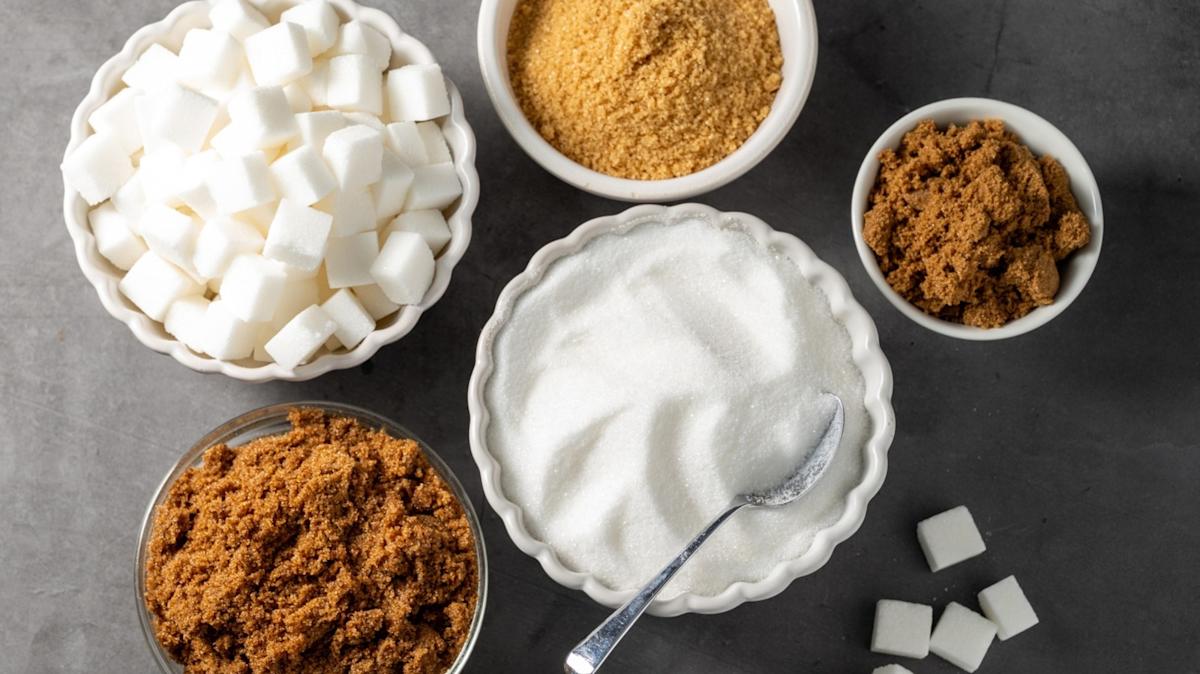
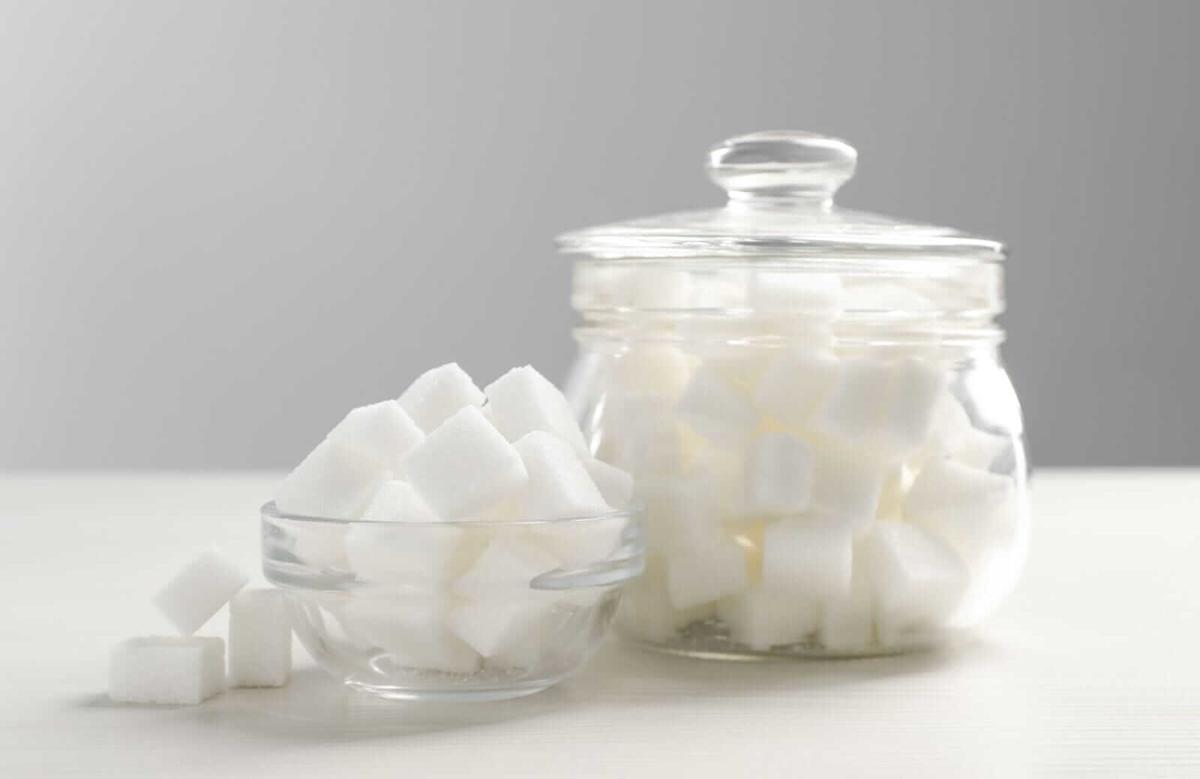
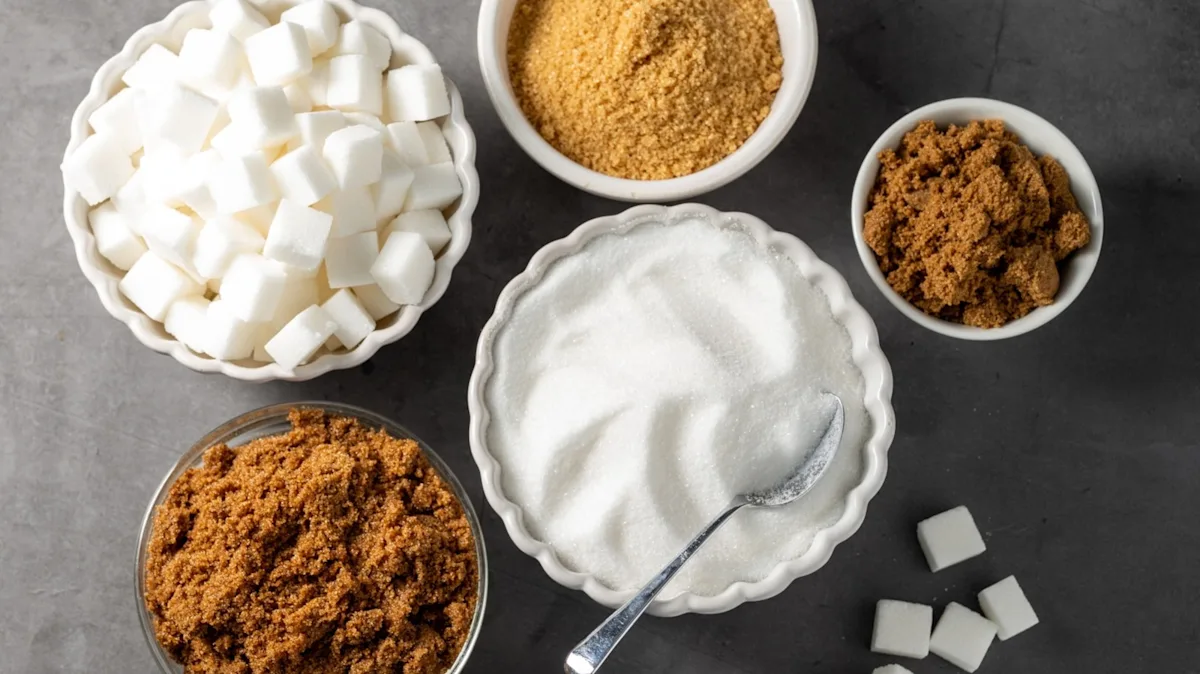
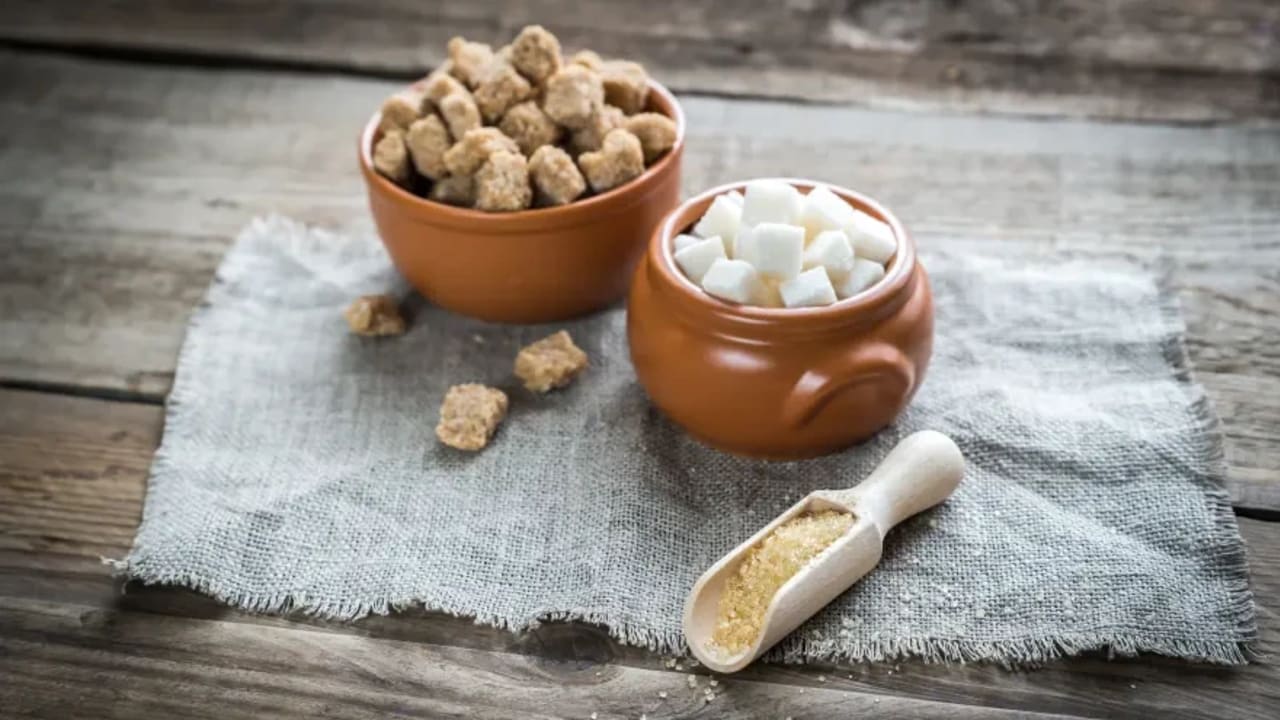
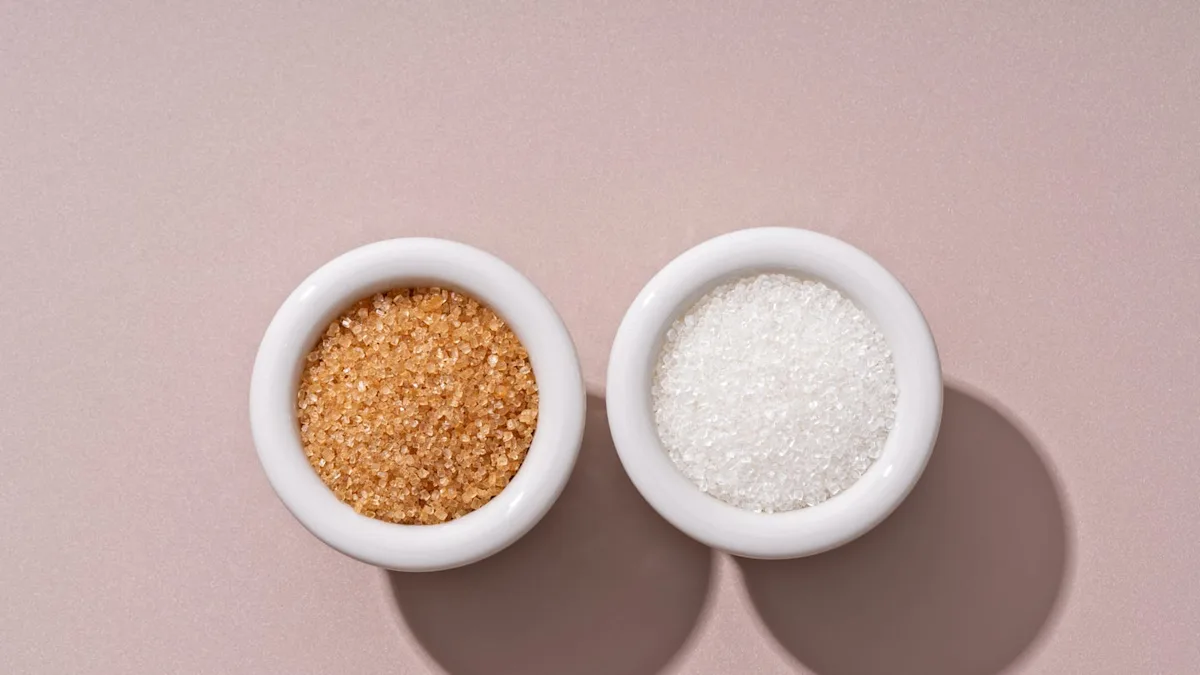
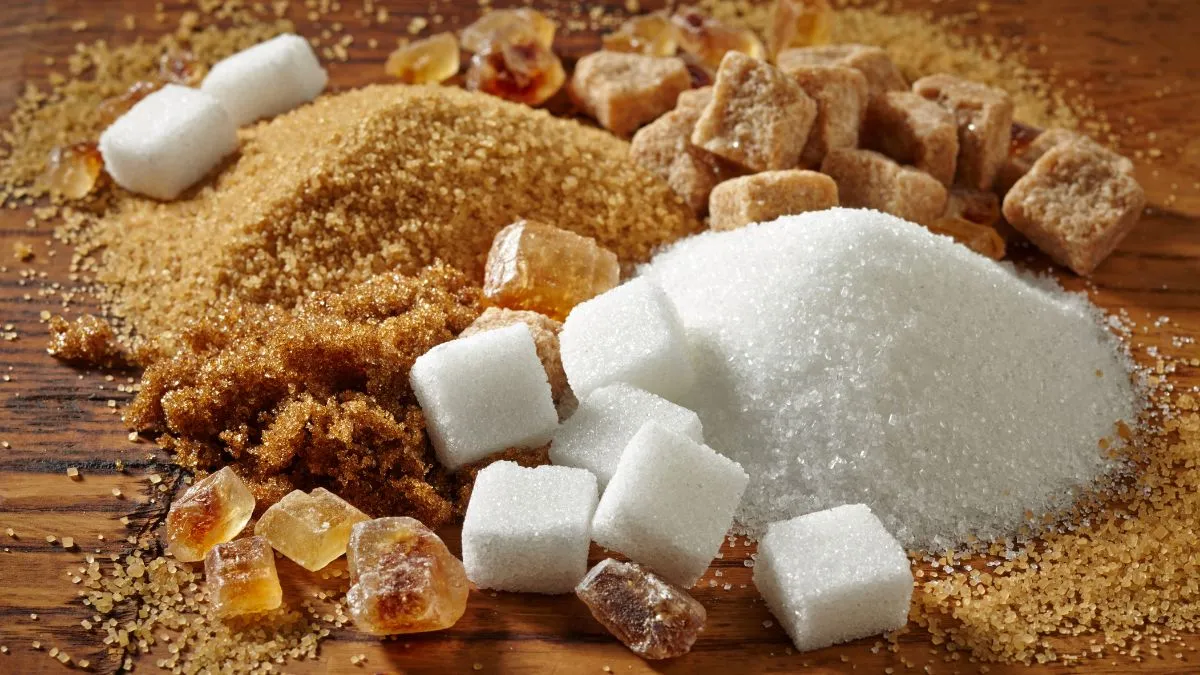
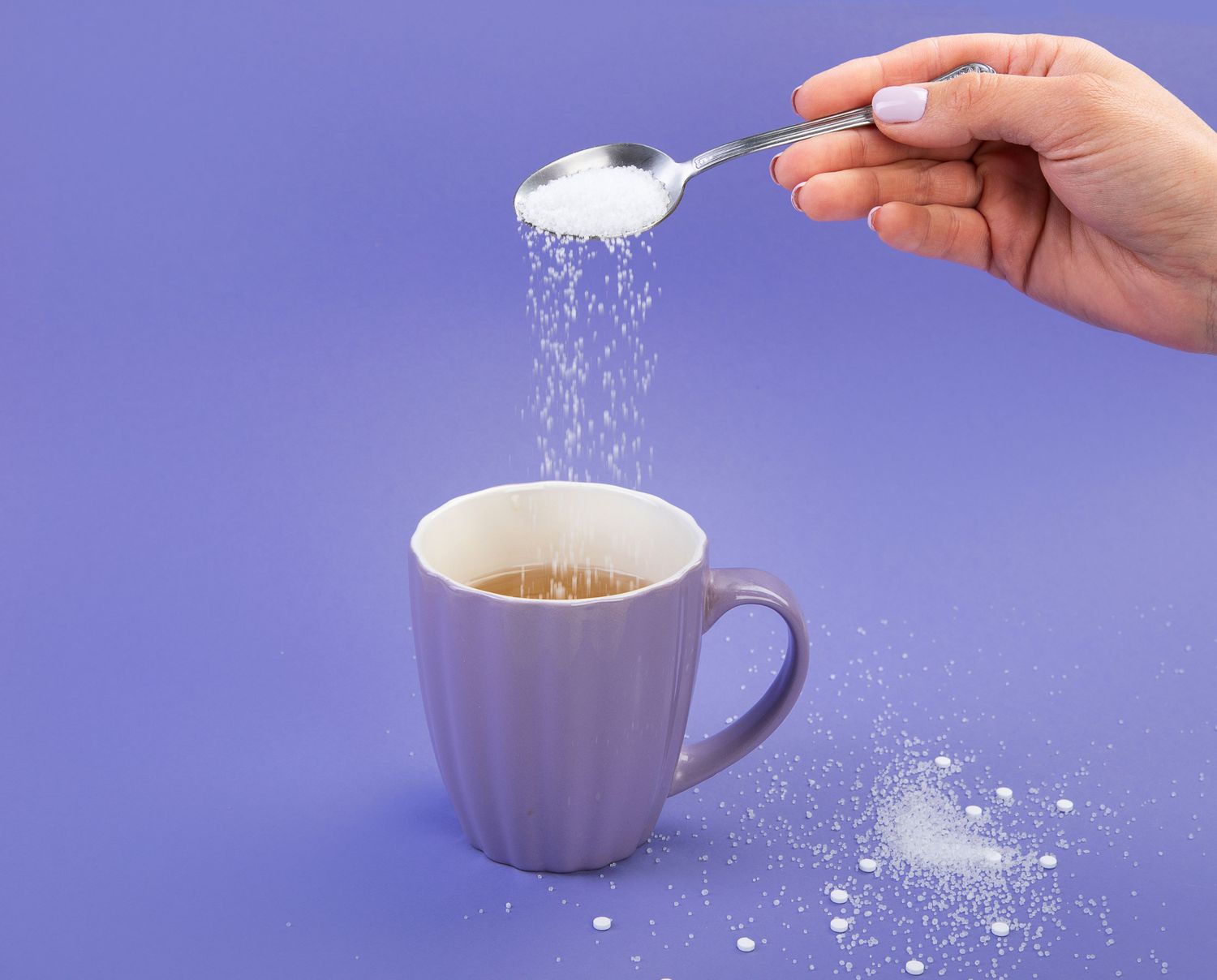
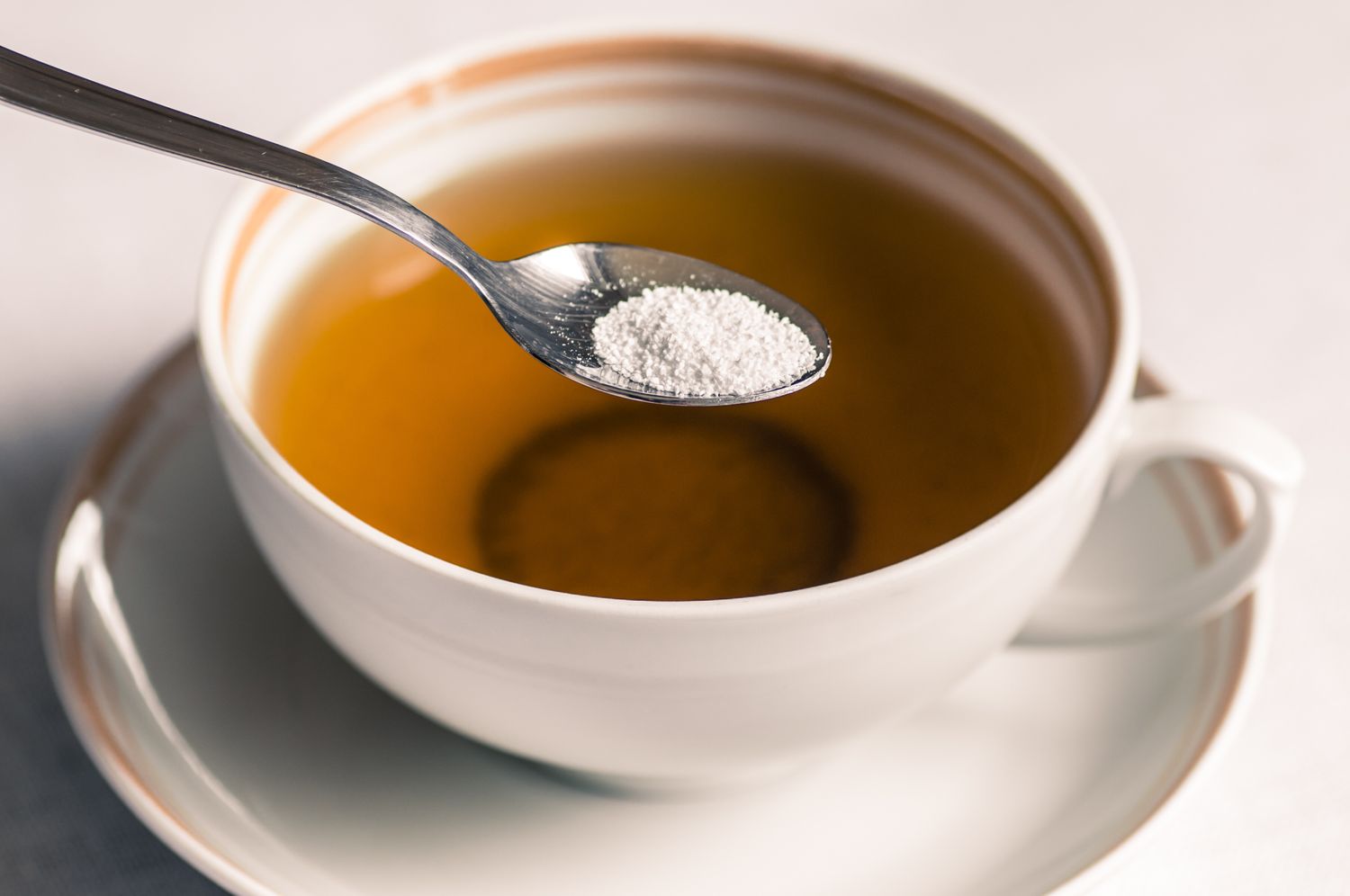
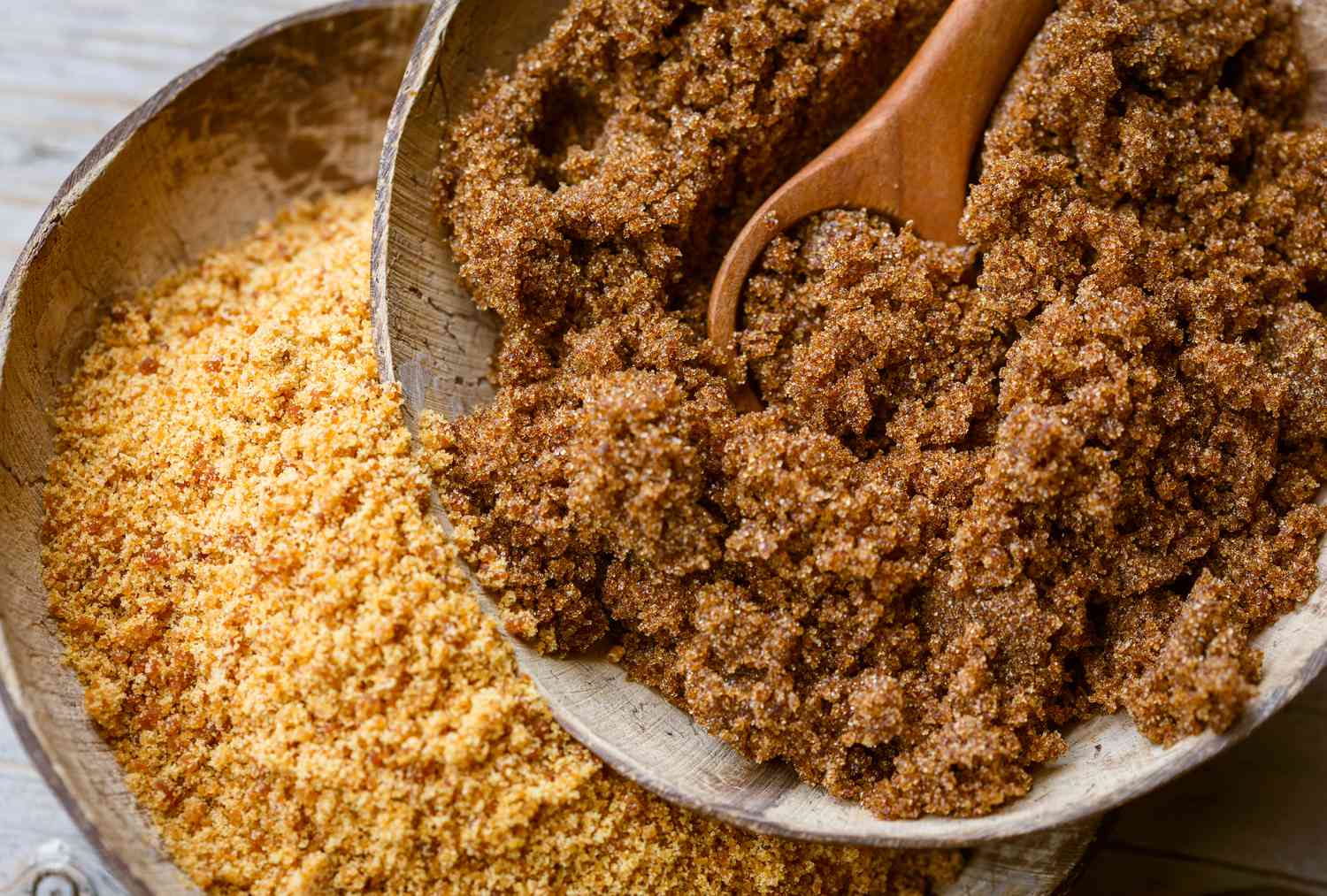
Another interesting fact is that sugar is naturally white. It starts out golden when it still has some non-sugar materials attached to the crystals. After it is purified, the leftover plant materials and molasses are removed, leaving white sugar crystals. Sugar also doesn’t have an expiration date.
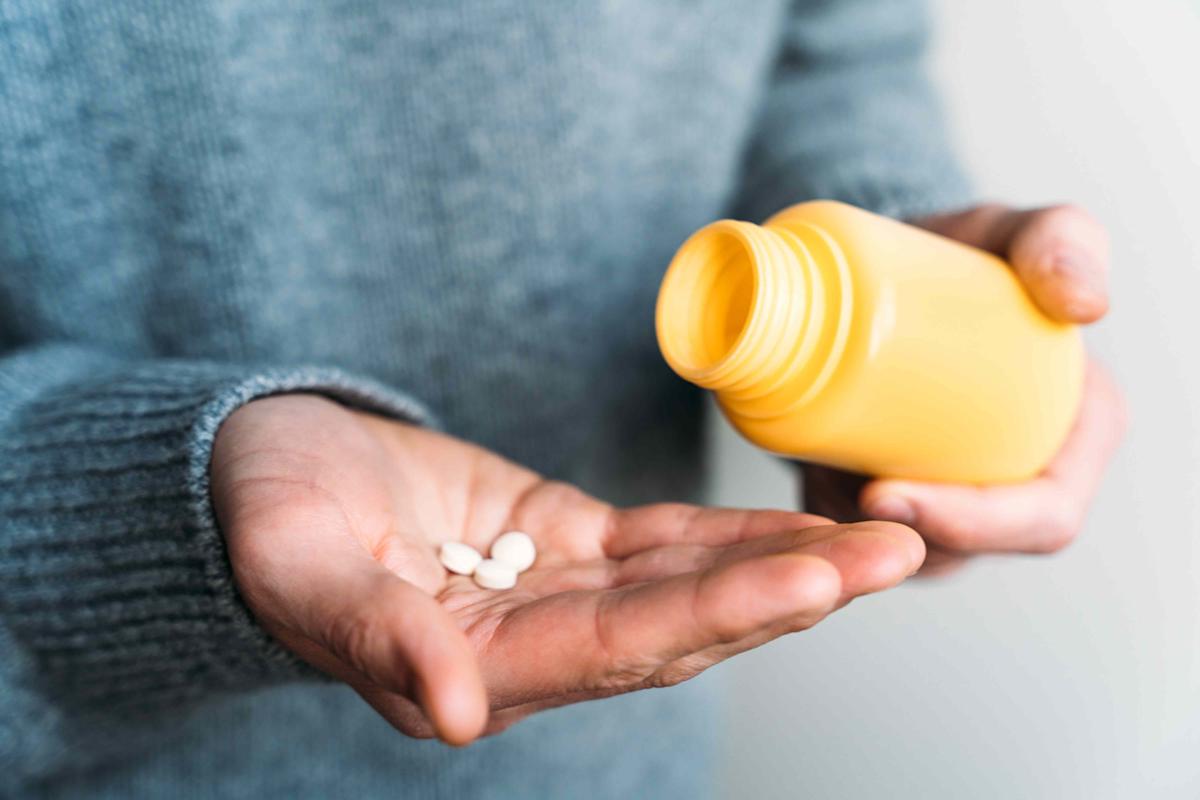
Sugar is a natural product (since it’s exactly the same as it’s found in fruit) that has a place in a balanced diet. It is found in many foods and even some medicines and pharmaceutical products. It also contains no other preservatives or additives, which is pretty cool that we can go from plants to sugar with only a few steps! Sugar is a product that we sometimes take for granted or tend to vilify. But in a balanced diet sugar absolutely has a place. It’s always nice to know where your food comes from and sugar is no exception!
Michelle Miller, the Farm Babe, is a farmer, public speaker, and writer who has worked for years with row crops, beef cattle, and sheep. She believes education is key in bridging the gap between farmers and consumers. Find more about Michelle on her website.