
-
Sorbitol, a common sugar alcohol used in zero-calorie foods and found naturally in some fruits, isn’t just a passive sweetener — it can be converted inside the body into compounds that stress the liver.
-
In experiments with zebrafish, sorbitol formed in the gut moves to the liver and becomes a fructose derivative, which fuels fat buildup linked to liver disease.
-
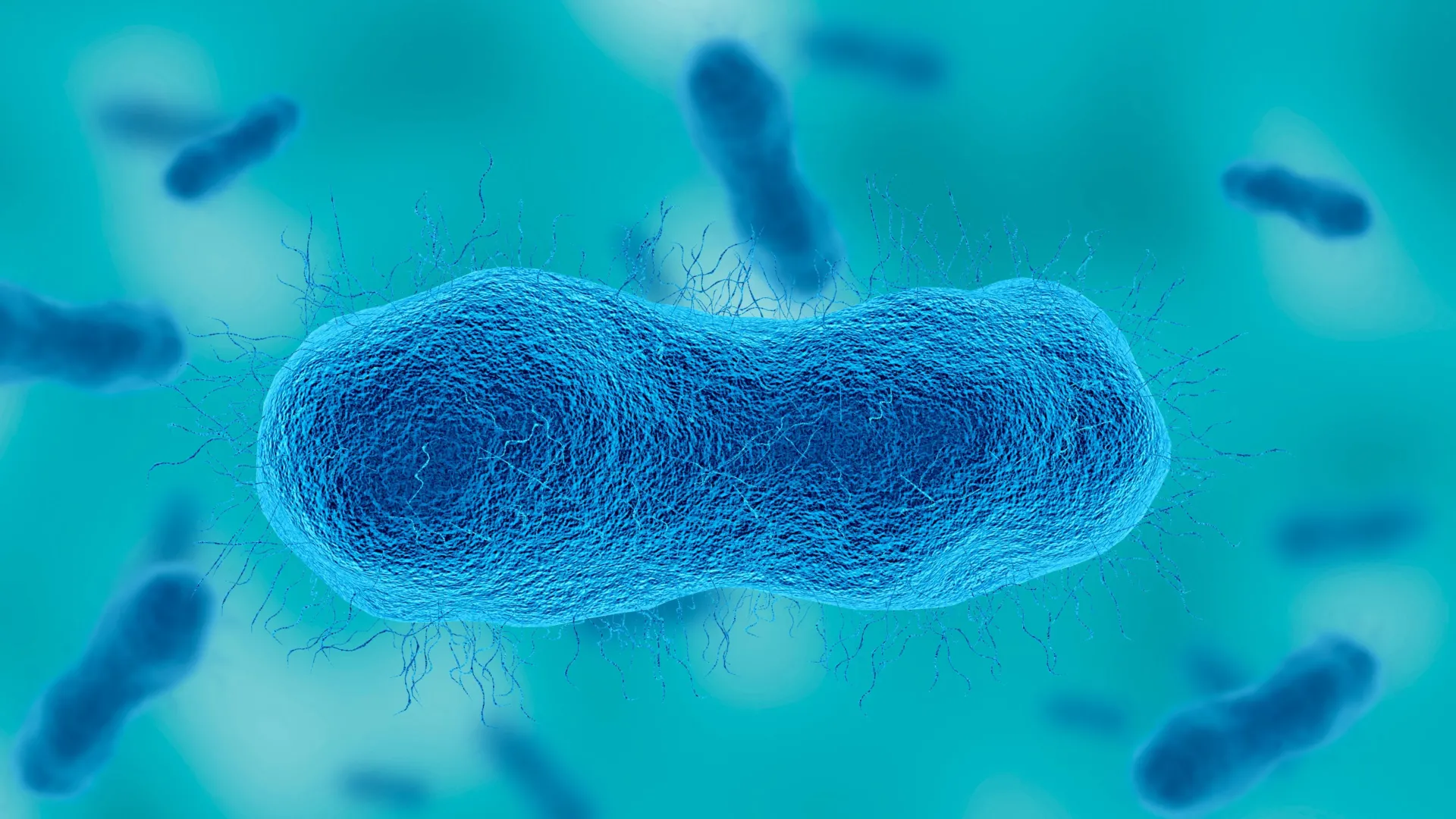
Friendly gut bacteria normally break down sorbitol, but high levels or an imbalance of microbes may allow more sorbitol to reach the liver.
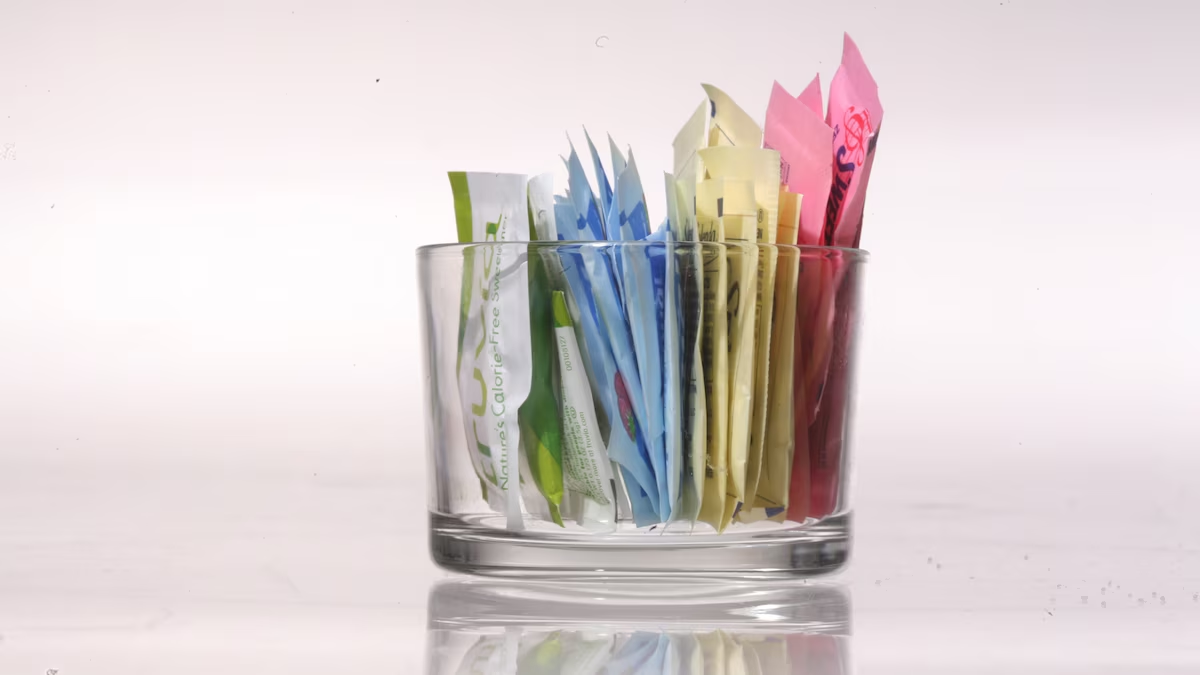
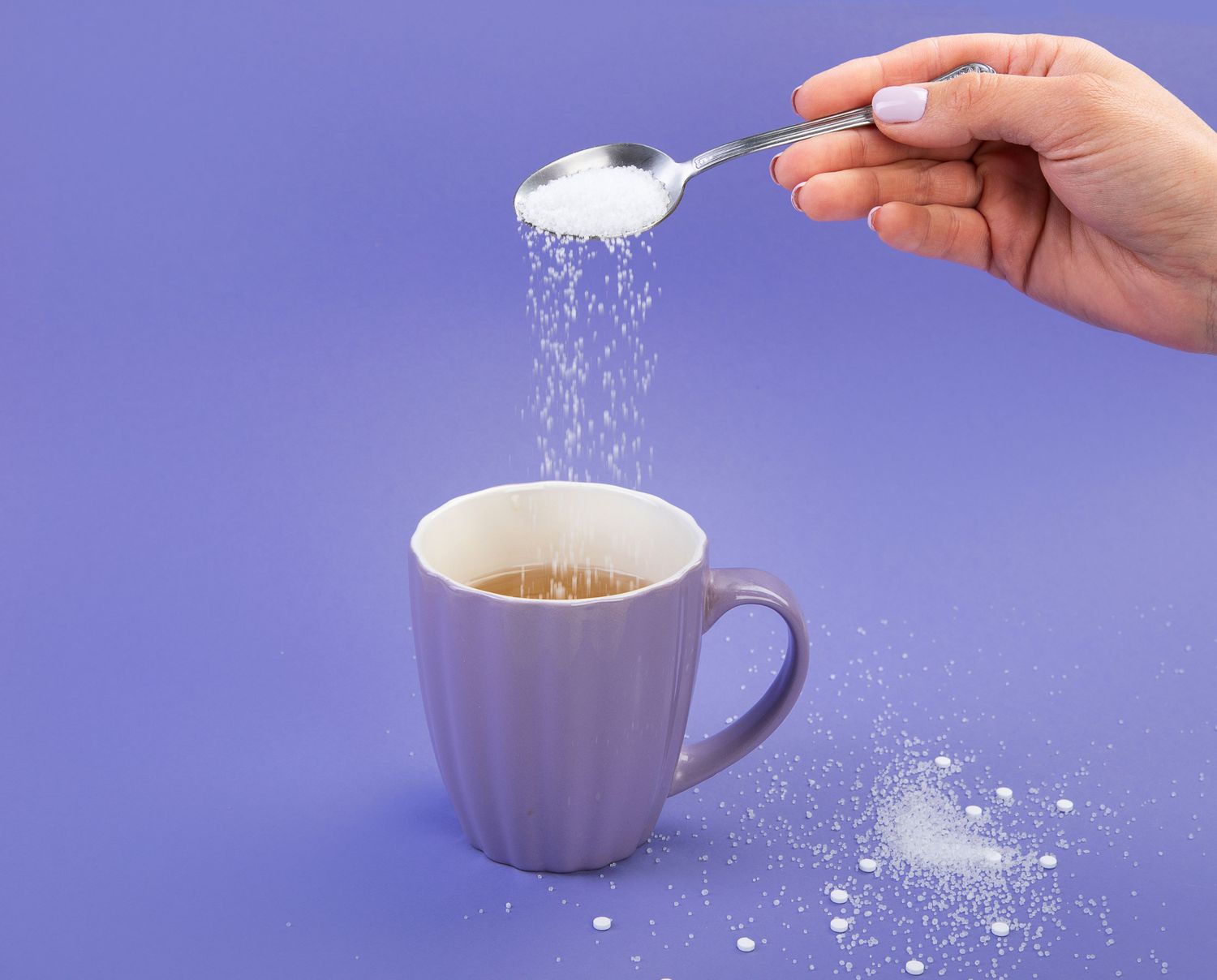
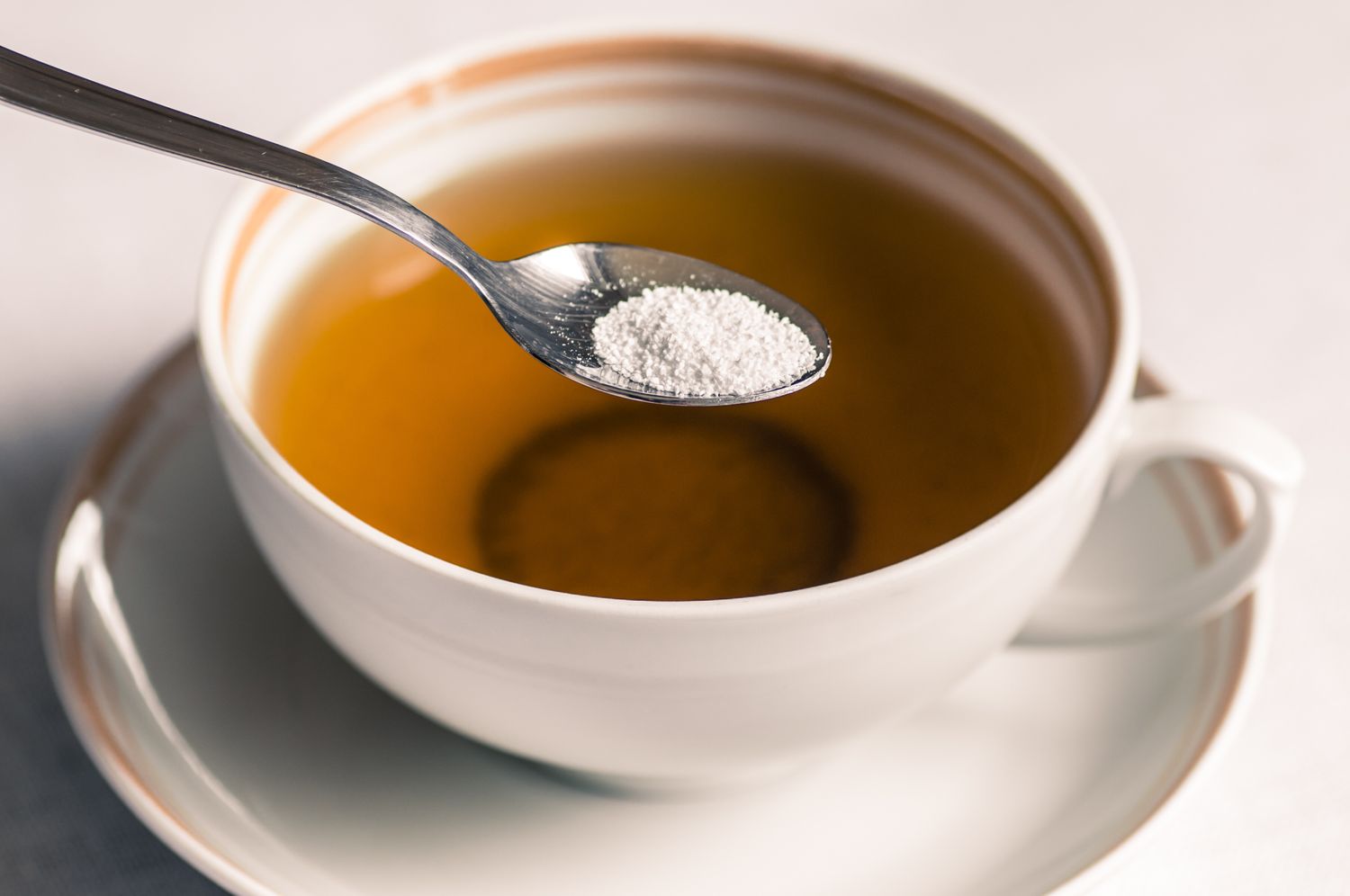
Sorbitol has long been marketed — and often enjoyed — as a “healthier” option for people trying to cut calories or manage blood sugar. It’s a sugar alcohol that adds sweetness without the glycemic spike of table sugar, popping up in sugar-free candies, gums, and many “diet” goodies.
But recent research out of Washington University in St. Louis is prompting scientists and consumers alike to rethink that assumption.
The work suggests that sorbitol may not be quite as biologically innocent as its packaging implies — especially when it comes to how the liver handles it.
The study
To understand how sorbitol behaves inside the body, the research team used zebrafish — a species scientists often study because many of its metabolic processes work in ways similar to humans. The goal was to follow sorbitol step by step and see where it goes after it’s produced or consumed.
The researchers focused on the gut and the liver, two organs that play major roles in processing sugars. Using advanced lab tools that let them track tiny molecules, they discovered that cells in the intestine can actually turn glucose into sorbitol. That means sorbitol isn’t just something we eat — it can also be made inside the body.
In simple terms, the study followed sorbitol’s journey through the body and found that whether it stays in the gut or reaches the liver may depend heavily on the health of the gut microbiome.
What the results mean — and don’t mean
The researchers discovered that when sorbitol remains in the gut, certain bacteria can break it down before it causes problems. But when those helpful microbes are reduced or overwhelmed, more sorbitol is able to travel from the intestine to the liver.
Once it reaches the liver, sorbitol doesn’t just pass through harmlessly. The liver converts it into a compound related to fructose. Unlike glucose, which the body uses widely for energy, fructose is processed almost entirely in the liver. That process can trigger the production of fat inside liver cells.
In the zebrafish studied, this chain reaction — sorbitol moving from the gut to the liver and then being converted — was linked to fat buildup in the liver, a hallmark of steatotic liver disease.
The findings suggest that sorbitol may contribute to liver fat accumulation under certain conditions, particularly when the gut microbiome isn’t able to effectively break it down first.
While the study was conducted in zebrafish and more research is needed to understand how this translates to humans, the results highlight how a sweetener often considered a safer alternative can still have meaningful effects inside the body.