
Reviewed by Dietitian Casey Wing, RD, CD

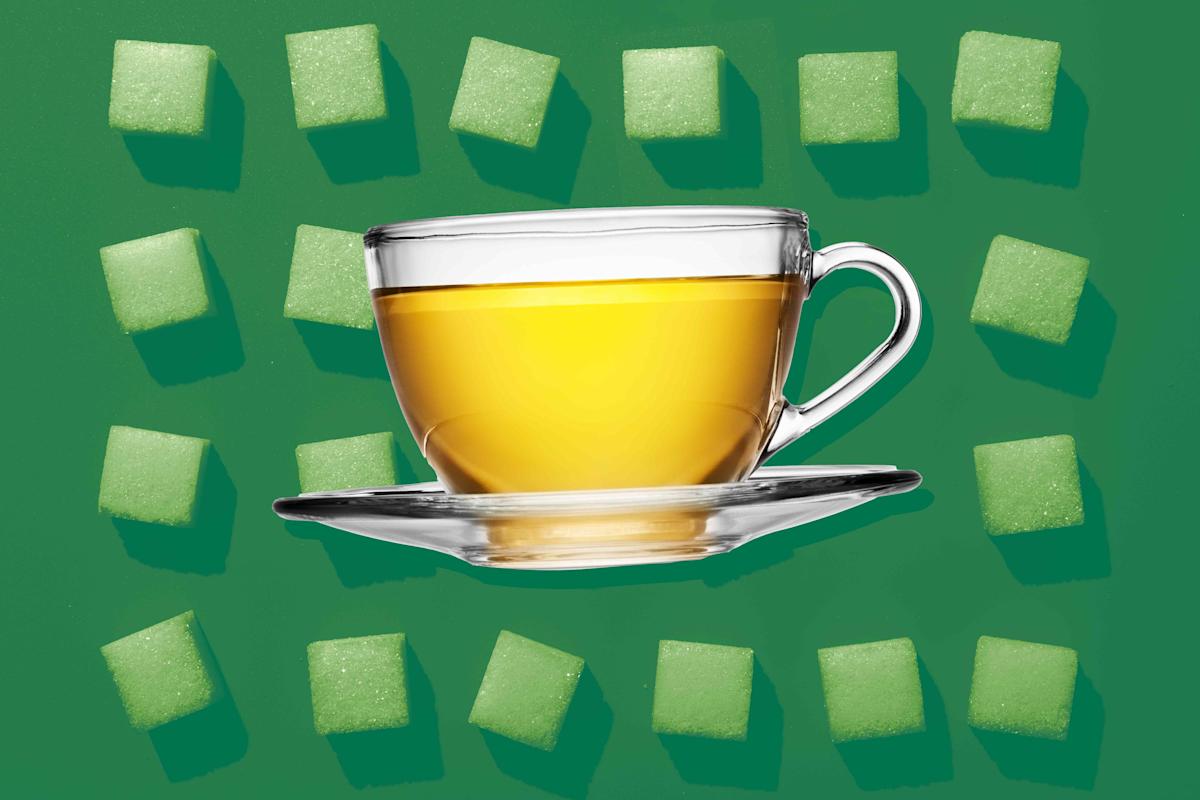
Credit: Getty Images. EatingWell design.
Key Points
-
Herbal teas like chamomile and cinnamon may help reduce blood sugar spikes after meals.
-
Better sleep from herbal tea may lower cortisol, supporting healthier blood sugar levels.
-
Staying hydrated with herbal tea can prevent dehydration-related blood sugar increases.
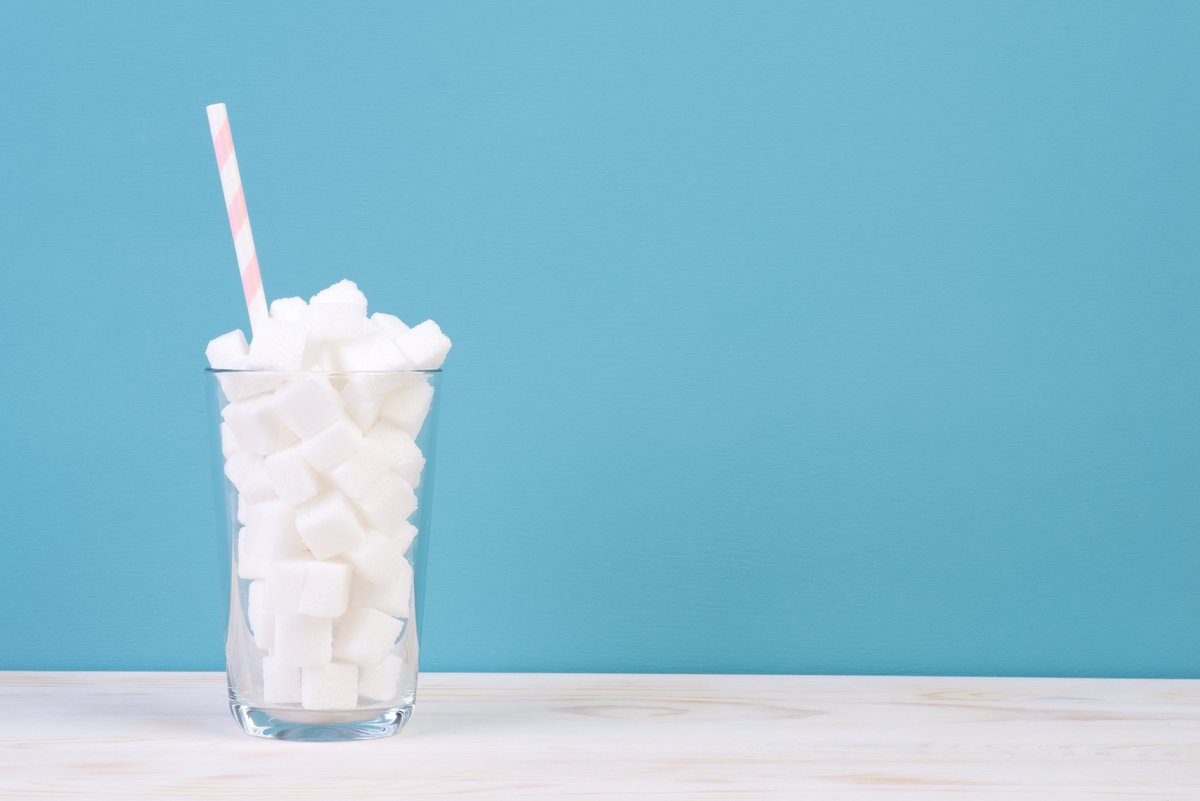
You may spend some time thinking about how the food you eat at night affects your blood sugar, but the truth is, your drink choices have an impact, too. Sugary drinks can spike your blood sugar, making them a less-than-ideal choice. But some drinks, like herbal tea, can have a more positive impact. Research suggests that certain herbal teas like chamomile and cinnamon may work in a few different ways to help you avoid high blood sugar, such as reducing blood sugar spikes after eating. Plus, some herbal teas may help you sleep better. Poor sleep is a well-established driver of elevated cortisol, which can make it harder for the body to properly manage blood sugar. By supporting better sleep, there’s a chance that chamomile tea may help interrupt that cycle.
“The less disrupted and more sound sleep someone can achieve, the greater their ability to dampen potentially high levels of cortisol in the body,” says Tracy Lockwood Beckerman, M.S., RD, explaining that keeping cortisol in check can lead to more regulated blood sugar levels.
Curious about the potential benefits of herbal tea for better blood sugar? Here are some reasons why registered dietitians recommend it.
What Makes Herbal Tea Great for Better Blood Sugar
It May Reduce Blood Sugar Spikes After Eating
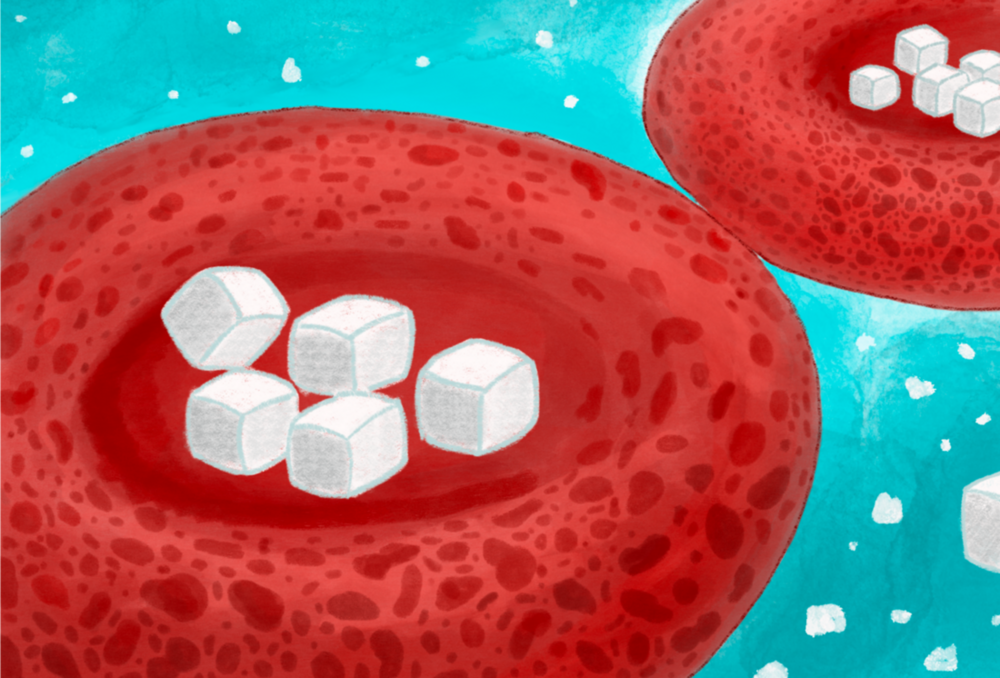
In a recent study, researchers found that drinking cinnamon tea may reduce blood sugar levels in people with type 2 diabetes. The effect was seen in the study participants’ fasting blood sugar levels as well as their postprandial blood sugar levels, which is blood sugar in the hours after eating a meal. Often, blood sugar levels rise after eating, especially if the meal is high in sugars and refined carbohydrates.
“This could be potentially linked to cinnamon’s robust antioxidant profile, which can help blunt glucose spikes while providing impressive anti-inflammatory properties to blood cells,” Beckerman says.
It Can Be Hydrating
Herbal tea can help you stay hydrated. Dehydration can cause the amount of water in your bloodstream to decrease and your blood sugar levels to rise, so hydrating is key.
“A lack of fluids or dehydration may impact blood glucose levels because sugar concentrations in the bloodstream become higher,” says Patricia Kolesa, M.S., RDN. People with diabetes who don’t drink enough fluids may notice elevated blood sugar readings, she says.
It can have a calming effect
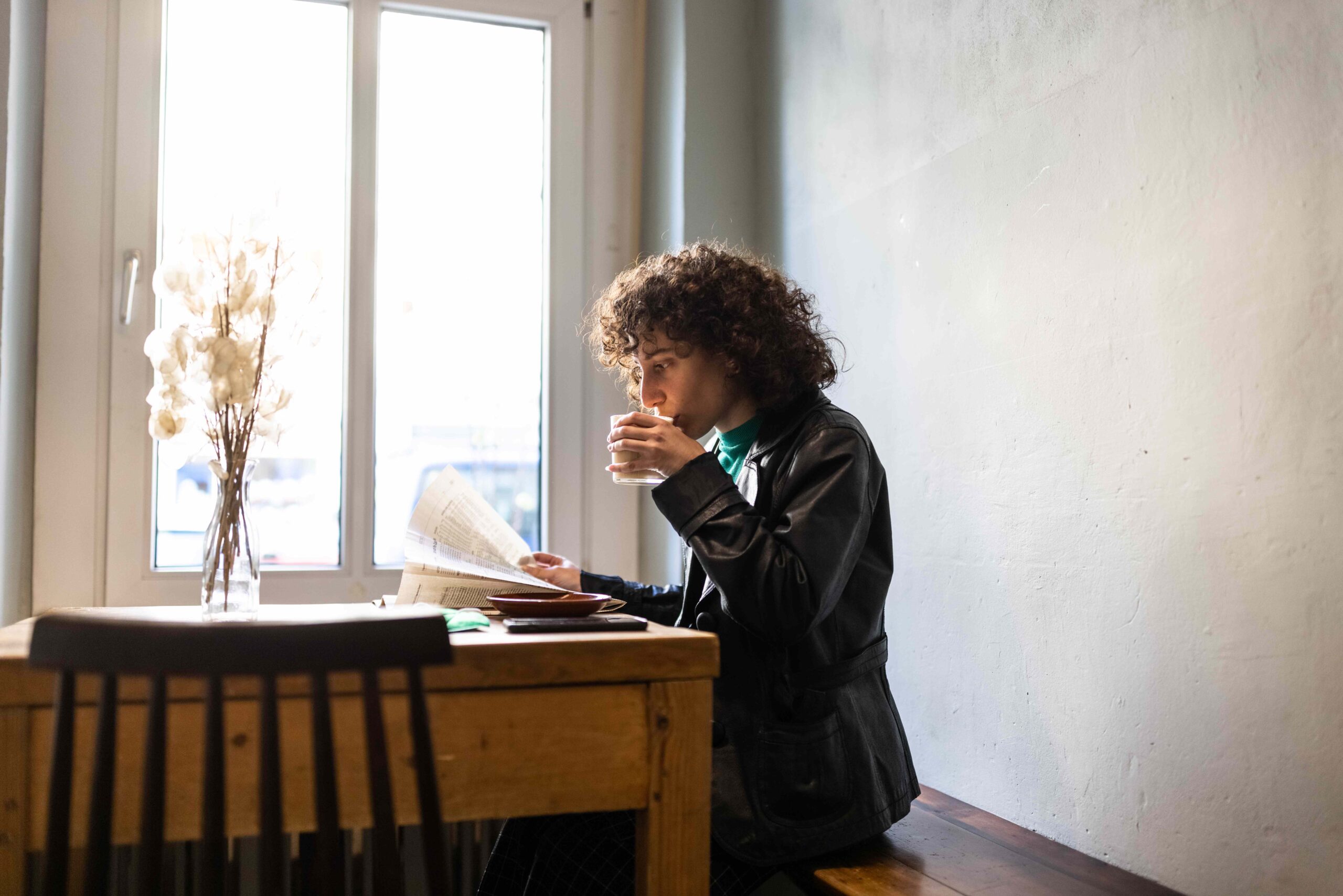
Sitting down with a mug of hot tea is pretty relaxing, and there’s a chance this can have a downstream effect on blood sugar levels. “Sipping herbal tea, such as chamomile or lavender, slowly and carefully helps wind down the body,” Beckerman says. In turn, this may help lower cortisol increases.
“High cortisol can increase glucose production in the body, even for those without diabetes,” Beckerman says.
It May Help You Sleep Better
A review of 10 studies found that chamomile tea may improve sleep by helping people stay asleep and wake fewer times throughout the night. Interestingly, the findings showed that chamomile tea doesn’t seem to help people sleep longer or more efficiently.
If you’re not getting enough sleep, you could experience higher cortisol levels.
“Lowering cortisol levels through greater sleep hygiene can not only help reduce sugar cravings, but it could also lead to lower fasting blood sugar levels in the morning,” Beckerman says.
How to Choose Healthy Drinks for Better Blood Sugar
-
Be mindful of your caffeine intake. “Caffeine releases cortisol, which then releases stored glucose, potentially causing a rapid rise in blood sugar,” Kolesa says. “If you’re generally caffeine-sensitive, pair your caffeinated beverage with a protein-rich meal or snack, or opt for decaf.”
-
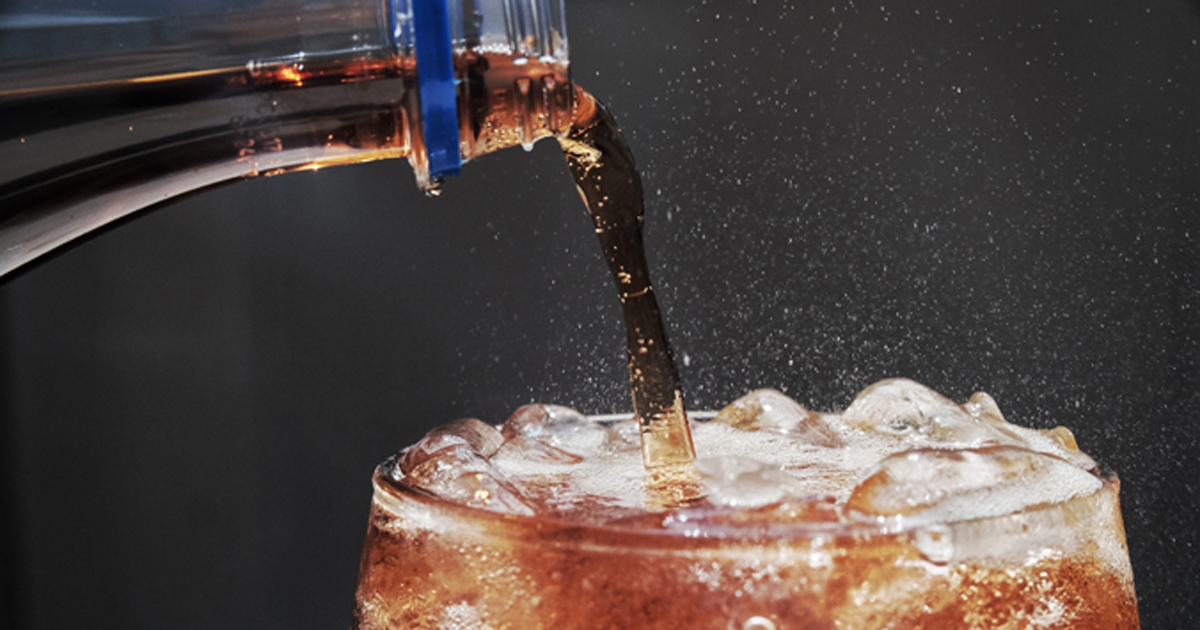
Watch out for added sugars. Keep an eye out for drinks with ingredients like simple syrup, cane sugar, high-fructose corn syrup or fruit concentrates, Kolesa says. They’re commonly found in coffee drinks, sweetened teas and soft drinks. “Added sugars can cause a rapid rise in blood glucose, followed by a crash that may lead to fatigue,” Kolesa says.
-
Read the Nutrition Facts label, even if the packaging says “no sugar added.” Sometimes, a drink might still have a high sugar content, so it’s worth reading the nutrition facts before drinking, Beckerman says.
-
Try a drink before investing in a bulk supply. “If a new trendy drink looks appealing to you, has minimal ingredients and passes your nutrition fact scan, start off by buying one and don’t invest in a case,” Beckerman says. You want to get feedback on how your body responds to that beverage and how you feel after drinking it first, she says.
-
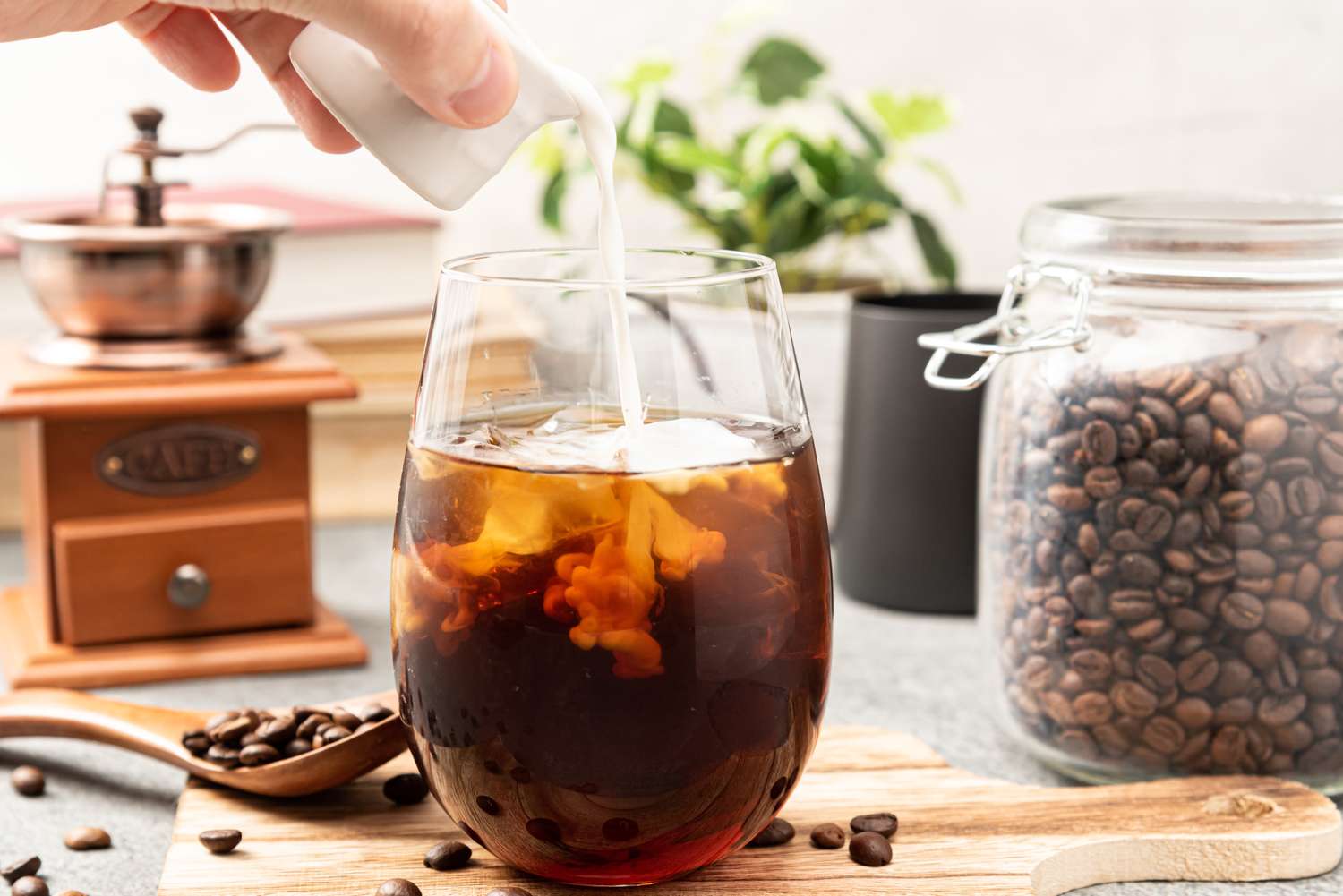
Make sure your coffee creamer isn’t high in added sugars. “Unsweetened creamers like half-and-half, unsweetened plant milk and heavy cream have a lower impact on blood sugar levels,” Kolesa says. “Limit sweetened creamers to a serving size of 1 to 2 tablespoons.”
Our Expert Take
Managing blood sugar isn’t just about what you eat—what you choose to drink before bed makes a difference, too. Herbal tea may impact how well you sleep, how you handle stress and how hydrated you are, and all of these factors can impact how your body manages blood sugar. Some research suggests that cinnamon tea may even play a role in reducing the rise in blood sugar that typically occurs after eating. All of these effects are modest, and herbal tea is no magic bullet for blood sugar. But as far as evening drinks go, this one is a good choice.
Read the original article on EatingWell