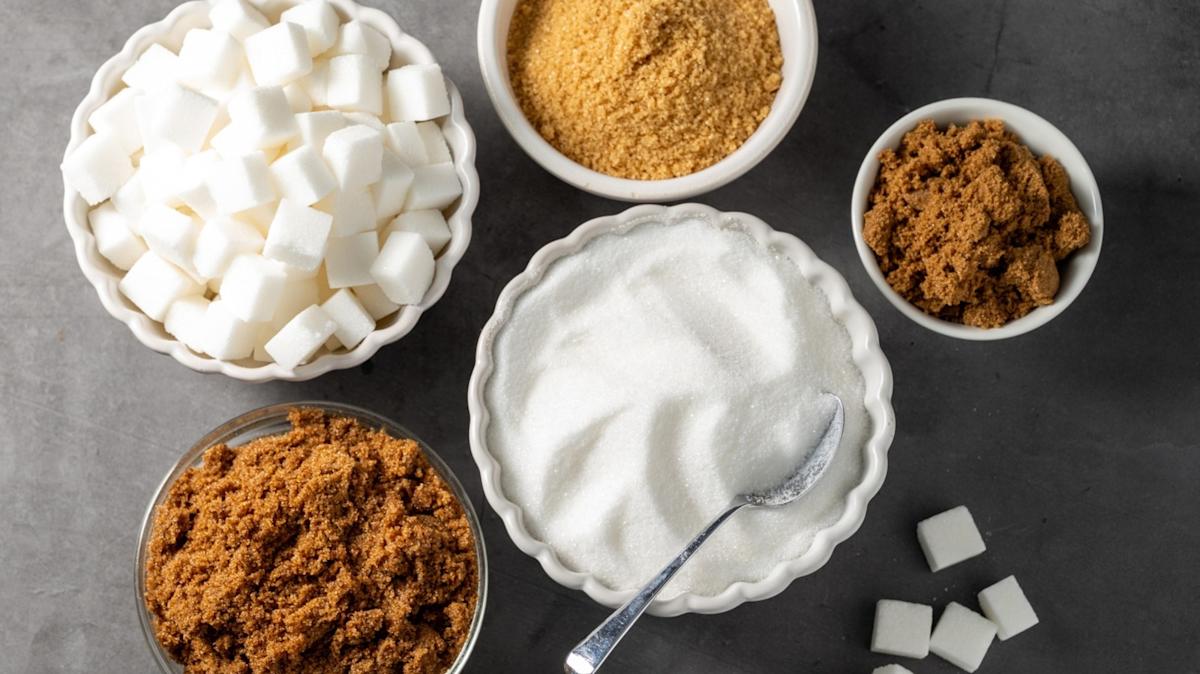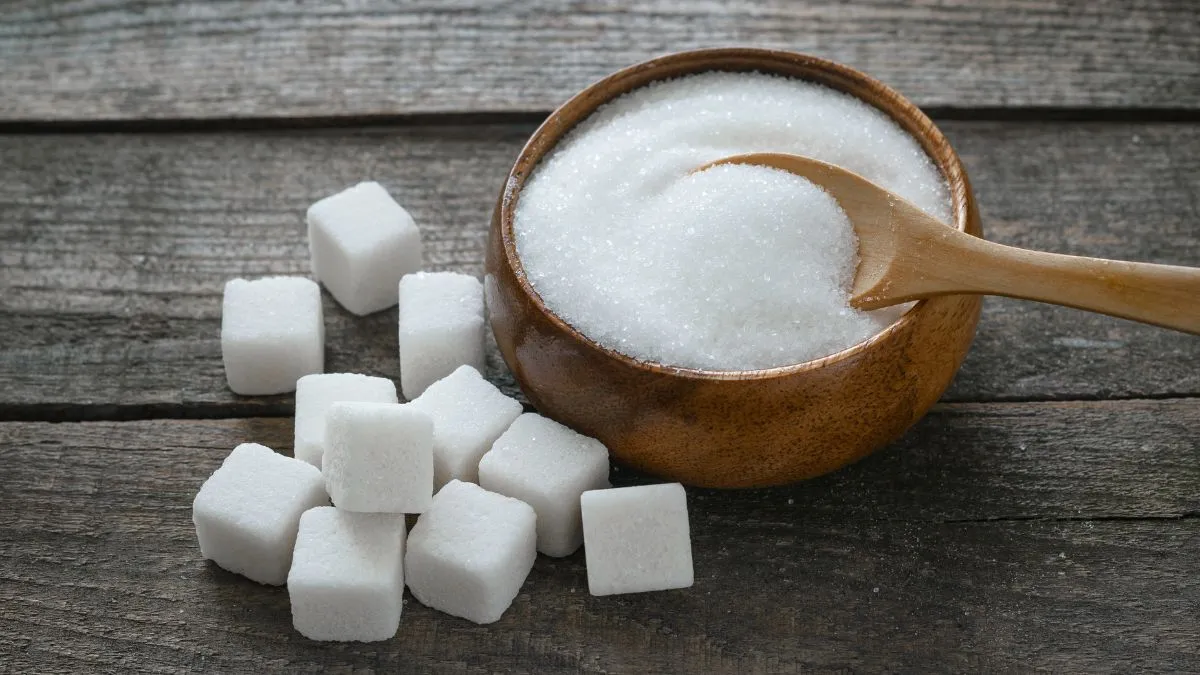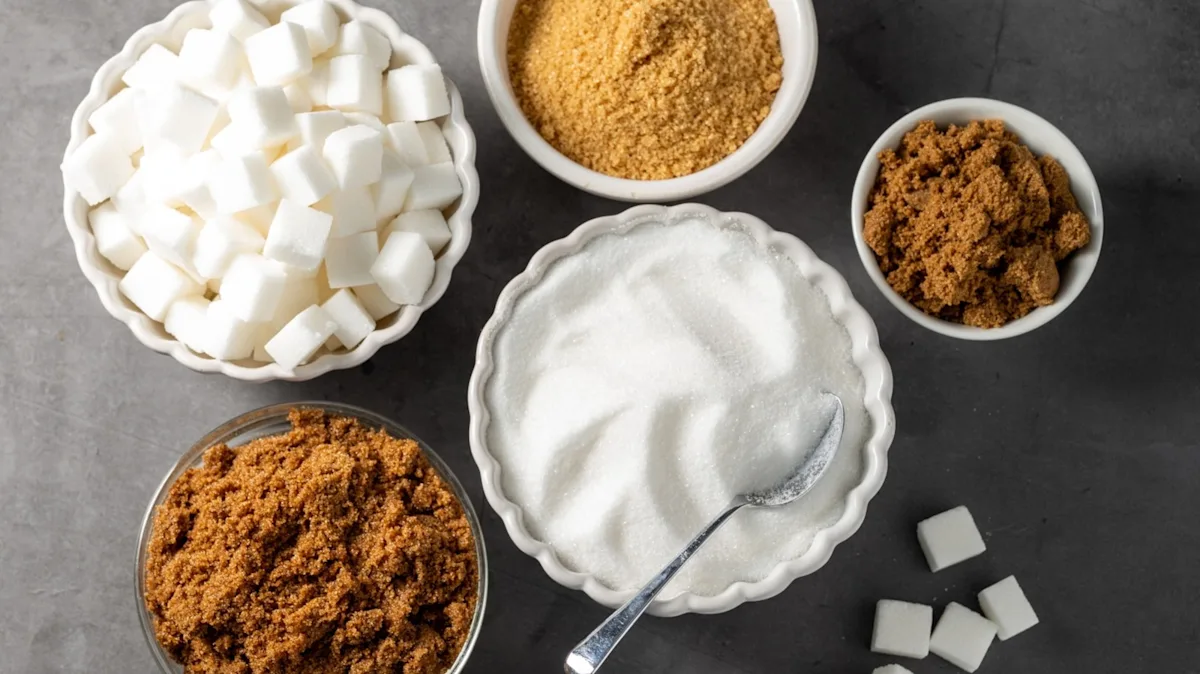


In the home kitchen and in cafes, brown sugar is perceived as a conscious and healthier choice. The dark color, the moist texture and the natural image create the feeling that it is a better alternative to white and processed sugar. However, medical reports and nutritional analyses paint a very different picture, one that dismantles the health distinction and leaves mainly a culinary and aesthetic difference.
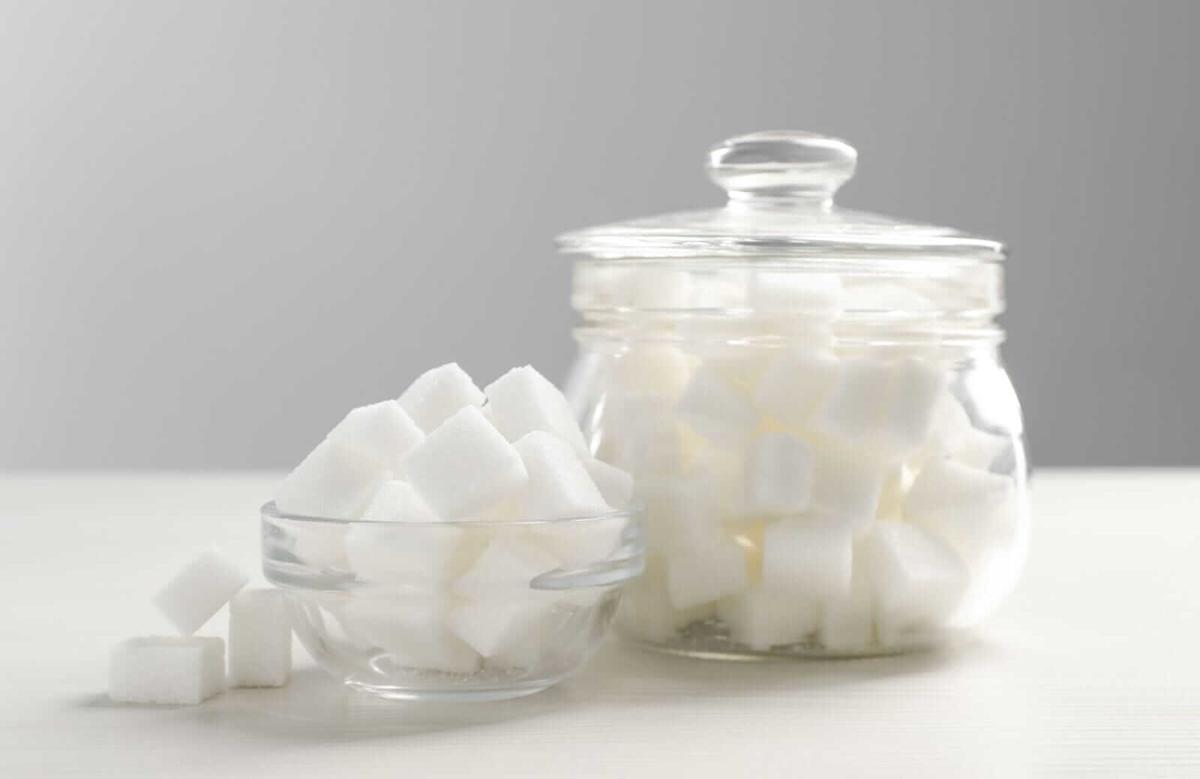
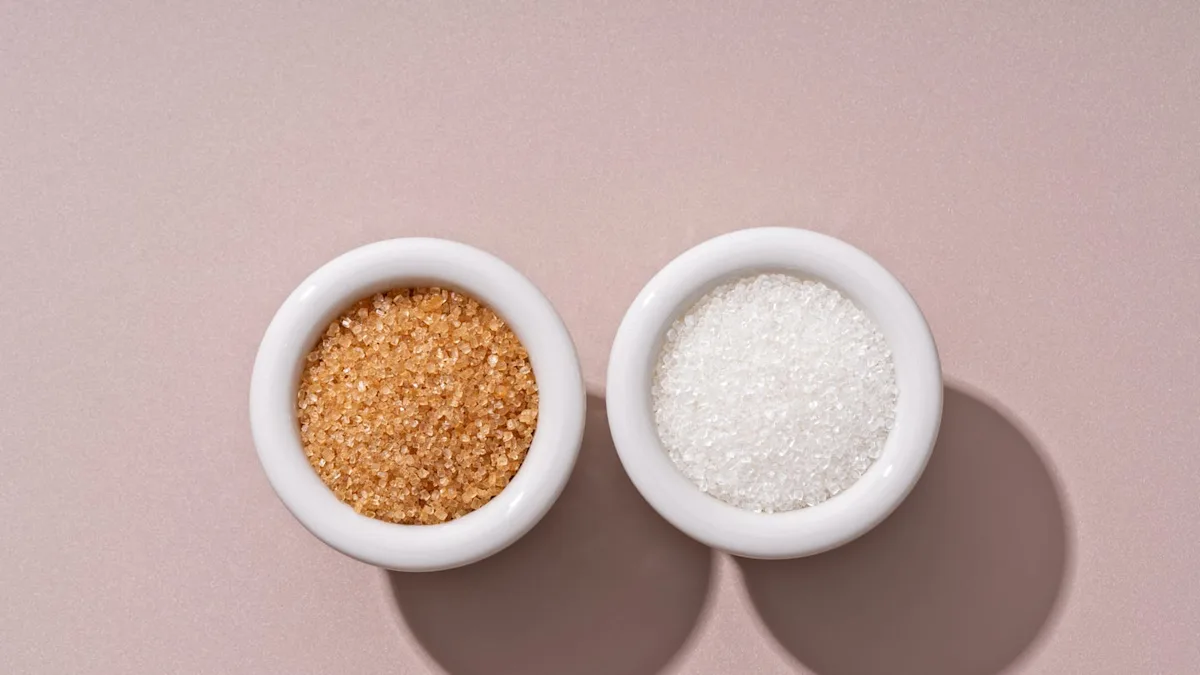
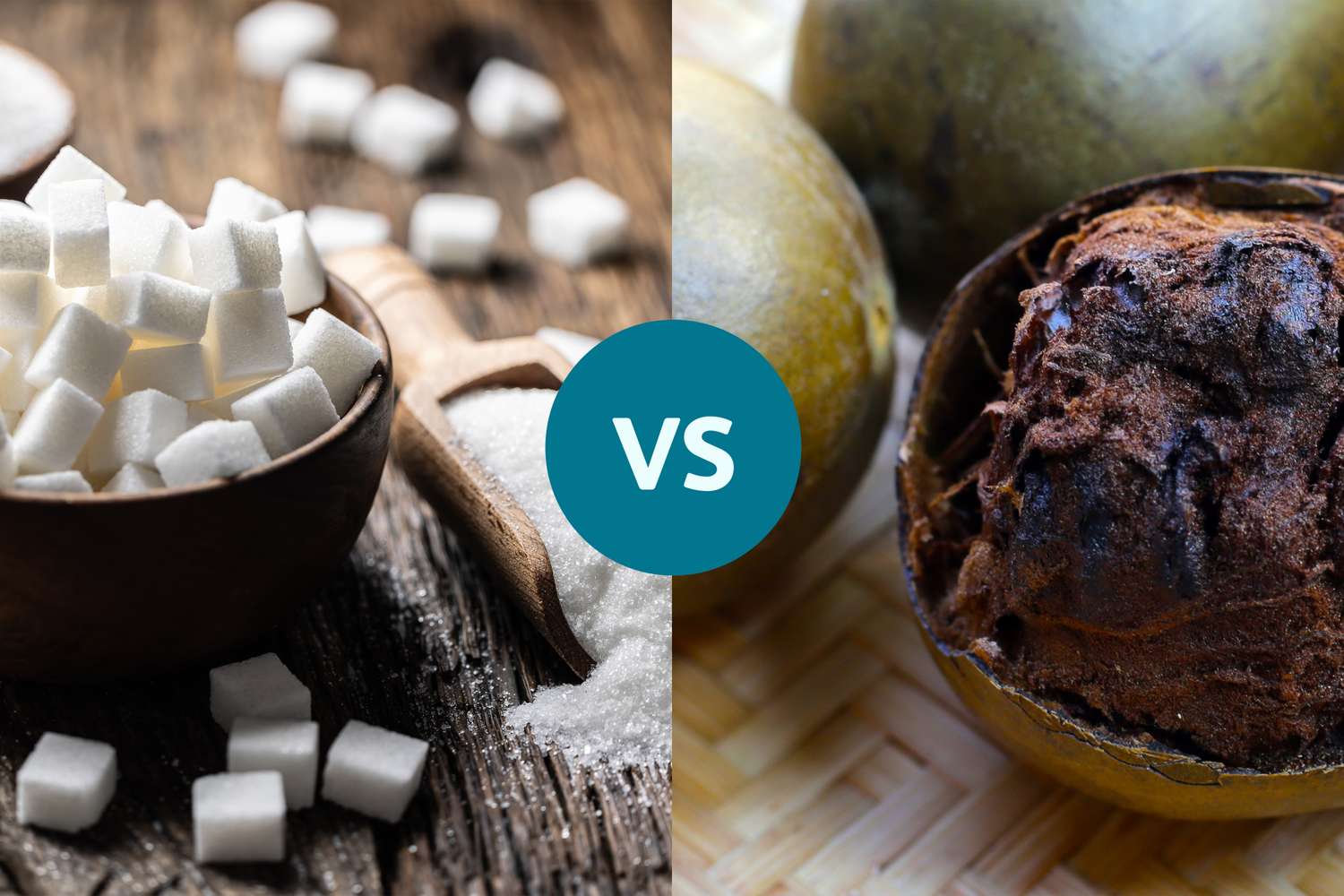
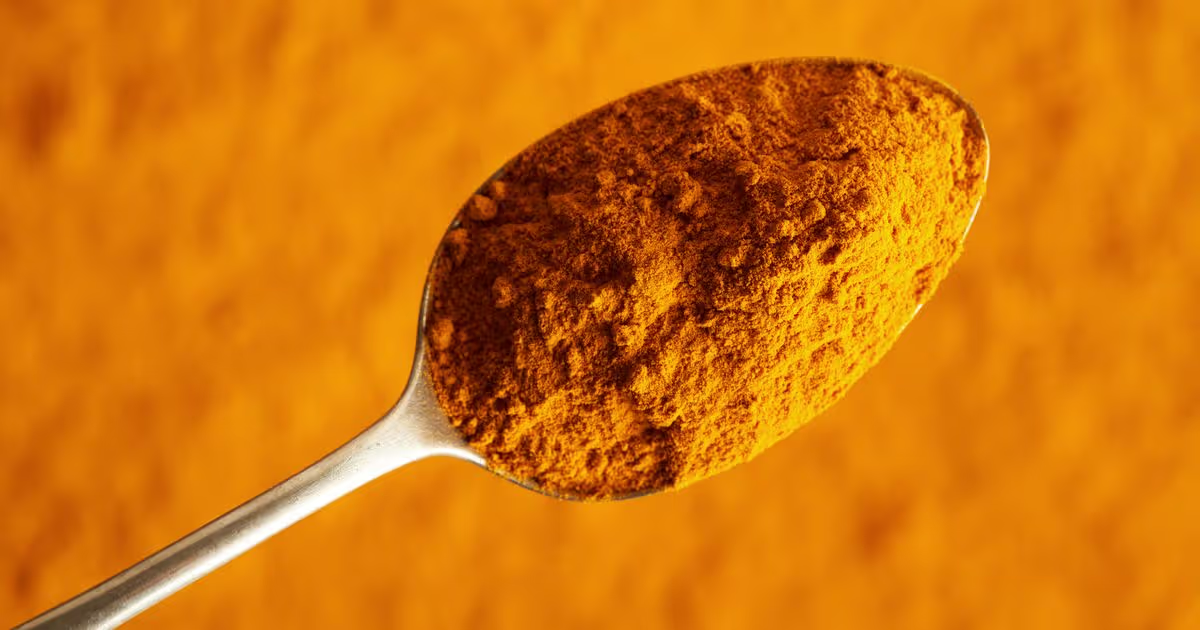
Brown sugar is perceived by the public as a less harmful version of sugar. Many believe it contains more minerals, fewer calories and less industrial processing. In practice, in most cases brown sugar is nothing more than white sugar that has undergone a reverse process: The addition of molasses, a byproduct of refining sugarcane or sugar beet. The molasses is what gives brown sugar its dark color, deeper flavor and moist texture.
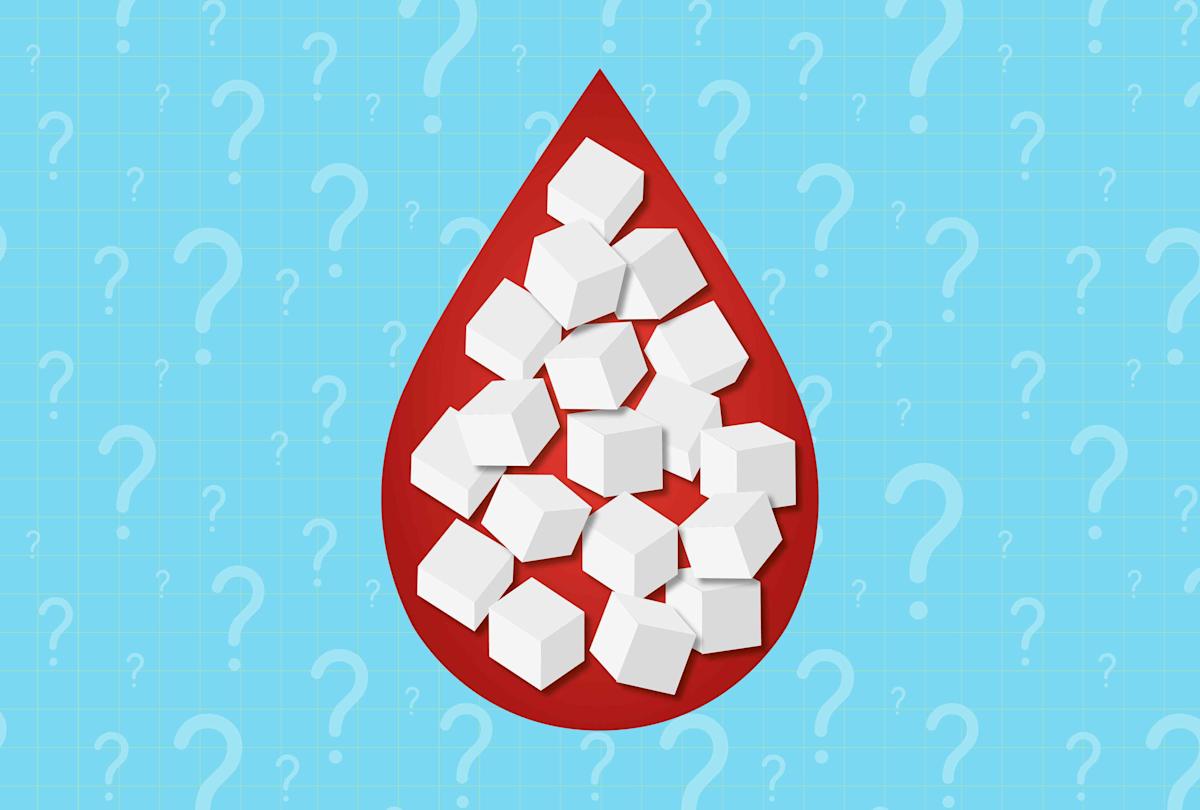
From a chemical and nutritional standpoint, the similarity between the two types of sugar is almost absolute. Both are composed of sucrose, a disaccharide that breaks down in the body into glucose and fructose. Nutritional reports show that the body does not know how to distinguish between white and brown sugar, and both affect blood sugar levels in the same way. A similar glycemic index, a similar insulin spike and an identical effect on metabolism.
The claim that brown sugar contains beneficial minerals is also revealed to be misleading. Although the molasses adds traces of calcium, potassium, iron and magnesium, the amounts are negligible to the point of clinical insignificance. Nutritional reports emphasize that in order to obtain an amount of minerals equivalent to that found in a single fruit, enormous quantities of brown sugar would have to be consumed, an action that would cause significant health damage long before it provides any benefit.
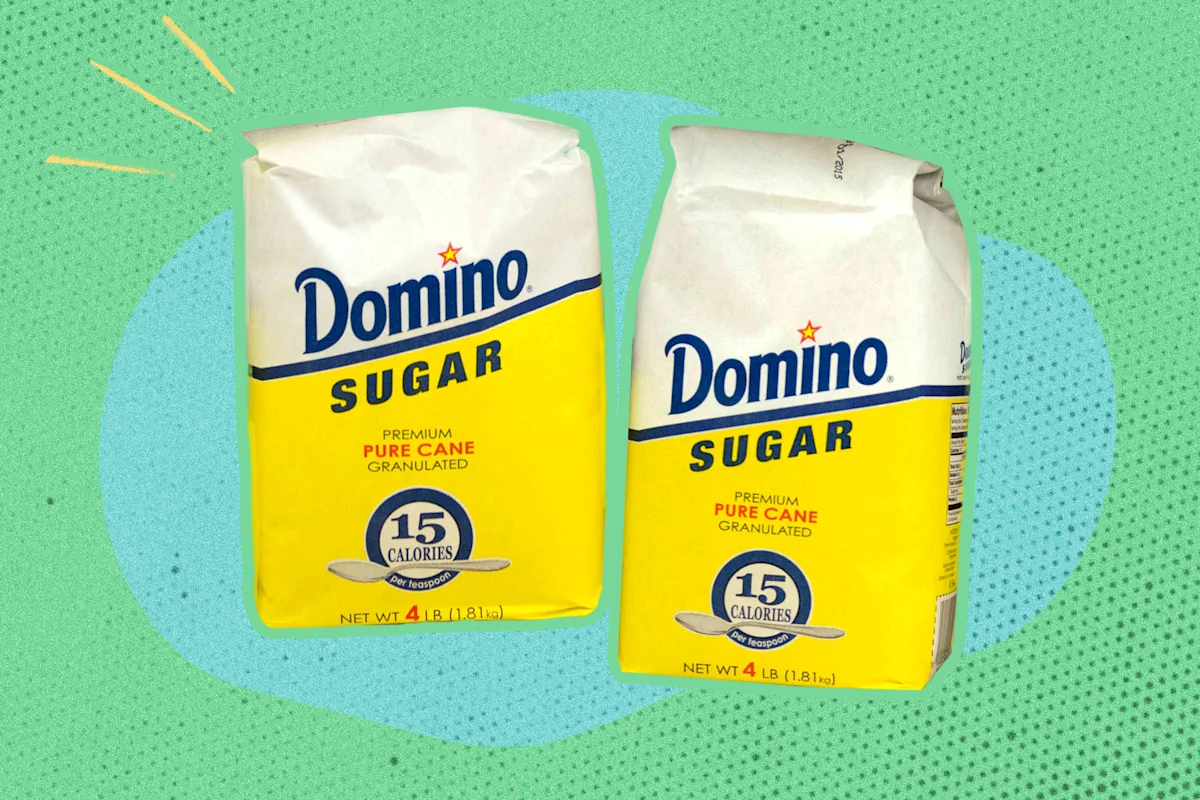
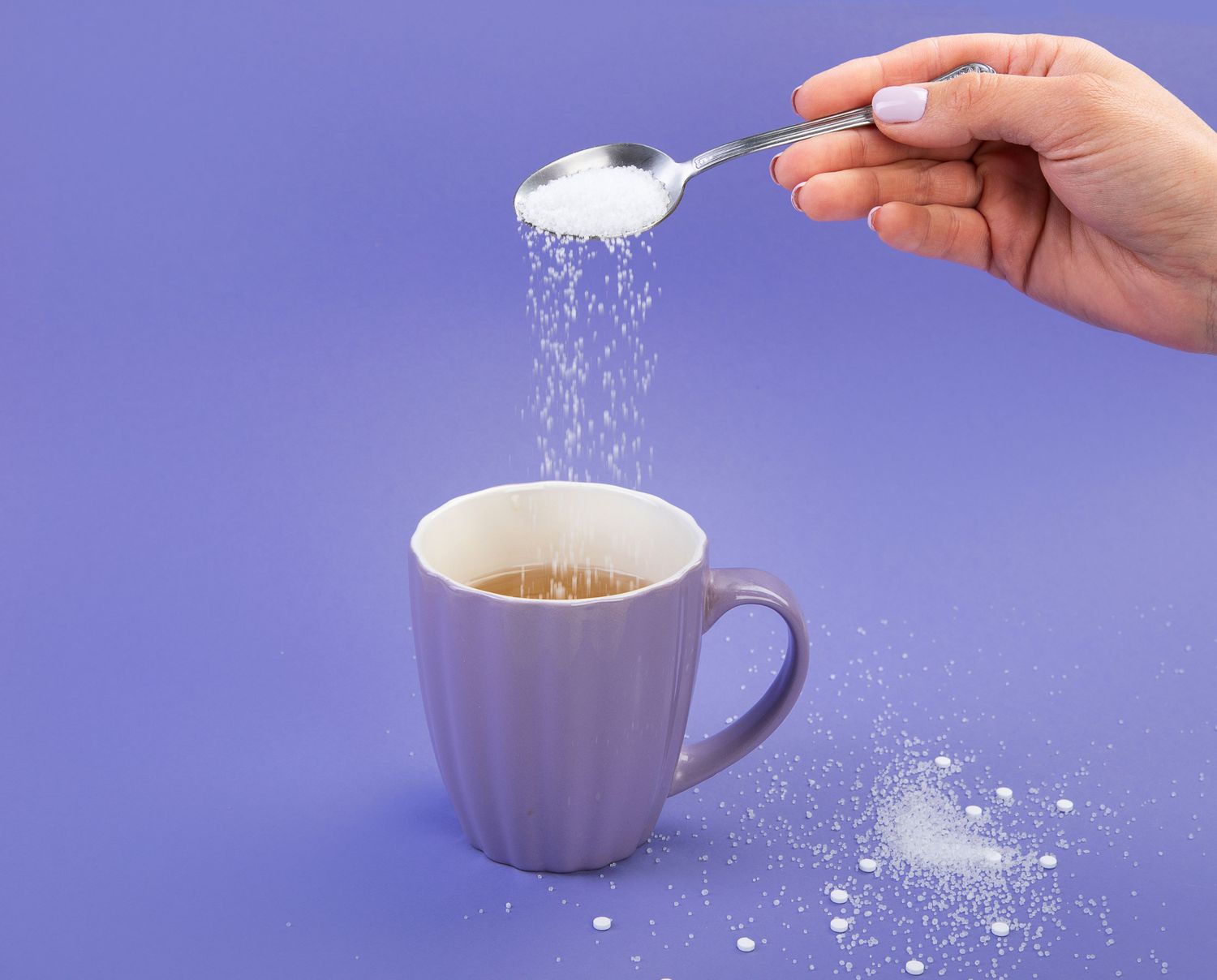
The calorie difference between the two types is almost nonexistent. A teaspoon of brown sugar contains slightly fewer calories than a teaspoon of white sugar, but the difference is negligible and not relevant in the context of a daily diet. Moreover, due to the moist and dense texture, people sometimes tend to use a larger amount of brown sugar without noticing, which also cancels out the theoretical caloric advantage.
Medical reports dealing with broader health effects do not find a difference between the types of sugar with regard to obesity, diabetes, dental health or risk of heart disease. Both types contribute to excessive sugar consumption, which is consistently linked to weight gain, insulin resistance and damage to teeth. In this context, the color does not change the outcome.

However, the culinary difference does exist. Brown sugar provides a deeper flavor and is suitable for certain baked goods, sauces and desserts in which a caramel aroma is desired. This is an advantage of flavor and texture, not of health. Nutrition experts emphasize that there is nothing wrong with choosing brown sugar for culinary purposes, as long as there is no health illusion involved.
In the context of a natural image, precision is also required. Most of the brown sugar sold on shelves is an industrial product in every respect, and not raw sugar as is commonly thought. There are less processed types, but they are still sugar, and their metabolic effect is similar.
The conclusion emerging from the medical and nutritional reports is unequivocal: Brown sugar is not healthier than white sugar. The difference between them is mainly in taste, color and culinary uses, and not in the effect on the body. Anyone seeking to improve their health should not replace white sugar with brown, but rather reduce sugar consumption in general.
Dr. Itai Gal is a specialist in pediatrics, a sports and aviation physician and a researcher of infectious diseases. The health reporter and medical commentator of Maariv and a lecturer in the fields of medicine and innovation. For more articles click here