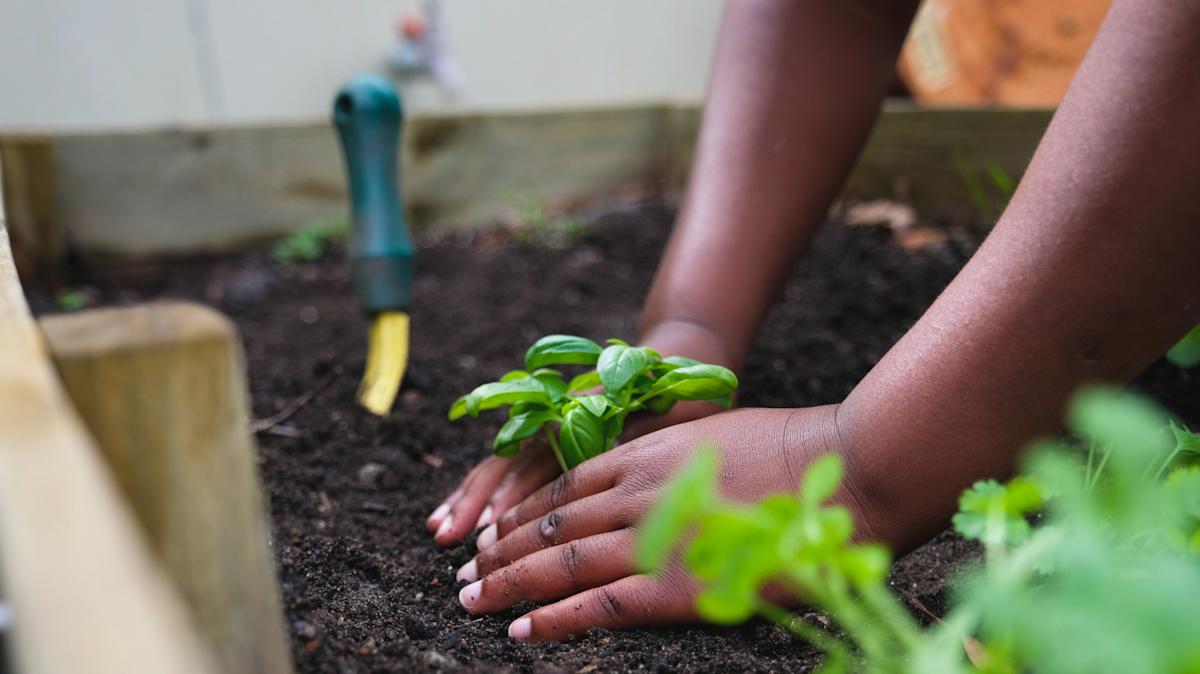

Close up of person planting some herbs into a planter box in the garden. – Nattrass/Getty Images
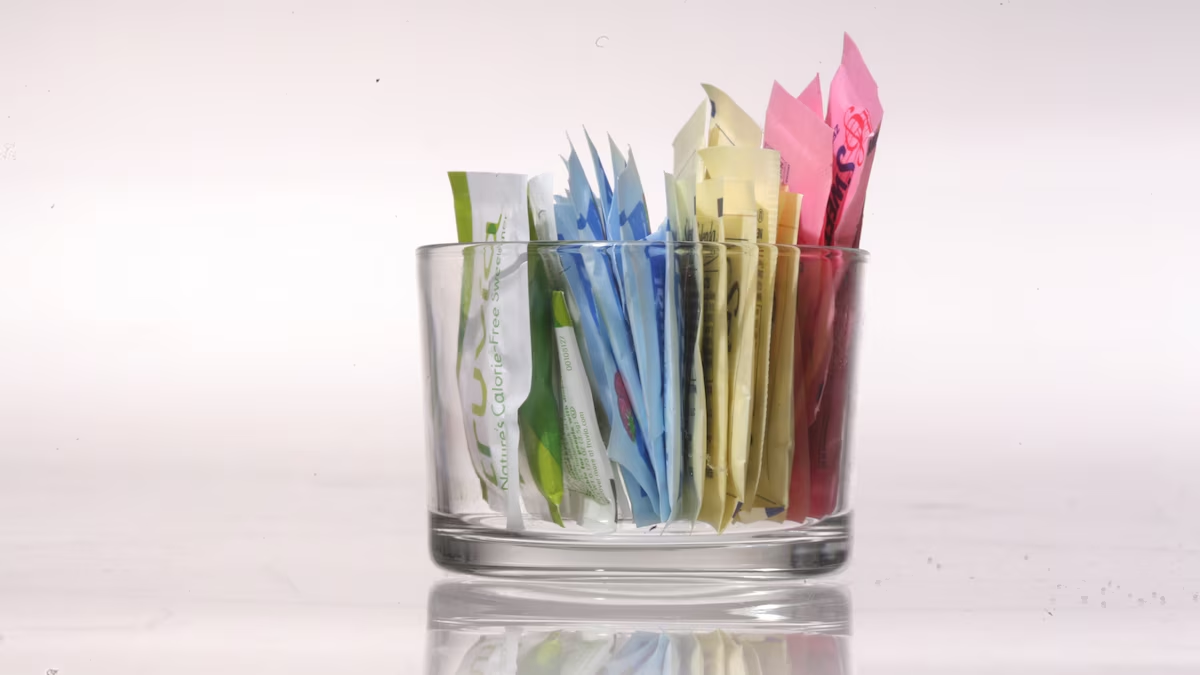
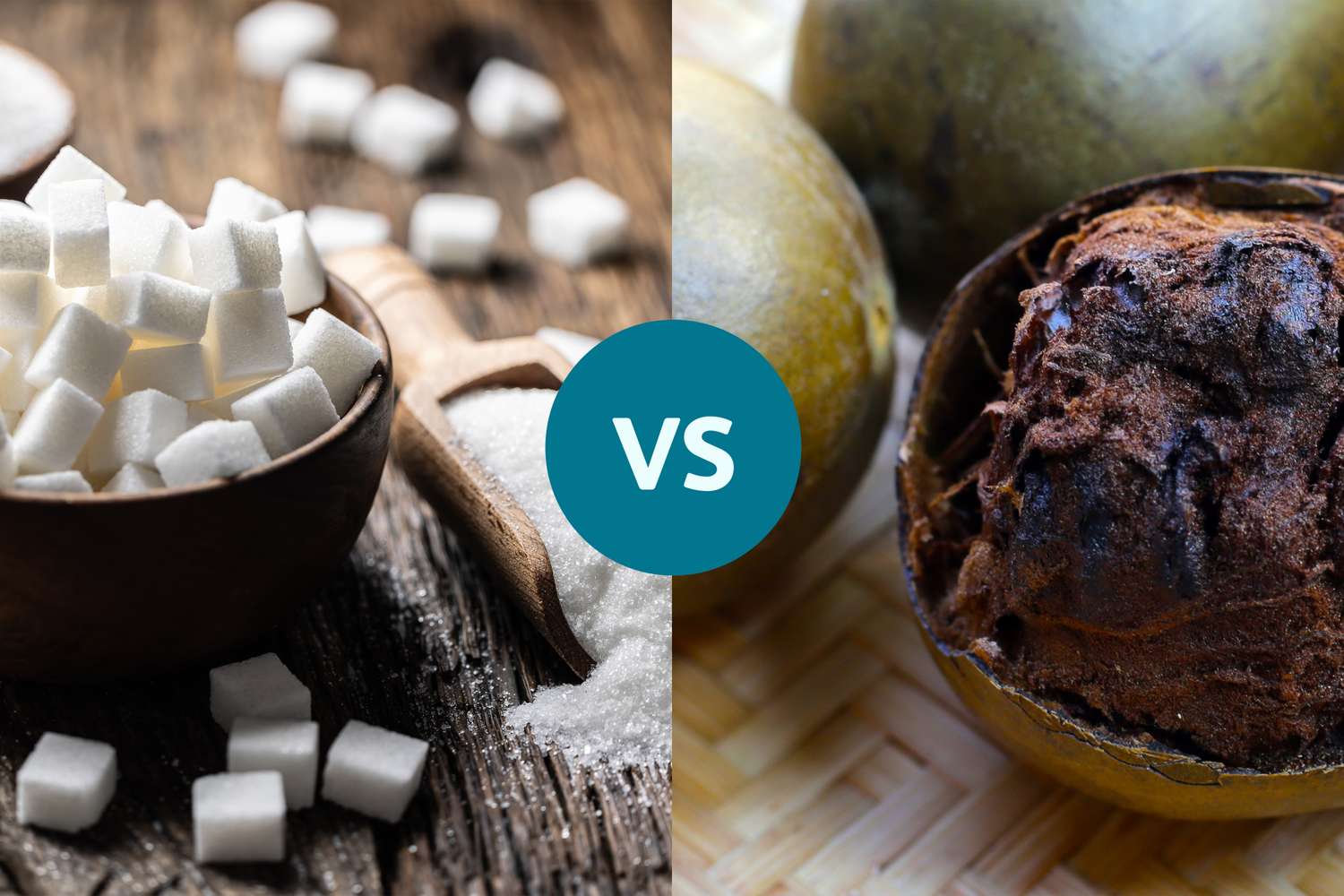
Ever wish your sweet cravings came without consequences? Well, people with diabetes certainly do. And, even if you don’t have diabetes, going overboard on sugary snacks is still something you need to watch closely. They are full of calories, after all. But what if there was a sweet-tasting herb that you could grow in your garden and use as an alternative to table sugar, i.e., sucrose, for sugar-free treats? Well, that is exactly what candy leaf (Stevia rebaudiana) brings to the table. Also known as sweet leaf, candy leaf is a perennial from the daisy family, widely known for its sweet leaves.
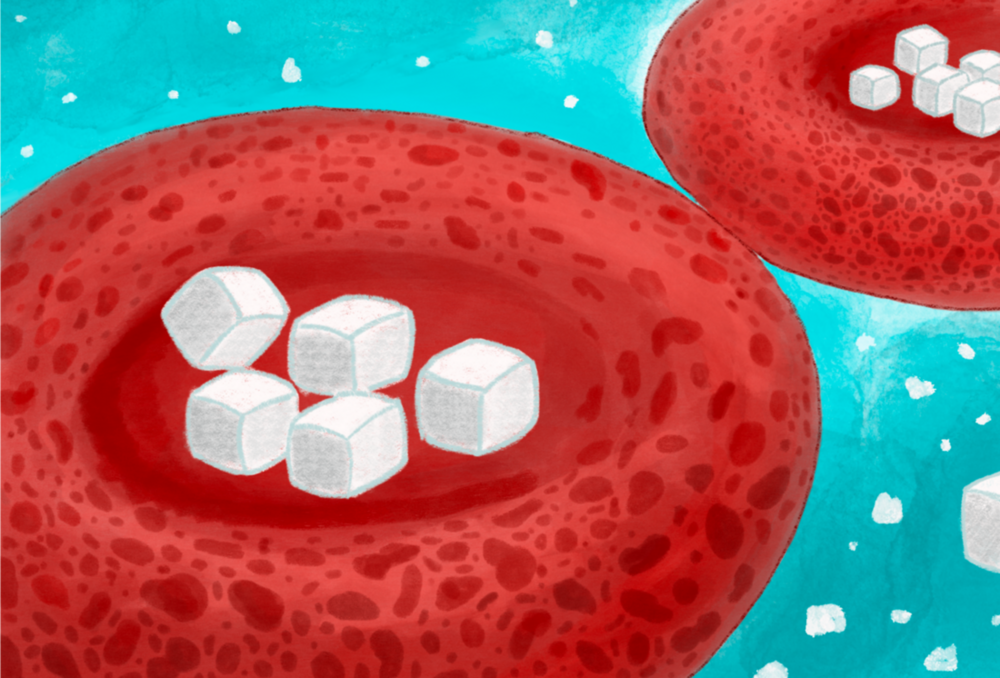
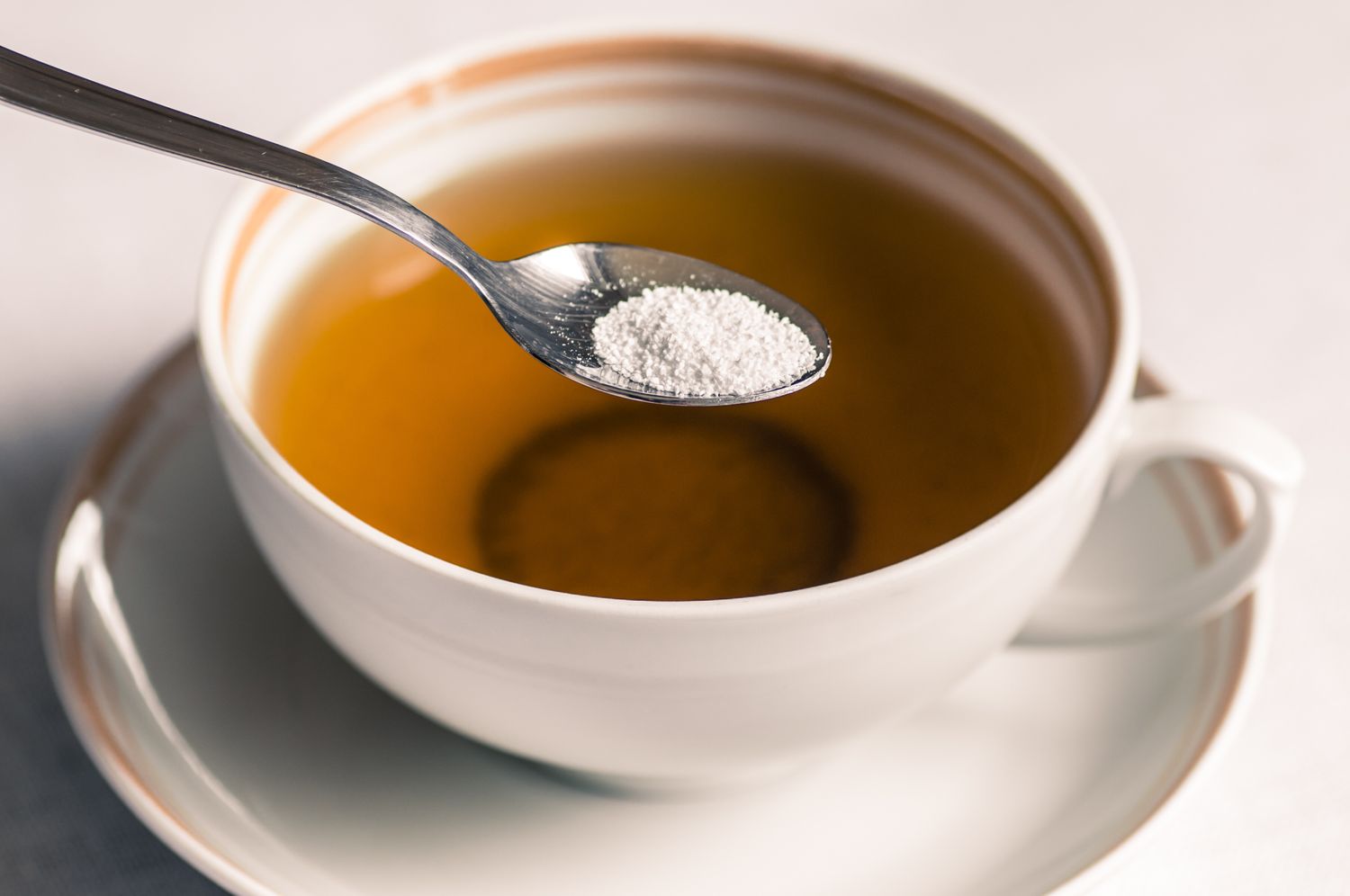
However, the sweet taste in its leaves does not come from sucrose or glucose, which are sugars with calories. It rather comes from steviol, a non-nutritive sweetener containing zero calories, zero fat, and zero sugar. Even better? Its leaves also contain several biologically active compounds that may benefit your health. The only problem is that it only grows as a perennial in USDA Hardiness Zones 10 to 11. If you live outside these zones, you will need to grow it as an annual or simply keep it in containers and bring it indoors during winter.
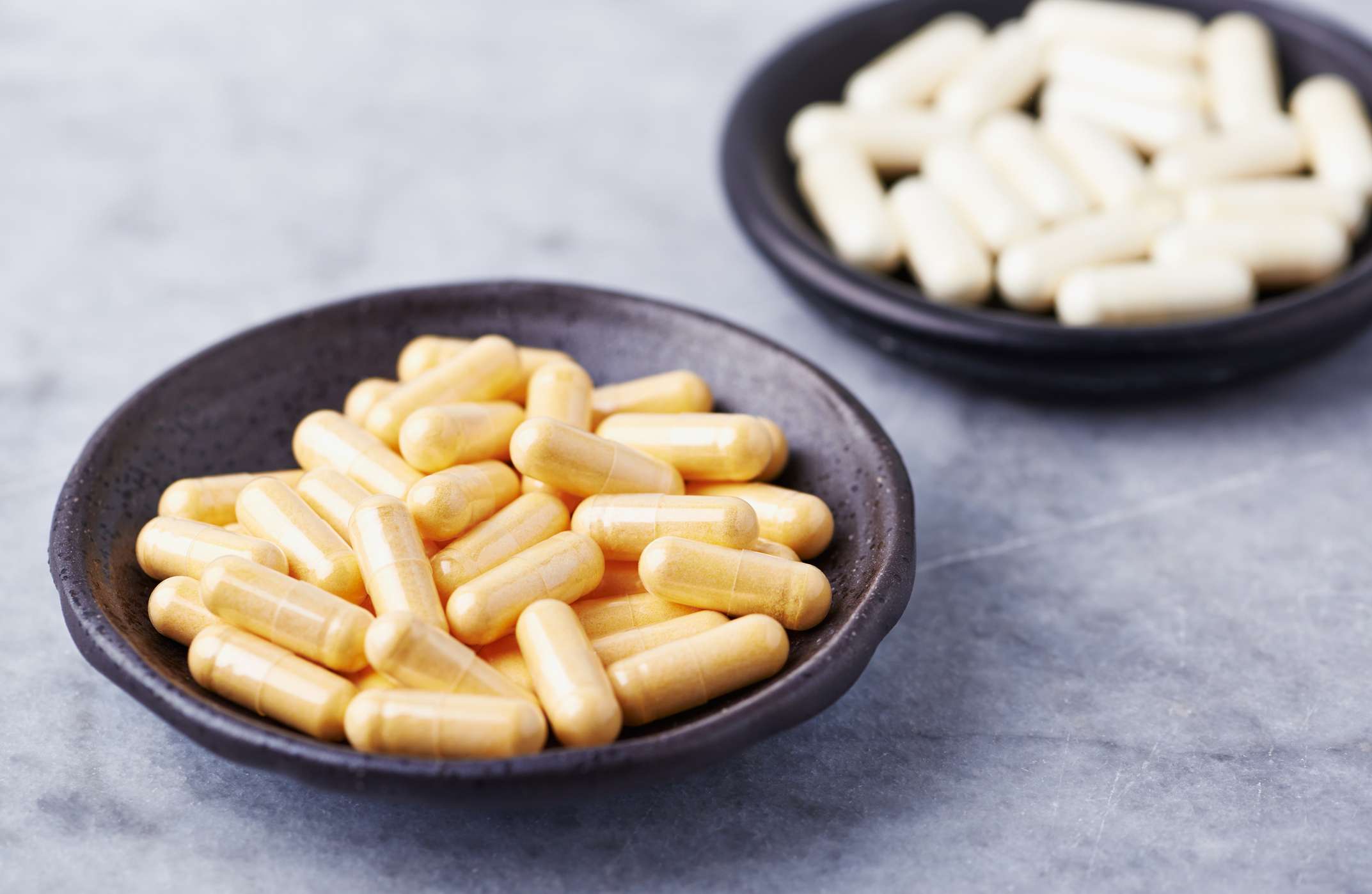
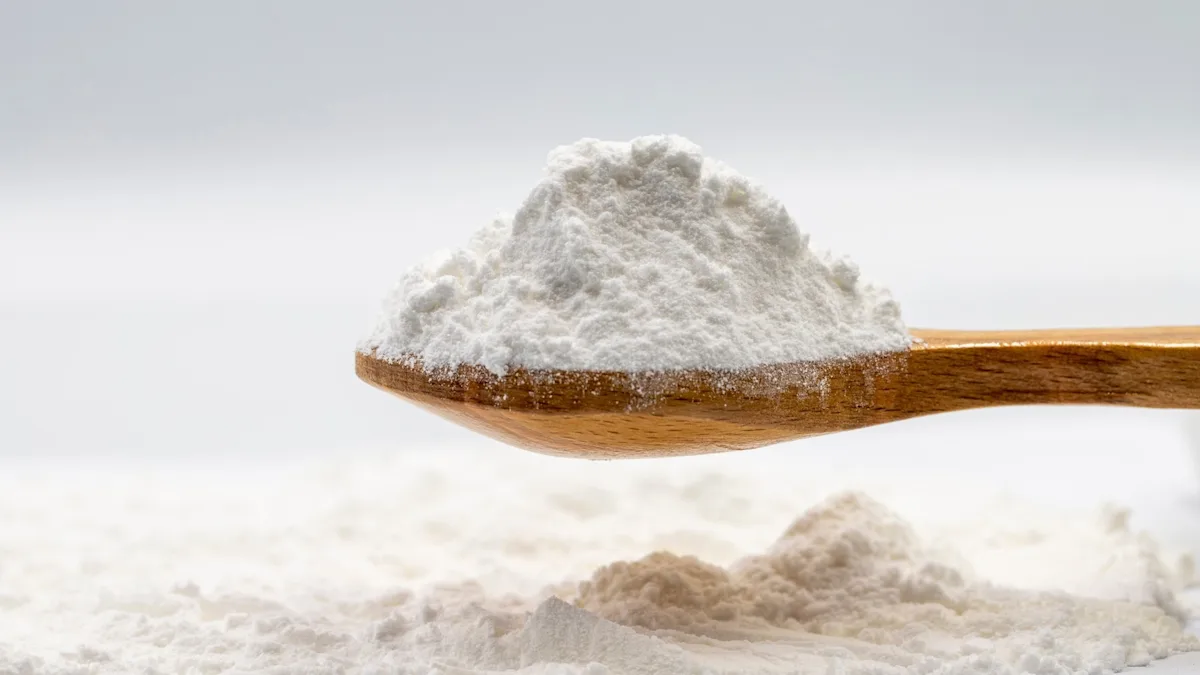
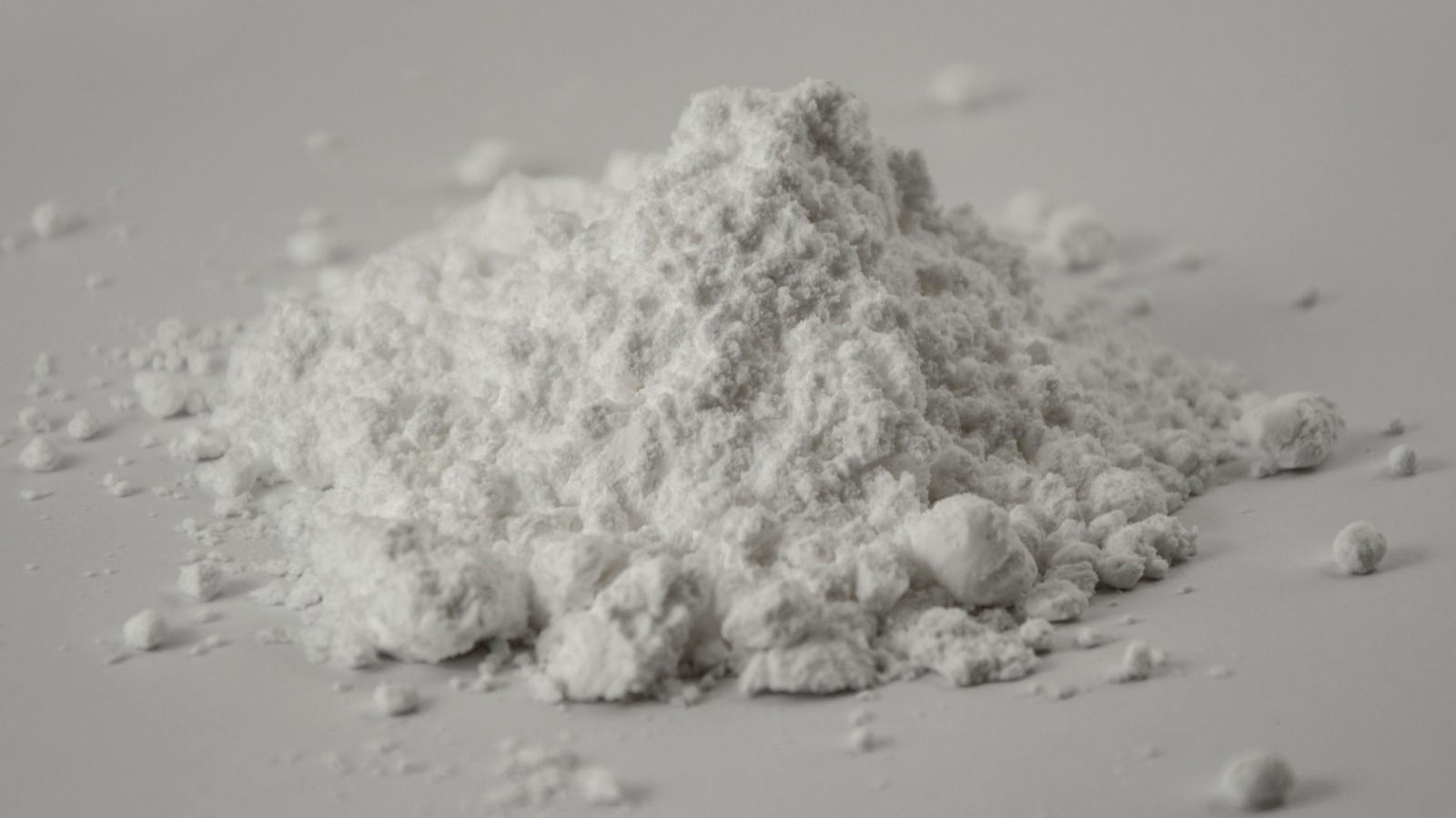
But here’s the bright side: you won’t need a lot of Stevia leaves for a sweet treat. Steviol is nearly 200 to 300 times sweeter than regular table sugar. So, even a small amount of its leaves can meet your sweetness needs. Just make sure to harvest the leaves when the plant has finished blooming. Then just dry and crush them into a powder, and use them as a sugar-free sweetener for your drinks and meals.
Read more: 12 Old-School Gardening Habits It’s Time To Let Go Of
How to grow and care for your candy leaf plant

A woman holding fresh green stevia leaves – yul38885/Shutterstock
The stevia herb is native to South America. It’s naturally adapted to growing in moist, warm conditions, where it yields its best harvest. So, if you are growing it outdoors, make sure to do so after all the danger of frost has passed, and the temperatures are consistently between 60 and 85 degrees Fahrenheit. If you are outside its hardiness zones, bring it indoors during the winter and place it on a windowsill or somewhere with bright sunlight.
It prefers full sun and needs about 6 hours of direct sunlight daily, though it will survive in partial shade. Make sure to choose the right container for your indoor plant, as well. Ideally, you should use a 12-inch pot, as the plants grow to about 1 to 2 feet tall. However, whether you grow the sweet leaf herb indoors or outdoors, make sure the soil is well-drained, fertile, and slightly acidic. There are many home-based soil testing kits that you can use to easily measure the pH of your garden or potting soil.
Also, keep in mind that not all stevia plants are equally sweet. So, try to grow your candy leaf from stem cuttings taken from plants known to be especially sweet. However, if you want, you can also grow them from seeds, and there are many good companies to buy your garden seeds from. As for fertilizing the candy leaf herb, feed it every month or so during the active growing season. And don’t use a quick-release or high-nitrogen fertilizer, as it can reduce leaf sweetness and ruin your harvest.
Enjoyed this article? Get expert home tips, DIY guides, and design inspiration by signing up to the House Digest newsletter and adding us as a preferred search source!
Read the original article on House Digest.