
Key Takeaways
- Coffee with cream and sugar raises blood sugar more than black coffee alone.
- The impact on blood sugar depends on how much coffee you drink as well as the type of cream and/or sweetener you use.
- Sticking to 400 mg of caffeine per day and drinking coffee with food or after a protein-rich meal may help blunt blood sugar spikes.
Adding cream and sugar to coffee also adds carbohydrates that can raise blood sugar levels. However, not all creams and sugars affect blood sugar in the same way.
Does Coffee with Cream and Sugar Raise Blood Sugar?
Coffee with cream and sugar raises blood sugar through various mechanisms.
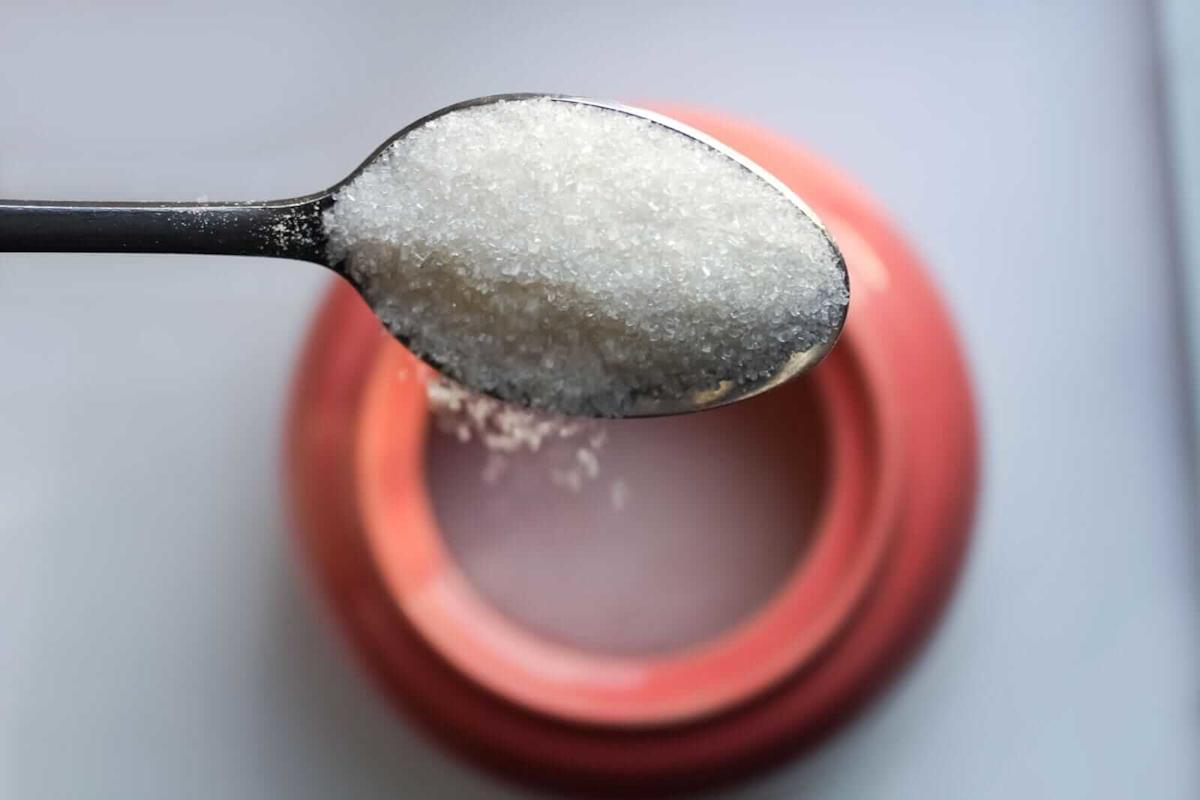
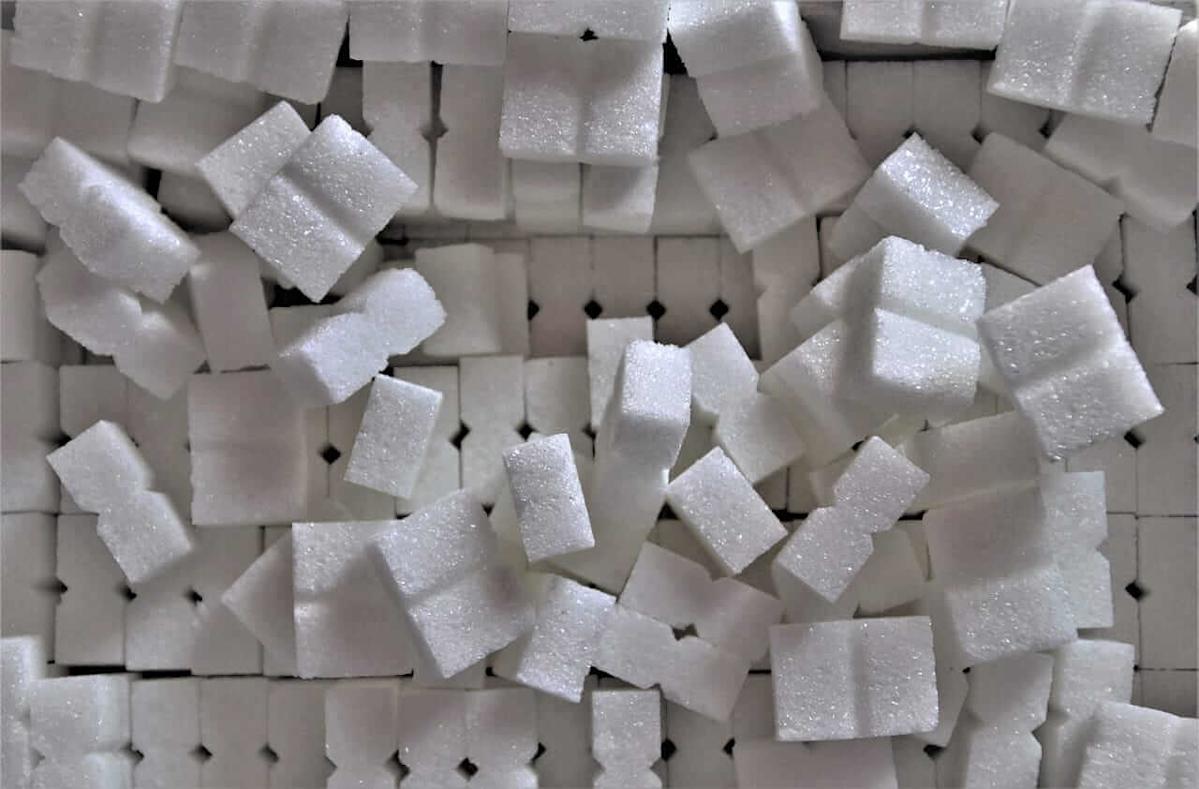
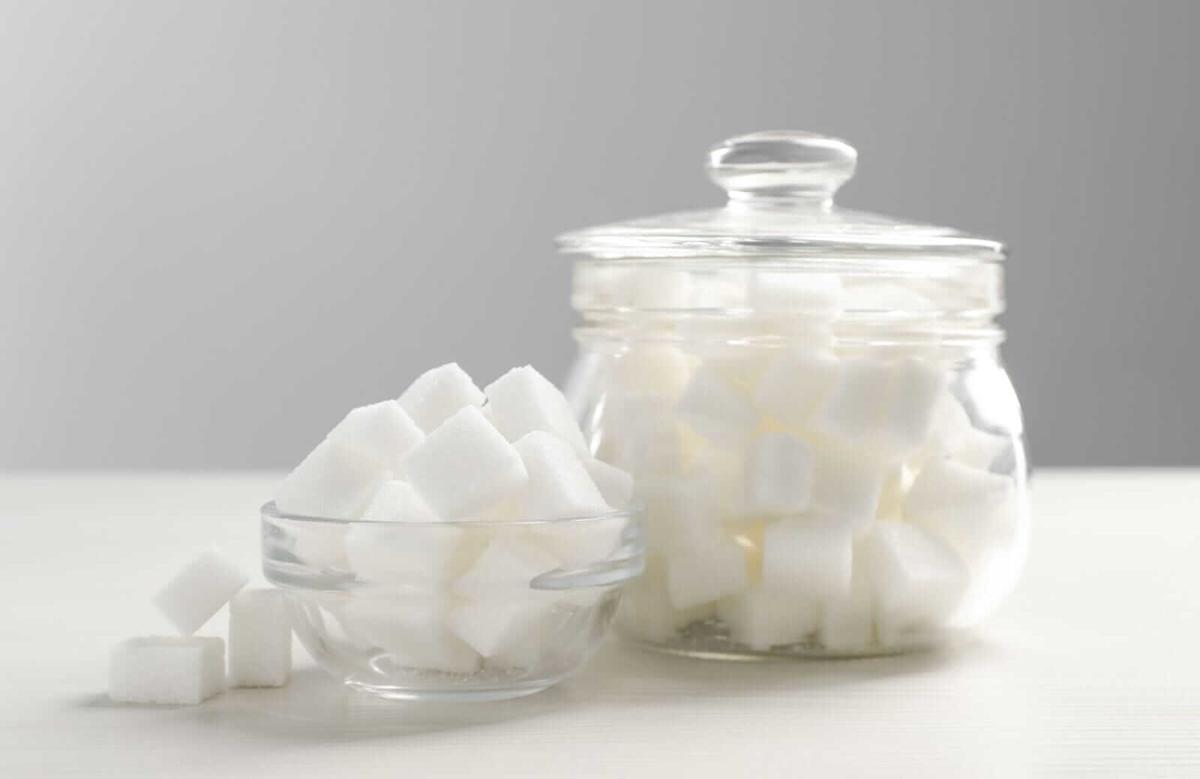
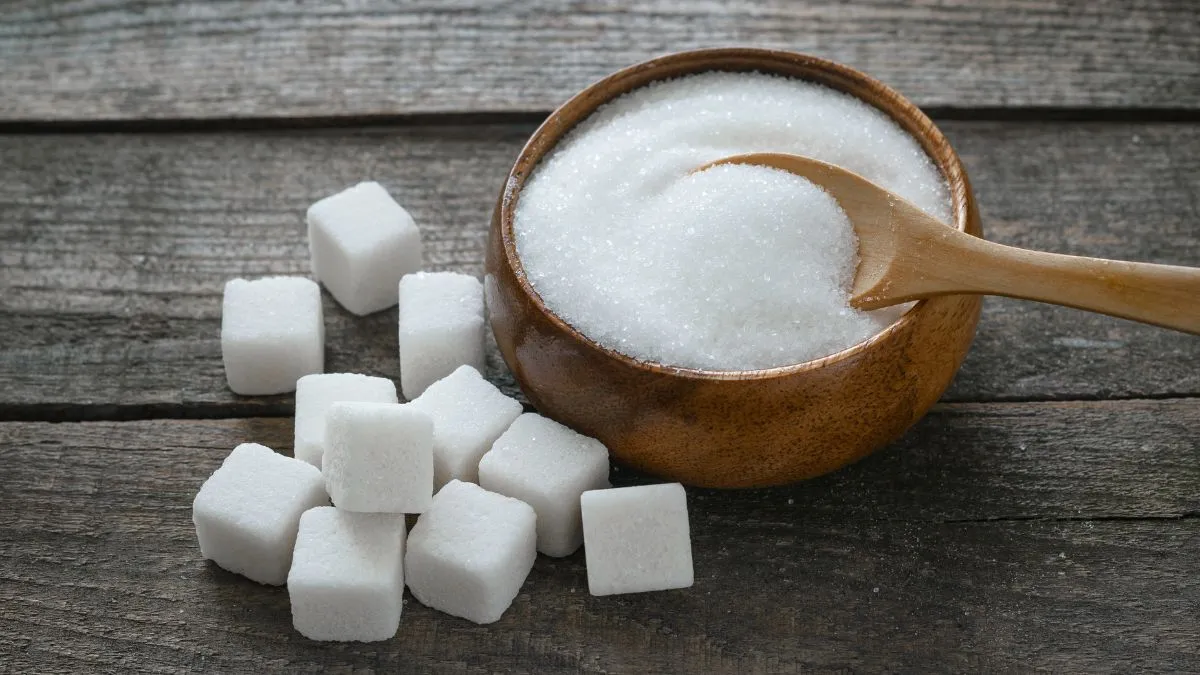
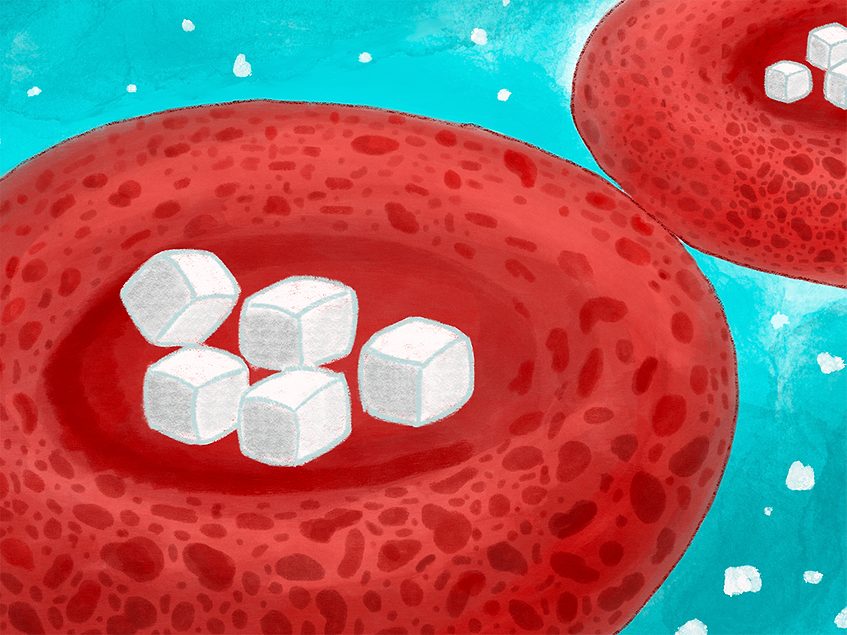
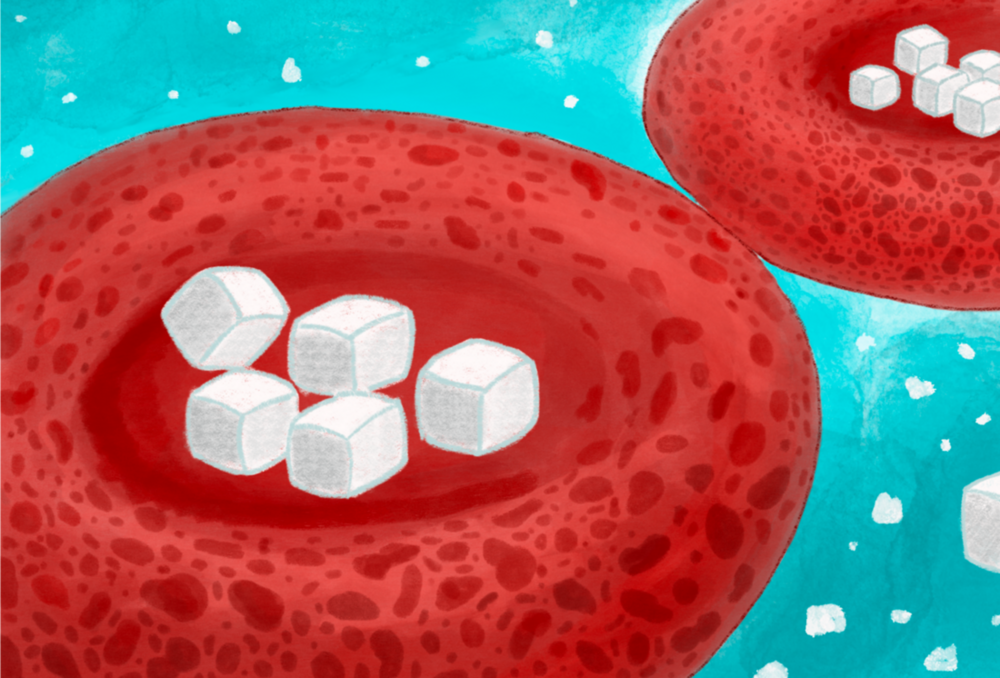
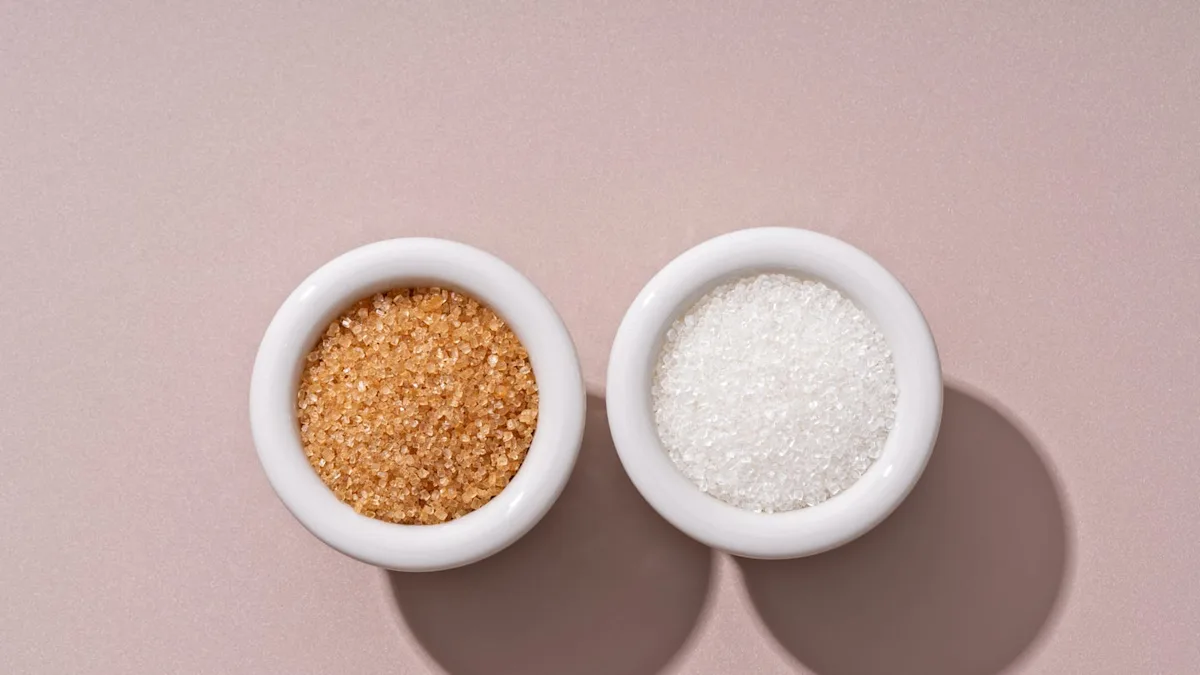
- Sugar is notorious for causing a rapid rise in blood sugar levels. Table sugar (sucrose) directly affects blood sugar levels. During digestion, sugar enters the bloodstream, raising blood sugar levels. Sucrose is a simple sugar that rapidly raises blood sugar levels, leading to spikes.
- Even sugar alternatives can affect the outcome. Sugar alternatives, including artificial and natural sweeteners (such as stevia, honey, and maple syrup), may not raise blood sugar as much as sucrose. However, these sugar alternatives may still raise blood sugar levels, particularly if used excessively or in the long term.
- Carbohydrates are present in milk, cream, and non-dairy creamers. Dairy-based milk and cream contain lactose, a type of carbohydrate and natural sugar that raises blood sugar. However, fat in non-skim milk and cream may help blunt blood sugar spikes. Non-dairy creamers often contain sugar or other carbohydrates that can raise blood sugar levels.
- Black coffee may also raise blood sugar levels. Coffee made without cream or sugar may raise blood sugar levels due to its caffeine content. Caffeine is thought to alter the response to insulin and other hormones involved in blood sugar regulation. However, these effects are typically short-lived.
How to Prevent Blood Sugar Spikes
You may wonder how to minimize blood sugar spikes while still enjoying coffee with cream and sugar.
- Consume coffee during or after eating. Consuming coffee with food may help mitigate the effects of caffeine, cream, and sugar on your blood sugar levels. Nutrients in food may help slow digestion and the uptake of sugar into the bloodstream.
- Include protein and healthy fats. Both protein and fat are known to slow the digestion and absorption of nutrients, including glucose (sugar). Research suggests that protein and fat may increase insulin secretion, the hormone that helps glucose get into your cells.
- Consider sugar substitutes to sweeten coffee. Typically, sugar substitutes (including nutritive and non-nutritive sweeteners) impact blood sugar to a lesser extent than table sugar. Using sugar substitutes instead of table sugar in your coffee may help with blood sugar control in people with diabetes.
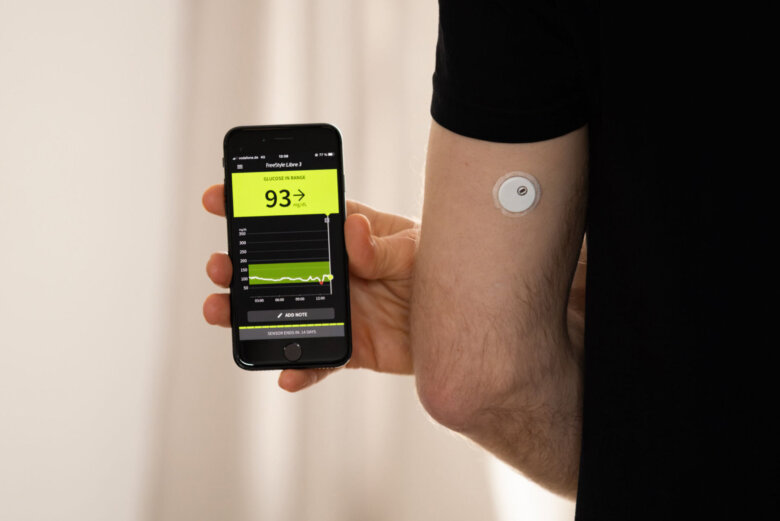
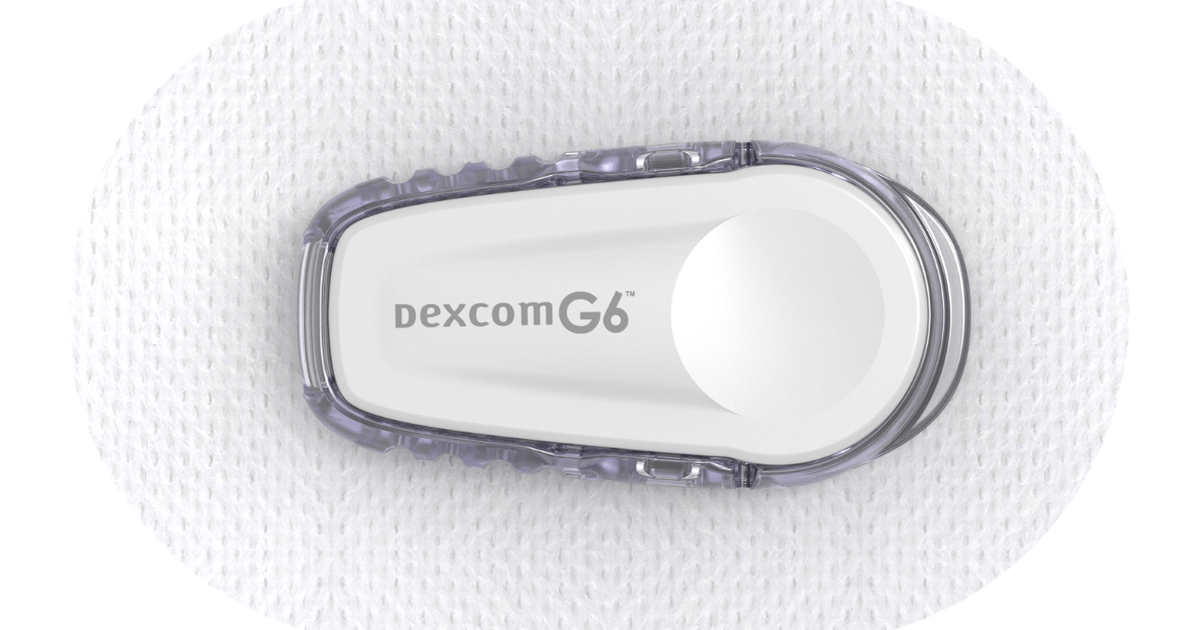
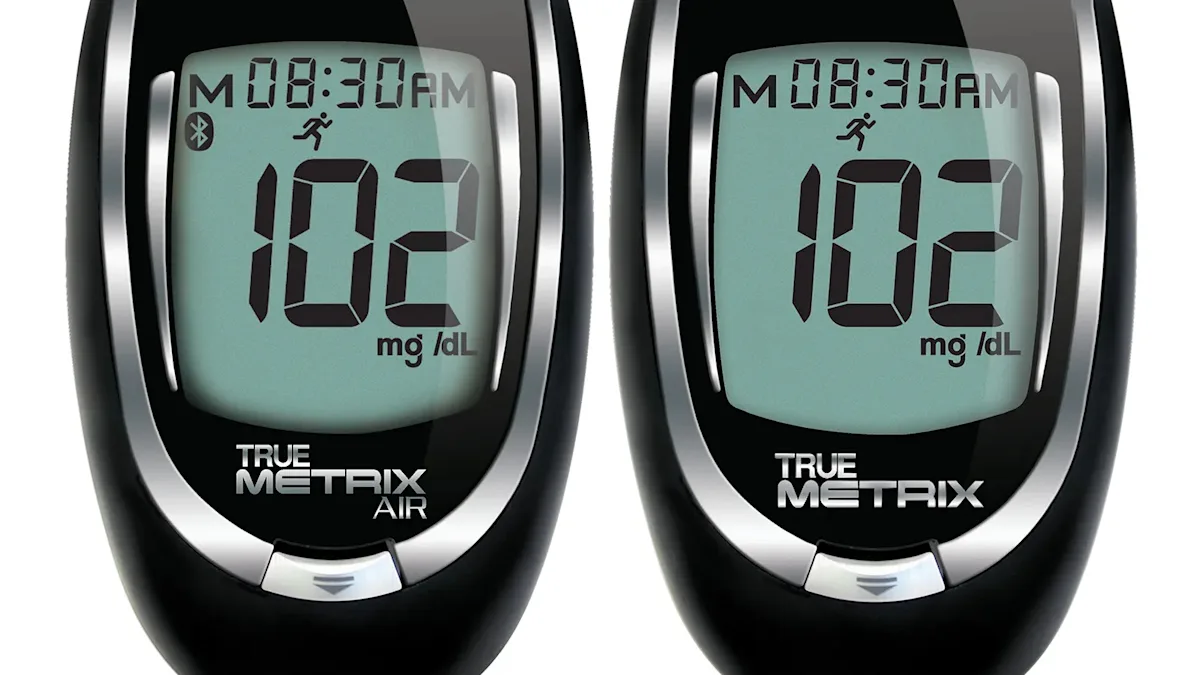
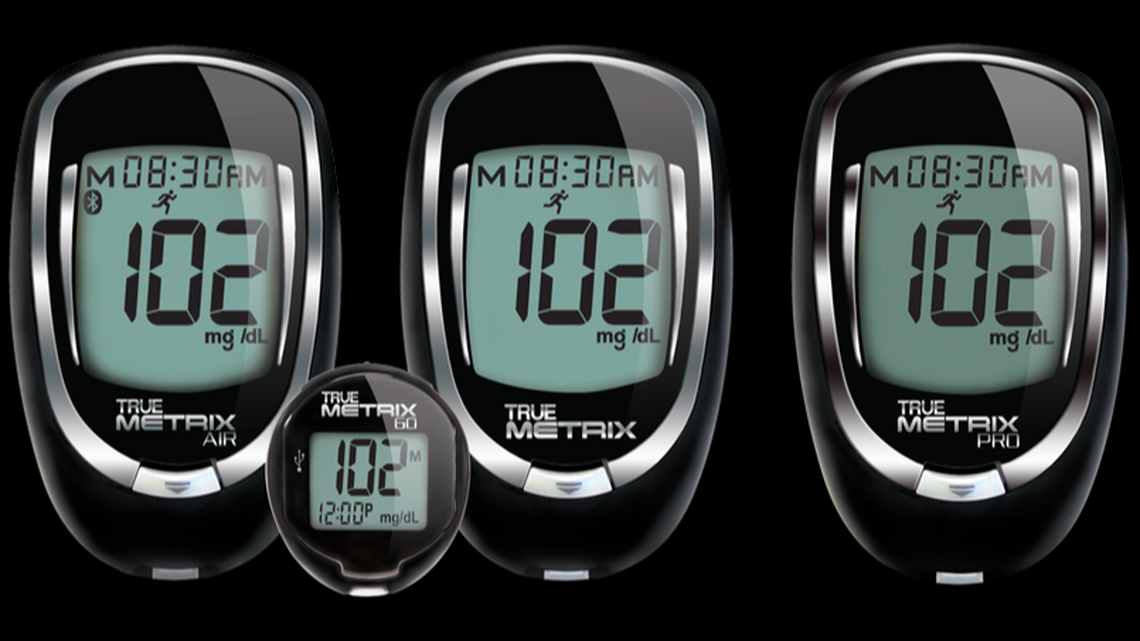
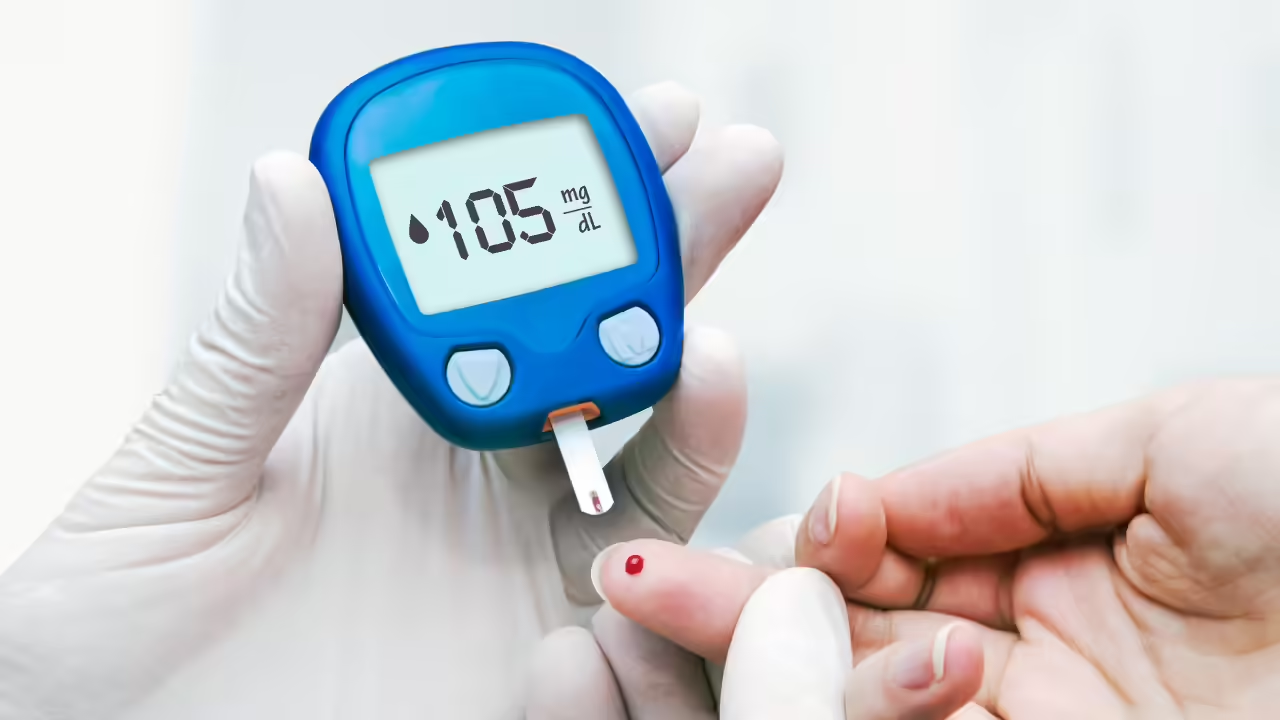
- Monitor your blood sugar. If you have diabetes, you must test your blood sugar after drinking coffee with cream and sugar. Testing your blood sugar after consuming coffee can help you manage potential spikes or dips.
What Else Do I Need to Think About?
Although blood sugar management depends mainly on the type of cream and sugar you put in your coffee, there are a few other factors to consider.
Moderation is key when it comes to drinking coffee with cream and sugar. The more you consume, the higher your intake of calories and carbohydrates, which directly affect your blood sugar levels.
Additionally, keep in mind that caffeine can also raise blood sugar levels. For overall health and blood sugar management, adults should limit caffeine intake to 400 milligrams (mg) or less per day. This equals about four 8-ounce cups of drip coffee. Less is suggested during pregnancy, with a limit of 200 mg.
While regular coffee consumption has been linked to a lower risk of type 2 diabetes, excessive coffee intake may have the opposite effect. Drinking too much coffee at once may cause short-term blood sugar spikes. Blood sugar may spike even more if you add cream and sugar to your coffee.
Finally, if you have diabetes, opt for low- or no-calorie sweeteners and creamers with minimal impact on blood sugar levels. However, moderation is still essential with sugar alternatives, as excessive use has been linked to alterations in the gut microbiome that may affect blood sugar and metabolism.
:max_bytes(150000):strip_icc():format(webp)/Lubeck-headshot-0579405875e54490895f690b1b864e04.jpeg)