Reviewed by Dietitian Kelly Plowe, M.S., RD

Credit: Design elements: Getty Images. EatingWell design.
Key Points
-
Diet soda uses low- or no-calorie sweeteners, which don’t raise blood sugar like regular soda does.
-
Switching from sugar-sweetened to diet soda can reduce added sugar and calorie intake significantly.
-
Research on long-term diet soda effects is unclear, so enjoy it in moderation alongside water or tea.
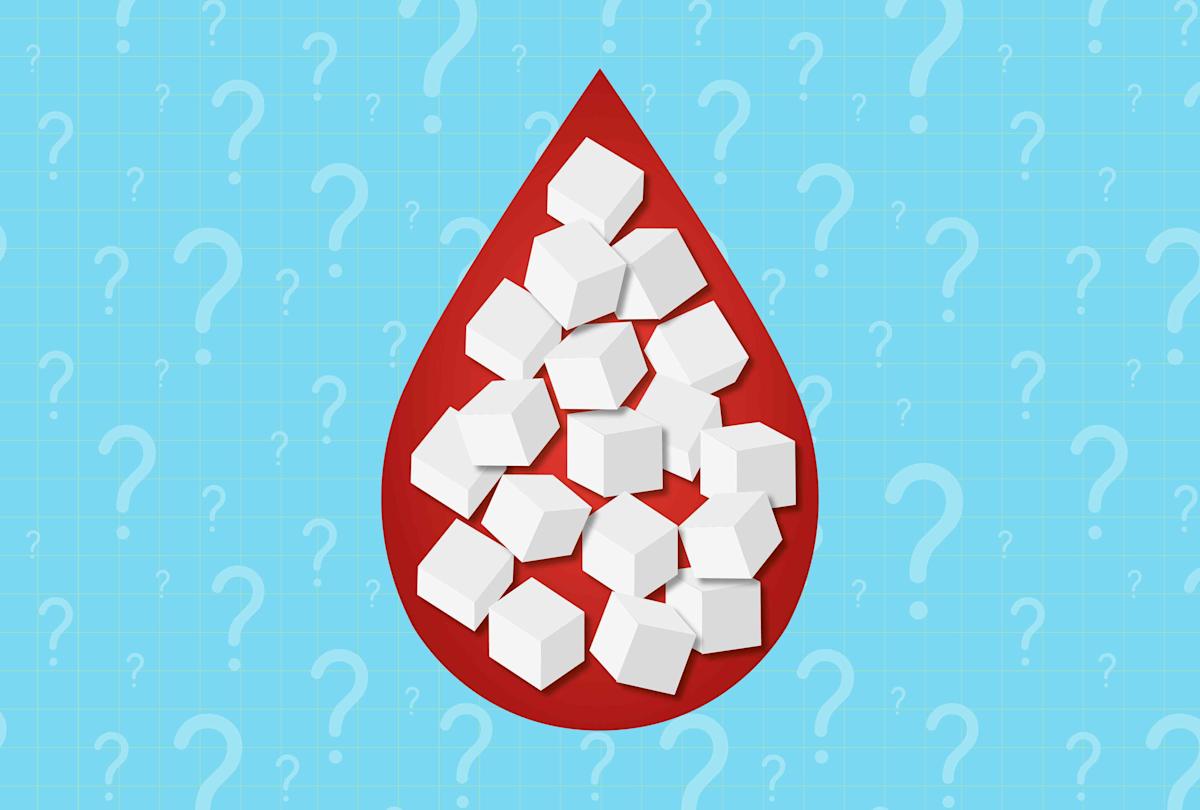
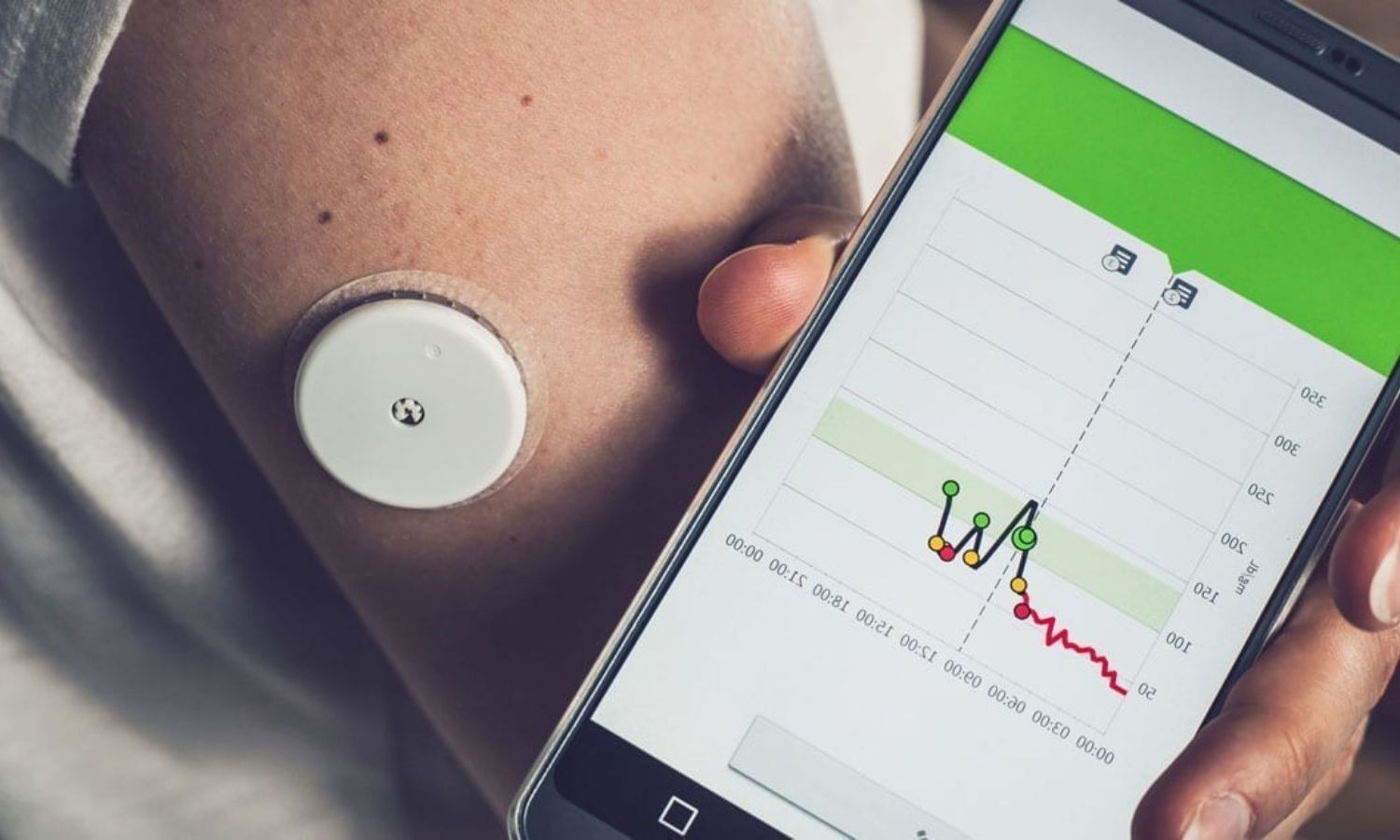
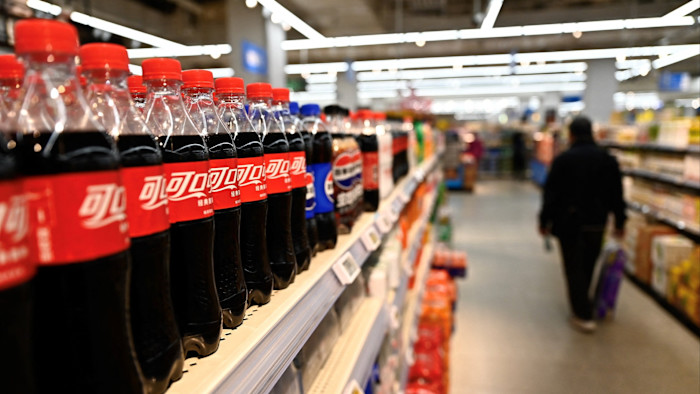
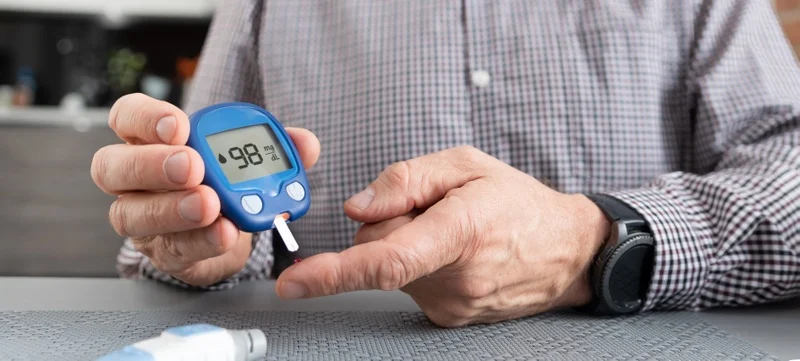
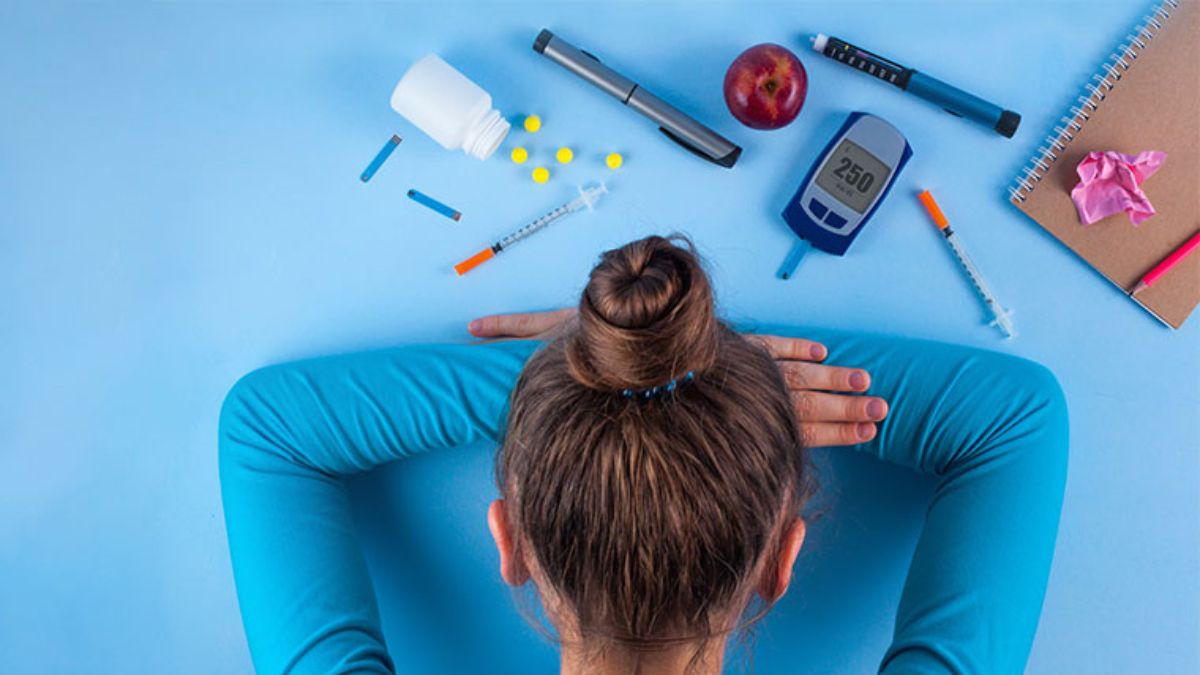
If you’re trying to manage your blood sugar, more than likely you are aiming to be more intentional about your drink choices. That might mean fewer sugar-sweetened beverages like soda. However, when nearly 50% of US adults consume at least one sugar-sweetened beverage per day, what do you sip on instead? The good news is that sipping on diet soda from time to time can be a blood-sugar-friendly way to still enjoy a fizzy afternoon pick-me-up.
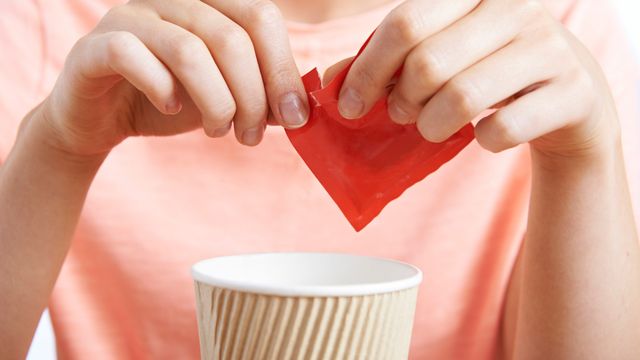
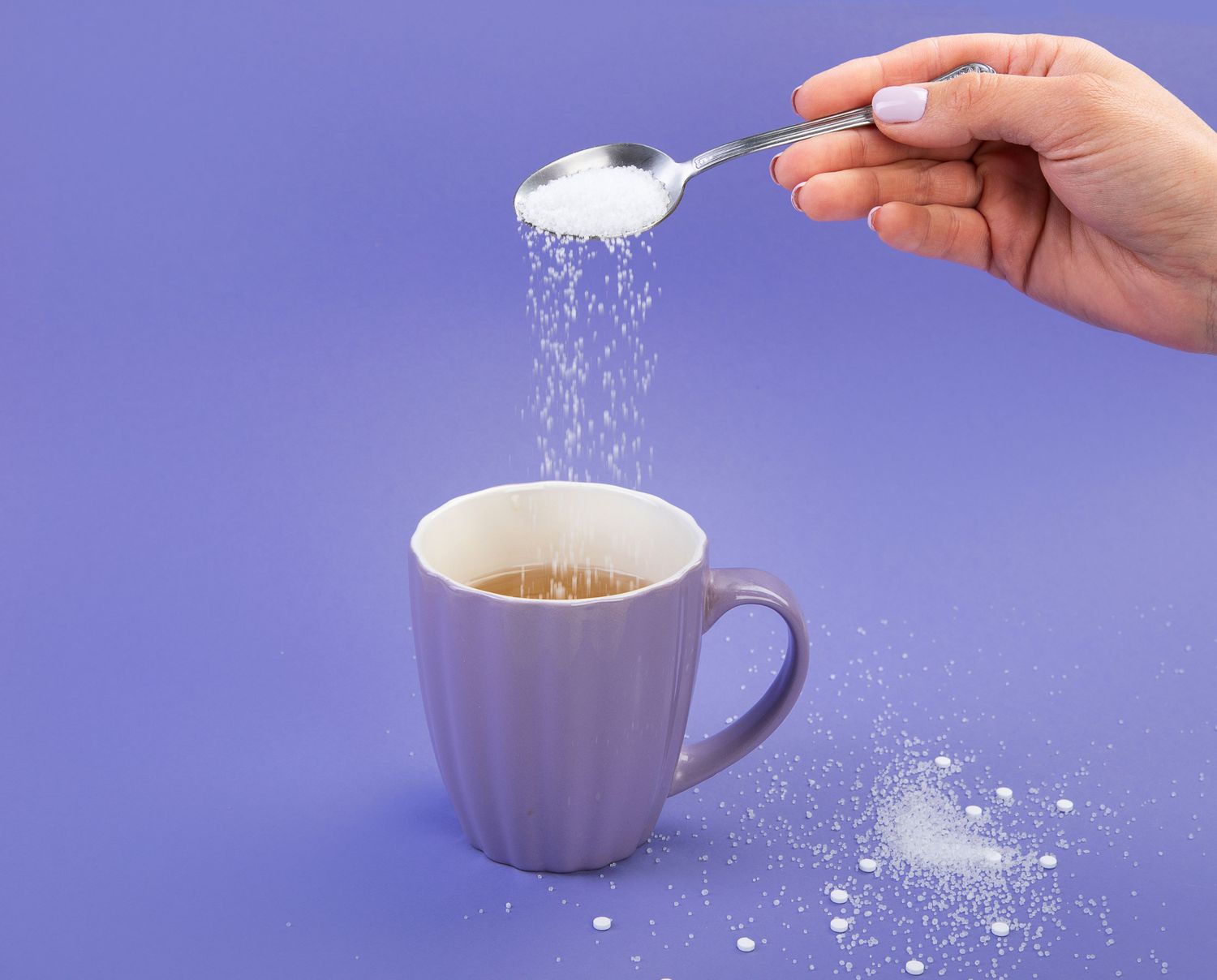
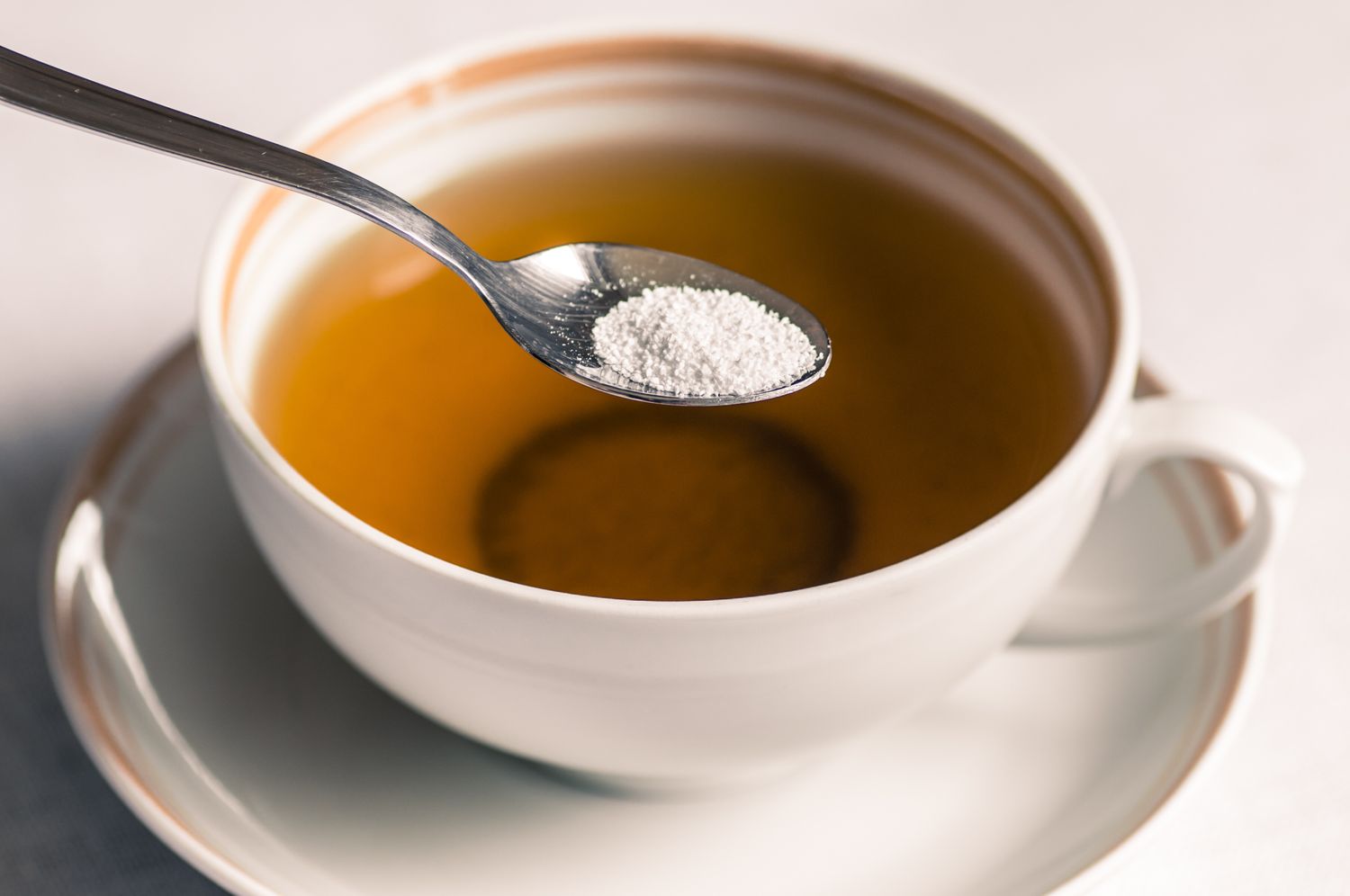
Unlike a regular sugar-sweetened soda, diet soda doesn’t contain any added sugars. Instead, artificial sweeteners are used to give it sweetness without the calories or the blood sugar spike. Read on as dietitians weigh in on what happens to your blood sugar when you drink diet soda.
How Diet Soda Impacts Blood Sugar
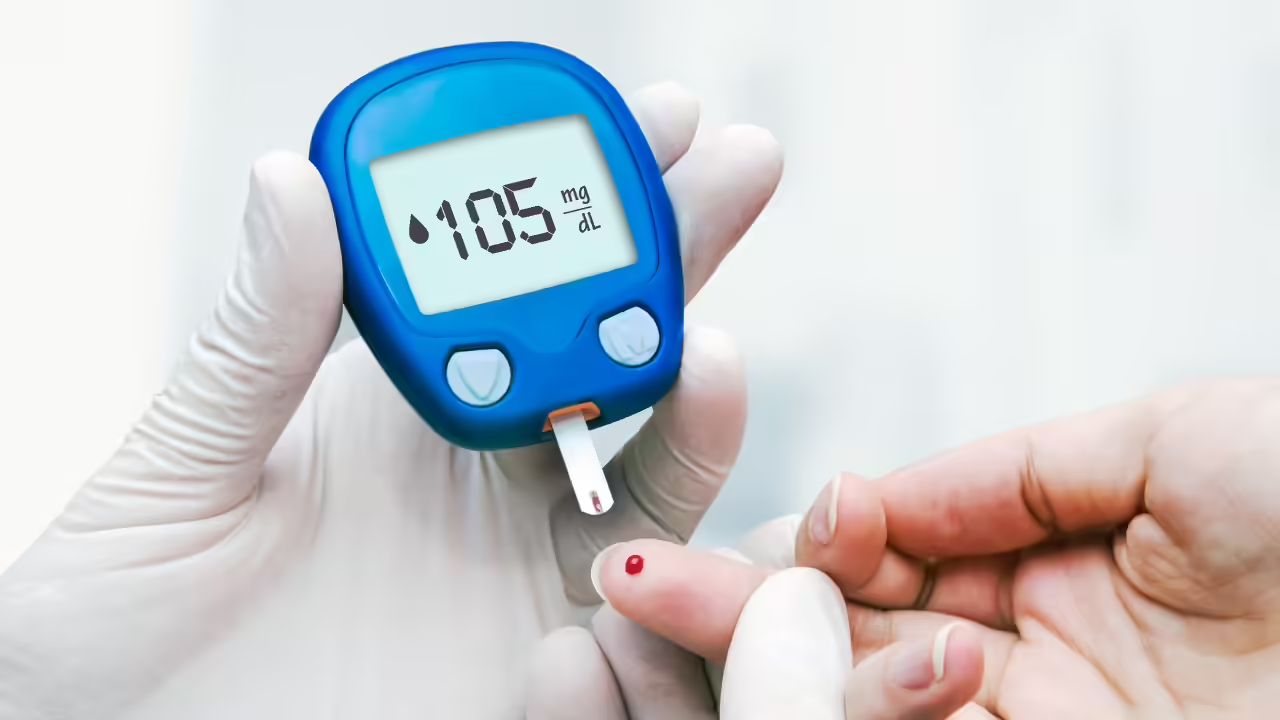
You Probably Won’t See a Spike in Your Blood Sugar
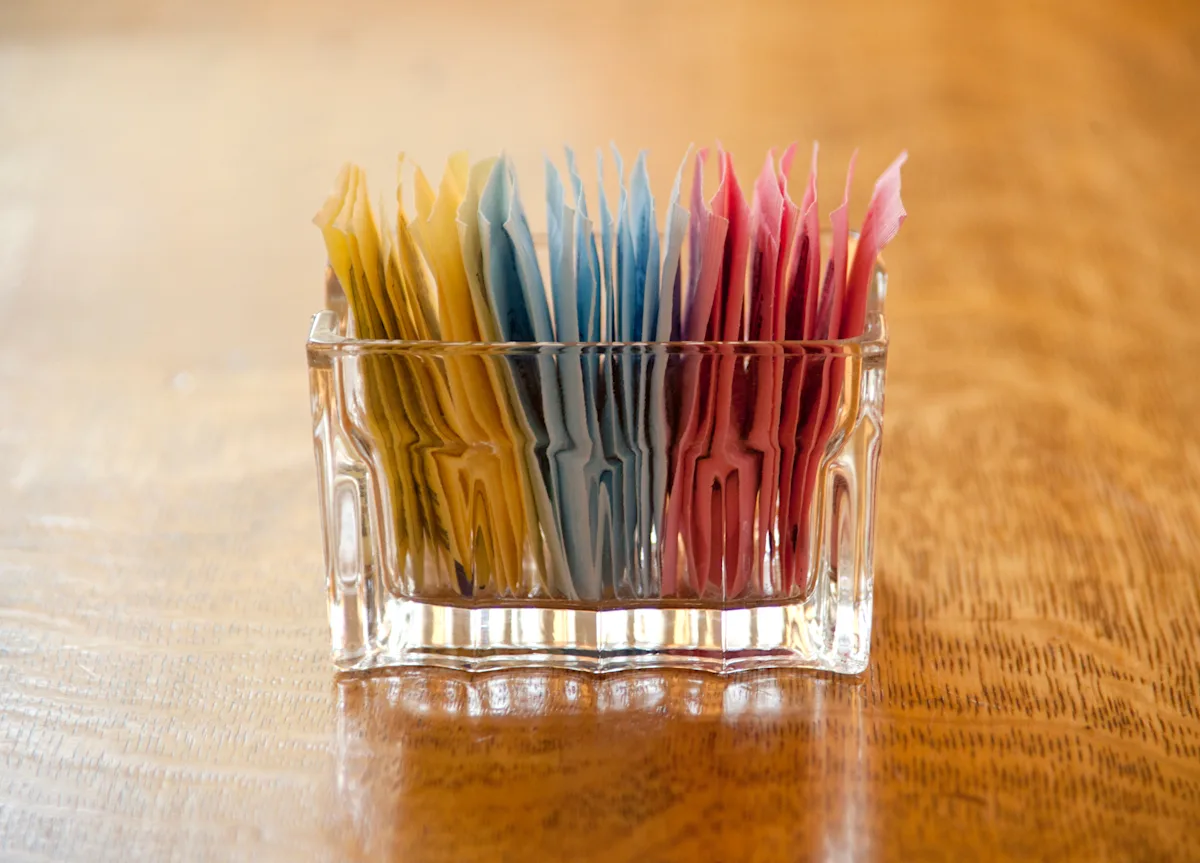
“Diet sodas are made with low- or no-calorie sweeteners such as aspartame and saccharin. These sugar substitutes provide sweetness without raising blood sugar levels the way sugar-sweetened sodas do,” says Kimberley Rose-Francis, RDN, CDCES, LD.
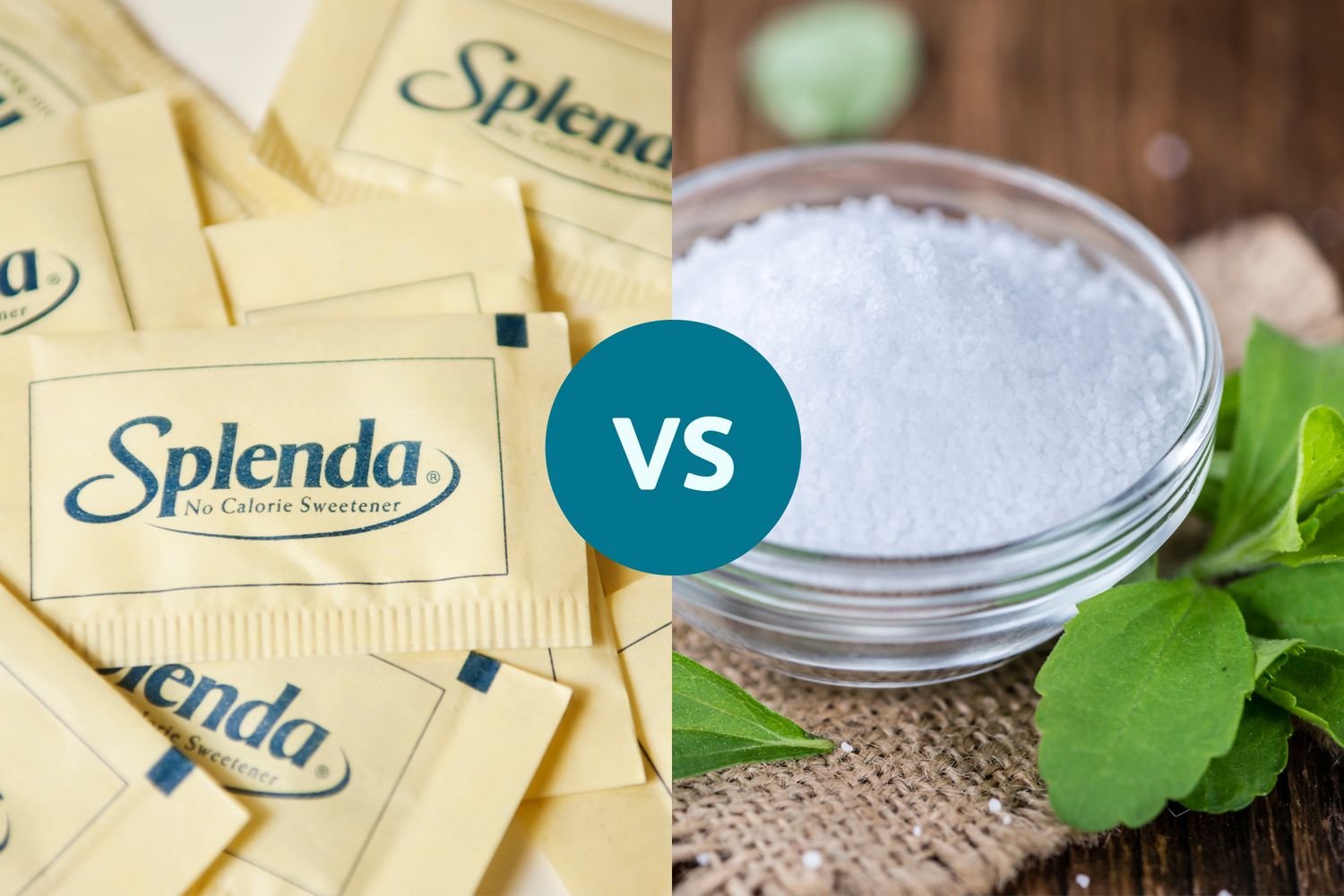
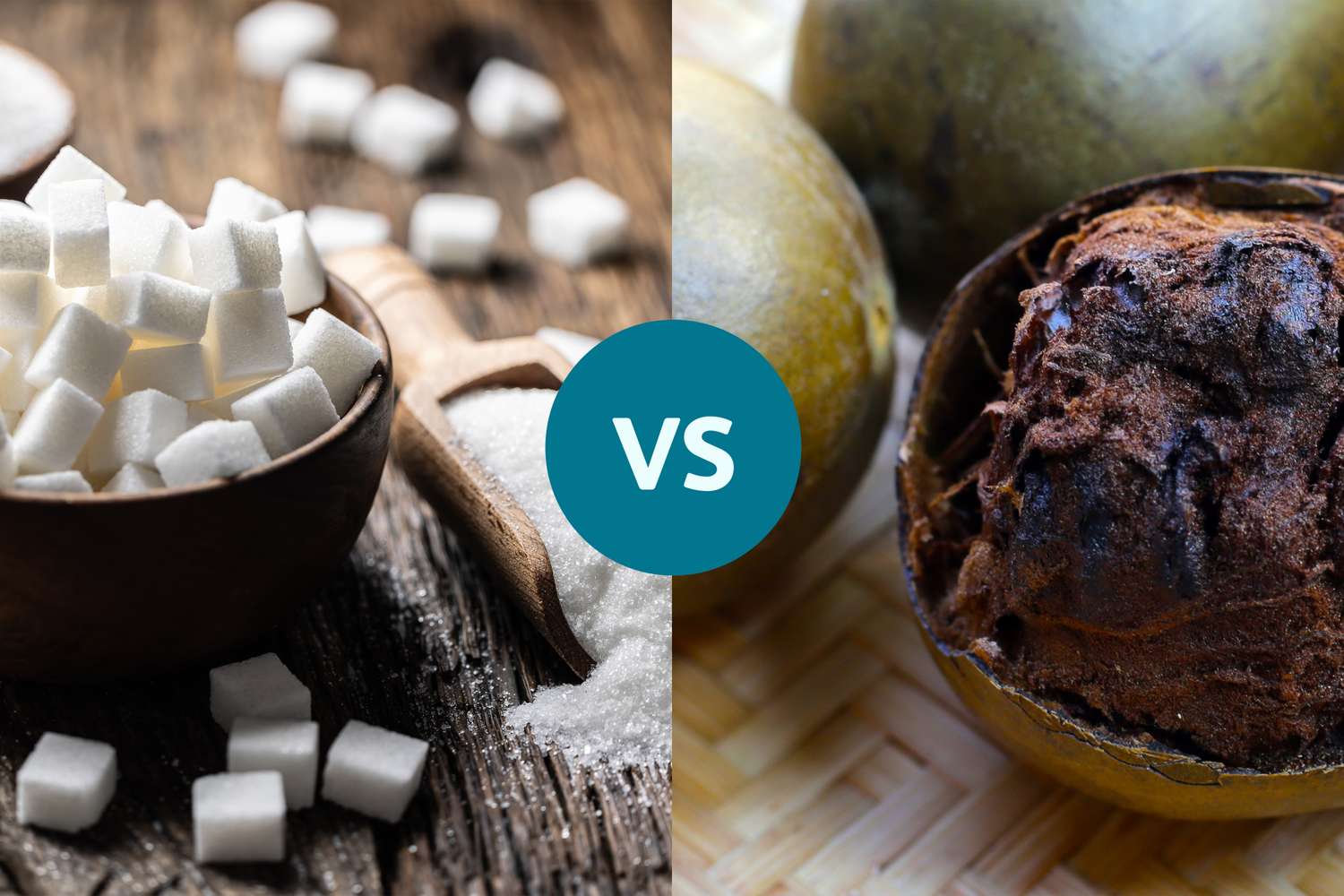
There are a couple of reasons why these sugar substitutes don’t raise your blood sugar. For starters, these sweeteners range from 200 to 20,000 times sweeter than regular sugar, so very little goes a long way and contributes a negligible amount of nutrients. In addition, your body doesn’t metabolize low- or no-calorie sweeteners like carbs, so you aren’t getting any sugar, calories, or other nutrients from them.
They May Help Lower Your Added Sugar Intake
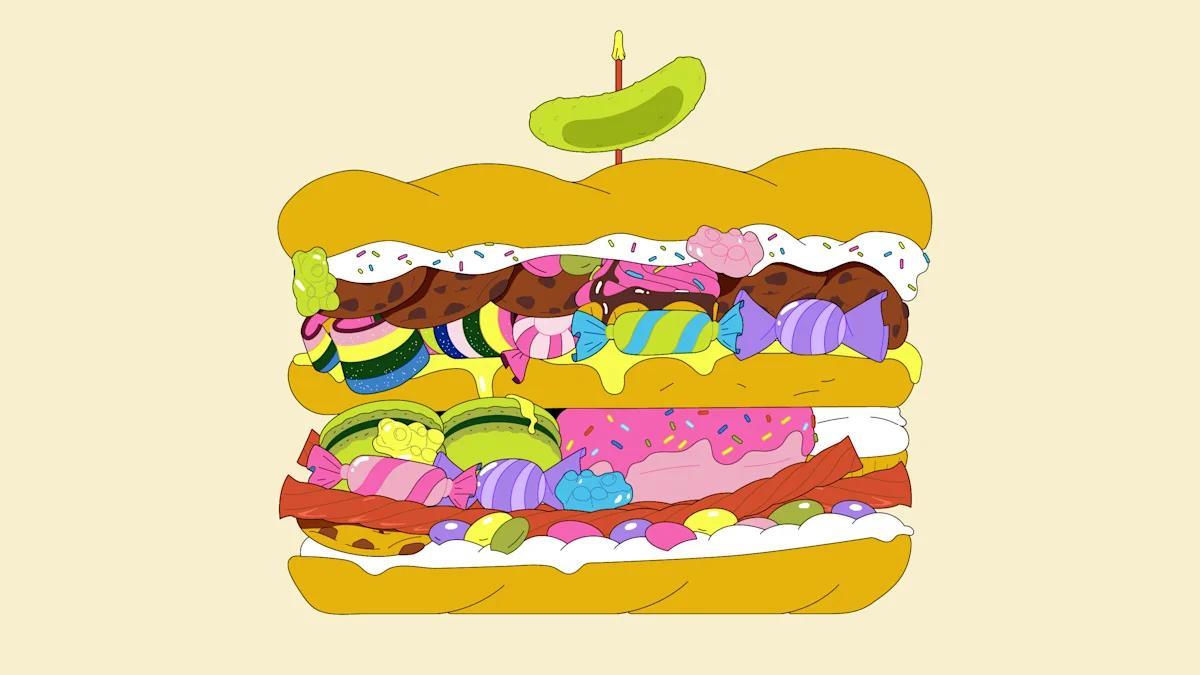
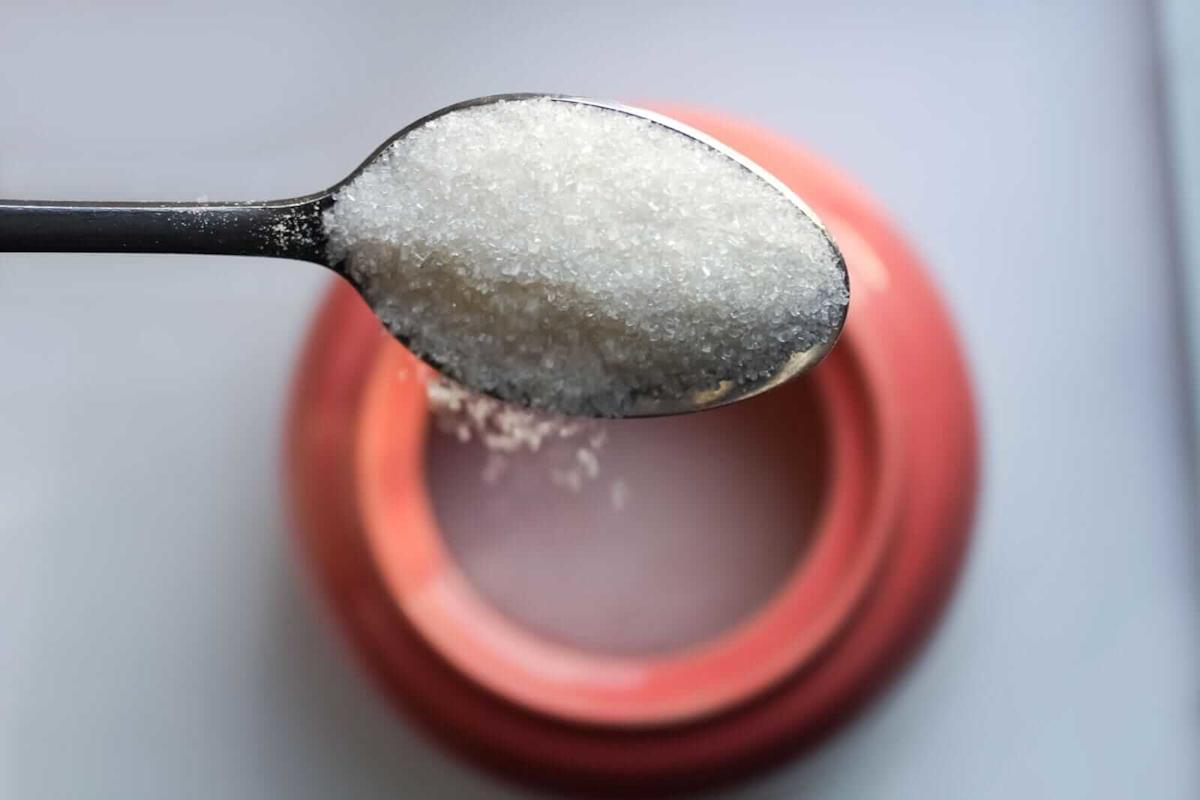
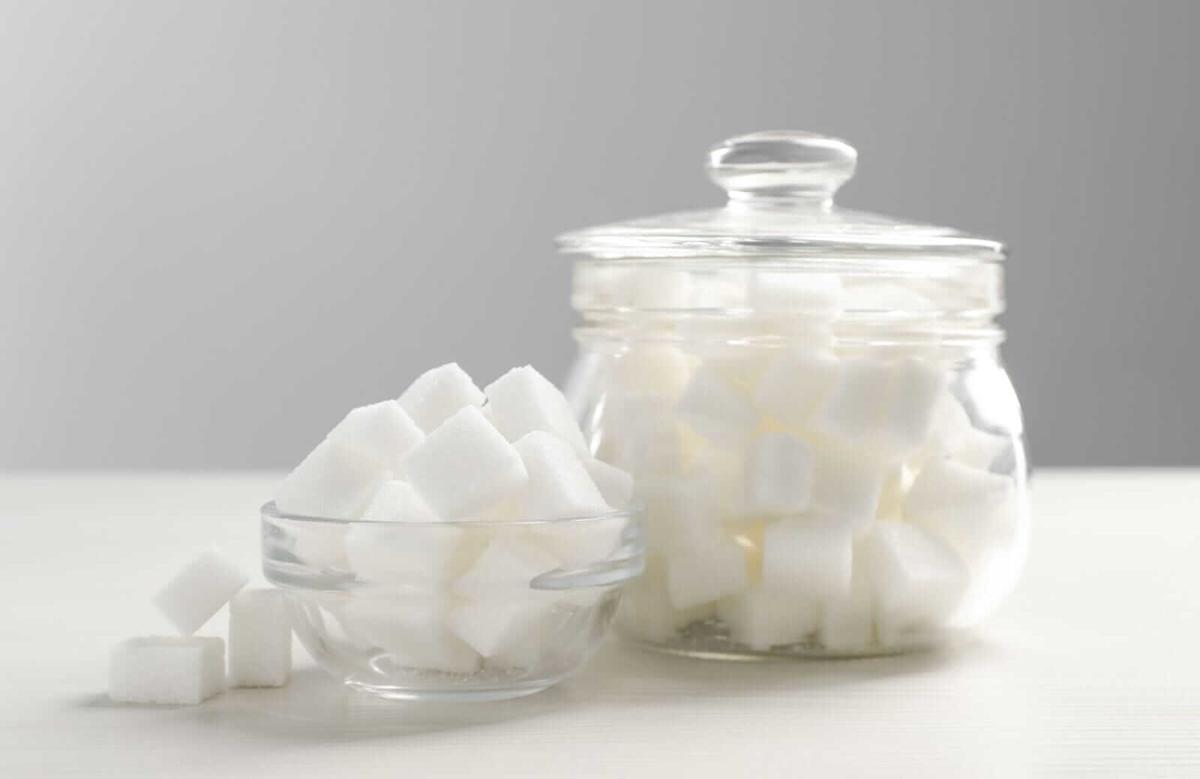
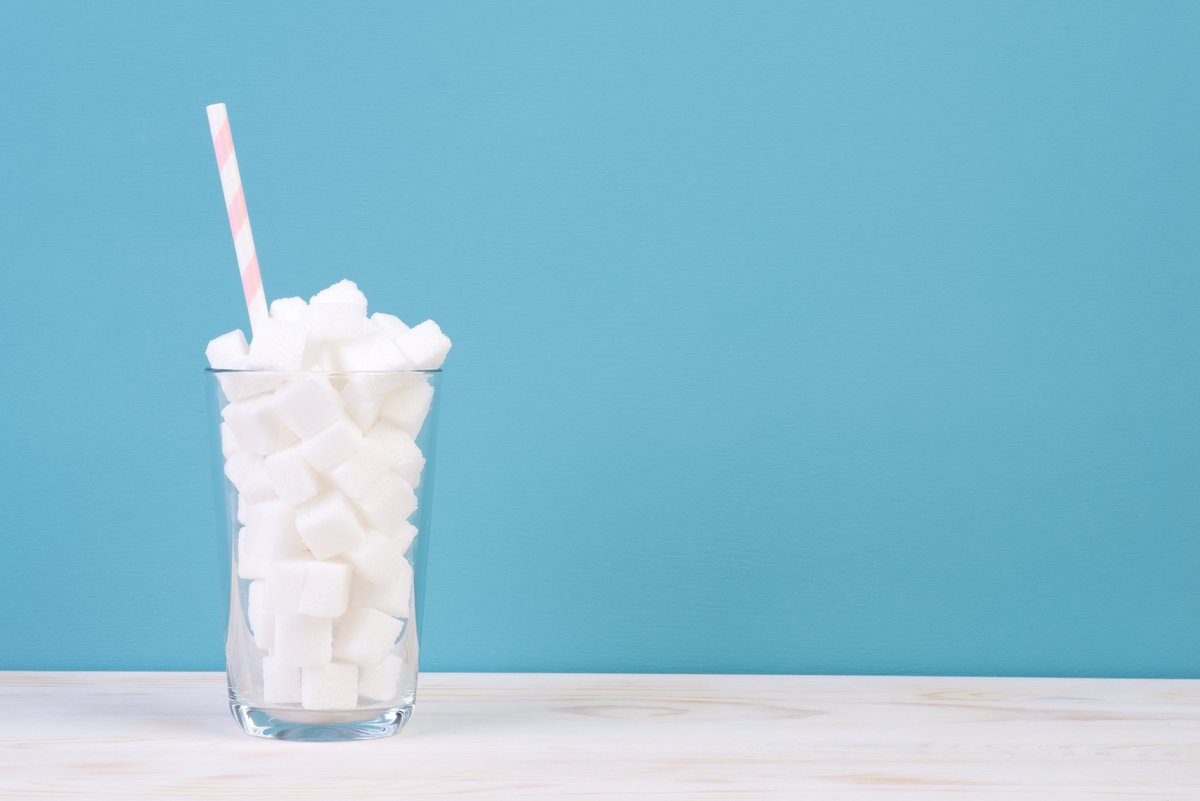
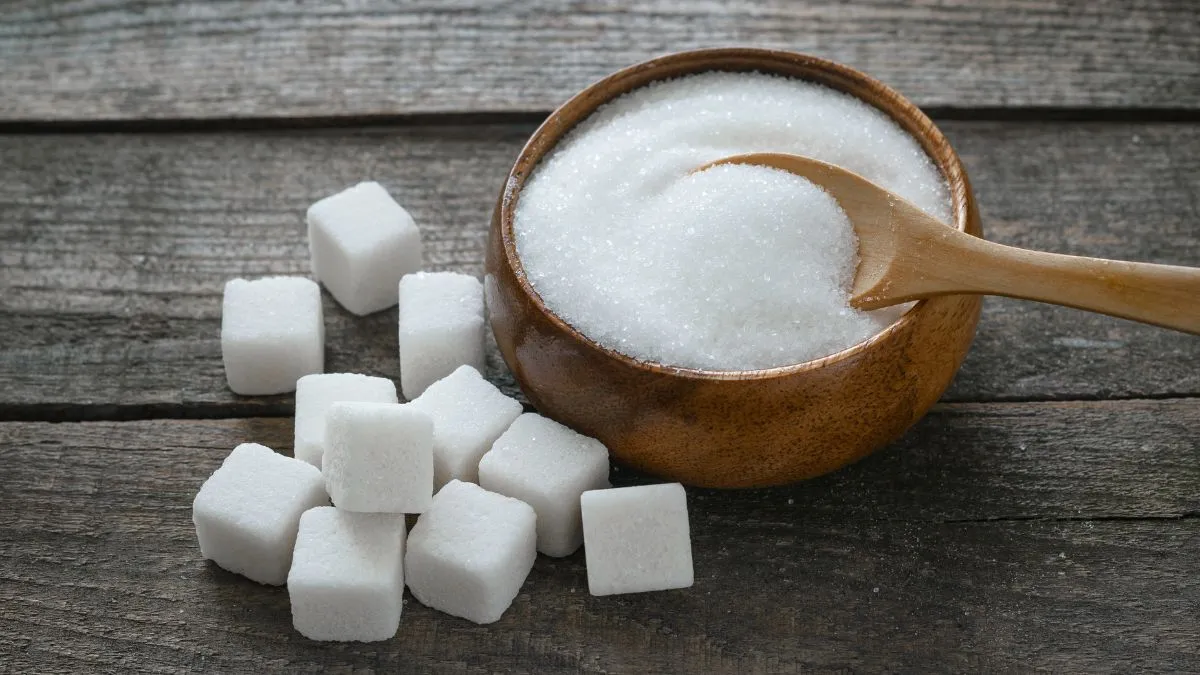
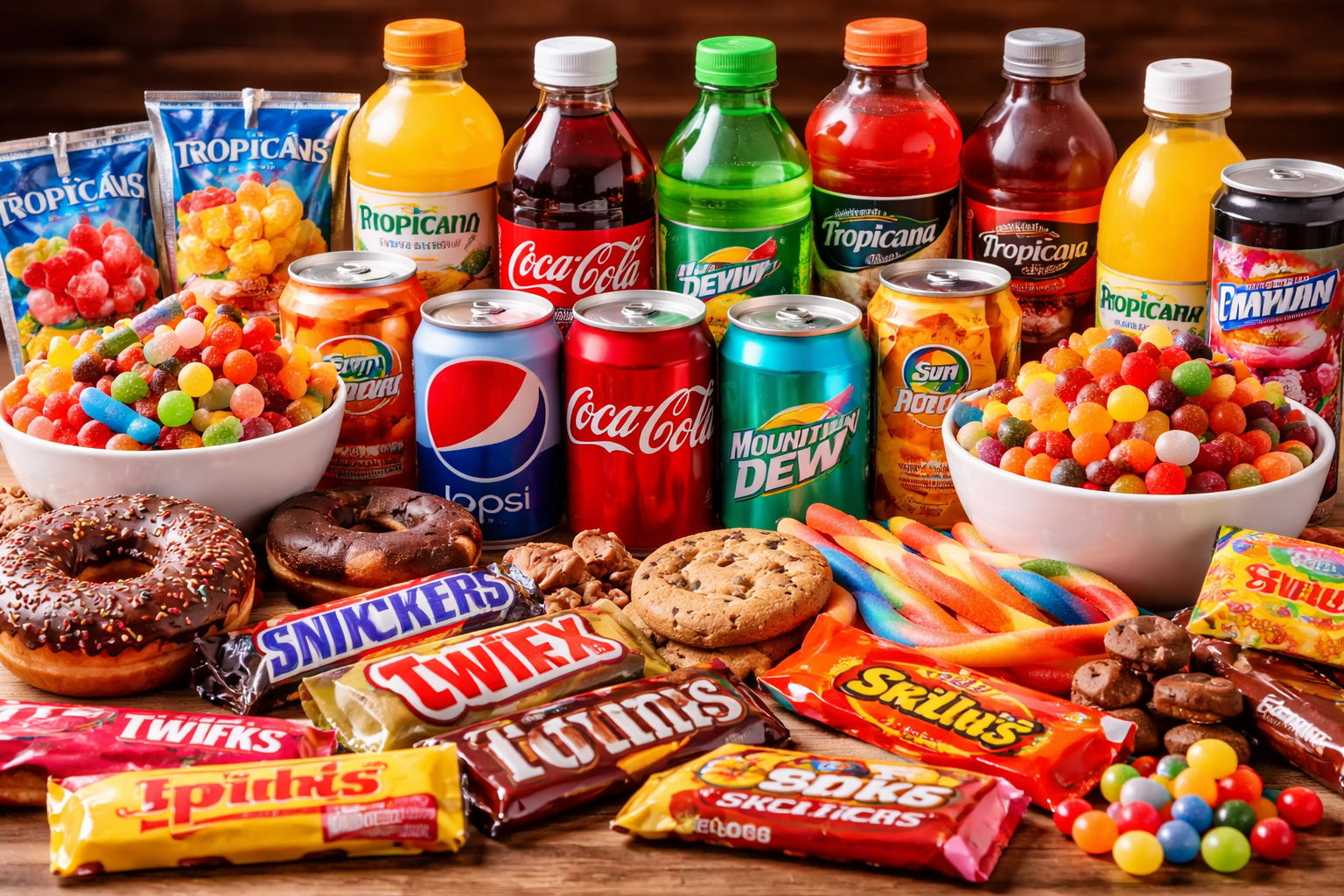
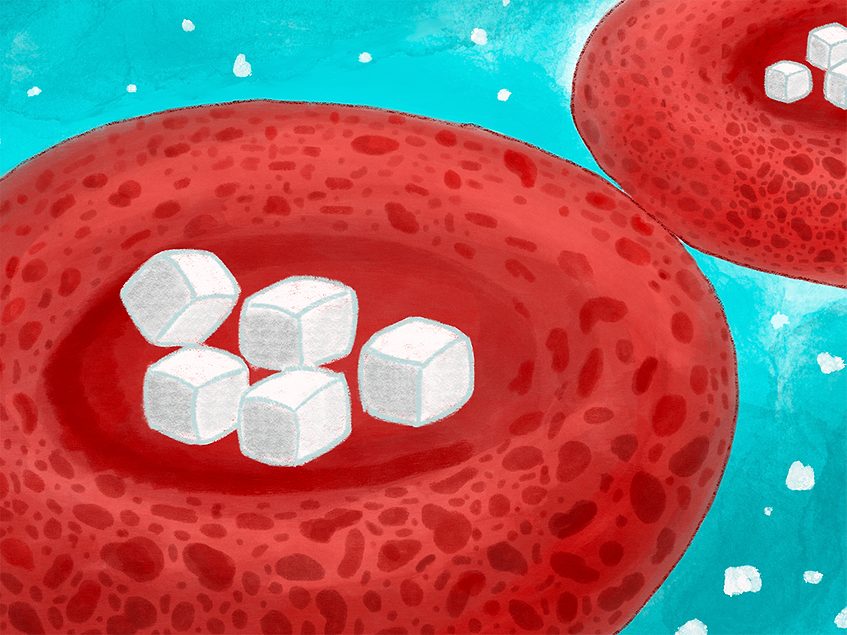
Making the swap from sugar-sweetened beverages to diet soda can significantly reduce your calorie and added sugar intake. In fact, sugar-sweetened beverages are the top source of added sugars in the US diet. Just one 12-ounce can of sugar-sweetened soda contains 10 teaspoons of sugar and as many as 155 calories (and if you drink more than one, multiply that). On the other hand, a diet soda contributes 0 calories and 0 grams of sugar.
So even if you aren’t ready to give up regular soda completely, making the swap to even one diet soda instead of regular soda each day is a great first step in reducing your added sugar intake, which will also help keep your blood sugar levels in check.
The Long-Term Effects are Still Unclear
You might be wondering, if diet soda doesn’t impact my blood sugar, can I drink one (or more) every day? The research on the long-term effects of diet soda is unclear, so it’s still best to consume it in moderation. “One study concluded that ‘artificial sweetener intakes were associated with a higher risk of type 2 diabetes’,” says Rose-Francis. “However, association does not mean causation. Because this was one of the first studies of its kind, more research is needed before a final consensus can be made,” she adds. From what we know now, it’s still safe to assume that the low- and no-calorie sweeteners in diet soda won’t raise your blood sugar in the same way as sugar.
What About Zero Sugar Soda and Your Blood Sugar?
In addition to diet soda, you may also come across sodas that are labelled “zero sugar”. Although it seems like they mean the same thing, they aren’t necessarily interchangeable. “Zero sugar does not literally mean the product contains no sugar at all. It means the product has less than 0.5 grams of sugar per serving,” explains Rose-Francis. On the other hand, “diet” is a marketing term that means the product is lower in sugar and calories than the original version.
So what does sipping on zero-sugar soda do to your blood sugar? “Just like diet soda, zero sugar soda is made with artificial sweeteners, and it does not have an instant impact on blood sugar,” says Sheri Gaw RDN, CDCES. Diet sodas are usually sweetened with aspartame, while zero sugar options may rely on a blend of nonnutritive sweeteners like sucralose, acesulfame potassium or stevia. Some actually prefer zero-sugar sodas because they mimic the flavor of regular soda more closely, thanks to the blend of artificial sweeteners.
Other Tips for Supporting Healthy Blood Sugar Levels
In addition to making smart swaps when it comes to what you’re sipping on throughout the day, here are some other expert-recommended tips for supporting healthy blood sugar levels.
-
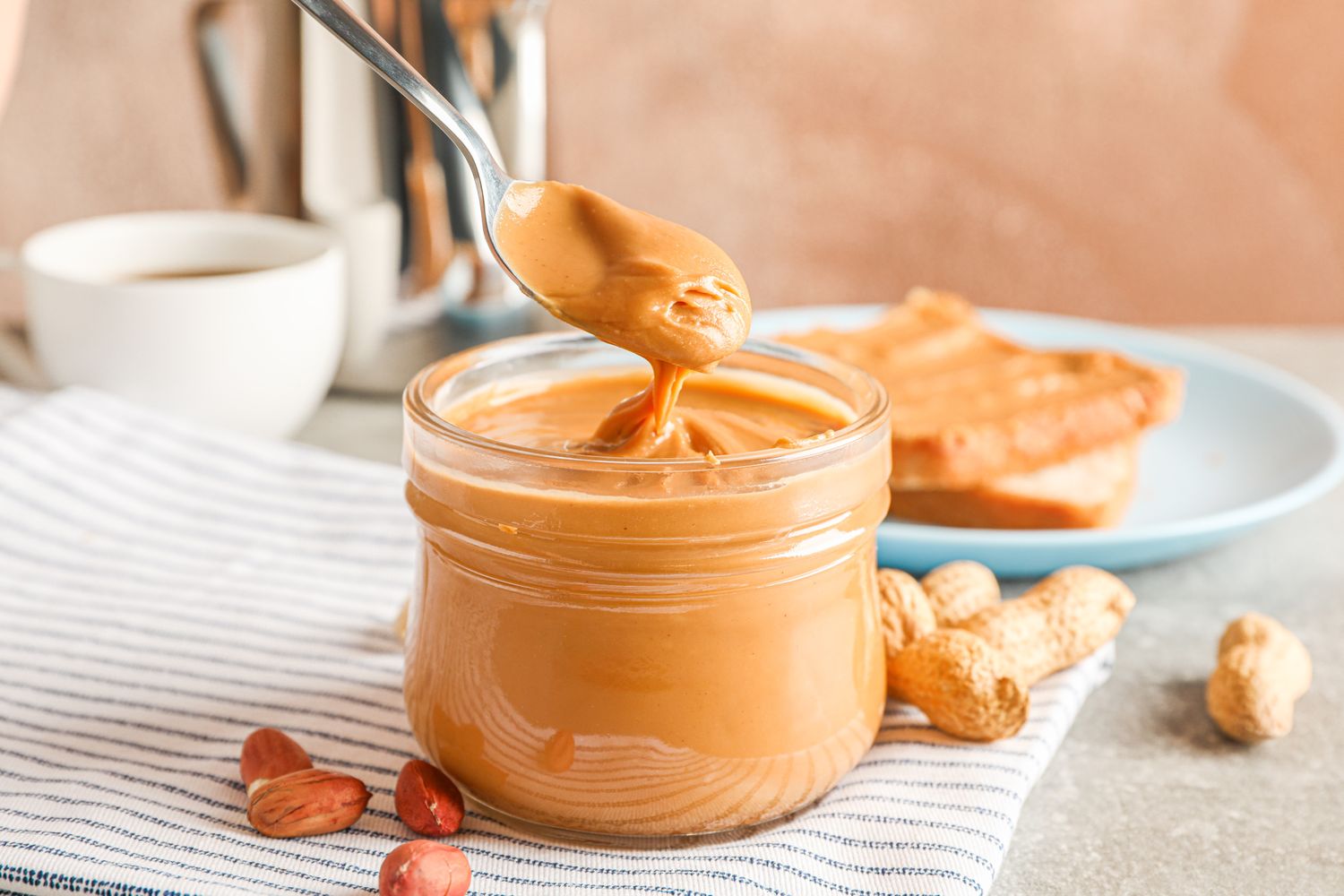
Pair carbs with protein: One simple step for steadier blood sugar levels is to pair your carbs with protein—think pretzels and peanut butter or a cheese stick and some crackers. The protein helps slow the digestion and absorption of carbohydrates, lowering your overall blood sugar response compared to eating the carbs alone.
-
Stay hydrated: Proper hydration is key for blood sugar balance, says Gaw, but it’s easy to overlook. Aim to meet most of your hydration goal with water, then fill in the gaps with coffee, unsweetened tea, and the occasional diet or zero sugar soda.
-
Keep portions in check: Not everyone is ready to give up their soda intake cold turkey, and that’s OK. More often than not, you will have more success adopting healthier habits by taking a more gradual approach. Maybe it’s reducing your soda intake by one can per day or switching to a smaller serving. “Mini cans contain 7.5 ounces and therefore have fewer carbohydrates and sugar,” says Rose-Francis.
-
Go for a walk: Sweaty gym sessions aren’t the only activity that can help keep your blood sugars in check. In fact, there’s plenty of research to support the blood-sugar-friendly benefits of a simple 10- to 15-minute walk, especially after a meal. Not only is it a more approachable way to build activity into your day, but moving your muscles helps pull glucose out of the bloodstream, which translates to lower post-meal blood sugar levels.
Our Expert Take
Managing your blood sugars involves lots of small decisions all day long, from what’s on your plate to how you quench your thirst. Sugar-sweetened beverages are popular, but the added sugars can make blood sugar management difficult.
Luckily, switching to diet soda can help. Not only do you get a similar flavor and fizz, but there are no calories and minimal to no sugar, so it won’t impact your blood sugar. So don’t be afraid to pop open a can of diet soda every once in a while, just balance it out with good old-fashioned water or even sparkling water if you’re craving those bubbles.
Read the original article on EatingWell