
Key Takeaways
- Rice cakes eaten on their own can spike blood sugar, due to their carbohydrate content.
- Adding peanut butter to rice cakes slows down the digestion of carbs, helping support steadier blood sugar and sustained energy levels.
- Diversify this snack by using different nut or seed butters, topping it with fresh fruit, or pairing it with other healthy foods for a balanced small plate.
Eating a rice cake with peanut butter can help slow digestion and reduce blood sugar spikes. This healthy snack can help you feel satisfied and energized between meals.
Peanut Butter With Rice Cakes Supports Stable Blood Sugar
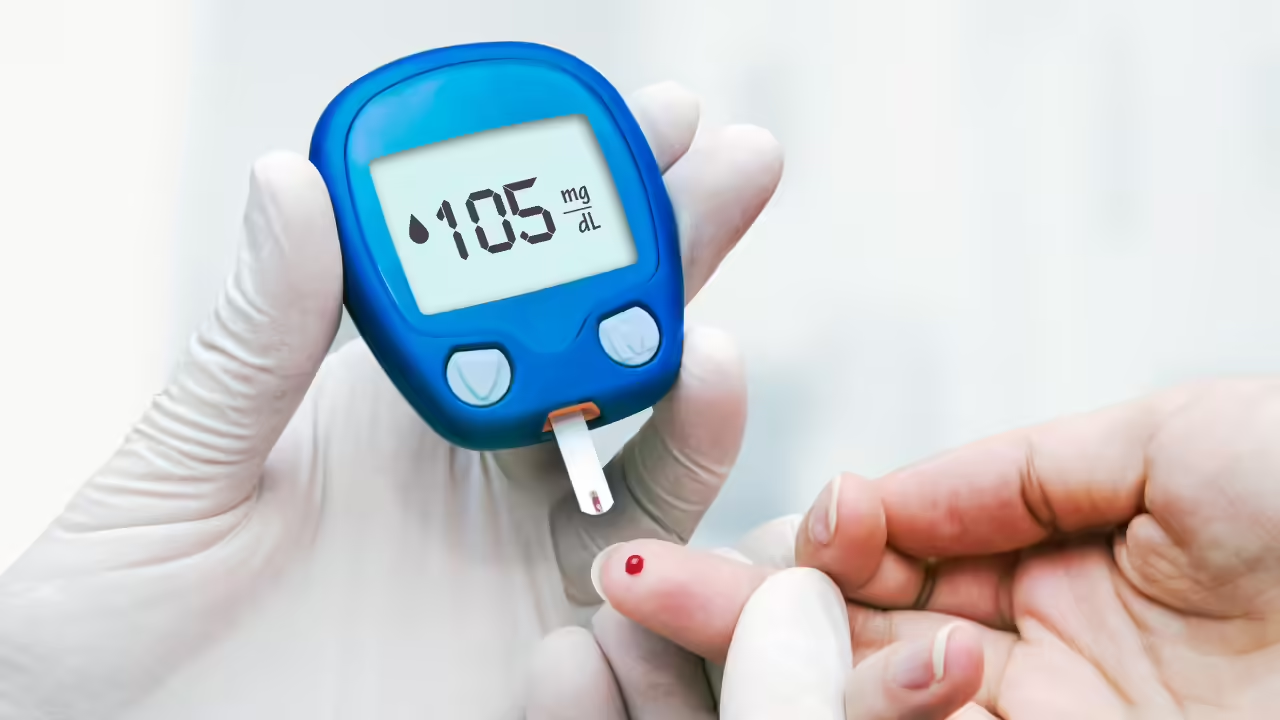
A rice cake’s simple carbohydrates typically cause a quick spike in blood glucose (sugar), but adding peanut butter can change this response. The protein and fat in peanut butter slow down the rate at which your body digests and absorbs carbs.
This means you get a steadier release of glucose into your bloodstream, rather than a sharp spike followed by a crash, helping you maintain more consistent energy levels and feel satisfied longer.
Rice Cakes On Their Own
Rice cakes are a simple way to satisfy the craving for crunch without overdoing it on calories. They contain mainly processed carbohydrates and offer little to no protein, fat, or fiber.
A typical plain rice cake made from whole grain brown rice and salt provides the following nutritional makeup:
- Calories: 35 calories
- Carbohydrates: 7 grams (g)
- Protein: <1 g
- Total fat: 0 g
- Fiber: 0 g
Because of their carbohydrate content, rice cakes are quickly digested and provide a short-term source of energy that only sticks with you for a little while before hunger returns.
What Happens When You Add Peanut Butter
When you slather peanut butter on a rice cake, it changes your blood sugar response. Slathering peanut butter on a rice cake creates a more balanced snack, offering protein and fat (in addition to the rice cake’s carbs).
Two tablespoons of peanut butter provide the following nutrition:
- Caloires: 190
- Carbohydrates: 7 g
- Protein: 7 g
- Total fat: 16 g
- Fiber: 2 g
A slower breakdown of carbs results in steadier blood sugar levels and helps you feel fuller for longer between meals. Adequate protein intake can also help prevent low blood sugar levels (hypoglycemia) throughout the day.
Other Practical Considerations
When combining rice cakes with peanut butter, here are a few things to keep in mind, especially if you’re concerned about its effects on blood sugar or overall health:
- Portion size matters: Peanut butter is calorie-dense (fats provide 9 calories per gram), so a little bit goes a long way, including in its effects on slowing digestion and supporting steadier blood sugar.
- Nutritional quality varies: Look for rice cakes made with whole grains as the first ingredient. Opt for peanut butter with peanuts as the first ingredient. Natural peanut butters (which usually require stirring to incorporate the oil) often contain fewer ingredients than some more processed varieties.
- There are other nut butters: If you are allergic to peanuts or just want variety, try other types of nut or seed butters. They often provide similar amounts of protein, fat, and fiber to your snack.
Tips to Optimize This Snack Combo
Adding a little peanut butter to your rice cakes can make a healthy, portable, low-effort snack. But if you want to take it up a notch to optimize the nutritional value and reap more benefits from it, here are some other tips to try:
- Sprinkle some hemp, ground flax, sliced almonds, or chia seeds on top for an added satiety boost.
- Layer it with banana or strawberry slices for natural sweetness.
- Use it as a pre-workout or between-meal snack to help you stay focused and energized until dinner.
- Eat it alongside other nutrient-dense foods for an even more well-rounded small plate, such as some berries or orange slices, a cheese stick, roasted chickpeas, or a hard-boiled egg.
:max_bytes(150000):strip_icc():format(webp)/Lpanoffverywellphoto-f71f0b5c487943a382bbbdabc0a2fc1d.jpg)