Key Takeaways
- Peanut butter is primarily a source of fat, with a lower protein and carbohydrate content than other snack foods.
- It is a poor choice for instant fuel but a much better choice for sustained energy.
- Pair a spoonful of peanut butter with other sources of protein and fiber for a balanced plate, such as apple or banana slices, a bowl of oatmeal or yogurt, or a slice of whole-grain toast.
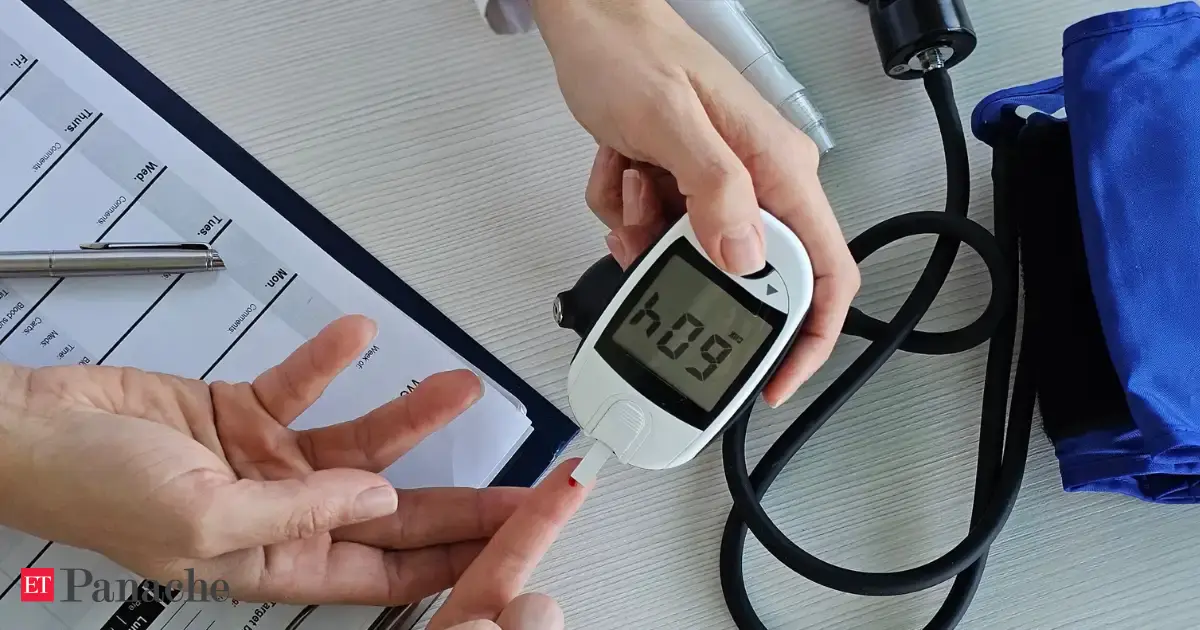
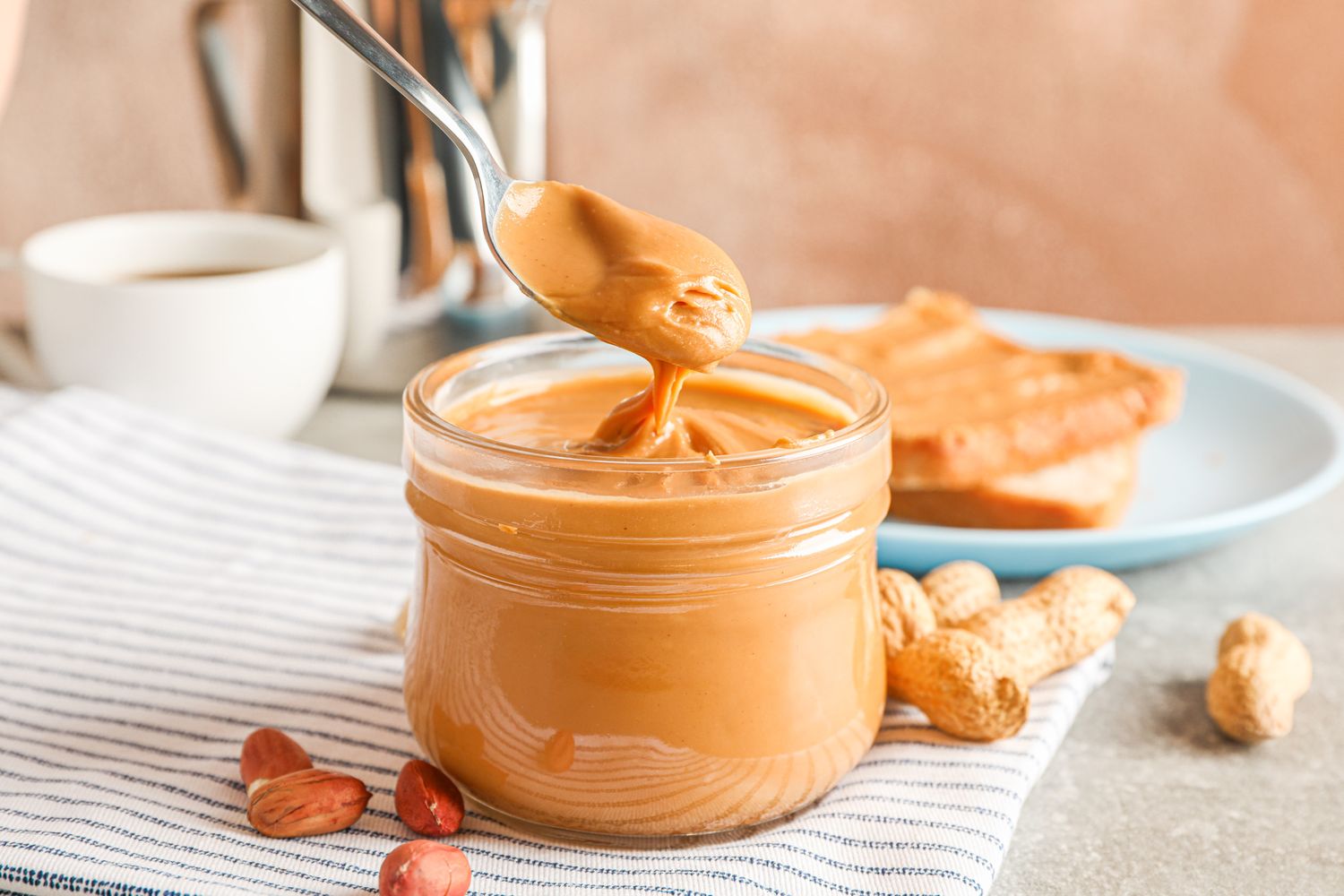
While a spoonful of peanut butter is creamy (or sometimes crunchy), it’s not the best snack choice if you’re looking for a quick burst of energy. Understanding the link between blood sugar and a spoonful of peanut butter can help you determine the best opportunities to eat it and, perhaps, what to pair it with for the effects you’re seeking.
Peanut Butter Has a Mild Effect on Your Blood Sugar
Peanut butter is made up of about 50% fat, 24% protein, and 19% carbs by weight, meaning that it’s more of a source of fats than any other macronutrient.
Fat-rich foods like peanut butter digest more slowly than carbohydrates, resulting in a minimal, manageable impact on blood sugar levels.
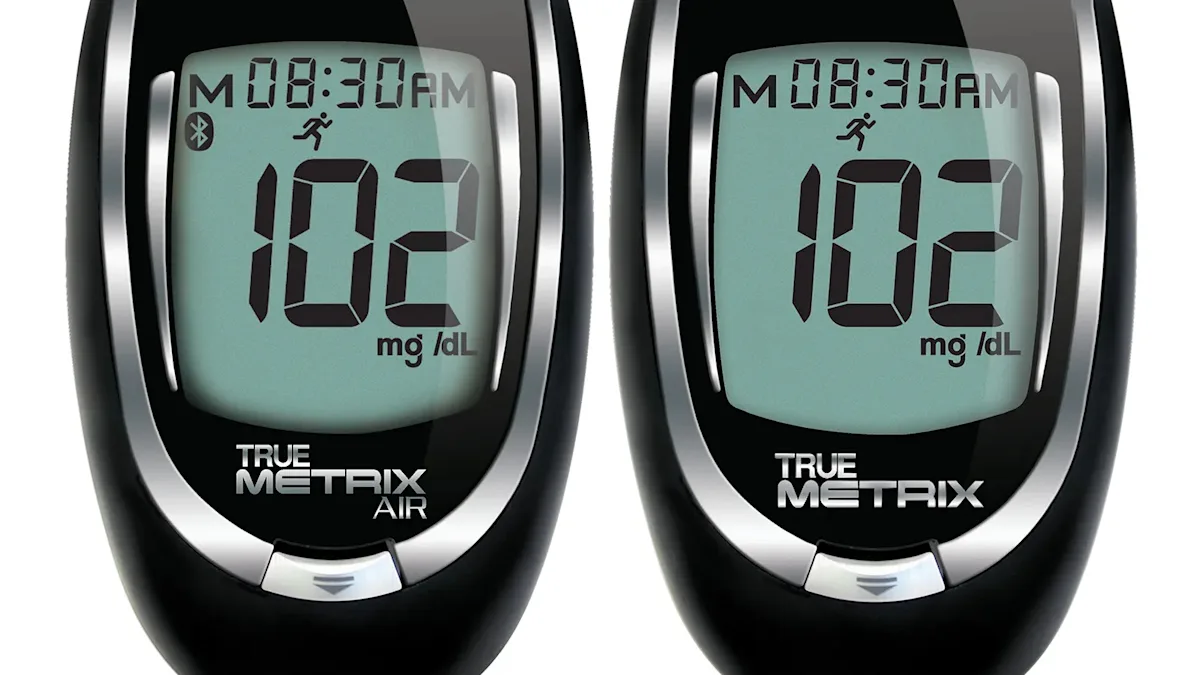
One tablespoon of peanut butter has about 3-4 grams of carbohydrates and a glycemic index of about 14. For context, foods with a high glycemic index (70 and above) cause rapid and significant blood sugar spikes, so peanut butter sits at the gentler end of the spectrum.
Eaint peanut butter will not spike your blood sugar levels to the degree they would when you eat a donut, for example. However, it also means you won’t get the quick, temporary energy boost that refined carbs provide.
The Body Absorbs Nutrients from Peanut Butter Slowly
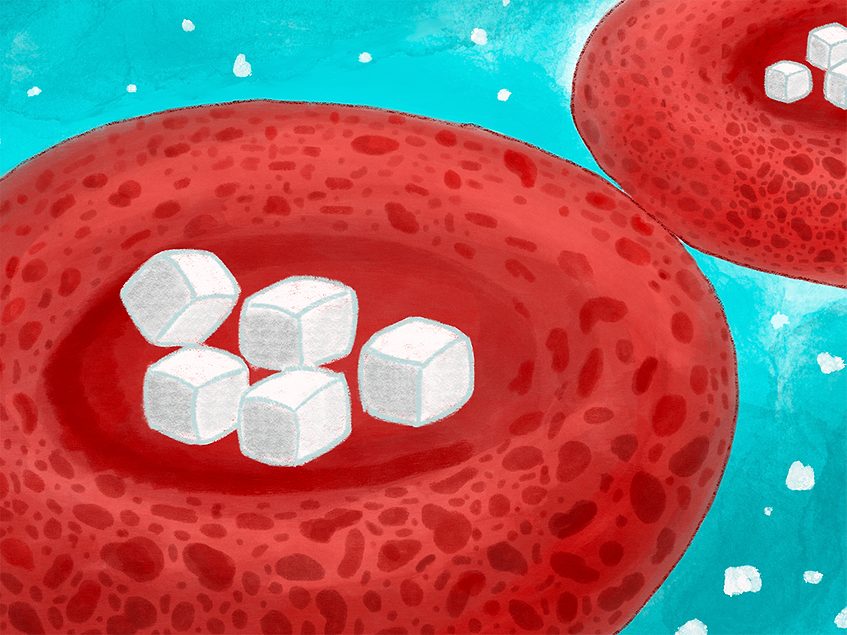
What makes peanut butter particularly favorable for blood sugar is its combination of fat, protein, and fiber. These three nutrients work together to slow down digestion and the rate at which carbohydrates are broken down and absorbed into the bloodstream.
Rather than experiencing a quick rush of glucose (sugar), your body processes the carbs in peanut butter gradually, resulting in a smoother, more sustained energy release without the crash that often follows high-sugar foods.
Again, this makes a spoonful of peanut butter a better snack choice for long-term energy rather than something you eat when you feel shaky from low blood sugar.
Slow Absorption Results in More Stable Blood Sugar
While peanut butter alone may not be a great pre-workout snack for quick fuel, it can be an excellent part of a balanced plate.
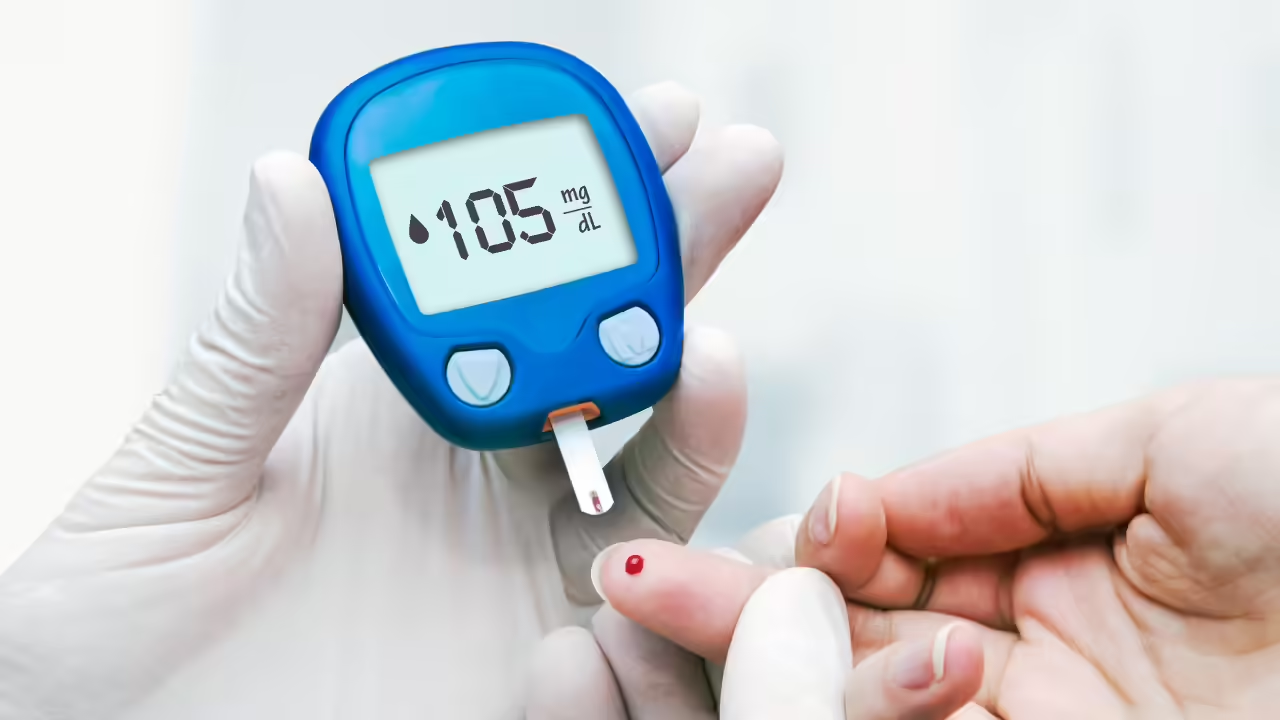
People with existing concerns about blood sugar control (such as those with diabetes) can benefit from regularly incorporating healthy fats, such as peanut butter, into their diet. Balancing protein, fat, and carbs can help keep blood sugar levels more stable over time.
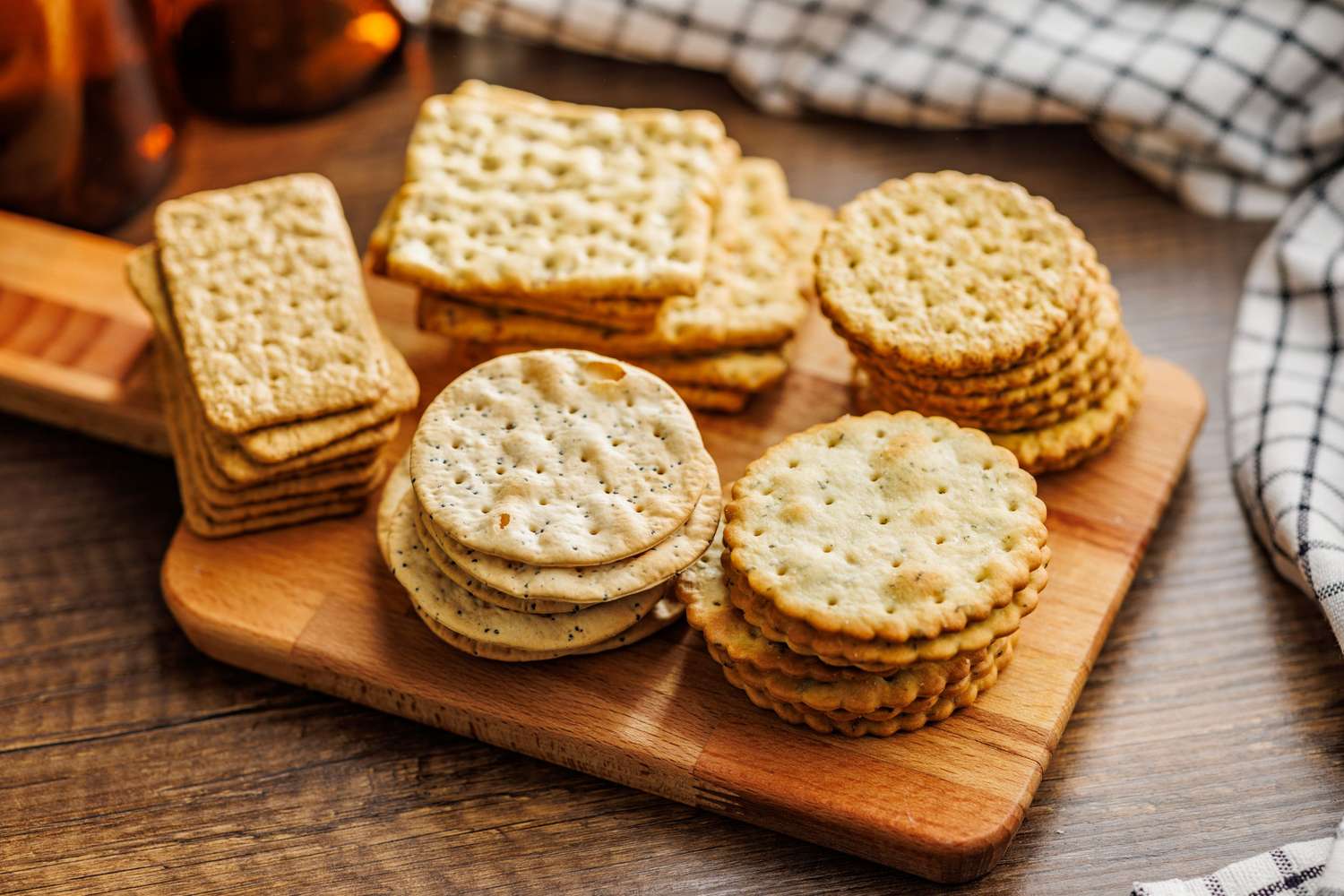
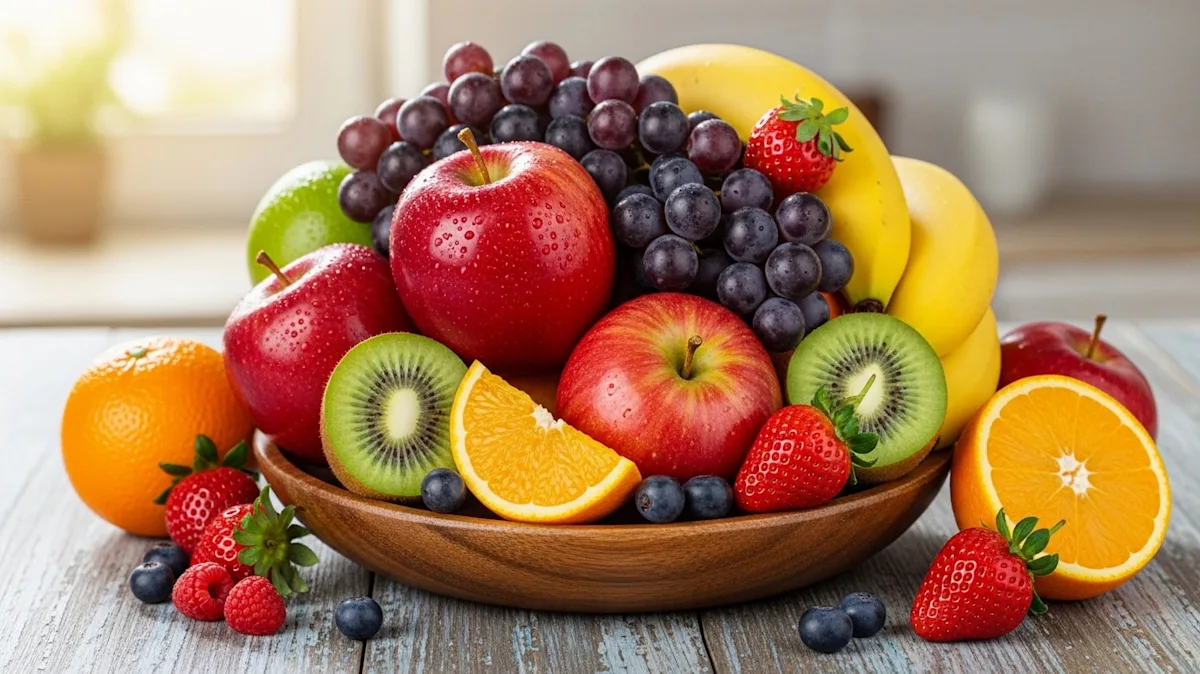
For instance, pairing peanut butter with a small amount of carbohydrates, like apple slices or whole grain crackers, can help blunt the blood sugar spike from those carbs while also preventing blood sugar from dipping too low between meals.
Its protein and fat content promote satiety, which can also reduce the urge to reach for sugary, quickly digested snacks that would cause more dramatic fluctuations.
Foods to Pair with a Spoonful of Peanut Butter for Blood Sugar Control
You can get the most nutritional benefits from a spoonful of peanut butter by pairing it with carbs and protein to slow digestion. Here are some ideas for making a healthy small plate that supports stable blood sugar and sustained energy levels:
- Half a peanut butter and jelly sandwich on whole-grain bread
- A chocolate-peanut butter smoothie, made with a spoonful of peanut butter, cocoa powder or chocolate protein powder, a frozen banana, pitted dates, and fortified soymilk
- Energy balls made by pulverizing peanut butter, rolled oats, raisins, chia seeds, and maple syrup
- Apple “nachos” made by slicing apples thinly, spreading them on a plate, and then drizzling melted peanut butter over them and sprinkling on raisins
- A slice of 100% whole wheat toast slathered with peanut butter and layered with banana slices
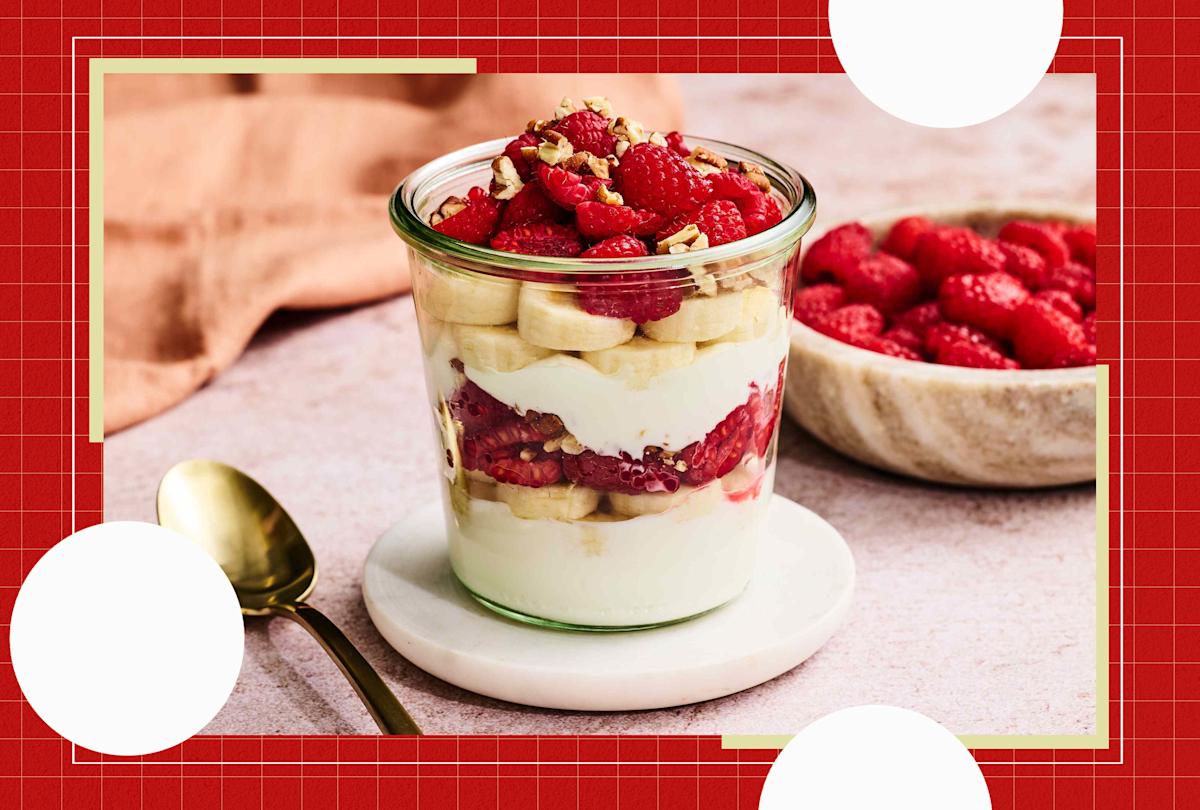
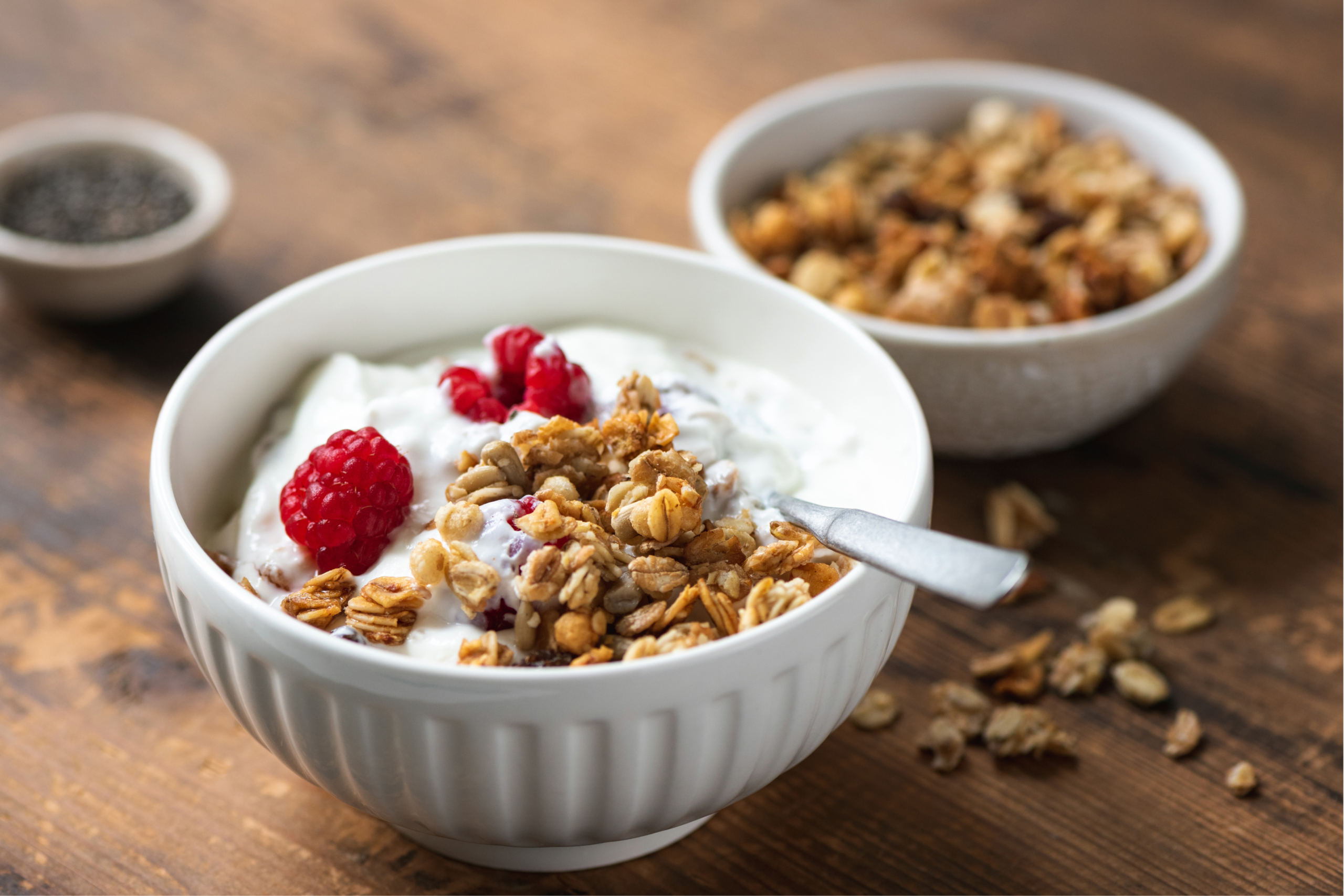
- Mix peanut butter into a bowl of oatmeal with berries, or have it alongside some Greek yogurt with pistachios
A little bit goes a long way, too, so experiment with adding a tablespoon or two of peanut butter to your snack plates in ways you enjoy that support your energy needs.
:max_bytes(150000):strip_icc():format(webp)/Lpanoffverywellphoto-f71f0b5c487943a382bbbdabc0a2fc1d.jpg)