Reviewed by Dietitian Madeline Peck, RDN, CDN

Credit: Getty Images. EatingWell Design.
Key Points
-
Cereals that are high in sugar and low in fiber can spike blood sugar.
-
Look for cereals with less than 5 grams of added sugar and at least 3 grams of fiber.
-
Pair your cereal with fat and protein, and move after eating for better blood sugar.
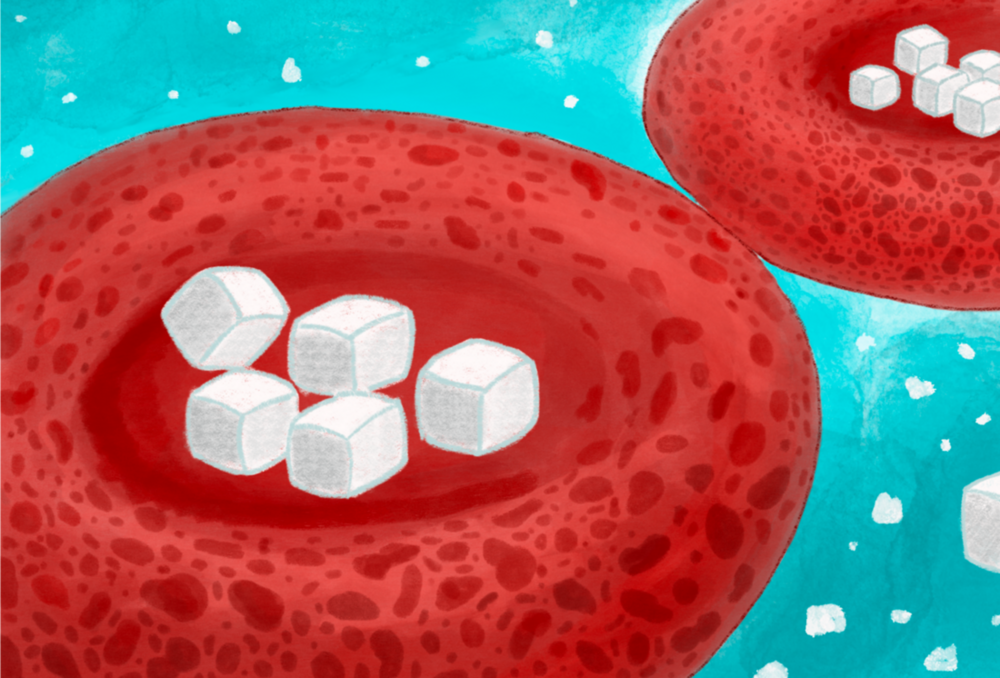
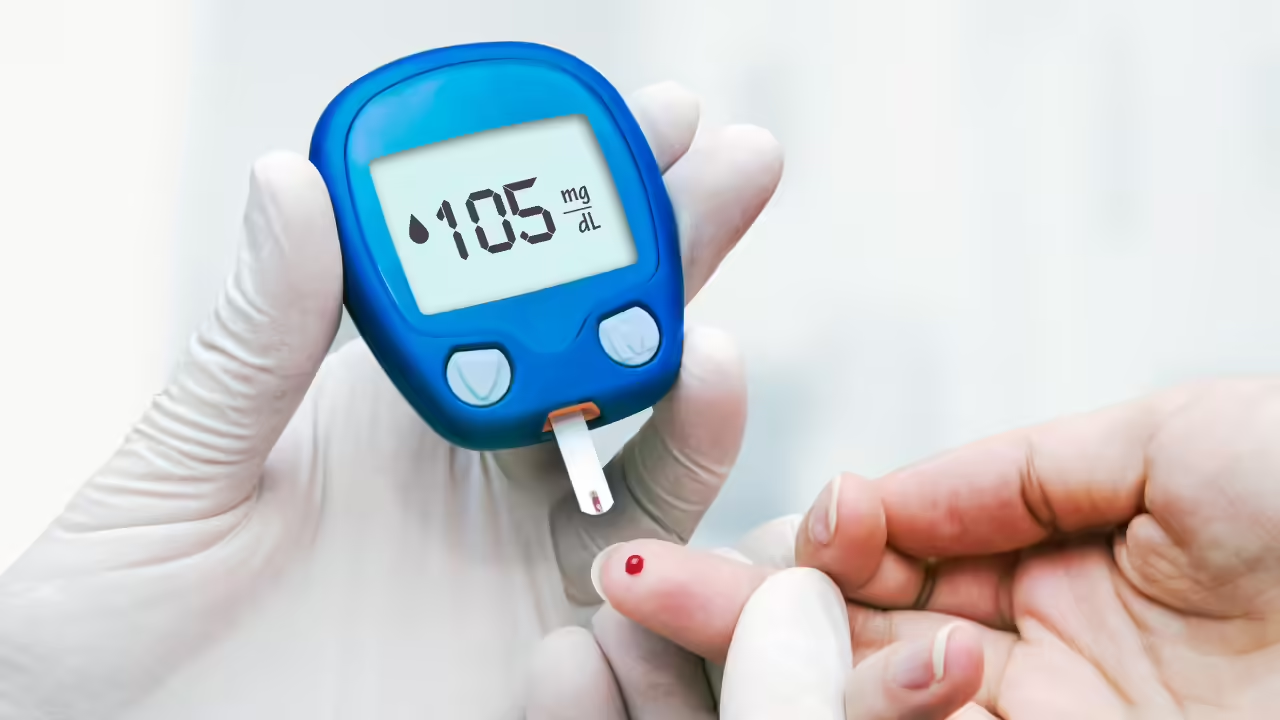
Do you love a comforting bowl of cereal but worry it’s bad for your blood sugar? While sweetened cereals can spike blood sugar, not all cereals have this effect. “The fiber, sugar and protein content of cereal can make or break the cereal’s glycemic index, or [the] rate and degree to which the carbs will break down and raise blood sugar levels,” says Jenna Volpe, RDN, LD, IFNCP.
Cereals with more protein and fiber and less added sugar are better for balancing blood sugar than high-sugar, low-fiber ones. Adding protein-rich foods like milk or yogurt to your cereal can also stave off sugar spikes by slowing down the rate the carbohydrates are digested. We interviewed dietitians to share the ins and outs of how cereal impacts blood sugar, plus blood sugar-friendly ways to enjoy cereal.
How Cereal Impacts Blood Sugar
Sugary Cereal Can Spike Blood Sugar
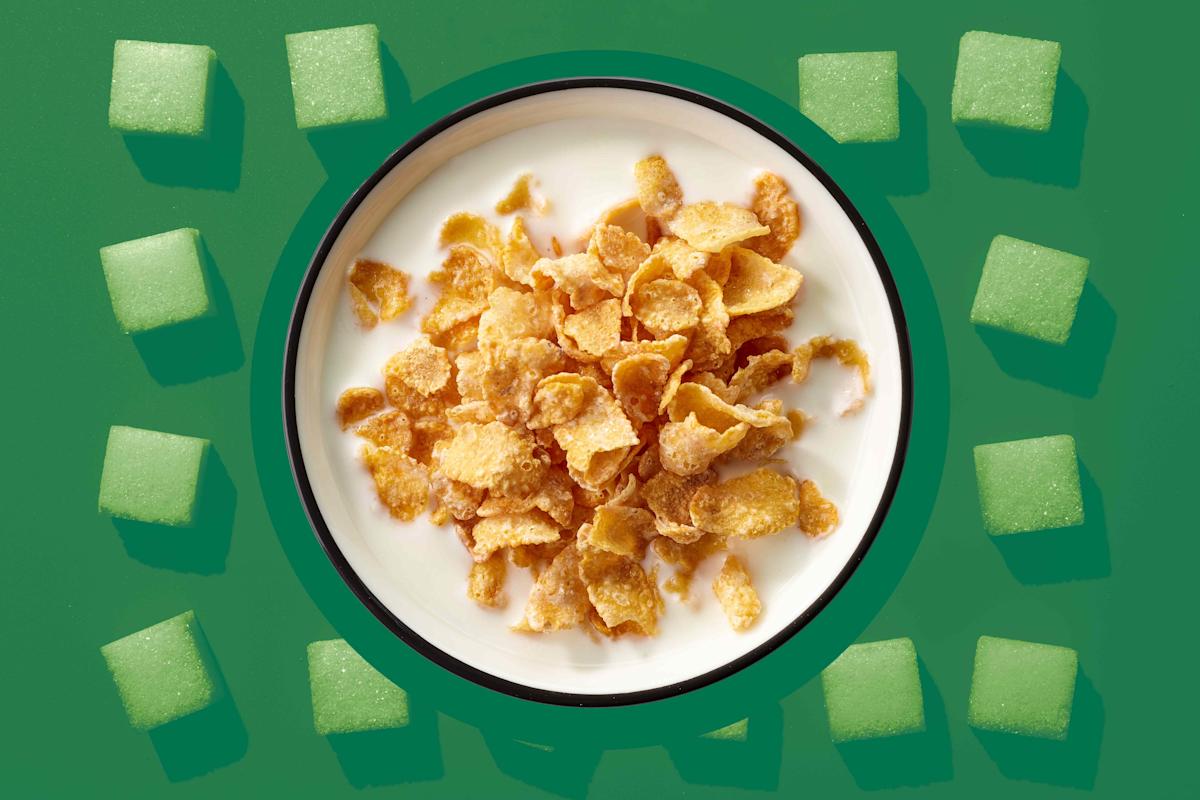
Overconsumption of added sugars leads to elevated blood sugar and is linked to a higher risk of diabetes, so be sure to check the nutrition label before adding a cereal to your cart. “Many packaged cereals contain added sugars, which increase the total carbohydrate load and can further amplify blood sugar fluctuations,” says Val Warner, MS, RD, CSSD. The American Diabetes Association generally recommends limiting foods high in added sugars since they’re more likely to raise blood sugar and are typically not nutrient-dense. “Sugars are simple carbohydrates, and all types (even the natural kinds like honey) will break down and get absorbed faster than complex carbohydrates (from starches),” says Volpe.
Fiber-Rich Cereals Support Healthy Blood Sugar
But it’s not just about what you need to limit—it’s also about what to eat more of: fiber. “Cereals low in fiber and higher in sugar can lead to quicker, higher spikes in blood sugar,” says Volpe. However, combining the elements of low sugar and high fiber can have a positive impact on blood sugar. “Cereal with lower sugar and higher fiber content can lead to a slow, steady rise in blood sugar levels,” Volpe shares. “The fiber content in cereals can slow digestion and carbohydrate absorption, helping maintain stable blood sugar levels,” explains Juliana Vocca, MS, RD.
Dietitians recommend selecting a cereal with at least 3 grams of fiber per serving. Another pro tip: choose cereals with whole grains as the first ingredient. Whole grains are higher in protein and fiber than refined grains because the bran and germ are fully intact. Common examples you’ll find on your cereal box ingredients list include whole oats, whole wheat, brown rice or millet.
Bigger the Portion, Bigger the Impact
“Sugar, fiber, protein and fat aside, quantity matters when it comes to cereal’s effects on blood sugar,” says Volpe. “For example, smaller portions of any cereal would not raise blood sugar levels as quickly or as high as bigger portions of the same cereal,” she adds. People with diabetes often need to limit carbs to 45 to 60 grams per meal, but speak with your health care provider for individualized guidance. “If you track carbohydrates, be mindful not to exceed your provider’s recommended targets,” says Paloma Vega, MS, RDN. In general, Vocca recommends sticking with ¾ to 1 cup of cereal at a time to manage your carb intake. For those who do not track their carbohydrate intake for diabetes, focus on pairing your cereal with a source of protein, fat and fiber to keep you full and prevent blood sugar spikes.
How to Eat Cereal for Better Blood Sugar
“People with blood sugar concerns can enjoy cereal, but type and portion are key,” says Vega. Here are a few blood sugar-friendly strategies dietitians recommend for enjoying your next bowl of cereal:
-
Cut down the sugar. While you’re looking at the label, check the added sugars, too. Opt for a cereal with less than 5 grams of added sugar per serving. If that’s hard to find, consider mixing half a serving of a higher-sugar cereal with half a serving of an unsweetened cereal.
-
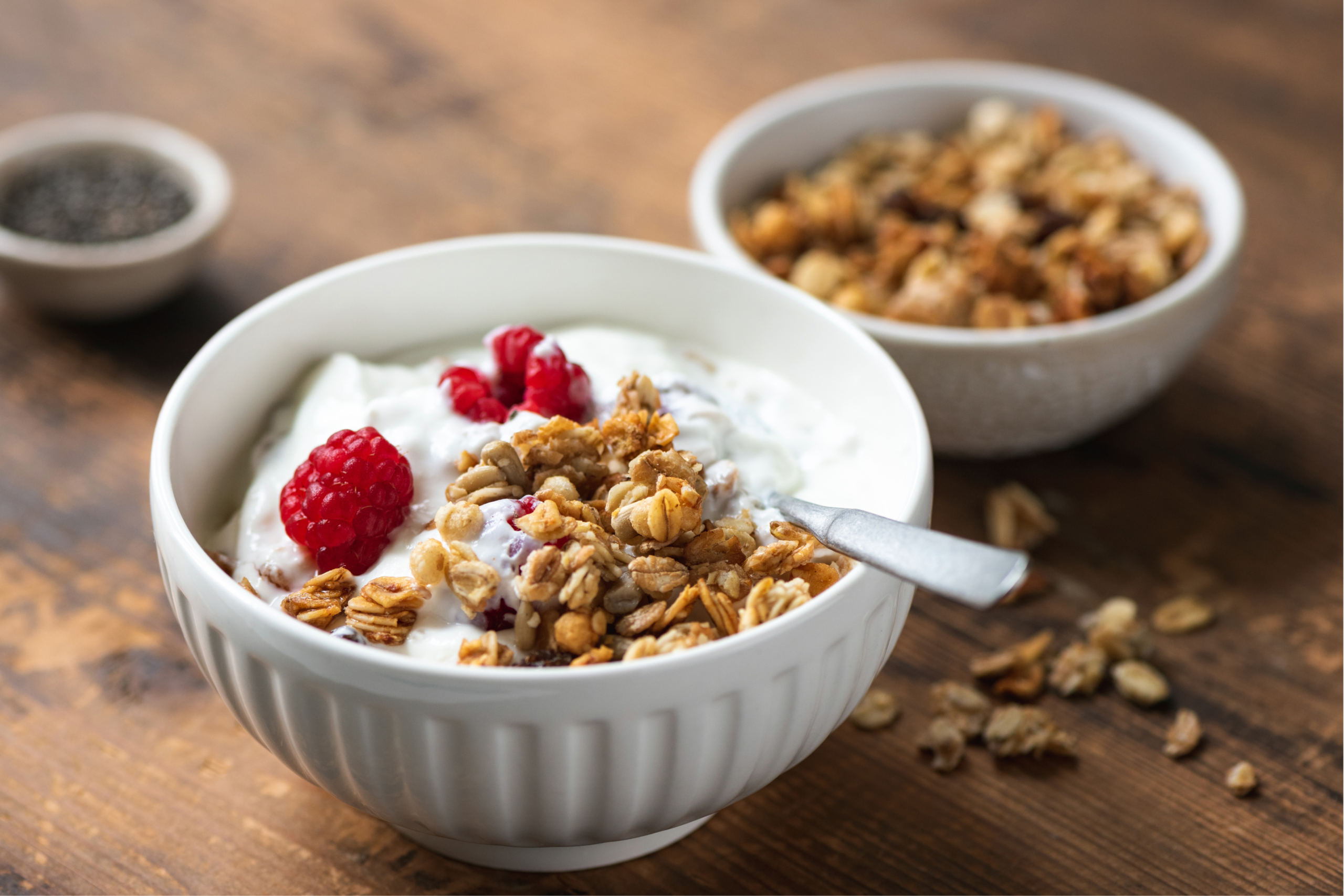
Add protein and fat. “Without protein to slow digestion, blood glucose can rise rapidly and drop shortly after,” says Warner. “Pair cereal with a protein source, such as Greek[-style] yogurt, milk or a boiled egg, and include healthy fats like nut butter or avocado to slow glucose absorption and improve satiety,” recommends Vega. Other tasty options include cottage cheese or a side of chicken sausage.
-
Take a walk afterward. What you do after you eat cereal also influences your body’s blood sugar response. “Muscles act like glucose ‘sinks,’ meaning they use circulating glucose for energy, which can help prevent prolonged spikes,” explains Warner. For a healthy, steady rise in blood sugar, take a short walk or get in some gentle movement once you finish eating. Some studies have shown that just a 10-minute walk after eating was effective for suppressing significant blood sugar elevation after eating.
Our Expert Take
Smart cereal selections and pairings make all the difference when it comes to managing blood sugar. Generally, it’s good to avoid cereal options with more than 5 grams of added sugar or less than 3 grams of fiber. “Select a high-fiber, low-sugar cereal and pair it with a protein source, such as milk or yogurt. This will slow digestion and carbohydrate absorption, helping to maintain stable blood sugar levels,” says Vocca. Whether you like your cereal with protein-rich milk, a handful of nuts or a bowl of yogurt, make an intentional pairing to avoid unwanted blood sugar spikes. This will also help you feel fuller faster and keep you satisfied longer so you don’t need as big a serving of cereal to fill up.
Read the original article on EatingWell