
Key Takeaways
- Eating refined carbs alone can cause a quick blood sugar spike.
- Pairing refined carbs with protein, fiber, or fat can help reduce blood sugar spikes.
- Eating complex carbs can help support healthy blood sugar.
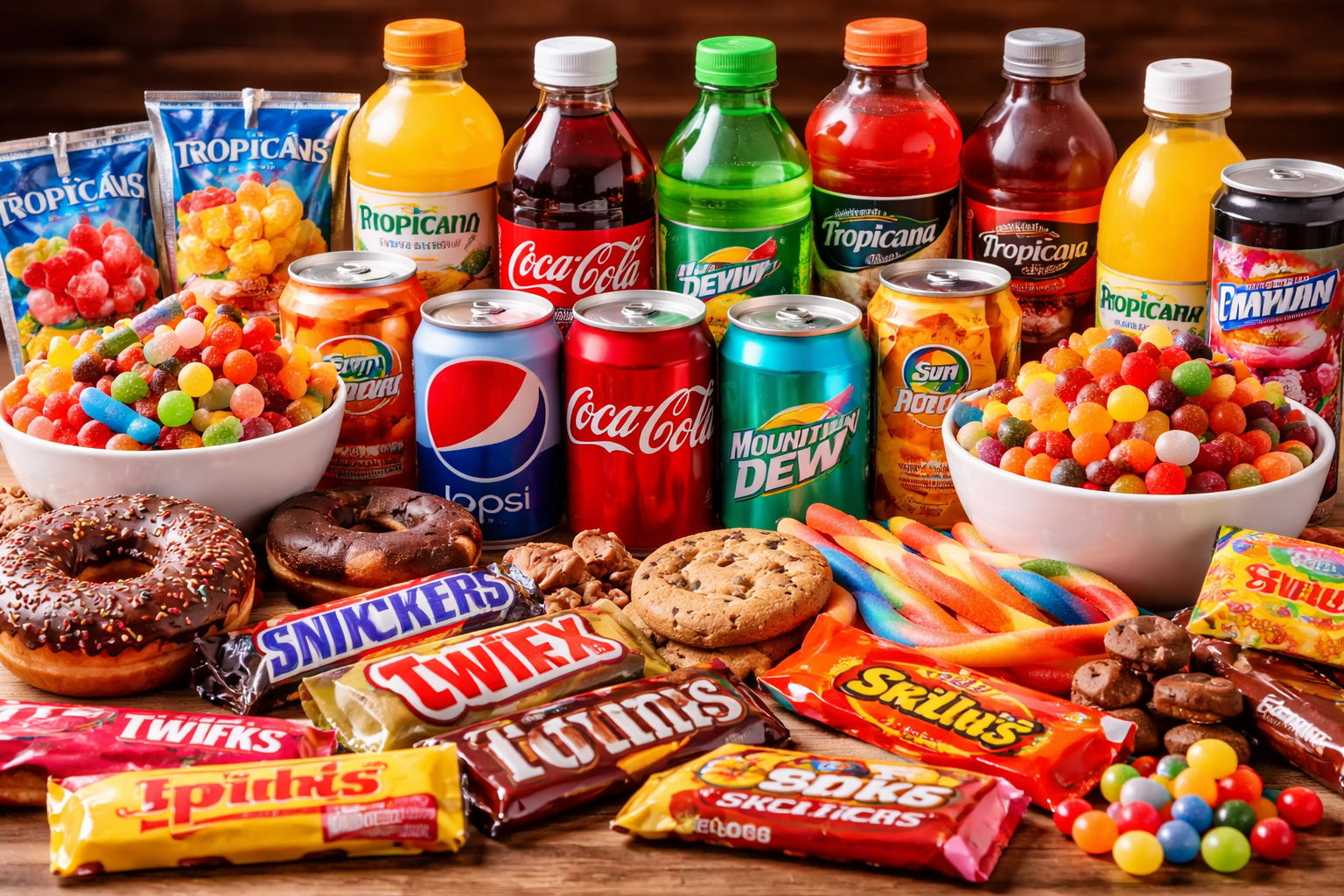
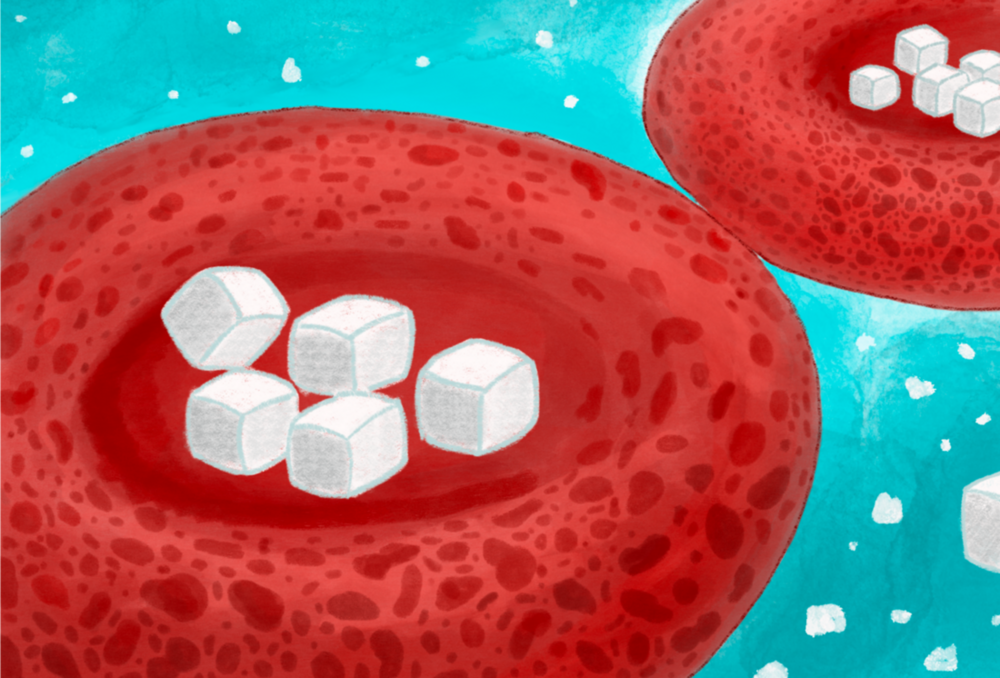
On social media, the term “naked carbs” has become a popular way to refer to eating refined carbs on their own, without any other foods. Experts say eating “naked carbs” once in a while is fine, but pairing them with other nutrients can help blunt the blood sugar impact.
What ‘Naked Carbs’ Do to Blood Sugar Levels
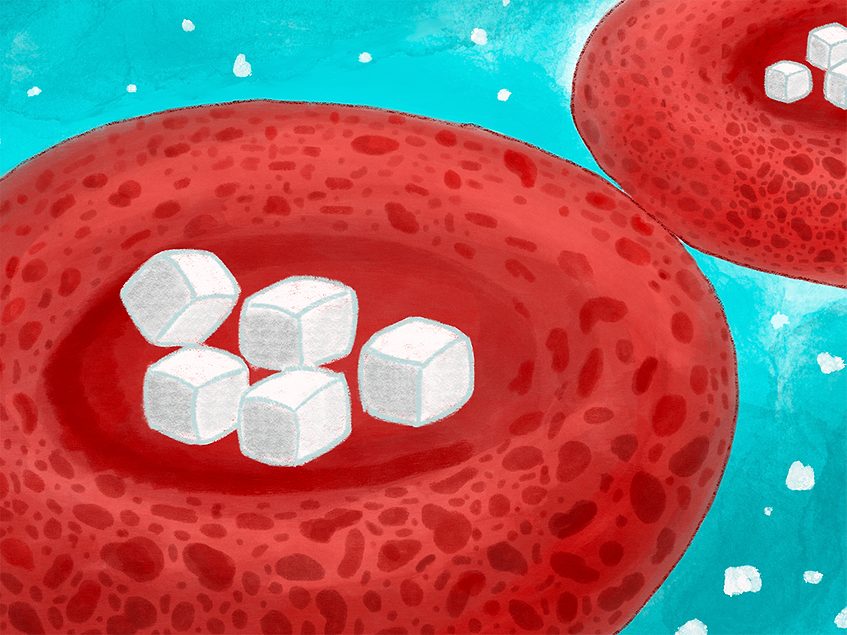
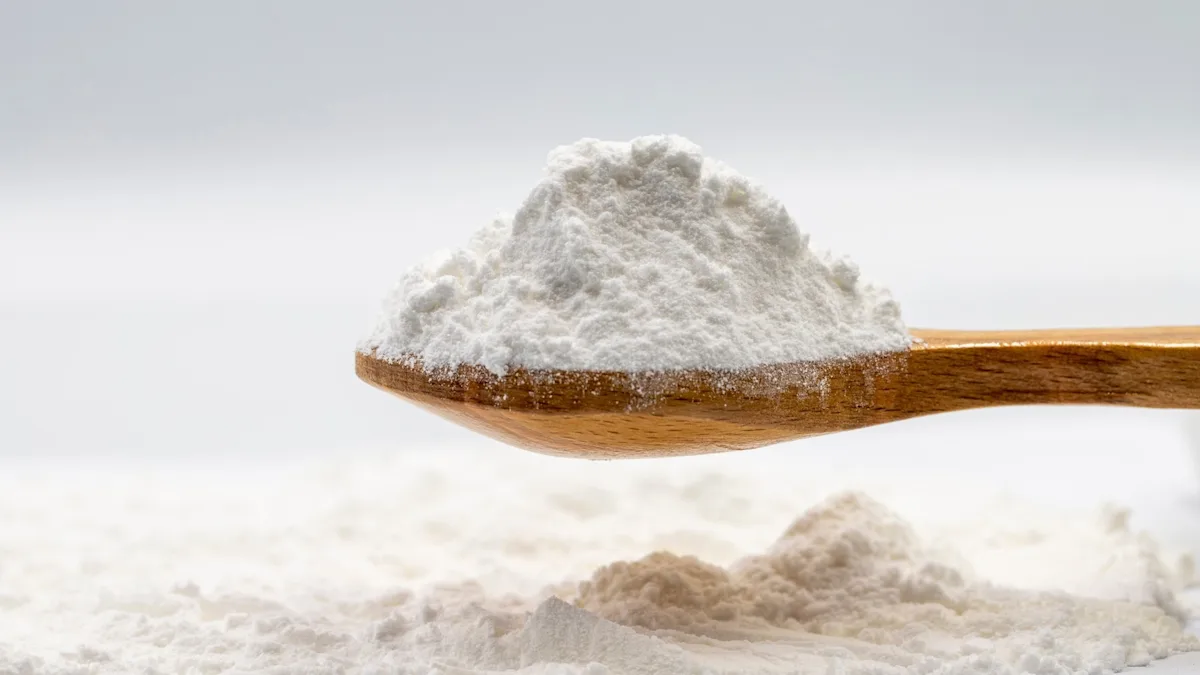
Refined grains are absorbed into the bloodstream more quickly than whole grains, said Joan Salge Blake, RDN, LDN, a dietitian and nutrition professor at Boston University. This will affect blood glucose levels when consumed alone, especially on an empty stomach, she said.
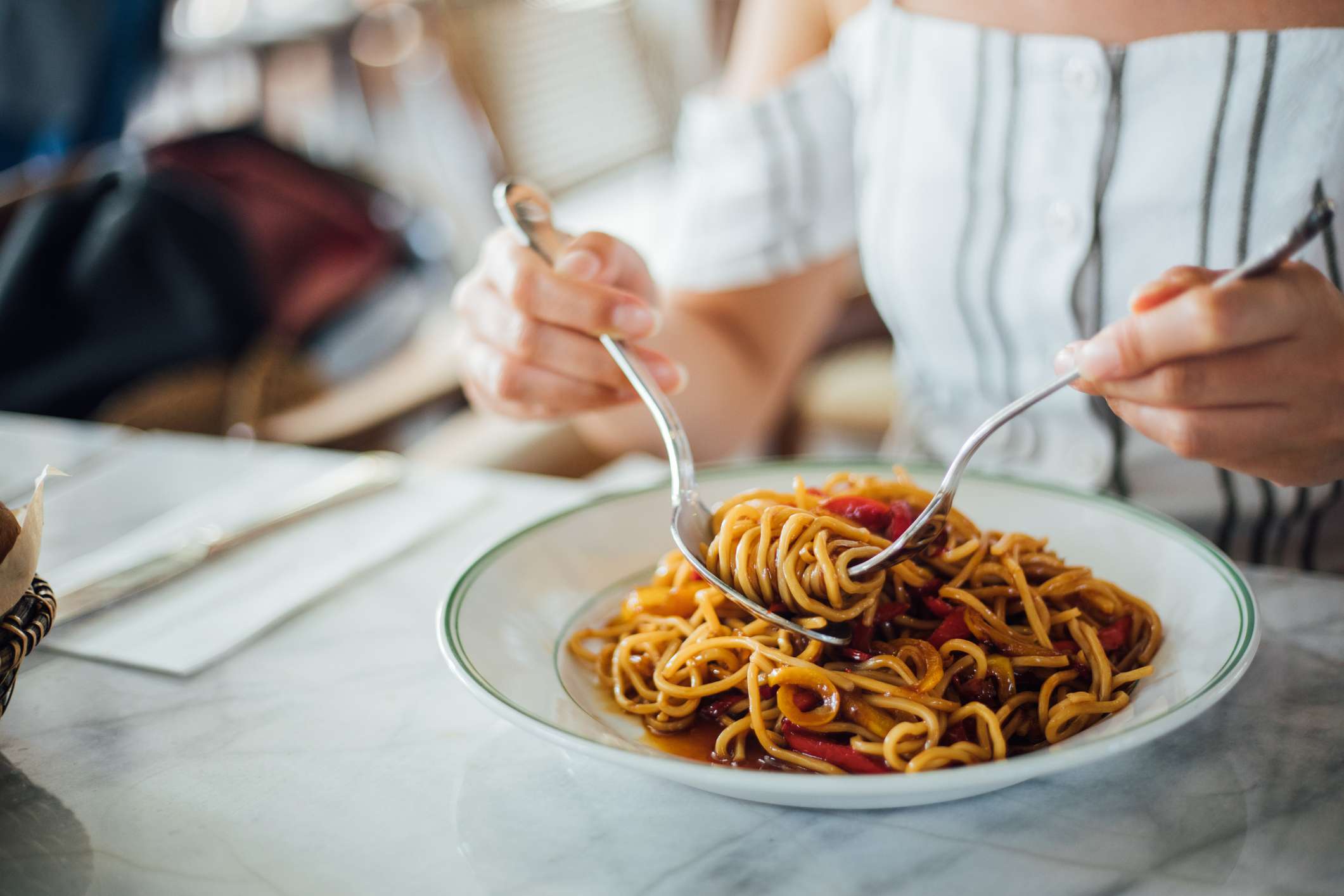
In other words, refined grains such as white bread, pasta, breakfast cereals, and white rice will cause a blood sugar spike when they’re eaten alone. However, when refined grains are consumed along with protein, fiber, and fat, Blake said their absorption will be slowed, and there will not be as large a spike in blood glucose levels.
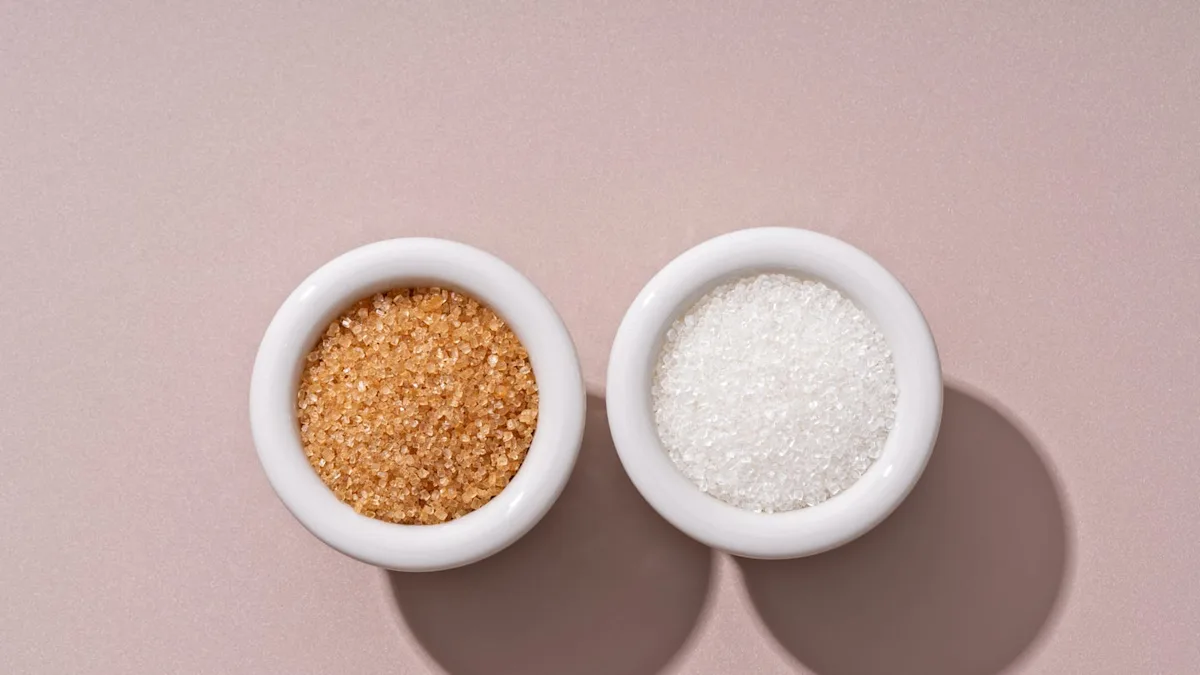
A quick blood sugar spike isn’t always a bad thing, however, said Dara Ford, PhD, RD, program director of the Master of Science in Nutrition Education at American University. Endurance athletes, for example, require this quick hit of sugar to sustain activity, and people with low blood glucose require a quick source of sugar to avoid hypoglycemia.
“However, for most individuals, we want to limit the amount of simple sugar consumed and choose more nutrient-dense options,” Ford said.
Why Complex Carbs Are Better for Blood Sugar
Instead of always reaching for refined carbs, Ford said complex carbohydrate sources provide the body with the carbs it needs while reducing blood sugar spikes.
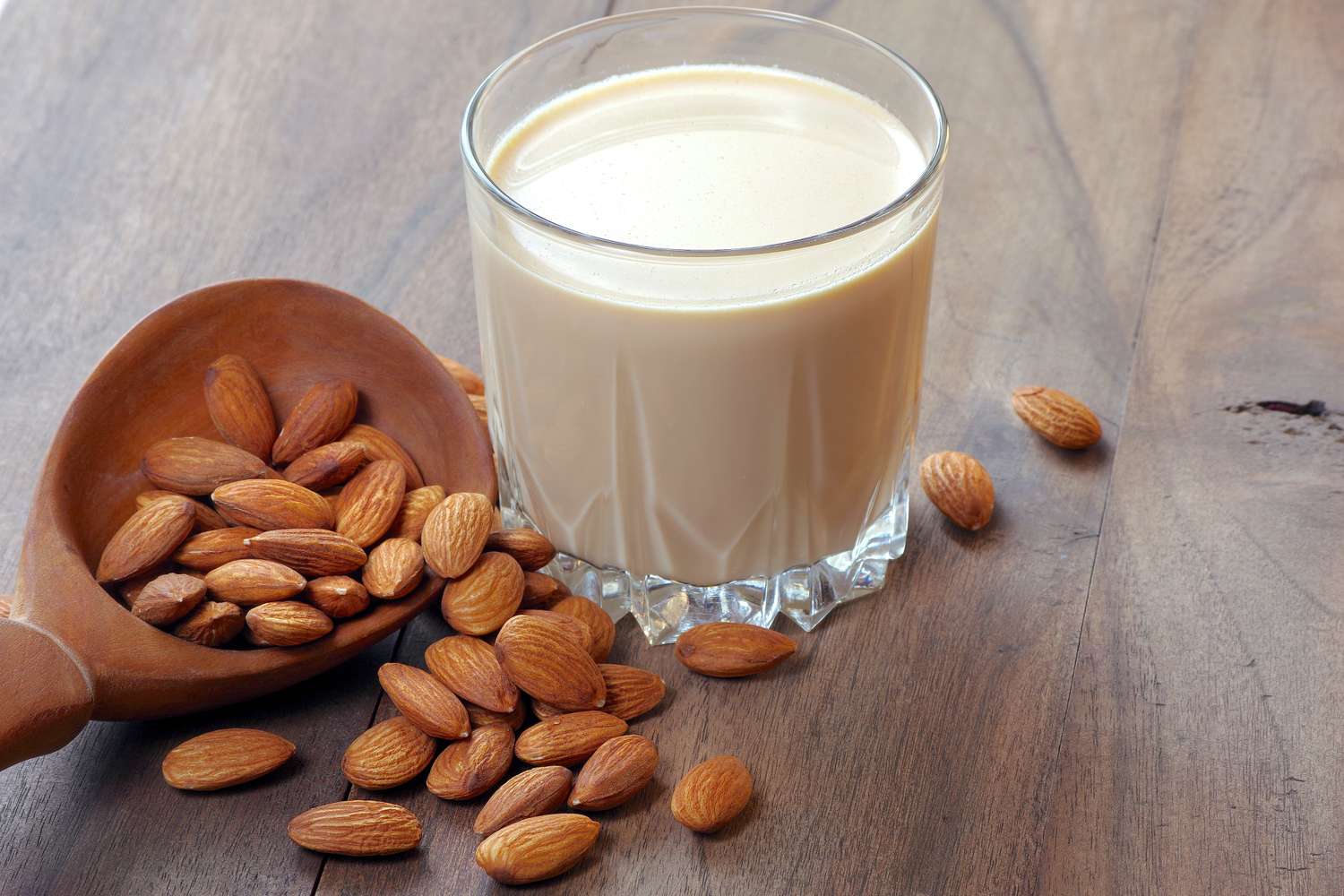
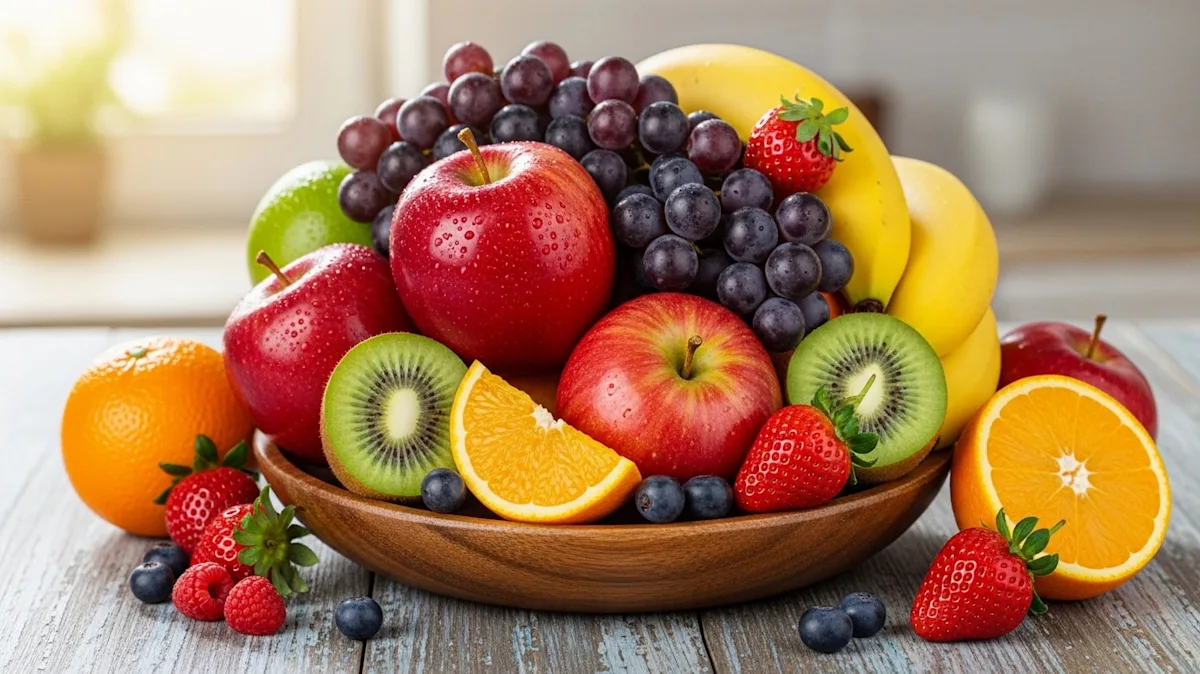
“Complex carbohydrates are chemically more complex, and include foods that contain additional nutrients such as fiber, protein, and healthy fats (as well as vitamins and minerals),” she said. “Whole fruits, vegetables, whole grains, nuts, and legumes are the nutrient-dense foods we always recommend as carbohydrate sources.”
Most Americans don’t eat enough fiber, primarily because naked carbs are quick, easy, palatable, and readily available, Ford added. But there are many health benefits in choosing more complex carbohydrates and eating more fiber.
Fiber slows digestion and the release of sugar to the bloodstream, while both fiber and protein increase satiety, and healthy fats keep us full longer.
“I always recommend hitting at least two food groups on each eating occasion and trying to get one with fiber and one with protein,” she said. “This not only helps us meet nutrition goals but keeps us full longer and slows the release of carbohydrates for balanced blood glucose levels.”
An Underrated Benefit of Refined Grains
While simple carbs may impact your blood sugar, Blake noted that they are enriched with B vitamins such as folic acid, and iron, giving them a nutritious boost.
Folic acid in particular is vital to making the DNA in your cells and plays an extremely important role during pregnancy, especially in the first few weeks after conception. This vitamin is needed to create new cells so that the embryo can grow and develop.
“Keep in mind it is not mandatory that whole grains be enriched with folic acid, so many women of child-bearing age are losing this benefit if they eliminate all refined grains from their diet,” Blake said. “A healthy diet can have a combination of both whole grains and enriched refined grains.”
How to Make Naked Carbs Slightly Healthier
If you’re looking to balance your meals when you eat refined carbs, here are some of Blake’s suggestions:
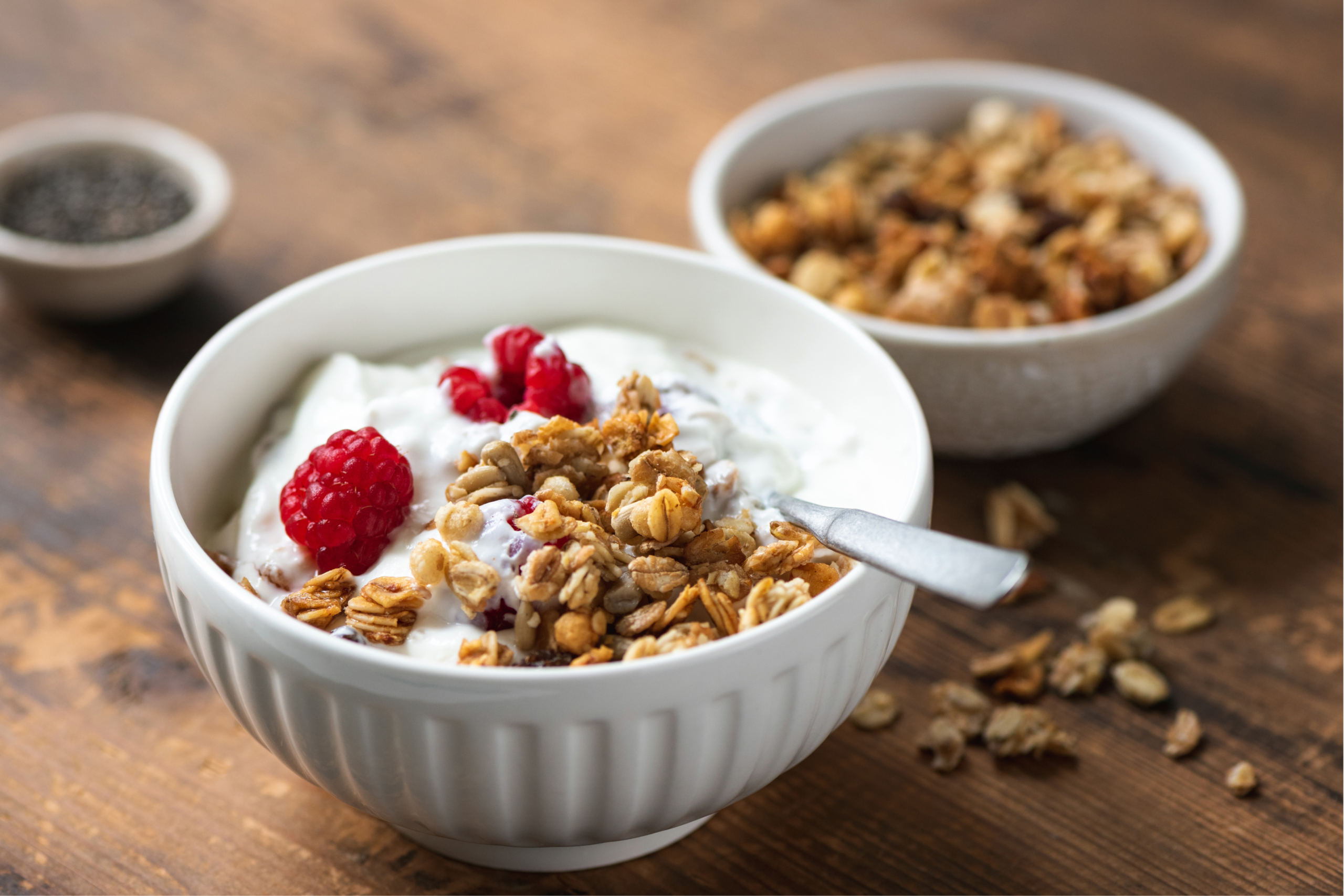
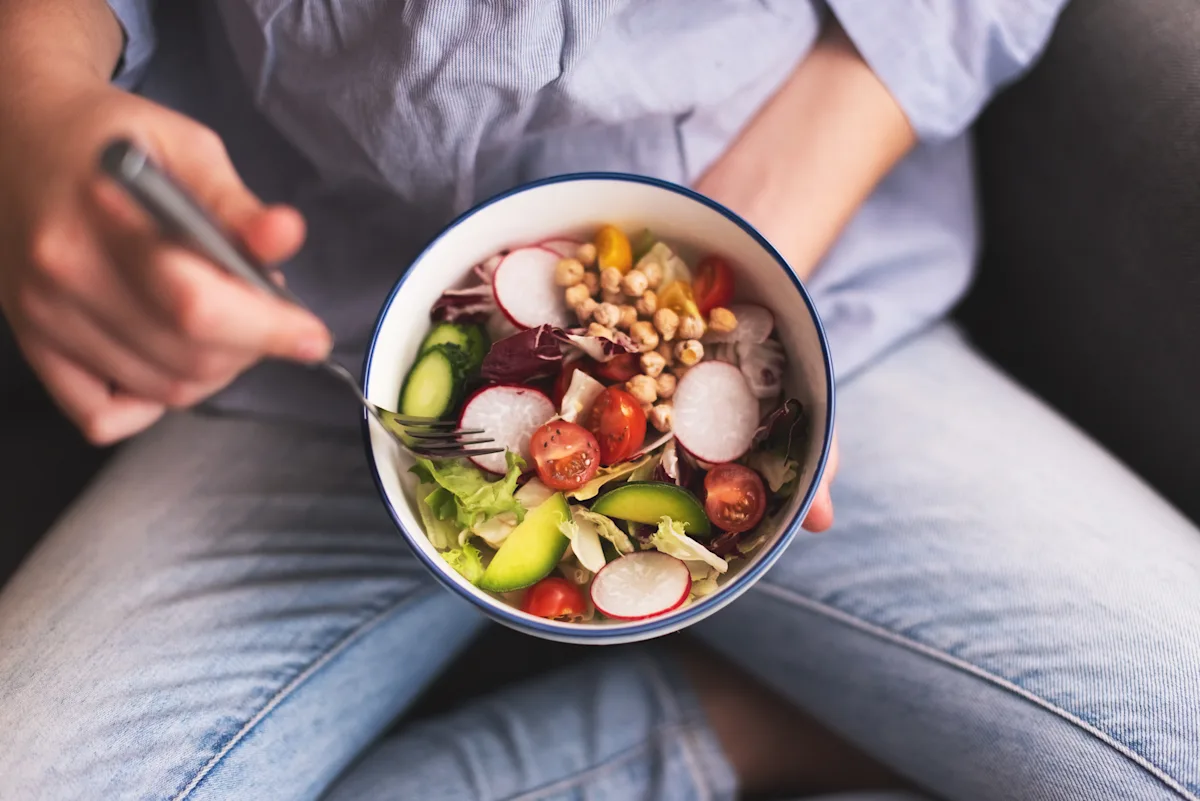
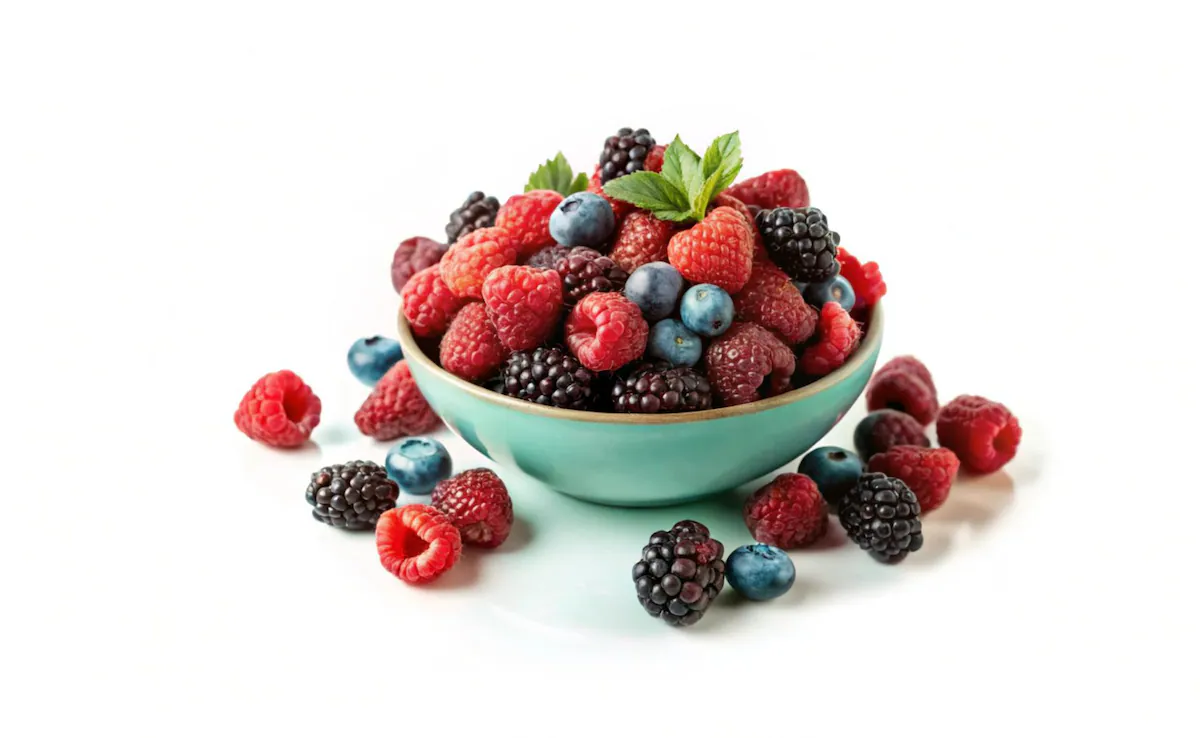
- Top Greek yogurt (protein) and berries (fiber) with a fortified cereal for breakfast.
- Make a sandwich with roasted turkey (protein) or lean roast beef and guacamole (fat and fiber) for lunch.
- Toss cooked pasta with canned beans (protein and fiber) and cooked frozen veggies for dinner.
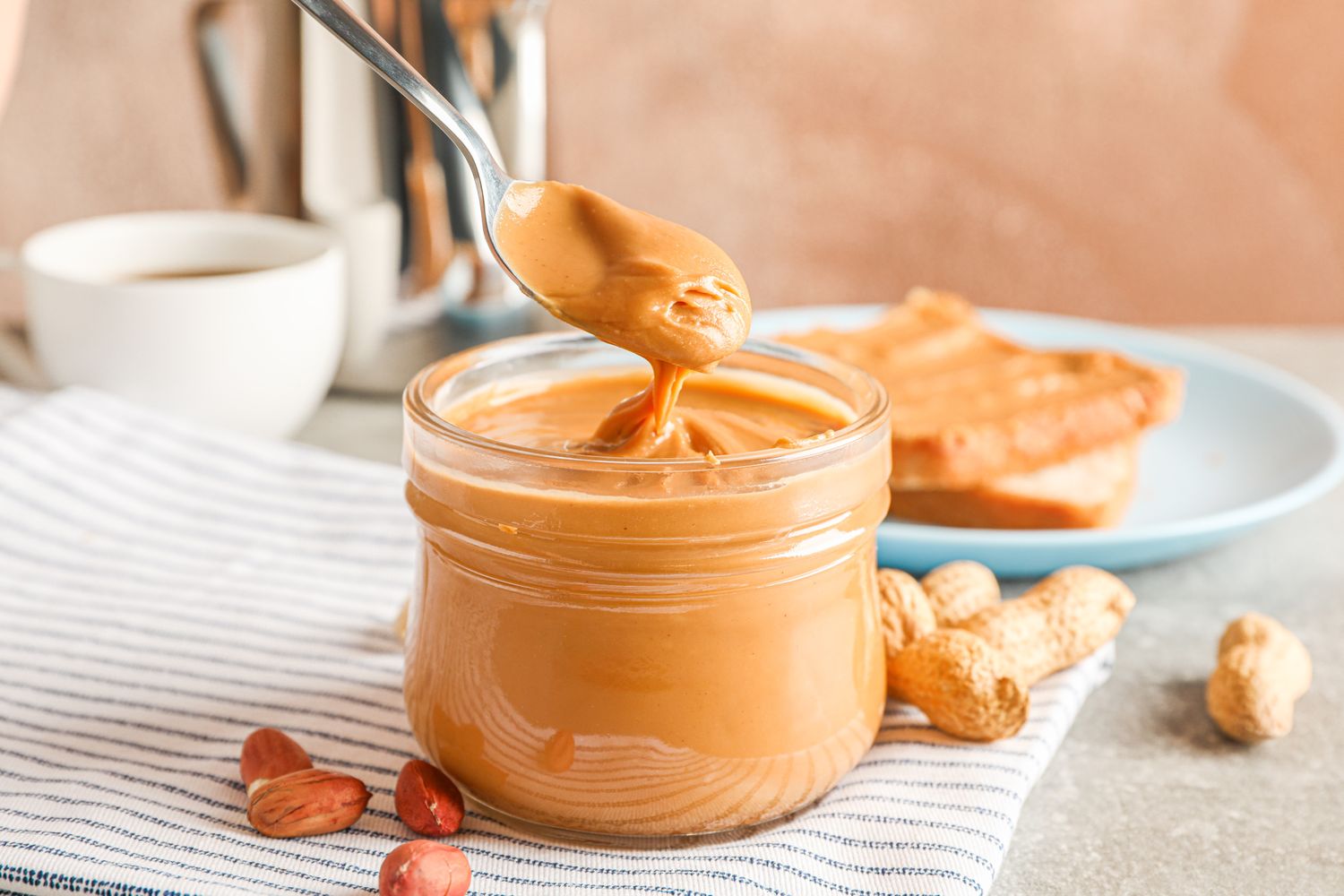
- Cover a rice cake in a light coating of peanut butter (protein and fat) and banana slices (fiber) for a snack.
:max_bytes(150000):strip_icc():format(webp)/FE3F9AD2-9085-40B8-8E8E-AF95656B0B37-048bcc651b0f4063b40038d3df45e712.jpeg)