
Potatoes are one of the most widely consumed food crops in the world. While potatoes are nutrient-dense vegetables, eating large quantities or certain types may raise your blood sugar.
1. Potatoes Increase Post-Meal Blood Sugar
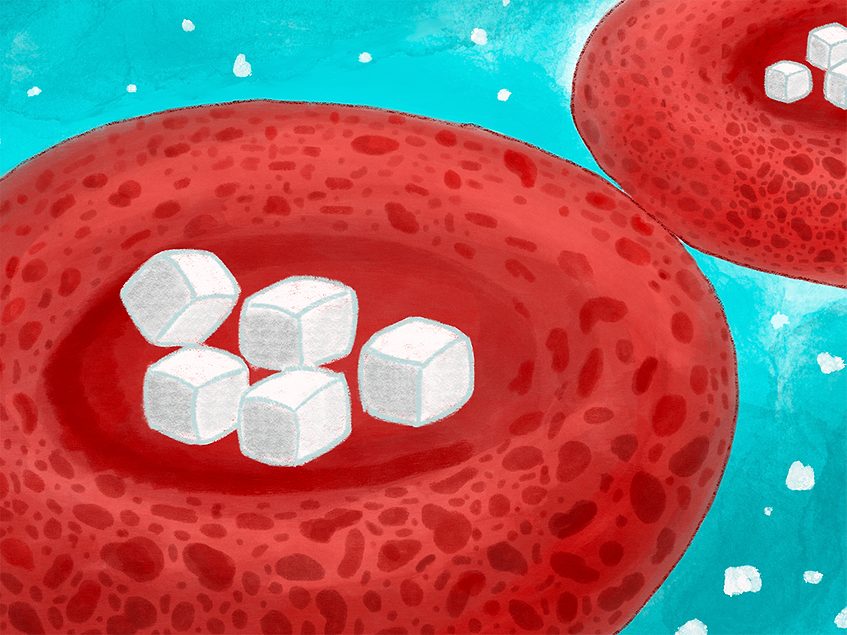
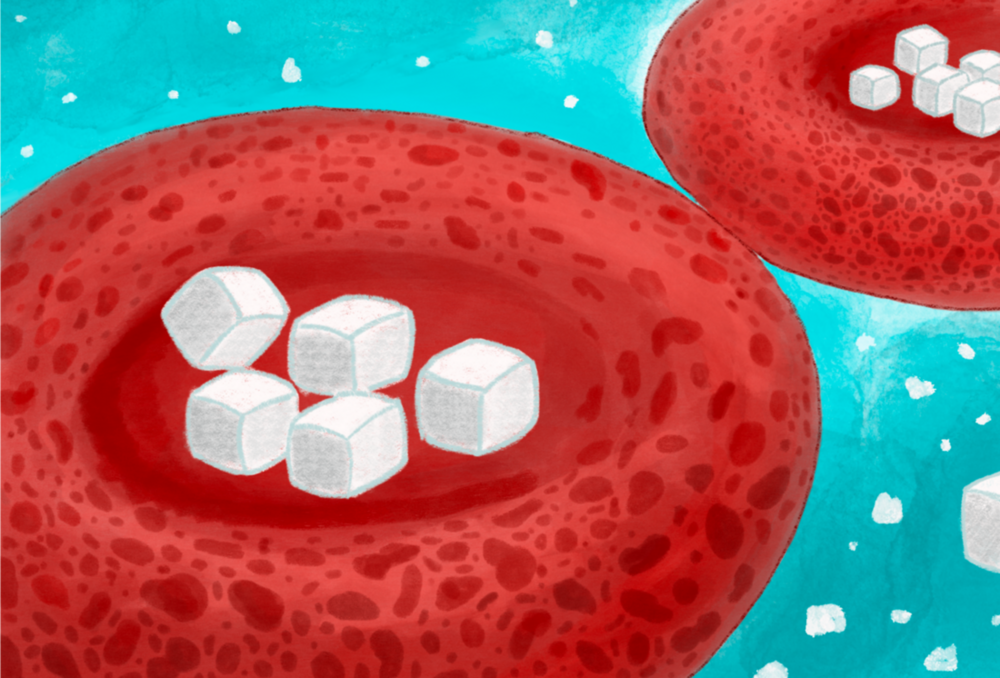
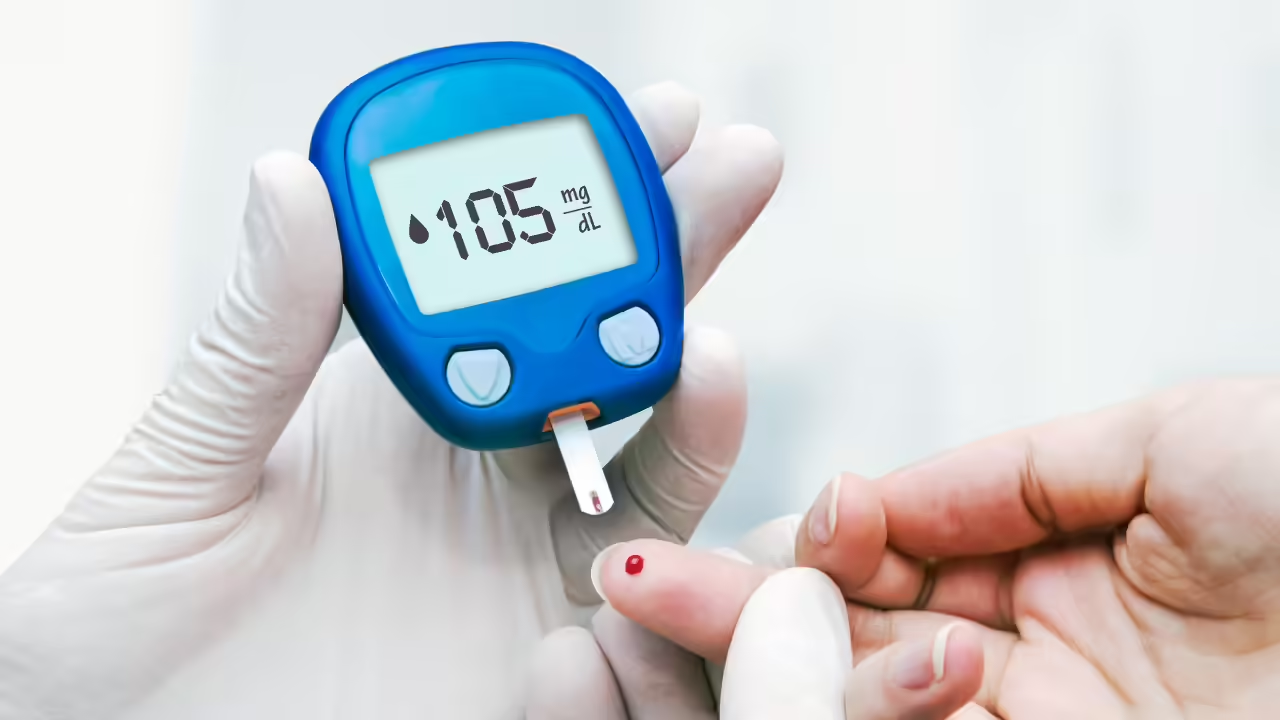
Eating potatoes and other carbohydrate sources raises your blood sugar after meals.
Potatoes are a type of starchy vegetable, making them higher in carbohydrates than non-starchy vegetables like spinach and broccoli. Carbohydrates in potatoes raise blood sugar levels as they are digested and stored in cells for energy. Eating large amounts of potatoes at once can cause a rapid rise in blood sugar.
2. The Glycemic Index of Potatoes Varies
Potatoes have moderate to high glycemic indexes, which measure how a food affects blood sugar levels.
A food with a high glycemic index will increase blood sugar faster than a food with a low glycemic index. Depending on the type of potato, the glycemic index can be around 50 (moderate) to over 100 (high). For example, Nicola potatoes have a glycemic index of 55, while russet potatoes have a glycemic index of 111.
3. How You Cook Potatoes Makes A Difference
There are several different ways to cook a potato, and the method you choose may affect your blood sugar.
Research suggests that baking or microwaving potatoes results in a lower glycemic index than boiling. There is also evidence that steaming potatoes or cooling them after cooking may further increase resistant starch and decrease the glycemic index.
4. Resistant Starch Lowers Blood Sugar
Resistant starch is a type of carbohydrate that isn’t broken down into glucose during digestion, which reduces its impact on blood sugar.
Potatoes that have been boiled, baked, or microwaved have less resistant starch than those that have been cooked and then chilled (as in potato salad). In a small study comparing chilled vs. boiled potatoes, women who consumed chilled potatoes had lower blood sugar and insulin levels 15-30 minutes after the meal.
5. Excessive Intake of Potatoes May Increase Diabetes Risk
Eating potatoes excessively may increase your risk of type 2 diabetes.
According to research, people who had higher intakes of potatoes (especially French fries) were more likely to develop type 2 diabetes.
Per the research, for every additional 3 servings of French fries consumed per week, the risk of type 2 diabetes increased by 20%. Interestingly, replacing three servings of French fries per week with whole grains decreased the risk of type 2 diabetes by 19%.
6. Pairing Potatoes with Certain Foods May Lower Blood Sugar
Eating potatoes alongside other foods may help blunt blood sugar spikes and improve overall blood sugar management.
Research shows that pairing carbohydrates with protein slows digestion and decreases post-meal blood sugar. This occurs because protein has little impact on blood sugar, as it is a complex nutrient that takes your body longer to digest.
There is also evidence that consuming dietary fiber with carbohydrates may improve overall blood sugar control, as fiber slows carbohydrate absorption.
7. Moderation Is Imporant
Although there aren’t official dietary recommendations for daily or weekly potato intake, some experts suggest that adults keep their potato intake to about 100 grams per day or less.
Overall, research results are mixed (and more studies are needed) on how many potatoes are too many. While some studies show an association between high potato intake and elevated blood sugar or type 2 diabetes, others show no association. However, there is evidence that consuming 5 or more servings of French fries per week increases the risk of type 2 diabetes by 27% compared with rarely eating them.
:max_bytes(150000):strip_icc():format(webp)/Lubeck-headshot-0579405875e54490895f690b1b864e04.jpeg)