Key Takeaways
- Replacing just one daily soda with water can improve overall blood sugar control.
- Sparkling water’s primary benefit for blood sugar comes from choosing it instead of sugary or artificially sweetened sodas.
- When choosing sparkling water, always check the nutrition label to ensure it is sugar-free.
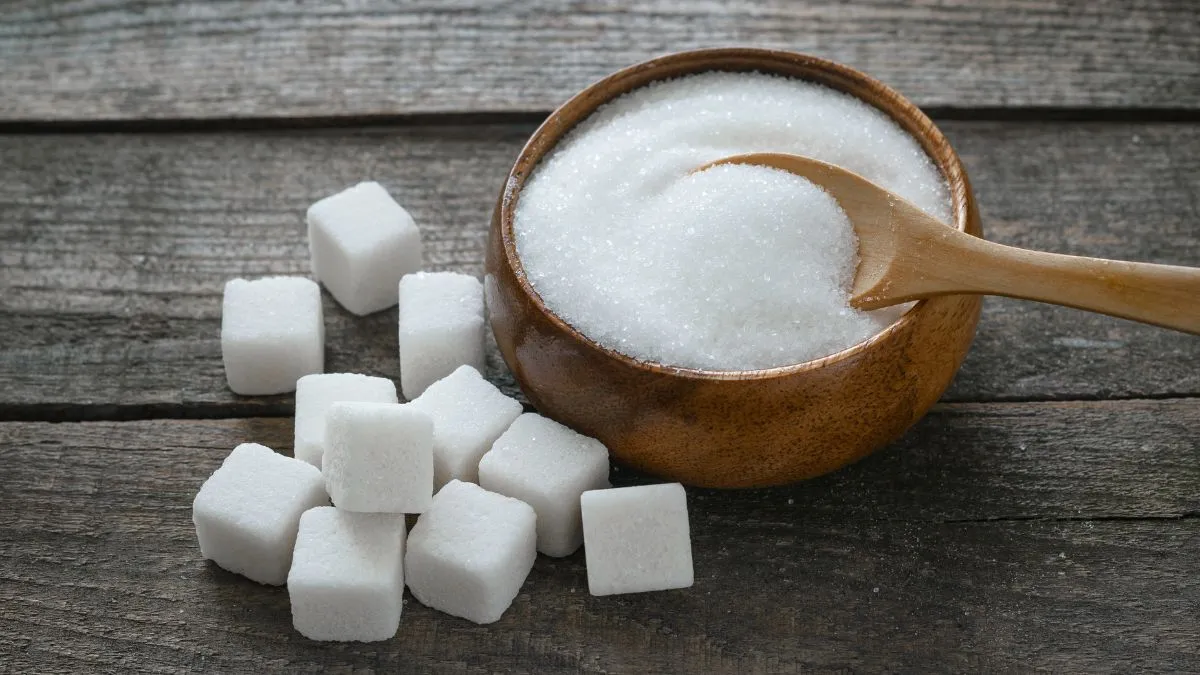
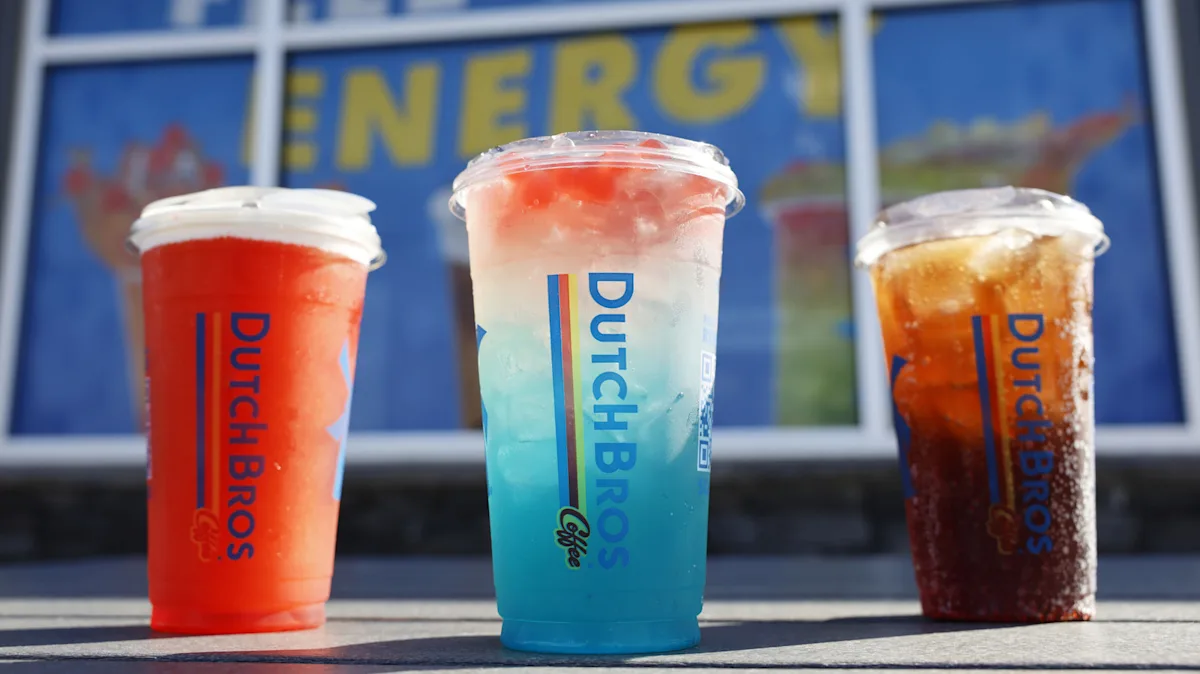
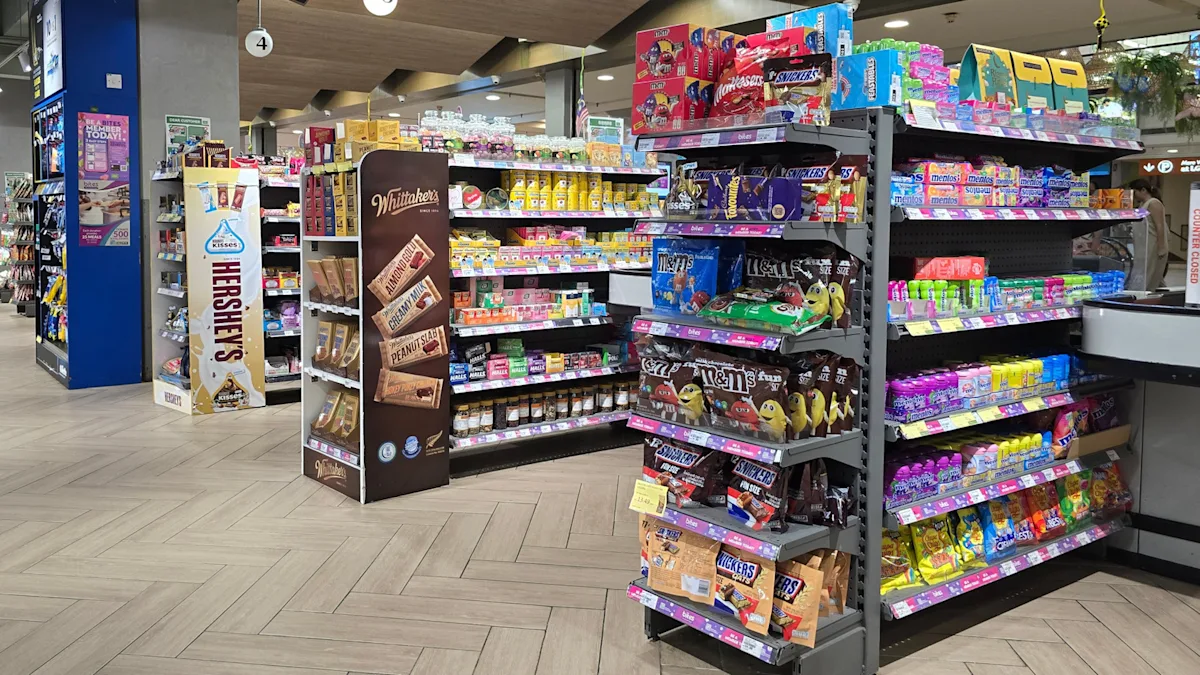
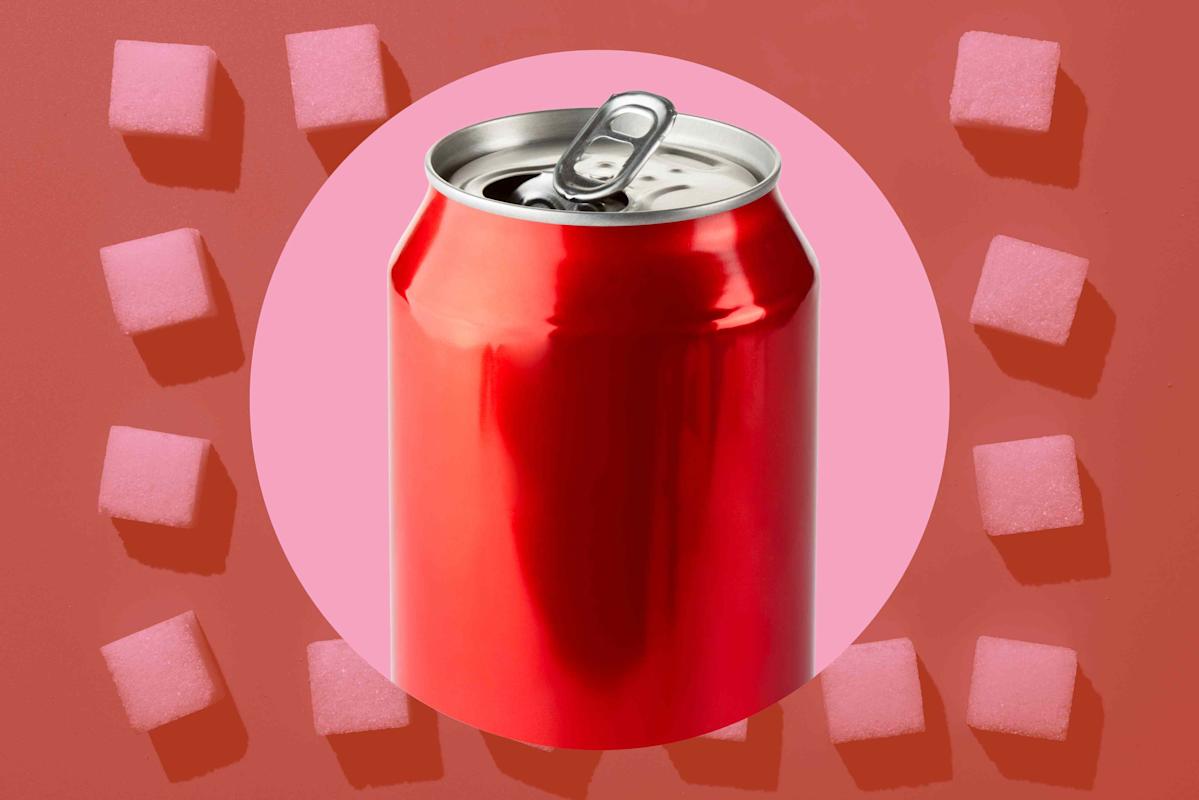
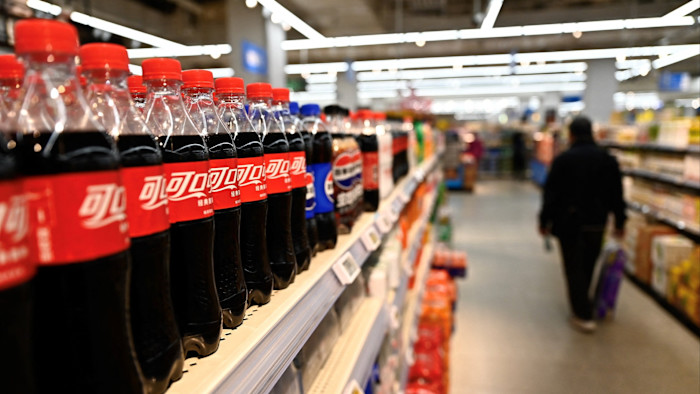
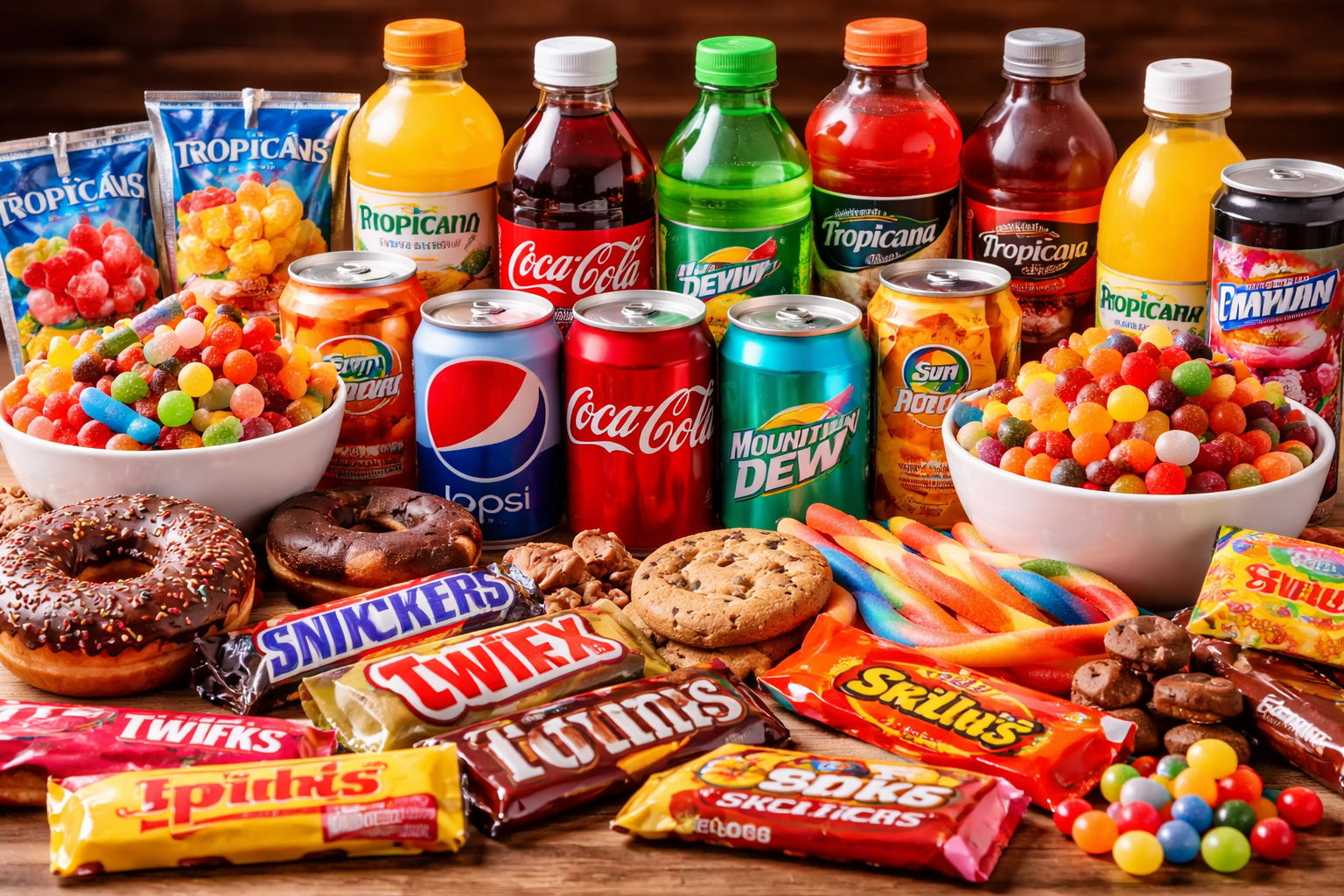
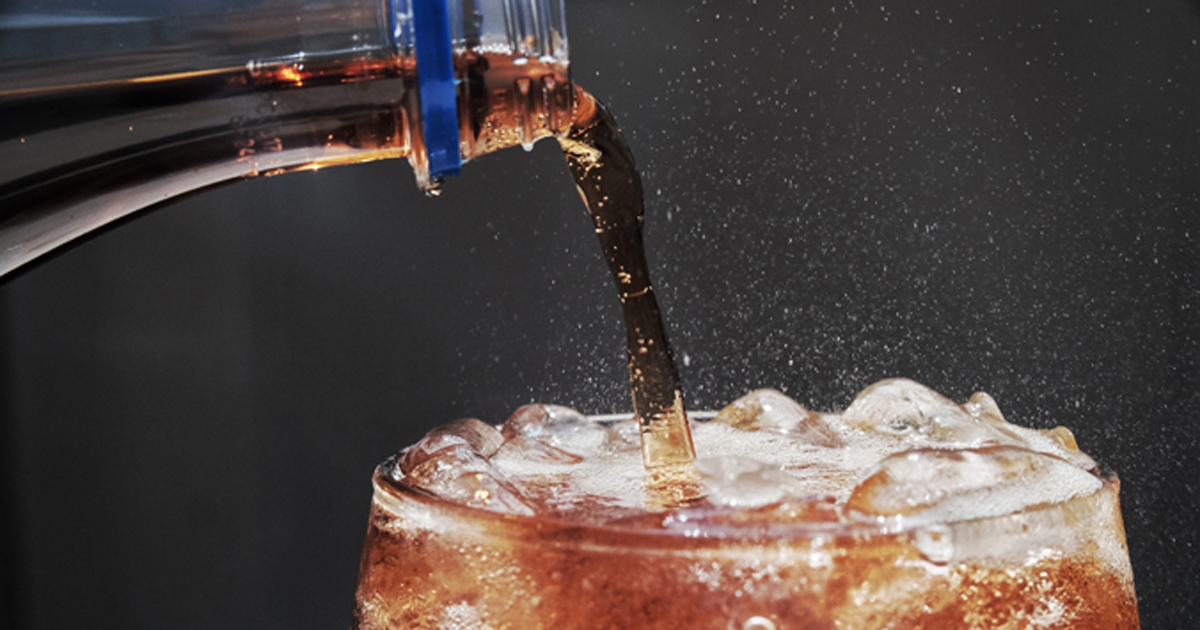
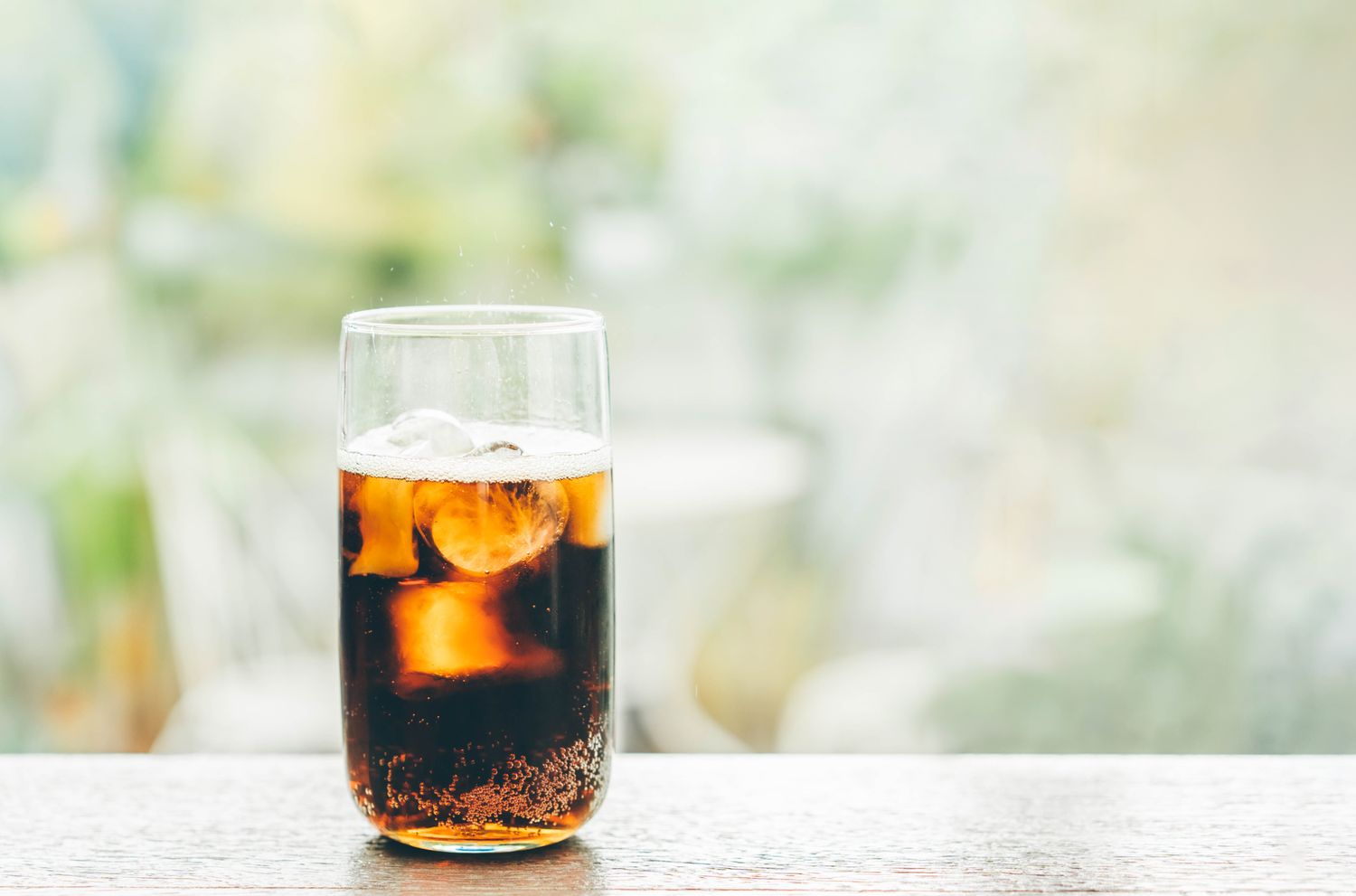
Regular (non-diet) soda is high in sugar; an average 12-ounce can of cola contains nearly 40 grams—10 teaspoons—of added sugar, causing sharp spikes in blood sugar (glucose). Replacing soda with sparkling water reduces sugar intake and may help stabilize blood glucose levels.
How Replacing Soda with Sparkling Water Affects Blood Sugar
Sparkling water is sugar-free and has no impact on blood sugar. Replacing soda with sparkling water removes a significant source of added sugar from your diet. Research shows that replacing sugary drinks with water, coffee, or tea can improve fasting blood sugar and how your body uses insulin (the hormone that regulates blood sugar).
Replacing Regular Soda
In an extensive study of over 190,000 adults, swapping just one daily sugary drink for water, coffee, or tea was linked to:
- A 2% to 10% lower risk of developing type 2 diabetes
- Better long-term blood sugar control
- Improved insulin sensitivity (how well your body responds to insulin)
Replacing Diet Soda
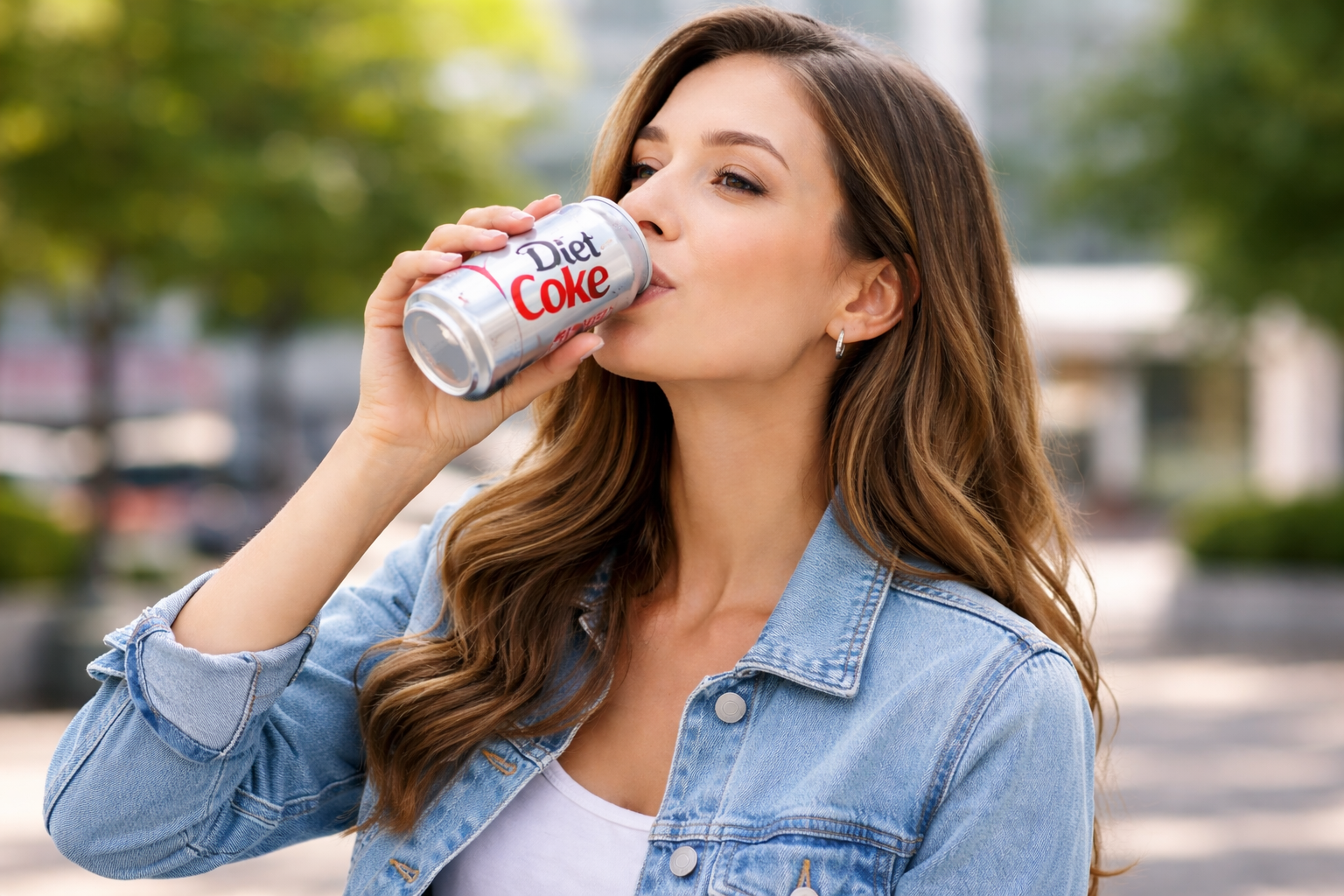
Switching from diet soda to sparkling water can also help. In an 18-month study of women with type 2 diabetes with overweight or obesity, researchers compared those who switched from diet soda to water with those who kept drinking diet soda. The water group had:
- Greater average weight loss
- Larger drops in fasting blood glucose and insulin levels
- Improved insulin resistance and post-meal blood sugar levels
- Higher rates of diabetes remission
Can Sparkling Water Lower Blood Sugar?
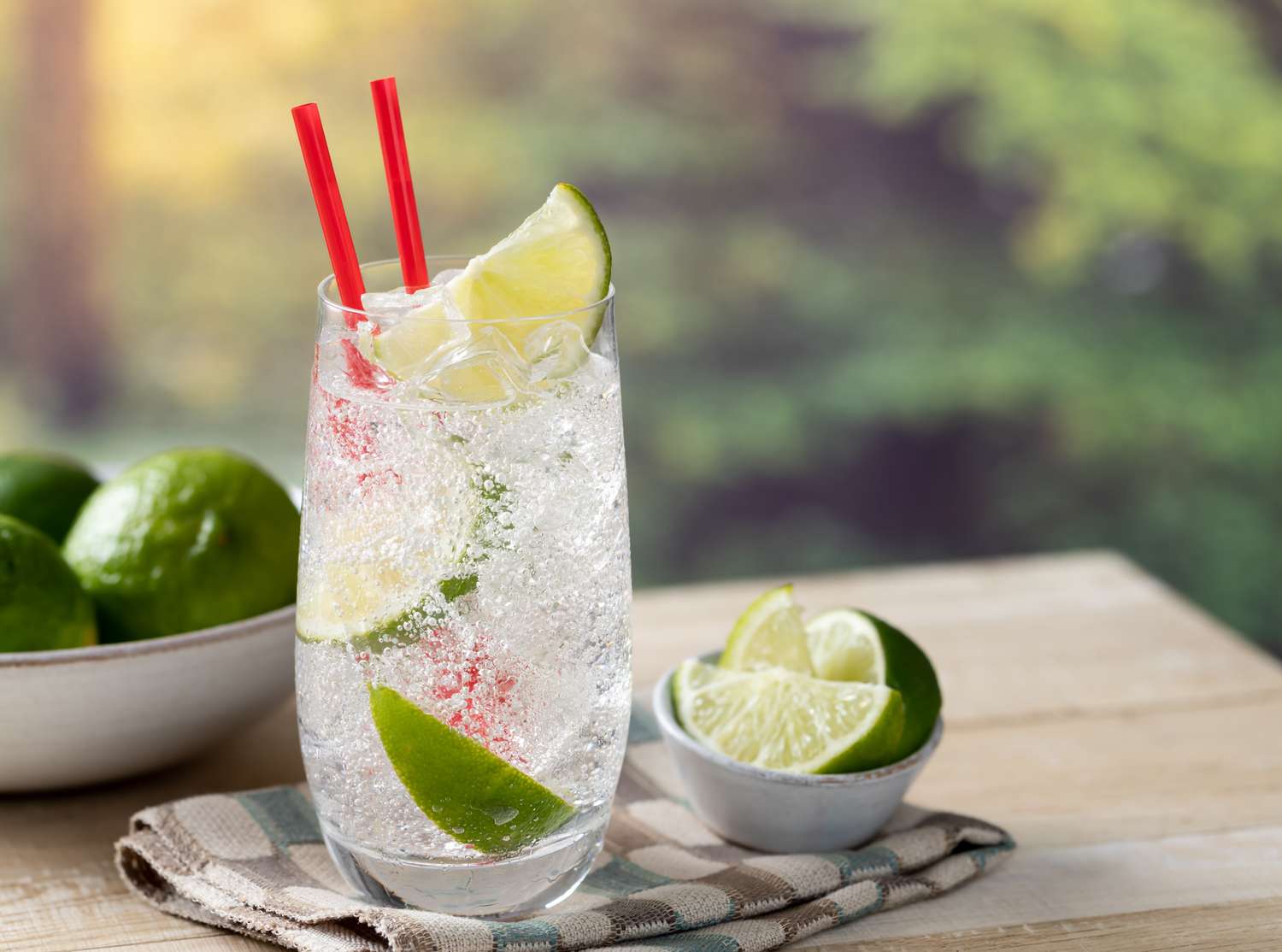
The main benefit of sparkling water for blood sugar lies in what it replaces. Choosing sparkling water instead of sugary drinks helps cut added sugar and excess calories, which supports better blood sugar control over time.
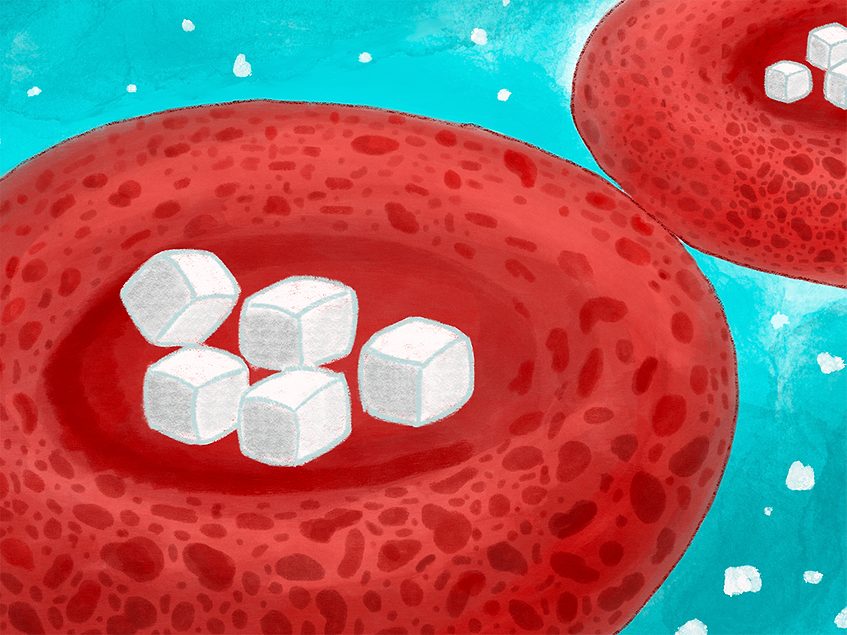
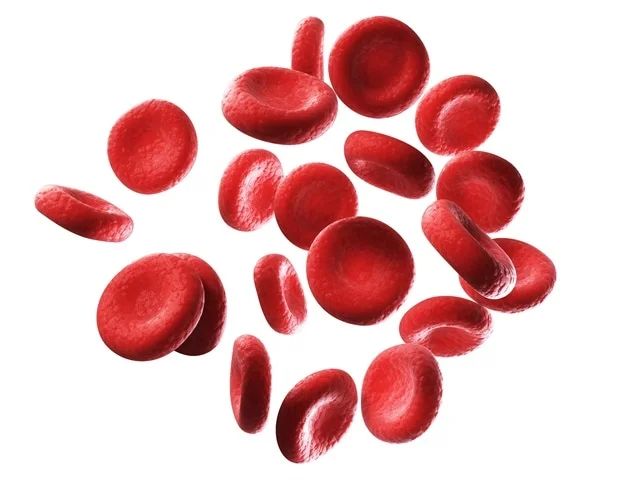
Some research suggests that the carbon dioxide in sparkling water may slightly increase how red blood cells use glucose, which could lead to a very small, short-term dip in blood sugar. However, this effect is minor and not enough to meaningfully lower blood sugar or replace healthy habits like a balanced diet and regular exercise.
What About Flavored Sparkling Water?
Not all flavored sparkling waters are the same. Some contain added sugar or other sweeteners that could affect blood sugar, so it’s helpful to check the label before you buy. Look for drinks that list only carbonated water and natural flavors, with no added sugars or sweeteners.
Better choices include:
- Sparkling water with natural flavors and no added sugars or sweeteners
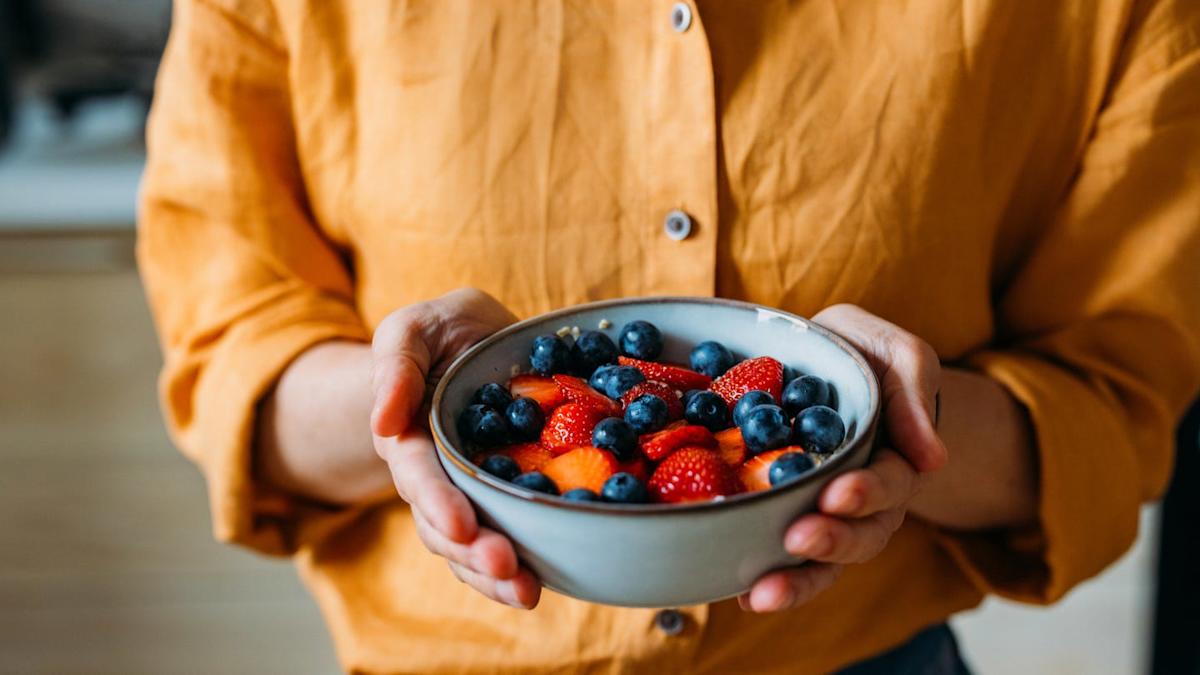
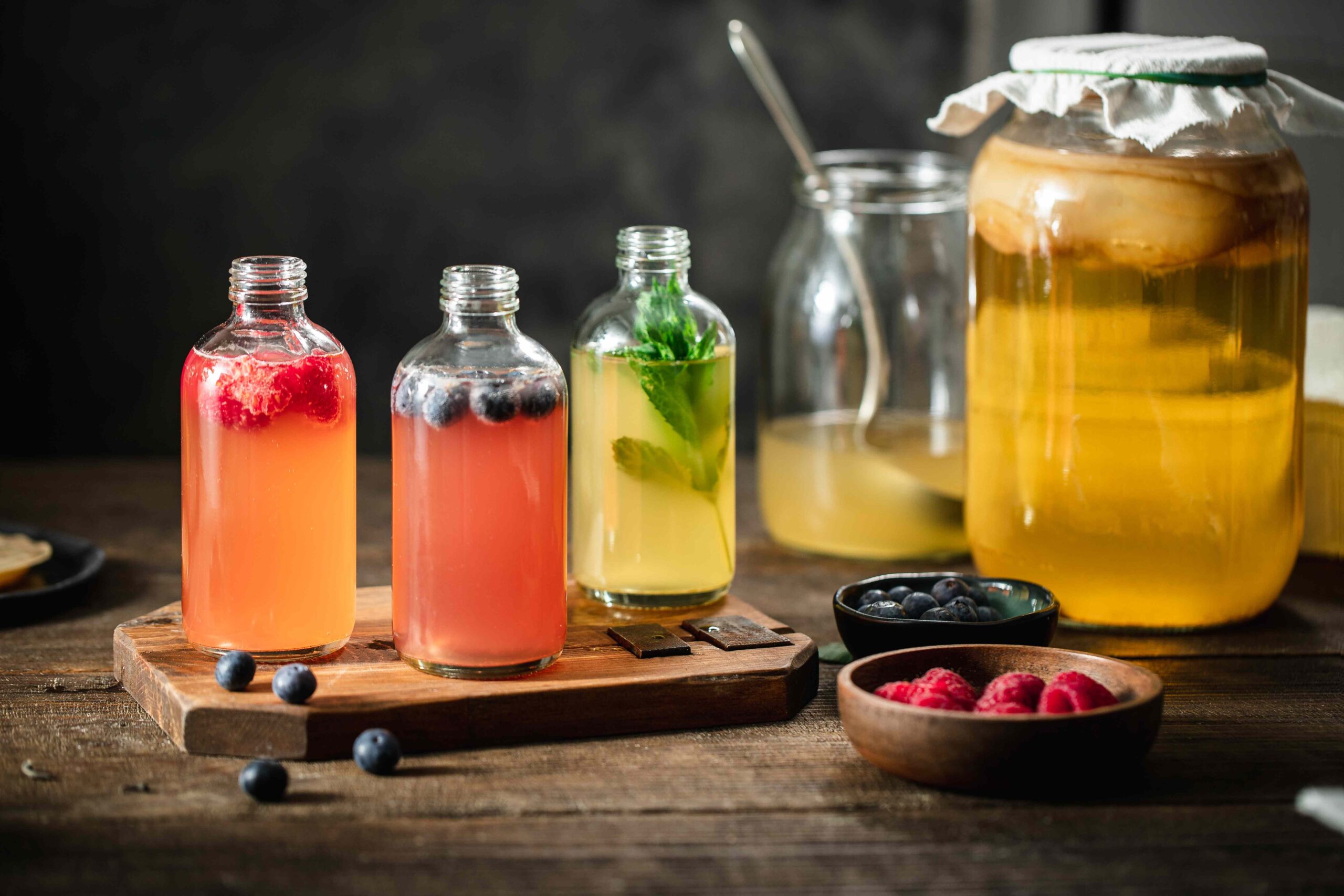
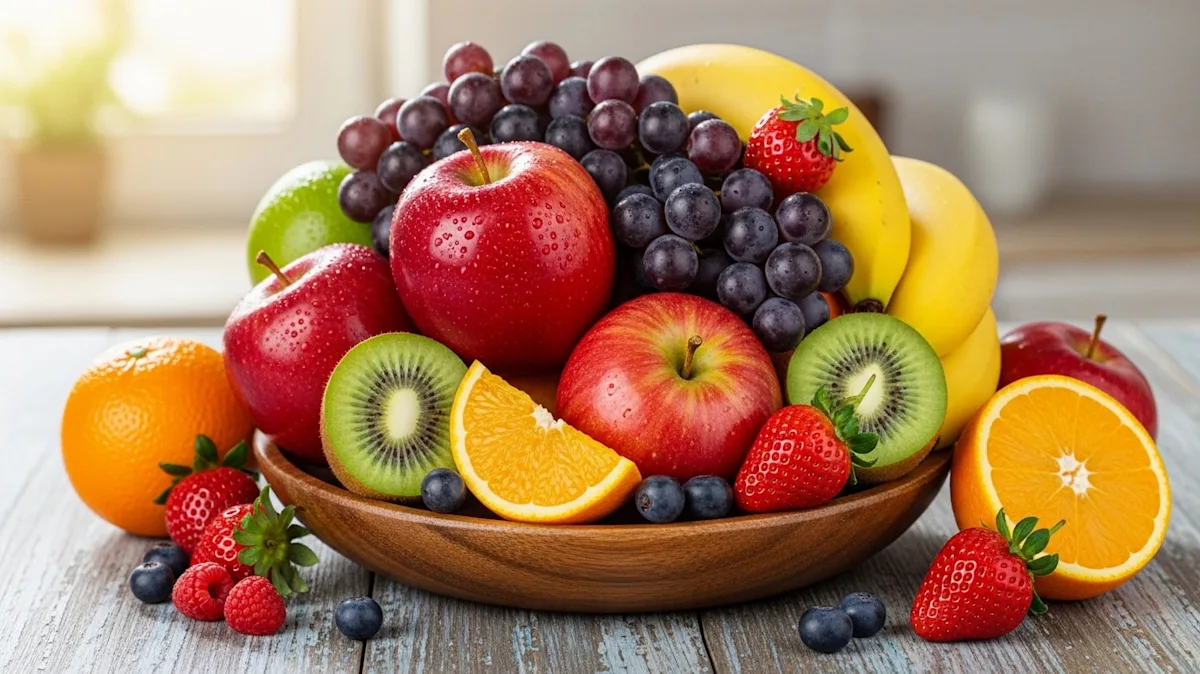
- Plain sparkling water with added fresh fruit for flavor
Sparkling water options that may raise blood sugar include:
- Sparkling waters made with fruit juice or juice concentrates
- Beverages labeled as “lightly sweetened” or “naturally sweetened”
- Drinks with added cane sugar, honey, sucrose, or high-fructose corn syrup
Choosing unsweetened sparkling water lets you enjoy the bubbles without adding extra sugar that could interfere with blood sugar control.
How Fast Can Blood Sugar Improve After Cutting Out Soda?
Blood sugar control can start to improve quickly after cutting back on sugary drinks like soda. Improvements may be noticeable within a few weeks to months, depending on your overall diet and activity level.
Possible short-term changes include:
- Fewer blood sugar spikes after meals
- Lower fasting blood glucose
- More stable energy levels
Cutting out soda alone does not prevent or treat diabetes. However, when it is combined with other healthy habits, such as regular exercise and a balanced diet, it can help improve blood sugar control.
Tips for Making the Switch from Soda to Sparkling Water
Cutting back on soda can feel difficult at first, but small changes make it easier. Try these tips to make sparkling water your new go-to drink:
- Keep it cold to boost the crisp, refreshing taste
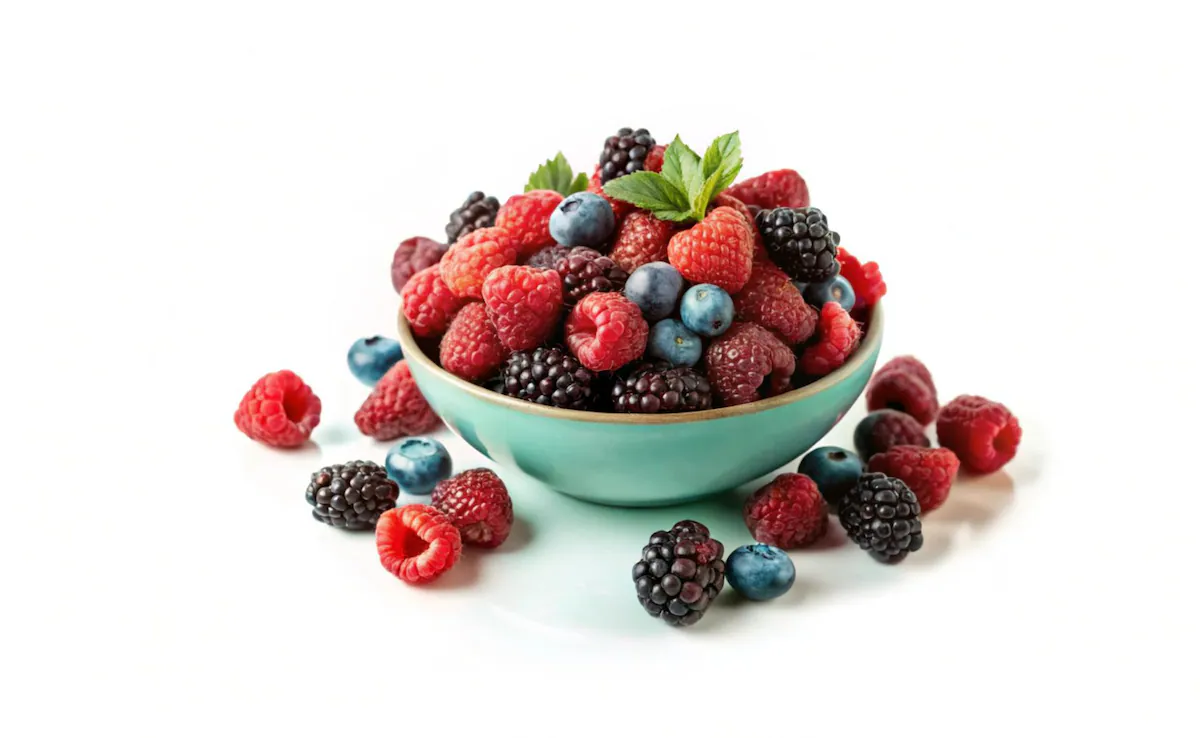
- Add slices of citrus, cucumber, or berries for natural flavor
- Swap sparkling water for soda at meals and snacks
- Cut back on soda gradually instead of quitting all at once
:max_bytes(150000):strip_icc():format(webp)/ScreenShot2020-09-29at10.46.05AM-8b2f4ab0e9404529a4ab1e3bc782c78c.png)