
Key Takeaways
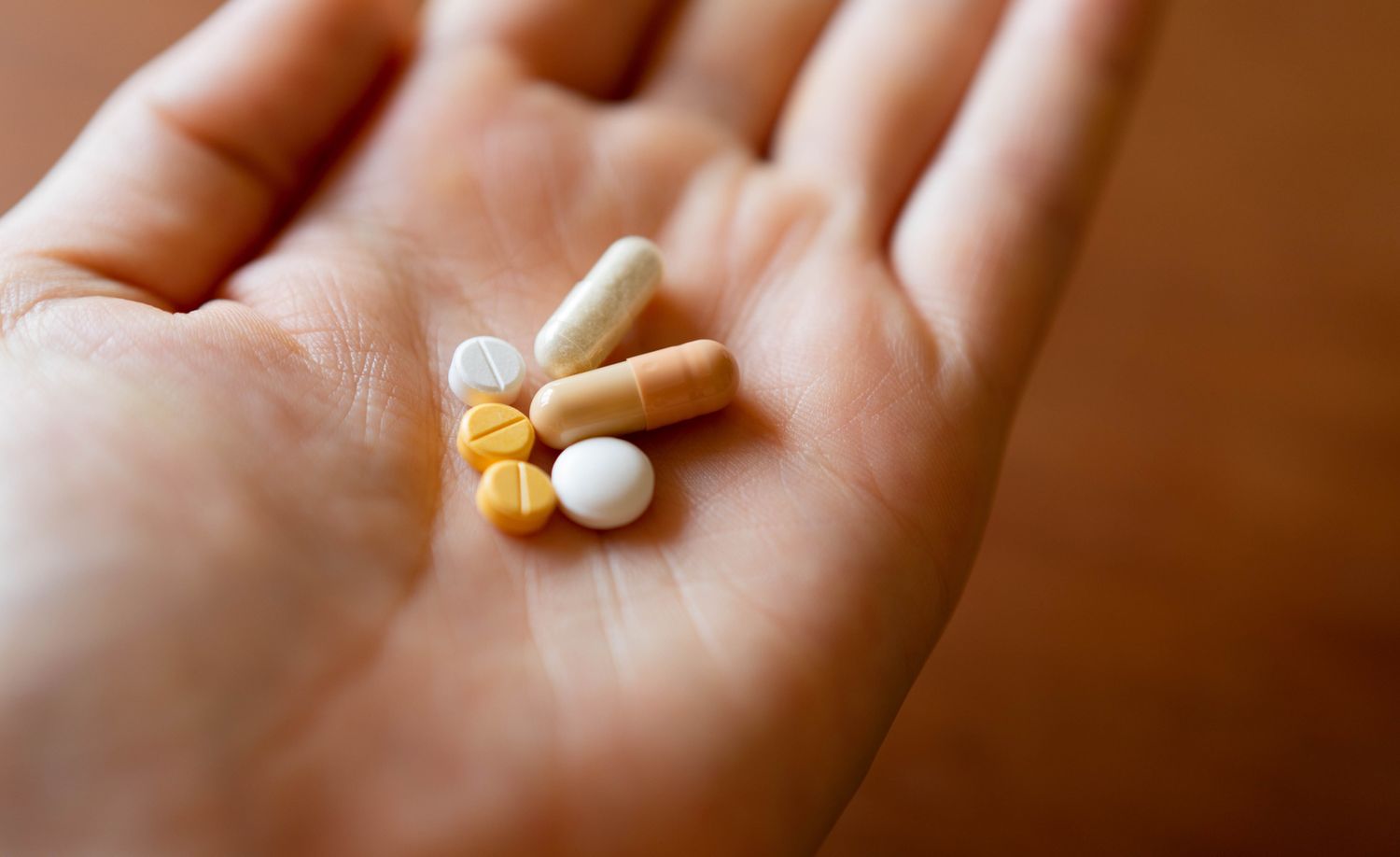
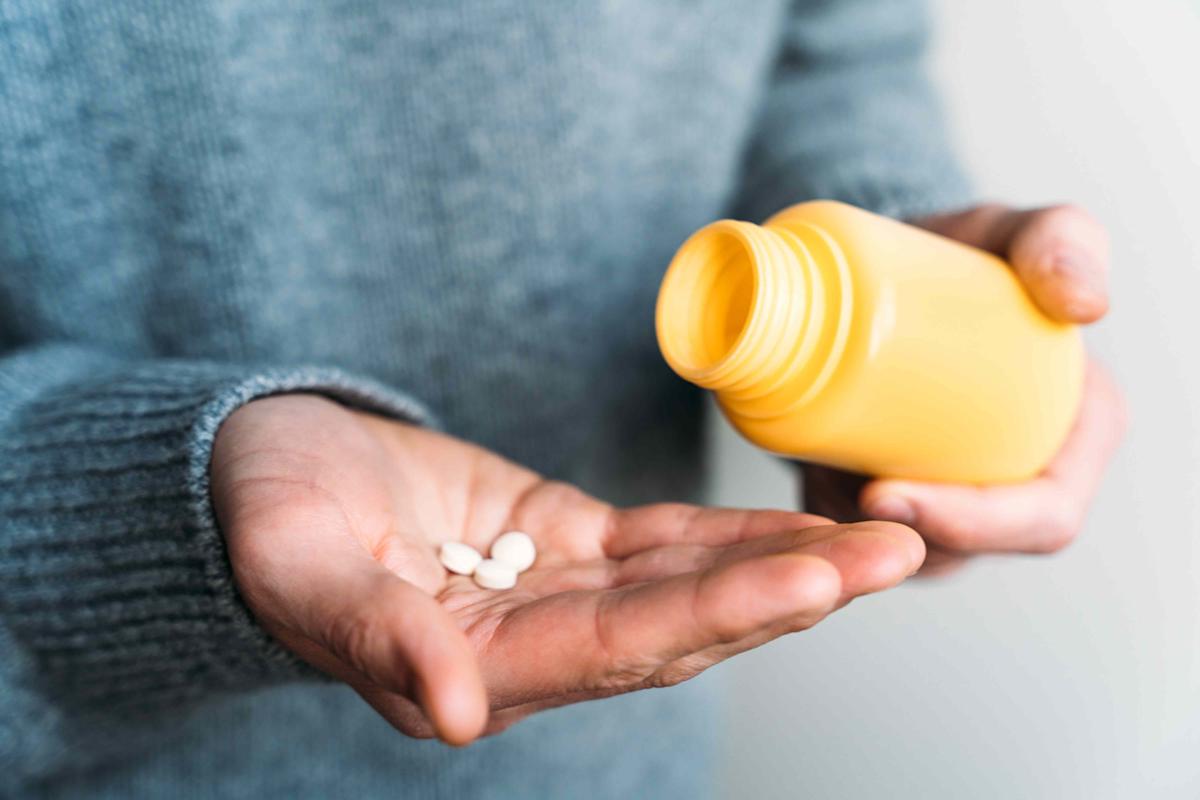
- Melatonin is a natural sleep hormone produced at night. It is also commonly taken as a supplement to aid in improving sleep.
- These supplements may temporarily increase blood sugar levels by reducing insulin sensitivity and release in the body.
- If taking melatonin, take it a few hours after the last meal of the day. Always ask your healthcare provider before taking supplements if you have a metabolic disorder to reduce the risk of side effects.
Melatonin is a popular over-the-counter sleep supplement that helps regulate your body’s internal clock, or circadian rhythm. Melatonin may affect blood sugar levels by influencing insulin release, especially when taken at certain times, doses, or by people with diabetes or prediabetes.
Does Melatonin Raise Blood Sugar?
Melatonin influences insulin release and sensitivity, potentially leading to changes in blood sugar levels.
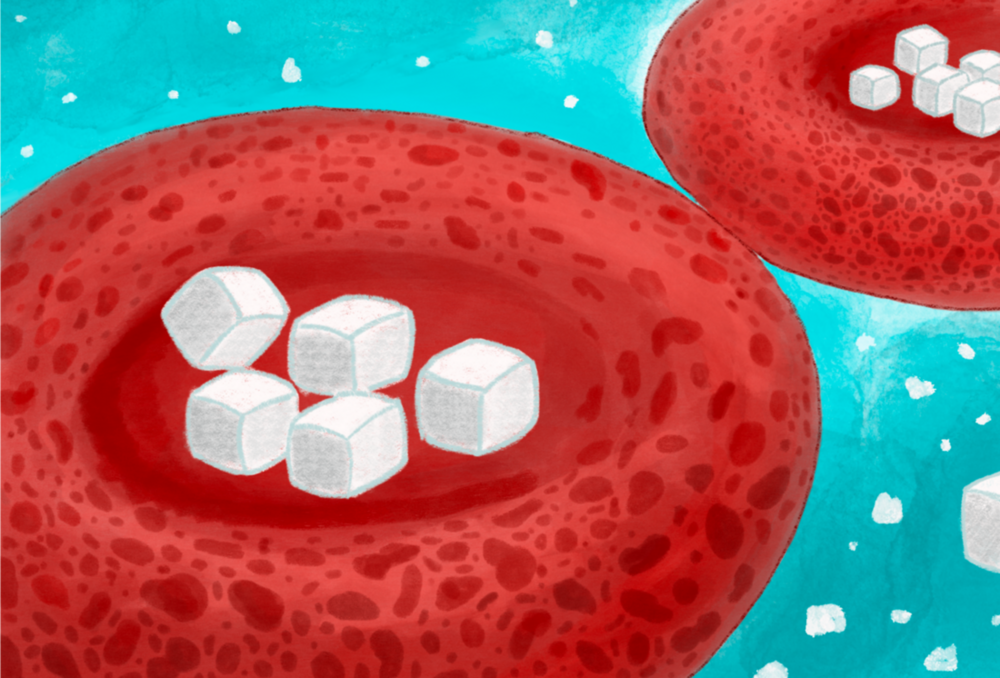
Insulin is a hormone made by the pancreas in the body. It plays a key role in helping your body use or store blood sugar (glucose). Insulin sensitivity is a measure of how well your body’s cells respond to the release of insulin to absorb blood sugar.
In the short term, melatonin may raise blood sugar, particularly in people with glucose intolerance or type 2 diabetes. However, in most healthy adults, these effects are minor and temporary. Some studies also show that long-term use may modestly improve insulin sensitivity and lower average blood sugar levels over time in people with type 2 diabetes.
Other research has found small reductions in fasting glucose (blood sugar levels when you haven’t had any food in your system for eight hours).
How Melatonin Influences Insulin Release
Melatonin raises blood sugar by reducing the amount of insulin released by the pancreas. It does this by binding to specific receptors (MT1 and MT2) on the surface of pancreatic beta cells. This binding signals the cells to decrease insulin production, which can lead to a temporary increase in blood sugar levels.
Insulin levels naturally fluctuate with your circadian rhythm. Insulin release is highest in the morning and decreases towards the evening, a process controlled by internal body clocks in the brain and peripheral tissues such as fat, liver, and muscle.
Melatonin regulates the sleep–wake cycle and has a direct impact on metabolic function. It rises naturally at night to signal the body that it is time to sleep and conserve energy—reducing both insulin release and insulin sensitivity overnight.
Together, these effects help ensure your body has the glucose it needs for daily energy, using more during the day when demand is higher and conserving it during fasting periods like sleep.
Factors Affecting The Blood Sugar Levels
Genetic Variation
Genetic differences can affect how your body responds to melatonin. Variations in the MTNR1B gene, which helps form the melatonin receptor, can make some people more sensitive to melatonin. This sensitivity may interfere with fasting glucose levels and raise the risk of type 2 diabetes by affecting how insulin is released.
Individuals with this genetic variation may experience greater increases in blood sugar when using melatonin regularly. However, others may not respond in the same way.
Time of Melatonin Intake
The time you take your supplement can affect how it impacts blood sugar. Blood sugar levels can increase if you take melatonin supplements too close to a meal (particularly a high-carb meal) due to decreased insulin release.
It is better to take melatonin at least a few hours after a meal. It will ensure the release of normal insulin to process blood sugar levels after a meal.
Dose
In healthy adults, taking high doses of melatonin can decrease glucose tolerance and insulin sensitivity. However, the effects are more complex in individuals with type 2 diabetes.
A clinical trial in people with type 2 diabetes recommended a dose of 10 milligrams (mg) of melatonin for conditions where the benefits outweigh the potential negative impact on insulin sensitivity.
:max_bytes(150000):strip_icc():format(webp)/20210814_171303-4947aeb853b7494ba9f67537baae0cc2.jpg)