
Key Takeaways
- Without enough sugar (glucose), you may not feel great, and your brain may not work as efficiently, causing you to lose focus and experience brain fog.
- Blood sugar dips that occur too often may lead to lasting brain damage, affecting thinking.
- In most cases, low blood sugar can be avoided with a proper diet and medication.
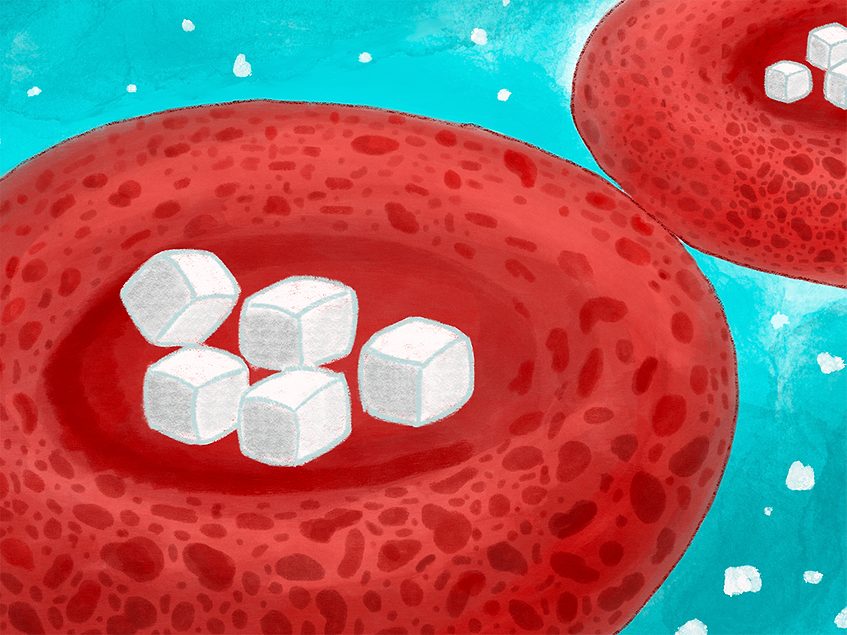
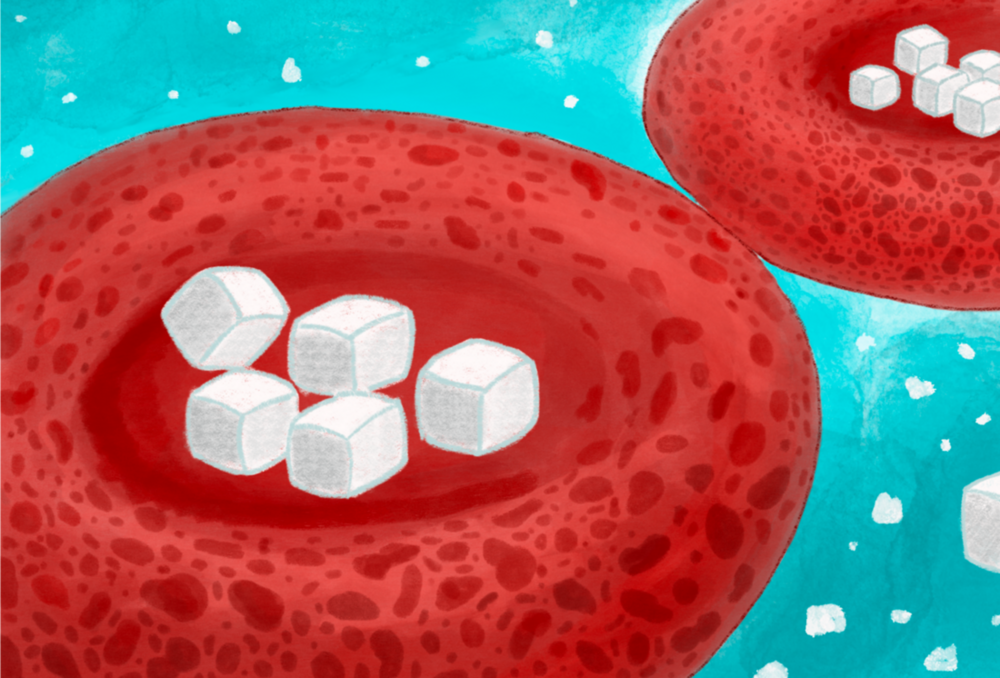
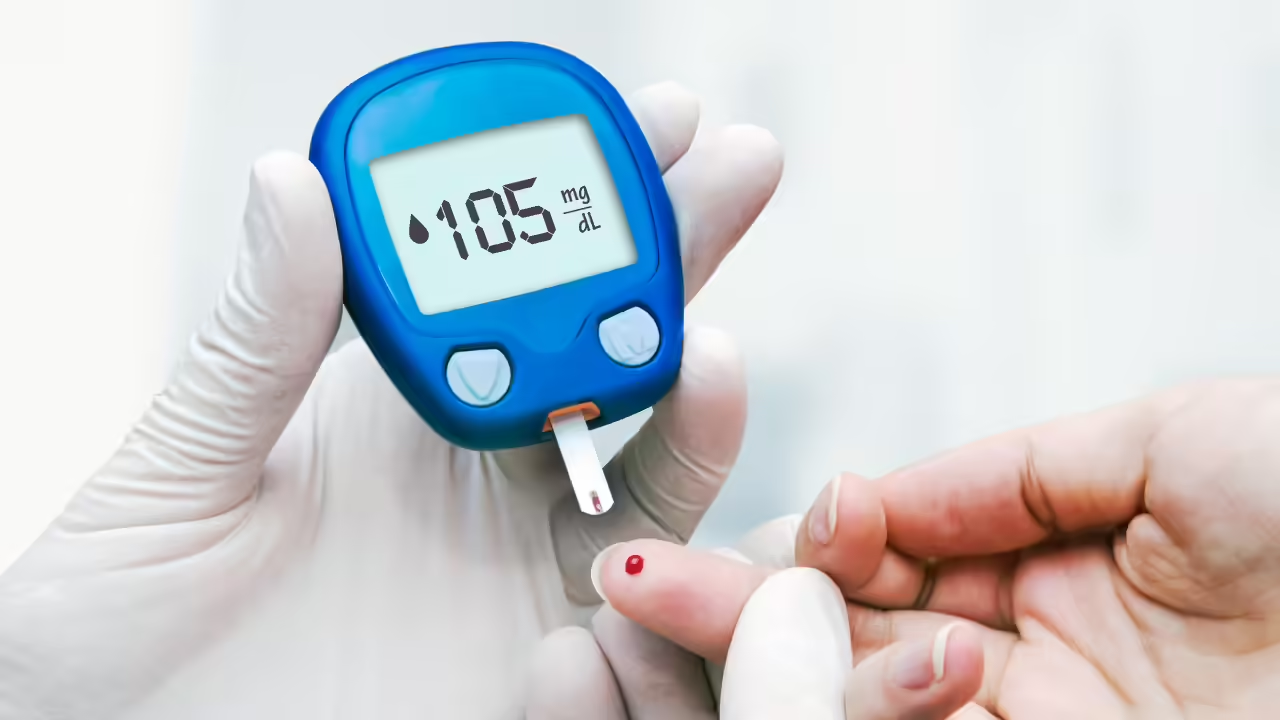
Low blood sugar (hypoglycemia) can happen to anyone and may occur when the level of sugar (glucose) in your blood dips below 70 milligrams per deciliter (mg/dL). Your brain relies on glucose to function normally and is thought to be one of the first organs affected by low blood sugar.
How Blood Sugar Dips Impact Your Focus
You may notice changes in your focus if your blood sugar dips too low.
- Glucose is your brain’s primary energy source. Your brain has a constant need for glucose since it is a simple sugar that can be used to generate energy quickly. Your brain uses about 20% of the energy your body makes from glucose, which is more than any other organ.
- Without enough glucose, your brain may start to function improperly. Poor focus is a common symptom of low blood sugar, caused by the brain’s lack of fuel. Low blood sugar may also disrupt how nerve cells (neurons) in your brain communicate.
- Low blood sugar is associated with slowed reaction time and processing speed. According to one study, hypoglycemia may delay your brain’s response to a stimulus. This may account for the general lack of focus and brain fog you may experience during a blood sugar dip.
- Certain regions of the brain may be more susceptible to negative effects from low blood sugar. In studies, hypoglycemia has been associated with lower glucose levels in the hippocampus, cerebral cortex, and cerebellum. These brain regions are responsible for learning, memory, processing, spatial awareness, and more.
- During hypoglycemia, your body may enter a “fight-or-flight” response. This may lead to the release of the hormone adrenaline, which may increase glucose production in your body. This response can cause additional confusion as well as anxiety.
- If left untreated, chronic hypoglycemia can cause irreversible brain damage. Although more research is needed, some studies indicate that repeated episodes of low blood sugar may cause permanent cognitive impairment, affecting daily tasks, memory, and language.
What Causes Low Blood Sugar
Many things, including diet and specific health conditions, can cause low blood sugar.
Common causes of low blood sugar include:
- Not eating enough carbohydrates (the primary source of glucose)
- Intense or excessive physical activity
- Improper use of diabetes medication, including insulin
- Consuming alcohol on an empty stomach
- Diarrhea or vomiting
Specific conditions may also cause low blood sugar:
- Liver disease
- Kidney disease
- Hormonal disorders
Additionally, you may be more likely to get blood sugar dips if you take antibiotics or specific medications for heart disease.
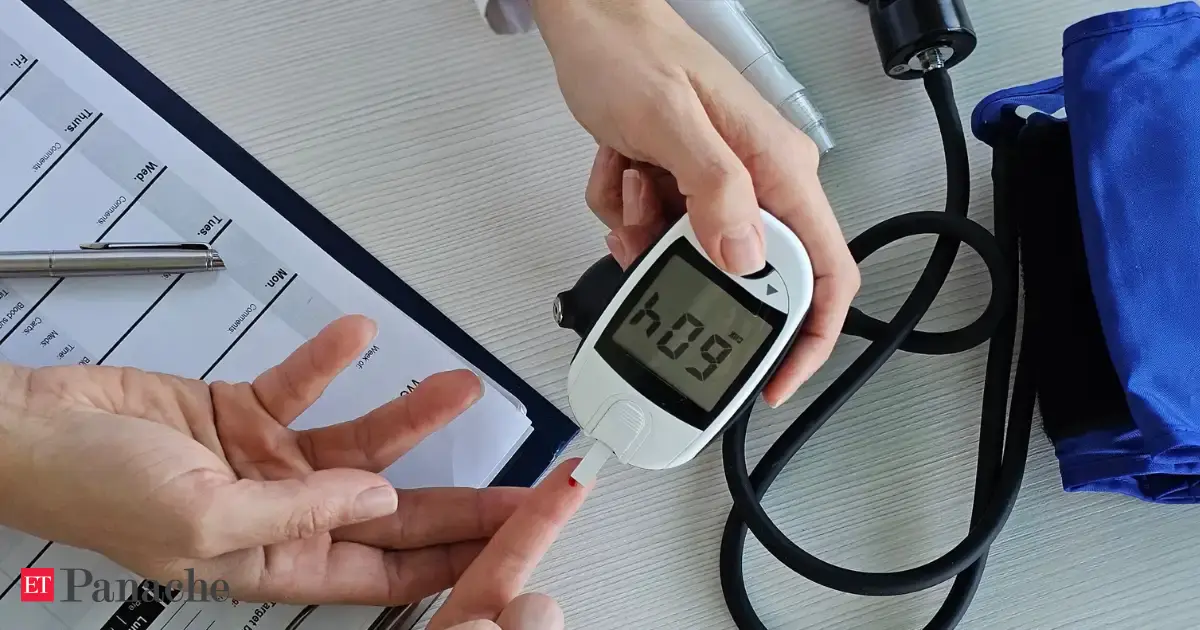
It can be challenging to know if your blood sugar is low. Typical signs of a blood sugar dip include:
- Increased heart rate
- Shaking
- Sweating
- Anxiety
- Irritability
- Confusion
- Dizziness
- Hunger
How to Avoid Blood Sugar Dips
There are specific measures you can take to try to avoid blood sugar dips, even if you have diabetes.
- Eat consistently throughout the day to help manage blood sugar. Avoid skipping meals and eat consistently to ensure your brain has the glucose it needs to function correctly.
- Protein and fiber-rich foods help keep blood sugar levels steady. Dietary fiber and protein both slow the digestion and absorption of carbohydrates, reducing the risk of low blood sugar caused by insulin overproduction.
- Consume carbohydrates around intense exercise as needed. Depending on the activity and whether you have diabetes, you may need to consume a carbohydrate snack before, after, or even during exercise to prevent a blood sugar crash.
- Avoid overconsumption of alcohol. Drinking alcohol (especially heavily or on an empty stomach) may slow the release of glucose by the liver into the bloodstream, leading to potential blood sugar dips.
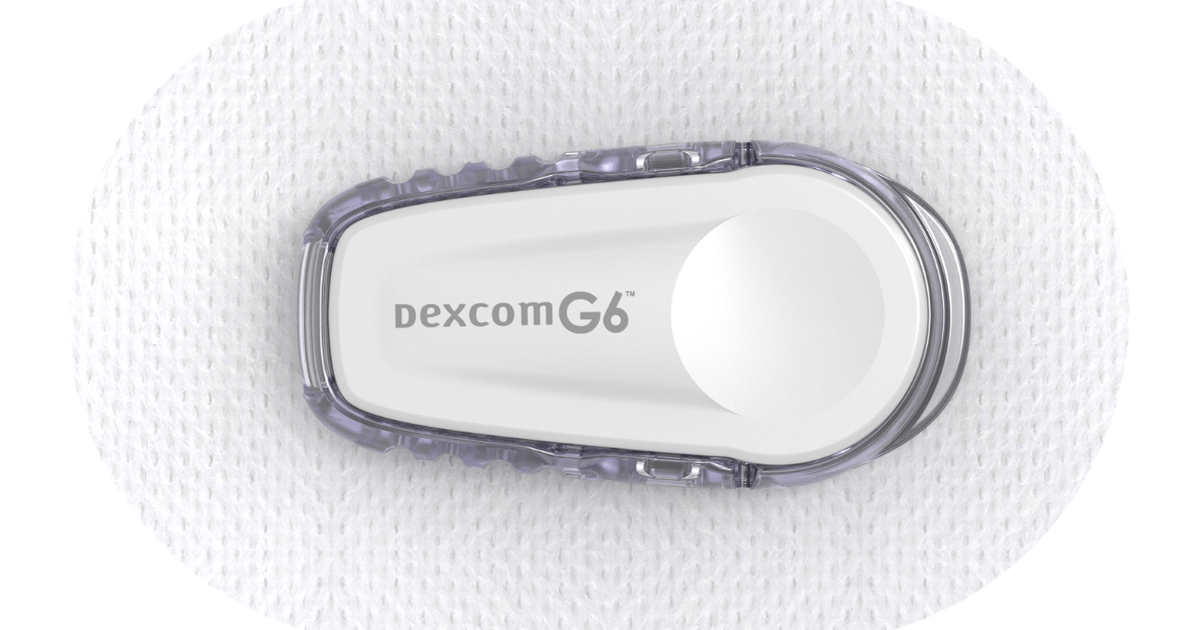
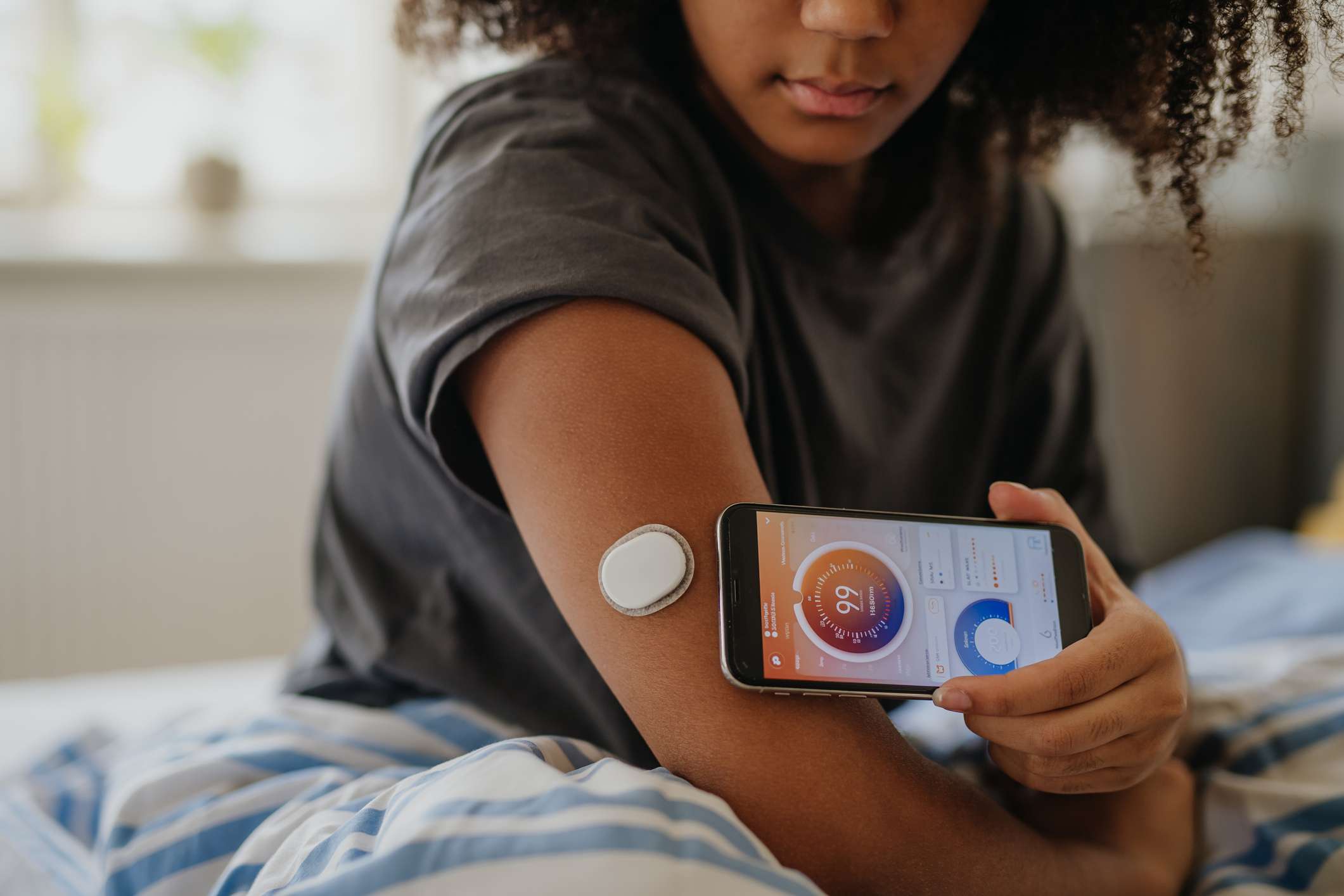
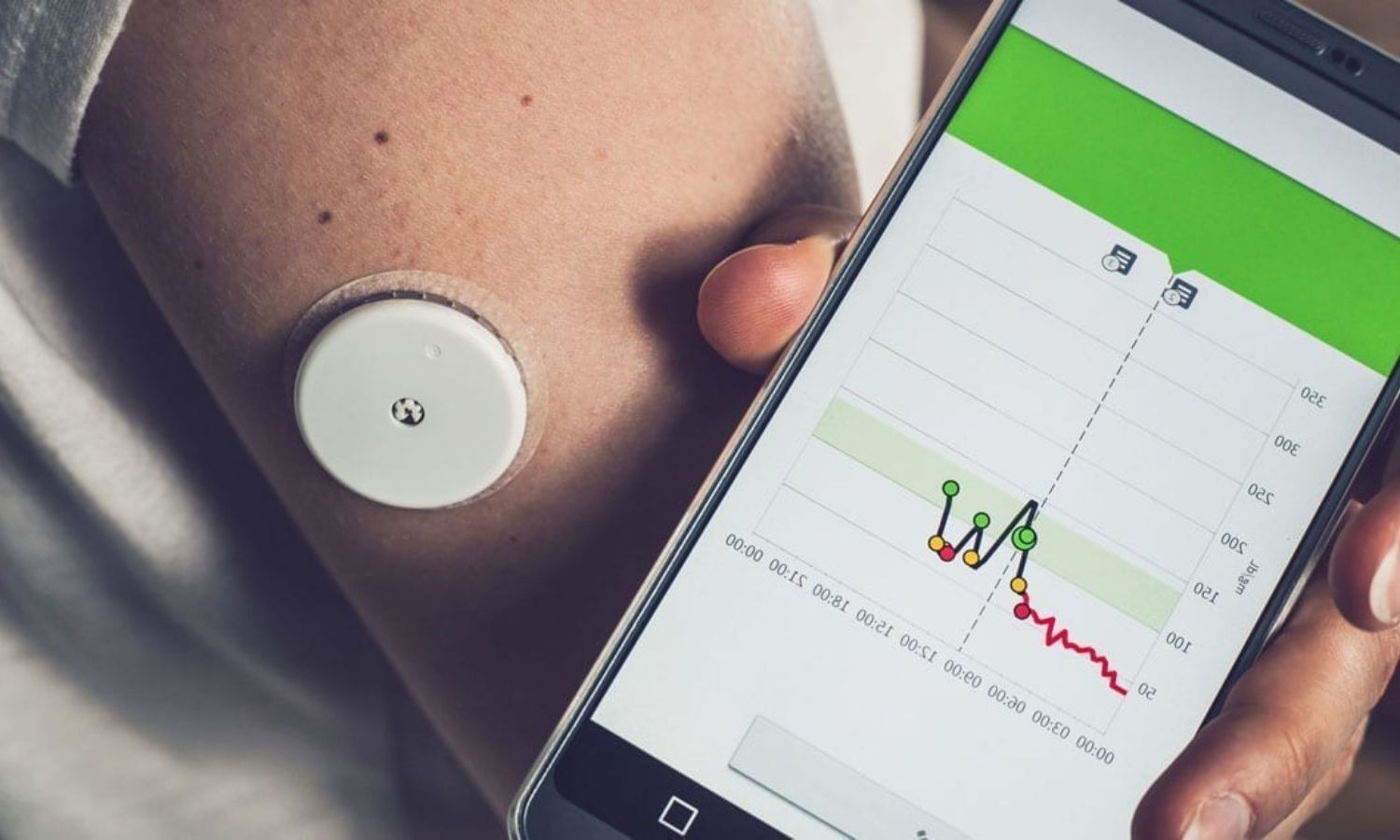
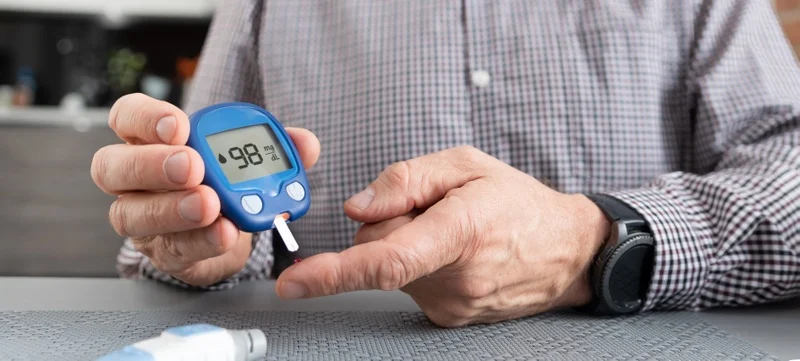
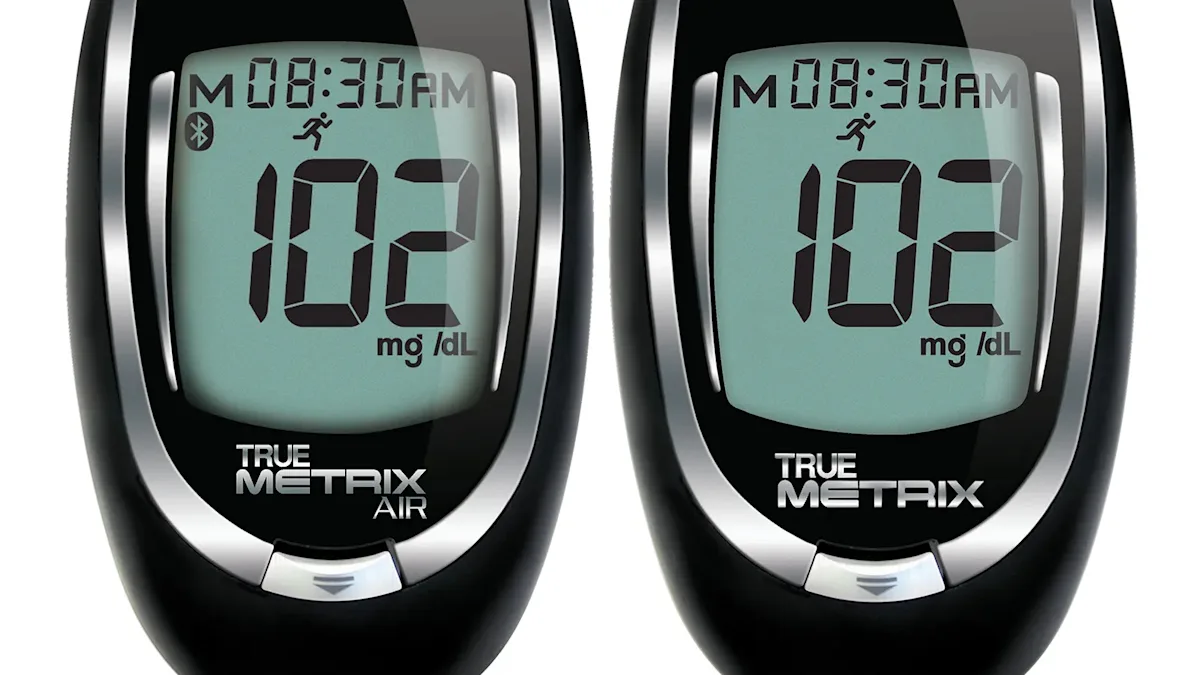
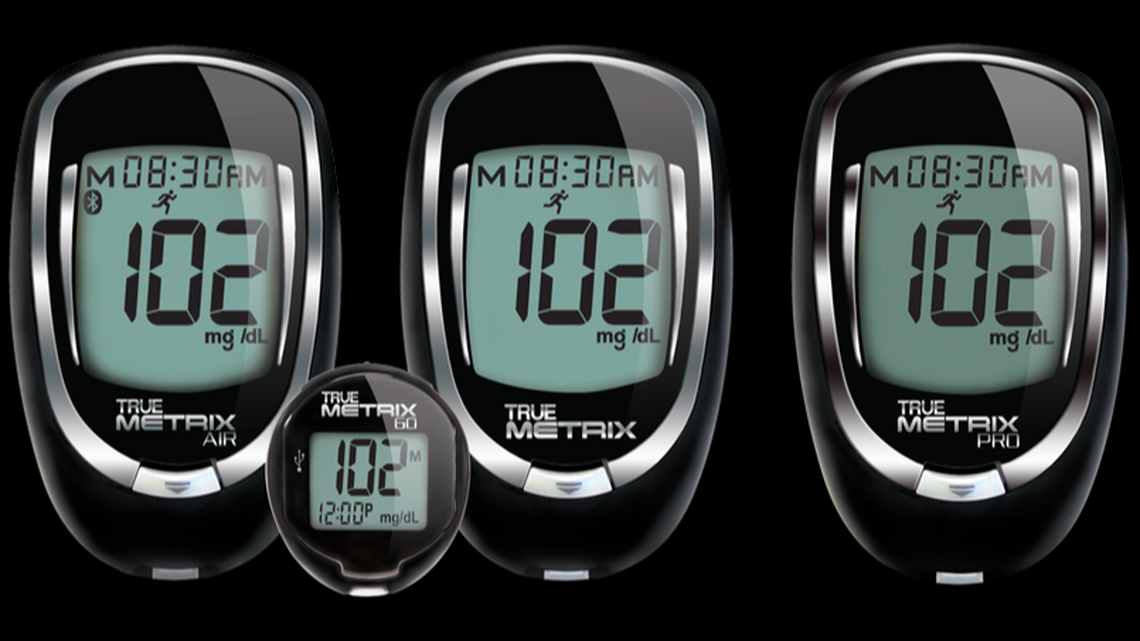
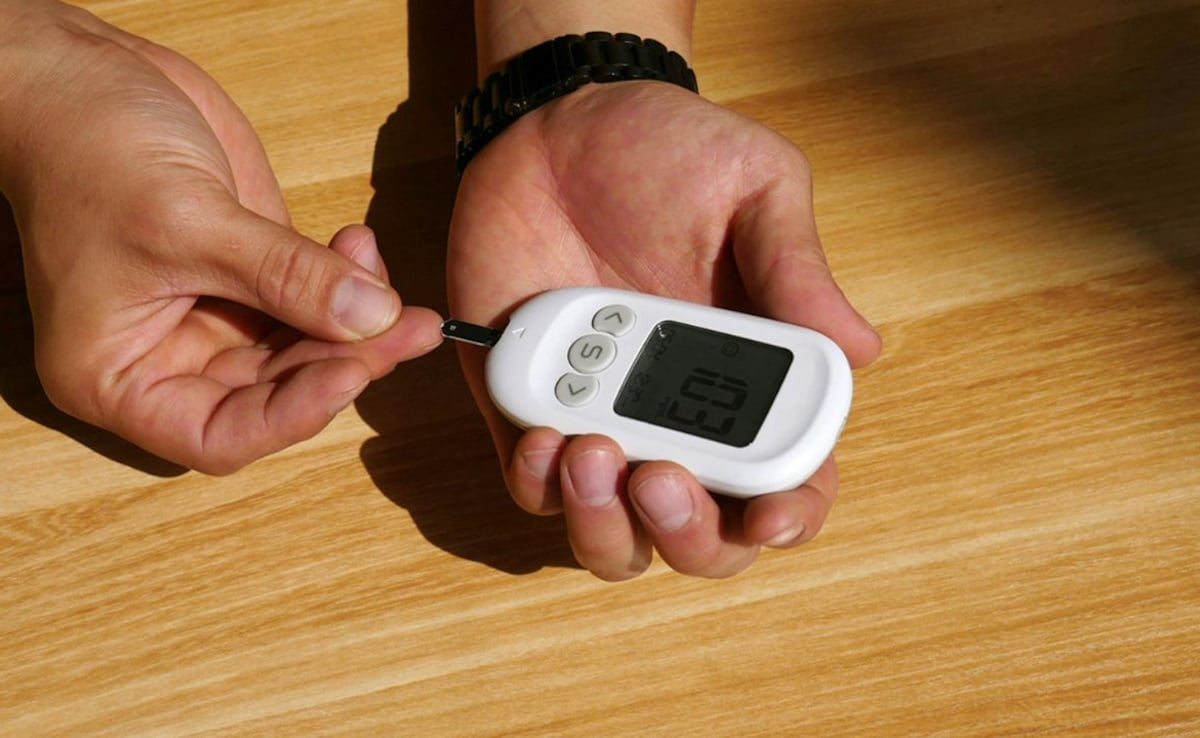
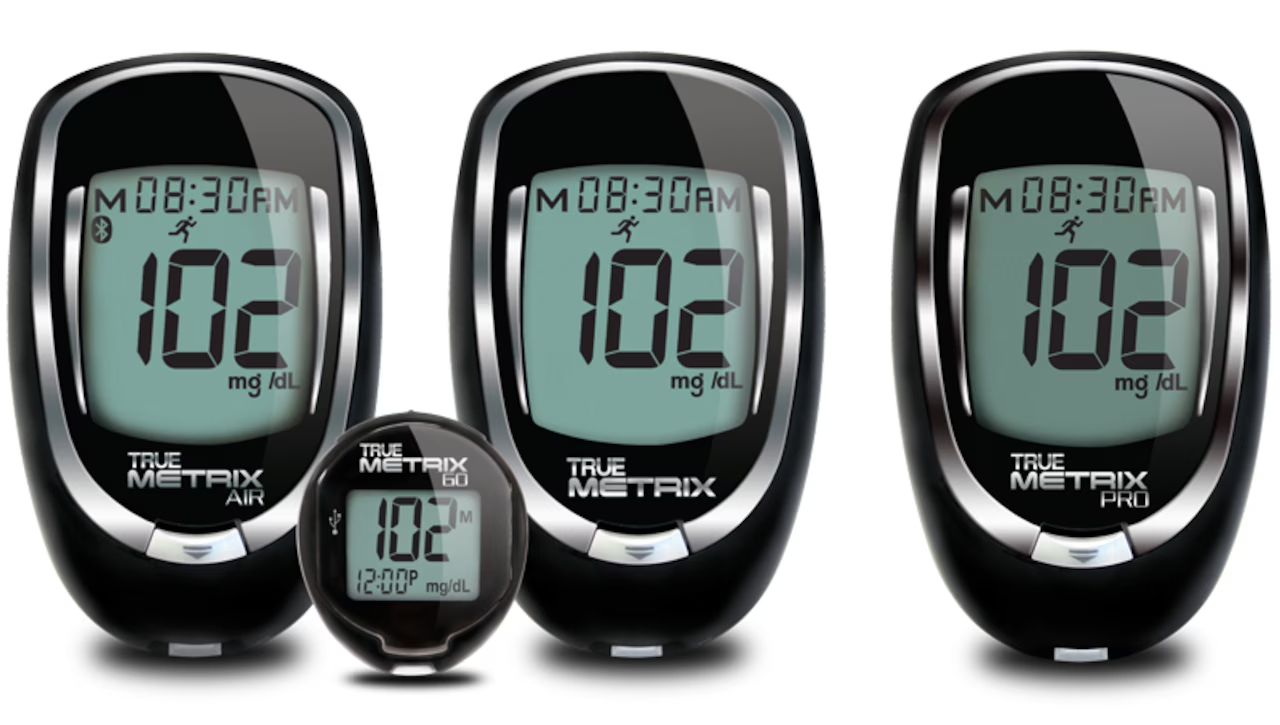
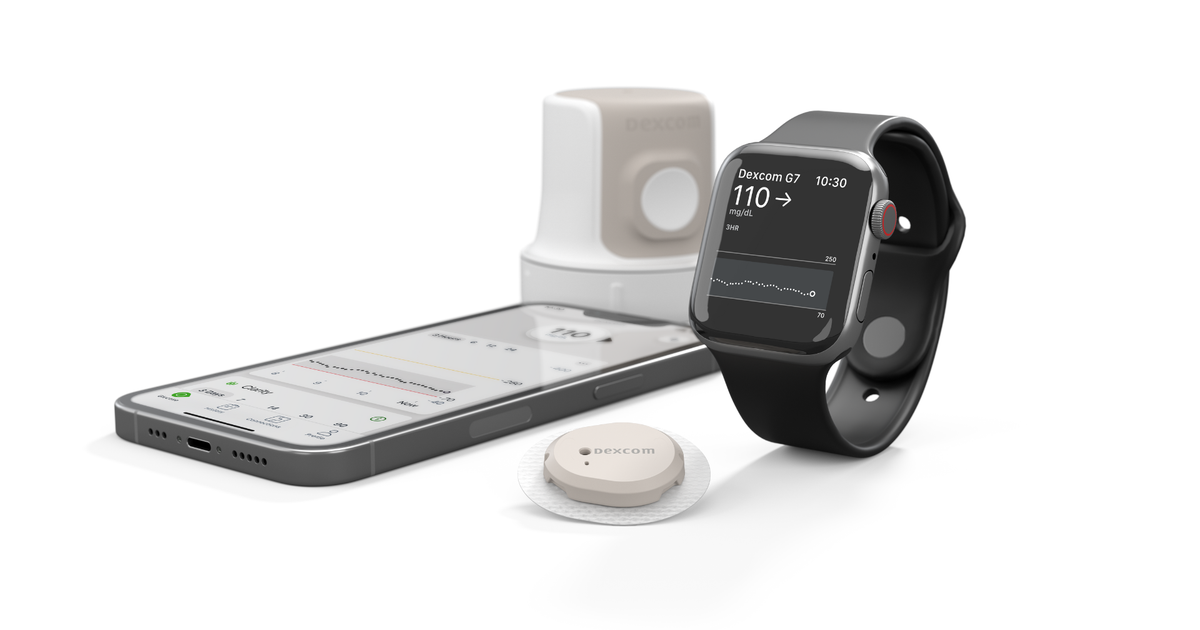
- Use a blood sugar monitor if you have diabetes. Blood sugar monitors give you real-time blood sugar readings, which help you know when you may need to adjust your insulin or have a snack to prevent low blood sugar.
For additional help and resources, talk to a healthcare provider to learn how to monitor for low blood sugar and prevent blood sugar dips.
:max_bytes(150000):strip_icc():format(webp)/Lubeck-headshot-0579405875e54490895f690b1b864e04.jpeg)