Key Takeaways
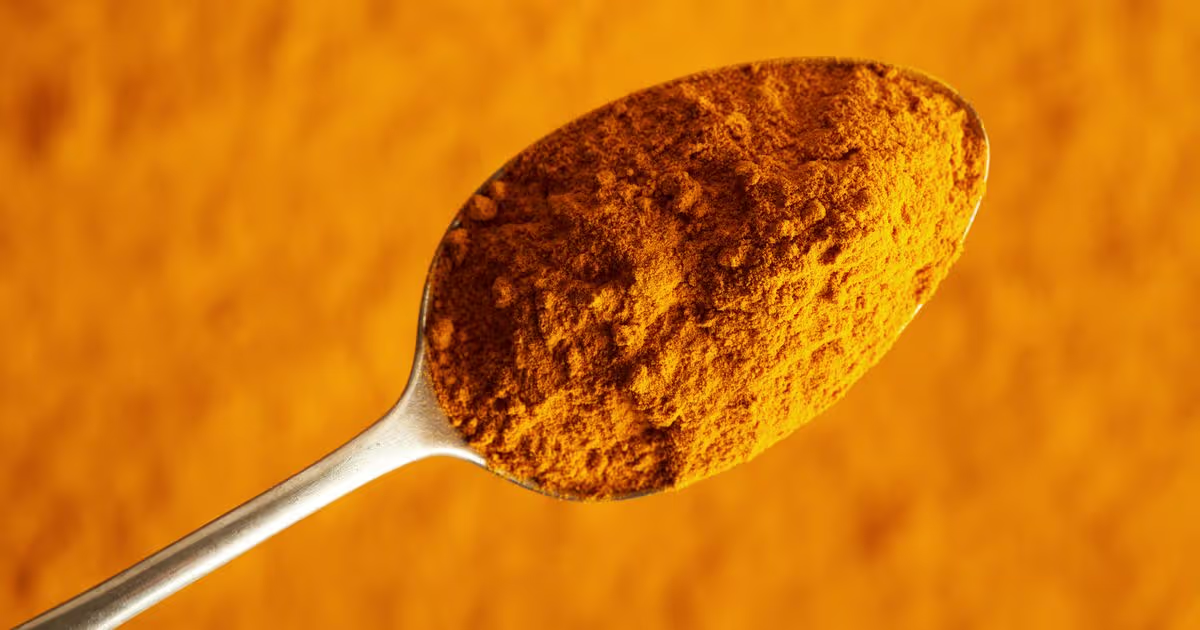
- Turmeric contains more of the anti-inflammatory compound called curcumin than curry does.
- Curry often contains other anti-inflammatory ingredients, like coconut milk and chili, which can also help reduce inflammation.
- Eating turmeric or curry regularly may improve insulin sensitivity and help regulate blood sugar over time.
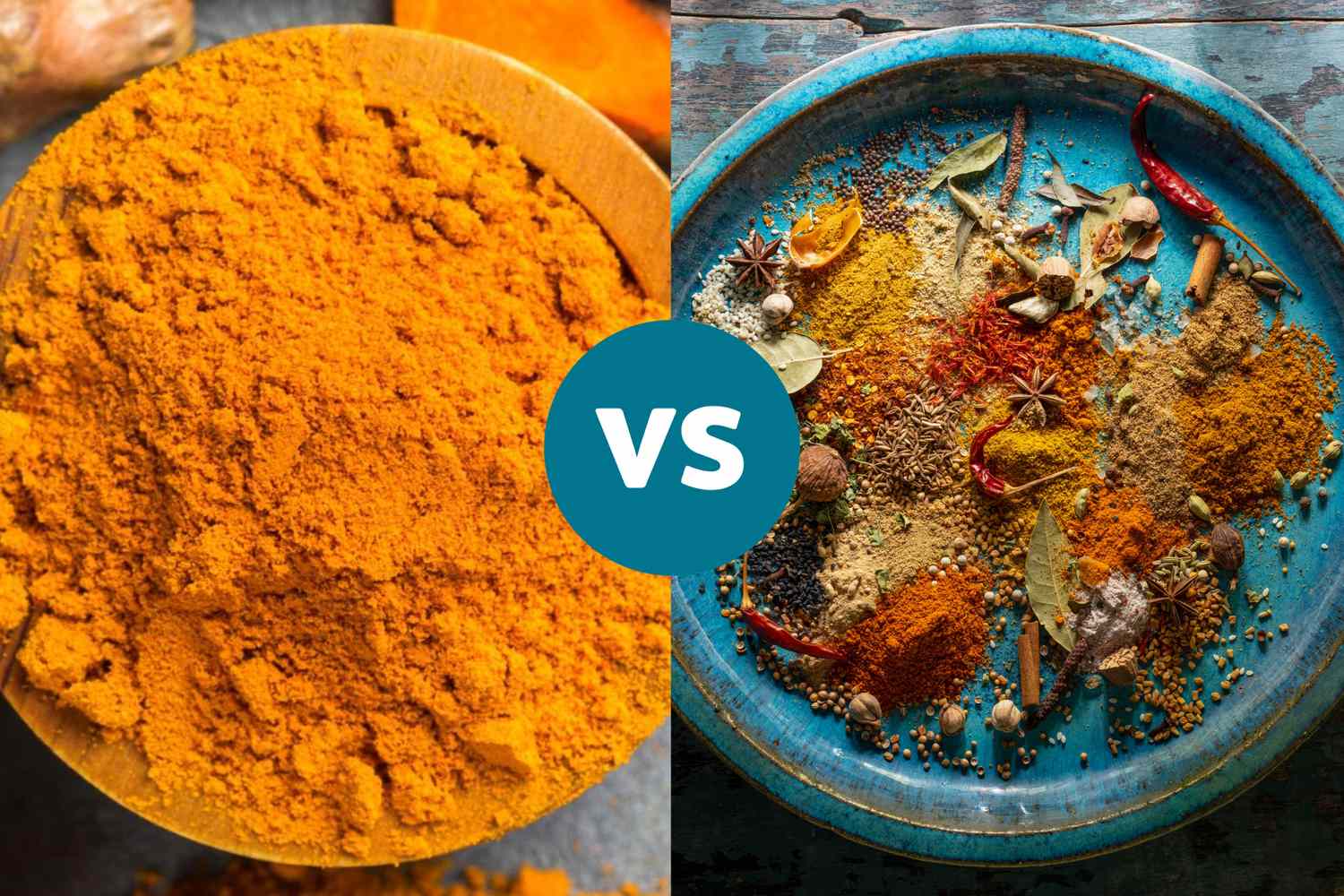
Turmeric and curry can both help reduce inflammation and improve blood sugar because of the active compound curcumin found in both. Turmeric often contains more curcumin than curry.
For Inflammation
Turmeric is a spice often used in food and supplements, and it’s also been used in Ayurvedic and other traditional medicine for its medicinal properties.
When it comes to inflammation, a main active compound in turmeric—curcumin—acts as an anti-inflammatory and antioxidant in the body. Because of its antioxidant properties, it can balance free radicals, which are unstable molecules that can cause cell damage. When free radicals go unchecked for too long, it is called oxidative stress, which increases inflammation.
Curry is a mix of ingredients that also contains turmeric, making it good for inflammation. Because it is mixed with other spices, you likely won’t get the same amount of curcumin compared to using turmeric on its own.
However, curry’s other ingredients—such as coriander, chilli, coconut milk, or fresh ginger or garlic—may also offer anti-inflammatory benefits. For example, coconut milk contains lauric acid and chilli contains capsaicin, both of which are considered anti-inflammatory compounds. So while it has less curcumin, curry may provide more ingredients that work together to reduce inflammation in the body.
For Blood Sugar
Neither turmeric nor curry is known to raise blood sugar levels. However, the foods that you eat them with can. For example, curry dishes that use curry powder often include ingredients like white rice, which can raise blood sugar.
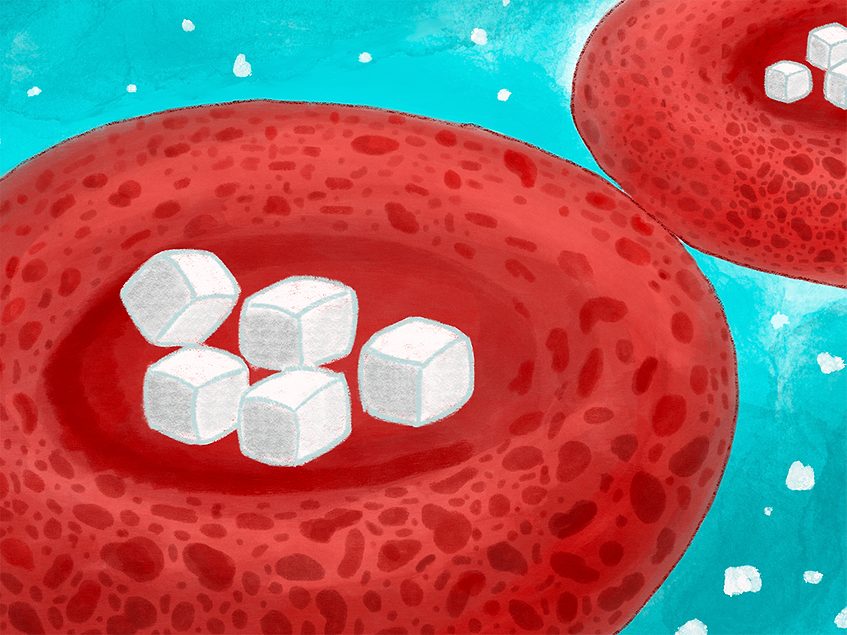
Still, regularly eating foods with the active compound curcumin has been shown to help improve insulin sensitivity, which is how the body uses insulin to regulate blood sugar, improving blood sugar levels over the long term.
Turmeric on its own won’t raise blood sugar levels, but it can also be used in food dishes, such as:
- Soups
- Broths
- Roasted vegetables
- Rice dishes
- Stews
Other ingredients in these dishes can raise blood sugar levels, depending on their carbohydrate content and other ingredients.
When used as a flavouring in coffee, tea, or golden milk, turmeric is unlikely to raise blood sugar levels. In fact, drinking turmeric in these types of beverages may help reduce fasting glucose levels due to its antidiabetic properties and its ability to improve glucose metabolism.
Supplements vs. Dietary Approach: Which Is Better?
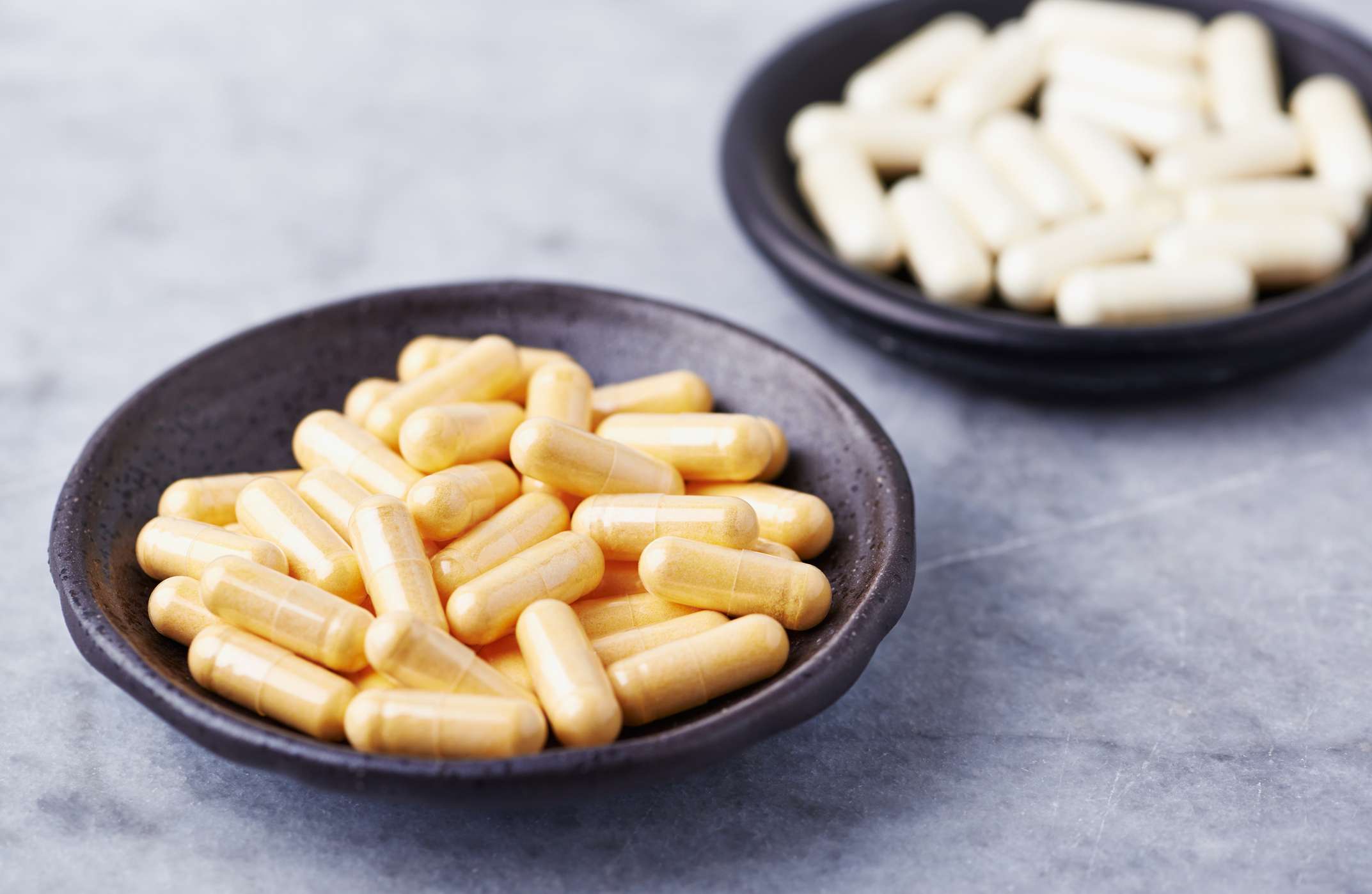
Consuming turmeric and curry through diet will allow you to reap the benefits of curcumin’s anti-inflammatory and blood sugar management properties. If you’re looking to get the highest dose of curcumin, taking turmeric supplements is also an option.
There are several types available, some containing as much as 95% curcumin, giving you a much higher dose that’s easy to incorporate into your daily life. They can come with side effects such as abdominal pain, nausea, and diarrhea for some people.
Before starting a supplement, be sure to speak with your healthcare provider for their guidance.
Enhancing Curcumin Absorption
Curcumin has low bioavailability, so the body cannot fully absorb what you consume. To enhance curcumin absorption to get the most out of it, whether you eat it in turmeric, curry, or as a supplement, you can take it with:
- Piperine (black pepper)
- Fenugreek
- Turmeric essential oil
:max_bytes(150000):strip_icc():format(webp)/VerywellBioPicAngelicaBottaro-203f7e803ab444b2b5c13b4252d11159.JPG)