
Key Takeaways
- Monk fruit and stevia are both natural and calorie-free sweeteners that don’t raise blood sugar or insulin secretion.
- Monk fruit may have fewer reported side effects compared to stevia.
- Stevia and monk fruit have different tastes; some people might prefer one over the other.
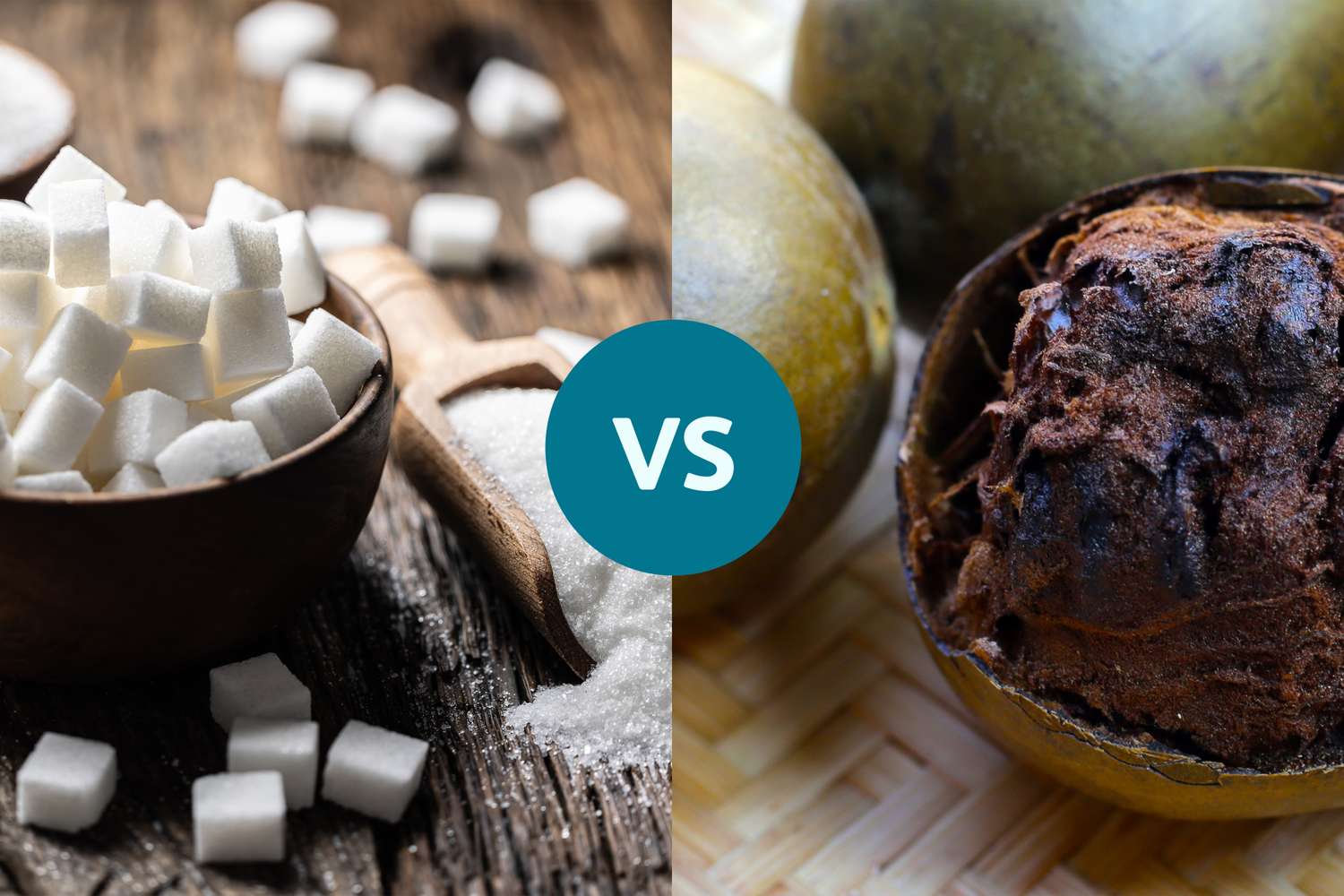
Monk fruit and stevia are two natural sweeteners that don’t raise blood sugar or insulin secretion after consumption. They vary in their sweetness, uses, benefits, and side effects.
| Monk Fruit vs. Stevia Comparison Chart | ||||
|---|---|---|---|---|
| Taste | Sweetness | Uses | Side Effects | |
| Monk fruit | Fruity, warm, subtle, sweet | 100–250 times sweeter than table sugar | Sugar substitute, weight management, blood sugar management, anti-inflammatory, antioxidant | May cause upset stomach or allergic reaction |
| Stevia | Slightly bitter, herbal, sweet | 200–400 times sweeter than table sugar | Sugar substitute, weight management, blood sugar management, cholesterol management | May cause upset stomach, numbness, or allergic reaction |
Neither Raises Blood Sugar
Monk fruit sweetness comes from zero-calorie mogroside compounds that the body doesn’t recognize as sugar:
- Animal research shows monk fruit doesn’t raise blood sugar or trigger insulin secretion as table sugar does. Therefore, researchers believe that monk fruit may benefit people with diabetes.
- In addition to its effects on blood sugar, replacing table sugar with monk fruit may improve lipid profiles (fats, waxes, and sterols in blood) and liver health, which may help prevent type 2 diabetes. However, more research is needed.
Stevia also does not significantly raise blood sugar or insulin levels:
- Several animal and human studies have found that replacing table sugar with stevia may help lower blood sugar levels.
- According to one meta-analysis, stevia may reduce blood sugar levels within one to four months. Further research is needed to determine the long-term effects of stevia on blood sugar and diabetes management.
What Are Their Uses and Possible Health Benefits?
Monk fruit benefits include:
- Monk fruit has been used for sore throats, congestion, and colds in traditional Chinese medicine (TCM) for hundreds of years.
- There is also some evidence that monk fruit may help manage diabetes.
- Lab studies show that monk fruit may have antioxidant, anti-inflammatory, blood sugar-lowering, anticancer, and brain-protective properties.
- Other research suggests that monk fruit or other zero-calorie sweeteners may aid in weight loss.
- The mogrosides found in monk fruit may act as prebiotics to improve gut health. More studies are needed.
Stevia benefits include:
- Stevia is commonly used solely as a sweetener.
- Traditionally, stevia has been used for diabetes and high blood sugar. Studies have shown that it can help manage diabetes, obesity, and blood pressure.
- Animal research suggests that stevia may enhance insulin sensitivity, reduce inflammation, lower blood pressure, and aid in mitigating liver and kidney damage.
- There is also some evidence that stevia may benefit the gut microbiome.
- Human trials are needed to confirm these potential benefits.
How Taste Compares
Comparing taste:
- Monk fruit is often described as having a subtle, fruity taste and a warm and slightly sweet flavor. Some consider it bitter, with a metallic aftertaste.
- Stevia is said to have an herbal yet very sweet taste. Some claim its flavor resembles licorice but with a bitter and metallic aftertaste.
How They Differ in Sweetness
Comparing sweetness:
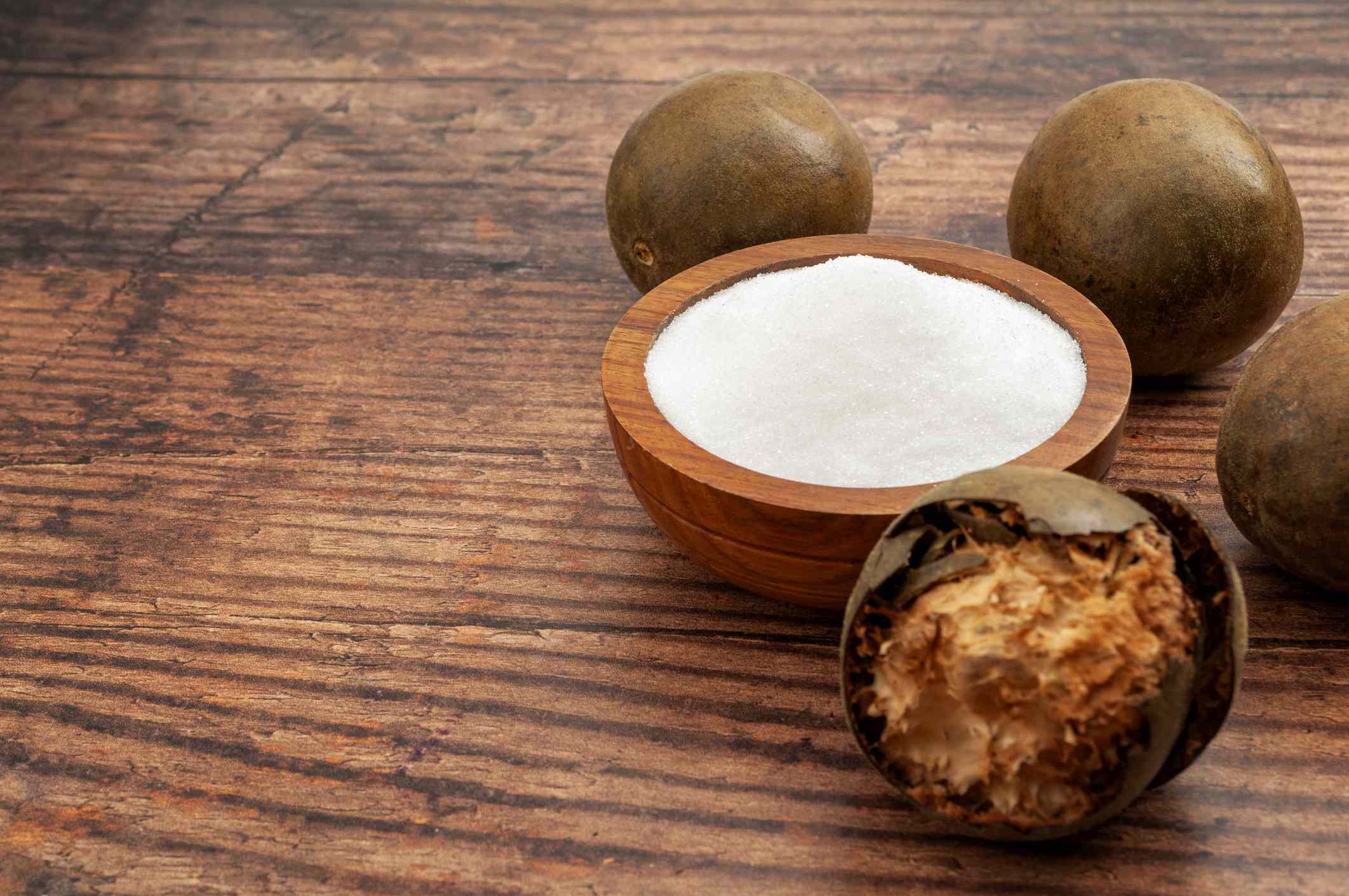
- Monk fruit contains many mogrosides, which are zero-calorie compounds that provide sweetness. Mogroside V is the primary component in monk fruit and is approximately 100 to 250 times sweeter than table sugar. Monk fruit extract is made by extracting mogrosides from the flesh of monk fruit.
- Stevia contains steviol glycosides, which are responsible for its sweet taste. Steviol glycosides are calorie-free and 200 to 400 times sweeter than table sugar. The main steviol glycosides in stevia are steviosides and rebaudiosides.
What Are the Side Effects?
Monk fruit side effects include:
- Some people may experience an upset stomach caused by a sensitivity to monk fruit.
- It’s possible to be allergic to monk fruit.
- Few side effects have been reported in studies on monk fruit; however, safety studies have not yet verified its long-term effects.
Stevia side effects include:
- In rare cases, stevia may cause an allergic reaction, particularly in individuals with a history of ragweed allergy.
- Possible side effects of stevia are bloating, nausea, dizziness, and numbness.
- There is also some concern that stevia may contribute to low blood pressure (hypotension).
What Are Their Risks and Precautions?
Monk Fruit
Research on monk fruit is still in its early stages, so little is known about the sweetener’s safety, particularly when used over the long term.
While fresh monk fruit is not widely available, monk fruit extract can be found in powder or liquid form online and in grocery stores. Due to potentially limited growing seasons and the lengthy extraction process, it’s typically more expensive than other natural and artificial sugar alternatives.
Stevia
There isn’t enough research yet to know if stevia is safe to use while pregnant or breastfeeding.
Stevia may interact harmfully with certain medications:
- Because it may lower blood sugar and blood pressure, avoid mixing stevia with medications used to treat diabetes or high blood pressure.
- Avoid taking stevia if taking lithium, as stevia may increase the amount of lithium that stays in your body.
:max_bytes(150000):strip_icc():format(webp)/Lubeck-headshot-0579405875e54490895f690b1b864e04.jpeg)