Key Takeaways
- Both Splenda and stevia are generally blood sugar-friendly, especially compared with sugar.
- Stevia is zero-calorie and tends to have a more neutral metabolic and gut health profile, while Splenda products may contain negligible calories and show mixed metabolic effects.
- Sweetness intensity, frequency of use, and overall eating patterns matter more than the sweetener alone.
Splenda (sucralose) and stevia are non-nutritive sweeteners that don’t significantly raise blood sugar levels when used in typical amounts. However, they differ in their common uses, sweetness intensity, and effects on metabolism and gut health.
What Are the Key Differences Between Splenda and Stevia?
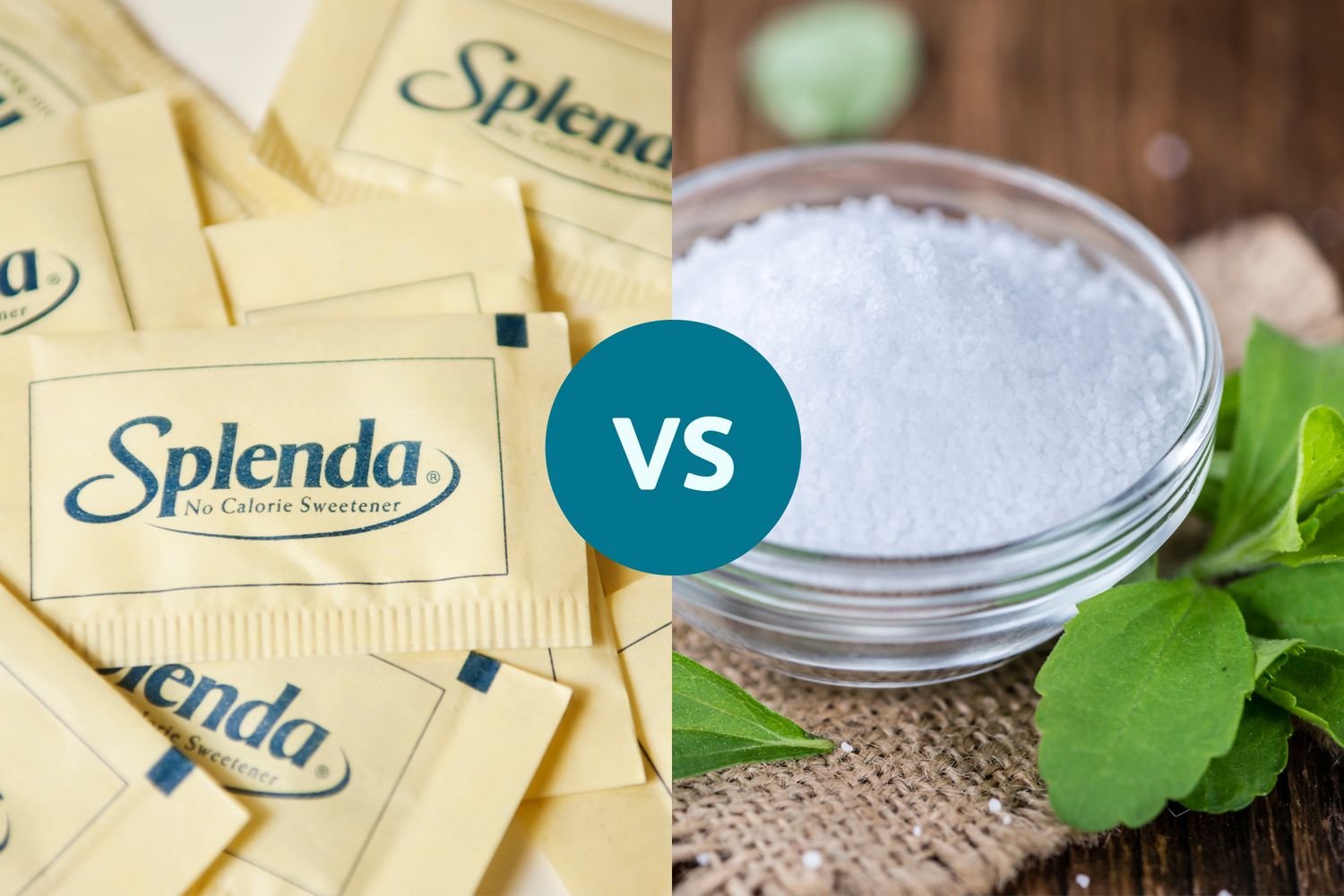
Splenda and stevia are both non-nutritive sweeteners, meaning they do not provide meaningful calories or carbohydrates from the sweetener itself. Neither will spike glucose (sugar) levels like regular sugar. However, they may differ in their effects on metabolic responses with regular use:
- Sucralose research shows mixed effects on insulin (a hormone that regulates blood sugar).
- Stevia appears to have neutral effects on insulin, with some evidence suggesting modest improvements in glucose.
Key distinctions between the two include:
- Insulin response: Sucralose and stevia may differ in their effects on insulin and glucose regulation over time.
- Sweetness intensity: Sucralose is typically sweeter than stevia, which can influence the amount needed to achieve the same level of sweetness.
- Individual tolerance: Responses vary, particularly with regular or frequent use.
How Do They Affect Blood Sugar and Insulin Response?
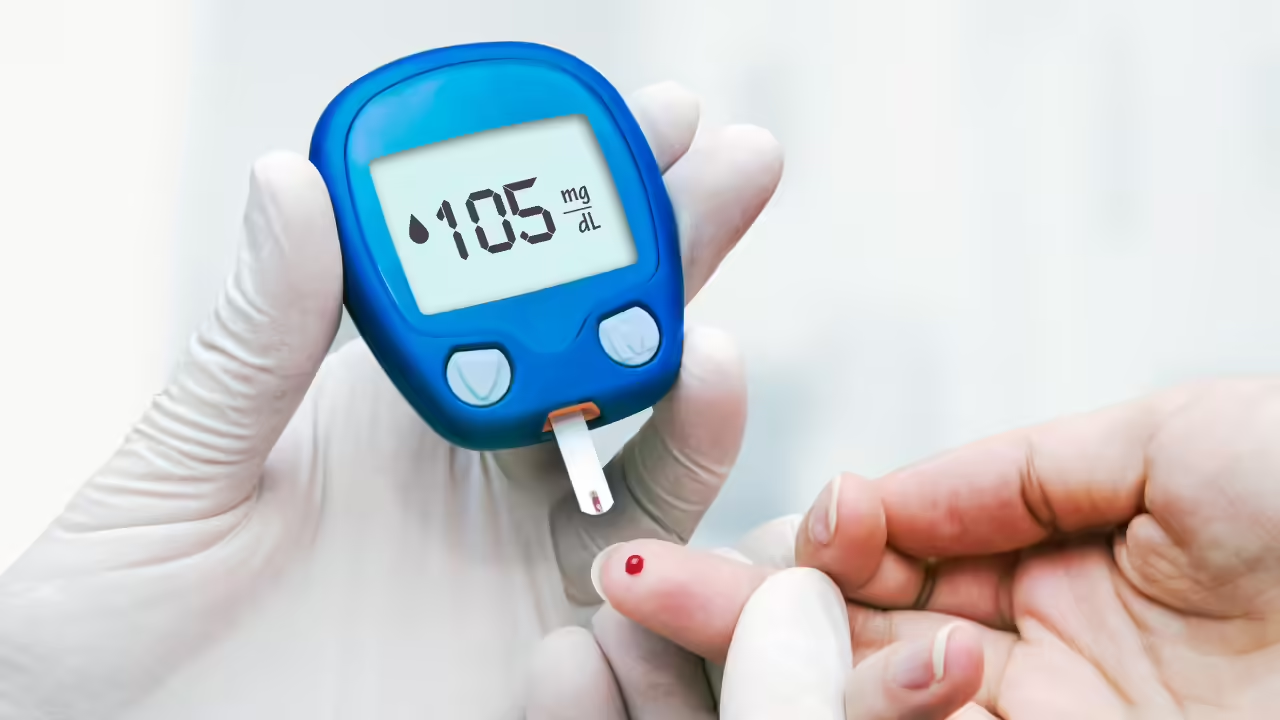
Neither sweetener causes the rapid rise in blood glucose seen with sugar. Sucralose does not directly raise blood glucose, but some studies suggest it may influence insulin secretion or sensitivity, particularly with regular intake.
Stevia consistently shows neutral effects on post-meal glucose or insulin levels. Some research suggests modest improvements in fasting glucose, though these effects are minor and inconsistent.
Overall, the evidence shows:
- Neither sucralose nor stevia causes a rapid rise in blood glucose.
- Research on sucralose shows mixed effects on insulin response.
- Stevia appears largely neutral for glucose and insulin in most populations.
- Balanced meals remain more influential than sweetener choice alone.
How Do They Compare for Nutritional Value, Sweetness, and Serving Size?
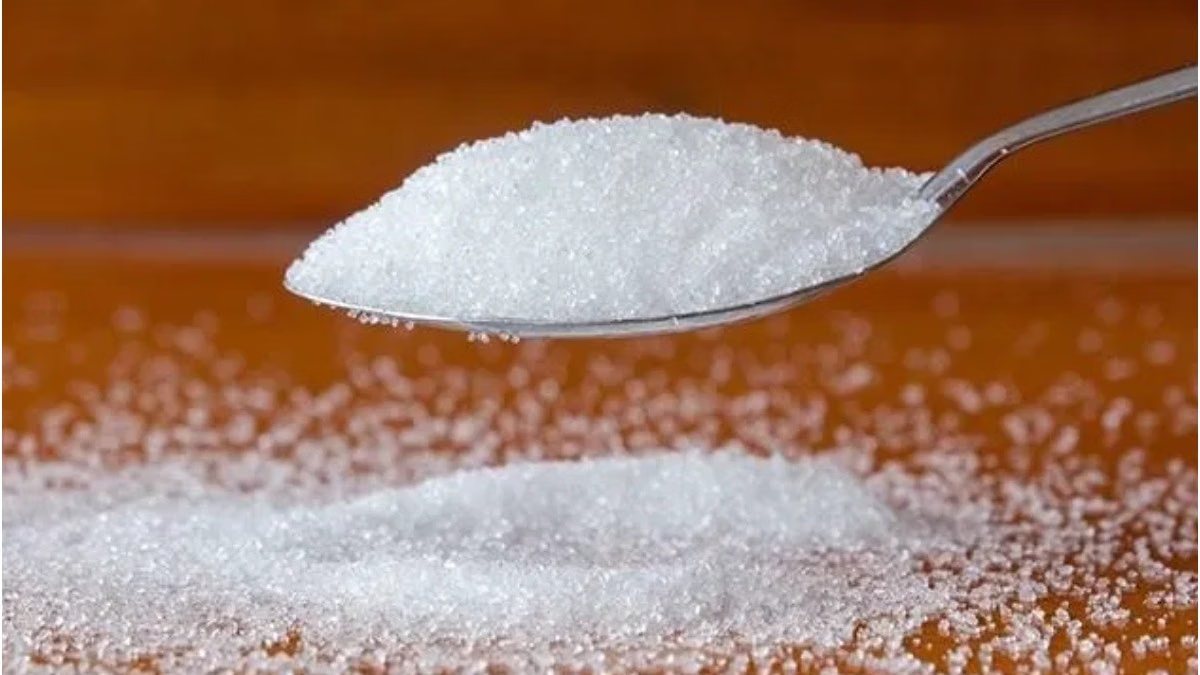
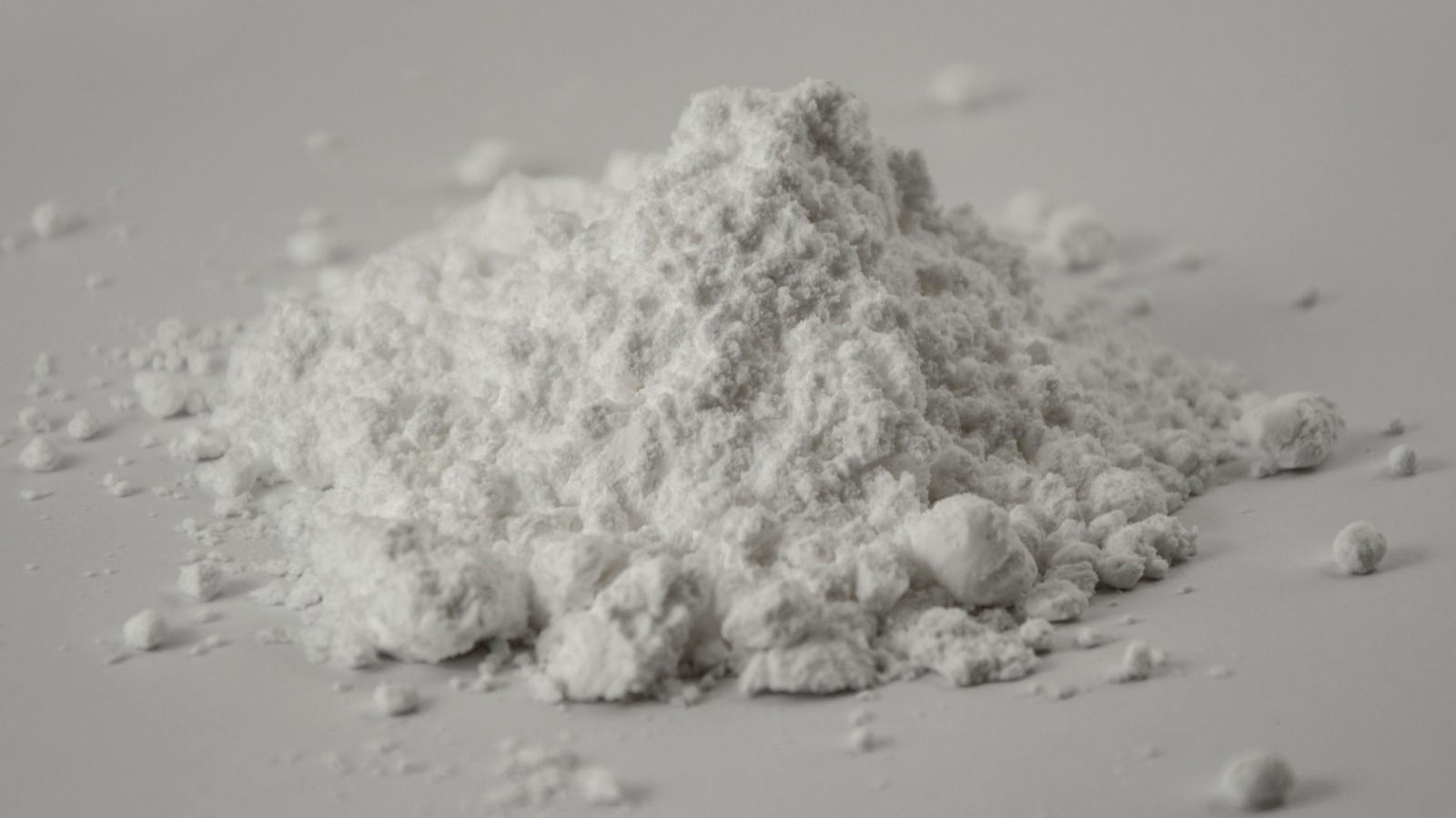
Stevia is considered a natural zero-calorie sweetener, as the amount used is too small to contribute measurable energy or digestible carbohydrate.
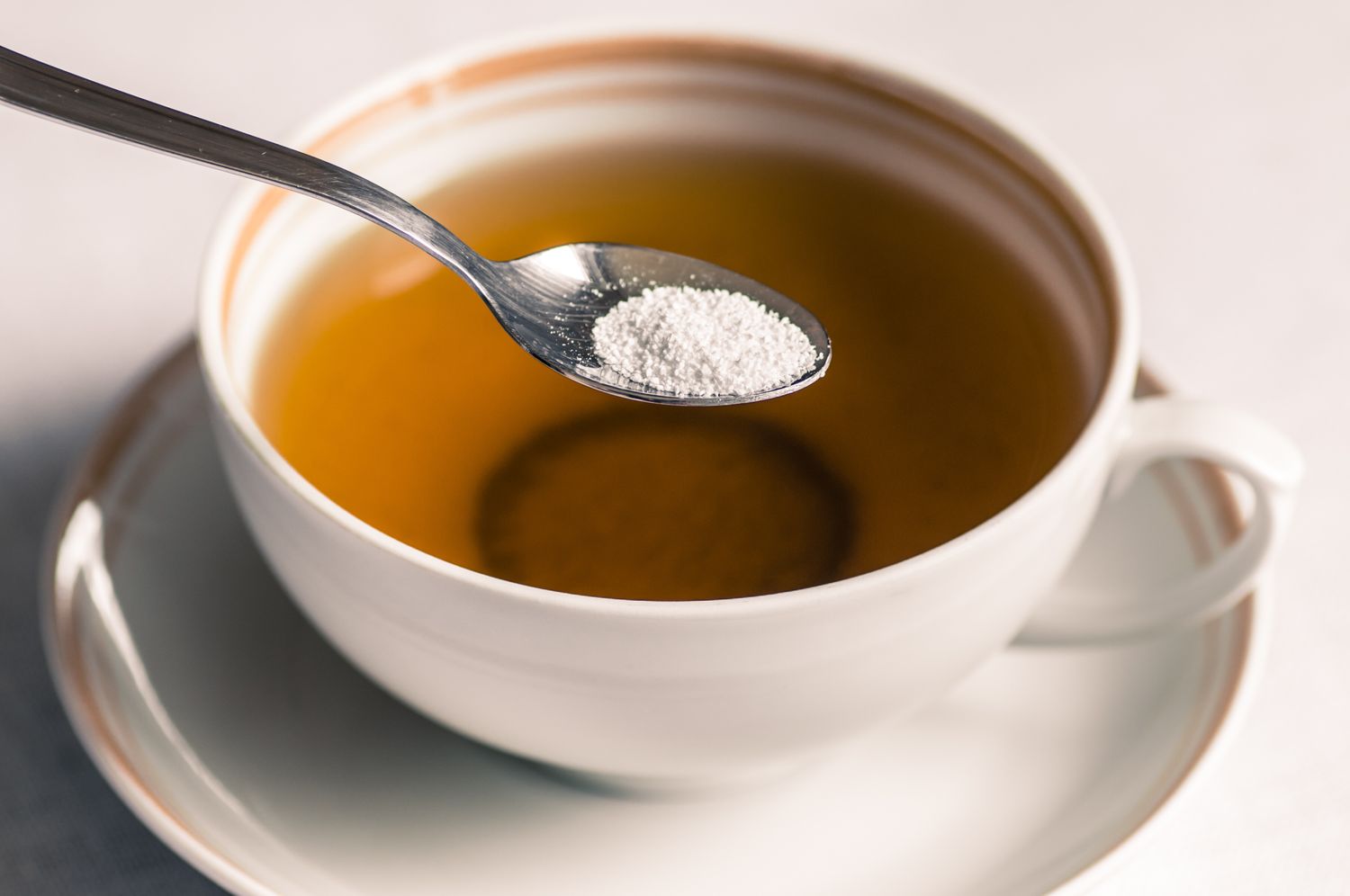
Sucralose itself is an artificial non-nutritive sweetener, but many Splenda products contain small amounts of calories due to added fillers such as maltodextrin or dextrose, which contribute digestible carbohydrate.
Because both sweeteners are extremely sweet, typical servings are very small, such as one packet or a few drops, though repeated use can increase overall exposure.
Sweetness intensity helps explain these differences:
- Stevia provides sweetness with zero calories per serving and is about 200 to 400 times sweeter than sugar.
- Splenda provides roughly 3 to 4 calories per packet, is about 600 times sweeter than sugar, and often includes small amounts of carbohydrate.
- Total intake across the day matters more than the calorie content of a single serving.
How Are They Typically Used?
From a practical standpoint, sucralose may be better for moderate-heat uses, while stevia is better suited for no-bake or low-heat applications:
- Splenda is widely used in packaged foods, beverages, and baked goods because it closely mimics sugar’s taste and maintains sweetness when heated. However, its safety at high temperatures has also been questioned, particularly with frequent high-heat use.
- Stevia is more commonly used in beverages, yogurt, and tabletop sweeteners, and less often in baking, unless blended with other ingredients. It tends to perform best in low-heat or no-bake applications.
How Do They Affect Gut Health?
Gut health is an emerging area of interest with non-nutritive sweeteners. Some studies suggest that sucralose consumption may alter gut microbiota composition and is associated with changes in glucose and insulin responses, although long-term effects remain under investigation.
Stevia appears to have a more neutral effect on gut bacteria in current research, though human data is still limited, and results in animal studies are mixed.
Taken together, current evidence suggests:
- Higher intakes of sucralose may affect gut bacteria in some individuals.
- Stevia does not appear to promote unfavorable shifts in gut microbiota in humans.
- Existing gut health and frequency of use may influence response.
Choosing the Best Option for Blood Sugar Support
For most people focused on blood sugar management, stevia often has a slight advantage due to its neutral glucose and insulin profile, though benefits are modest. Splenda can still fit into a balanced eating pattern in moderation, especially if it helps make foods and beverages more enjoyable.
For most people, this means:
- Stevia may be a good default option.
- Splenda can be appropriate when preferred for taste or function.
- Frequency of use and overall dietary patterns matter most.