
Reviewed by Dietitian Madeline Peck, RDN, CDN

Design elements: Getty Images. EatingWell design.
Key Points
-
Both zero-sugar and diet sodas can fit into a blood-sugar-friendly diet, depending on frequency and context.
-
Non-nutritive sweeteners used in these sodas do not impact blood glucose the same as sugar.
-
Some people, especially those with diabetes, may experience changes in appetite and cravings.
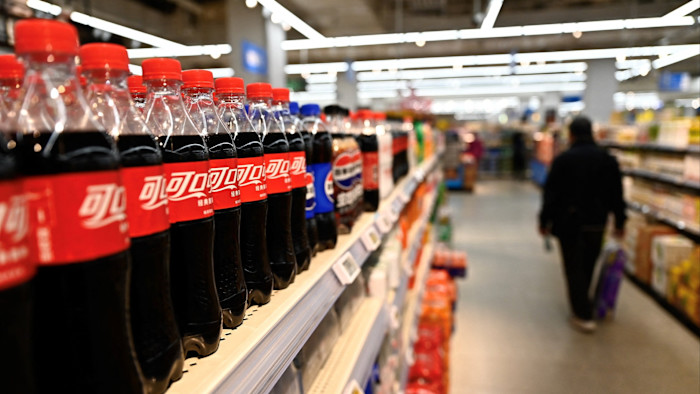
If you’re trying to manage your blood sugar, the beverage aisle can feel overwhelming and confusing. Labels like “zero sugar” and “diet” are everywhere and often used interchangeably, but many people aren’t sure what they actually mean or whether one option is better than the other.
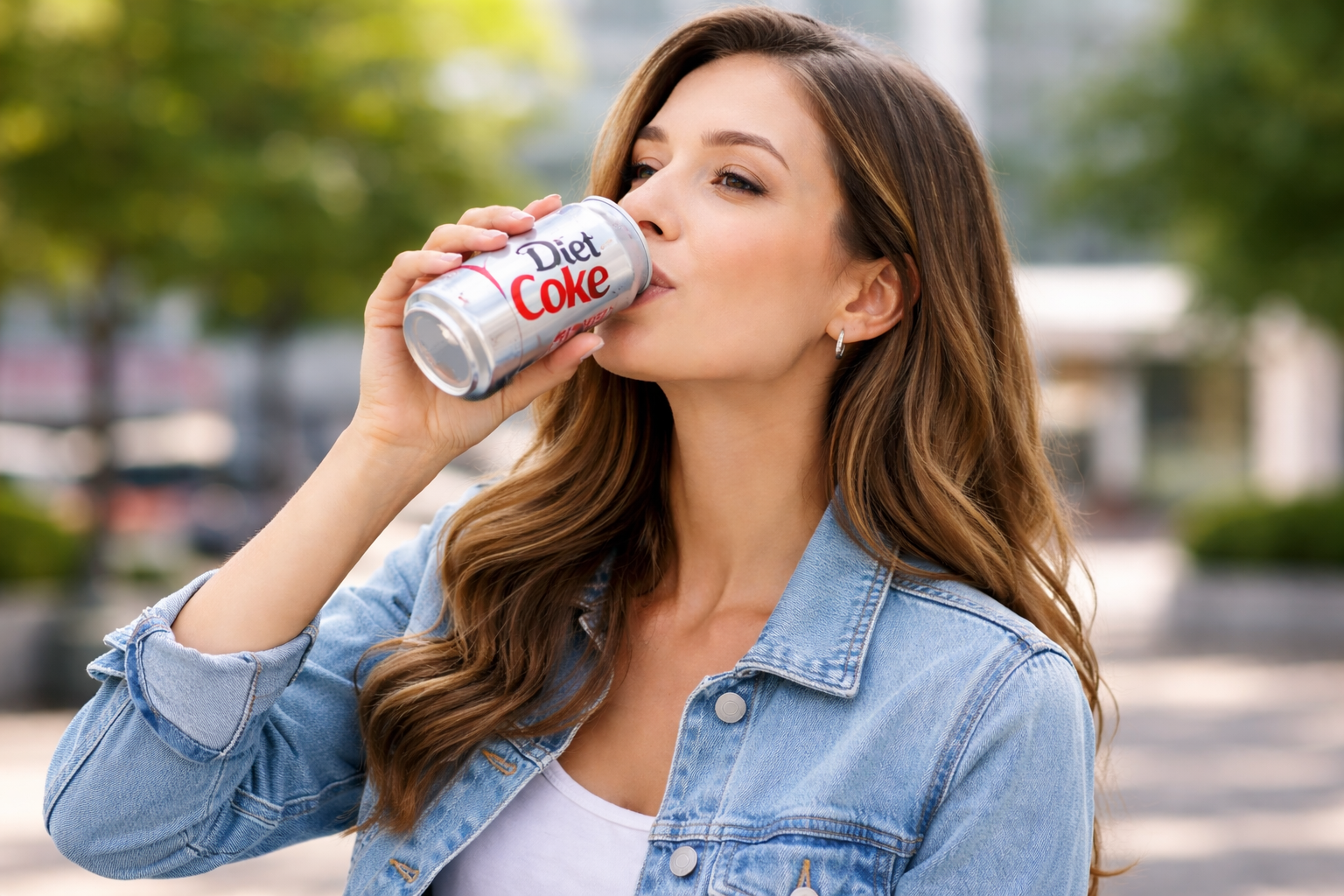
From a blood sugar standpoint, both diet and zero-sugar sodas are designed to provide sweetness without the glucose spike of sugar-sweetened beverages, but there are other factors to consider. Understanding how these labels are defined, what sweeteners are used, and how they affect the body beyond blood sugar can help you make choices that support blood sugar balance.
Which is Better, Zero-Sugar or Diet Soda?
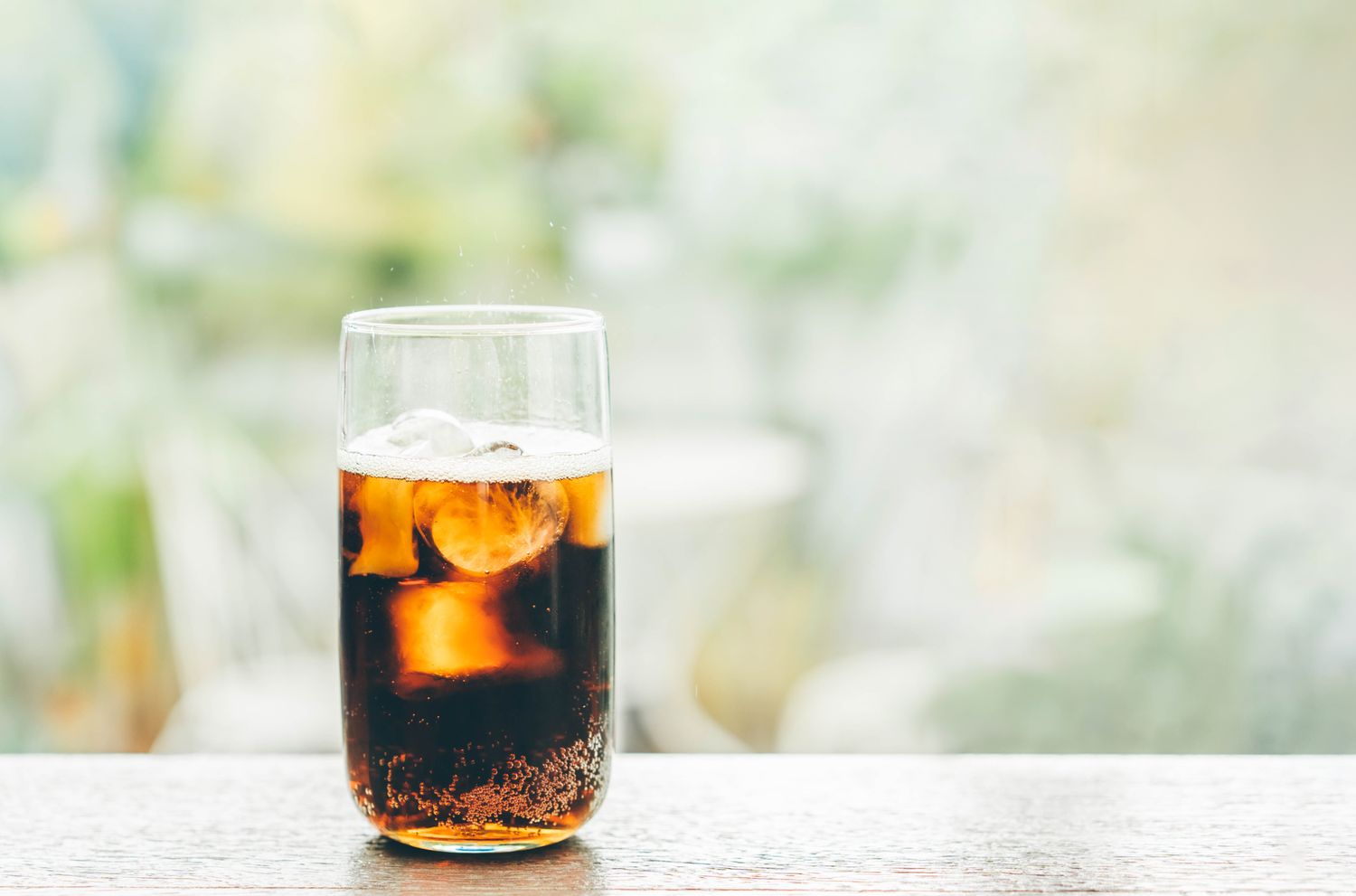
It depends. Both zero-sugar and diet sodas can fit into a blood-sugar-friendly eating pattern, but timing, frequency and context matter. These beverages may be especially helpful when transitioning away from regular soda, sweetened teas or juice. “Sometimes people want something sweet, and both ‘zero sugar’ and ‘diet’ beverages can fit,” says Kimberley Rose-Francis, RDN, CDCES. “Which option I recommend depends on the nutrition facts label and what the client is eating alongside the beverage.”
Having a diet soda with a balanced meal that includes fiber, protein and healthy fats may support steadier energy levels compared to drinking it alone. Danielle Smiley, RDN, LDN, CDN, adds that rotating these drinks with flavored seltzer or unsweetened tea can help prevent them from becoming a primary hydration source. Dorian Doss, MS. RD LD, shares that she encourages her patients to include water as their main beverage and incorporate sugar-free drinks at meals to develop a sustainable, healthy hydration plan.
What Is the Difference Between Zero-Sugar and Diet Soda?
Contrary to popular opinion, “zero sugar” and “diet” are common labeling terms, but they’re not interchangeable, and they’re not regulated in the same way.
Rose-Francis shares that “zero sugar does not mean a food contains absolutely no sugar. Instead, it means the product contains less than 0.5 grams of sugar per serving. ‘Diet’ is more of a marketing term and generally refers to a product that has been modified to be lower in calories or sugars compared to the original version.”
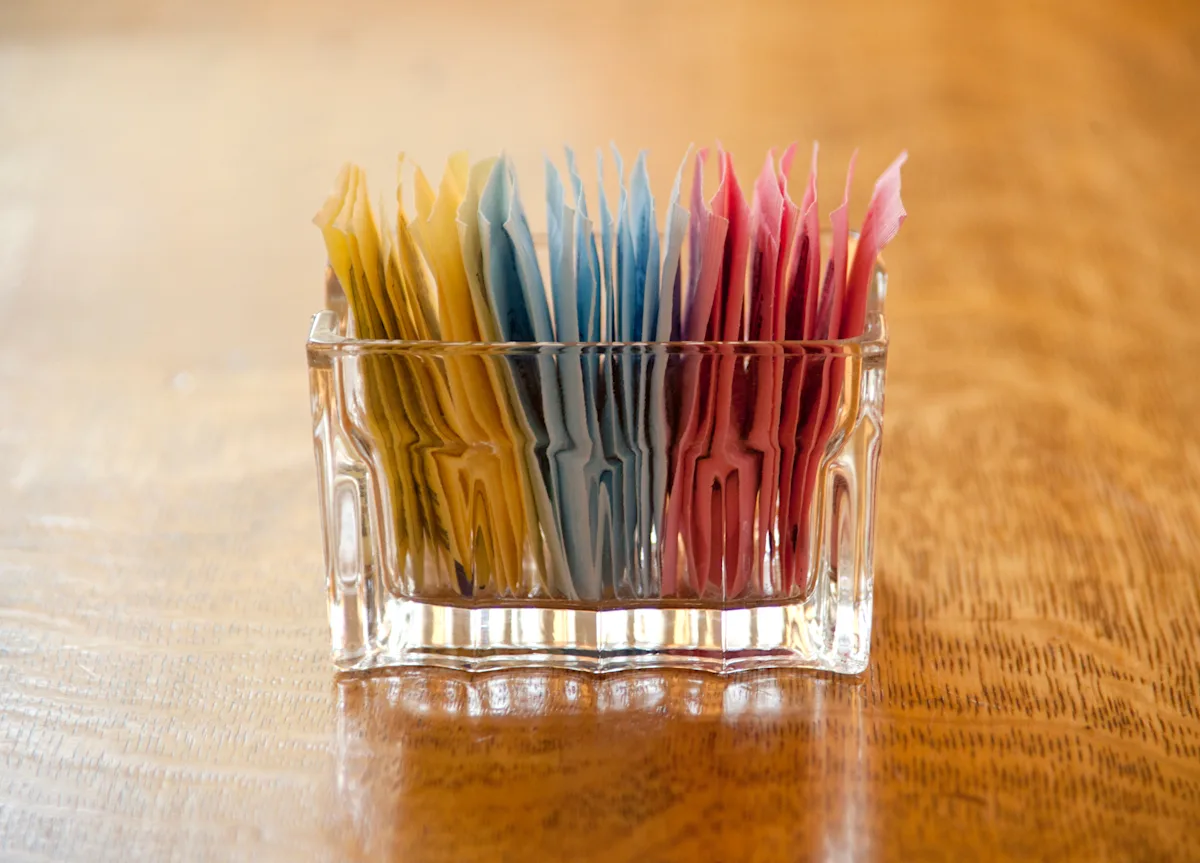
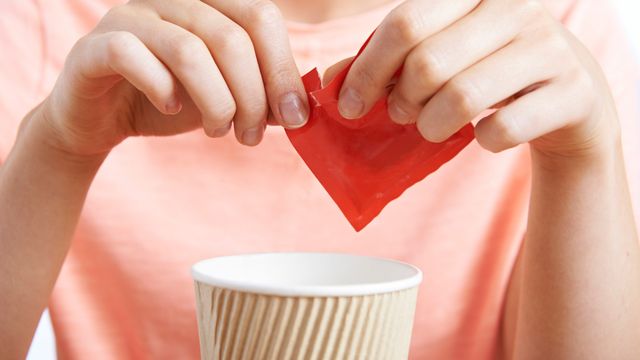
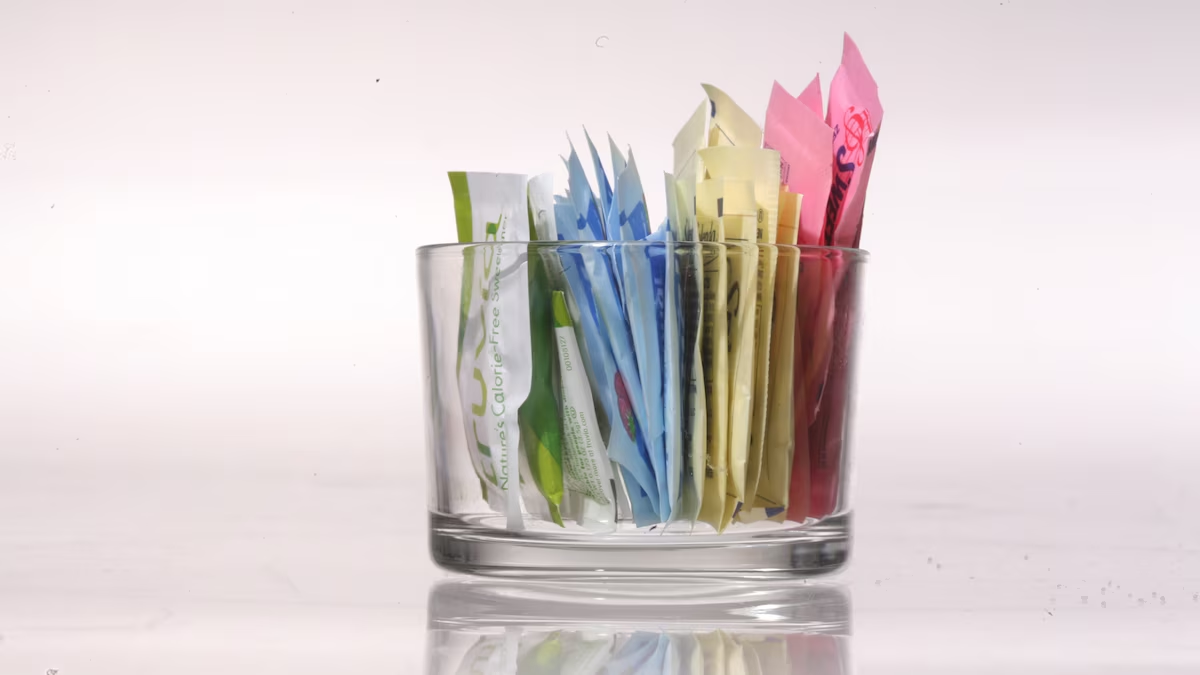
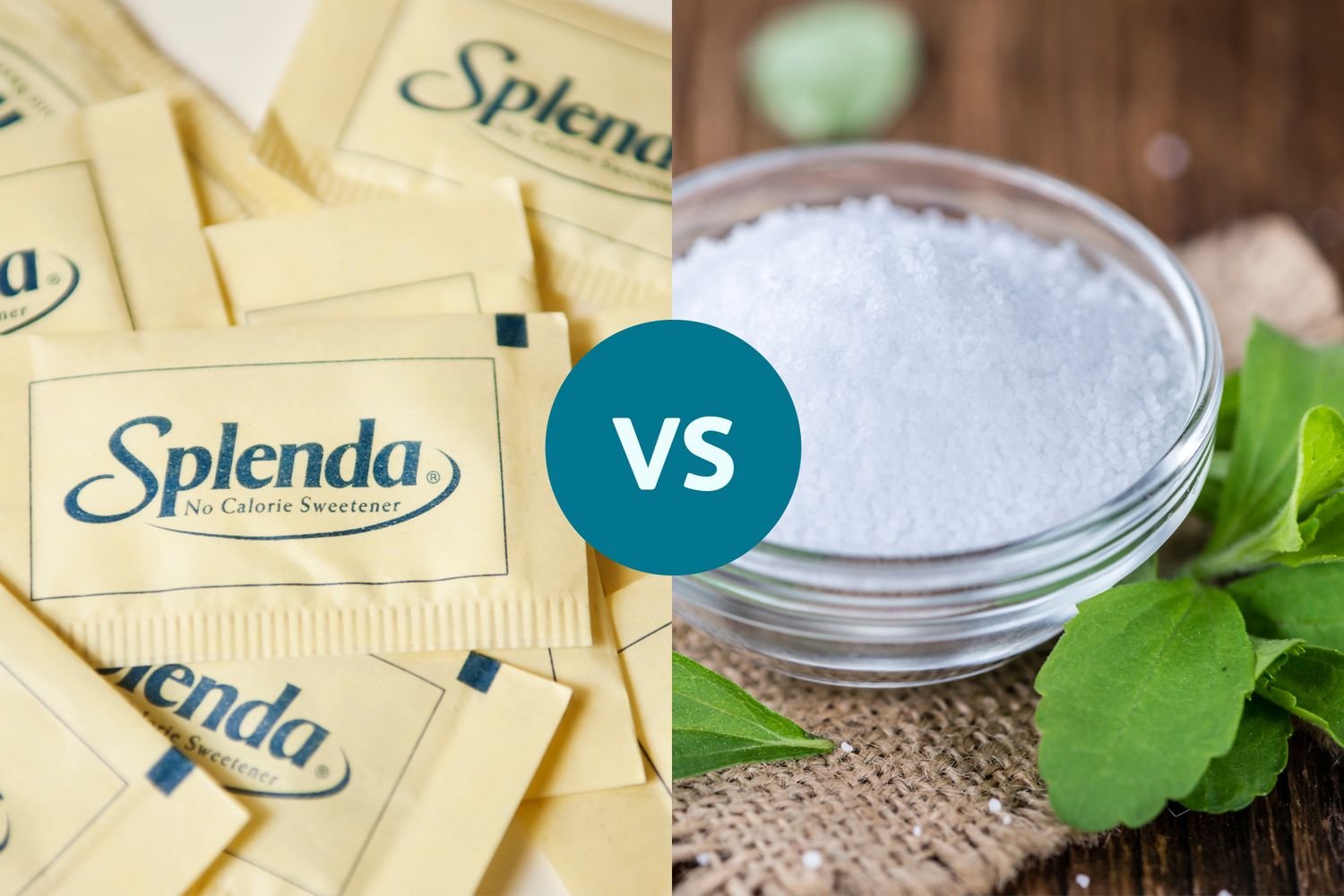
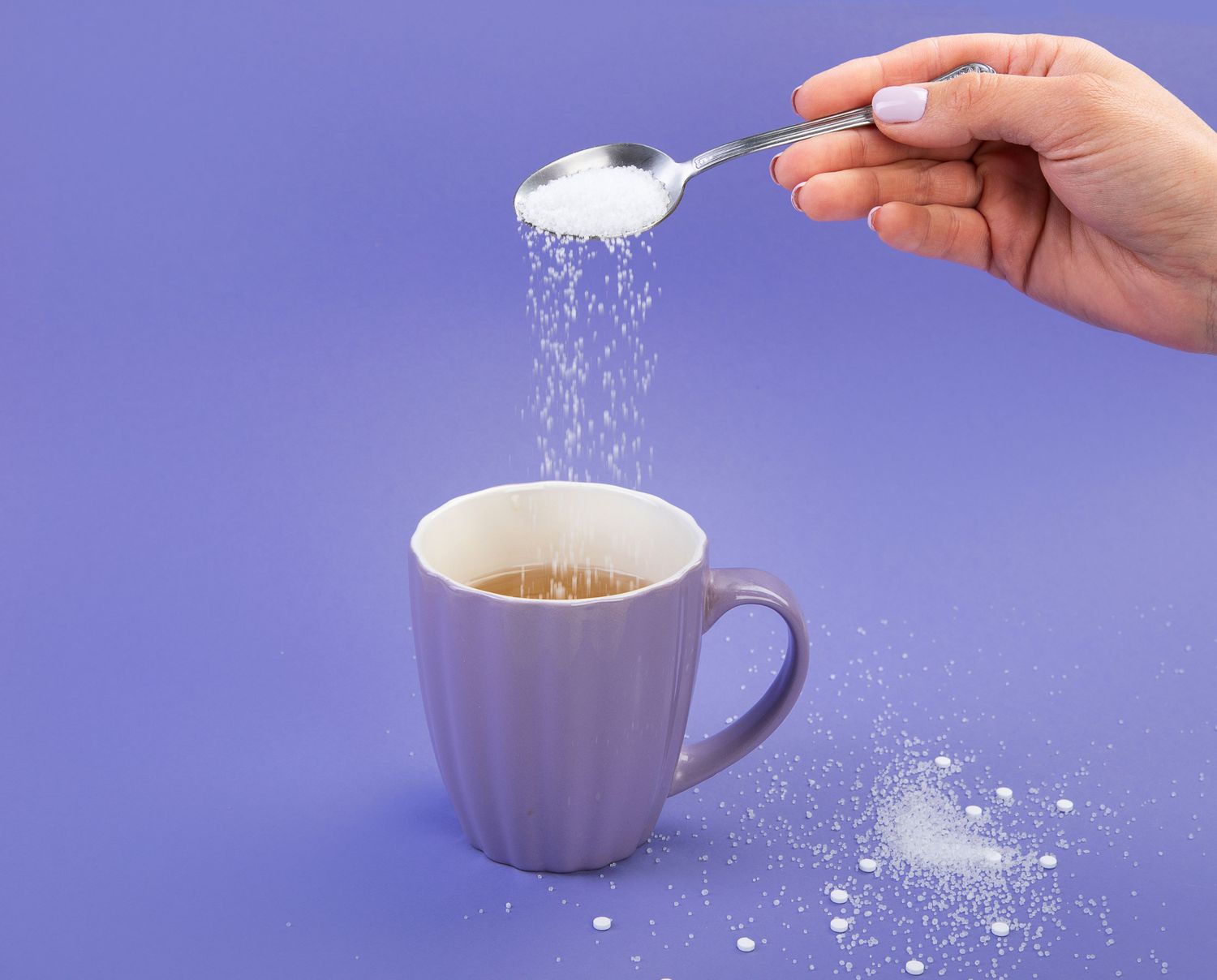
Both “zero sugar” and “diet” options typically rely on non-nutritive sweeteners such as aspartame, sucralose, acesulfame potassium or stevia. The exact sweetener—and in some cases the combination used—varies by brand, which is why reading the ingredient list is very important.
How Artificial Sweeteners Impact Blood Sugar
Diet and zero-sugar sodas are often recommended as alternatives to regular soda because they do not significantly raise blood glucose the way sugar-sweetened beverages do. Instead of sugar, they use non-nutritive sweeteners. According to Smiley, research shows that most non-nutritive sweeteners do not cause an acute rise in blood sugar or insulin when consumed on their own, especially when compared to drinks containing added sugars. This is why they’re often included in diabetes-friendly meal plans.
However, individual responses can vary. Smiley adds, “From a blood sugar perspective, there’s typically no meaningful difference between diet and zero-sugar sodas. What matters more is how frequently these beverages are consumed and how they fit into someone’s overall eating pattern.”
Some people, especially those with insulin resistance, prediabetes or diabetes, may notice a difference in their appetite, cravings or digestion after consuming artificially sweetened beverages, but these responses are based on the individual.
How Artificial Sweeteners Impact Overall Health
Beyond blood sugar, researchers continue to explore the impact artificial sweeteners may have on the body, which includes appetite regulation, gut health and long-term weight outcomes. Some research suggests that sweeter tasting foods and beverages, without calories, may increase appetite or cravings for sweet foods later in the day, in certain individuals. For others, using diet or zero-sugar beverages may actually help to reduce overall sugar intake.
The gut microbiome is another popular area of research. Some research suggests that artificial sweeteners may influence the gut microbiome, which plays a role in metabolic health and glucose regulation. Rose-Francis notes, “Current research states the evidence is inconclusive, and there is no direct link showing that artificial sweeteners cause diabetes. More robust research is warranted.” Rather than focusing solely on avoidance, Rose-Francis encourages an inclusive approach. “Supporting gut health by including fermented foods like yogurt, kefir or sauerkraut may help offset potential microbiome concerns—without requiring complete elimination of diet beverages.”
When it comes to weight management, artificial sweeteners may be helpful for some people, especially when used to replace sugar-sweetened beverages that may contribute excess calories without promoting satiety. While this can be a beneficial dietary change for those interested in weight management or weight loss, it’s important to address broader eating habits to help support long-term health goals.
Our Expert Take
When referring to blood sugar, there’s no clear winner between zero-sugar and diet soda. Both options are formulated to provide sweetness without the glucose spike of sugar-sweetened beverages, and both can easily fit into a balanced eating pattern.
Frequency of consumption, individual response, ingredient awareness and overall dietary quality are a few things to keep in mind when deciding which one is right for you. Diet and zero-sugar sodas can be useful tools, but they work best when they support the diet, not define it.
Prioritizing water as your main beverage while allowing flexibility for sugar-free options helps create a realistic and sustainable blood-sugar-friendly hydration plan.
Read the original article on EatingWell