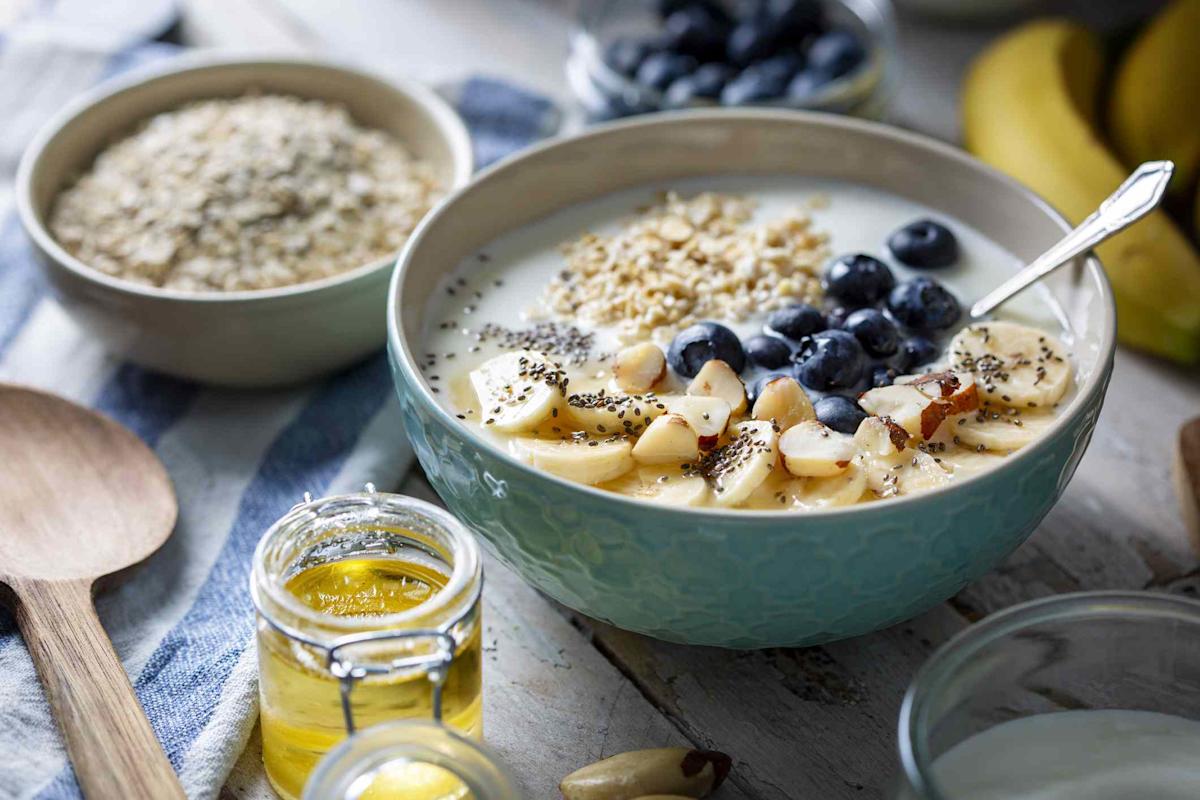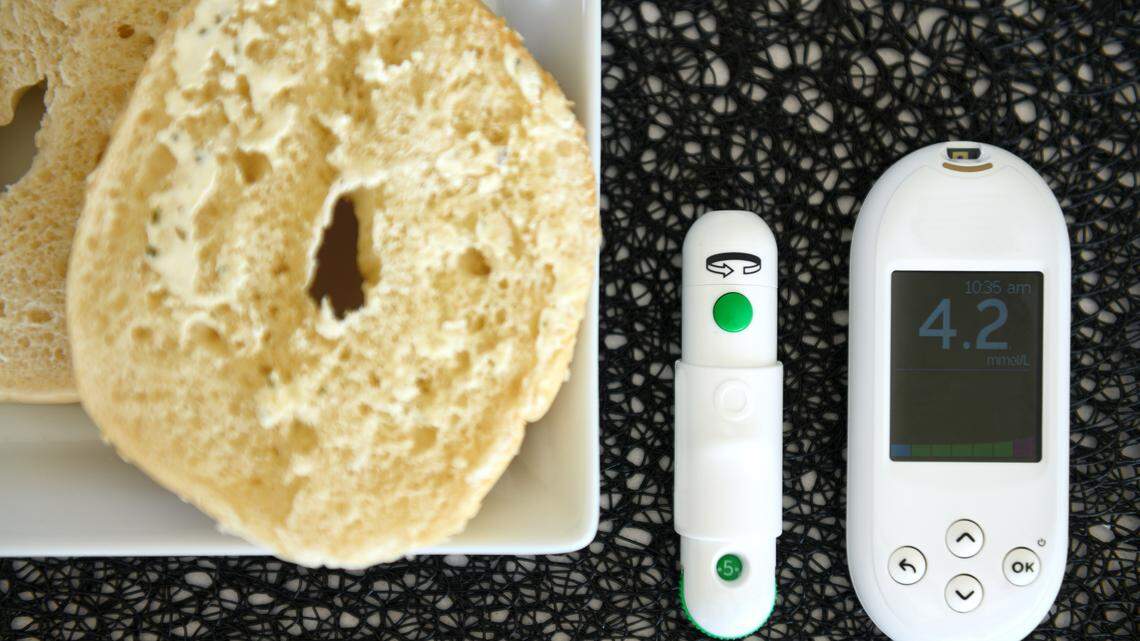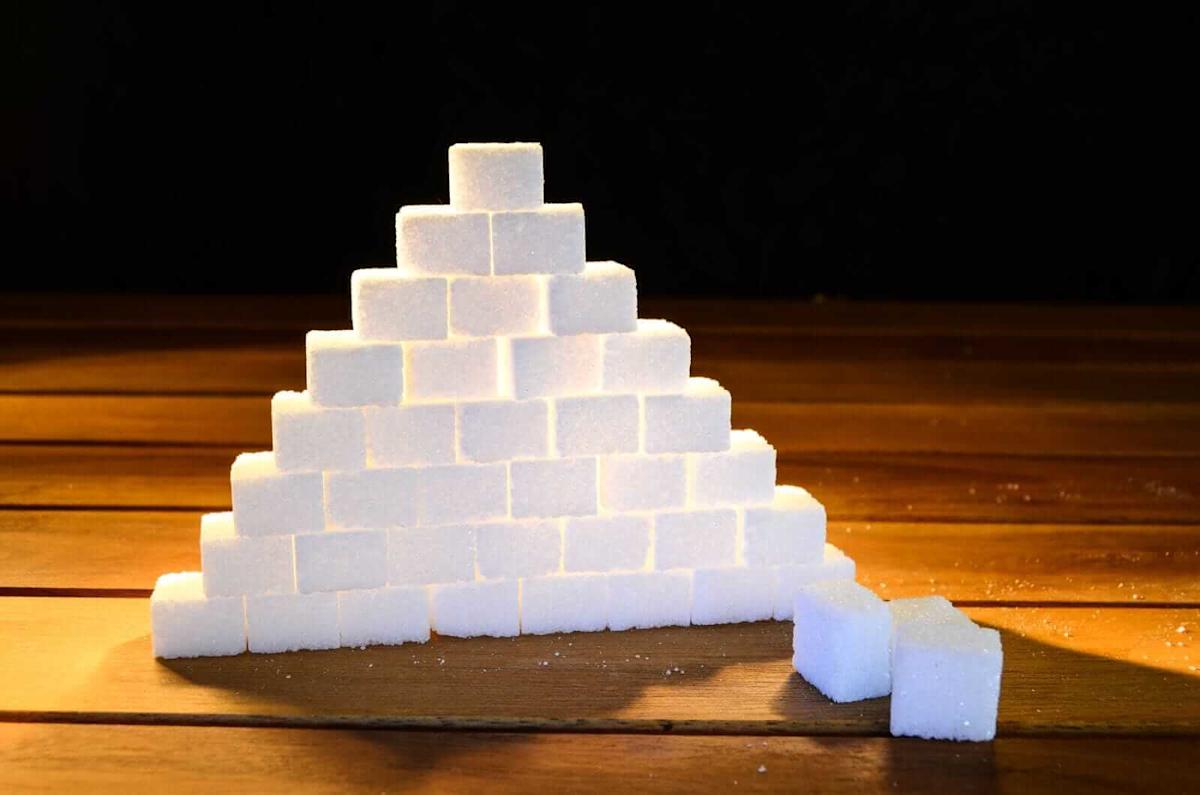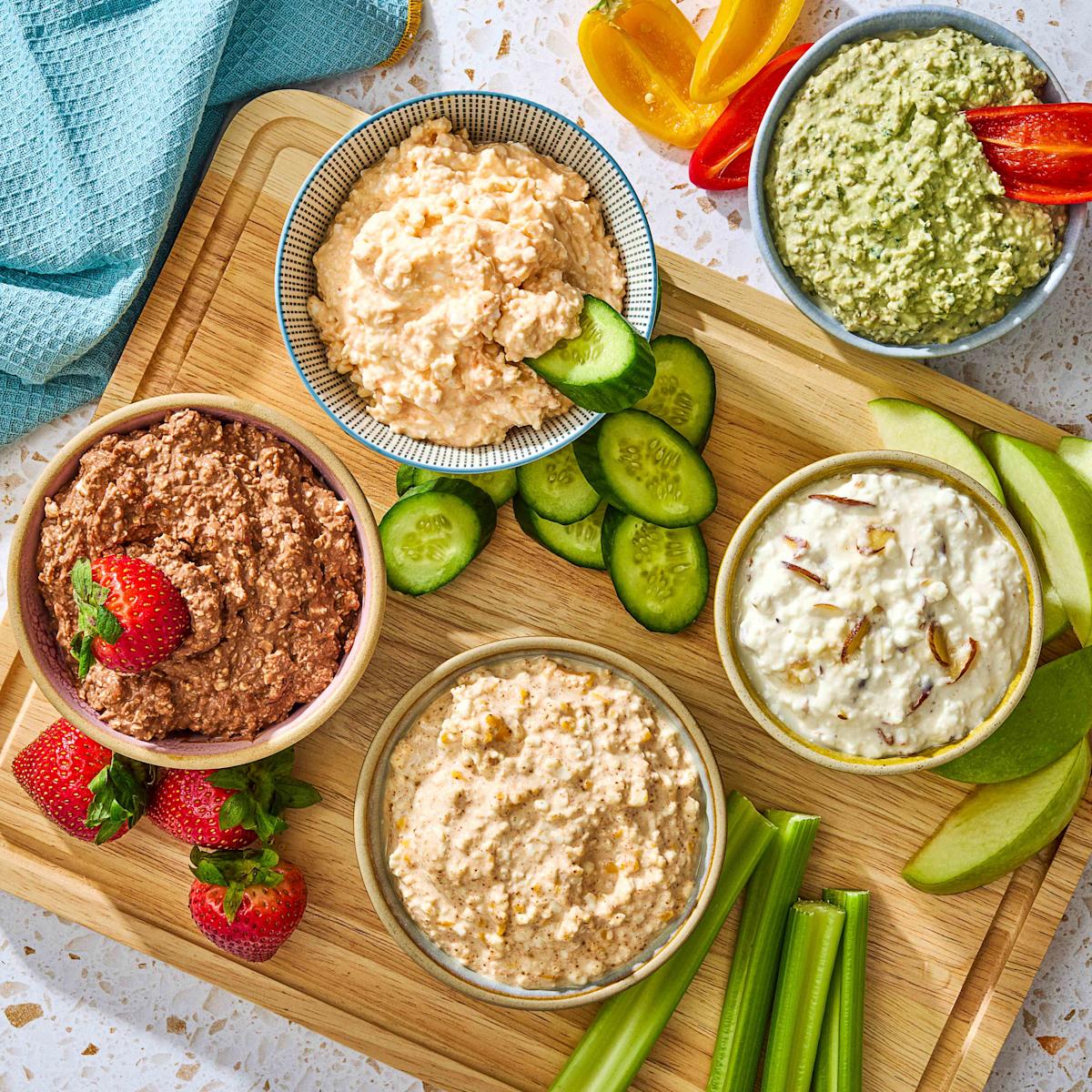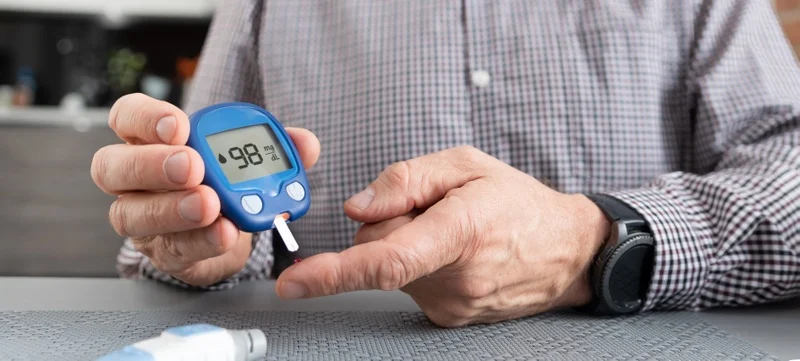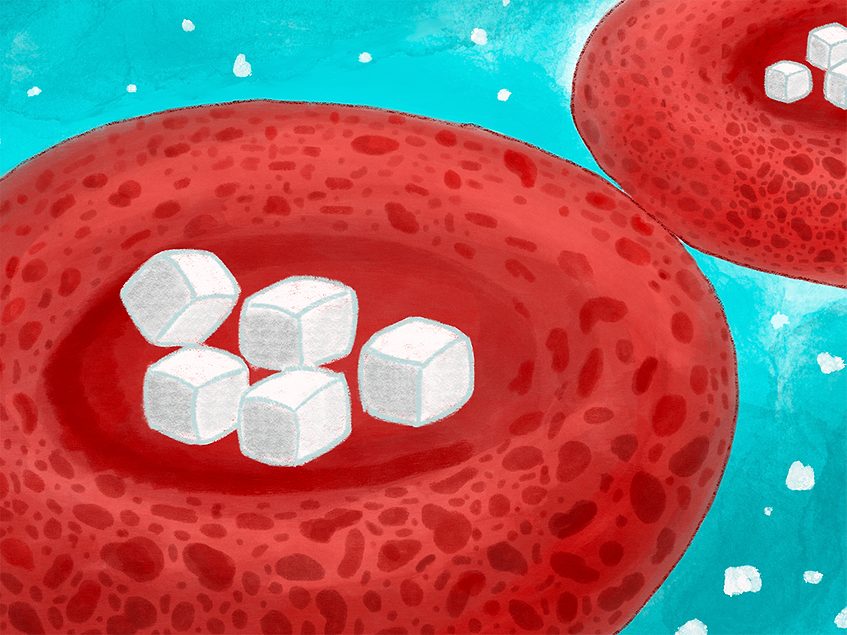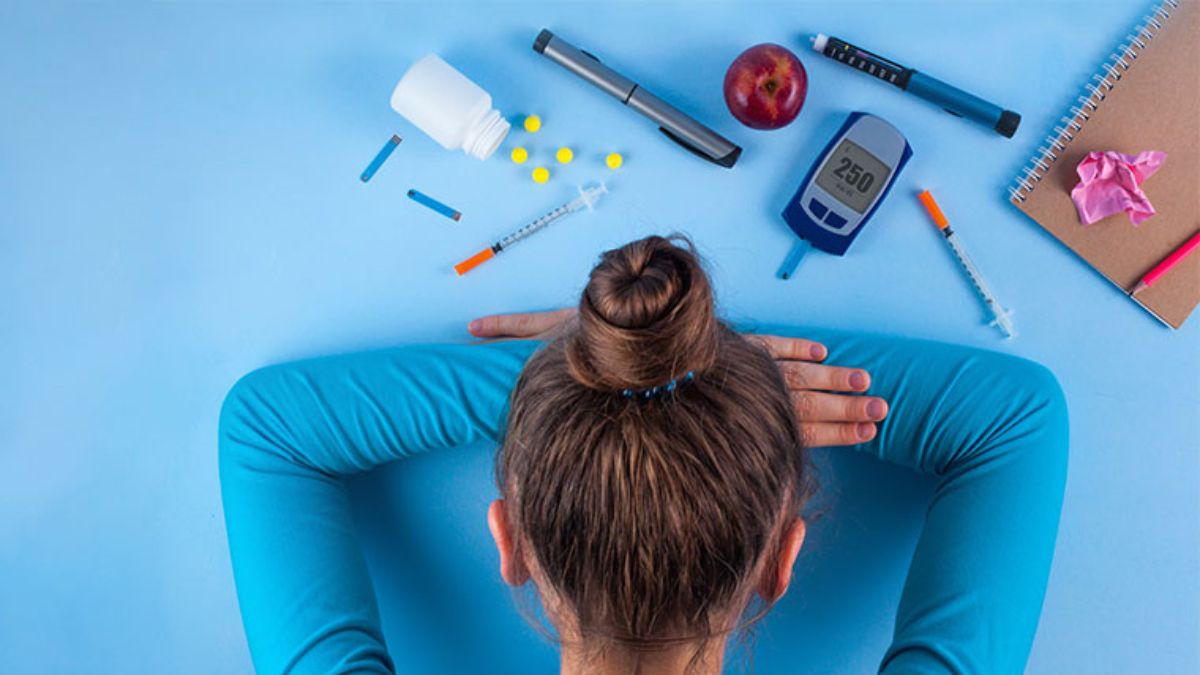
Breakfast can be a challenge when you are trying to cut back on sugar, yet most of your favorites are sweetened. A breakfast that contains a healthy mix of carbs, protein, and fats can help you control your blood sugar, slow your digestion, and give you the nutrients you need to operate at full speed until lunchtime.
1. Veggie Omelet With Cheese and Raspberries
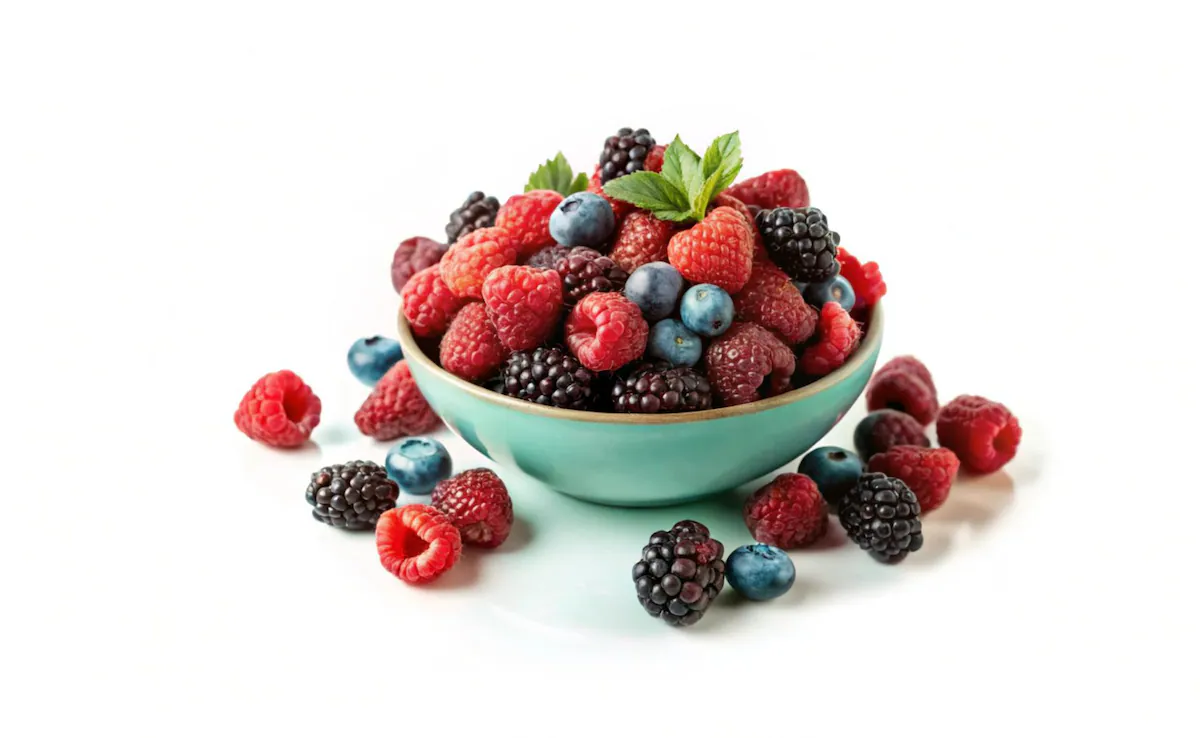
Add your favorite veggies to a few eggs to prepare an omelet. Sprinkle cheese on top. Have a half-cup of raspberries as your side dish, and you’ve got a savory blend of protein, healthy carbs, and fats. Raspberries provide a small amount of sweetness from natural sugar, not added sugar, plus fiber and beneficial antioxidants.
2. Toast With Peanut Butter and Cinnamon and Half a Banana
Olga Buntovskih / Getty Images
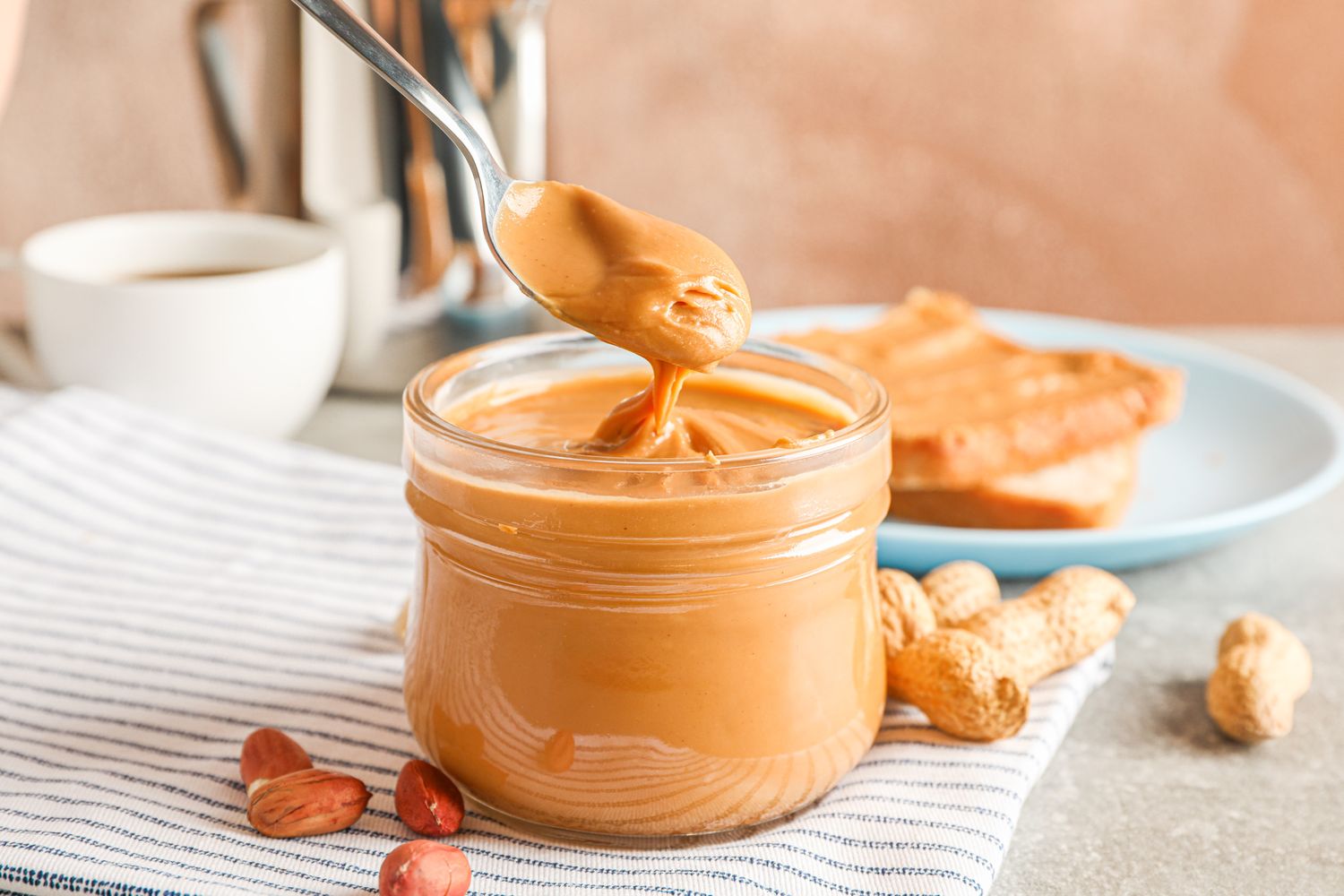
Toast your favorite whole-grain bread, and add peanut butter or your favorite nut butter to it. Sprinkle a dash of cinnamon on top, and you’ll have your new favorite morning pick-me-up. Add half a banana as a side option to get just enough natural sweetness without sending your blood sugar too high.
Here’s a bonus: Cinnamon also may help lower blood sugar levels.
3. Pear and Cottage Cheese Toast
DronG / Getty Images
Get your favorite whole-wheat bread and toast it until golden. Mix a fourth of a cup of cottage cheese with a pinch of cinnamon. Place the mix on top of the bread. Top it off with sliced pears and, if you wish, a sprinkle of chopped walnuts. The pears and cinnamon can provide natural sweetness.
4. Blueberry Parfait
Arx0nt / Getty Images
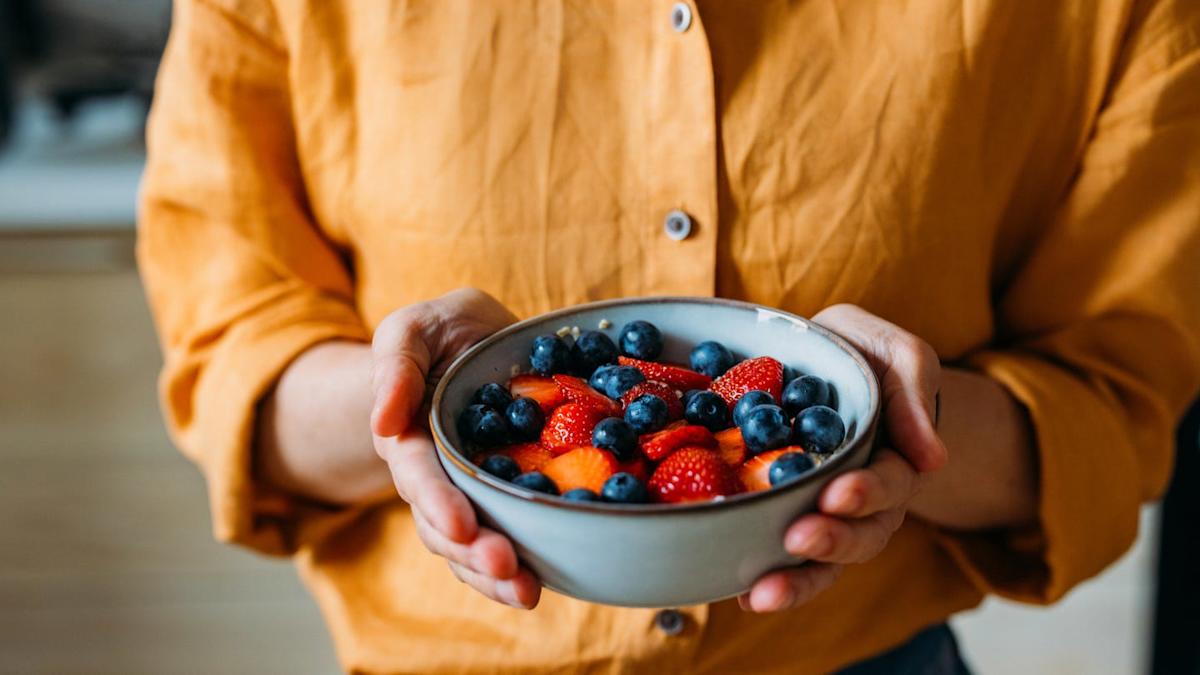
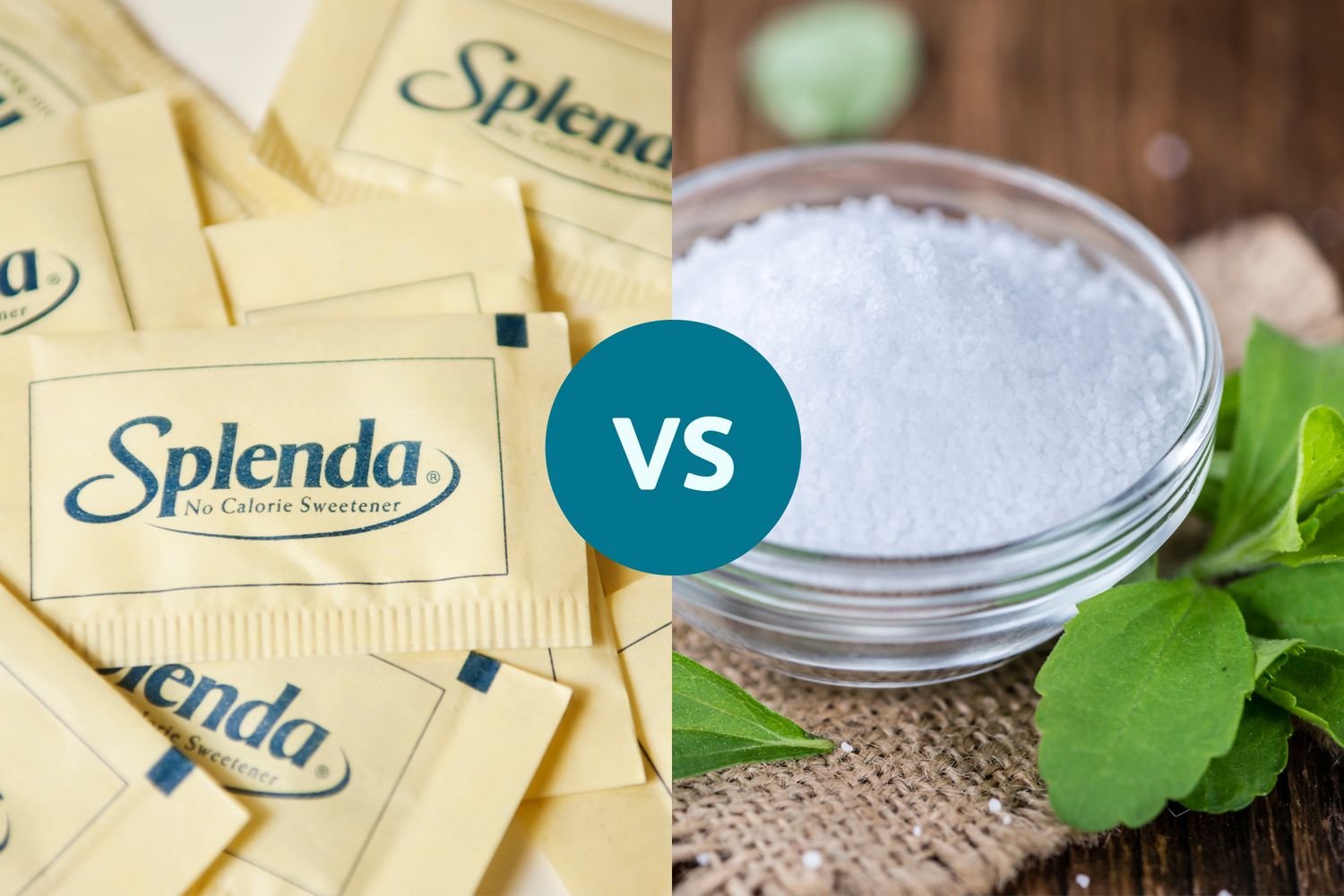
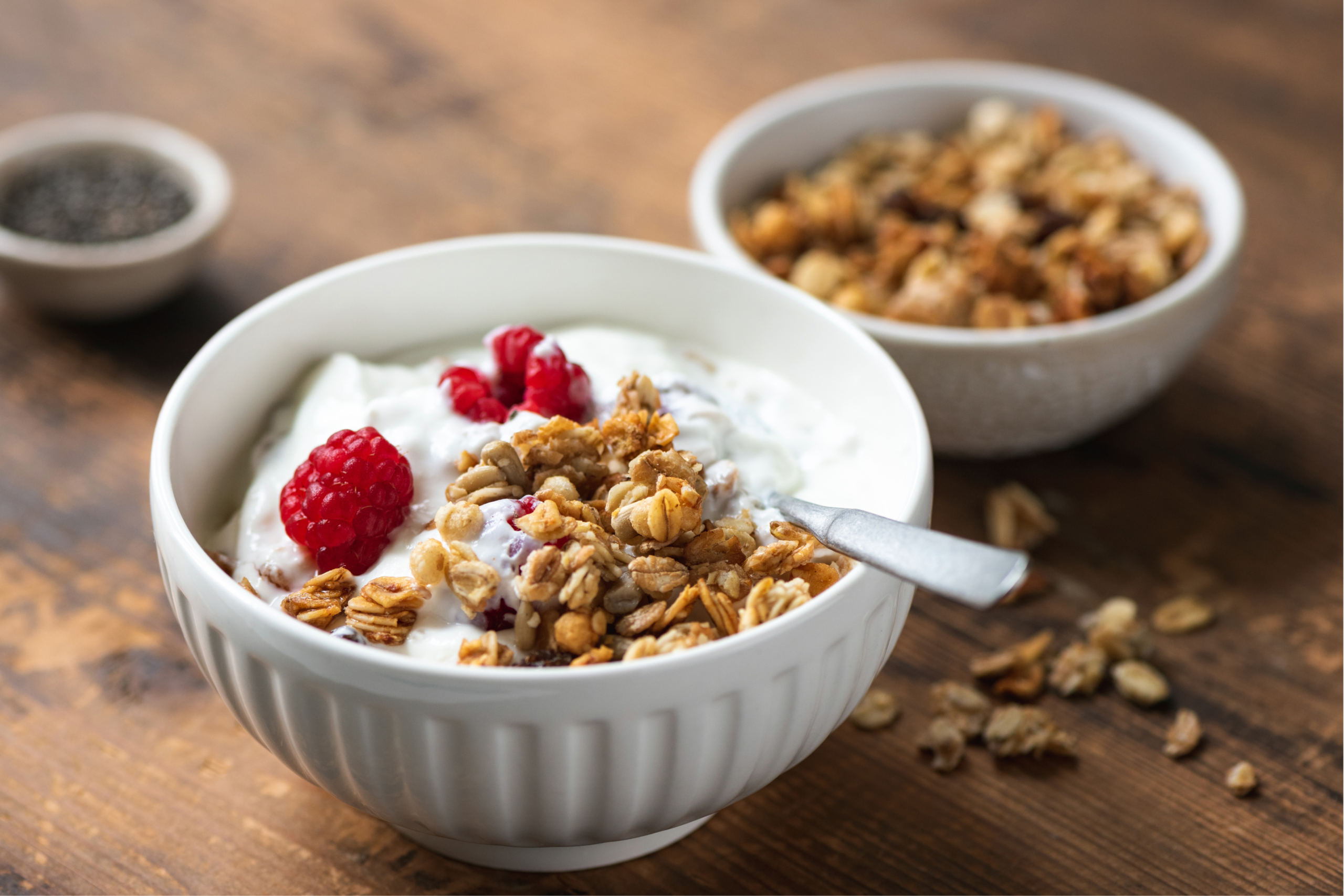
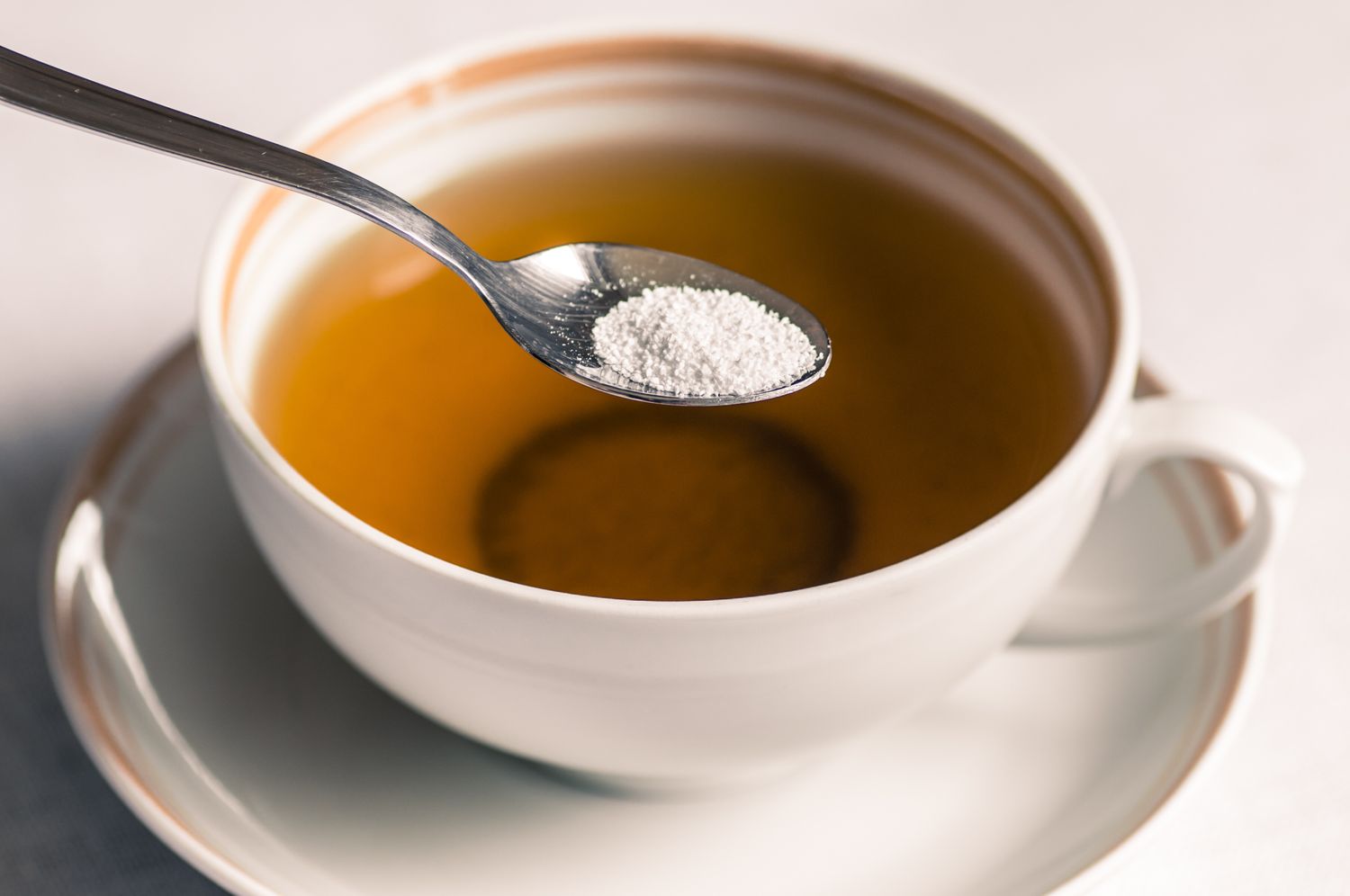
Mix a serving of plain Greek yogurt with a handful of blueberries and sliced almonds for a healthy, blood sugar-friendly breakfast treat. If you find that you miss sweetness in this parfait, add a little stevia, a natural no-calorie sweetener that does not raise blood sugar levels.
5. Oatmeal with Nut Butter and Berries
Liudmila Chernetska / Getty Images
Prepare unsweetened oatmeal as you normally would. However, if you normally make oatmeal with water, consider preparing it with milk for extra protein and healthy fat. When it’s ready, add your choice of nut butter along with a handful of your favorite berries.
Berries not only have fiber, but they also help with blood sugar management.
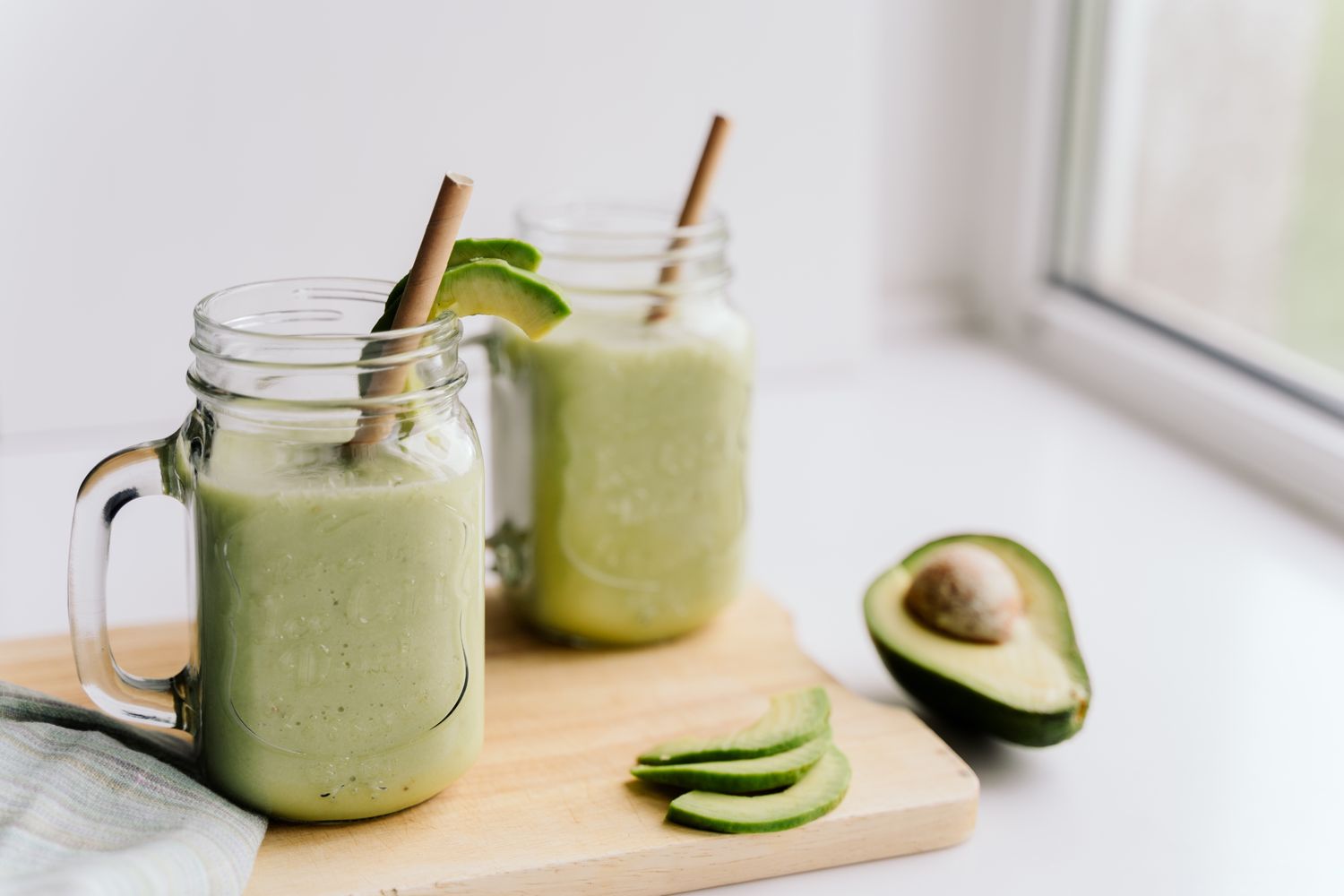
6. Avocado Smoothie
Galina Tsyrulnik / Getty Images
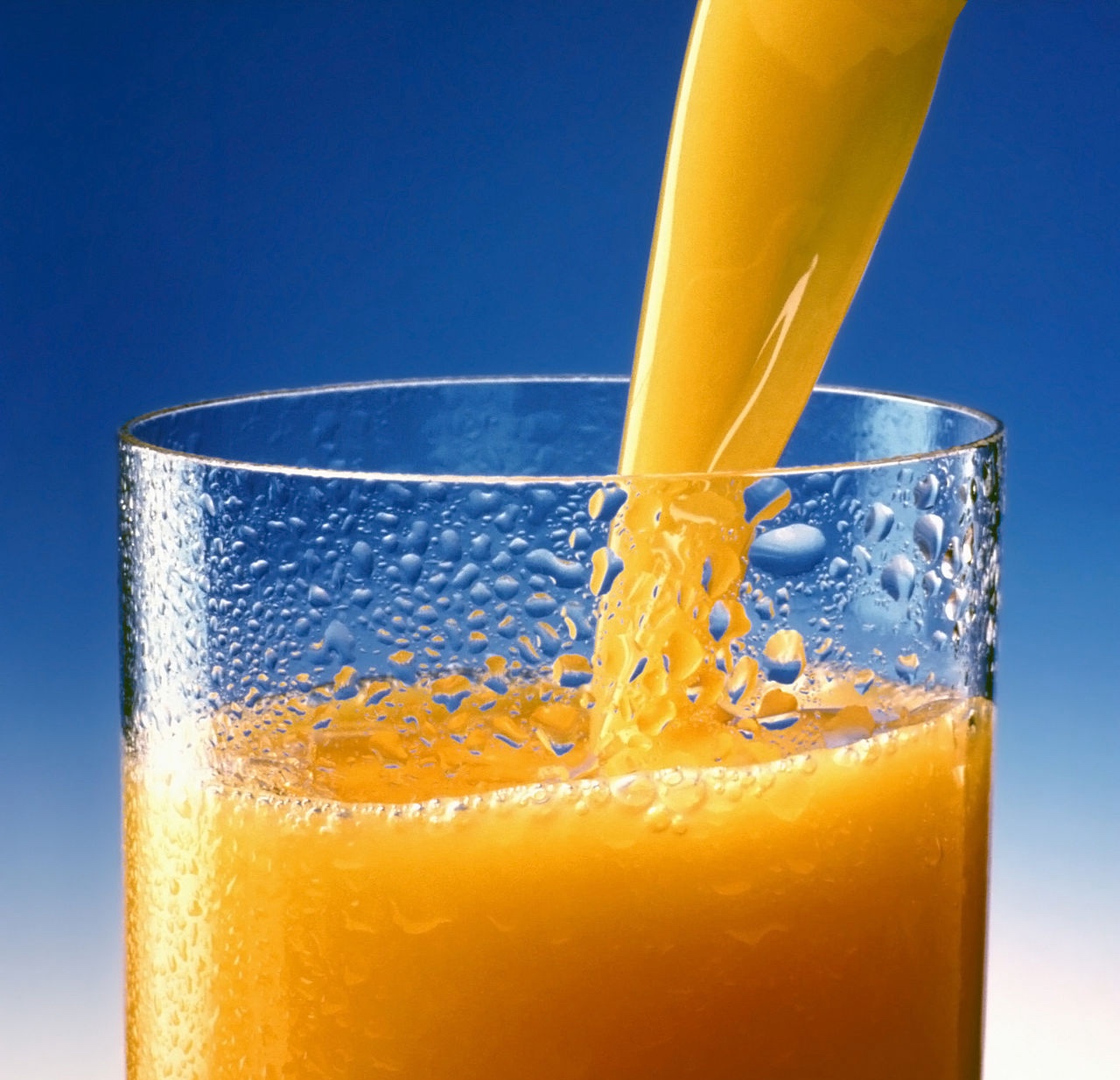
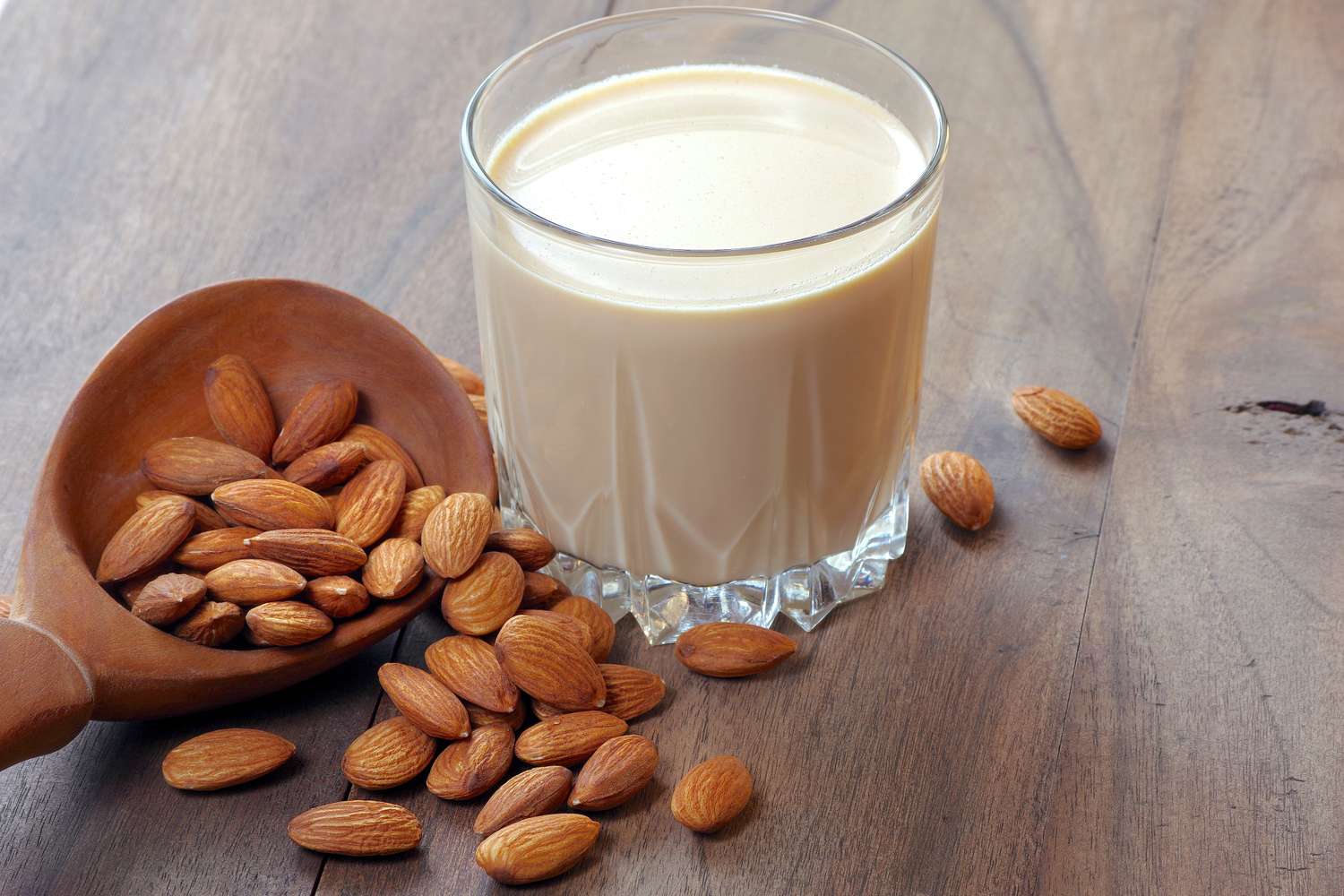
Combine one ripe avocado, one overripe banana, a cup of unsweetened almond milk or orange juice, and ice in a blender. Blend until smooth.
7. Eggs, Vegetables, and Whole Grain Toast
Combine eggs along with whatever vegetables you have for scrambled eggs, and enjoy with a side of whole-grain toast. It’s a classic eggs-and-toast combo, made healthier by the whole-grain toast and veggies.
8. Avocado Toast
eli_asenova / Getty Images
The classic brunch meal has staying power for a reason. A combo of mashed ripe avocados with tomatoes, placed on whole-grain toast, is a tasty way to keep your blood sugar in check.
Why Should You Limit Added Sugars?
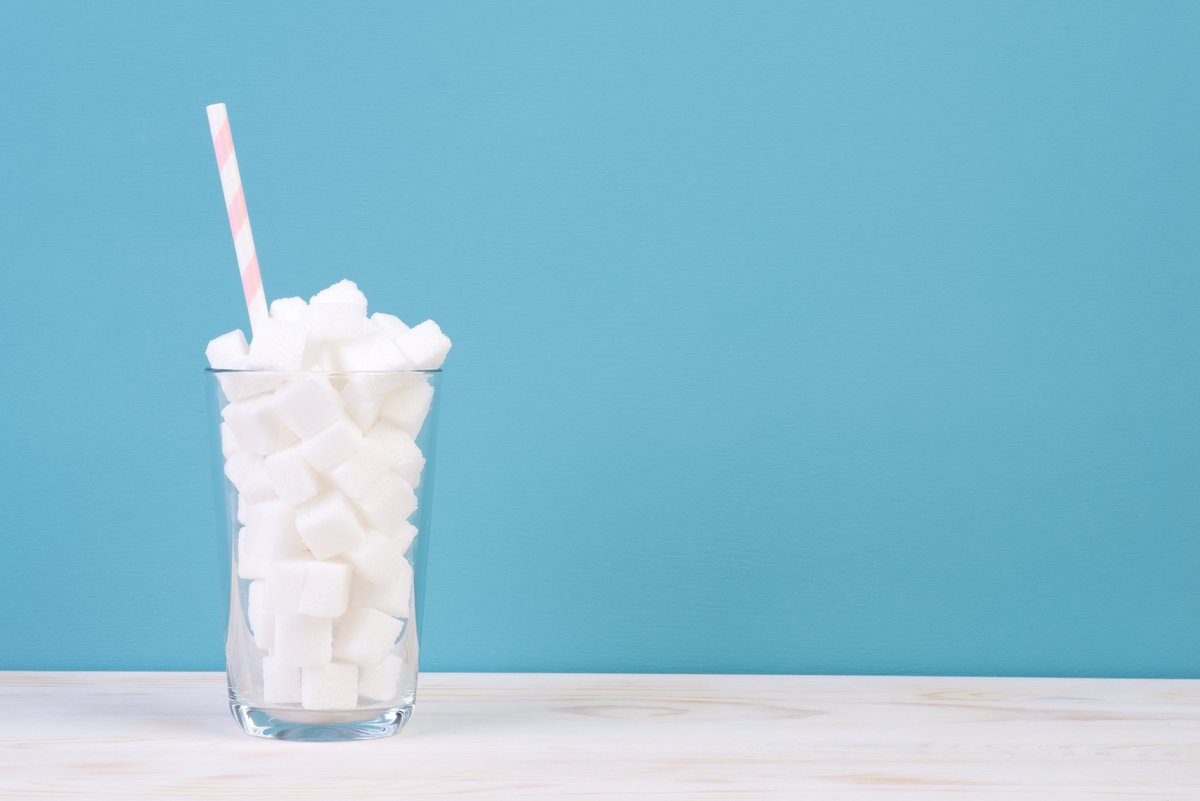
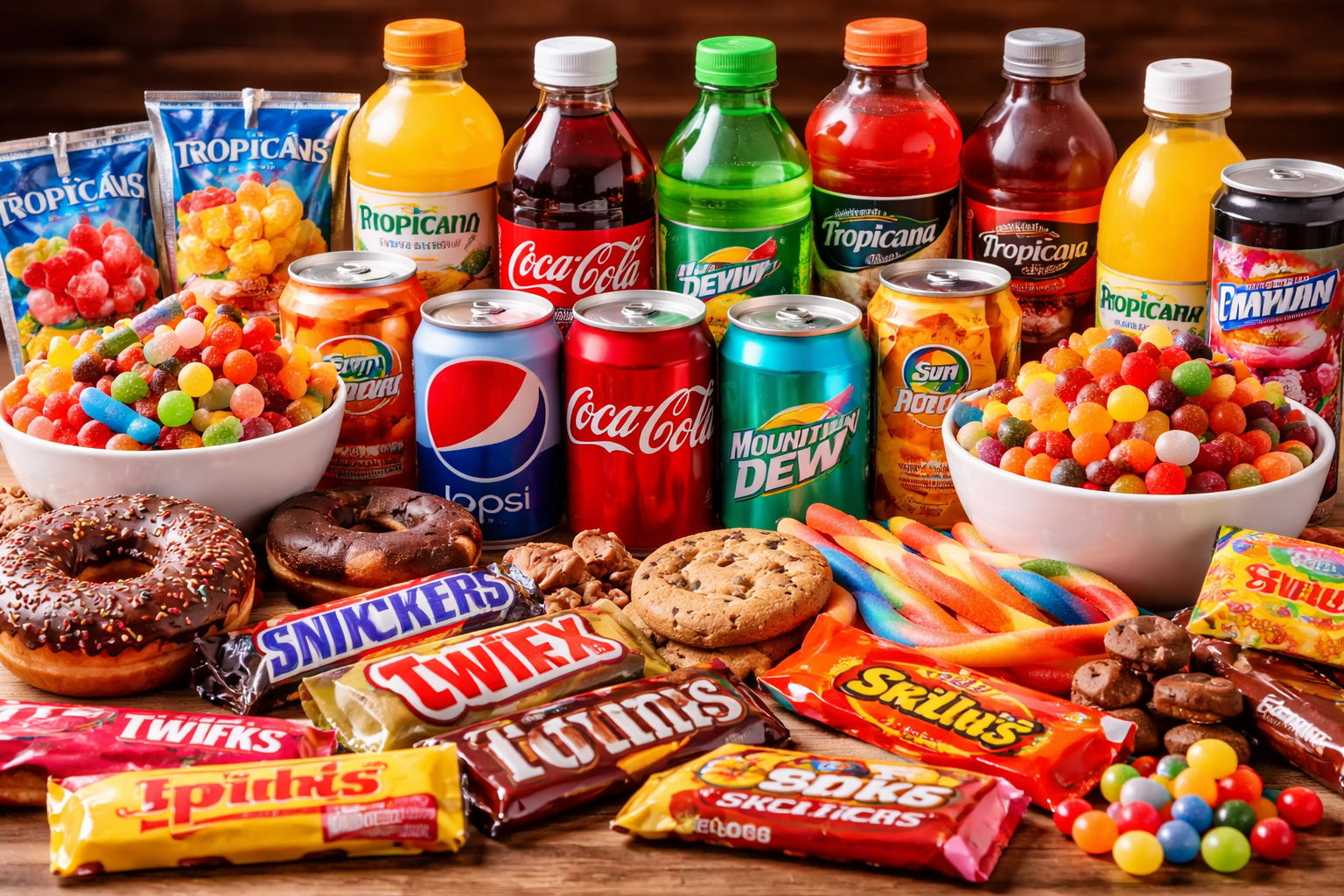
Foods that are high in sugar or quickly-digested carbs may give you a brief energy spike, but then lead to a crash. Next, you may feel tired and reach for another quick-carb or sugar fix.
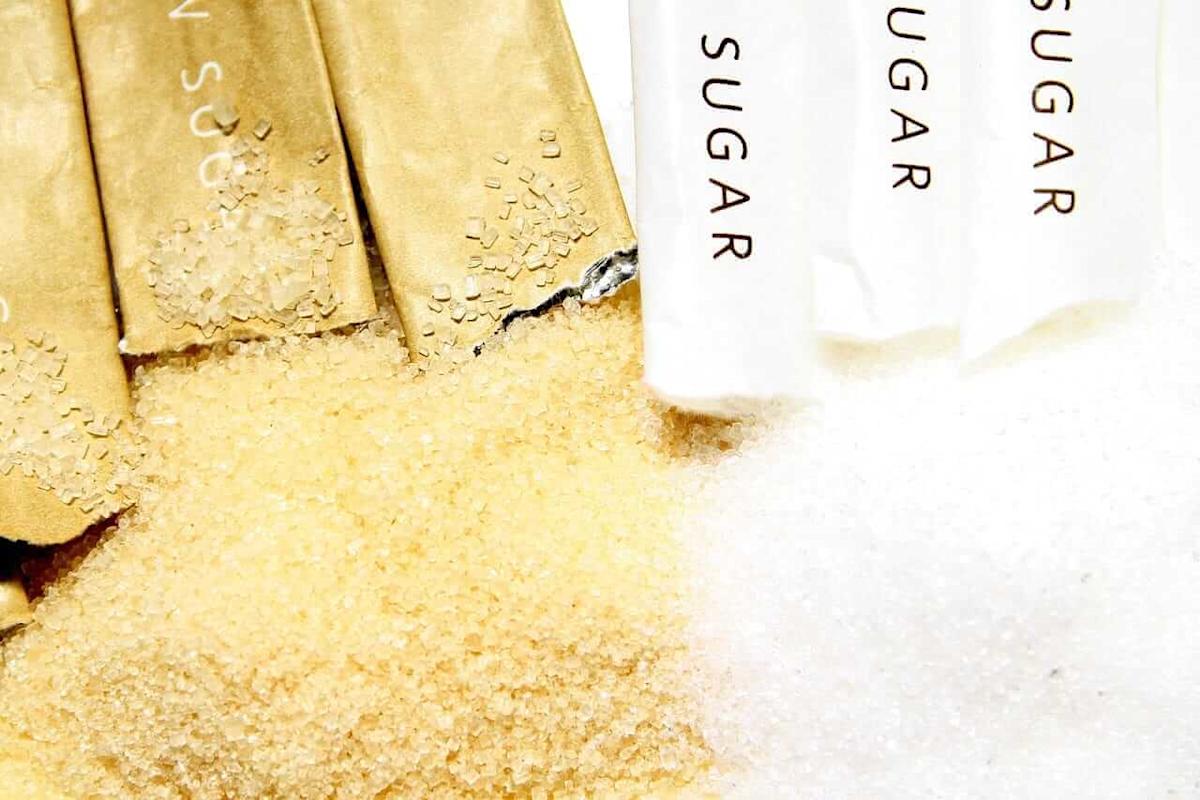
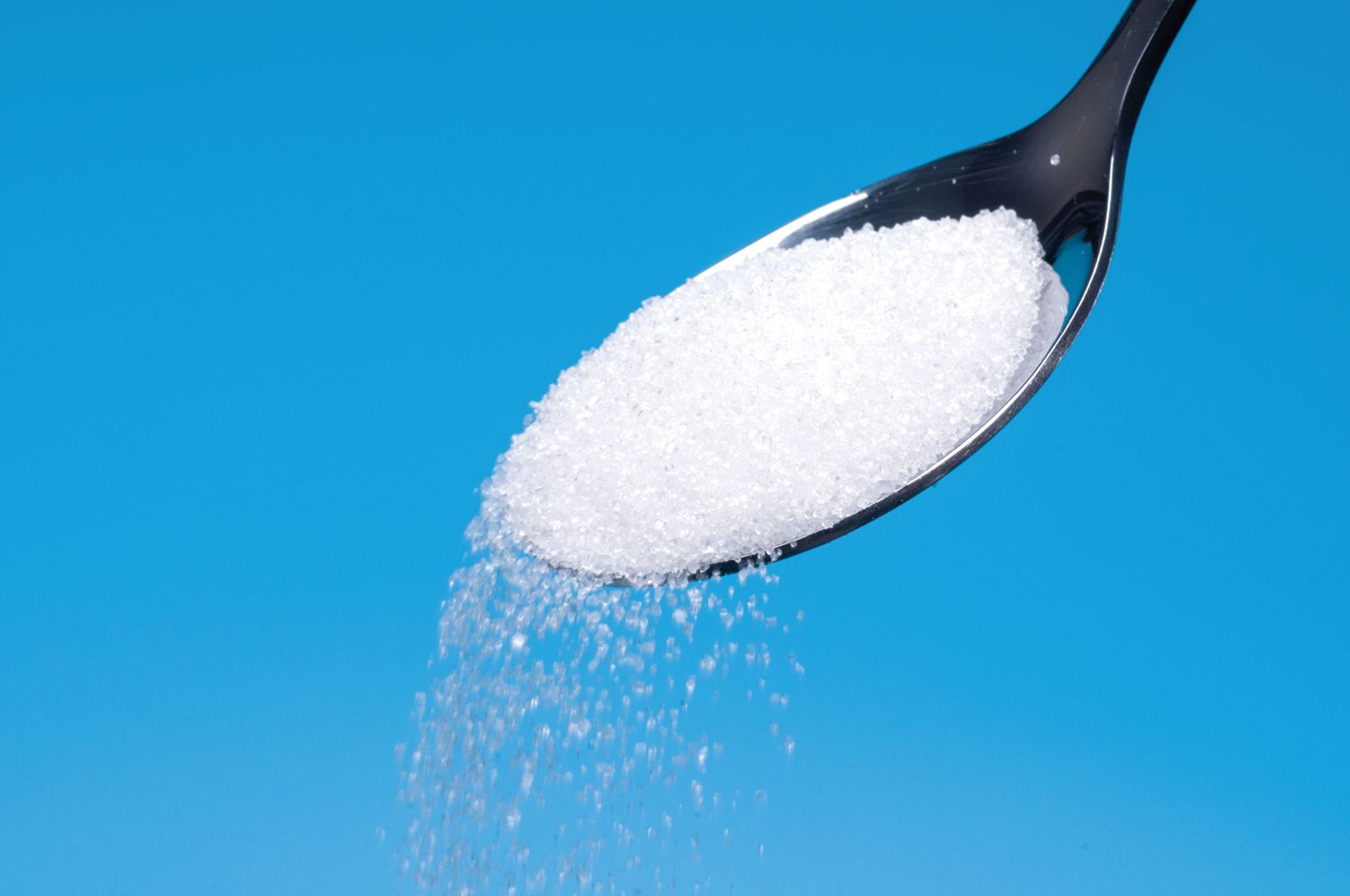
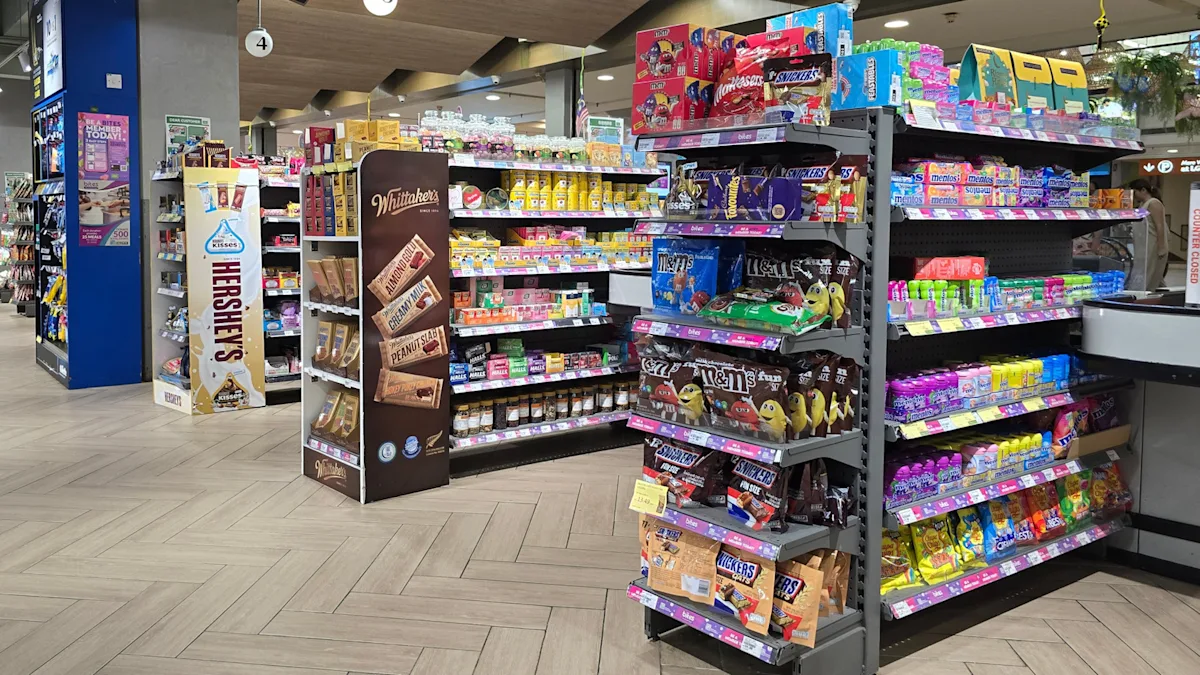
Added sugars you may eat at breakfast are not just in the sugar bowl, but also in syrup, jam, honey, sweet baked goods, sweetened yogurt, breakfast bars, and sugar-sweetened cereals. Natural sugars in whole fruits and milk are healthier sources of sweetness.
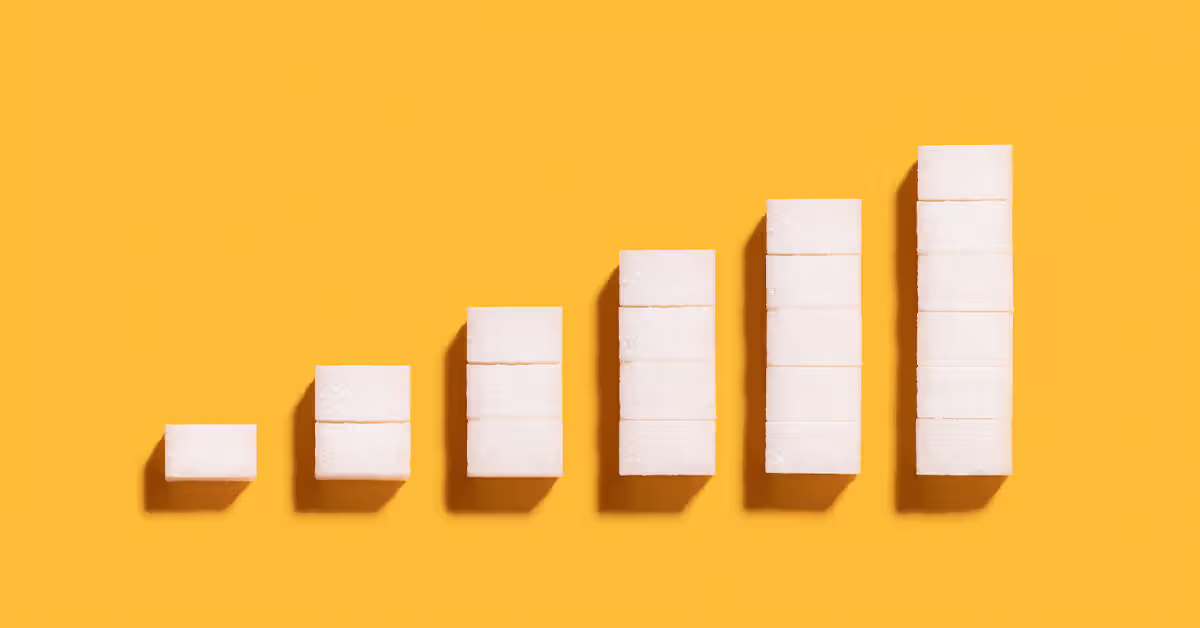
The American Heart Association recommends limiting added sugars to no more than:
- Men: 9 teaspoons/36 grams/150 calories per day
- Wonen: 6 teaspoons/25 grams/100 calories per day
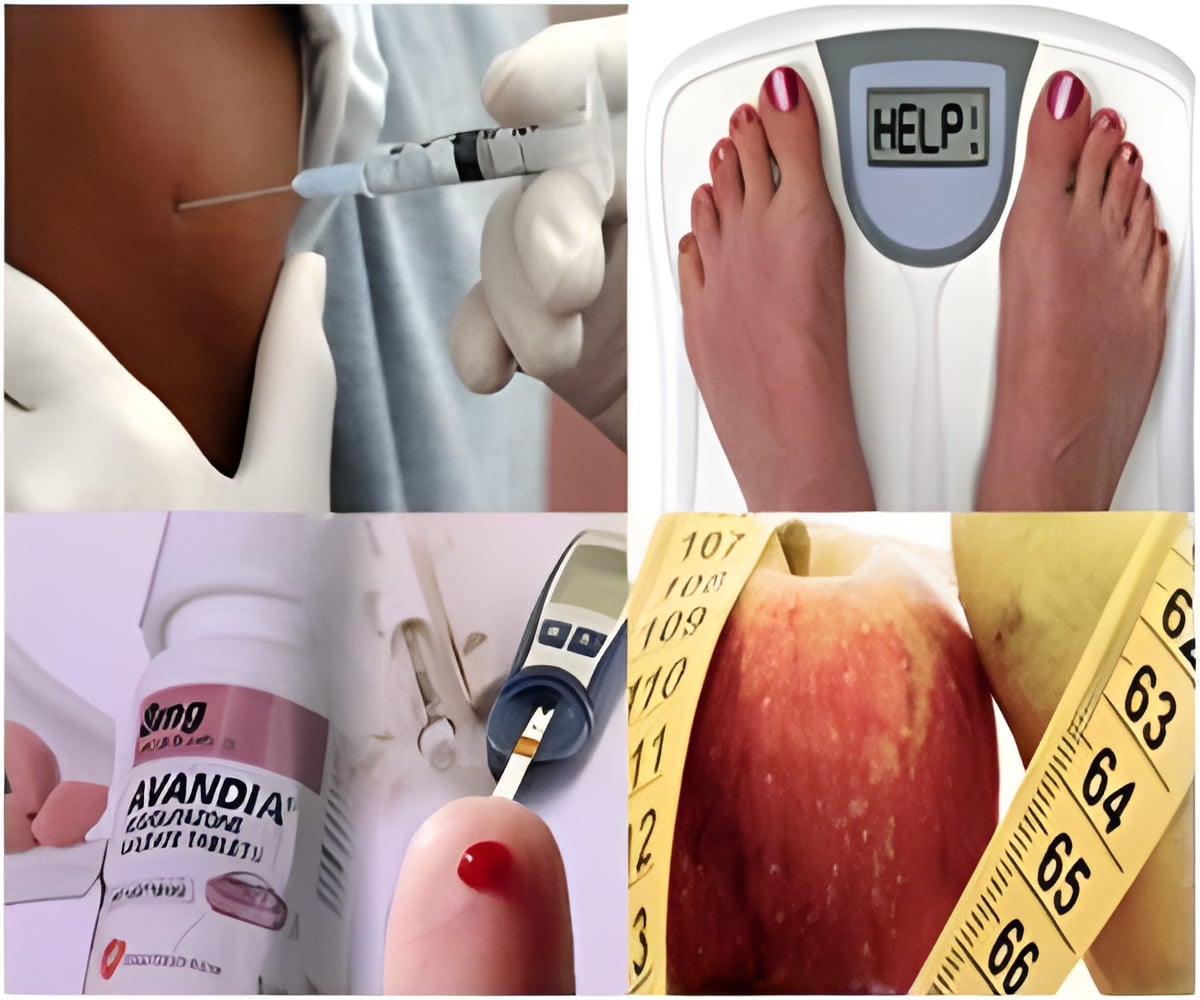
Added sugar in your diet could lead to a higher blood sugar level and increase health risks:
- Too much sugar or too many carbs could lead to weight gain.
- Too much sugar could raise your risk for diabetes, heart disease, and other inflammatory health problems.
- There are 98 million American adults with prediabetes. That means they could be at risk for developing type 2 diabetes in the future if they don’t make changes to their diet or follow other healthy habits. If you have prediabetes and don’t know it, then food choices that raise your blood sugar could raise your risk further for type 2 diabetes.
:max_bytes(150000):strip_icc():format(webp)/VanessaCaceres-3-b8bcca1bf63c497ca33fda60be99a8c1.jpg)