
Key Takeaways
- Sugar has the most immediate effect on blood glucose (sugar), but calories can influence long-term insulin sensitivity and weight.
- Managing both carbohydrate quality and overall calorie intake supports better blood sugar control.
- Building balanced meals with fiber, protein, and healthy fats can help keep blood sugar stable.
When it comes to blood sugar, sugar has the most immediate impact, but calories shape the bigger picture over time. Both matter, just in different ways. Understanding how they work together can help you make choices that support steady glucose levels without overcomplicating things.
Does Sugar Directly Affect Blood Sugar?
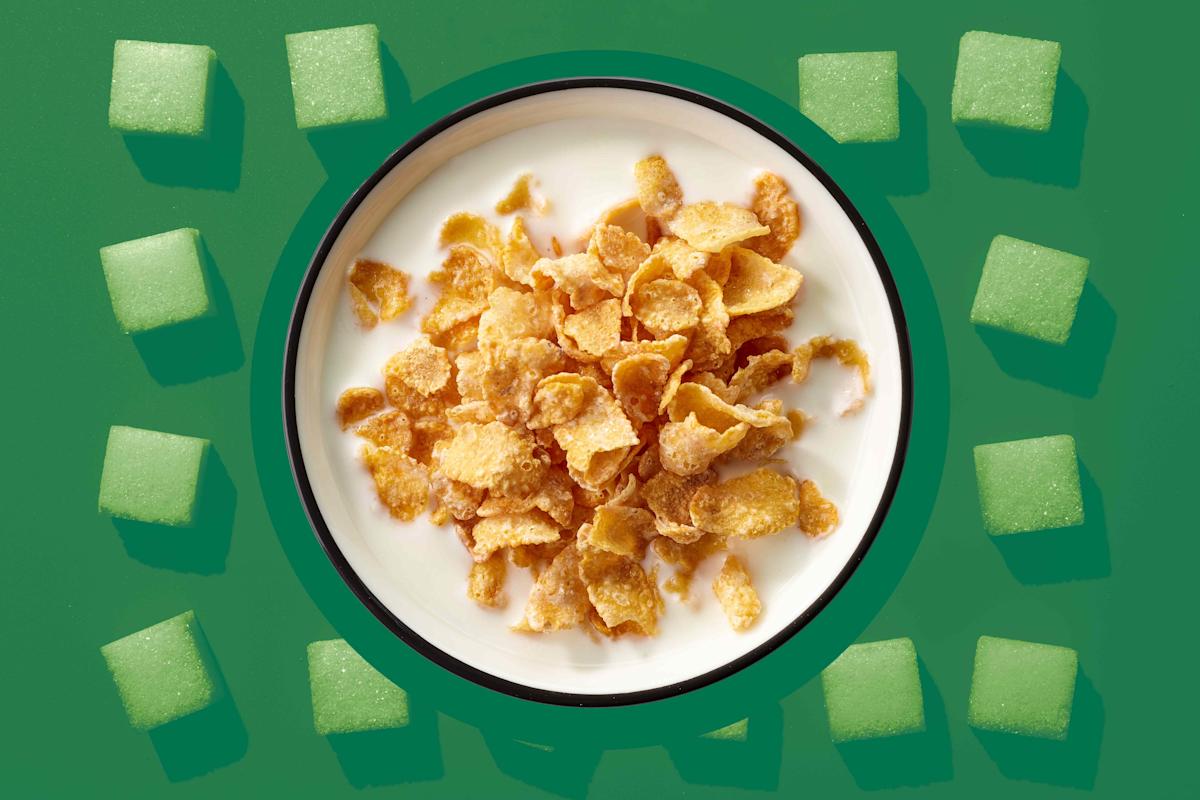
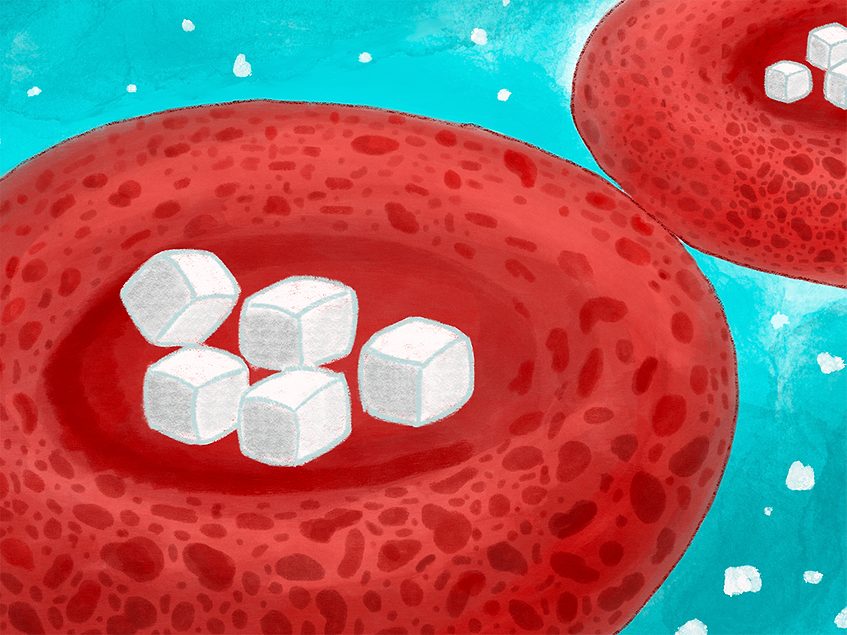
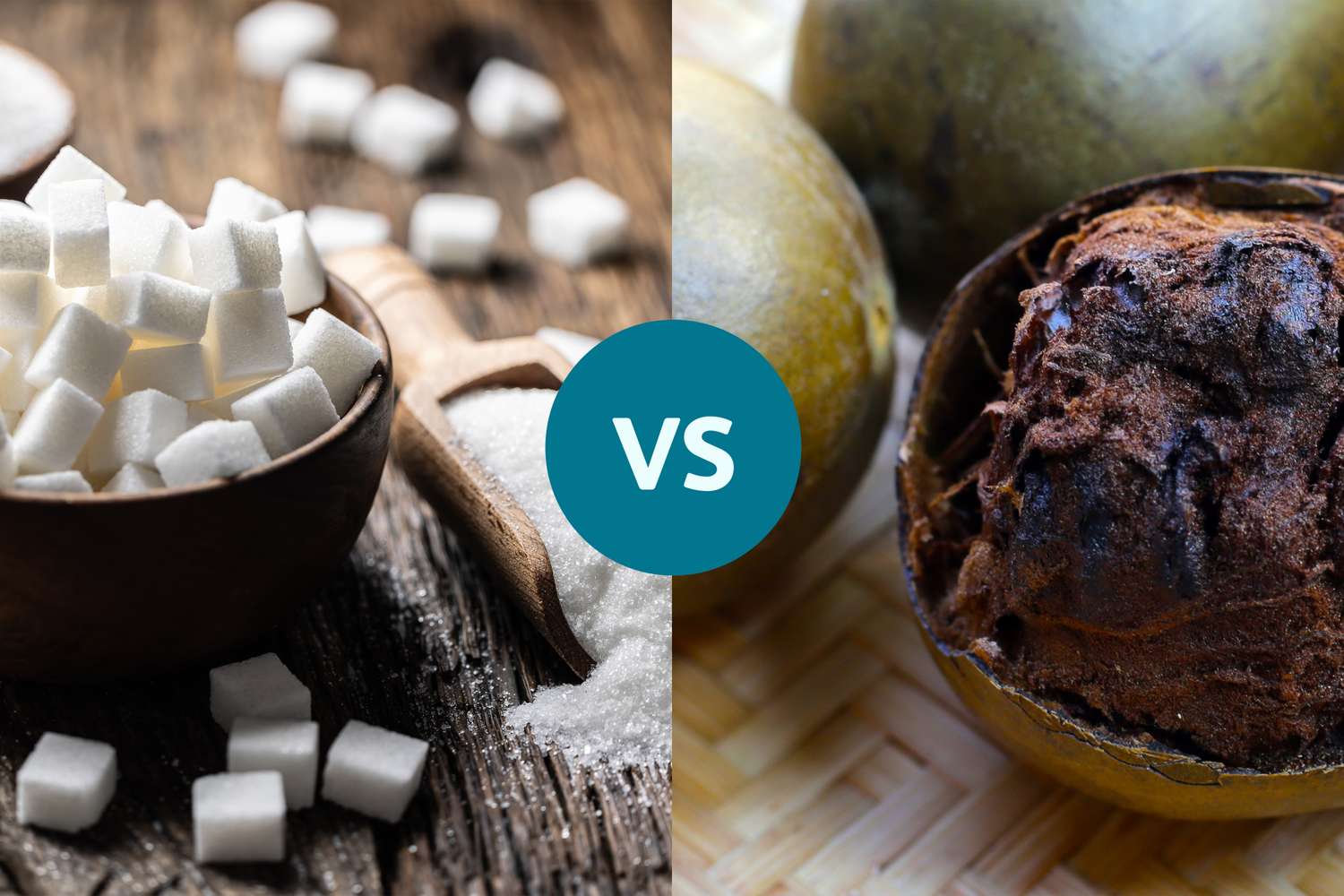
Sugar, along with other carbohydrates, is the primary nutrient that raises blood glucose levels after eating. Simple sugars tend to be digested quickly, leading to faster spikes in blood sugar compared to more complex carbs.
That said, not all sugar-containing foods affect your body the same way:
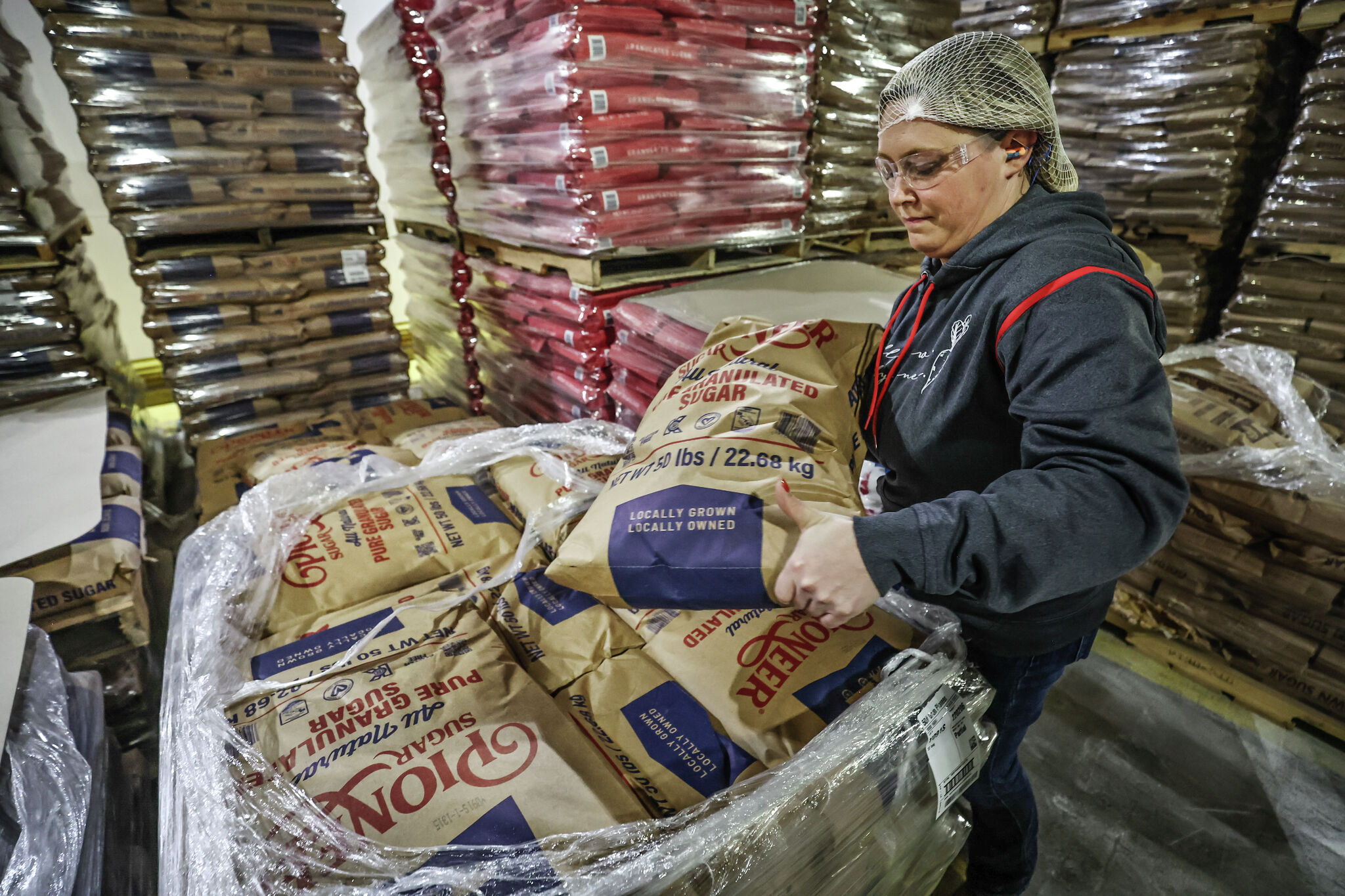
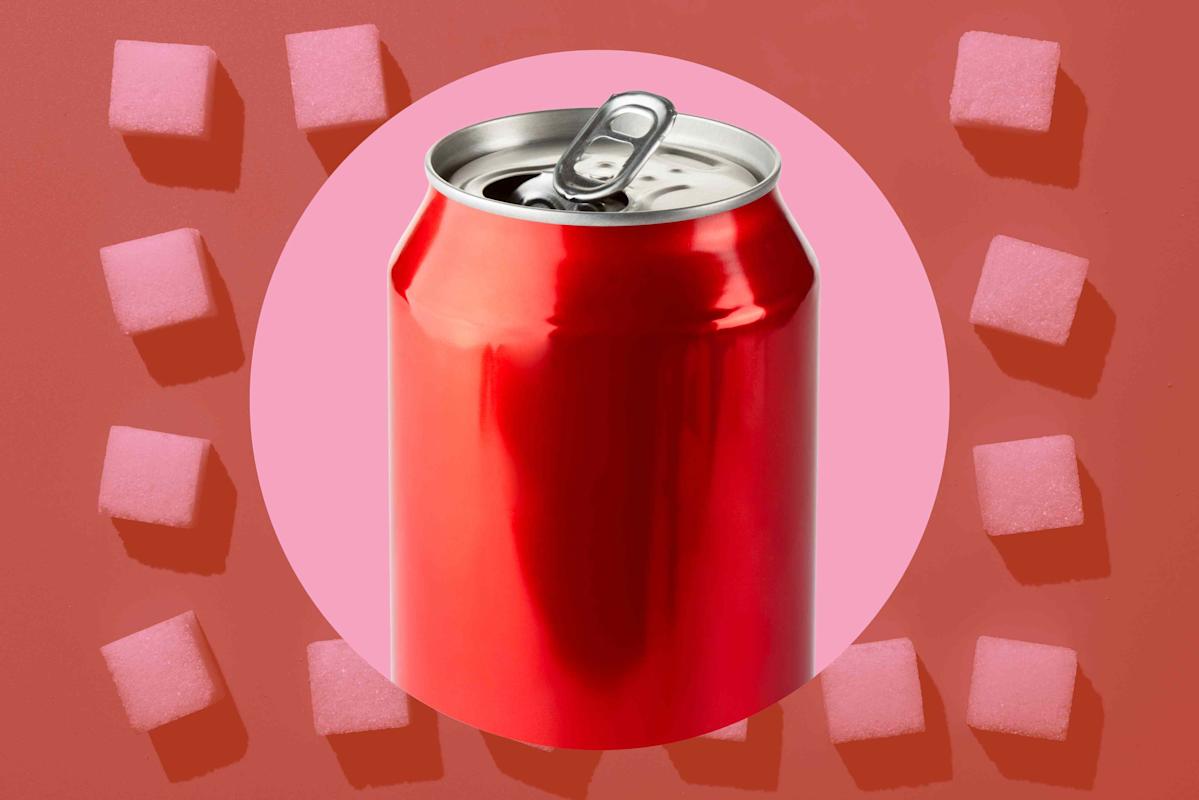
- Added sugars like those in soda or candy are absorbed quickly and can cause rapid blood sugar spikes.
- Naturally occurring sugars in foods like fruit also come with fiber, which slows digestion.
- Liquid sugars tend to raise blood sugar faster than solid foods.
- The total amount of carbohydrate matters more than just the total sugar listed on the nutrition facts label.
A 2026 study examining dietary patterns and continuous glucose data found that higher-quality carbohydrate choices, such as those rich in fiber and with a lower glycemic index (a measure of how fast a food raises blood sugar), were linked to more stable post-meal blood sugar levels, regardless of total carbohydrate intake.
Do Calories Matter for Blood Sugar?
Calories do not directly raise blood sugar, but they influence insulin sensitivity, body weight, and long-term glucose control. Consistently eating more calories than your body needs can lead to weight gain, which is associated with increased insulin resistance.
Over time, this can make it harder for your body to manage blood sugar effectively:
- Excess calorie intake can contribute to increased visceral fat.
- Higher body fat levels are associated with reduced insulin sensitivity.
- Even modest weight loss can improve blood sugar control.
- Calorie balance plays a key role in preventing or managing type 2 diabetes.
A 2026 study found that very low-calorie dietary interventions leading to significant weight loss can be highly effective for improving glycemic control and even supporting type 2 diabetes remission.
Is It Sugar vs. Calories, or Both?
It is not an either-or situation. Sugar affects your blood sugar in the short-term, while calories influence your metabolic health over time. Focusing on only one can lead to missed opportunities for better control.
A balanced approach looks at both immediate and long-term effects:
- Reducing added sugars can help minimize rapid glucose spikes.
- Managing calorie intake supports a healthy weight and Insulin function.
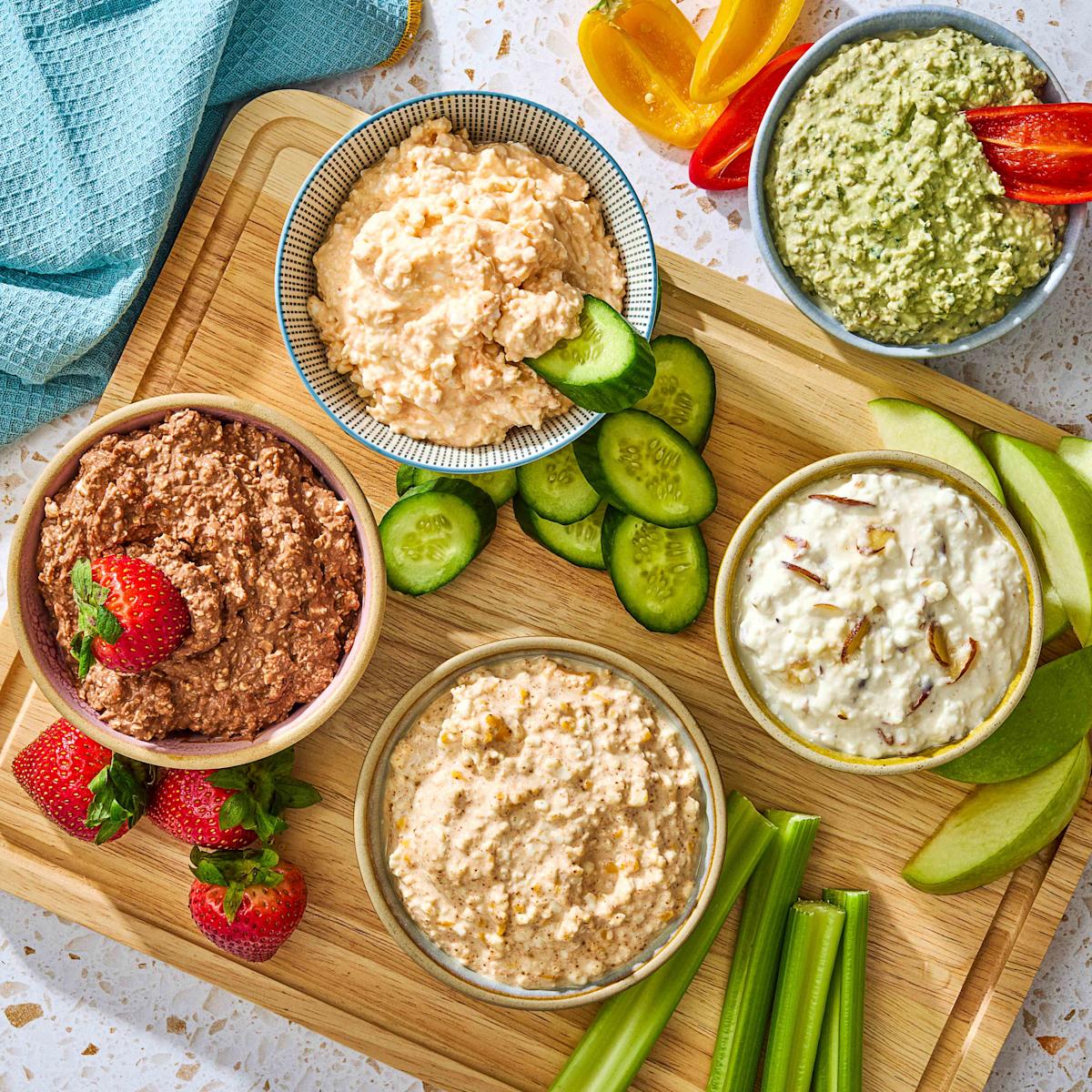
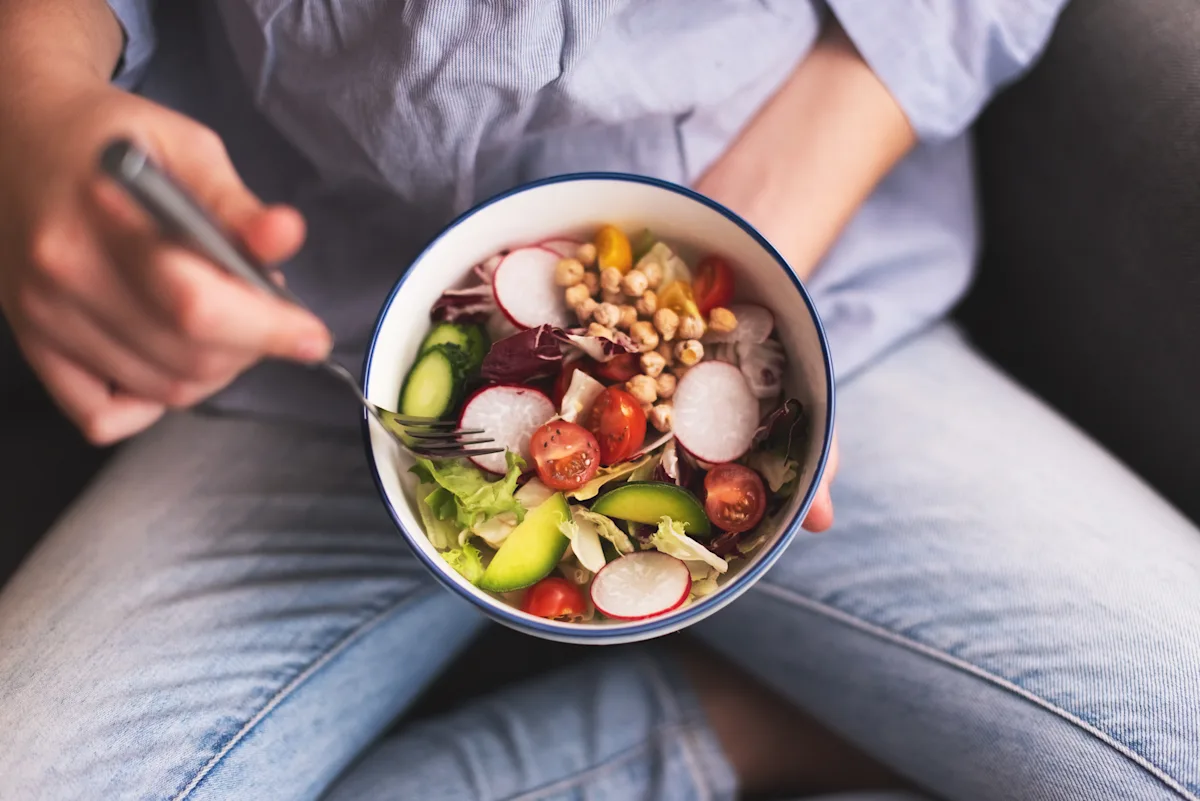
- Food quality, including fiber and protein, helps regulate both.
- Patterns matter more than any single food or nutrient.
Guidance from the 2026 Standards of Care in Diabetes emphasizes shifting away from a focus on individual nutrients and toward prioritizing overall eating patterns. Nutrient-dense, food-based choices that reflect what people actually eat and how different foods affect blood glucose.
What Should You Focus on Day to Day?
Instead of choosing between calories and sugar, it helps to focus on how meals are built. The goal is to create steady, predictable blood sugar responses while supporting overall health.
Simple strategies can make a big difference:
These habits support both immediate blood sugar control and long-term metabolic health.
How Do You Find the Right Balance?
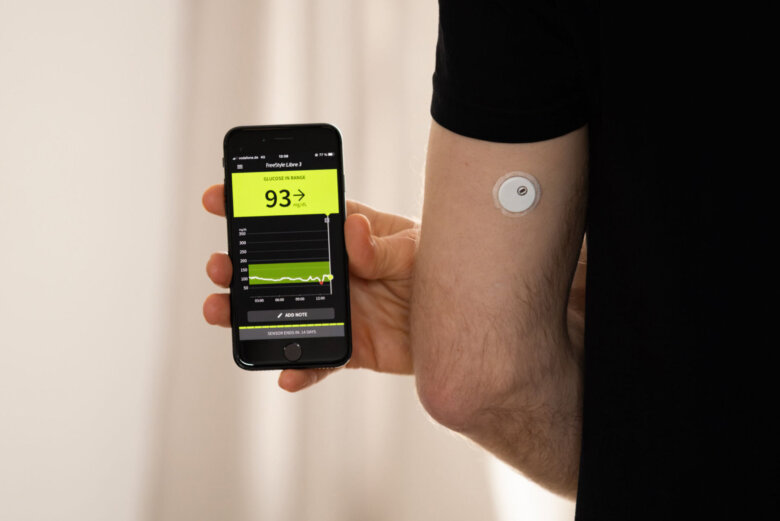
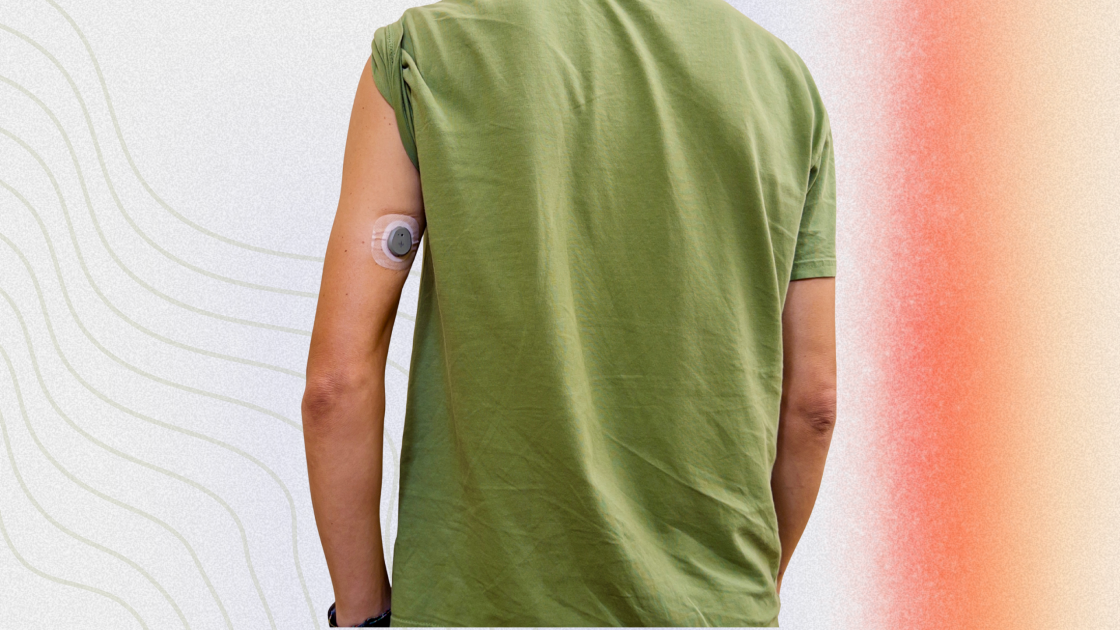
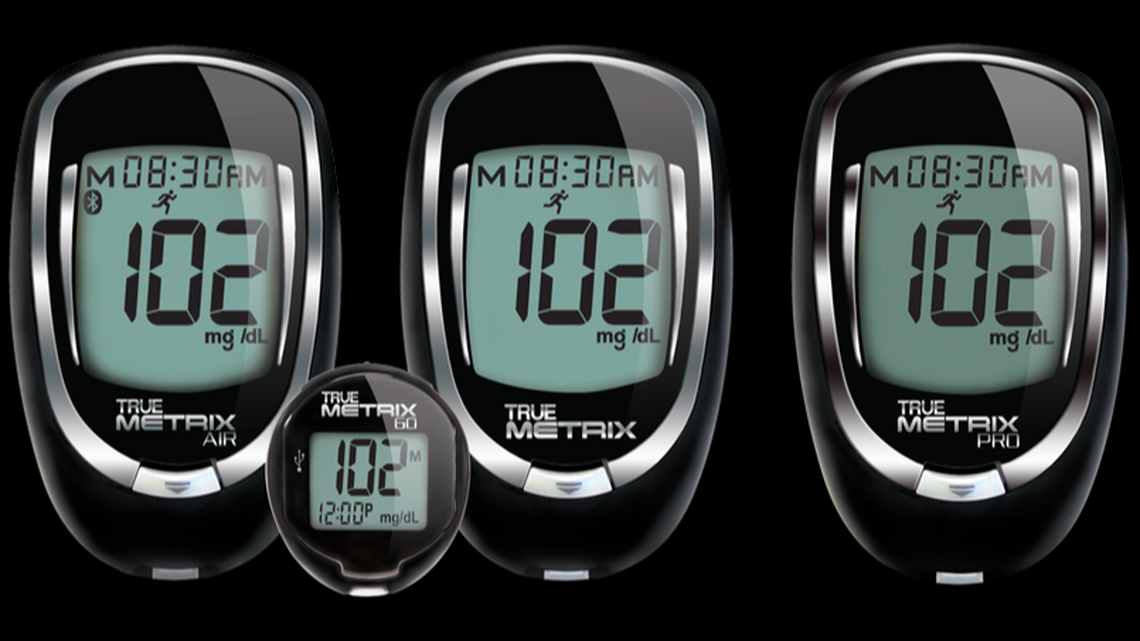
Your response to food is individual. Monitoring how your body reacts can help you fine-tune both sugar and calorie intake in a way that works for you. Use these steps to guide your approach:
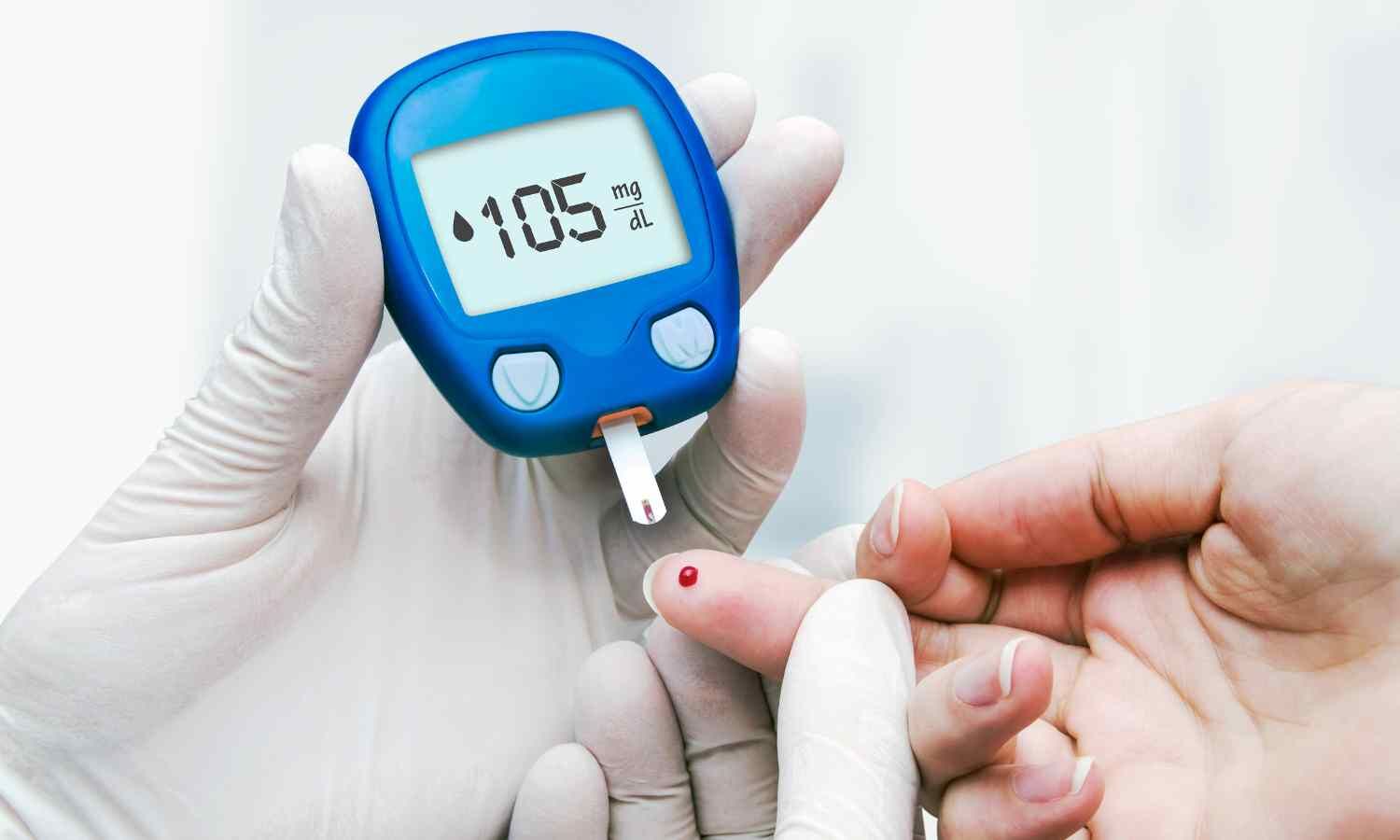
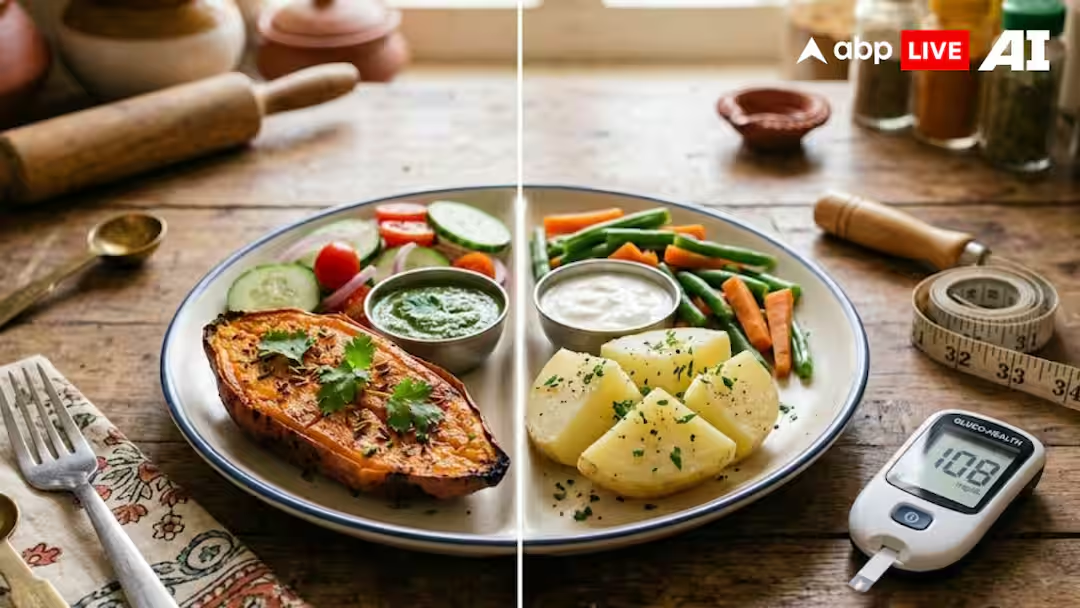
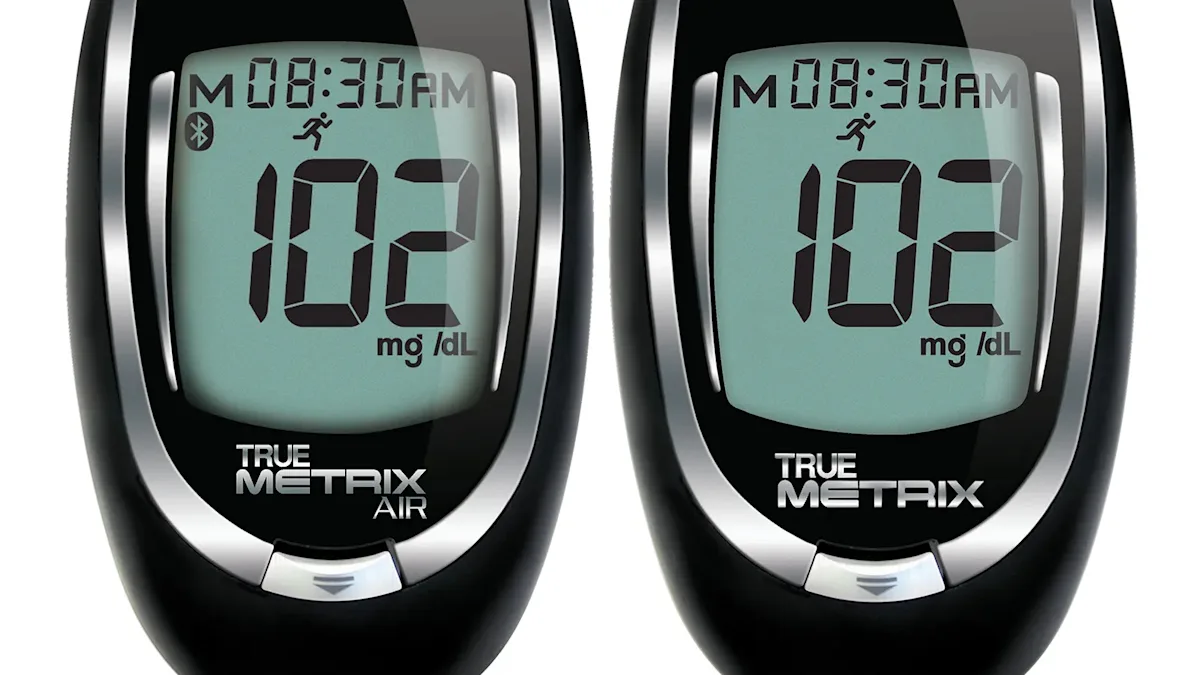
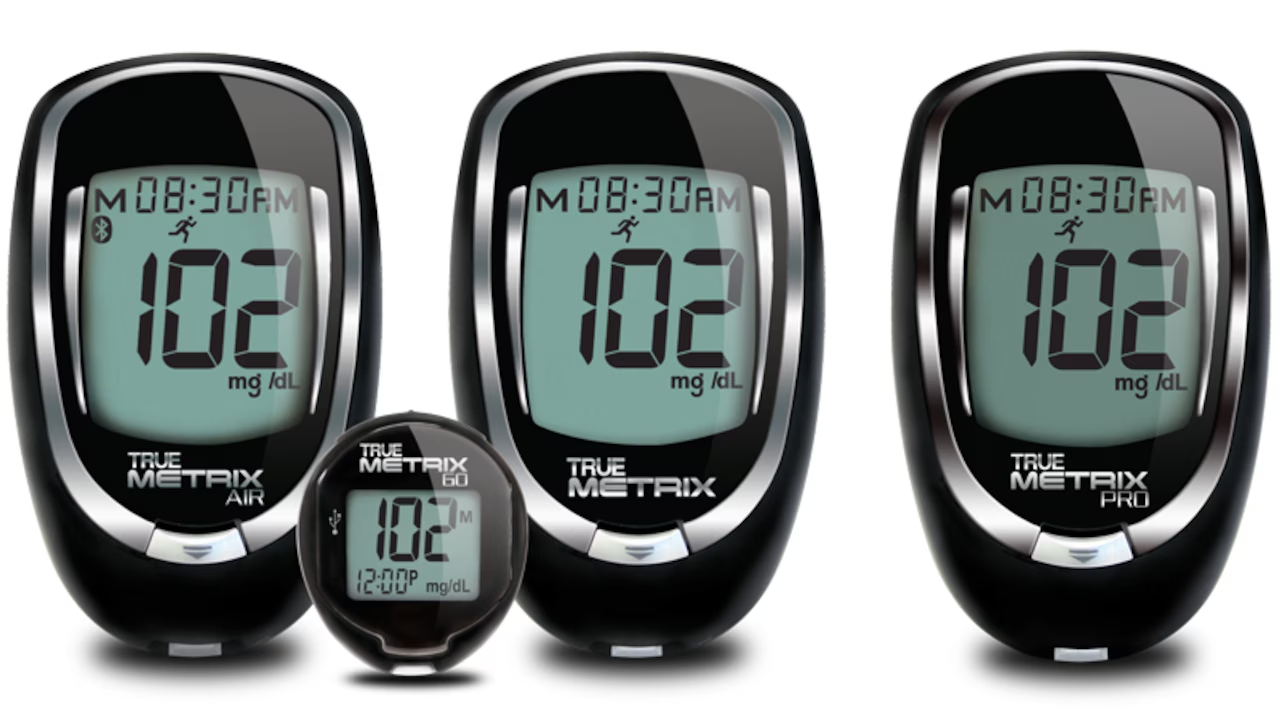
- Check blood sugar before and 1 to 2 hours after meals to identify patterns.
- Adjust one variable at a time, such as portion size or food pairing.
- Pay attention to how different types of carbs affect you.
- Aim for consistency rather than perfection.
Over time, small adjustments can lead to more stable blood sugar and greater confidence in your food choices.