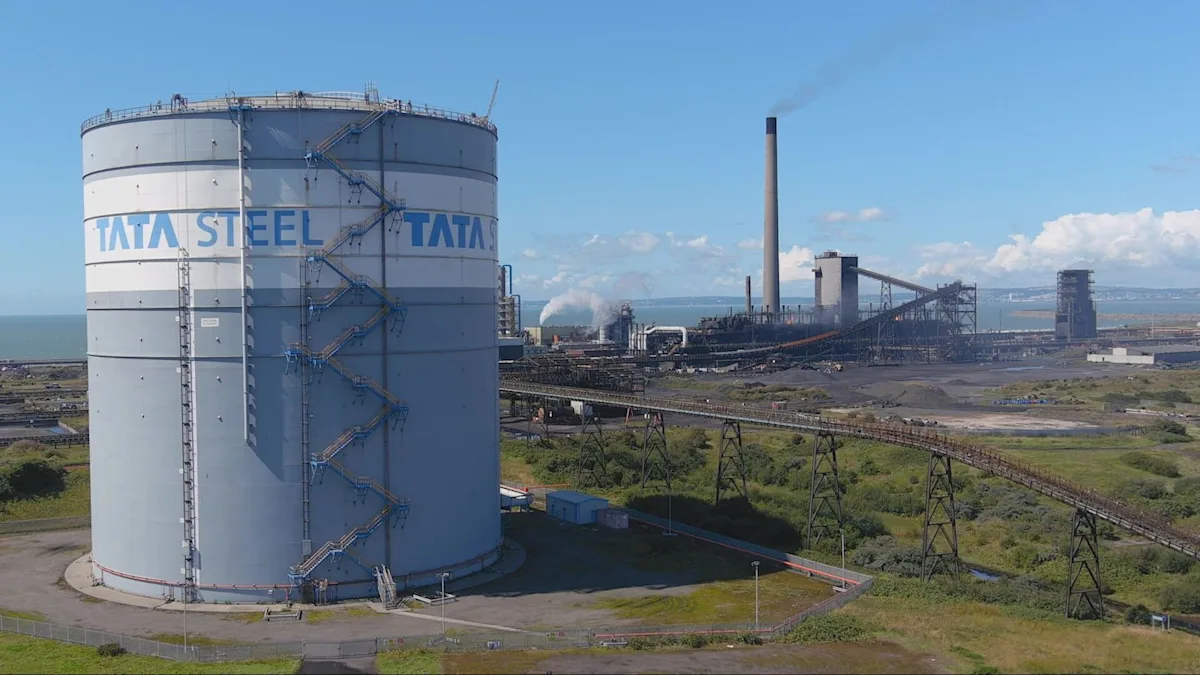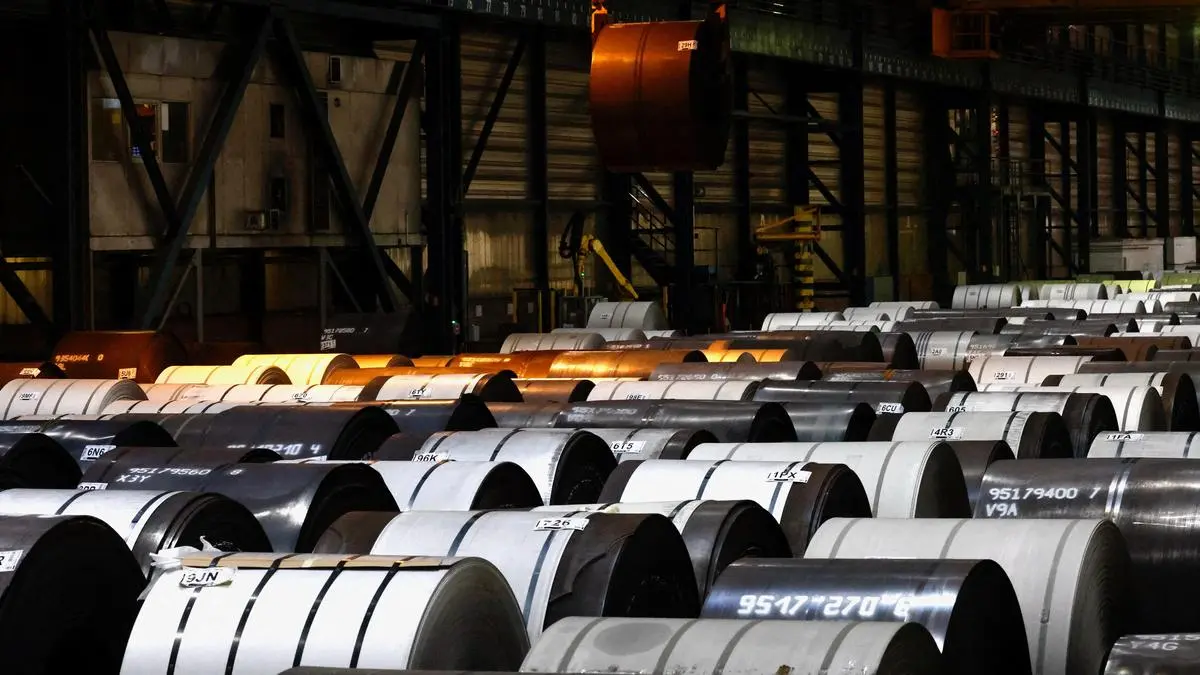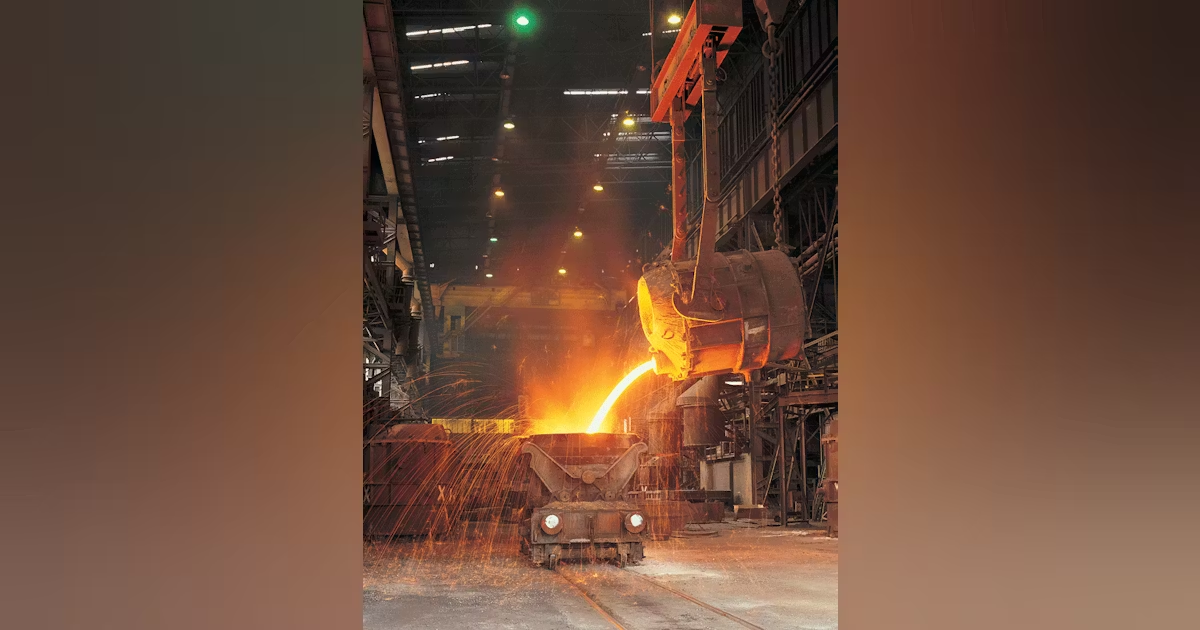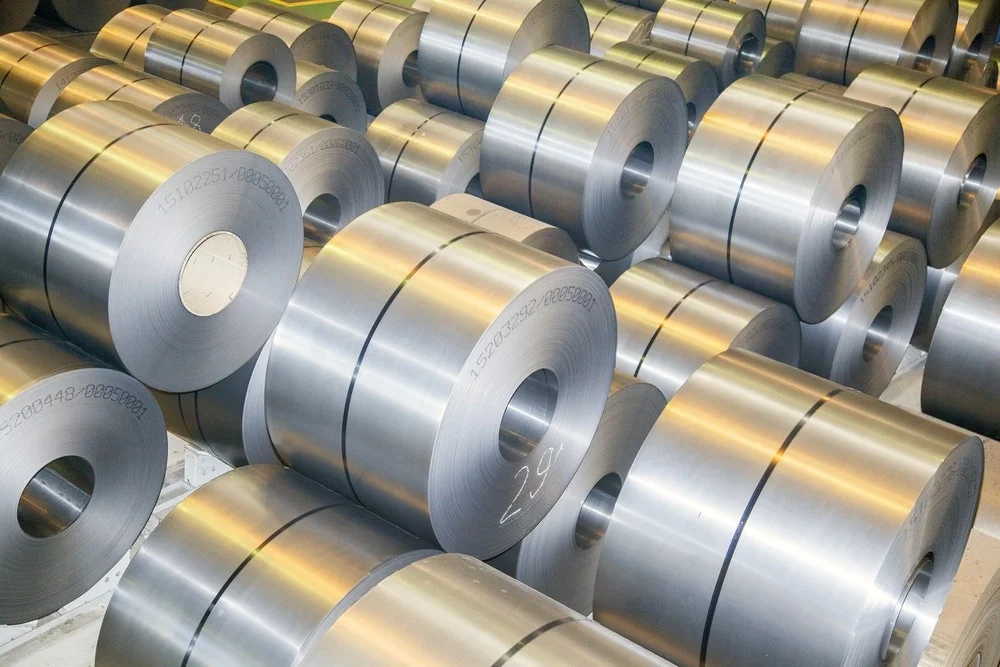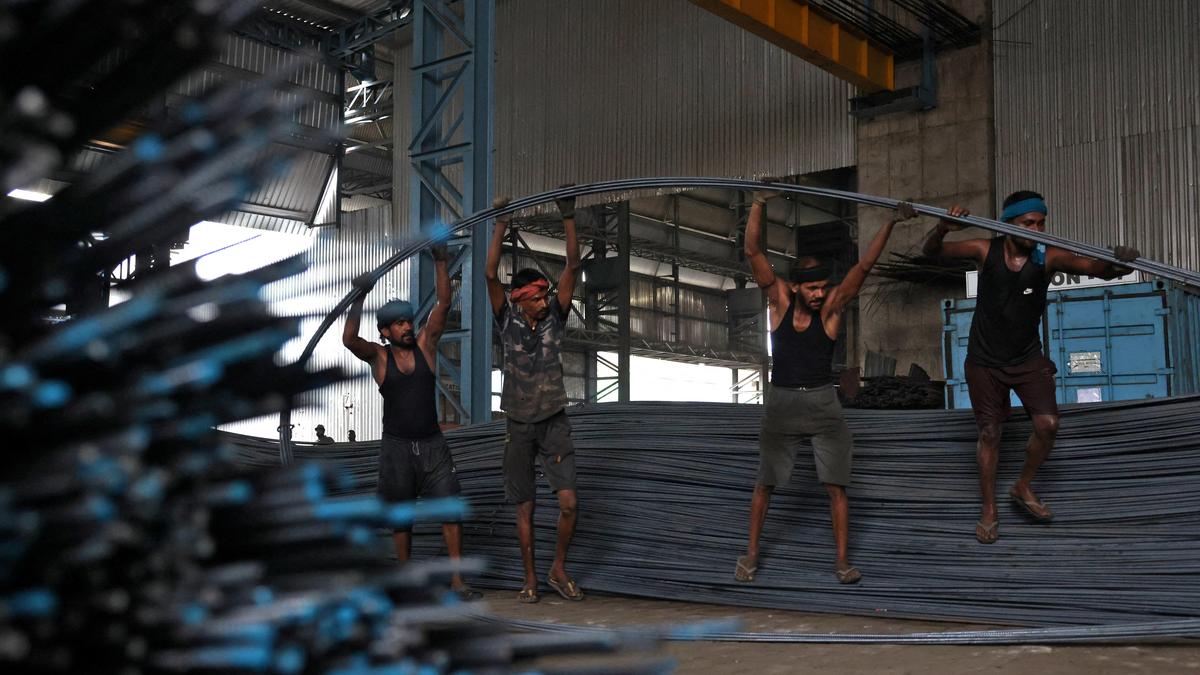

Tata Steel, a leading player in the steel sector in the domestic and global markets recently released its March 2026 quarter updates.
Tata Steel’s quarterly updates make essential reading as they give an insight into the level of construction / infrastructure development along with business activity in the country in Q4FY26, at a time when the local economy has been reeling from the impact of US/ Israel – Iran war and the shortage of various petroleum products.
The Domestic Surge: Record Tonnage Meets a Booming Auto Sector
| Million tonnes | % change y-o-y | |
| Tata Steel (domestic delivery volumes) | 6.19 | 10.5% |
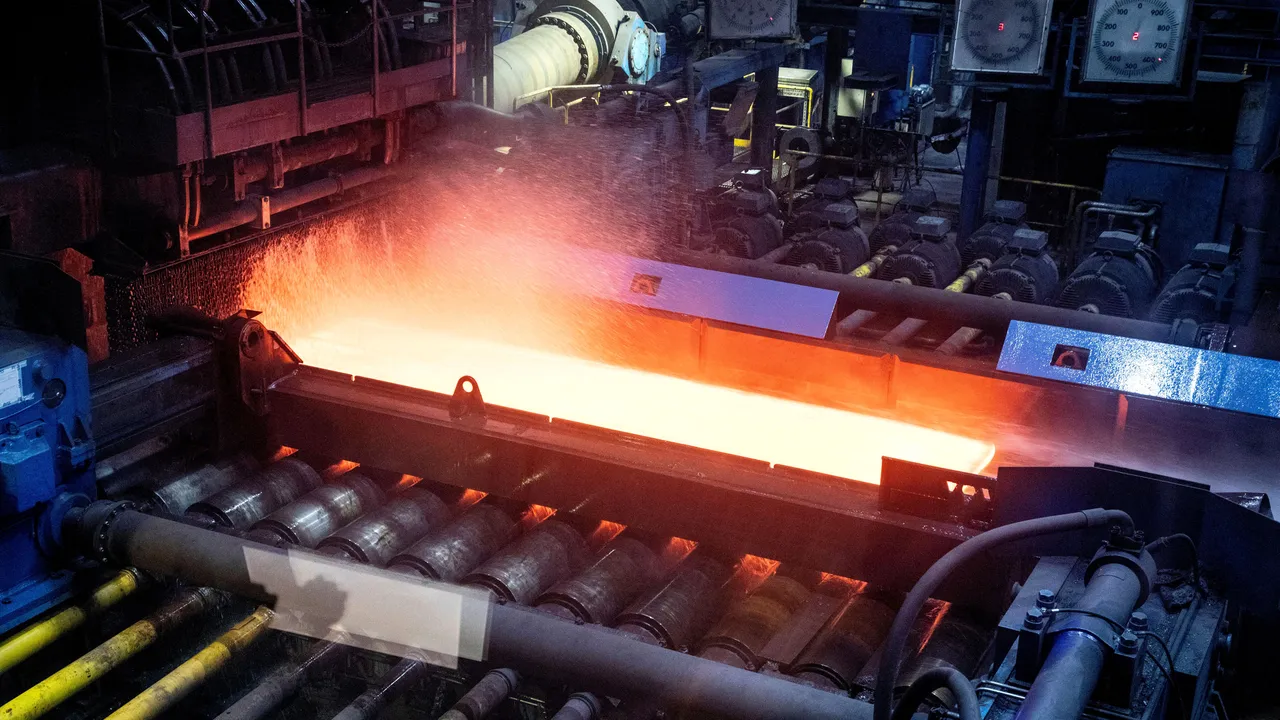
Tata Steel’s delivery volumes in the domestic market jumped 10.5% y-o-y to 6.19 million tonnes in Q4FY26, with the company highlighting ‘best-ever quarterly’ volumes. Its Indian operations are reflected in the company’s standalone quarterly results.
The Tata-controlled steel company benefited from its recent expansion, which increased capacity from nearly 3 million to nearly 8 million tonnes at its Kalinganagar, Orissa facilities. The expanded local capacity of Tata Steel comes at a time when user industries like two-wheelers and four-wheelers have enjoyed buoyant sales in the March 2026 quarter.
It was no surprise that Tata Steel has also highlighted record quarterly volumes of nearly 1 million tonnes in Q4FY26 for its automotive and special products division, with its additional capacity helping the company to produce larger volumes of higher-end steel products.
European drag: Navigating energy shocks and geo-political headwinds
Sluggish trend in European delivery volumes in Q4FY26
| Million tonnes | % change y-o-y | |
| Tata Steel Netherlands | 1.7 | Flat |
| Tata Steel UK | 0.52 | -17% |
At its Netherlands operation, delivery volumes at 1.7 million tonnes in the March 2026 quarter were broadly flat on a y-o-y basis. The continental European economies have been dealing with the shock of surging oil prices emanating from Middle East crisis coupled with the Russia-Ukraine war.
Economic growth has been sluggish in continental Europe in March 2026 quarter, despite the earlier interest rate cuts by the European Central Bank (ECB) and that is also reflected in the delivery volumes reported by Tata Steel Netherlands.
The Port Talbot Pivot: Betting £1.25 Billion on a Greener Future
At its UK operations, the company is working a £1.25 billion (nearly Rs 16,000 crore) electric arc furnace (EAF) at Port Talbot, and it would have a capacity of 3 million tonnes, when commissioned in end 2027.
The above steel plant would cut emissions by nearly 90%, as per various estimates. The transition at Tata Steel UK is being part funded via £ 500 million (nearly Rs 7,000 crore) from the UK government.
At its UK operations, the company is currently servicing customers largely with imported steel slabs and they are further processed into higher value steel products at its service centres across that country.
Delivery volumes were also subdued in the UK operations in the March 2026 quarter – its delivery volumes were 0.52 million in Q4FY26, a decline of nearly 17% y-o-y.
Strong performance from its Indian operations helped Tata Steel on a consolidated basis report improved delivery volumes in the March 2026 quarters. Tata Steel’s consolidated delivery volumes (which reflects steel operations in Asia and Europe) were 8.75 million tonnes in Q4FY26, a growth of 5.3% y-o-y.
Tata Steel’s capacity versus other large Indian players
Tata Steel has an annual global steel production capacity of nearly 35 million tonnes at the end of FY26 across Europe and Asia, with its domestic steel capacity at more than 23 million tonnes.
JSW Steel’s consolidated steel capacity was 35.9 million tonnes at the end of FY26, with 34.4 million tonnes in the local market and the rest in USA.
Another leading steel player, SAIL’s steel capacity was nearly 19 million at the end of FY25.
The China factor: Global supply cuts create a floor for Steel prices
Steel prices in India and globally have shown a rise of 3% to 5% y-o-y in the March 2026 quarter on account of rising input costs, like iron ore and coking ore. Also, the surge in global shipping freight rates have also contributed to higher prices of steel products across the globe.
There could be two other factors at play.
First, to protect the domestic steel industry, the central government had imposed a 12% safeguard duty on imported steel from April, 2025. This is still in effect and helps support prices.
Second, the Chinese government has taken several policy measures to reduce steel production in that country, by shutting unviable steel plants.
According to the global steel industry body, Worldsteel.org, Chinese steel production fell by 4% y-o-y to 891.7 million between January, 2025 till November, 2025. China accounted for over 50% of global steel capacity at the end of calendar year 2025, according to various industry estimates.
No doubt, Tata Steel will benefit from rising global steel prices however, sluggish growth trend in the broader western European economy remains a cause of concern for investors on Dalal Street.
Investors will be closely monitoring Tata Steel in its ability to optimise rising steel prices along with higher input prices in the March 2026 quarter.
The Valuation Verdict: Is SAIL’s Discount a Better Watch-List Play?
| Company | Consolidated P/E |
| Tata Steel | 26.4 times |
| JSW Steel | 37.6 times |
| SAIL | 22.9 times |
Strong global steel prices have helped to ensure strong investor interest for steel stocks.
Tata Steel was broadly flat in Monday trade at Rs 206.6, and not too far from its 52-week high of Rs 216.5 that was reached on 25 February, 2026. Tata Steel trades at a consolidated P/E of 26.4, according to Screener.in. Over the past five years, the stock has traded at a P/E between 3.4 times and 183.2 times.
JSW Steel was down 0.9% to Rs 1,204 in Monday trade, and again not too far from its 52-week high of Rs 1,284.6 that was reached on 25 February, 2026. JSW Steel trades at a consolidated P/E of 37.6 times, according to Screener.in. Over the past five years, the stock has traded at a P/E between 6.3 times and 73.6 times.
SAIL was up 1.1% to Rs 168 in Monday trade, and not too far from its 52-week high of Rs 171.4 that was reached on 13 April, 2026. SAIL trades at a consolidated P/E of 22.9 times, according to Screener.in. Over the past five years, the stock has traded at a P/E between 2.2 times and 29.4 times.
Steel stocks tend to be quite volatile and respond almost immediately to changes in the global; economy and trade cycles. SAIL trades at valuations lower than Tata Steel and JSW Steel. It may be a good idea to add the steel stocks on your watch list for 2026.
Amriteshwar Mathur is a financial journalist with over 20 years of experience.
Disclosure: The writer and his family have no shareholding in any of the stocks mentioned in the article. The website managers, its employee(s), and contributors/writers/authors of articles have or may have an outstanding buy or sell position or holding in the securities, options on securities or other related investments of issuers and/or companies discussed therein. The content of the articles and the interpretation of data are solely the personal views of the contributors/ writers/authors. Investors must make their own investment decisions based on their specific objectives, resources and only after consulting such independent advisors as may be necessary.