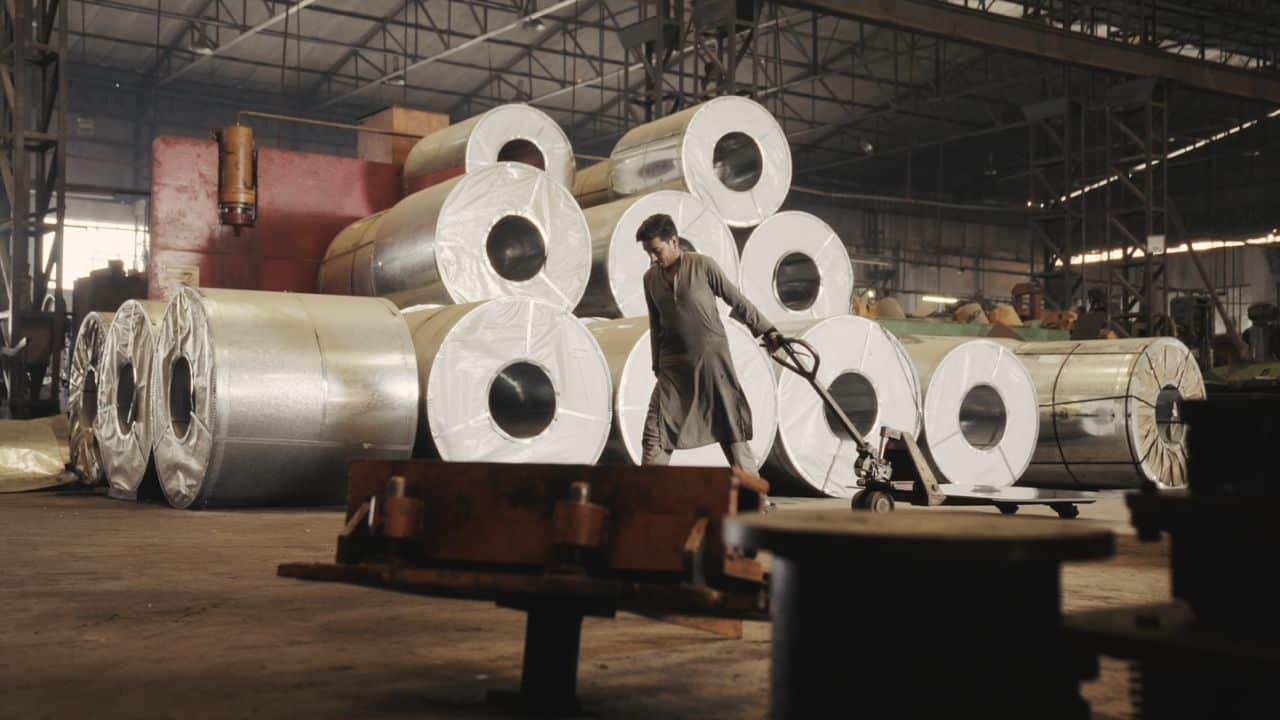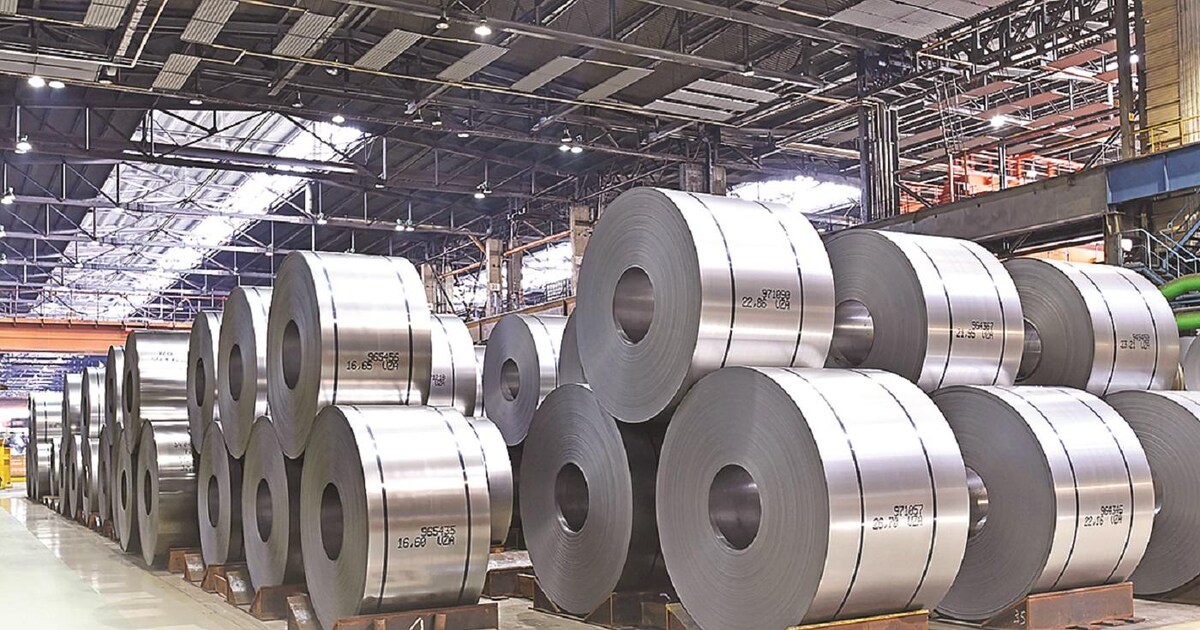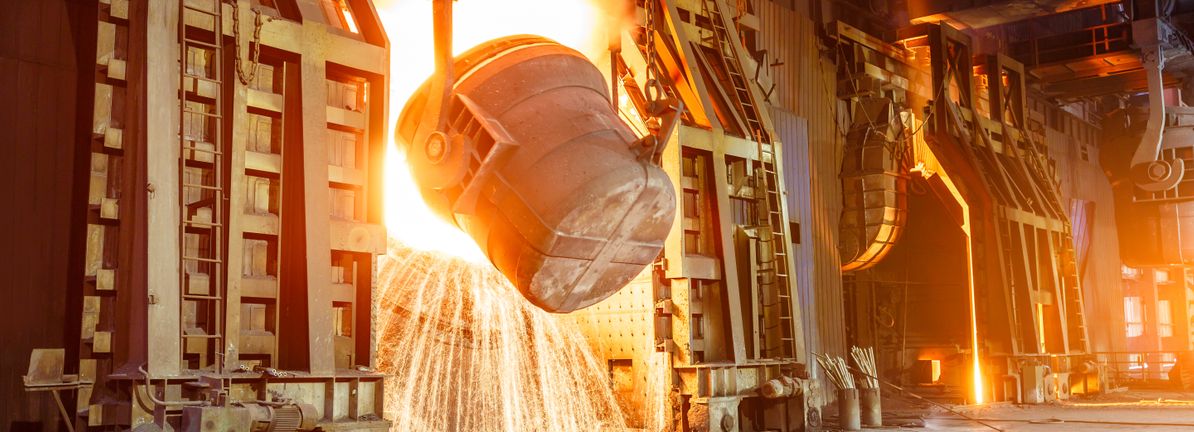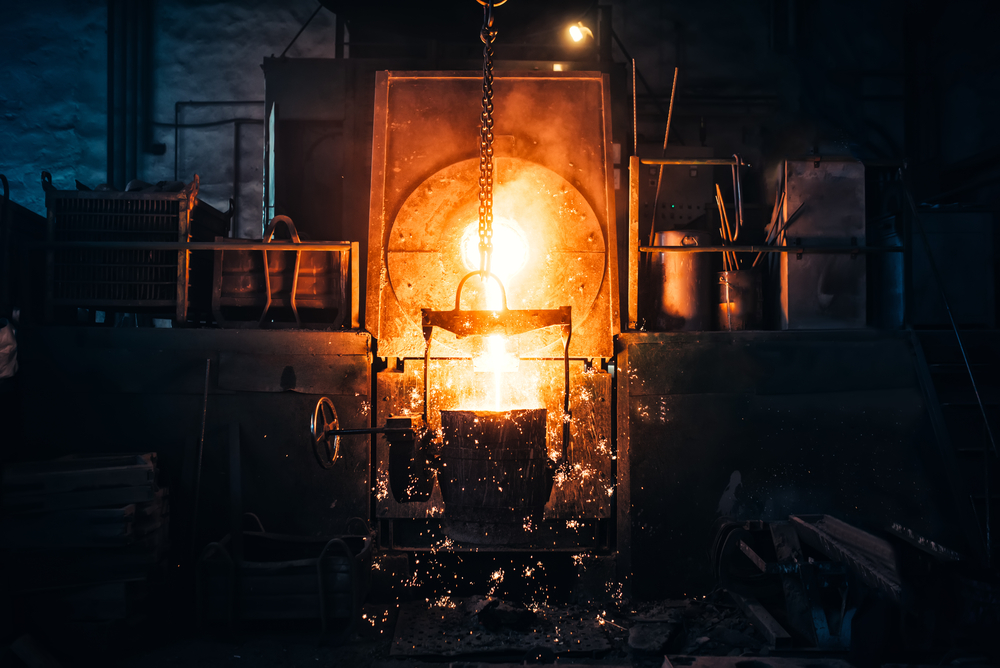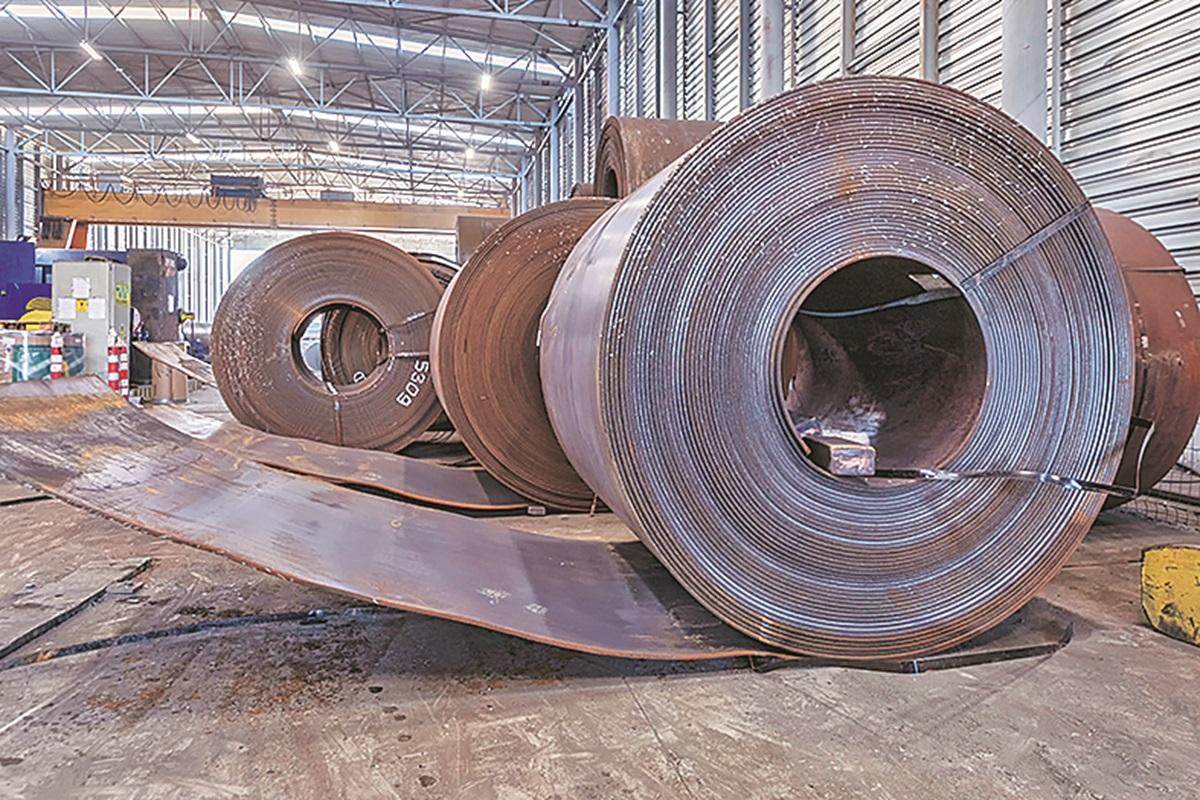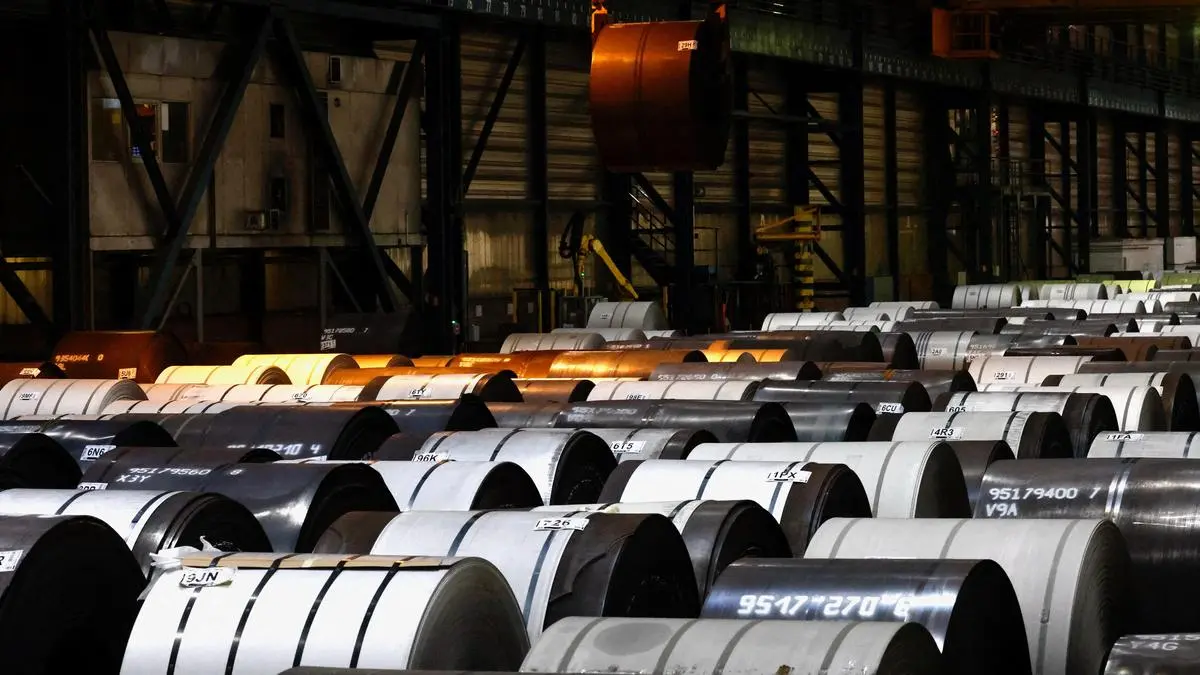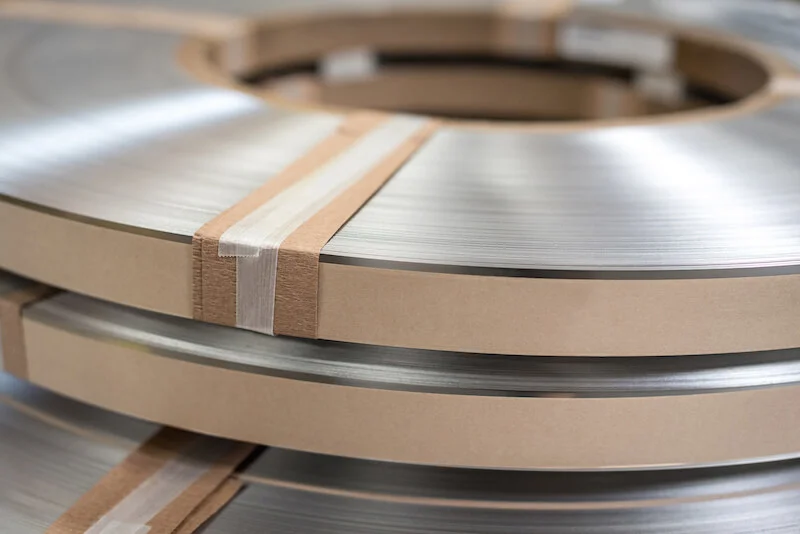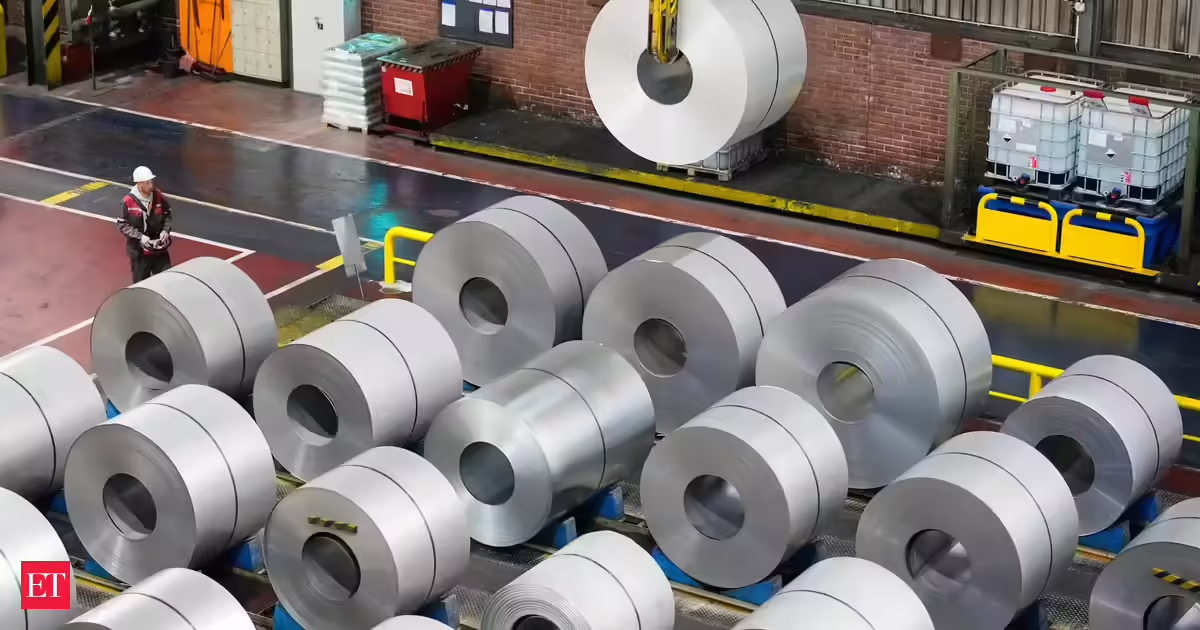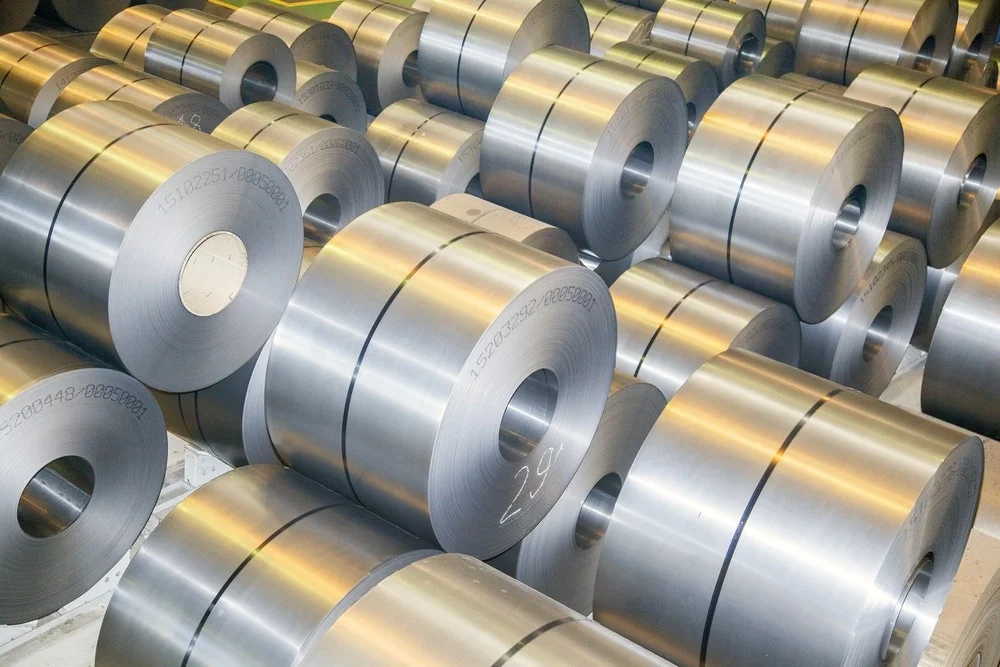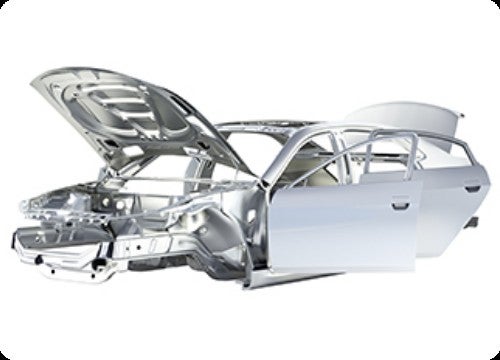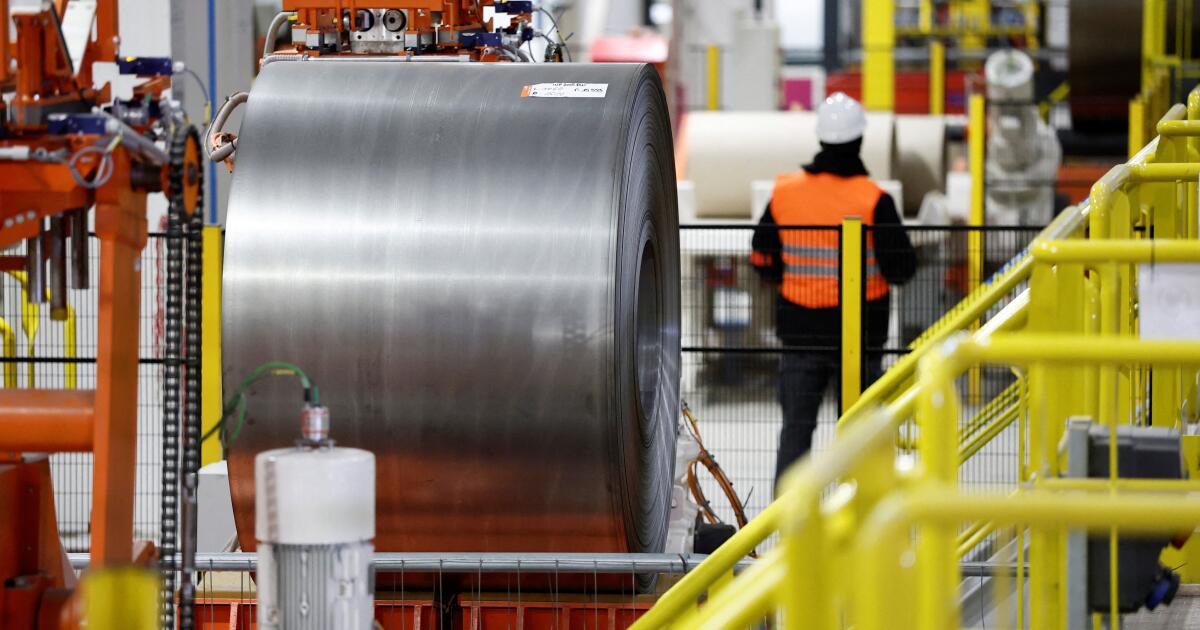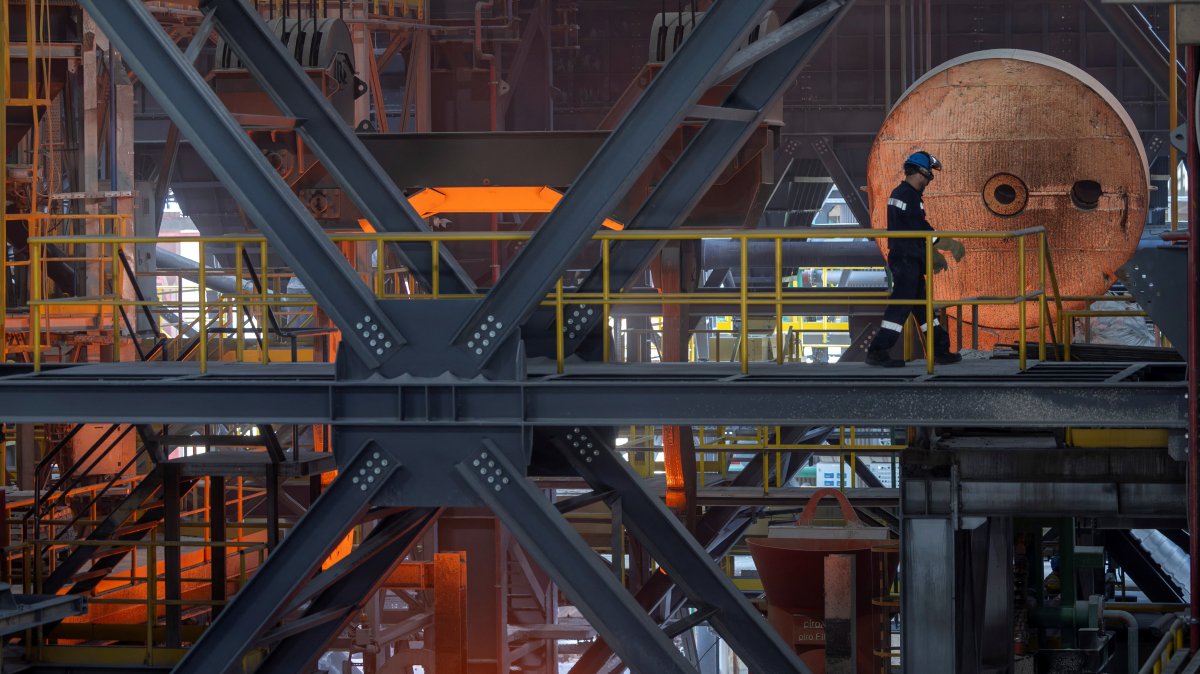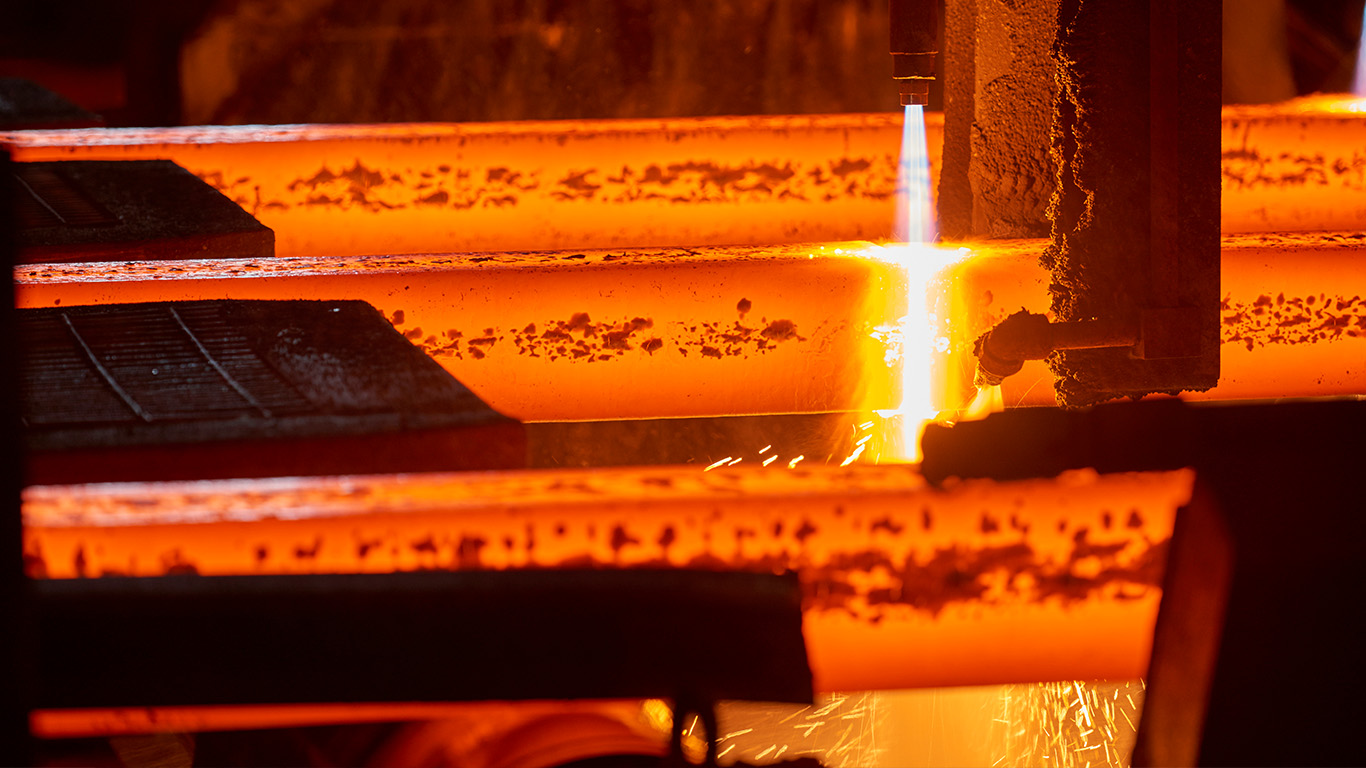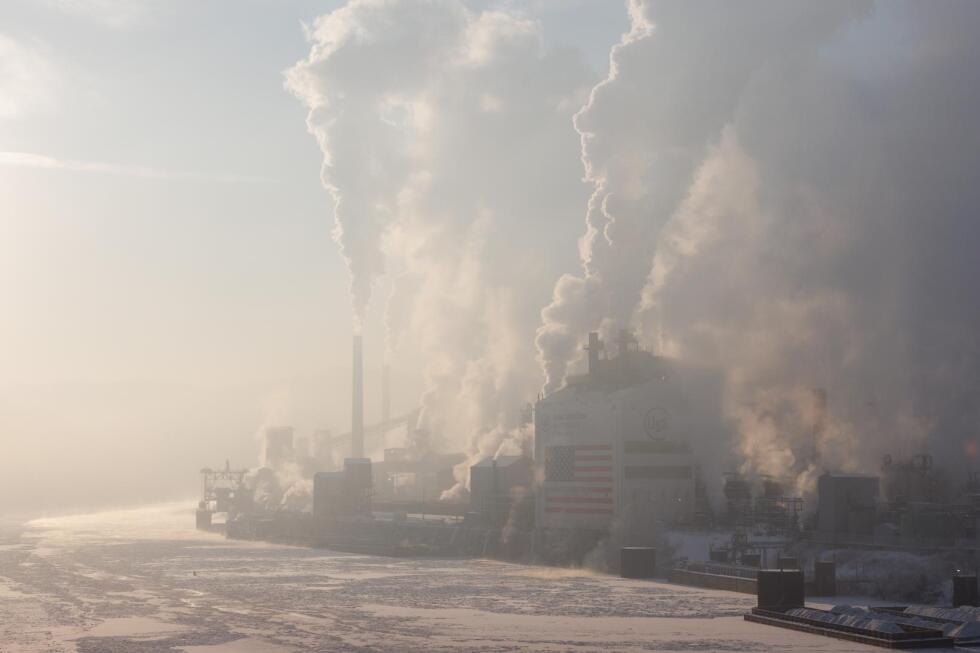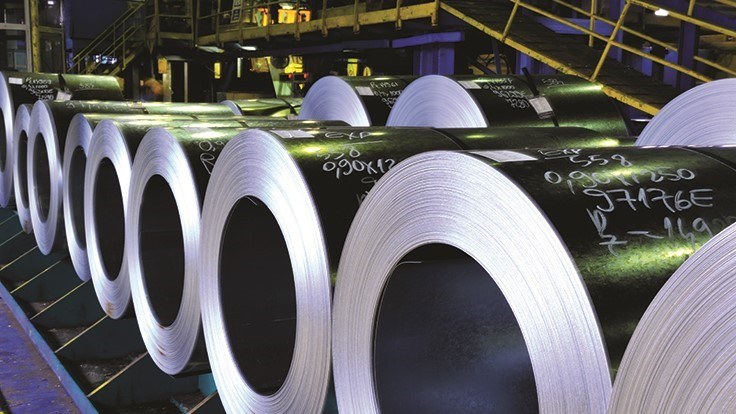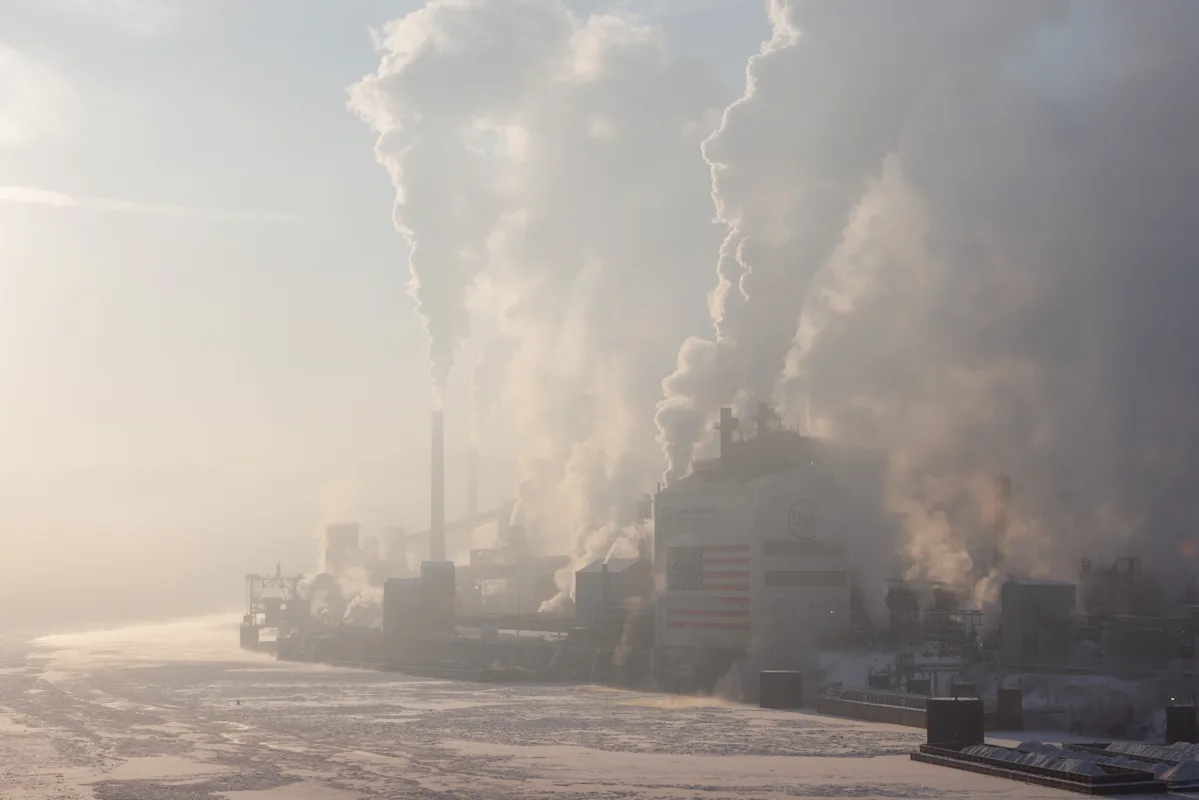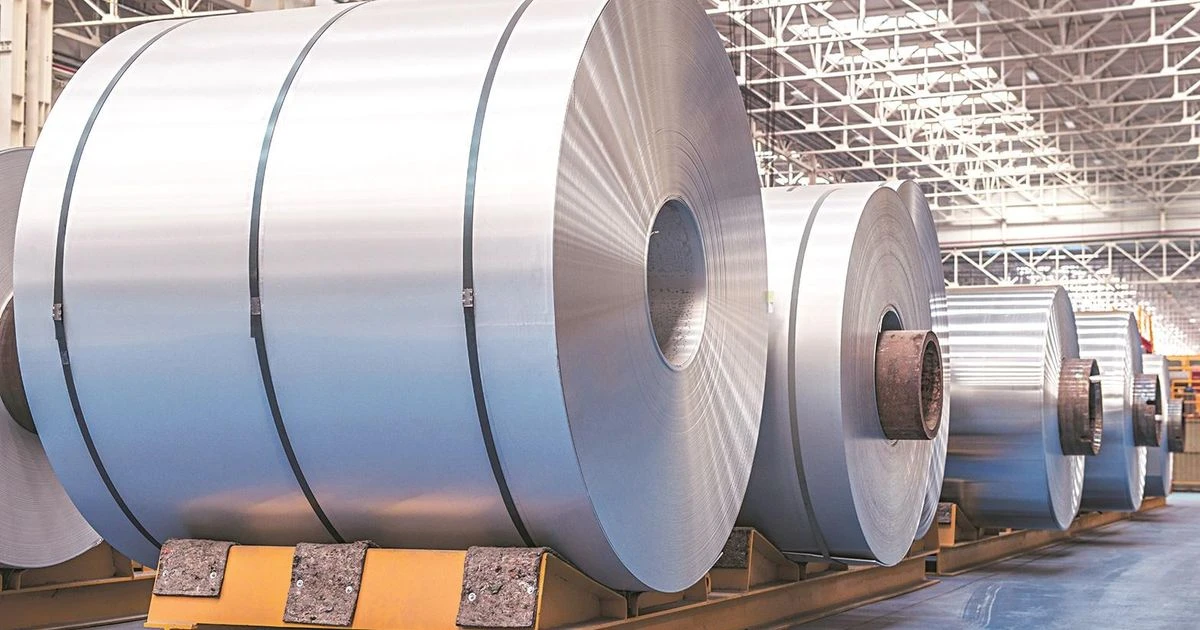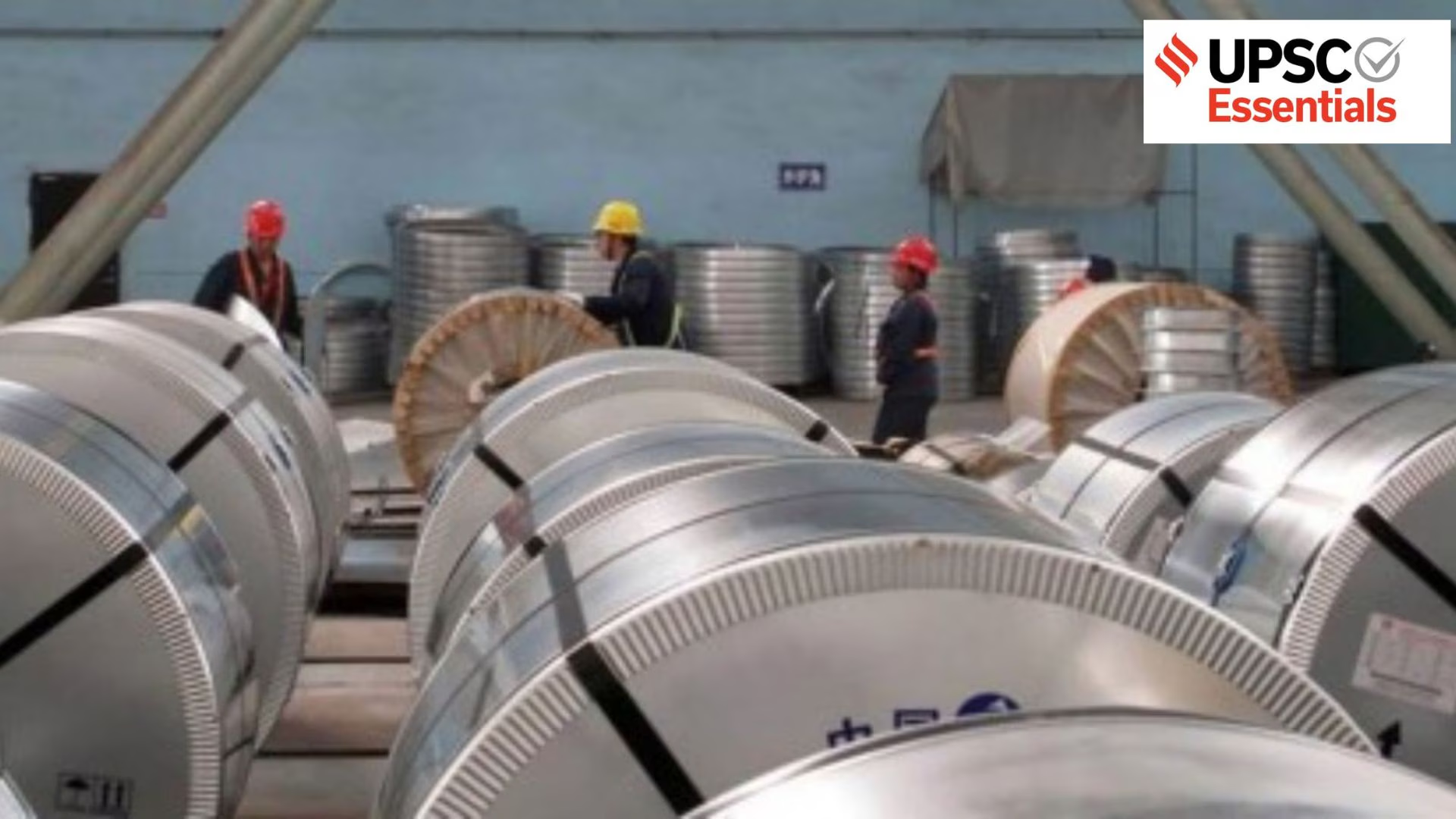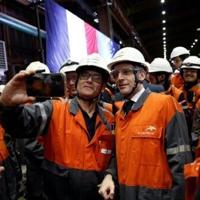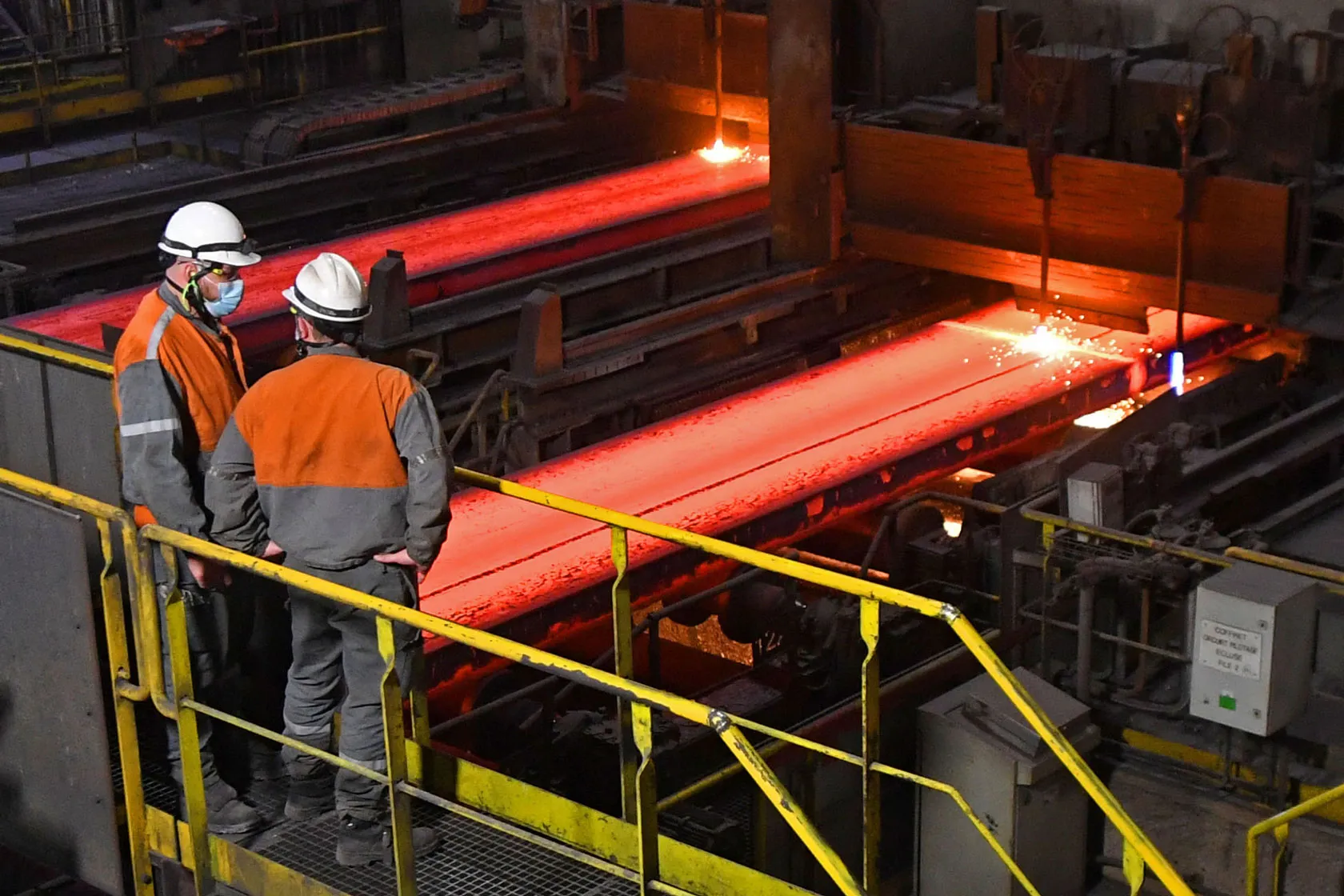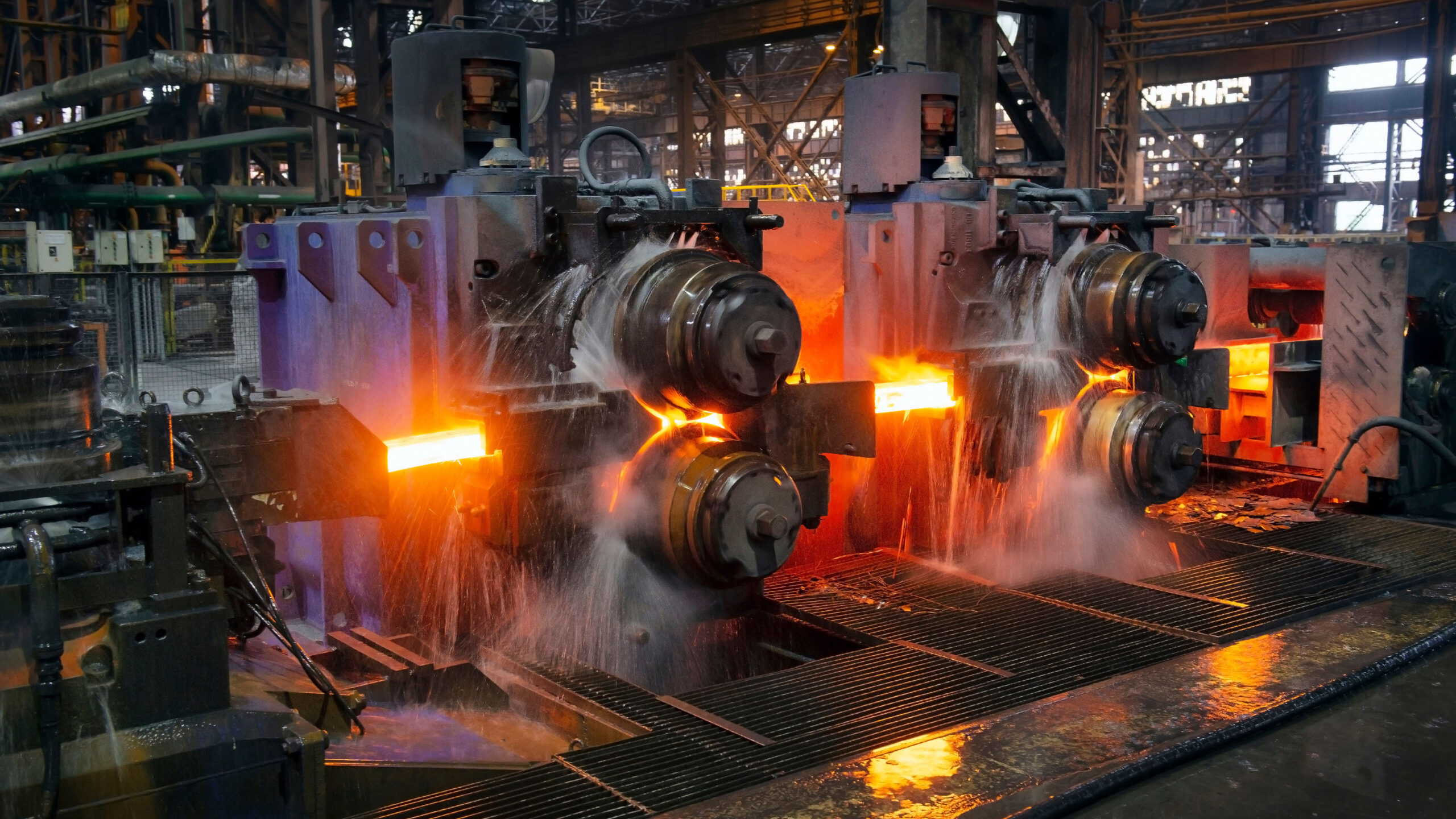
HYBRIT’s green iron, after being made into steel, was rolled by S.S.A.B. That company’s first green-steel delivery went to Volvo, and this month S.S.A.B. also announced a partnership with Mercedes-Benz. Gökçe Mete, who leads the industry transition group at the Stockholm Environment Institute, told me that cars made using green steel will cost about three hundred euros extra. (Washing machines, another potential product, will cost about twenty euros more.) She thinks that many buyers will happily pay the premium. “Green steel is so prominent in Sweden,” Mete said. “You can hear young people, even hipsters, speaking about it, in cafés, having their poke bowls. Green steel is becoming a really hot topic in everyday life.” She credits the enthusiasm to a combination of media coverage, a widespread passion about the climate, and Sweden’s industrial economy: an estimated one in ten Swedes works in advanced manufacturing.
Svante Axelsson, the national coördinator for the government initiative Fossil Free Sweden, is charged with helping government and industry agree on how to transform the economy. “We have all parties with us, all unions, and also people in the streets, because they’re working in these companies,” he told me. “In one way, we have changed from a climate issue to, How can we create jobs in the future?” Axelsson said that “the state’s new role” was “to reduce risks if we want to act in an open economy.” Among other things, this involves trying to make public procurement, bank investment, permitting, education for workers, and regulation work in a harmonious way, around shared goals. “I’ve changed my language from ‘it’s two to tango’ to ‘square dance,’” he said. “Because we need so many actors to do the right steps in the right direction.”
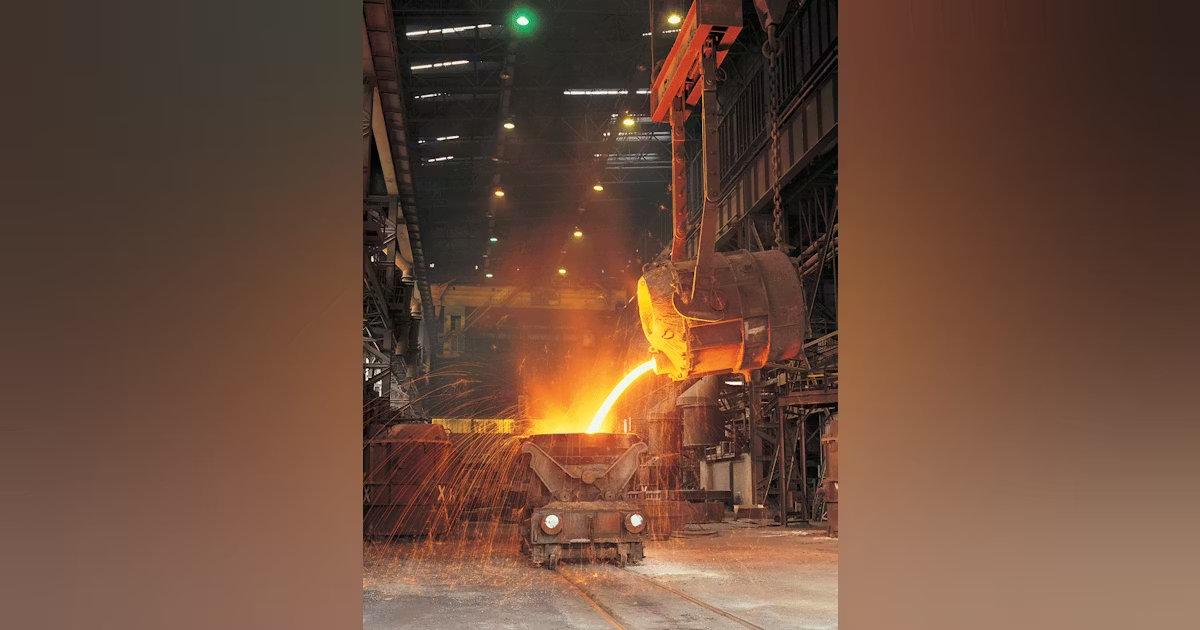
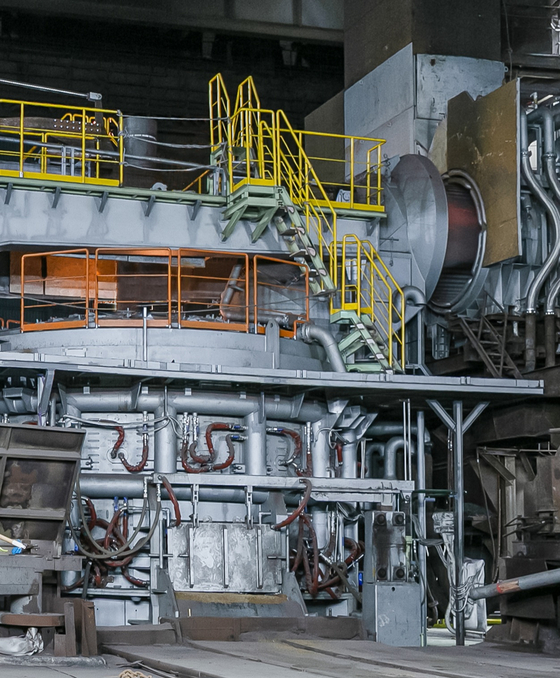
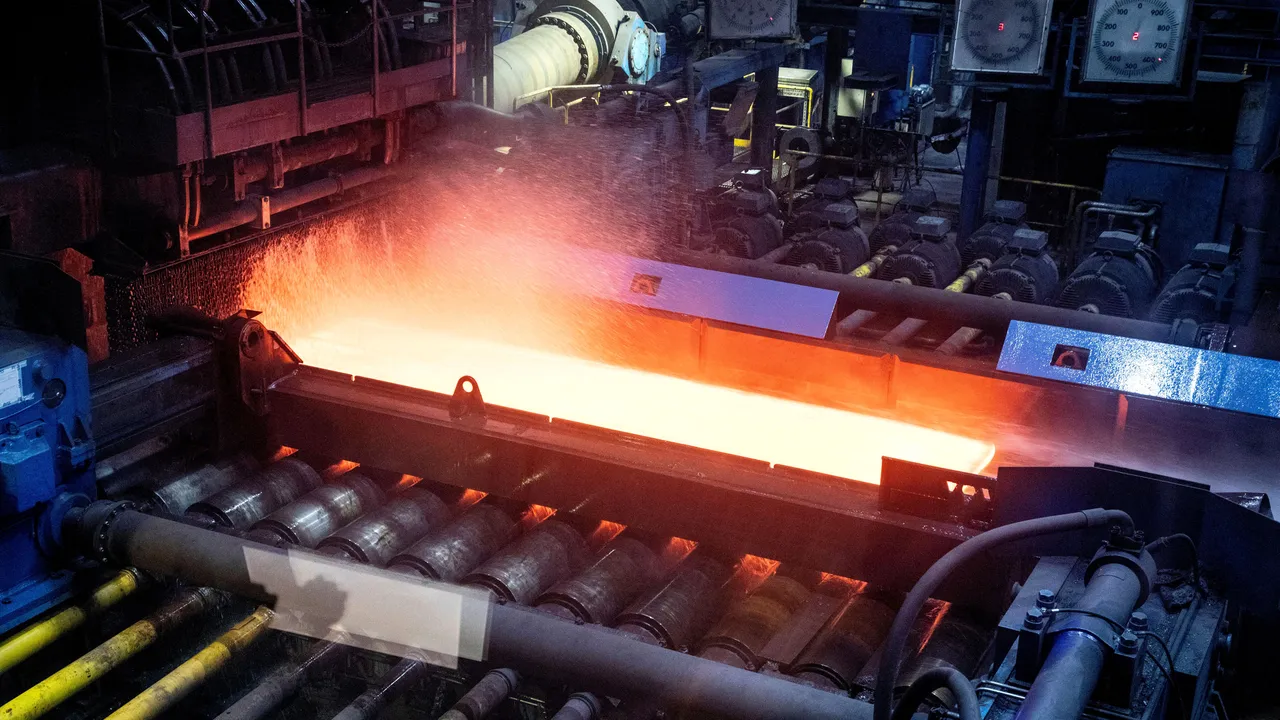
Green steel may not be cool in America, but a similar and potentially more consequential program exists in the U.S. While the direct reduction of iron with pure hydrogen is new, direct reduction with natural gas is not. Midrex, a steelmaking firm based in North Carolina, pioneered the latter method, and built its first pilot plant in 1967. Today, the company has dozens of plants operating on that principle around the world, producing more direct-reduced iron than its competitors combined. Midrex turns natural gas into carbon monoxide and hydrogen, which together reduce iron in a shaft furnace; compared with a blast furnace using coke, this produces a third to a half less carbon dioxide.
Midrex, like HYBRIT, aims to go full hydrogen. In Hamburg, Germany, it is planning to build a commercial-scale demo plant for ArcelorMittal, the world’s second-largest steelmaker, by 2025; the plant will be able to use either hydrogen and carbon monoxide or pure hydrogen, and the German government will be covering half of its hundred-and-ten-million-euro cost. Switching between the two methods poses some engineering challenges. “It is not so obvious that you just change the hose and inject the hydrogen,” Lutz Bandusch, an ArcelorMittal executive who is the manager of the Hamburg site and six others in Europe, said. When you use natural gas to reduce iron, a useful shell of carbon forms on the surface of the iron pellets; this protects the pellets from rust and combustion. Without such a layer, the company will need to modify the way it melts, stores, and handles its iron. Fabrice Patisson, an engineer at the Nancy School of Mines, in France, has studied hydrogen-based direct-reduced iron in a lab, and built computer simulations of full-scale Midrex furnaces; he sees no deal breakers, just questions—about the optimal furnace shape, or the best place to add hydrogen—that need answering.